The September Task That Helps Michigan Azaleas Bloom Better Next Spring
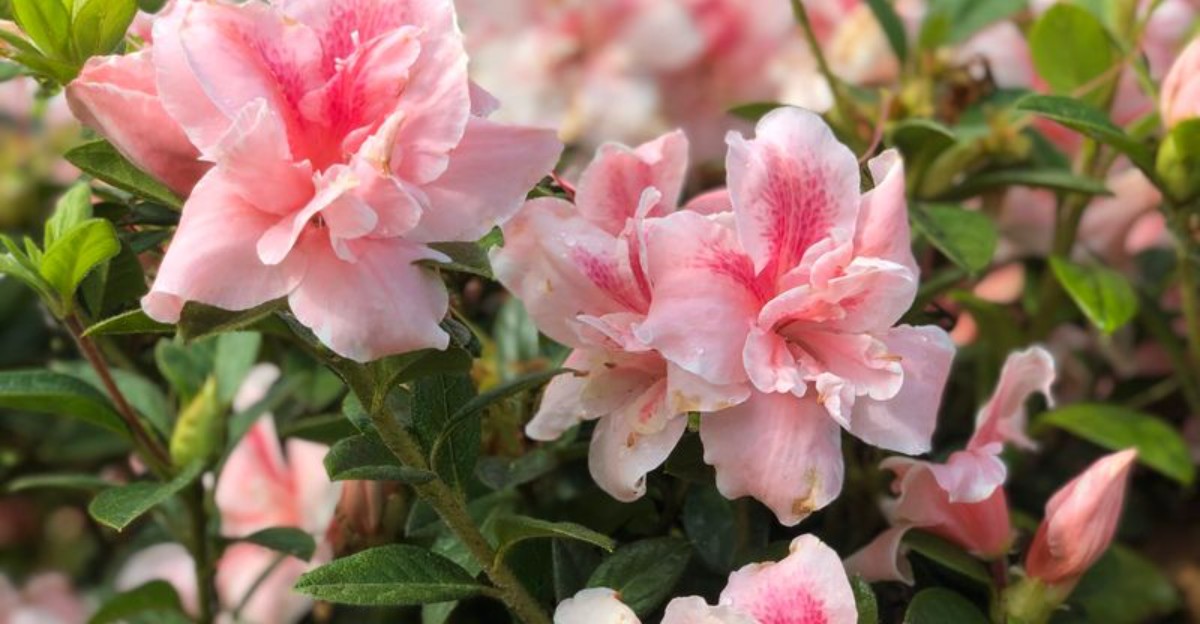
Azaleas are one of the earliest and most colorful bloomers in Michigan gardens each spring, and that display depends heavily on what happens to the shrub this September.
Like many spring-flowering shrubs, azaleas set their flower buds on old wood well before winter arrives, meaning next year’s bloom is essentially being decided right now.
A poorly timed pruning cut or a plant left stressed and thirsty during this window can mean fewer flowers or a noticeably sparser show come spring.
Because azaleas don’t correct a lost bloom season quickly, getting this task right matters more than it might seem in the moment. Here’s the kind of attention that pays off with a fuller, more vibrant azalea display next year.
1. Keep Azalea Roots Moist Before Winter
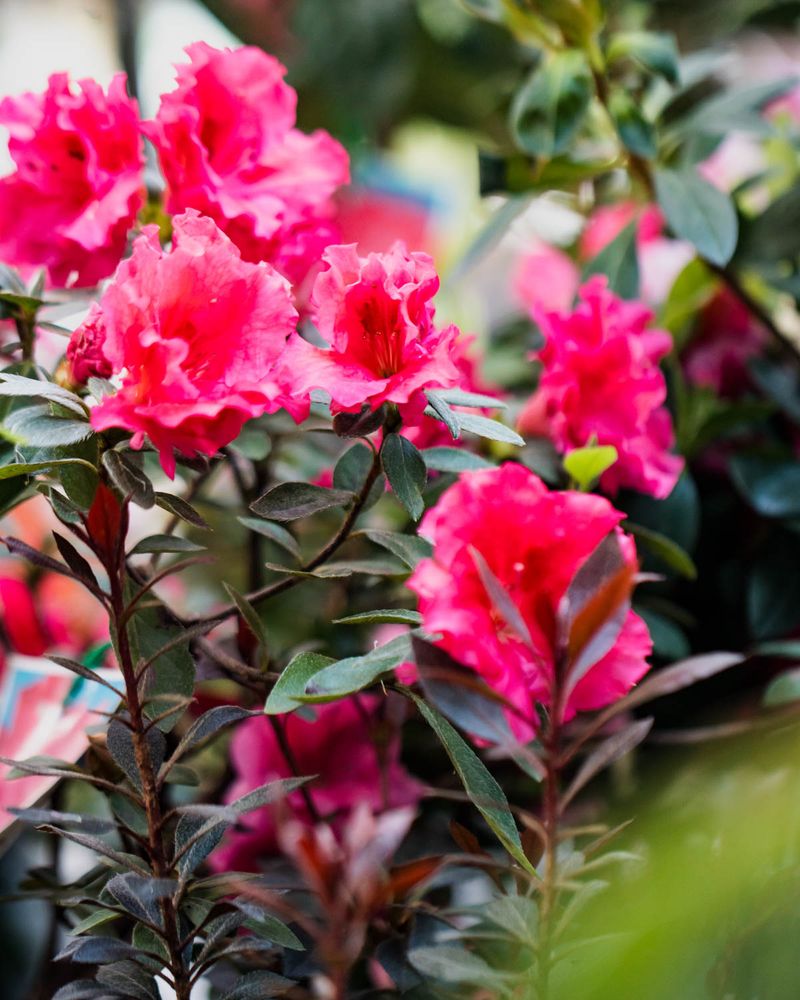
Water might be the last thing on your mind once the air turns cool, but your azaleas are still thirsty in September. Plants that go into winter with dry roots are far more likely to struggle when the ground freezes.
Think of moisture as a safety blanket. When the soil stays evenly damp, azalea roots can store the strength they need to survive cold months and push out flowers in spring. Dry, stressed plants often drop buds or bloom poorly.
Michigan falls can swing between rainy weeks and surprisingly dry stretches. Check the soil a few inches down with your finger, and if it feels dry, give the plant a slow, deep drink rather than a quick splash.
Deep watering encourages roots to stay hydrated all the way down instead of drying out near the surface. Aim for the soil to feel like a wrung-out sponge, moist but never soggy.
Keep watering until the ground freezes, usually late in the season. This is sometimes the step people skip, thinking cooler weather means the plant needs nothing.
Evergreen azaleas especially lose water through their leaves all winter long, so entering the cold season well hydrated matters a lot. A plant that starts winter dry has almost no way to recover once the soil hardens.
Spend a little time with the hose now, and you set the stage for a healthier, flower-covered shrub. Your spring self will thank you for those extra September waterings.
2. Protect The Shallow Root System
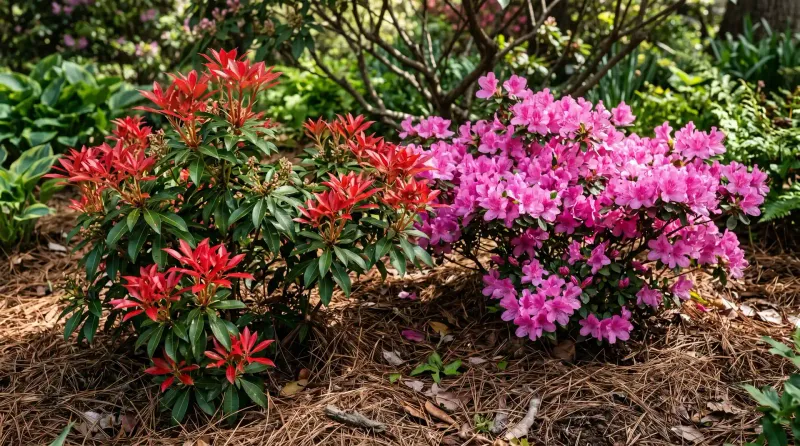
Here is something many gardeners overlook: azalea roots grow shockingly close to the surface. Unlike deep-rooted trees, these shrubs spread a fine, fibrous net just below the soil, which makes them easy to damage.
Because the roots sit so high, they dry out fast and feel every swing in temperature. A hot afternoon or a sudden freeze hits them harder than plants with roots buried deep underground.
That shallow habit is exactly why protecting the root zone matters so much. Piling on the right amount of mulch and keeping moisture steady acts like a shield against Michigan’s rough weather.
Avoid digging, tilling, or heavy foot traffic near the base of the plant. Even a little scraping with a shovel can tear roots you cannot see, leaving the shrub weaker heading into winter.
Your Michigan Garden Changes Every Week. Your Plan Should Too.
Gardening in Michigan changes quickly throughout the season. Every Friday you’ll receive a simple weekly plan showing exactly what to plant, prune, fertilize, harvest, and protect so you never miss the right timing.
When you weed around azaleas, pull gently by hand instead of using sharp tools. The goal is to keep that delicate root layer calm and undisturbed.
Temperature swings are the real challenge in fall and early winter. Bare soil warms up and cools down quickly, which stresses shallow roots and can loosen them from the ground.
A protected root zone holds steady, giving the plant a calm place to rest until spring. Think of it as tucking your azalea in for the season.
Treat those surface roots kindly now, and your shrub will reward you with a stronger comeback and better blooms once warm weather returns.
3. Avoid Fall Pruning Mistakes
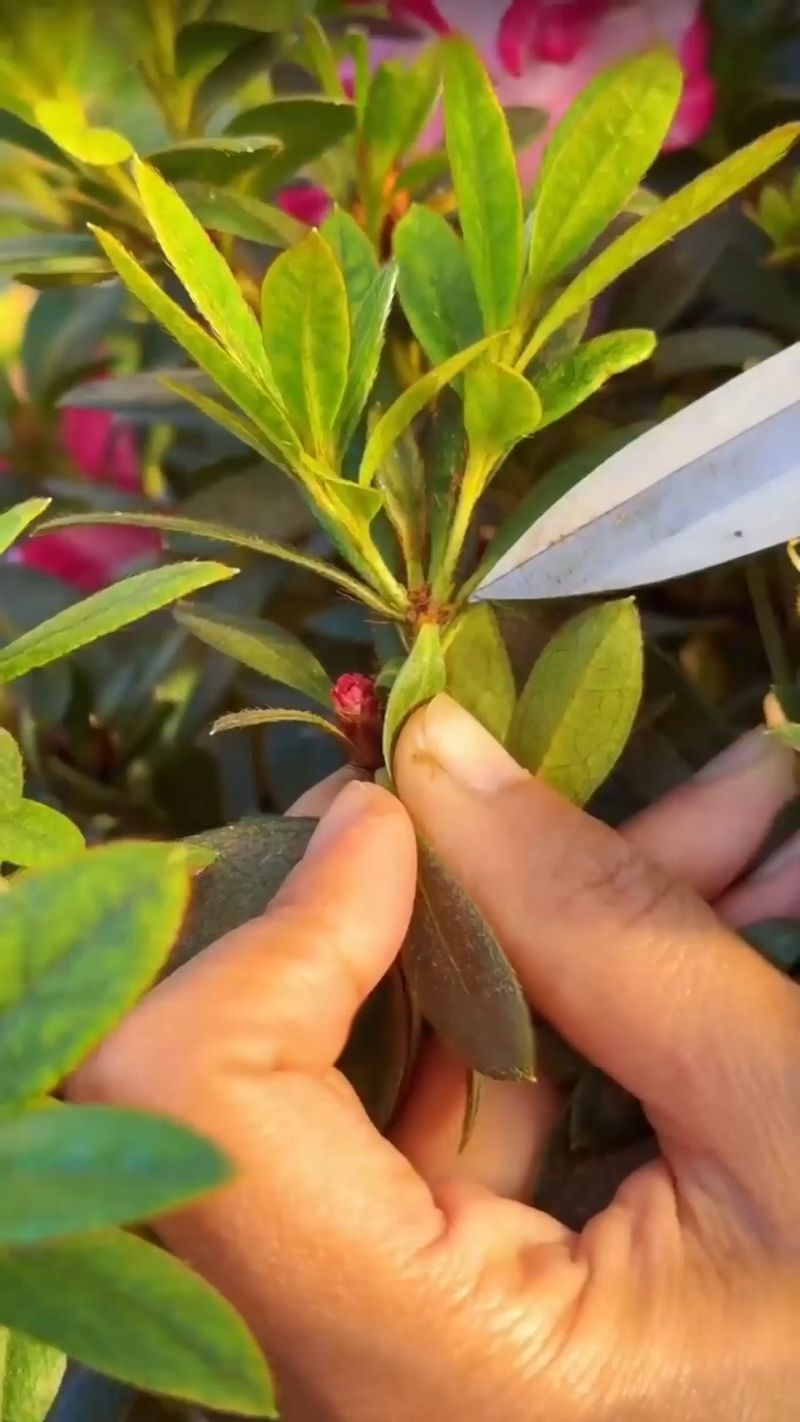
Grabbing the pruning shears in September feels productive, but with azaleas it can backfire in a big way. Many of these shrubs already carry next spring’s flower buds tucked along their older branches.
Cut those branches now, and you are snipping away the very flowers you hoped to see. That is why a heavy fall trim often leads to a disappointing, sparse spring.
Azaleas set their buds not long after they finish blooming, usually by mid to late summer. So by the time September rolls around, the show for next year is already being planned inside the plant.
The best time to shape an azalea is right after it flowers in spring, before those new buds form. Pruning during that short window lets you tidy the plant without sacrificing color.
If your shrub looks a little wild in fall, resist the urge to fix it now. A messy azalea in September is far better than a bloom-free one in April.
There is one exception worth remembering. Removing branches that are clearly broken or unhealthy is fine any time, since those need to go regardless of the season.
For everything else, patience truly pays off. Leaving the plant alone through fall protects all that hidden flowering potential.
Think of your azalea as holding a promise for spring. Keep those buds safe now, and you will be rewarded with a fuller, brighter burst of color when the warm days return.
4. Add Mulch The Right Way
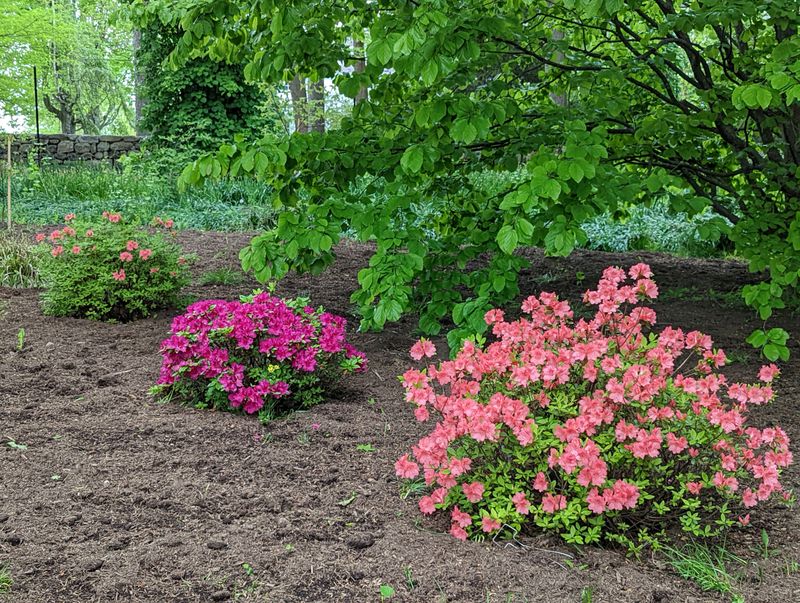
Mulch is one of the kindest gifts you can give an azalea before winter, but only when you apply it correctly. A good layer locks in moisture and keeps those shallow roots cozy through the cold.
For azaleas, the type of mulch really matters. Pine bark, pine needles, and shredded leaves work beautifully because they are naturally acidic, and these shrubs love acidic soil.
Spread about two to three inches around the plant. Too little does not help much, and too much can trap moisture against the roots and cause problems.
Here is the golden rule: keep mulch away from the stems. Piling it against the base like a little volcano can lead to rot and invite pests looking for a hiding spot.
Instead, leave a small gap of a few inches around the trunk so air can move freely. Picture a doughnut shape rather than a mound.
Fresh mulch also slows down weeds, which compete with your azalea for water and nutrients. Fewer weeds means more resources going straight to your shrub.
As the mulch breaks down over time, it feeds the soil and keeps the pH just right for happy roots. It is a slow, steady helper working all winter long.
In Michigan’s freeze-and-thaw cycles, that insulating blanket also stops soil from heaving and shifting. Stable ground keeps roots anchored and calm.
Lay down mulch the smart way this September, and you build a foundation for stronger growth and a flower-packed spring.
5. Do Not Push New Growth With Late Fertilizer
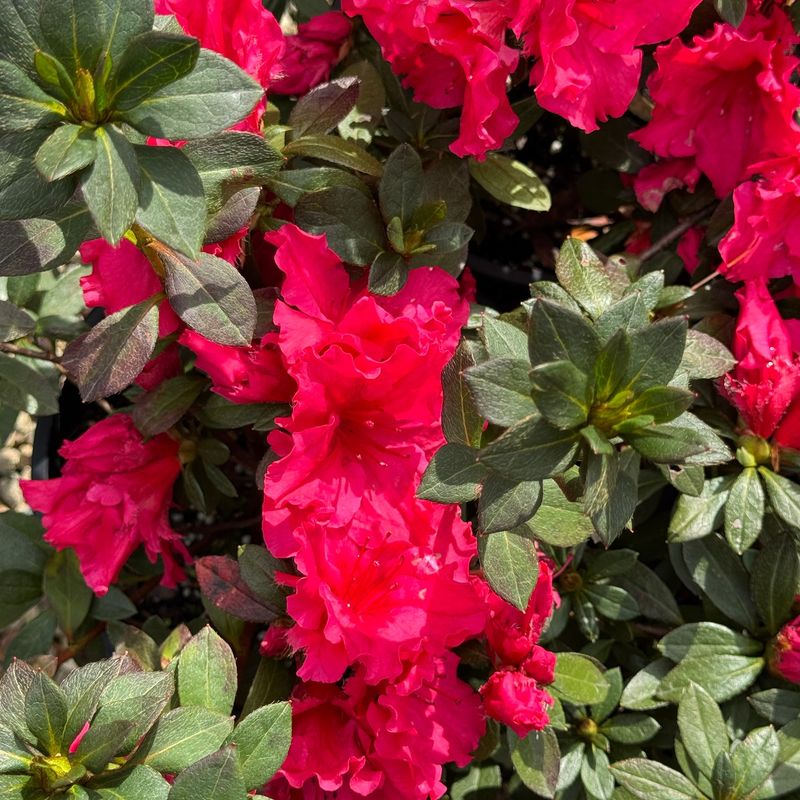
Reaching for fertilizer in September might seem like a helpful boost, but for azaleas it often does more harm than good. Late feeding pushes out tender new growth at the worst possible time.
That soft, fresh growth has no chance to toughen up before the cold arrives. When frost hits, those delicate shoots get damaged easily and drain energy the plant needs to store.
Azaleas naturally start slowing down in fall, getting ready to rest. Forcing them to keep growing works against their built-in rhythm and leaves them weaker.
The last feeding of the year should happen in early summer, well before September. By fall, your job is to let the plant settle in, not stir it back to life.
Instead of chasing quick growth, focus on healthy soil. Rich, well-balanced soil supports strong roots that carry the plant through winter and into a colorful spring.
Adding compost or the right acidic mulch does far more good than a scoop of fertilizer this late. These gentle helpers improve the soil slowly without triggering a growth spurt.
Think of fall as bedtime for your azalea. You would not hand a sleepy child a sugary snack, and the same idea applies here.
A calm, well-fed plant in early summer needs nothing extra now except moisture and protection. Trust the plant’s natural schedule.
Skip the September fertilizer, and you let your azalea prepare properly, setting it up for a fuller, brighter bloom when spring finally rolls around.
6. Check Soil Conditions Around The Plant
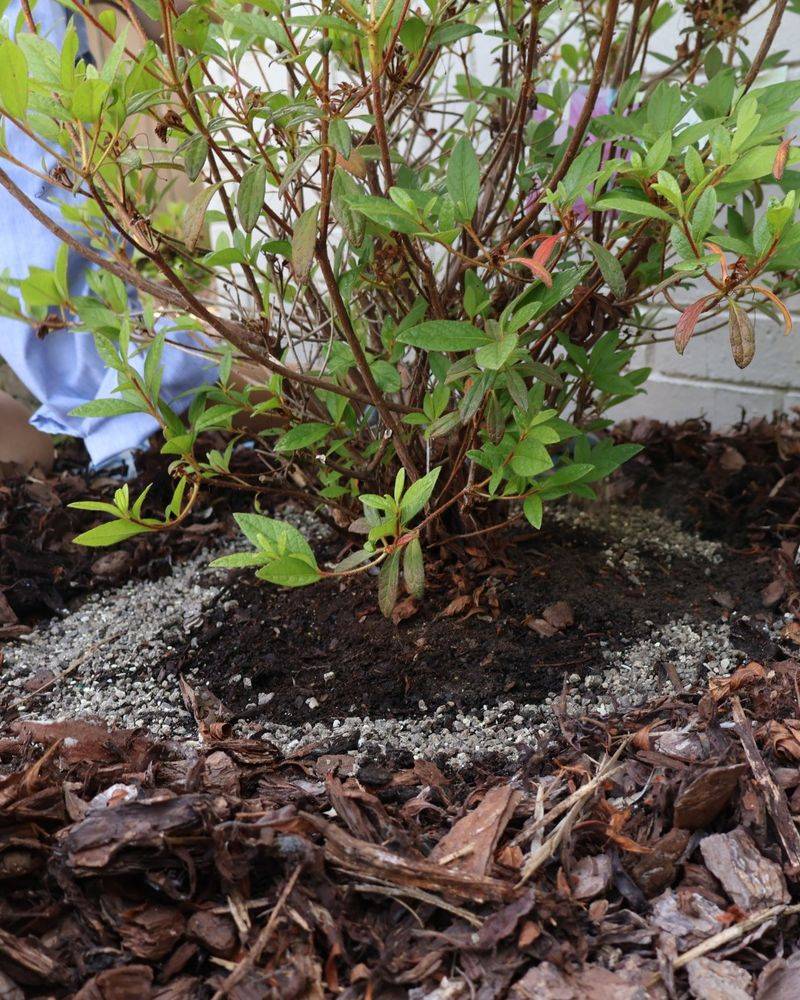
Soil is the quiet hero behind every healthy azalea, and September is the perfect time to give it a close look. These shrubs need acidic, well-drained ground to truly thrive.
Start by checking the pH, which should sit between about 4.5 and 6.0 for happy azaleas. Simple test kits from a garden store make this quick and easy.
If your soil reads too high, adding acidic materials like pine needles or sulfur can gently nudge it back into the sweet spot. Small changes now pay off later.
Drainage is just as important as pH. Azaleas hate sitting in soggy soil, since waterlogged roots quickly run into trouble.
After a good rain, watch how fast water soaks in. If puddles linger for hours, you may have drainage or compaction issues worth fixing before winter.
Compacted soil squeezes out the air that roots need to breathe. Loosening the top layer gently, without disturbing shallow roots, helps oxygen and water move freely.
Fall gives you time to spot these problems while the weather is still mild. Trying to fix drainage in frozen ground is nearly impossible.
Mixing in organic matter like compost improves both drainage and structure over time. It is a slow fix, but a lasting one.
Catching soil trouble now means your azalea heads into winter on solid, healthy footing. Take a few minutes this September to dig in and check, and you set your shrub up for a strong, flower-filled spring.
7. Remove Only Damaged Growth
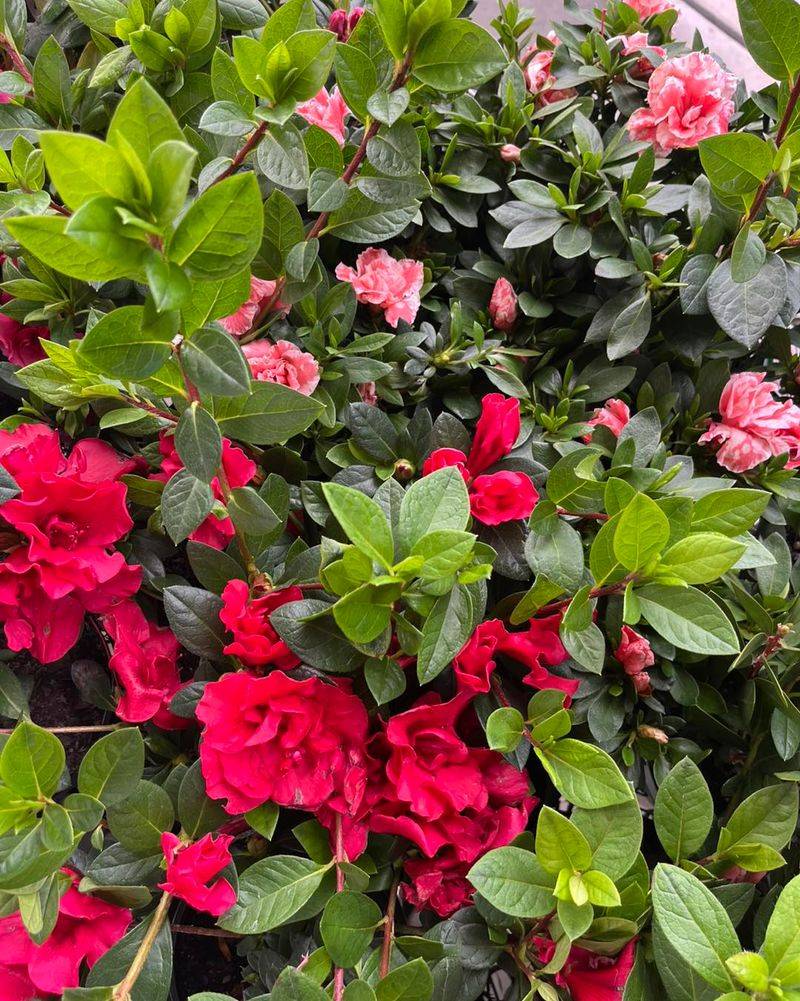
When it comes to trimming azaleas in fall, less is truly more. The only branches that should go are the ones that are broken, unhealthy, or clearly damaged.
Cutting these problem spots helps the plant, since sickly branches can spread trouble to healthy parts. Removing them keeps your shrub clean and strong.
But there is a big difference between careful cleanup and heavy trimming. Snipping away healthy branches in September means losing the flower buds already hiding there.
Before you cut, look closely at each branch. Healthy wood is firm and often shows tiny buds, while damaged branches feel brittle, look discolored, or snap easily.
Use clean, sharp shears and make your cuts just above a healthy point on the branch. Clean tools help prevent spreading any plant illness.
Wiping your blades between cuts, especially after touching a diseased branch, keeps problems from traveling around the plant. It is a small habit with a big payoff.
Resist the temptation to shape the whole shrub right now. That fuller styling work belongs in late spring, after the flowers have finished their show.
By limiting yourself to only the branches that truly need removing, you protect next year’s blooms while still keeping the plant tidy.
Think of it as gentle first aid rather than a full makeover. Your azalea gets the care it needs without sacrificing color.
Trim with a light hand this September, and you will keep both the plant’s health and its spring flower display intact.
8. Prepare Azaleas For Spring Blooms

Everything you do in September comes together to shape one big reward: a shrub covered in flowers next spring. Each small step builds on the last.
Keeping roots moist gives the plant strength to rest and recover through the cold. A well-hydrated azalea enters winter ready instead of stressed.
Protecting that shallow root system with proper mulch shields it from Michigan’s freeze-and-thaw swings. Stable, insulated roots wake up healthier when warmth returns.
Skipping heavy fall pruning keeps all those precious flower buds safe. Every bud you protect now becomes a bloom you enjoy later.
Holding off on late fertilizer lets the plant slow down naturally instead of pushing tender growth into harm’s way. A calm plant is a strong plant.
Checking your soil for the right pH and good drainage removes hidden stress before it becomes a problem. Healthy soil quietly supports everything else.
Trimming only the damaged branches keeps the shrub tidy while saving its flowering power. Restraint now means abundance later.
Put all these habits together, and you give your azalea the smoothest possible path through winter. Less stress in the cold months always means more color in spring.
The magic of azaleas is that they respond to gentle, thoughtful care. A little attention in fall creates a huge difference when the buds finally open.
So take these September steps to heart, and picture the bright, full blooms waiting a few months away. Your effort now turns into a stunning spring display that makes the whole yard glow.