Texas Fence Line Plants That Create An Expensive Privacy Screen
A well planted fence line does something a fence alone never quite manages. It softens hard edges, adds seasonal interest, creates habitat for wildlife, and gives a yard that layered, established look that most homeowners spend years trying to achieve.
The right plants along a fence line don’t just provide privacy. They make the whole property look like considerably more thought and money went into it than actually did.
Some of these plants grow fast enough to create meaningful screening within a single season. Others develop the kind of dense, mature structure over time that no fence panel can replicate.
All of them handle the Texas climate better than most ornamental options homeowners typically reach for.
Discover the Texas fence line plants that create a privacy screen that looks genuinely expensive.
1. Wax Myrtle
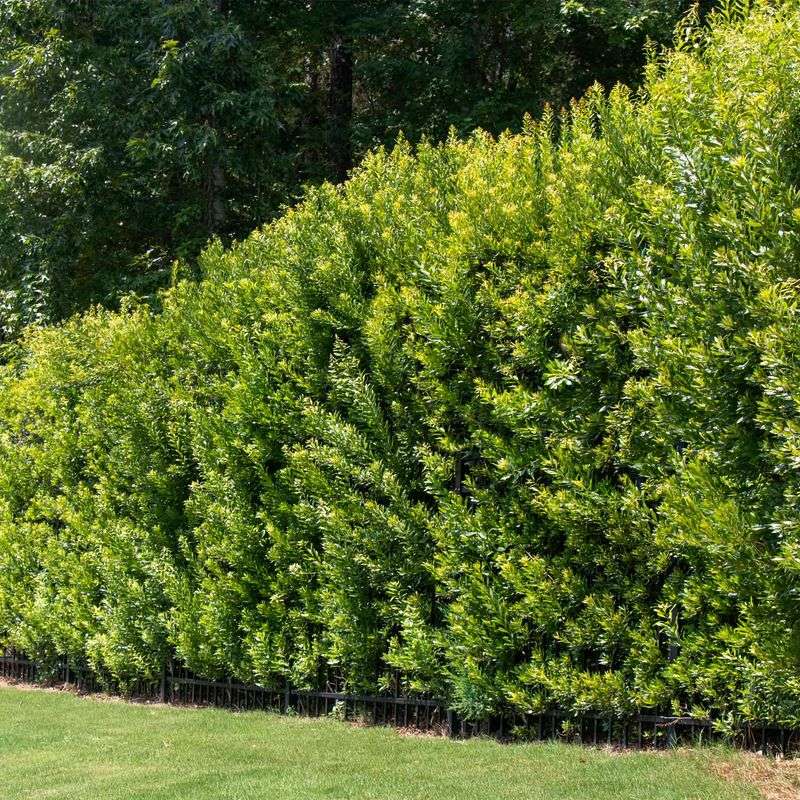
Homeowners who want fast privacy often start with wax myrtle, and for good reason. This tough native shrub shoots up quickly and fills in with thick, glossy leaves that stay green all year long.
You get a natural wall that hides your yard from view within just a couple of seasons. Wax myrtle handles heat like a champ and shrugs off drought once its roots settle in.
The leaves give off a light, pleasant scent when you brush against them, which is a nice bonus. Small berries appear on female plants, and birds love snacking on them.
You can let it grow into a loose, natural shape or trim it into a neat hedge. Either way, it looks polished and expensive without much effort on your part.
Plant it in full sun or partial shade, and space each one about five feet apart for a solid screen. It grows in sandy soil, clay, and even damp spots near drainage areas.
Wax myrtle can reach ten to fifteen feet tall, giving you plenty of coverage above the fence line. Trimming once or twice a year keeps it dense and tidy.
Fun fact: early Texas settlers used the waxy berries to make candles, which is where the name comes from. That bit of history makes it feel even more special in your yard.
If you want a low-maintenance plant that grows fast and looks lush, this native gem belongs on your fence line. It stays green through winter and asks for very little in return.
2. Nellie R. Stevens Holly
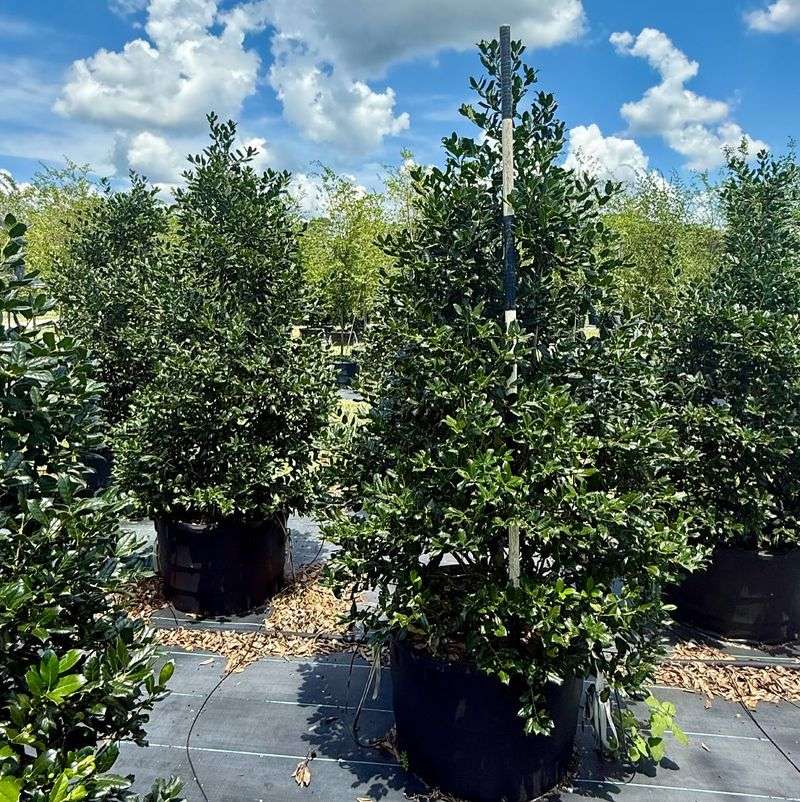
With deep green leaves and bright red berries, Nellie R. Stevens holly looks like something out of a magazine spread.
This holly grows into a thick, cone-shaped wall that blocks views from top to bottom.
Landscapers love it because it stays evergreen and needs almost no babysitting once established. The berries pop against the dark leaves during winter, adding a splash of color when everything else looks bare.
You can plant these five to six feet apart to form a solid green barrier along your fence. They grow fast for a holly, gaining a couple of feet each year in good conditions.
Full sun brings out the best growth, but they tolerate some shade too. Texas clay soil does not scare them, and they handle dry spells well after their first year.
Your Texas Garden Changes Every Week. Your Plan Should Too.
Gardening in Texas changes quickly throughout the season. Every Friday you’ll receive a simple weekly plan showing exactly what to plant, prune, fertilize, harvest, and protect so you never miss the right timing.
Birds flock to the berries in colder months, so you get a bit of wildlife action along your fence line. The prickly leaves also make it a natural fence that discourages critters and trespassers.
Expect these hollies to reach fifteen to twenty feet if left untrimmed, though you can shape them shorter. A yearly trim keeps the pyramid form crisp and full.
One thing to know: only female plants produce berries, and Nellie R. Stevens is a reliable berry maker on her own. That means you get color without needing a second plant nearby.
For a screen that looks rich, stays green, and asks little of you, this holly delivers year after year with steady, dependable growth.
3. Italian Cypress
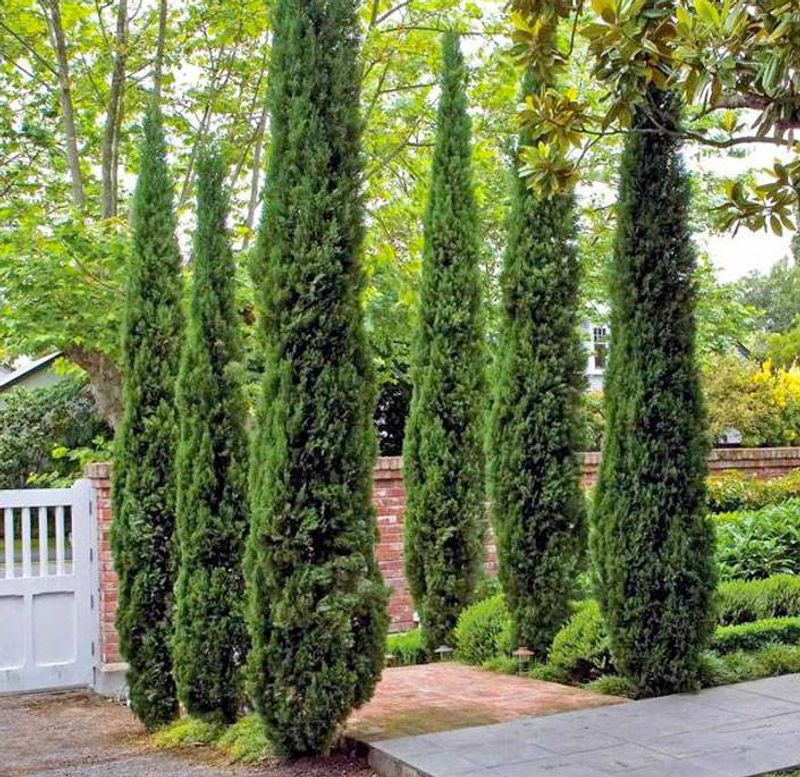
Picture the tall, skinny trees you see in Italian countryside photos, and you have Italian cypress. These slender columns bring a fancy, resort-like feel to any fence line.
They shoot straight up without spreading wide, which makes them perfect for tight spaces along a fence. Their narrow shape means you can plant several in a row to create a striking green wall.
Italian cypress loves the sun and handles heat and dry conditions with ease. Once the roots dig in, they need very little water, which suits Texas summers just fine.
These trees can climb thirty to forty feet tall, giving you serious height for blocking two-story views. Yet they stay only a few feet wide, so they never crowd your yard.
Space them about three feet apart for a tight, wall-like effect that looks intentional and elegant. Good drainage matters most, so avoid soggy spots where water pools.
They practically shape themselves, so you rarely need to prune. That low upkeep is a big win for busy homeowners who still want a designer look.
The dark green color stays consistent all year, adding structure and drama to your landscape. Many people say a row of these instantly makes a home look more upscale.
Just make sure your soil drains well, since these trees dislike wet feet more than anything else. Plant them on a slight mound if your ground stays damp.
For that Mediterranean vibe on a budget, Italian cypress turns an ordinary fence into a stylish, private garden edge that neighbors will admire.
4. Texas Sage
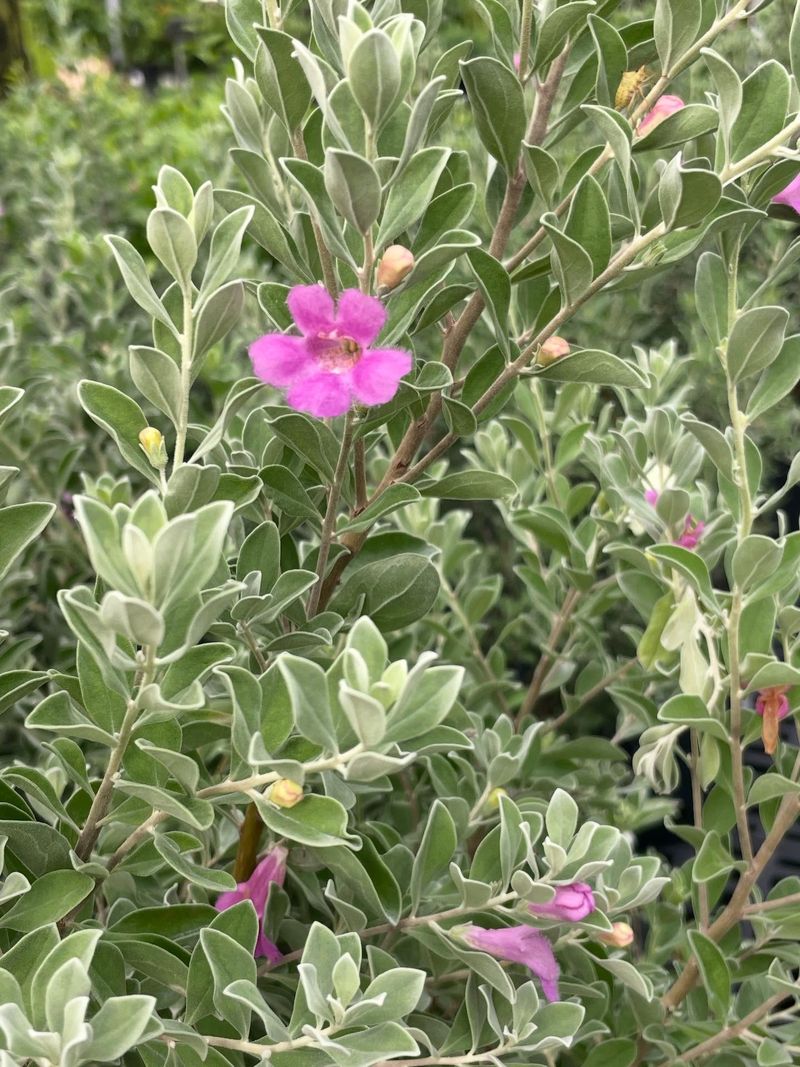
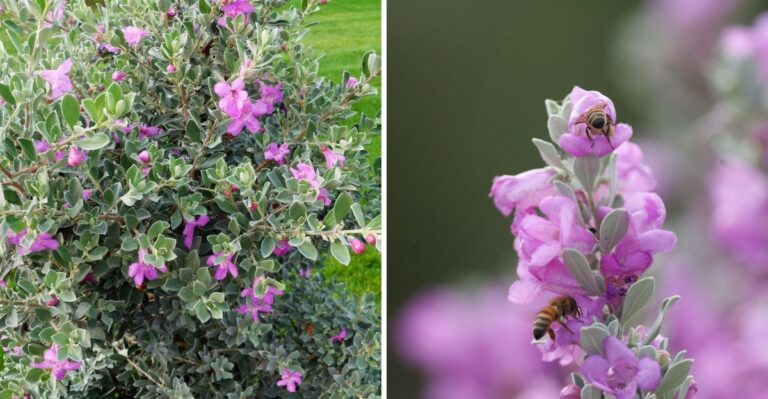
Silvery leaves and bursts of purple flowers make Texas sage a standout along any fence. This native shrub, sometimes called cenizo, blooms after rain and puts on a real show.
It thrives in the toughest, hottest, driest spots where other plants struggle. If you forget to water it, no problem, because this plant actually prefers dry ground.
The soft gray-green foliage gives your fence line a cool, calming look even when it is not flowering. Then the purple blooms appear like magic after a good storm.
You can grow Texas sage into a rounded hedge that reaches five to eight feet tall. Plant them about four feet apart to form a soft, colorful screen.
Full sun is a must, and well-drained soil keeps it happiest. Too much water or shade will make it leggy and thin, so let it soak up those rays.
Bees and butterflies visit the flowers, adding gentle movement and life to your yard. The plant handles Texas alkaline soil without any complaints.
A light trim in early spring keeps it bushy and full. Beyond that, this shrub pretty much takes care of itself, which makes it a favorite for low-water yards.
Did you know some folks call it the barometer bush? That is because it often flowers right before or after rain, almost predicting the weather.
For a fence line that stays pretty, saves water, and celebrates Texas roots, cenizo brings color and toughness in equal measure. It proves that low-maintenance plants can still look absolutely stunning.
5. Bamboo (Clumping Variety)
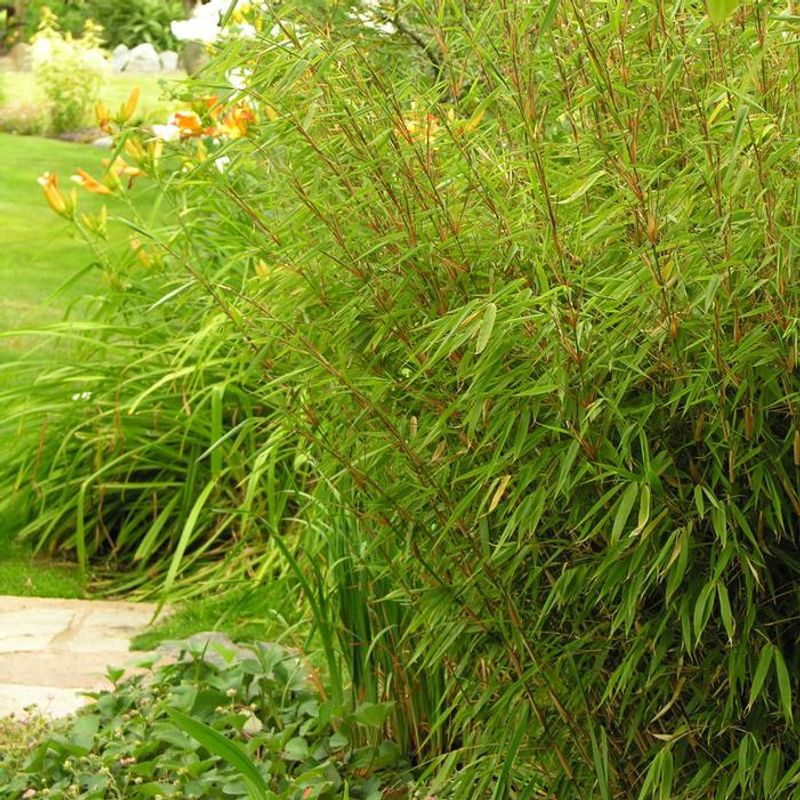
Nothing screams instant privacy like a tall stand of bamboo swaying in the breeze. Clumping bamboo, the well-behaved kind, gives you a lush green wall without taking over your whole yard.
Unlike the running type that spreads everywhere, clumping bamboo stays put in a tidy bunch. That means you get all the tropical beauty with none of the invasive headaches.
These plants grow fast, often filling in a fence line within a season or two. The soft rustling sound they make adds a peaceful, spa-like feel to your outdoor space.
Bamboo loves the sun but appreciates some water during the driest stretches. Once settled, many varieties handle heat and short dry spells just fine.
Depending on the type, clumping bamboo can reach fifteen to twenty-five feet tall. That height blocks even second-story windows and creates true seclusion.
Plant them a few feet apart, and they knit together into a dense, leafy curtain. The green canes look sleek and modern, giving your yard a high-end resort vibe.
A yearly cleanup of old canes keeps the clump looking fresh and neat. Otherwise, this plant asks very little from you.
Choose cold-hardy clumping types like Bambusa multiplex for Texas winters, since some tropical kinds struggle with frost. Your local nursery can point you to the right one.
The screen fills in quickly, so you enjoy privacy sooner than with slow-growing shrubs. For a fast, dramatic, and stylish fence line, clumping bamboo turns a plain yard into a private green escape you will love relaxing in.
6. Eastern Red Cedar
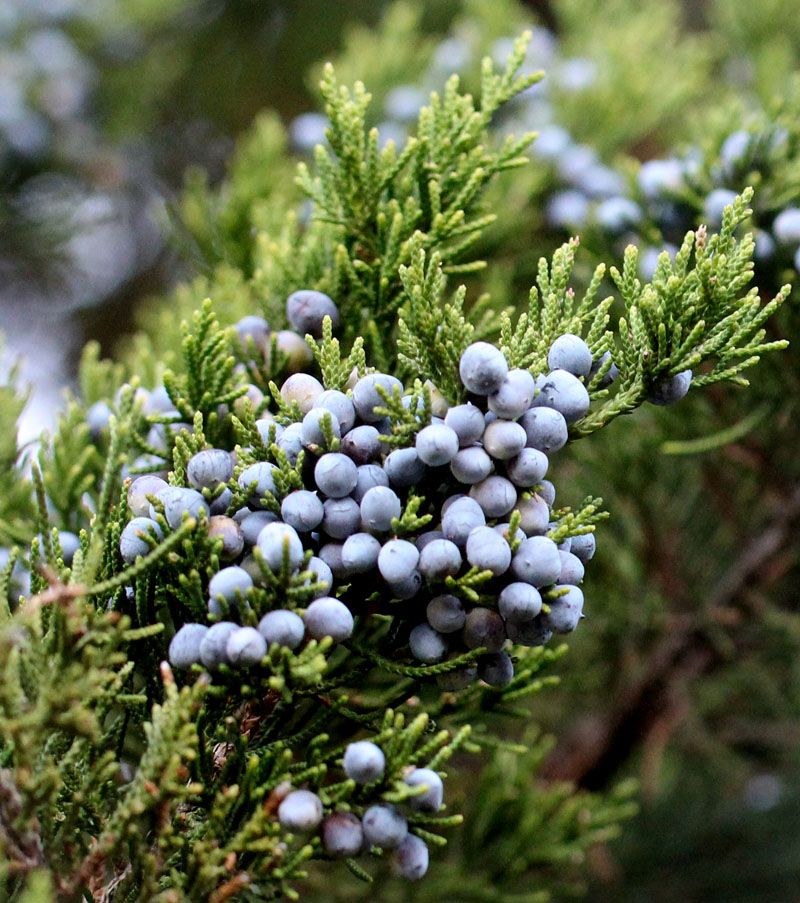
Rugged and reliable, eastern red cedar is a Texas native that laughs at drought and poor soil. This evergreen grows into a dense, green pyramid that blocks views all year round.
Ranchers have used these trees as natural windbreaks and privacy barriers for generations. They form a thick screen that stands strong against wind, heat, and dry weather.
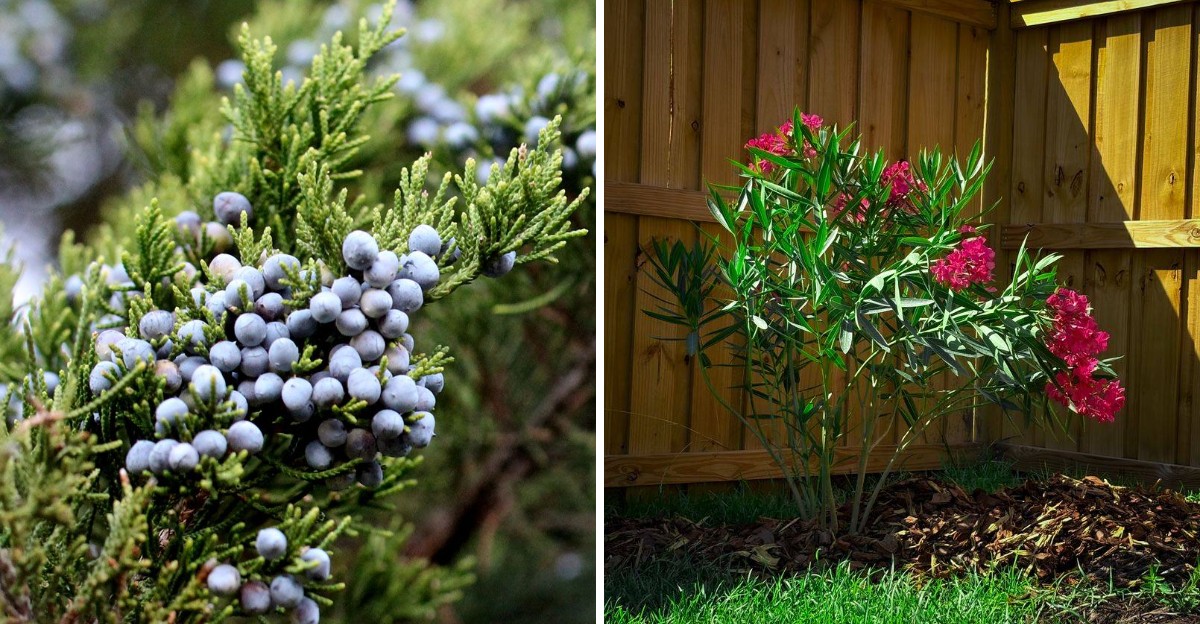
The feathery green foliage takes on a slightly bronze tint in winter, adding subtle seasonal color. Small blue-gray berries appear on female trees and draw in plenty of birds.
You can plant these six to eight feet apart to build a solid living fence. They grow at a steady pace and reach twenty to thirty feet over time.
Full sun suits them best, and they tolerate rocky, clay, or sandy ground without complaint. Once established, they rarely need watering, making them a truly hands-off choice.
The dense branches make it hard to see through, giving you excellent privacy from top to bottom. Wildlife loves the shelter these trees provide, so you may spot more birds nesting nearby.
Trimming is optional, since the natural shape already looks full and neat. If you want a more formal hedge, a light shaping does the trick.
Fun bit of history: the aromatic wood is often used to make cedar chests and closets because its scent repels moths. That same fragrance drifts through your yard on warm days.
For a tough, no-nonsense screen that thrives where other plants give up, eastern red cedar offers dependable green cover with true Texas grit.
7. Oleander
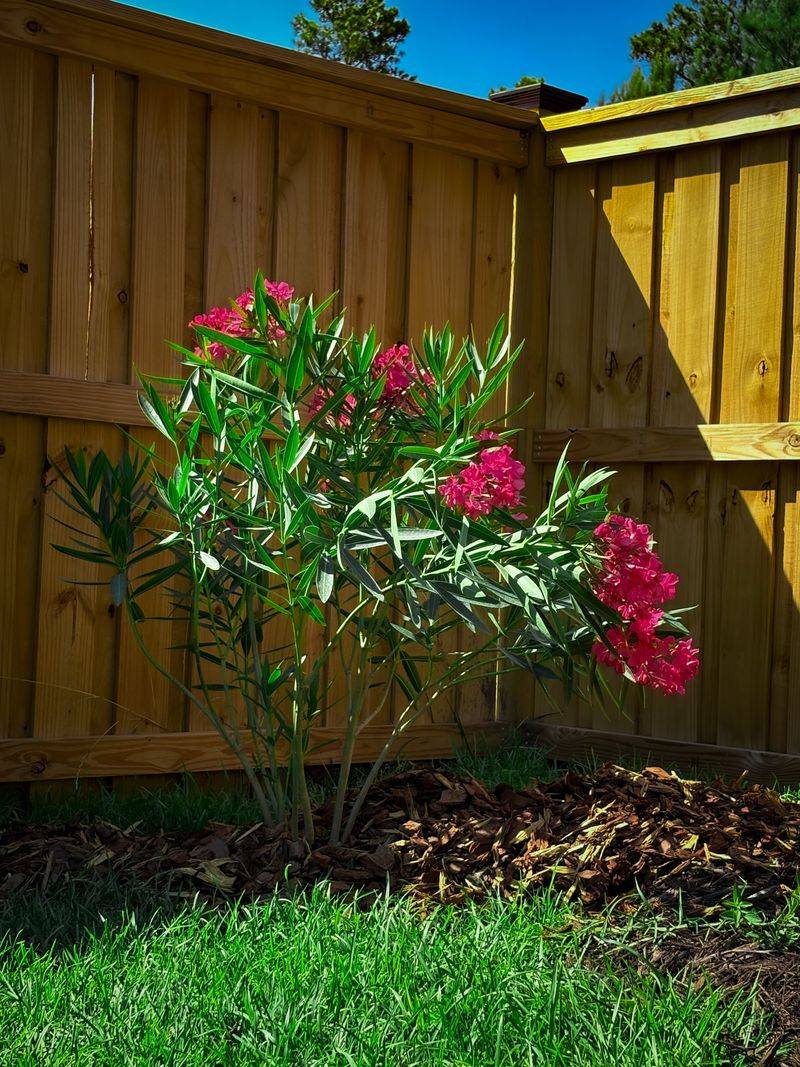
Bursting with pink, white, or red flowers all summer long, oleander brings serious color to a fence line. This shrub blooms for months and thrives in the harshest heat.
Coastal towns love oleander because it handles salt, wind, and sandy soil like a pro. Inland yards enjoy it just as much for its nonstop flowers and easy care.
It grows into a big, bushy screen that reaches eight to twelve feet tall. Plant them about six feet apart, and they quickly form a colorful, private wall.
Oleander drinks up the sun and needs very little water once its roots take hold. The glossy green leaves stay put year-round, so you get privacy even between bloom cycles.
You can shape it into a tidy hedge or let it grow loose and natural. Either way, the flowers keep coming from spring through fall.
A quick note of caution: every part of this plant is toxic if eaten, so keep it away from curious pets and small children. Wear gloves when trimming, just to be safe.
Despite that warning, oleander remains one of the most popular privacy plants in Texas for good reason. Few shrubs offer this much color with so little effort.
It bounces back fast after a hard trim, filling in thick and full again. That toughness makes it a favorite for busy homeowners who still want a showy yard.
For a fence line that looks like a flower parade all summer, oleander delivers bold beauty and reliable coverage while barely asking for a drink of water.