What To Do With Leftover Halloween Pumpkins In A Michigan Garden
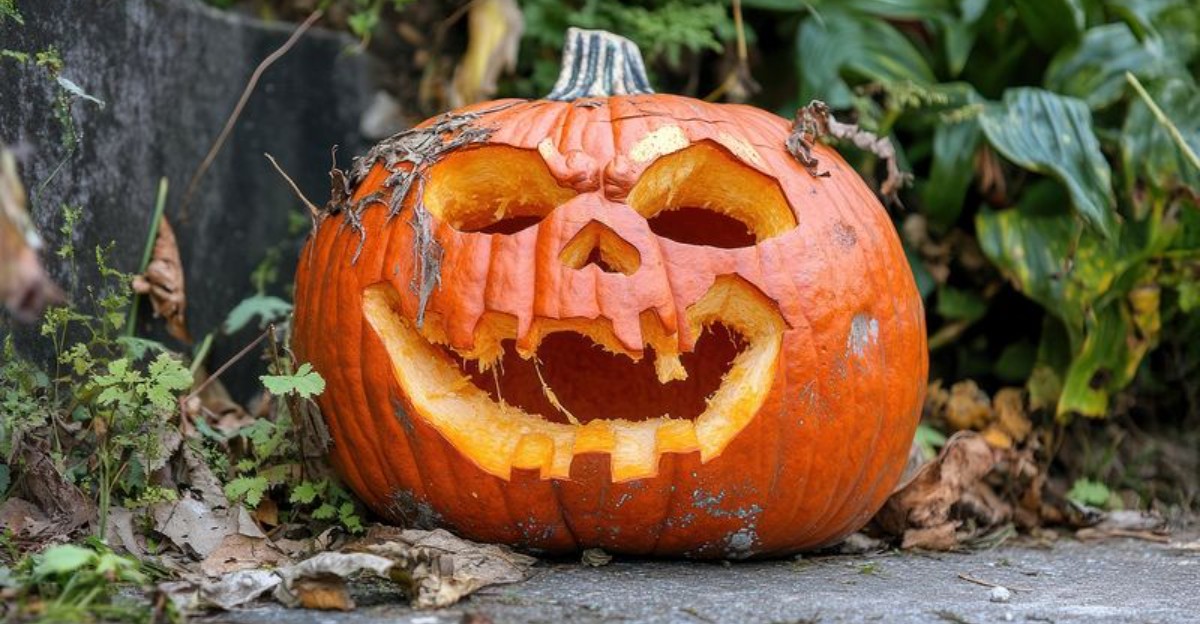
That grinning porch decoration from Halloween is roughly ninety percent water, so it shrinks fast once it starts to soften. I like knowing that all that moisture can soak back into garden soil instead of riding away in a trash truck.
Michigan has banned yard waste from landfills since 1995, and many towns run special fall collections. You can skip the curb entirely, though, because your own backyard beds can use that soft orange flesh.
Freezing nights in November help by cracking the cells inside, which makes the tissue break down even faster. Soil microbes keep working on it slowly through winter, and earthworms join in again as the soil warms in spring.
I believe a soggy, slumping face on the step is really a gift for next year’s tomatoes and beans. So why send something so useful away when your garden is waiting just a few steps from the door?
1. Your Compost Pile Is Hungry For That Old Jack-O-Lantern
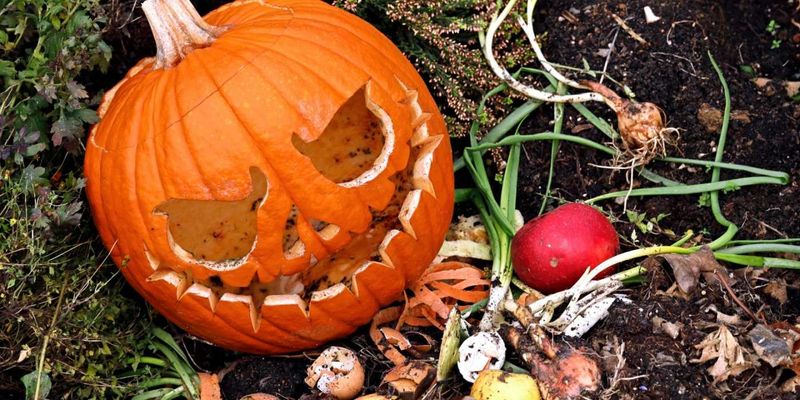
Composting is the simplest answer for leftover pumpkins, and Michigan State University Extension lists them as great compost material. Pumpkins count as green material because they are wet and rich in nitrogen, like kitchen scraps.
To balance that moisture, mix in brown materials such as dry fall leaves, straw, or shredded paper from your house. October gives you plenty of browns, since maple and oak leaves are piling up across Michigan yards right now.
A good mix is roughly two or three parts browns for every one part greens by volume in the pile. That ratio helps the pile stay airy, which keeps odors down and lets helpful bacteria work at a steady pace.
Before tossing it in, pull out any candles, wax drips, wire, or plastic lights that went inside during Halloween. Those items will not break down, and wax can coat other materials and slow the whole process for months.
Remove the stem too, since the woody stem takes much longer to soften than the soft flesh. Bury the pumpkin in the pile’s center, where heat builds and microbes stay most active this time of year.
Covering it with leaves also discourages raccoons and other animals from digging through your compost at night. Once winter sets in, the pile will slow down, but freezing and thawing will keep loosening those pumpkin pieces.
By late spring, much of that pumpkin will have turned into dark, crumbly compost ready to feed your vegetable beds. I find it satisfying to know last fall’s decoration helps grow next summer’s tomatoes, peppers, and squash.
2. Smash It Into Pieces Before Winter Settles In
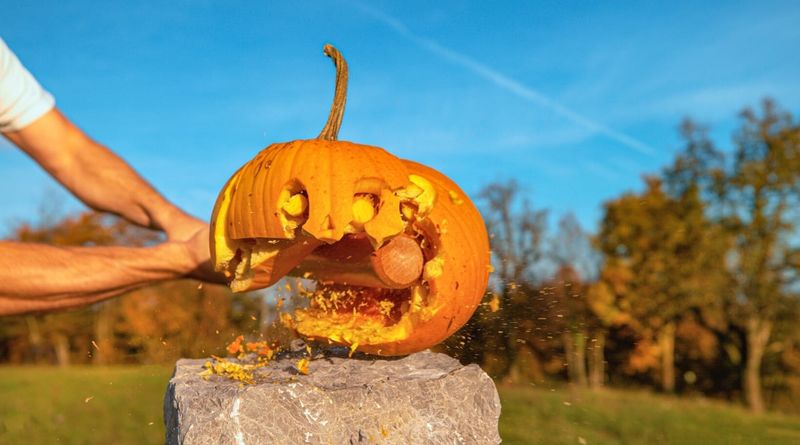
Kids often love this job, because breaking a pumpkin apart is messy, loud, and surprisingly useful for your garden. Smaller pieces give microbes more surface to attack, so a smashed pumpkin breaks down much faster than a whole one.
Many Michigan towns and nature centers host pumpkin smash events in early November to collect pumpkins for composting. You can hold your own version at home by dropping the pumpkin onto a tarp or straight into the bin.
Your Michigan Garden Changes Every Week. Your Plan Should Too.
Gardening in Michigan changes quickly throughout the season. Every Friday you’ll receive a simple weekly plan showing exactly what to plant, prune, fertilize, harvest, and protect so you never miss the right timing.
A sturdy spade also works well for chopping the shell into chunks about the size of your fist. Wear gloves and closed shoes, since pumpkin shells can be slippery and the cut edges are sometimes sharp.
Timing matters a bit here, because late October and early November still have some warm days for decomposition. Once the ground and pile freeze solid, breakdown nearly stops until temperatures climb again in March or April.
Smashing now gives the pieces a head start before Michigan winter slows everything down to a crawl. Spread the chunks through the pile instead of leaving one big heap, which can turn slimy and smell sour.
Toss a layer of shredded leaves over the top, and the pieces will soften quietly under that brown blanket. Pumpkins that already started to rot on the porch are fine to smash, since softening is just early decomposition.
Moldy pumpkins are also fine for most home compost, so just wash your hands well after handling them. It is a fun, hands-on way to end Halloween, and your garden gets a nutrient boost from the effort.
3. Dig A Trench Right Into Next Year’s Garden Bed
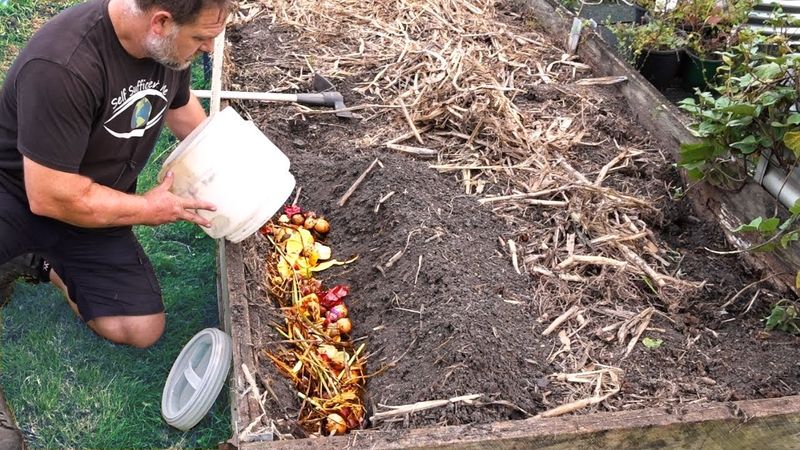
Plenty of gardeners skip the bin entirely and bury food scraps right in the soil, a method called trench composting. University extension services describe trench composting as an easy way to feed soil exactly where you plan to plant.
Start by digging a hole or trench about twelve inches deep in an empty vegetable bed or garden corner. Chop the pumpkin into pieces, drop them into the trench, and cover them with at least eight inches of soil.
That soil layer keeps odors down and makes it harder for raccoons, skunks, or dogs to dig up the treat. October is a smart month for this job, since most Michigan beds are cleared out after the summer harvest.
Try to finish before the ground freezes, which can happen in late November across much of the state. Over winter, soil microbes slowly break the pumpkin down right where future plant roots will grow.
By May, the buried pieces should be mostly soft and blended into the surrounding soil around them. Wait until spring to plant on top, so the pieces finish breaking down and do not tie up nitrogen.
Some gardeners rotate trench spots each year, slowly improving an entire bed one section at a time. Mark the spot with a stake or rock, so you remember where the pumpkin went when spring planting begins.
I like using trenches near where I plan to grow squash, since those plants appreciate rich, moisture-holding soil. It feels a little like hiding a treasure that pays you back with healthier plants next summer.
4. Scrape Off The Paint Before Anything Goes Back To Soil
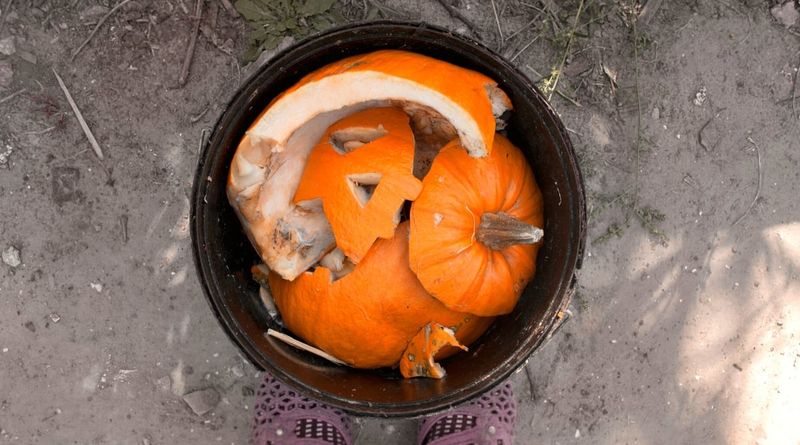
Painted faces and glittery designs look great on the porch, but they create a problem once Halloween ends. Most craft paints, glitter, and sealants contain plastics or chemicals that do not belong in garden soil or compost.
Glitter is especially tricky, since it is usually made of tiny plastic pieces that stay in soil for many years. If the paint covers only a small area, you can cut those sections away and throw them in the trash.
The plain flesh and inside walls can then go into compost or a trench just like any untreated pumpkin. Pumpkins coated with spray paint, varnish, or bleach should mostly go into regular trash rather than the garden.
Bleach is sometimes used to slow rotting, and those residues can harm helpful soil organisms like earthworms and fungi. Michigan State University Extension and many city recycling programs ask people to remove decorations before dropping off pumpkins.
Stickers, googly eyes, push-in pieces, and plastic stems are easy to forget, so give each pumpkin a careful look. Toothpicks and wooden skewers can usually stay, since untreated wood breaks down slowly but safely in compost.
For next year, consider decorating with markers that wash off, natural leaves, or simple carving instead of heavy paint. Washable decorations make cleanup faster and let you send the whole pumpkin straight back to your soil.
Kids can still get creative using removable pieces, like small gourds or twigs tucked into carved holes. A quick check before composting keeps your garden beds clean and protects the tiny creatures that build healthy soil.
5. Save A Handful Of Seeds For Spring Planting
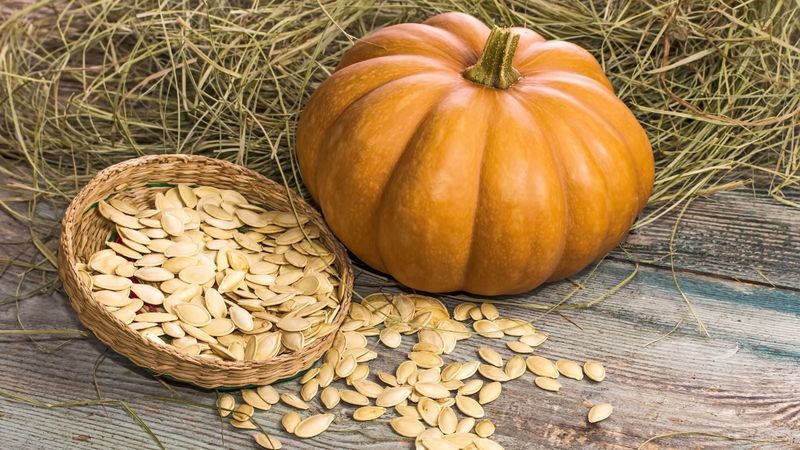
A typical carved pumpkin holds several hundred seeds, and some gardeners like to save a few for next year’s patch. There is one catch, because many pumpkins sold in stores are hybrids that may not grow true to type.
Extension experts explain that seeds from hybrid pumpkins often produce fruit that looks different from the parent pumpkin. Pumpkins can also cross-pollinate with close relatives like zucchini and acorn squash, so even heirloom seeds can surprise you with odd shapes or colors.
That uncertainty can be part of the fun, especially for kids who enjoy guessing what will grow next summer. Choose seeds from a fully ripe pumpkin that was not carved too long ago, since rot harms seeds.
Rinse away the stringy pulp, then spread the seeds on a paper towel or screen in a single layer. Let them dry indoors for a week or two, turning them once in a while so all sides dry evenly.
Store the dry seeds in a paper envelope inside a cool, dry spot, like a closet or cabinet shelf. Label it with the pumpkin type and year, since seeds stay usable for several years when stored well.
In Michigan, pumpkin seeds usually go into the ground in late May or early June after frost danger passes. Pumpkins need warm soil to sprout well, so planting too early in cold ground often leads to poor germination.
Saving seeds is a low-cost experiment, and a single envelope can fill a whole garden corner next year. I think the mystery pumpkins that sprout from saved seeds make the best conversation pieces at harvest time.
6. Share The Seeds With Your Backyard Birds
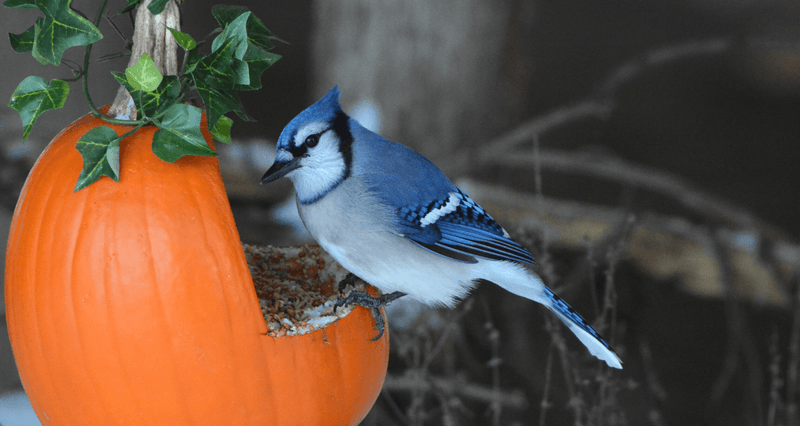
Chickadees, nuthatches, and blue jays stay in Michigan all winter, and many of them happily eat plain pumpkin seeds. Wild bird groups and extension programs note that raw, unsalted seeds are a fine snack for many backyard birds.
Skip any seeds that were roasted with salt, butter, or spices, since those extras are not healthy for birds. Rinse the pulp off first, then let the seeds dry for a day or two so they do not mold.
You can spread them on a platform feeder or mix them with sunflower seeds in a regular tube feeder. Larger seeds can be chopped a bit for smaller birds, though cardinals and jays crack them open without trouble.
Some people scoop out a pumpkin half and fill the bowl with seeds to make a simple feeder. A pumpkin feeder works best for a short time, because the flesh softens and molds within a week or two.
Remove the feeder once it looks slimy or fuzzy, and add the leftovers to your compost pile instead. Clean feeders regularly in fall and winter to help limit the spread of diseases among visiting birds.
Fresh water helps too, especially once ponds and puddles start freezing over in late November and December. Watching birds at the feeder is a calm way to enjoy the garden after the growing season ends.
Kids can keep a simple log of which species visit, turning leftover seeds into a mini science project. I like seeing a nuthatch grab a seed and flutter off, knowing that pumpkin had one more job.
7. Check Michigan Wildlife Rules Before You Share
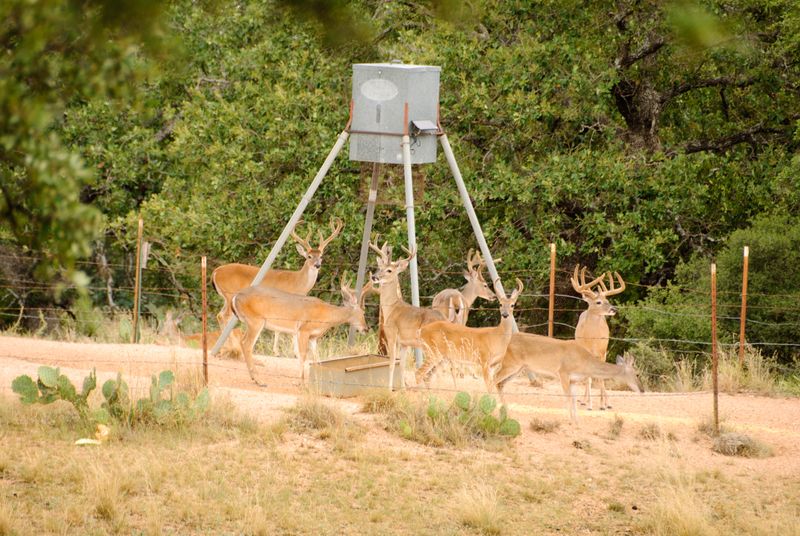
Tossing a whole pumpkin into the woods for deer seems kind, but Michigan has specific rules about feeding wildlife. Michigan still limits deer baiting and feeding, especially in the Lower Peninsula, to slow disease spread, and a recent state law added conditions for backyard feeding.
Wildlife diseases can move quickly between deer when animals crowd around the same food pile. Rules have changed several times over the years, so checking the current DNR guidelines is the safest move.
Some regions and seasons allow limited feeding, while others ban it, and the details can be confusing for homeowners. Rather than guessing, many gardeners keep pumpkins in the compost or trench, where wildlife rarely reaches them.
Large food piles can also draw raccoons, skunks, and opossums closer to houses, which often brings unwanted visitors. Deer that learn to visit your yard for pumpkins may stay to nibble shrubs, young trees, and spring tulips.
Michigan gardeners already struggle with deer browsing, so inviting more animals can create extra headaches later on. Farm animals are another option, since some local farms gladly accept clean, undecorated pumpkins for pigs or chickens.
Call ahead first, because many farmers only want pumpkins free of paint, wax, mold, or heavy rot. Backyard chickens often enjoy pumpkin flesh and seeds, and extension poultry experts consider it a fine occasional treat.
Checking the rules takes only a few minutes, and it helps protect Michigan’s deer herds for years to come. I believe a little research beats a well-meant mistake, especially when wildlife health is part of the picture.
8. Watch For Surprise Sprouts Next Summer
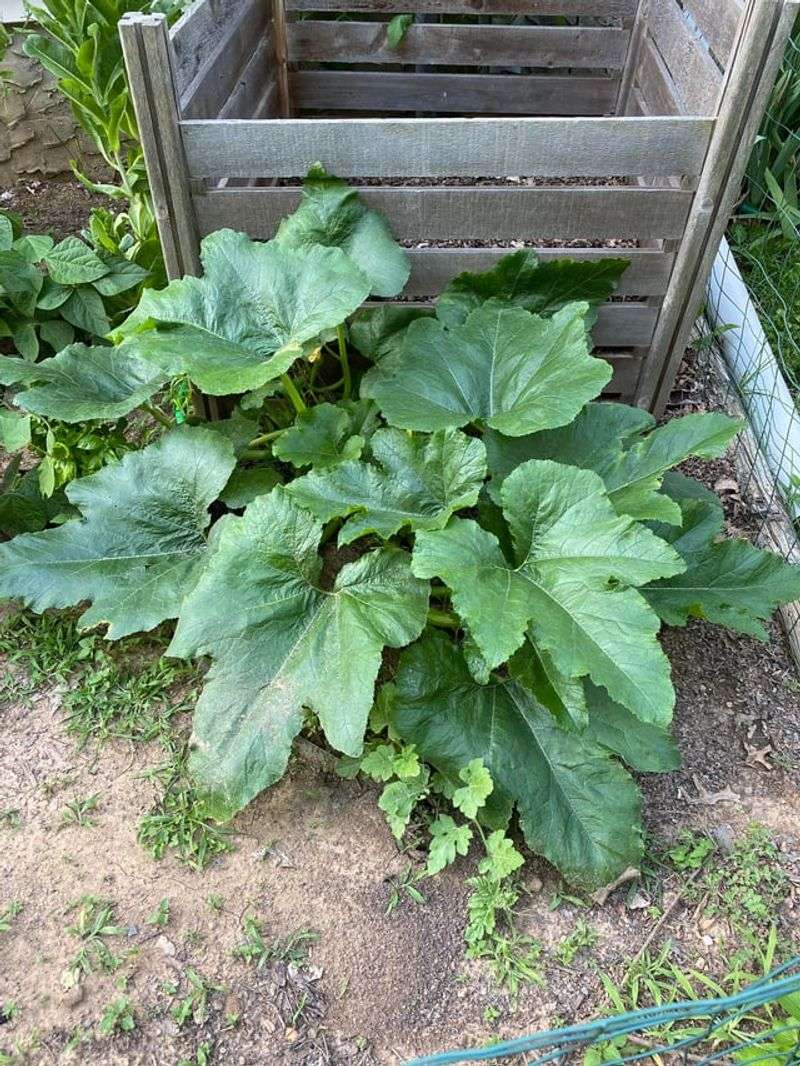
Gardeners who compost pumpkins often find a mystery vine sprawling out of the pile the following June. Home compost piles rarely get hot enough to break down every seed, so some survive winter and sprout in spring.
These volunteer plants can grow fast, sending long vines across paths, lawns, and nearby garden beds by midsummer. Some people let them grow just for fun, since a free pumpkin patch is a nice surprise in late summer.
Keep in mind that fruit from volunteer vines may look unusual, because the parent pumpkin was likely a hybrid. If you would rather avoid sprouts, scoop out the seeds before composting and use them for birds or planting.
Hot compost piles that reach around 140 degrees or higher are better at stopping seeds from germinating next year. Turning the pile a few times in fall helps heat build, though Michigan winters slow that process considerably.
Volunteers that pop up in the wrong spot can be pulled easily while small, before the roots spread wide. Watch volunteer plants for squash vine borers and powdery mildew, two common pumpkin troubles in Michigan gardens.
Rotating where pumpkins grow each year helps reduce pest and disease problems that linger in the soil. Pull spent pumpkin vines in fall and compost healthy ones, but trash any vines covered with heavy disease.
Watching a leftover jack-o-lantern turn into a brand new vine shows how the garden cycle keeps going. Next October, you might carve a pumpkin that grew from last year’s porch decoration, and that feels pretty special.