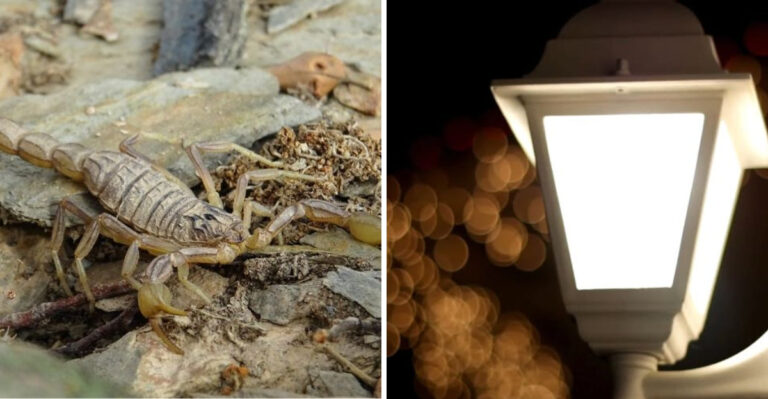
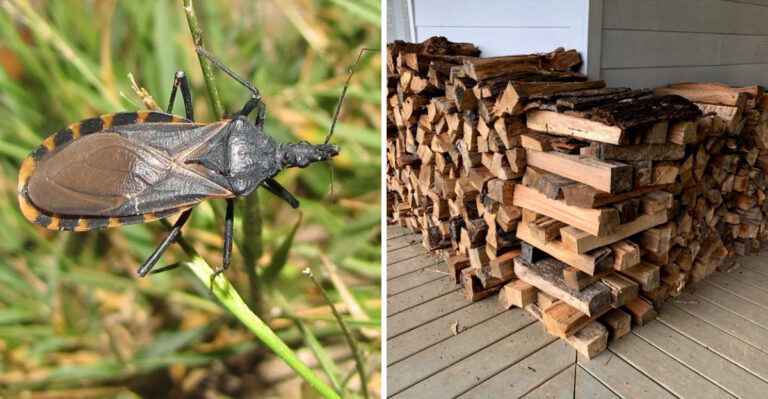
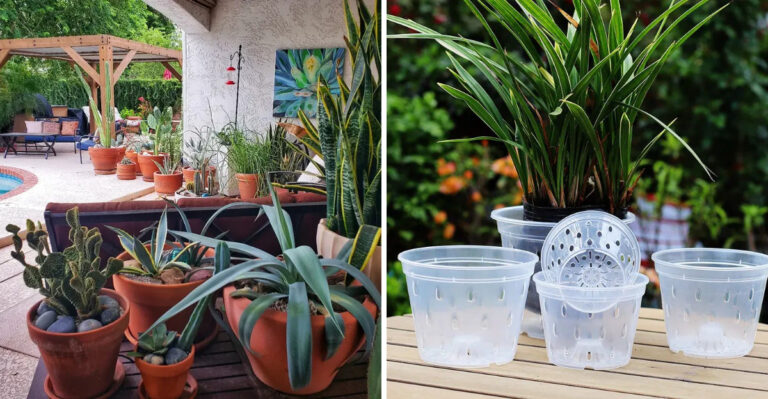
Elf Owls Move Into Arizona Yards At Dusk And Quietly Thin Out The Scorpions
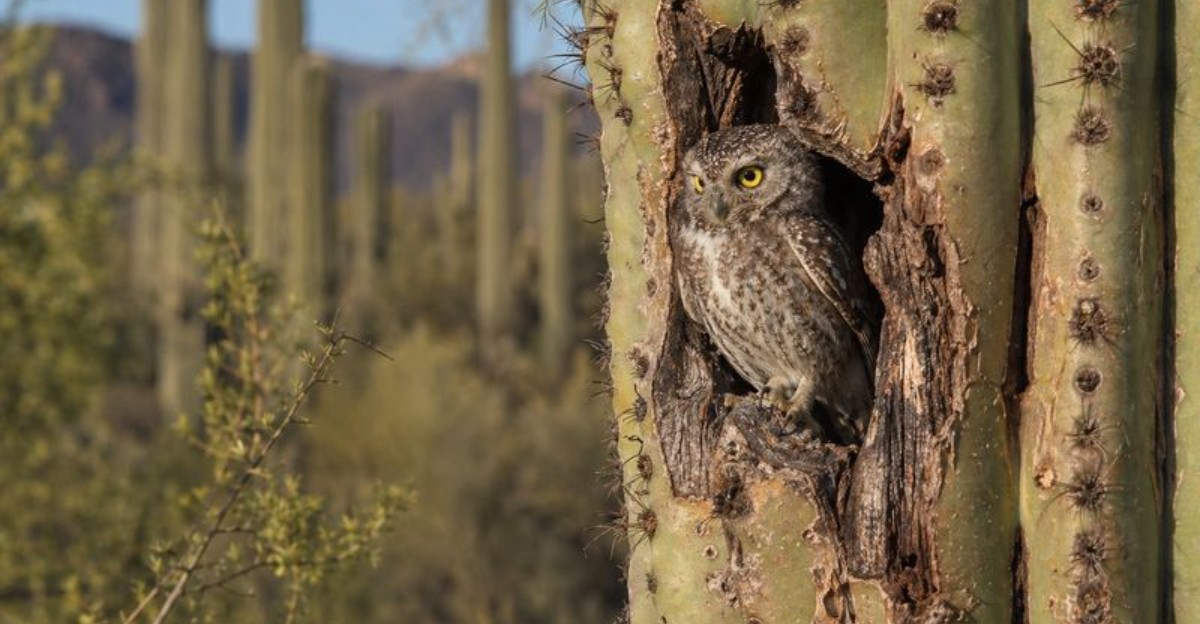
Spotting a tiny owl peering out of a saguaro cavity on a warm summer night is one of southern Arizona’s quieter surprises. Elf Owls, the smallest owls in the world, may visit yards where the habitat suits them, and yes, scorpions occasionally end up on the menu.
That detail has spread fast among Phoenix and Tucson homeowners hoping for a feathered fix to a stinging problem. The reality is more interesting, and more complicated, than the headline suggests.
Elf Owls May Use Yards Where the Habitat Fits
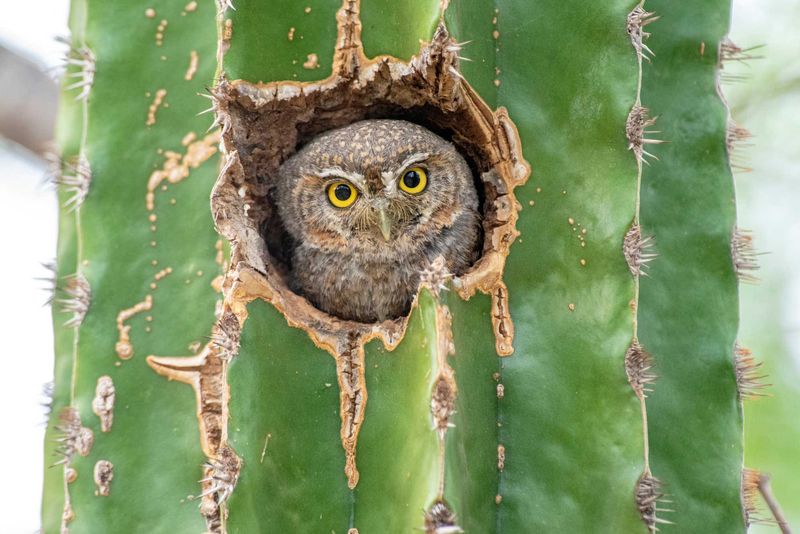
Calling an Elf Owl a backyard regular undersells how specific its requirements are. Cornell Lab of Ornithology’s Elf Owl profile notes that the species may use yards with plenty of trees, particularly when nest cavities or nest boxes are available, but frames that as a conditional possibility within the bird’s range, not a general Phoenix or Tucson yard pattern.
Suitable habitat typically means mature trees, saguaros with abandoned woodpecker holes, riparian corridors, or nest boxes mounted in the right conditions.
A homeowner in Tucson’s foothills with old mesquites and a saguaro or two has a more realistic shot at a visit than someone in a newer Phoenix subdivision surrounded by concrete and gravel.
Even where habitat looks right, presence is never guaranteed. Arizona Game and Fish cautions that habitat-suitability models do not confirm a species is actually at a specific location.
And because Elf Owls are strictly nocturnal, activity happens well after sunset on summer nights, not at the transition from afternoon into dusk that many readers might picture.
What Elf Owls Actually Eat
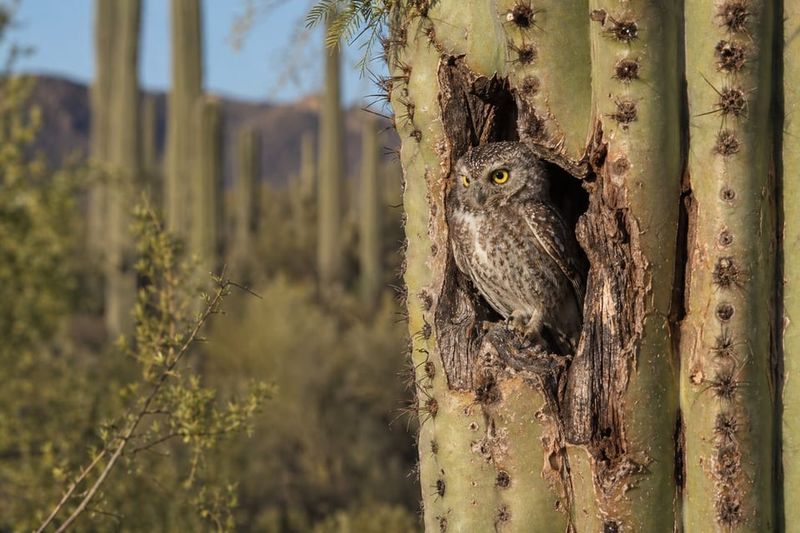
Picture a five-inch bird hunting on summer nights, and the prey list starts to make sense. Elf Owls are insectivores first, working through beetles, moths, and crickets as their core diet.
The National Park Service describes their food as insects and arthropods broadly, which reflects how generalist their nighttime foraging actually is across the Sonoran Desert landscape.
Scorpions do appear in species accounts. The Animal Diversity Web’s Elf Owl account reports scorpions as occasional prey alongside the more common insects, and includes the detail that the birds may remove a scorpion’s stinger before consuming it.
That behavioral note is worth knowing, but the source is a compiled species account rather than a controlled study, so scorpions should be understood as an opportunistic item rather than a dietary staple the owl actively seeks out on summer nights.
One important distinction: Great Horned Owls are separately documented as scorpion predators by Cornell, but that evidence belongs to a much larger bird with different habits. Transferring Great Horned Owl diet data to Elf Owls would misrepresent both species.
The Elf Owl’s small size, roughly comparable to a sparrow, shapes everything about what it can physically catch and carry. Occasional scorpion predation is plausible and documented, but the owl is not patrolling a yard specifically looking for them after sunset.
Scorpion Prey Does Not Equal Scorpion Control
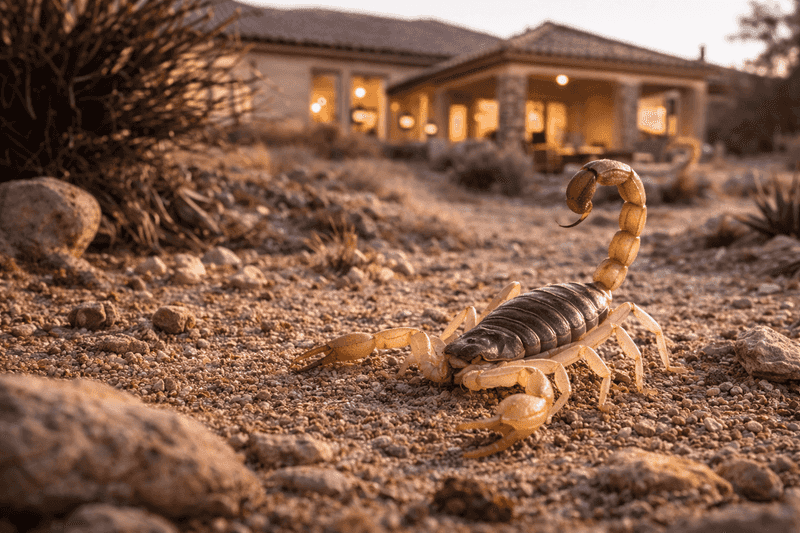
Eating a scorpion and controlling a scorpion population are two very different things, and conflating them leads homeowners toward a false sense of protection. An Elf Owl foraging through a yard on a given night might catch one scorpion, or none, or several moths and a beetle.
Your Arizona Garden Changes Every Week. Your Plan Should Too.
Gardening in Arizona changes quickly throughout the season. Every Friday you’ll receive a simple weekly plan showing exactly what to plant, prune, fertilize, harvest, and protect so you never miss the right timing.
None of those outcomes tells you much about how many scorpions will walk through a gap under your door the following week.
The University of Arizona Cooperative Extension addresses this directly in its scorpion management guidance. If reducing the insects scorpions eat does not reliably remove scorpions, an owl occasionally eating one scorpion at a time is even less likely to move the needle on a household infestation.
The Animal Diversity Web account confirms scorpions as documented prey, but no source reviewed for this article provides kill rates, population-reduction measurements, or any evidence that Elf Owl presence correlates with fewer scorpion encounters inside a home. Expecting a seasonal, habitat-dependent bird to solve a year-round structural problem sets homeowners up for disappointment and, more practically, leads them to skip the exclusion steps that actually work.
The owl is a genuine piece of the desert food web, not a pest-control contractor.
A Proper Nest Box Offers Opportunity, Not Occupancy
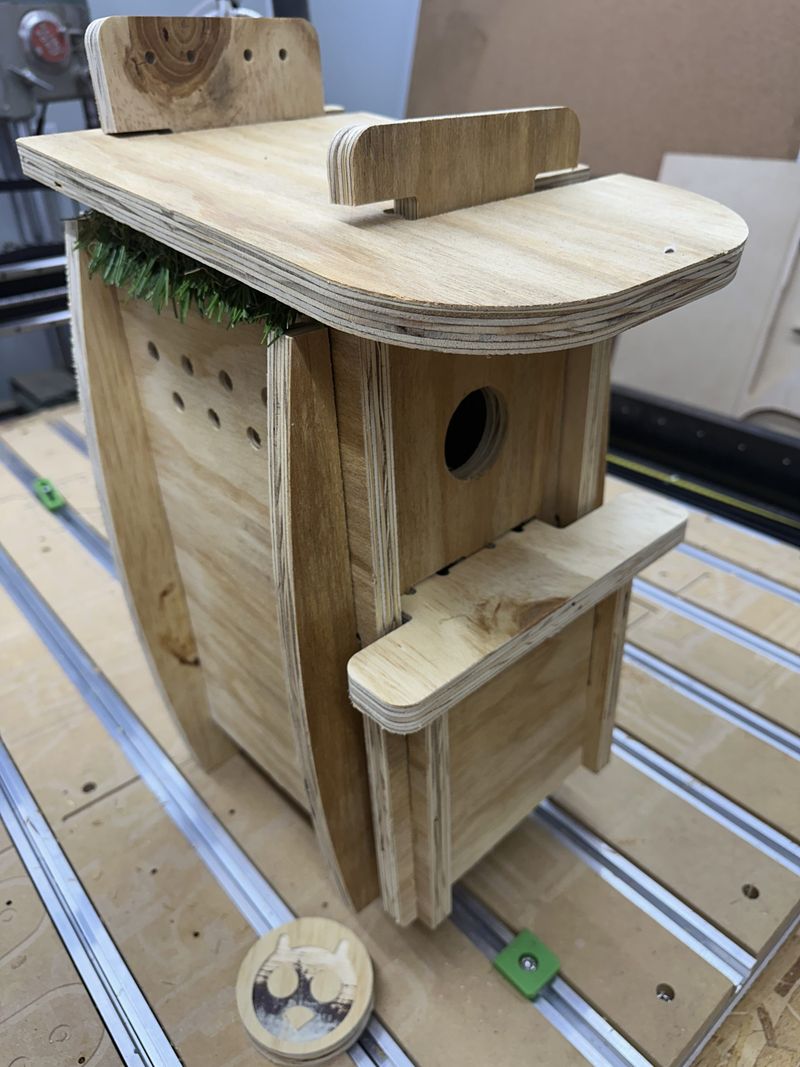
Putting up a nest box is a reasonable habitat step for homeowners in suitable Elf Owl territory, as long as expectations stay realistic. Cornell’s NestWatch program publishes specific dimensions for an Elf Owl box: a 2-inch entrance hole, 7.25-by-7.25-inch interior floor, 13-inch interior depth, and installation between 6 and 10 feet off the ground.
Box dimensions matter more than many homeowners realize. A generic barn owl or screech owl box will not serve an Elf Owl well.
The entrance hole size, interior depth, and placement height are all calibrated to the bird’s body size and nesting behavior, so using an off-the-shelf box meant for a different species can result in the cavity sitting empty or being taken over by starlings or other competitors.
Competition is a real factor. Tucson Bird Alliance’s nest box resource notes that cavity shortages and competition affect Arizona’s cavity-nesting birds broadly, and Cornell suggests adding boxes for other species where competition is a concern.
A properly built and placed box creates an opportunity. Whether an Elf Owl finds it, claims it, and successfully nests depends on regional range, available food, predator pressure, and factors no homeowner can fully control.
Protect Wildlife When You Manage Yard Pests
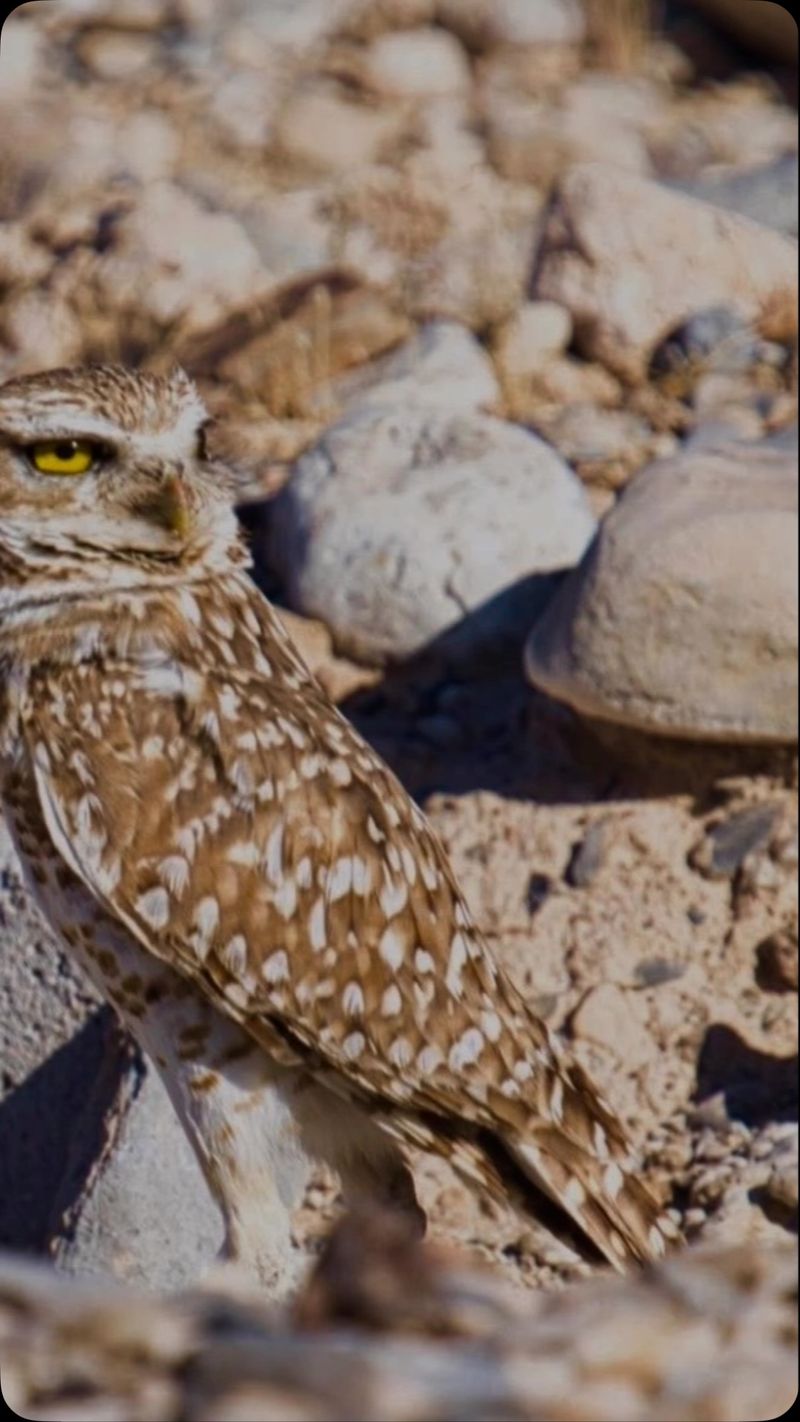
Welcoming a wild predator into a yard and then reaching for a broad-spectrum pesticide or rodenticide creates a direct conflict. Birds that eat insects and arthropods, including Elf Owls, are exposed to whatever those prey animals have ingested.
Arizona Department of Agriculture guidance on wildlife poisoning is clear: poisoned prey can expose birds of prey and other wildlife to secondary poisoning, sometimes fatally. The practical guidance that follows from that is to use pesticides only when necessary, follow label directions precisely, place rodent baits in tamper-resistant stations rather than open areas, and remove any carcasses promptly so a foraging bird does not encounter them.
Reducing casual chemical use around habitat areas is both a wildlife protection measure and, in many cases, a sensible integrated pest-management step.
Beyond pesticides, there is a legal boundary to understand. Elf Owls are protected migratory birds under the Migratory Bird Treaty Act, and the U.S.
Fish and Wildlife Service states that unauthorized take, including killing, capturing, selling, trading, or transporting protected migratory birds, is prohibited. Readers should not handle, relocate, or intentionally disturb Elf Owls or active nests.
Any injured or trapped bird should be referred to a licensed wildlife rehabilitator or the appropriate state wildlife agency rather than handled at home.
Seal the House Instead of Relying on a Predator
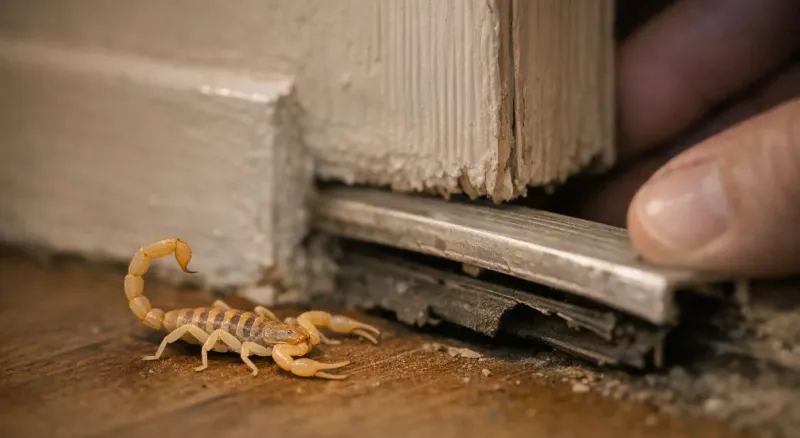
Scorpion prevention at the household level comes down to physical barriers, not biological ones. The University of Arizona Cooperative Extension lays out the most effective steps: seal cracks and gaps around foundations, pipes, and utility penetrations; install tight-fitting door sweeps and window screens with no tears or gaps; and reduce harborage by clearing wood piles, debris, and loose rock away from exterior walls.
These measures address the structural vulnerabilities scorpions actually exploit to get indoors.
Bark scorpions, the species responsible for medically significant stings in Arizona, are thin-bodied enough to fit through surprisingly small openings. A gap around a plumbing penetration or a worn door sweep creates a reliable entry point that no amount of outdoor predation will close.
Checking and replacing weatherstripping, screening weep holes in brick or block walls, and caulking around window frames are tasks that pay off directly in fewer indoor encounters.
When an infestation persists despite exclusion efforts, professional pest management is the next step. The University of Arizona’s scorpion guidance is direct on this point: eliminating insect food sources may help reduce scorpion activity, but it will not eliminate them, and pest-proofing the structure remains the most effective way to reduce contact and stings.
An Elf Owl foraging after sunset in the yard is a genuine ecological benefit, but it does not substitute for a sealed foundation and screens that actually fit.
Welcome the Owl Without Assigning It the Scorpion Problem
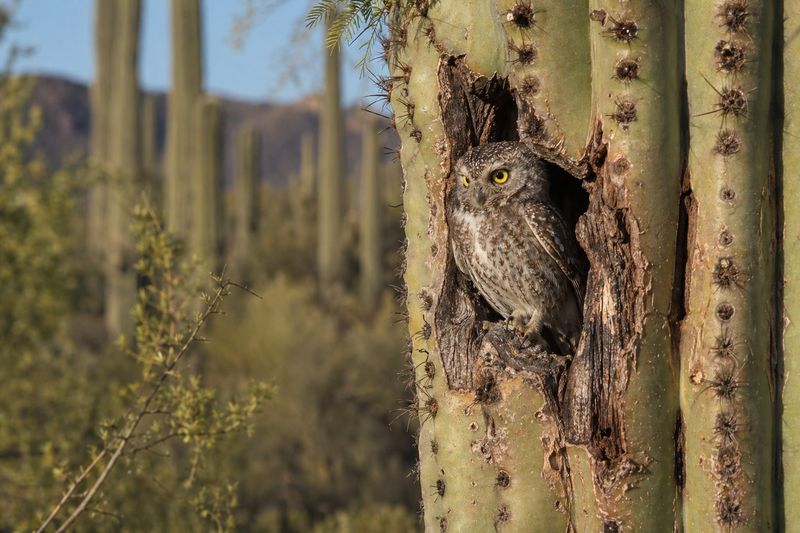
A yard that supports an Elf Owl visit is doing something right ecologically. Mature native trees, intact saguaros, a well-placed nest box, and reduced chemical inputs create conditions where the desert food web can function, and a small owl hunting moths and beetles after sunset is part of that web.
Scorpions may occasionally be among the prey, which is a genuine bonus rather than a service agreement.
Measure success by habitat value rather than pest-control output. Protect the house first with exclusion and screens, manage any chemicals carefully to avoid secondary poisoning risks, and add a properly sized nest box only if the habitat and range make it a reasonable fit.
Any Elf Owl that shows up is a wild animal operating on its own schedule, not a hired hand. The desert brought it; the desert will move it along when October arrives.