The September Task That Helps North Carolina Clematis Bloom Next Year
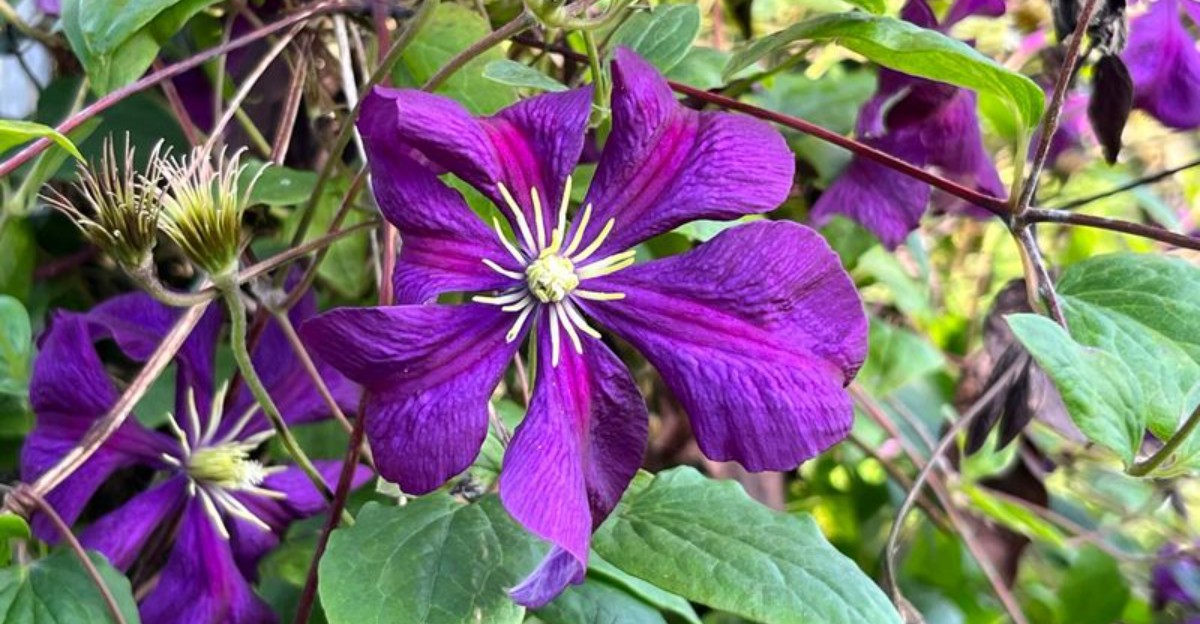
Clematis puts on one of its most memorable displays in spring, but how well it blooms often comes down to what happens to the vine this September.
Because different clematis varieties set their flower buds at different times, some on old wood and some on new, doing the wrong task at the wrong time can accidentally remove the very growth responsible for next year’s flowers.
A vine treated the same way regardless of its specific variety can end up blooming far less than it’s capable of, even with otherwise healthy growth all summer.
Getting this task right requires knowing exactly which type of clematis is growing in the yard. A little extra attention now can mean the difference between a sparse vine and a full, colorful display next spring.
1. Identify Your Clematis Pruning Group
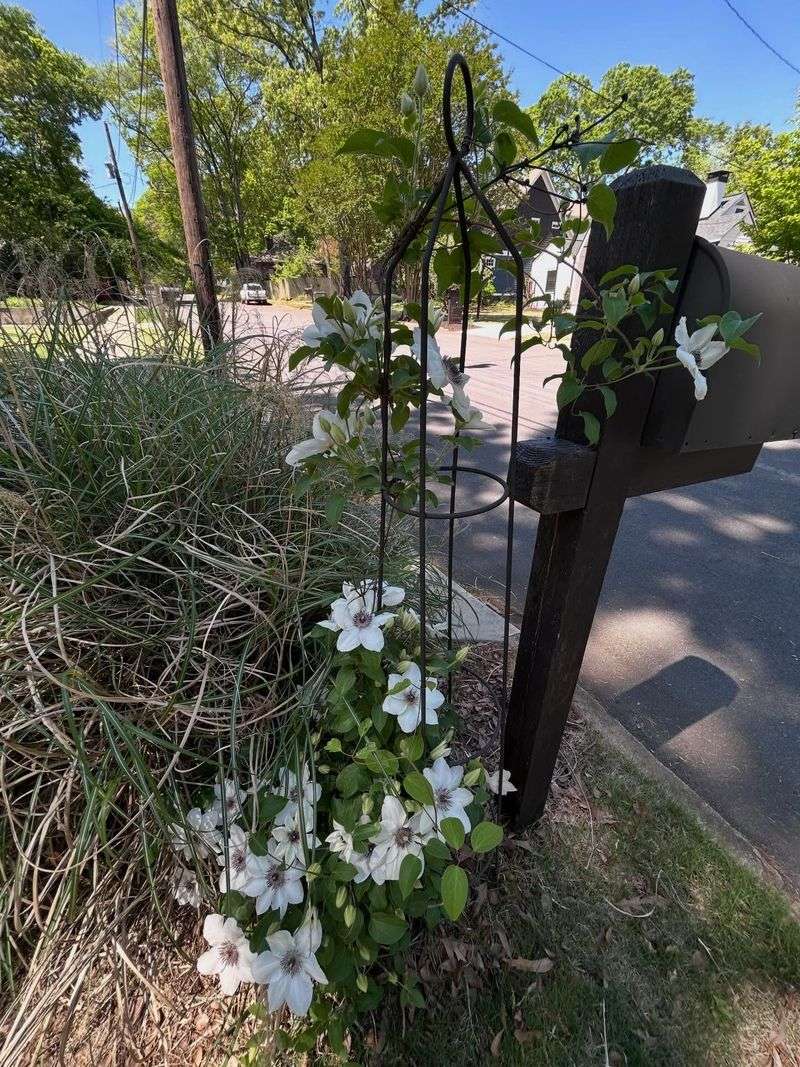
Before you reach for the pruners, figure out what kind of clematis you actually own. Different types bloom in different ways, and that changes everything about when and how you should cut them.
Clematis fall into three main groups. Group one blooms early on old wood, which means the stems that grew last year.
Group two flowers on both old and new growth, giving you spring and summer shows. Group three blooms only on new wood that pops up each season.
Knowing your group matters because a wrong snip at the wrong time can remove the buds that would have become next spring’s flowers. If you cut back an old-wood bloomer in fall, you may end up with a leafy vine and very few blossoms.
Check the plant tag if you still have it, or take a photo of the flowers and ask a local nursery. Many North Carolina garden centers can identify your variety quickly. You can also watch when your vine blooms and write it down in a notebook.
Once you know the group, you can plan your care with confidence. September becomes less stressful because you understand what your plant needs instead of guessing.
Think of this step as reading the instructions before building something. It saves time, protects your flowers, and helps you enjoy a healthier vine. A little detective work now sets up a season full of color later, and that is well worth the effort.
2. Avoid Heavy Pruning In September
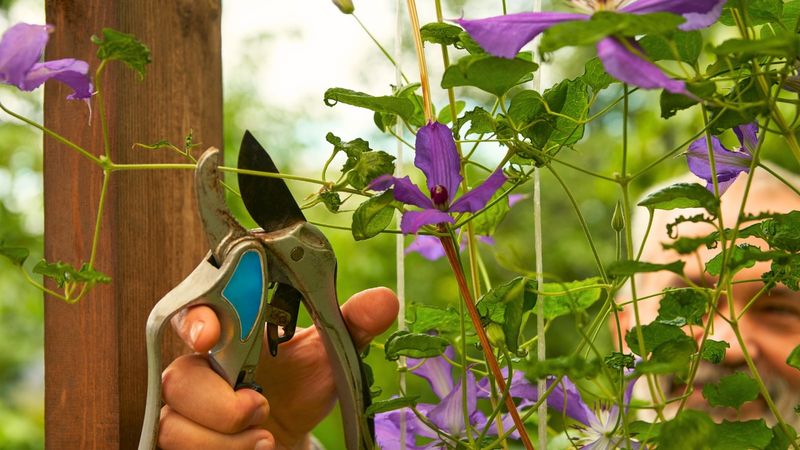
September feels like the perfect time to tidy up, but heavy pruning right now can backfire. Many gardeners get the urge to cut everything back before winter, and that urge can cost them flowers.
Here is the tricky part. Some clematis form their buds on old wood during late summer and fall. If you chop that growth off in September, you are also removing the very buds that would open next spring.
The plant cannot replace them in time.
Unless you know for certain that your variety blooms on new wood and needs a fall trim, it is safer to leave the big cuts alone. A light touch is your friend during this month.
Your North Carolina Garden Changes Every Week. Your Plan Should Too.
Gardening in North Carolina changes quickly throughout the season. Every Friday you’ll receive a simple weekly plan showing exactly what to plant, prune, fertilize, harvest, and protect so you never miss the right timing.
You can still remove anything that looks damaged or tangled, but hold off on shaping the whole vine. Save that bigger job for the correct season based on your plant’s group.
North Carolina’s mild fall can trick vines into thinking it is still growing time. If you prune hard, the plant may push out tender shoots that struggle when cold weather arrives. That soft growth wastes energy the roots need for winter.
Patience pays off here. By resting your shears in September, you protect the hidden buds and give your clematis a calm, steady move into dormancy.
When spring returns, you will be glad you waited. A vine covered in blooms beats a bare one every single time, and that reward starts with the choice to prune gently.
3. Keep The Root Zone Consistently Moist
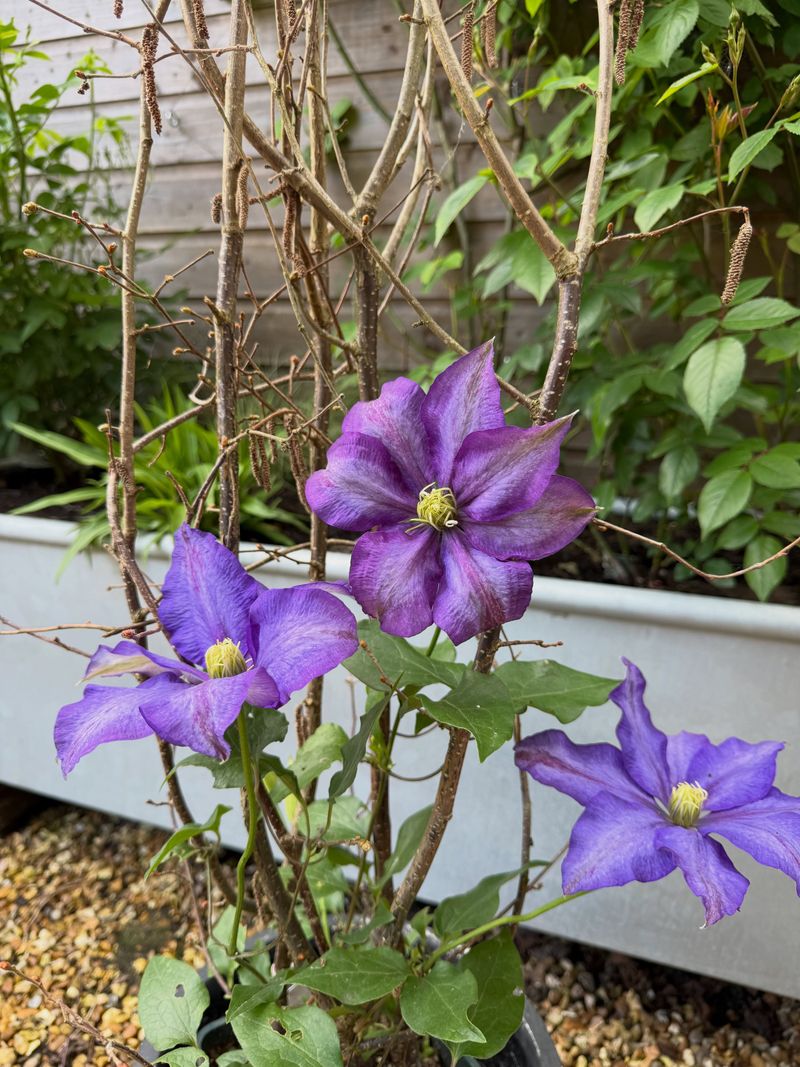
Water might be the most overlooked part of clematis care, yet it makes a huge difference. These vines love steady moisture, especially when North Carolina turns hot and dry in late summer.
Dry soil stresses a clematis fast. When the roots get thirsty, the plant slows down, leaves may wilt, and the vine grows weaker heading into fall. A stressed plant stores less energy, which means fewer flowers next year.
The goal is soil that stays evenly damp, not soggy. Stick your finger a couple inches into the ground near the base. If it feels dry, give the plant a slow, deep drink so the water reaches the deeper roots.
Deep watering beats quick sprinkles every time. A short splash only wets the surface, while a long soak encourages roots to grow down where they stay cooler and stronger.
During dry spells, aim for a good watering once or twice a week depending on your soil and weather. Sandy ground drains fast, so it may need more attention than heavy clay.
Morning is the best time to water because leaves dry off during the day, which lowers the chance of fungal trouble. Try to water the soil, not the foliage.
Healthy roots now build a strong plant later. By keeping that root zone comfortable through September, you help your clematis finish the season in great shape and set the stage for a bright, full bloom when warm days return.
4. Keep The Roots Cool With Mulch
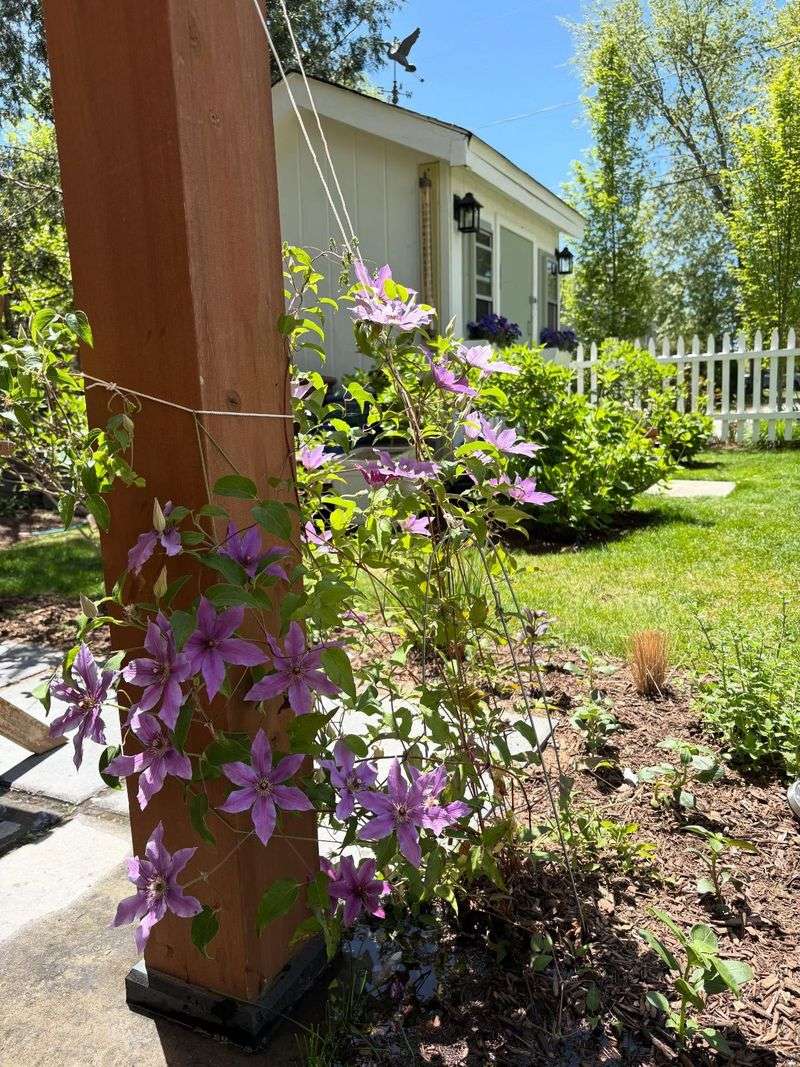
Clematis have a funny personality trait. They love their flowers up in the warm sun but want their feet, meaning the roots, kept cool and shaded. Mulch helps you give them both.
A moderate layer of organic mulch works like a blanket for the soil. It holds moisture in, blocks harsh sun, and keeps root temperatures steady even when the air turns hot.
Good choices include shredded bark, leaf mold, or compost. Spread about two to three inches around the base, and the soil below stays damp much longer between waterings.
There is one important rule to remember. Keep the mulch a few inches away from the crown and the stems. Piling it right against the plant traps moisture in the wrong spot and can invite rot or pests.
Think of it like a doughnut shape, with an open circle around the center of the plant. That little gap lets the crown breathe while the roots still enjoy the cooler soil nearby.
In North Carolina, where late summer sun can be intense, mulch really earns its keep. It cuts down on how often you need to water and protects the roots from wild temperature swings.
As the mulch breaks down over time, it also feeds the soil with gentle nutrients. That slow feeding builds healthier ground year after year.
A simple layer of mulch now keeps your clematis comfortable through the changing season and helps those roots stay ready to power next spring’s bloom.
5. Check The Vine For Disease And Damage
September is a smart time to give your clematis a good check-up. As the growing season winds down, problems that were hiding all summer become easier to spot.
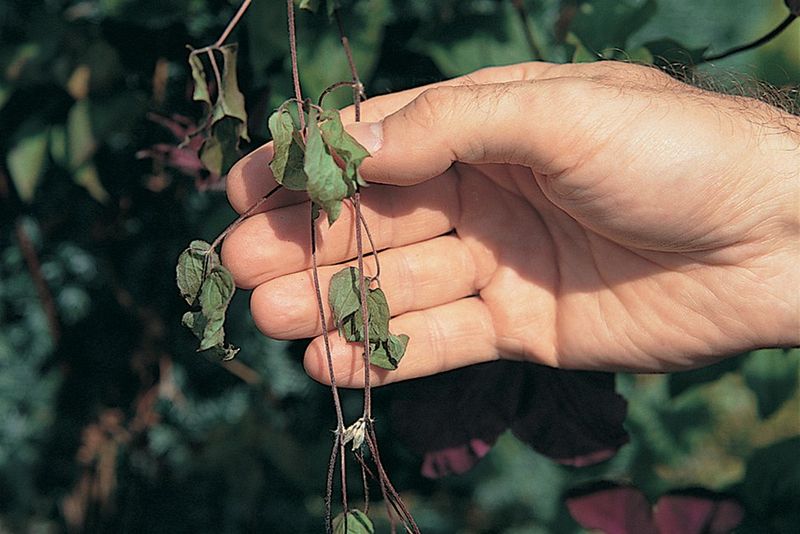
Walk up to your vine and look closely at the leaves and stems. You want to notice things like brown spots, wilting sections, mushy stems, or growth that looks weak and unhealthy.
Clematis sometimes deal with a fungal issue called clematis wilt, where whole stems suddenly collapse. Catching trouble early lets you act before it spreads to the rest of the plant.
When you find damaged or diseased material, snip it off with clean pruners. Removing the bad parts helps the plant put its energy into healthy growth instead of struggling sections.
Here is the key. Only cut what truly needs to go. This is not the time for a full haircut, just careful spot removal of the parts causing problems.
Always clean your pruners between cuts if you are trimming diseased stems. Wiping the blades keeps you from spreading trouble from one area to another.
Toss the removed pieces in the trash rather than the compost pile. Diseased material can linger and cause the same problem again next year.
A quick inspection now saves you bigger headaches later. Your vine will thank you by staying stronger through winter.
By keeping an eye out and acting gently, you help your clematis stay clean and healthy, which gives it the best shot at a beautiful, bud-filled comeback in spring.
6. Avoid Excess Late-Season Fertilizer
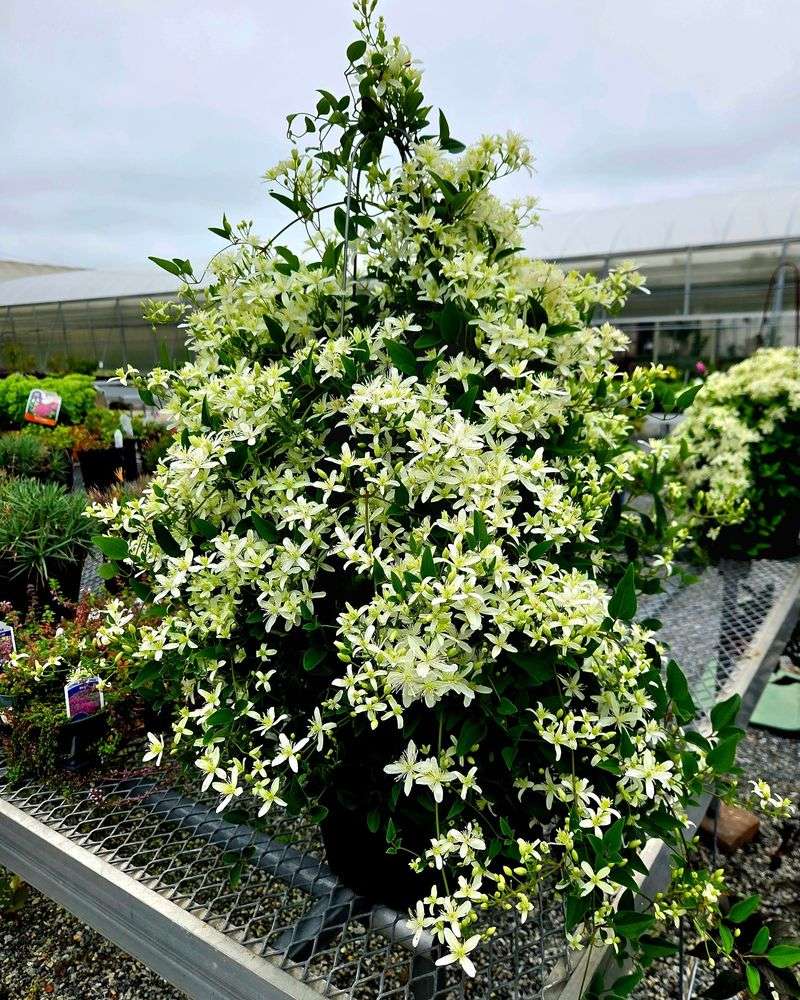
Feeding your plants feels caring, but timing matters more than you might think. Late in the season, a heavy dose of fertilizer can actually work against your clematis.
The problem comes from nitrogen, the nutrient that pushes leafy green growth. When you add a lot of it in early fall, the vine sends out tender new shoots at the worst possible moment.
Those soft shoots do not have time to toughen up before cooler weather arrives. Instead of helping, they drain energy the plant needs to store for winter.
As clematis moves toward dormancy, its focus should be on strong roots, not fresh leaves. Roots are where the plant keeps the fuel that powers next spring’s flowers.
So in September, ease off the feeding. If your plant looks healthy and green, it usually does not need an extra boost right now.
What matters far more this time of year is steady moisture and cool, comfortable roots. Those two things do more for winter readiness than any fertilizer could.
If you feel the soil is truly poor, a light layer of compost is a gentle option. It feeds slowly and will not force a burst of tender growth.
Save the bigger feeding for early spring when the plant wakes up hungry and ready to grow. That is when the nutrients get used the right way.
By holding back now, you let your clematis settle into rest calmly. A well-rested plant returns with the strength to produce those big, showy blooms you love.
7. Keep The Support Secure
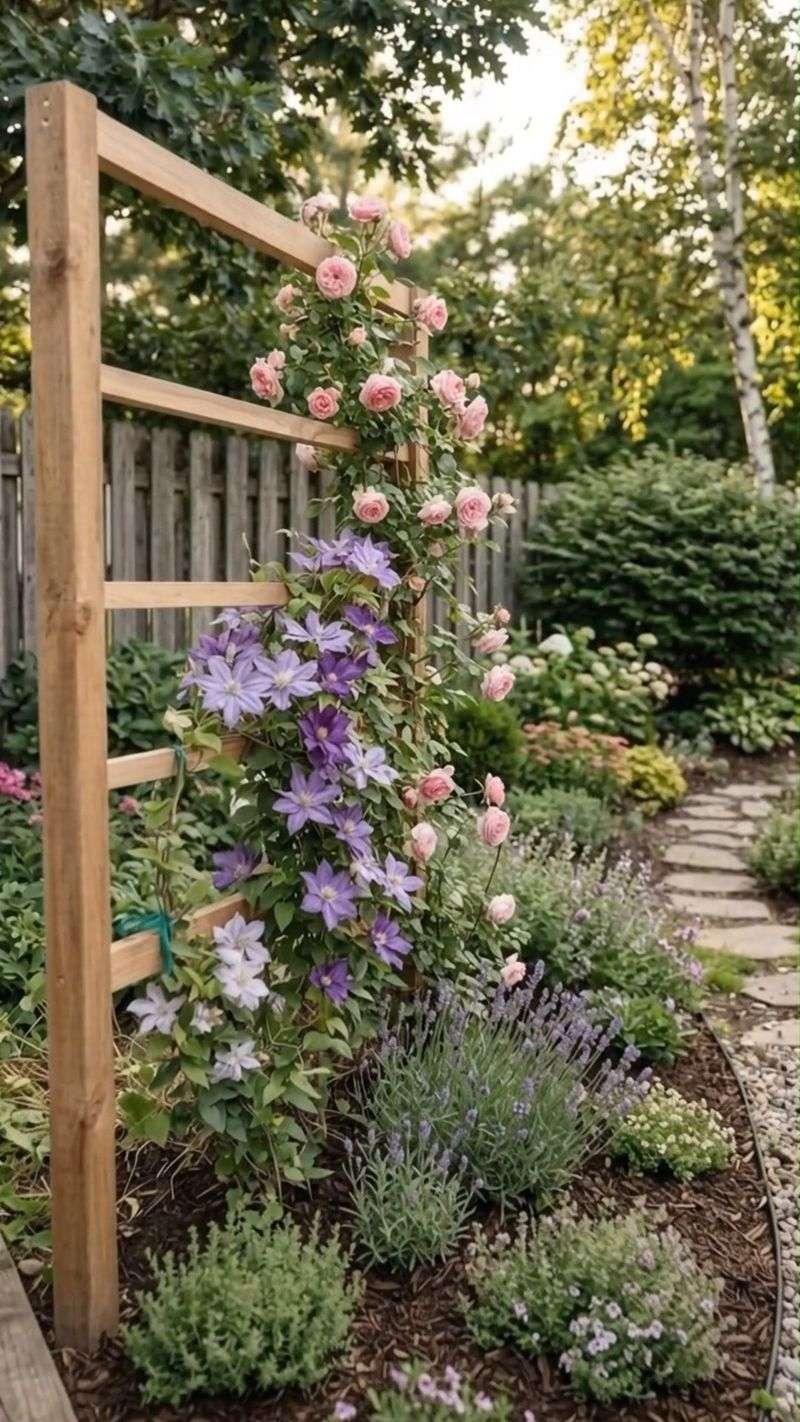
A clematis leans on its support the way a climber leans on a ladder. If that support gives way, the whole vine can suffer, so September is a great time to check it.
Take a walk around your trellis, fence, or whatever your clematis climbs. Give it a gentle wiggle to see if it feels sturdy or wobbly.
Loose posts, cracked wood, or rusty wire can all cause trouble once fall storms roll in. North Carolina can bring strong winds and heavy rain, and a weak support may not hold up.
If a support fails during a storm, the vine can tear, twist, or fall to the ground. That kind of damage sets your plant back and can break stems full of next year’s buds.
Check the ties that hold the stems in place too. Old ties can get too tight and dig into the growing stems, so loosen or replace any that look worn.
Use soft, flexible ties made for gardens rather than anything sharp or thin. Gentle materials protect the stems while still holding them steady.
Tighten any loose screws, reset wobbly stakes, and repair small problems before they grow into big ones. A few minutes of fixing now saves a lot of trouble later.
A secure support also keeps your vine looking neat and lets air flow through the leaves, which helps prevent disease.
By making sure everything is solid before winter, you protect all the hard work your clematis put in and help it stand strong until spring.
8. Save Major Pruning For The Correct Season
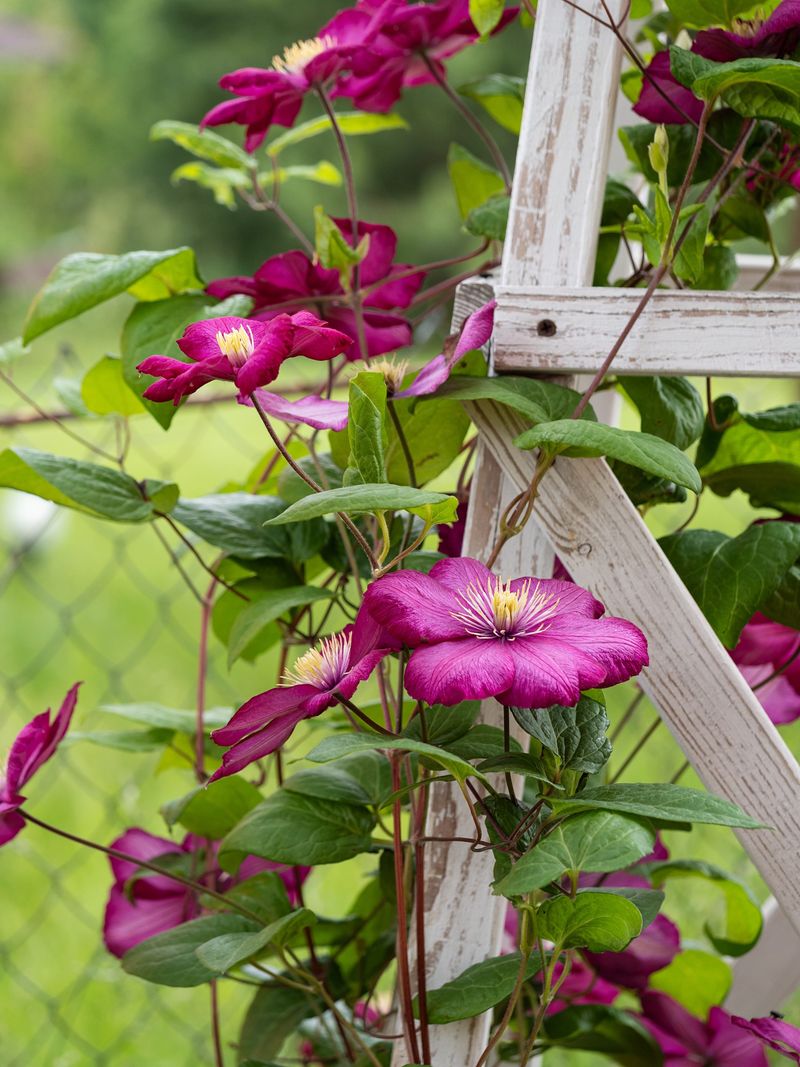
Patience turns out to be one of the best gardening tools you own. When it comes to big pruning jobs, waiting for the right window protects your flowers more than any quick cut ever could.
Each clematis group has its own perfect pruning time. Early bloomers usually get trimmed right after they finish flowering, while new-wood bloomers get cut back in late winter or early spring.
Cutting at the correct moment keeps the flowering wood safe. If you prune during the wrong season, you risk snipping off the buds that hold next year’s blossoms.
That is why September is mostly a hands-off month for major cuts. Instead of shaping the whole vine now, you simply keep it healthy and let it store energy.
Knowing your plant’s group, which you sorted out earlier, makes this easy. Once you know when to prune, you can mark the date and relax until then.
Writing the timing on a calendar or in a garden journal helps you remember. A quick note now keeps you from grabbing the shears too soon.
North Carolina gardeners who match their pruning to their plant’s needs tend to enjoy the fullest displays. The vine repays that care with strong stems and heavy blooms.
So resist the fall urge to trim everything back. Let the plant rest, protect the flowering wood, and wait for the proper season.
Do that, and your clematis will greet spring covered in color, proving that good timing really is the heart of a healthy, blooming vine.