The Long-Legged Jumper Turning Up In Kentucky Basements This Month
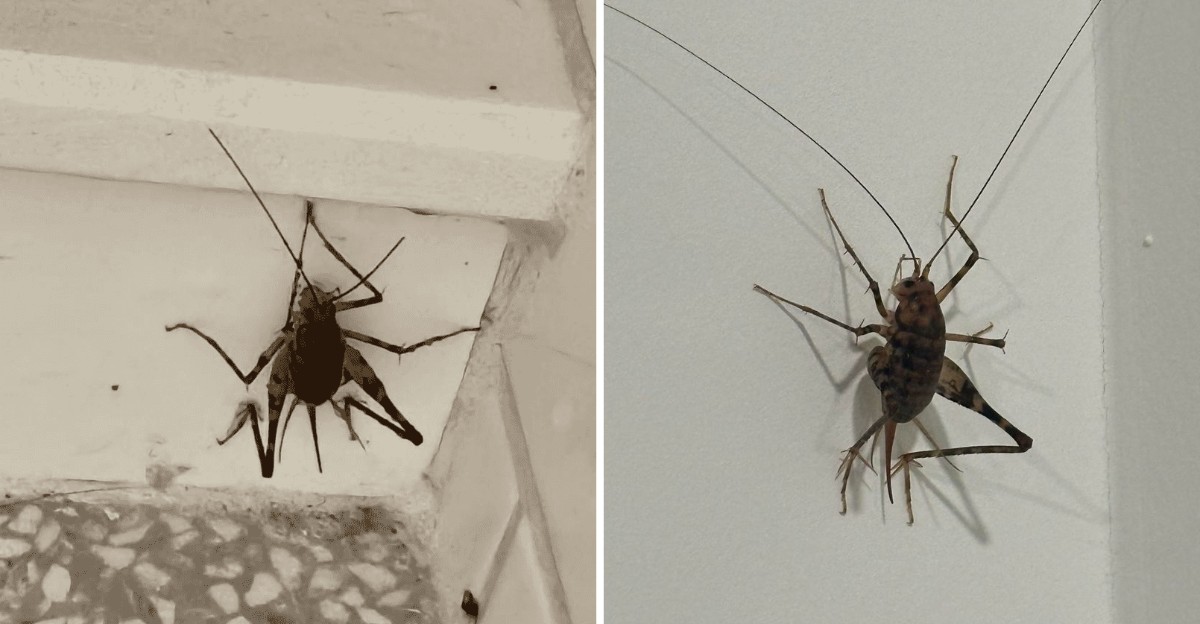
The basement light flicks on, and something roughly the size of a grape rockets past your bare ankle. You freeze with the laundry basket raised, wondering whether spiders have somehow learned how to pounce.
Kentucky homeowners from Paducah to Ashland are living through this exact moment on repeat this month. Cool nights and damp limestone foundations have created a perfect setup for uninvited autumn houseguests.
That leap has a habit of aiming straight for your face. Nothing about that behavior feels accidental, although the entomologists politely insist that it truly is.
Your clean towels may sit in that basket for days while you quietly rethink your entire storage plan. Somewhere below those floorboards, something with remarkably long legs is enjoying all that extra elbow room.
The Humpbacked Cricket Behind Those Midnight Hops
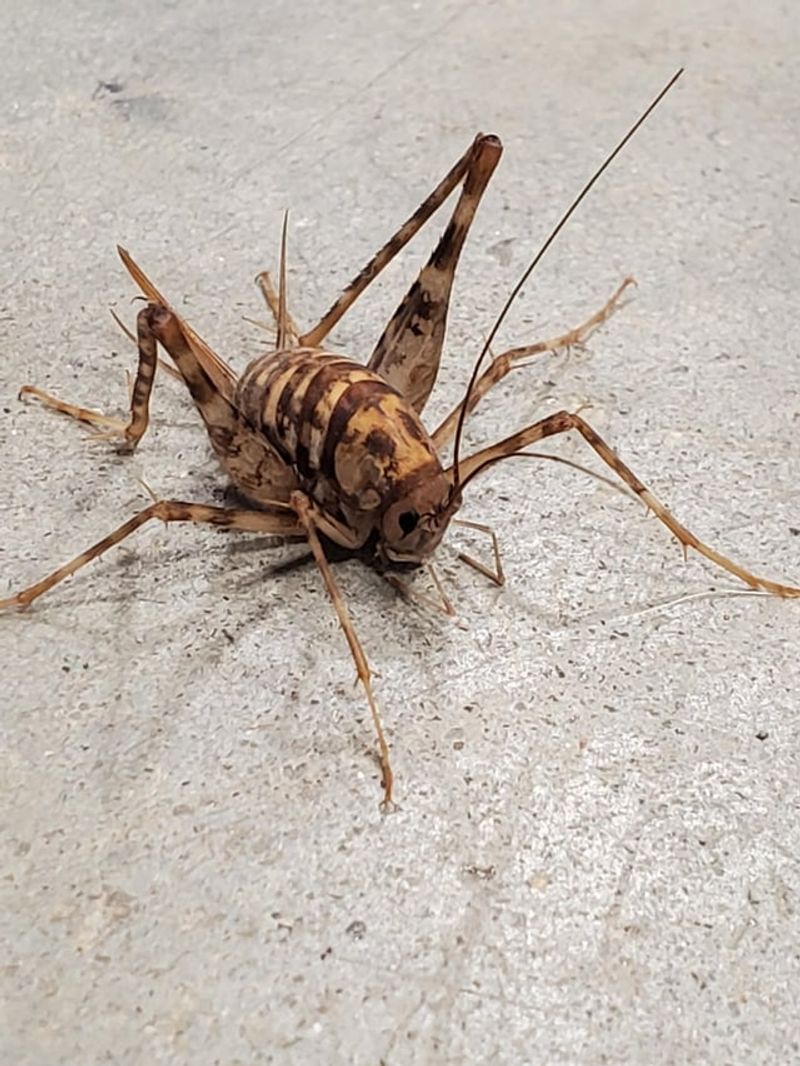
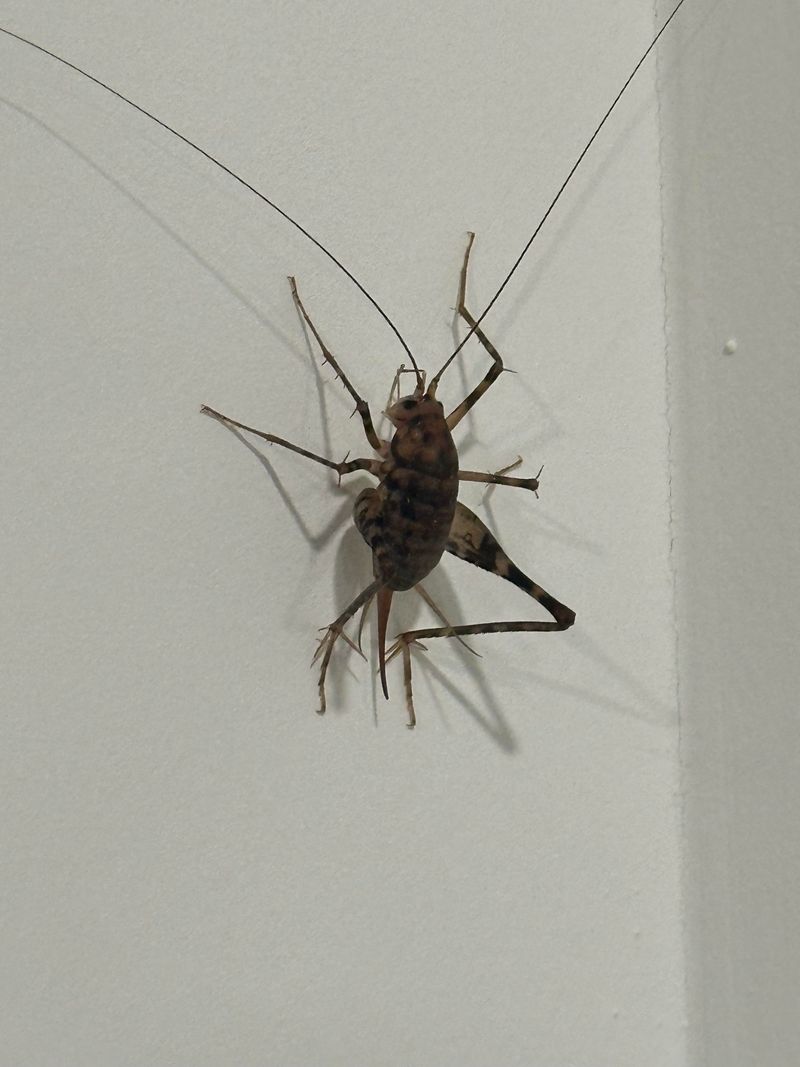
Picture a cricket that looks like it borrowed legs from a spider. That odd creature is the camel cricket, and Kentucky basements are full of them.
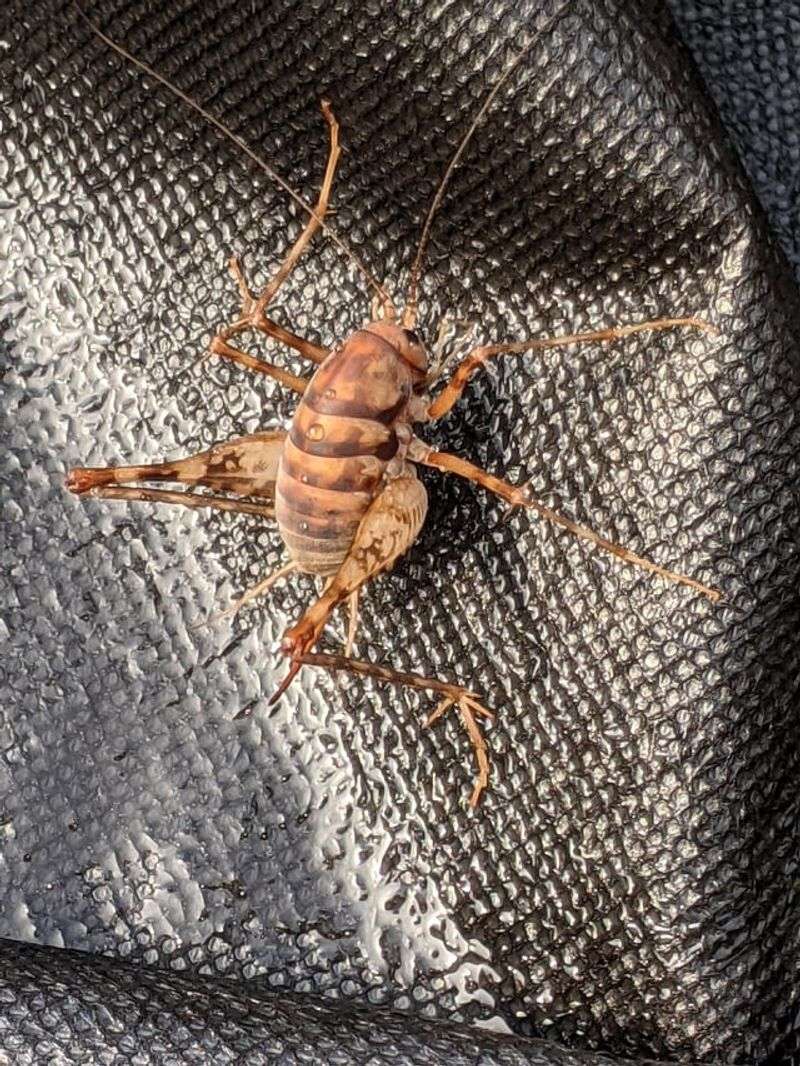
Also called cave crickets or spider crickets, they wear a humped back and tan brown mottling. Their antennae stretch longer than their bodies, waving around like thin whips.
Unlike the crickets singing in your yard, these ones have no wings and make no chirping sound. Silence is part of what makes a surprise encounter so startling.
Their back legs are built like springs, launching them a few feet in any direction. They jump toward movement rather than away, which is why people shriek.
Despite the drama, camel crickets carry no venom and cannot bite through human skin. They scavenge crumbs, mold, fungus, and bits of fabric left in storage boxes.
Adults measure roughly half an inch to an inch, though the legs add plenty of length. Young ones look like pale, tiny copies of their parents.
Kentucky homes with limestone foundations and cool crawl spaces suit them beautifully. Once a few settle in, dozens more usually follow by the next season.
Homeowners often mistake them for wolf spiders at first glance in dim light. A quick look at the antennae settles the question every time.
Naming them after camels makes sense once you notice that arched, humped back. Nature gave them an odd shape and a bouncy attitude to match.
Damp Corners And Dark Spaces That Invite Them
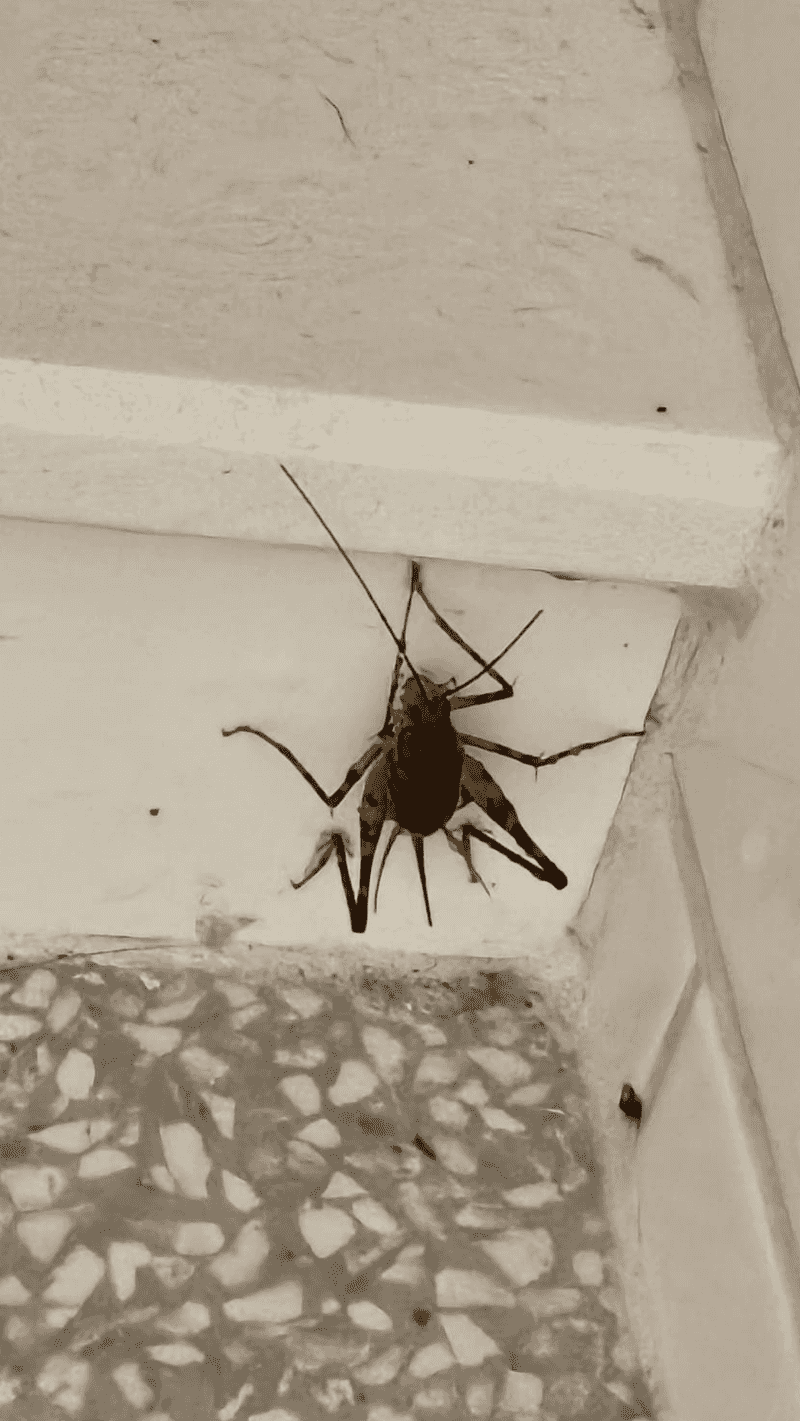
Moisture is the magnet here, plain and simple. Camel crickets need humid air to survive, and a damp basement feels like a tropical cave to them.
Leaky pipes, sweating water heaters, and slow foundation drips raise humidity fast. Once humidity climbs noticeably, the welcome mat is out.
Clutter matters just as much as water. Stacked cardboard, old carpet rolls, and forgotten firewood create dark hiding spots they love.
Outside the house, mulch beds, leaf piles, and stacked stone hold the same cool dampness. Crickets living there sit only a few steps from your foundation wall.
Food is easy to find indoors, too. They nibble on mold growing along joists, cardboard glue, and lint behind the dryer.
Window wells act like little traps, collecting leaves and funneling crickets straight toward the glass. From there, one loose seal is all it takes.
Your Kentucky Garden Changes Every Week. Your Plan Should Too.
Gardening in Kentucky changes quickly throughout the season. Every Friday you’ll receive a simple weekly plan showing exactly what to plant, prune, fertilize, harvest, and protect so you never miss the right timing.
Homes built into Kentucky hillsides often have crawl spaces with bare soil floors. That exposed ground releases moisture upward around the clock.
Gutters that dump water beside the foundation soak the soil where these insects gather. Redirecting that flow changes the whole neighborhood underground.
Even a tidy basement can stay muggy without airflow. Stale, still air holds moisture the way a closed cooler holds ice.
Think of your basement as a habitat rather than a room. Change the conditions, and the residents gradually lose interest.
Cool Nights And The Autumn Move Indoors
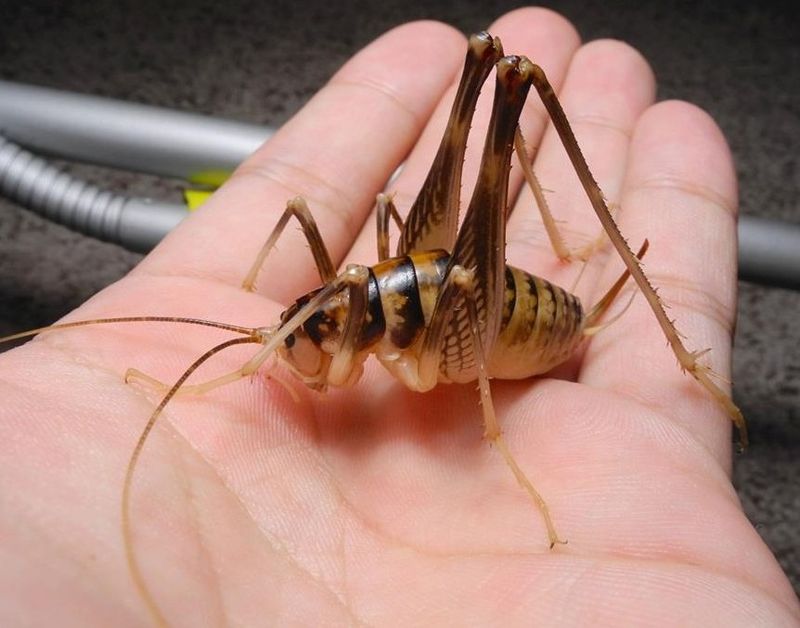
September and October flip a switch for these insects. Outdoor temperatures drop, and the warm, steady basement suddenly beats the woodpile out back.
Adults reach full size by late summer, so the ones you see now look biggest. Their numbers peak right when Kentucky evenings turn crisp.
Fall rains soak the yard and flood shallow hiding places under rocks and leaves. Higher ground means your foundation, and your foundation has gaps.
Egg laying happens in soil during late summer and autumn in many regions. Nymphs hatch in spring, which explains the smaller ones appearing later.
Sightings often spike after the first cold snap of the season. One chilly night can push dozens toward warmth in a single evening.
Kentucky weather makes the pattern sharper than in milder states. Warm afternoons and cold nights create a stop-and-start migration through October.
Basement lights and laundry rooms draw them deeper into living areas. A cricket that started in the crawl space may end up near the stairs.
Timing your inspection for early fall gives you the upper hand. Sealing before the rush beats sweeping after it.
By November, activity usually slows as the remaining crickets settle into quiet corners. They wait out winter without much fuss, then stir again in spring.
Homeowners sometimes blame the calendar, but weather drives the schedule more than dates. A warm October can delay the whole parade by weeks.
The Cleanup Mistake That Backfires On Homeowners
Reaching for a fogger feels satisfying, and that is the trap. Bug bombs rarely touch insects hiding under boxes, inside cracks, or beneath stairs.
Sprayed baseboards look treated but do little when moisture keeps drawing new arrivals. The source stays untouched while the label promises results.
People also stack firewood against the house for winter convenience. That neat pile shelters crickets inches from the door they plan to use.
Sweeping up visible crickets brings quick relief but no lasting change. Their hiding spots refill within days if humidity stays high.
Some folks seal the crawl space vents without addressing the soil underneath. Trapped moisture then climbs, making the space damper than before.
Overwatering flower beds beside the foundation adds another layer to the problem. Wet mulch against brick keeps an outdoor colony thriving year after year.
Waiting until spring is the mistake that costs the most patience. Fall sealing prevents the population that greets you in March.
Treating the symptom feels productive, though the basement decides the outcome. Fix the room, and the insects lose their reason to stay.
Vacuuming works better than sweeping, since it captures eggs and young in one pass. Empty the canister outside so nothing hitchhikes back inside.
Strong chemicals near sump pumps and floor drains can drift into water lines. Gentler, targeted methods protect your household and still get the job done.
Sensible Fixes For A Crowded Crawl Space
Start with a dehumidifier, because water control does most of the heavy lifting. Aim for humidity near fifty percent and empty the tank regularly.
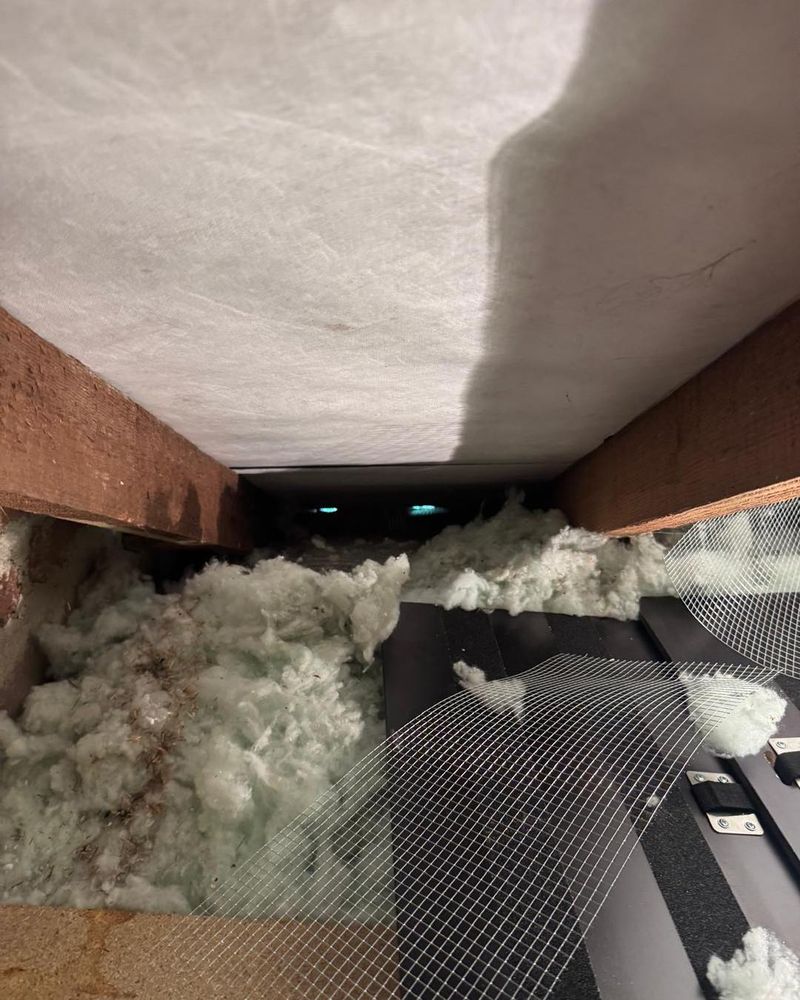
A vapor barrier over bare crawl space soil blocks moisture rising from the ground. Heavy plastic, overlapped and taped, changes the space within weeks.
Swap cardboard storage for sealed plastic bins with tight lids. Fewer cozy folds means fewer places for insects to gather.
Sticky traps placed along walls and behind the water heater reveal hot spots. Check them weekly to see if your efforts are working.
A shop vacuum handles heavy gatherings faster than any spray bottle. Work slowly along the joints where floor meets wall.
Outdoors, pull mulch back several inches from the foundation and rake leaves away. Bare, dry soil around the house acts like a buffer zone.
Repair dripping pipes and insulate cold water lines that sweat all summer. Small plumbing fixes remove the buffet and the drinking fountain at once.
If numbers stay high after a month, a local pest professional can help. Kentucky technicians know which foundation styles cause repeat trouble.
Good lighting helps more than people expect during inspections. Bright work lamps expose corners you have been avoiding for years.
Fans set near damp corners move stale air and speed up drying. Cheap, simple, and surprisingly effective in older Kentucky homes.
Patience matters, since populations shrink over weeks rather than overnight. Steady improvements beat one dramatic weekend of scrubbing.
Sealed Gaps And A Quieter Winter Basement
Caulk is cheap, and camel crickets are not picky about the doors they use. Gaps around pipes, vents, and wiring become highways into the house.
Walk your foundation with a flashlight on a bright afternoon. Light leaking through from outside marks every crack worth sealing.
Door sweeps on basement and garage doors close the widest gap most homes have. A quarter inch of daylight is plenty for a determined hopper.
Window well covers keep leaves, rain, and crickets out of that sunken box. Clear covers still let daylight through.
Screen crawl space vents with fine mesh instead of leaving them open. Hardware cloth rusts slower and holds its shape for years.
Foam sealant works well around pipe penetrations, though copper mesh underneath adds durability. Insects chew foam alone given enough time.
Gutter extensions carrying water six feet from the wall finish the job outside. Dry soil, dry basement, fewer springy visitors.
Once sealed, expect a steady drop in sightings through the following spring. The basement grows quieter, and storage boxes stay unbothered.
Schedule a quick check each September before the weather turns. Ten minutes with a caulk gun saves months of surprises.
Homes that stay dry and sealed rarely host large gatherings again. The insects simply move along to the neighbor’s woodpile.
Keep a broom handy anyway, because no house stays airtight. One or two wanderers each winter is a fair trade.