What It Really Means When A Brown Thrasher Digs Through Your Florida Mulch
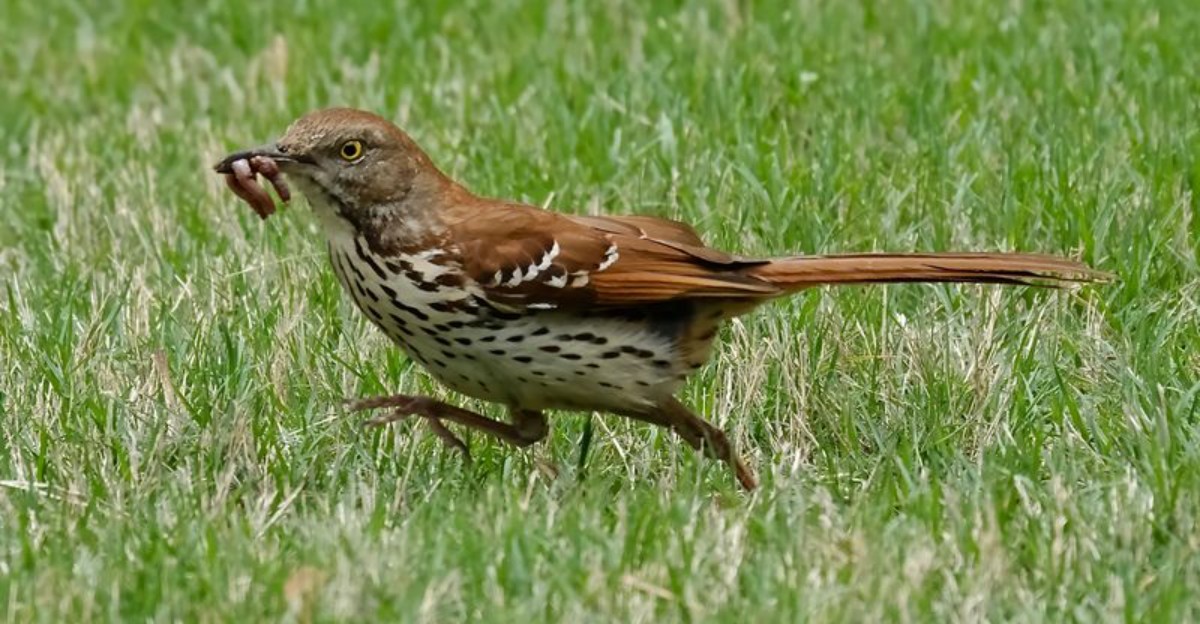
You’ve probably caught one in the act. A brown thrasher, russet colored with a long curved bill, tossing mulch around your flower bed like it’s searching for something specific and getting frustrated it hasn’t found it yet.
Bits of bark end up scattered across the walkway within minutes. That digging isn’t random destruction, even though it leaves your beds looking ransacked.
Brown thrashers use that curved bill like a tool, sweeping through leaf litter and mulch to flush out exactly what they’re after underneath.
The messier the mulch pile looks afterward, the better the hunting session probably went for the bird responsible for it.
Florida yards make especially good hunting ground for this behavior, since mulched beds mimic the leaf litter these birds work through naturally.
Once you know what’s driving the search, that scattered mulch stops looking like a mess and starts looking like evidence of exactly what’s living in your yard.
1. The Hidden Hunt Happening Beneath Your Mulch
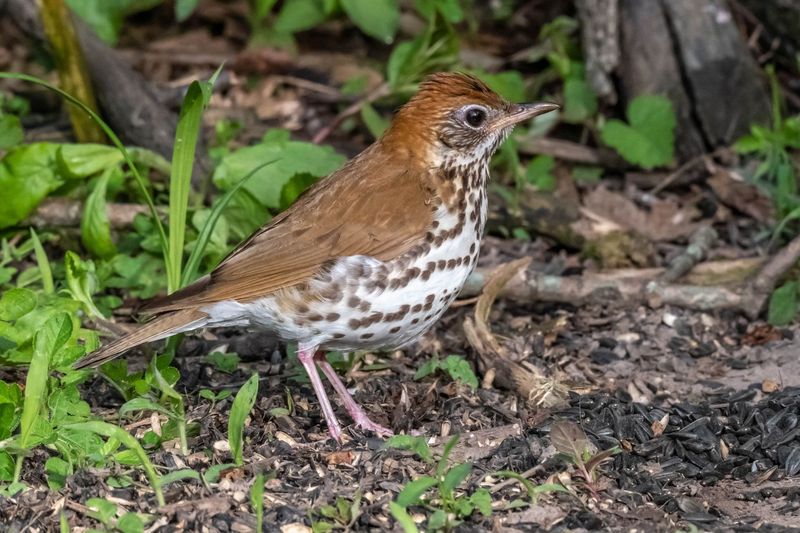
Under two or three inches of mulch, your Florida flower bed is basically a buffet. Warm soil, steady moisture, and decaying wood create ideal conditions for beetles, sowbugs, earthworms, and soft-bodied grubs.
Brown Thrashers know it. Over half of their yearly diet comes from insects and other arthropods, and mulch beds concentrate that food supply in one convenient spot.
When a thrasher lands in your bed, it is not being destructive for fun. It is reading the ground the way you might scan a menu, watching for movement as it sweeps aside leaves and mulch.
The bird uses a long, slightly downcurved bill to flip mulch aside, then pokes into the softened soil underneath. Each toss exposes a fresh patch of hiding places.
Florida yards make this even easier. Mild temperatures mean insect activity continues through much of the year, so thrashers can forage in mulch during winter months when northern birds have moved south into the same neighborhoods.
Here is the practical takeaway. A bird repeatedly working one section of mulch often signals a high concentration of soil-dwelling insects there, which is useful information for any gardener.
Instead of viewing the scattered chips as damage, treat them as a report. Something edible was thriving beneath the surface, and a very capable hunter found it first.
2. The Strange Digging Behavior That Reveals A Smart Bird
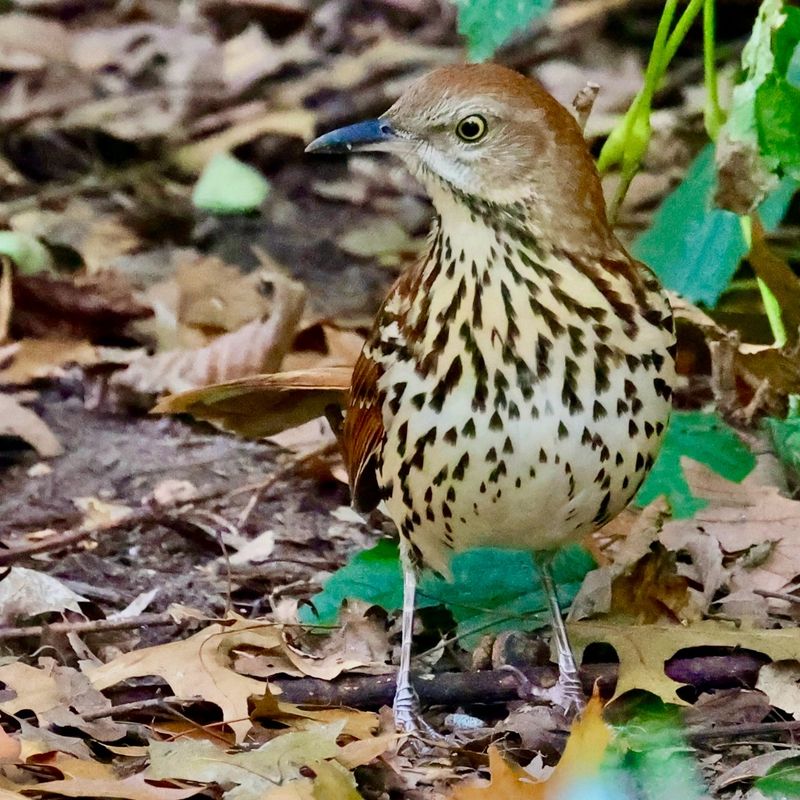
Watch a thrasher for five minutes and you will notice it has a system. Hop, pause, scratch, flip, stare, then repeat a step to the left.
That pattern is not random flailing. Ornithologists describe the motion as thrashing, and it is exactly where the bird got its common name.
The technique is genuinely clever. Rather than digging one deep hole, the bird sweeps sideways with its bill, clearing wide shallow patches so more prey gets exposed per unit of effort.
Pauses matter just as much as the digging. During those short freezes, the thrasher watches for the twitch of a grub or the scuttle of a spider that just lost its cover.
Your Florida Garden Changes Every Week. Your Plan Should Too.
Gardening in Florida changes quickly throughout the season. Every Friday you’ll receive a simple weekly plan showing exactly what to plant, prune, fertilize, harvest, and protect so you never miss the right timing.
Brown Thrashers are also strong learners. Members of the mimid family, they are famous for song repertoires that can top a thousand phrase types, including imitations of other birds.
That mental flexibility shows up in foraging too. Once a thrasher discovers a productive mulch bed, you may see it return repeatedly to search for more food
If you want to watch without disturbing anything, sit still about fifteen feet away and stay quiet. These birds tolerate observers far better than they tolerate sudden movement, and patience usually earns you a front-row seat.
3. The Backyard Clues A Brown Thrasher Leaves Behind
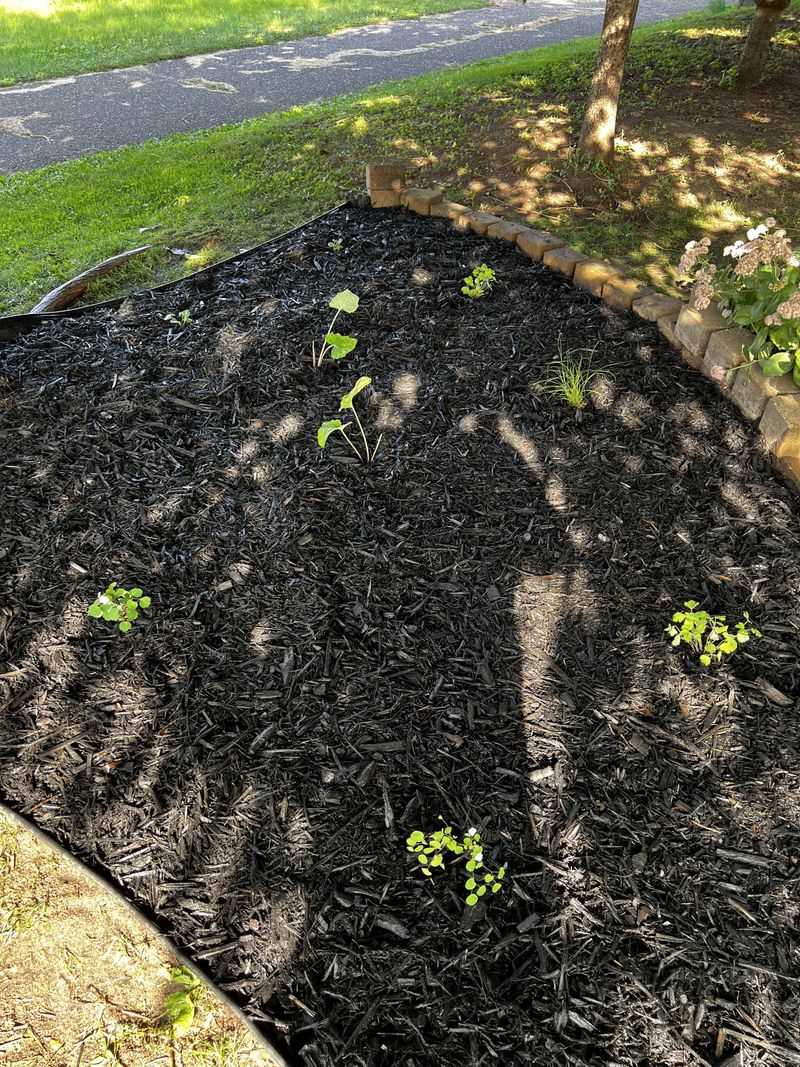
Detective work starts with the mess itself. Thrasher digging leaves mulch fanned outward in loose arcs, often piled onto adjacent sidewalks, patios, or lawn edges.
Squirrels dig narrow cone-shaped holes when caching or retrieving nuts. Armadillos leave deeper cratered pits with disturbed roots, and cats leave covered scrapes.
A thrasher signature looks different. The excavation stays shallow, usually an inch or two, and spreads sideways rather than down, with mulch flung several inches to a foot away.
Look for shallow sweeping marks where mulch has been pushed aside, small openings where the bill probed the soil, and nearby shrubs or dense cover where the bird disappears after feeding.
Thrashers usually leave plants untouched because they are searching beneath the surface, not tearing through foliage
Other clues help confirm your suspect.
Sound offers another hint. Their alarm call is a sharp smacking note, almost like a loud kiss, and you will often hear it before you spot the bird slipping into dense cover.
Spring adds a bonus clue. Males sing long, varied phrases from exposed perches, typically repeating each phrase twice, which is a reliable field mark for identification.
Keep a simple log if the digging bothers you. Noting times, locations, and how much mulch moved will show whether one resident bird is working your yard or several visitors are passing through seasonally.
4. The Tiny Creatures Your Mulch Is Helping Uncover
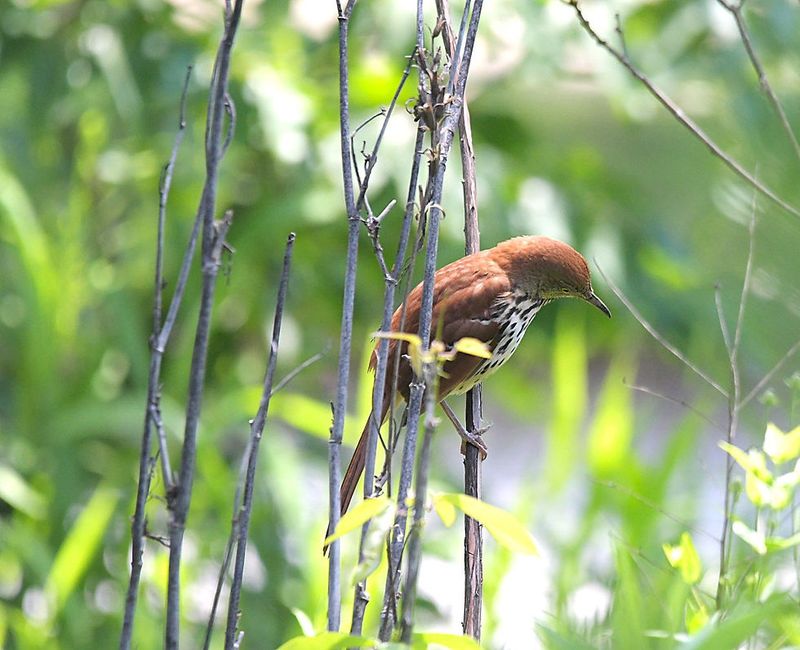
Peel back a handful of damp mulch and a whole neighborhood appears. Sowbugs curl up, millipedes coil, and pale grubs wiggle deeper into the dark.
These are the animals a thrasher is chasing. Beetles, caterpillars, grasshoppers, cicadas, spiders, earthworms, slugs, and snails all appear on the menu, along with the occasional small lizard or frog.
Some of those creatures are helpful decomposers that build healthy soil. Others chew roots, stems, and tender new leaves, and Florida gardeners know that group well.
Grubs are a good example. Beetle larvae feed on grass and plant roots below ground, and heavy populations show up as thin, patchy turf near mulch borders.
Slugs and snails cause a different headache, rasping ragged holes in hostas, seedlings, and low leafy greens during the humid months. Thrashers happily take both.
Because the bird cannot tell a beneficial isopod from a root-eating grub, it takes whatever moves. That mixed appetite is normal in nature and rarely tips the balance in a diverse yard.
Want to see the show yourself? Lift a small section of mulch in the evening, shine a flashlight, and count what scurries.
You will quickly understand why one determined bird considers your flower bed prime real estate.
5. The Reason This Florida Bird Tosses Leaves Everywhere
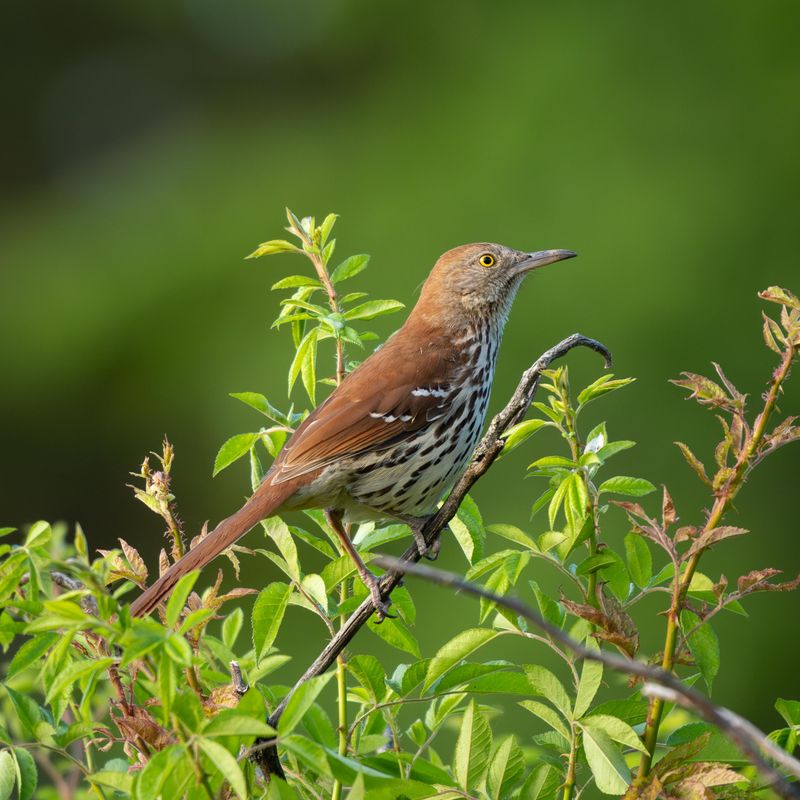
Efficiency explains the mess. A thrasher burns energy with every hop, so it needs the biggest food reward for the least effort.
Flipping litter sideways clears surface area fast. Those quick sideways sweeps expose a broad patch of hidden prey without requiring the bird to excavate deeply.
Body design supports the habit too. Long legs, a sturdy build around nine to twelve inches from bill to tail tip, and that slightly curved bill make excellent tools for raking through debris.
Leaf litter in Florida is especially rewarding. Oak leaves, pine straw, and shredded bark hold humidity, and humidity is what soft-bodied insects need to survive the dry season.
Timing plays a role as well. Thrashers often forage hardest in early morning when dew keeps prey close to the surface, then again in late afternoon shade.
You may also see thrashing near hedge bases and fence lines. Those edges collect blown debris, creating natural jackpots the bird checks on a loop.
Practical tip for tidy gardeners. If scattered mulch bothers you, keep bed edges defined and leave a leafy, less formal corner elsewhere in the yard where ground-feeding birds can forage.
Giving the bird an easier option often keeps your front walkway noticeably cleaner.
6. The Surprising Role Brown Thrashers Play In Your Yard
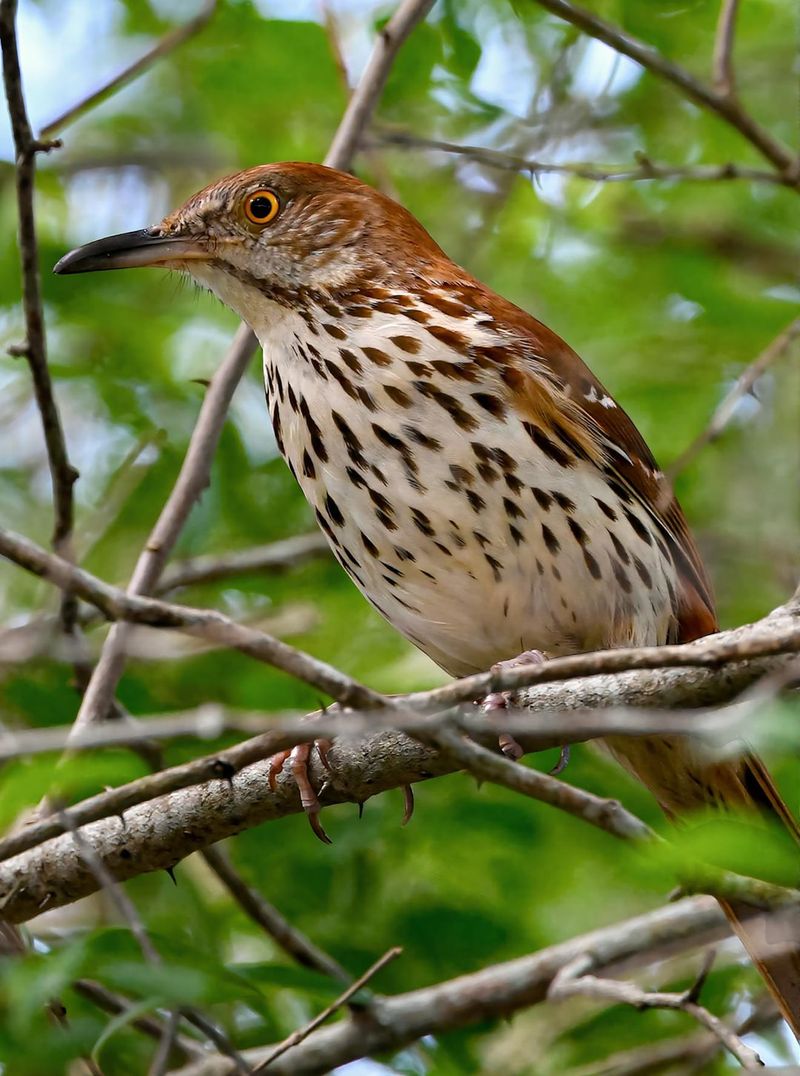
Consider this bird an unpaid groundskeeper with strong opinions about your mulch. Its work goes well beyond eating bugs.
All that flipping loosens compacted surface layers, mixes fine organic matter into the top inch of soil, and improves how water soaks in during afternoon storms.
Seed movement is another quiet contribution. From late summer through winter, berries, fruits, nuts, and acorns become a bigger share of the diet, and seeds travel to new spots afterward.
Native plants benefit directly. Fruit-eating can also move seeds around the landscape.
Brown Thrashers eat berries and small fruits, including holly and elderberry, especially during fall and winter.
Gardeners have noticed something else worth mentioning. Their ground-level hunting puts them in reach of beetles, caterpillars, grubs, and other invertebrates hiding beneath litter.
Nesting adds another layer of yard activity. Both parents build bulky cup nests of sticks, bark, and grass in dense shrubbery or low trees, and both feed the hungry brood.
Those nestlings eat an enormous number of insects during their first weeks. So the pile of scattered mulch on your walkway in spring often means a family nearby is being fed one caterpillar at a time.
7. The Natural Pest Control Happening At Ground Level
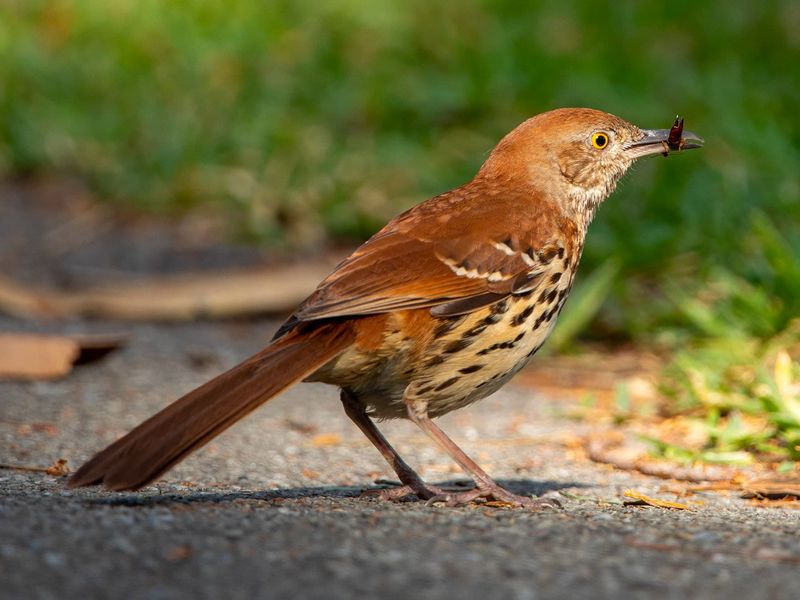
Free labor, no contract required. A single thrasher working your beds daily removes a steady stream of insects that never reach your plants.
Because thrashers hunt at ground level, they target pests that many other backyard birds miss. Cutworms, grubs, slugs, snails, and overwintering beetle larvae all live in that zone.
Chemical treatments reach the same insects but affect earthworms, pollinators, and beneficial predators too.
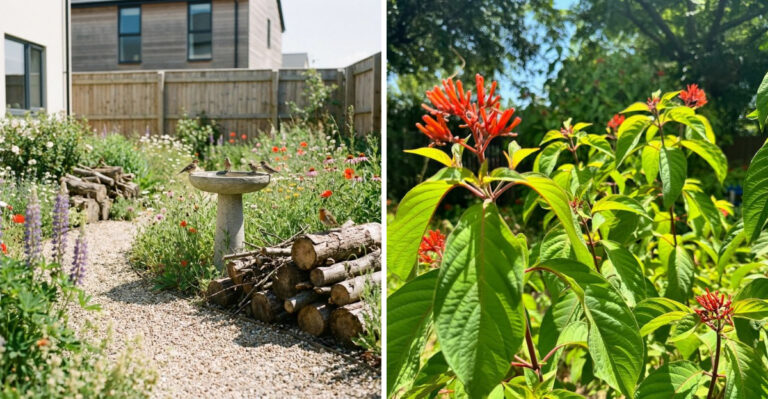
You can make your yard more attractive to them with a few easy changes. Keep dense native shrubs for cover, leave leaf litter in back corners, and skip broad soil insecticides.
Water helps enormously in Florida heat. A shallow ground-level birdbath, no deeper than two inches, gives thrashers a place to drink and bathe near their foraging grounds.
Cats matter as well. Ground-feeding birds face real risk from free-roaming pets, so keeping cats indoors dramatically improves how safe your yard feels to a thrasher.
8. The Warning Signs Hidden In Your Mulch Piles
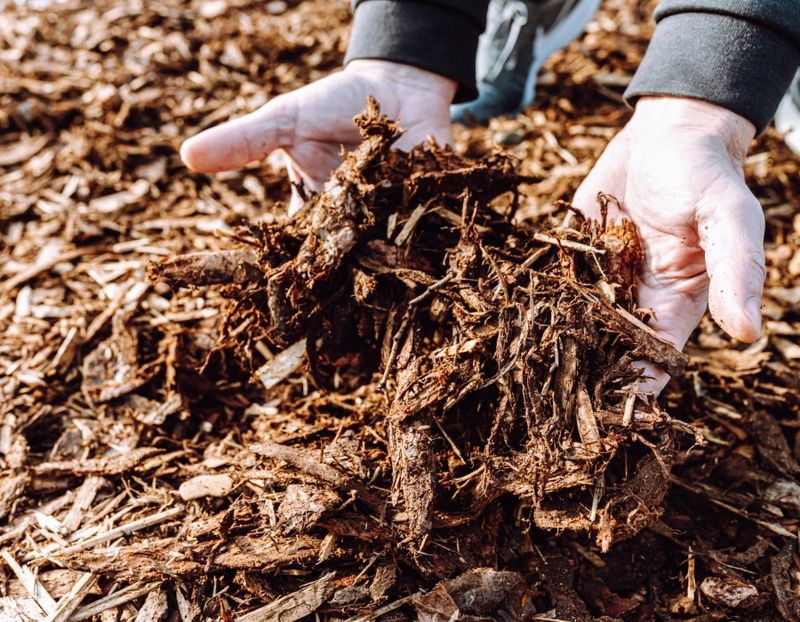
Sometimes the bird is telling you something about your mulch, not just your bugs. Persistent, intense digging in one small area is worth a closer look.
Persistent digging does not automatically mean your mulch has a pest problem, but it is still worth checking the bed.
Mulch piled too deeply can stay excessively wet, interfere with air movement around shallow roots, and create conditions that favor some unwanted organisms.
Bark stays wet, roots grow into the mulch instead of the soil, and plants weaken over time.
Check for matted, crusted surfaces too. When mulch knits together into a water-resistant mat, rain runs off instead of soaking down to thirsty roots.
Smell offers a clue as well. Sour or vinegary odors point to mulch that has been stored wet and gone anaerobic, which can stress tender plantings.
Fix it with simple maintenance. Rake mulch to two or three inches, pull it back a few inches from stems, and fluff the surface once or twice a season.
Thrashers actually help with that fluffing, so consider their work a partnership rather than vandalism. Sweep the strays off your walkway, keep your layer thin and airy, and both your plants and your resident digger will be better off.