The Best Time To Water Plants During A Kentucky Heat Wave
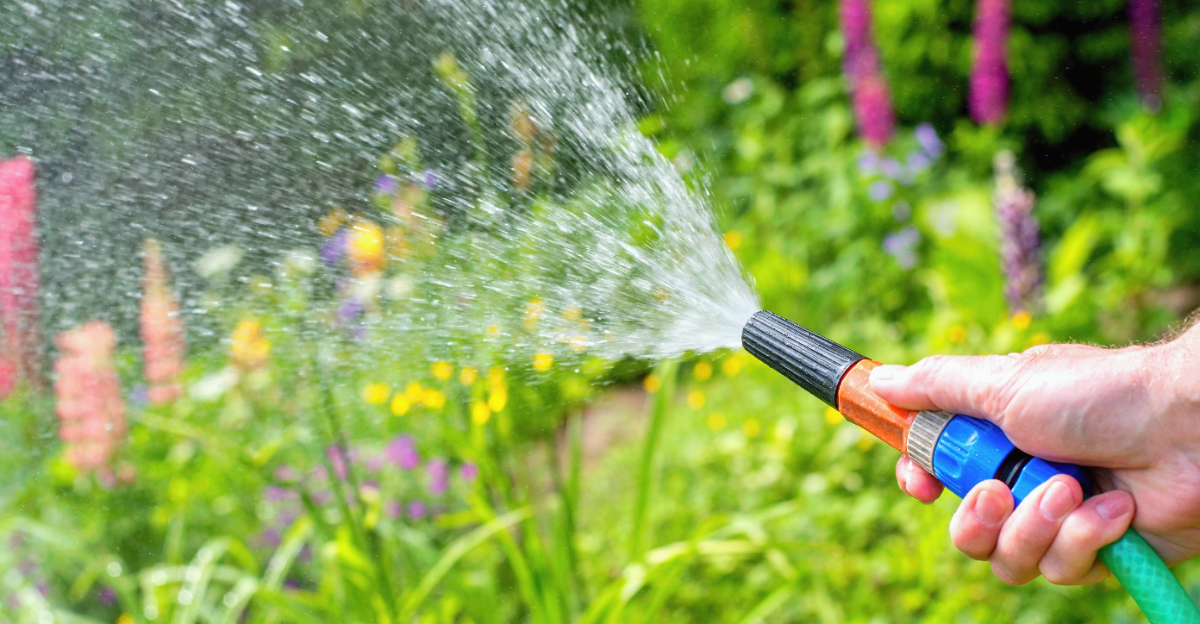
Kentucky heat doesn’t knock politely, it slams in by noon and doesn’t let up until evening. Leaves that looked fine at breakfast start curling, and soil along the bed edges cracks like old pottery.
Water at the wrong hour and it evaporates before roots taste a drop. Water at the right hour, and that same hose becomes the difference between a wilted mess and a garden that shrugs off 95 degrees.
Most gardeners notice trouble only after wilting hits, by which point the plant has burned through its reserves just staying upright. The real damage starts underground, quietly, long before anything shows on a leaf.
Early Morning Gives Plants The Best Chance To Absorb Water
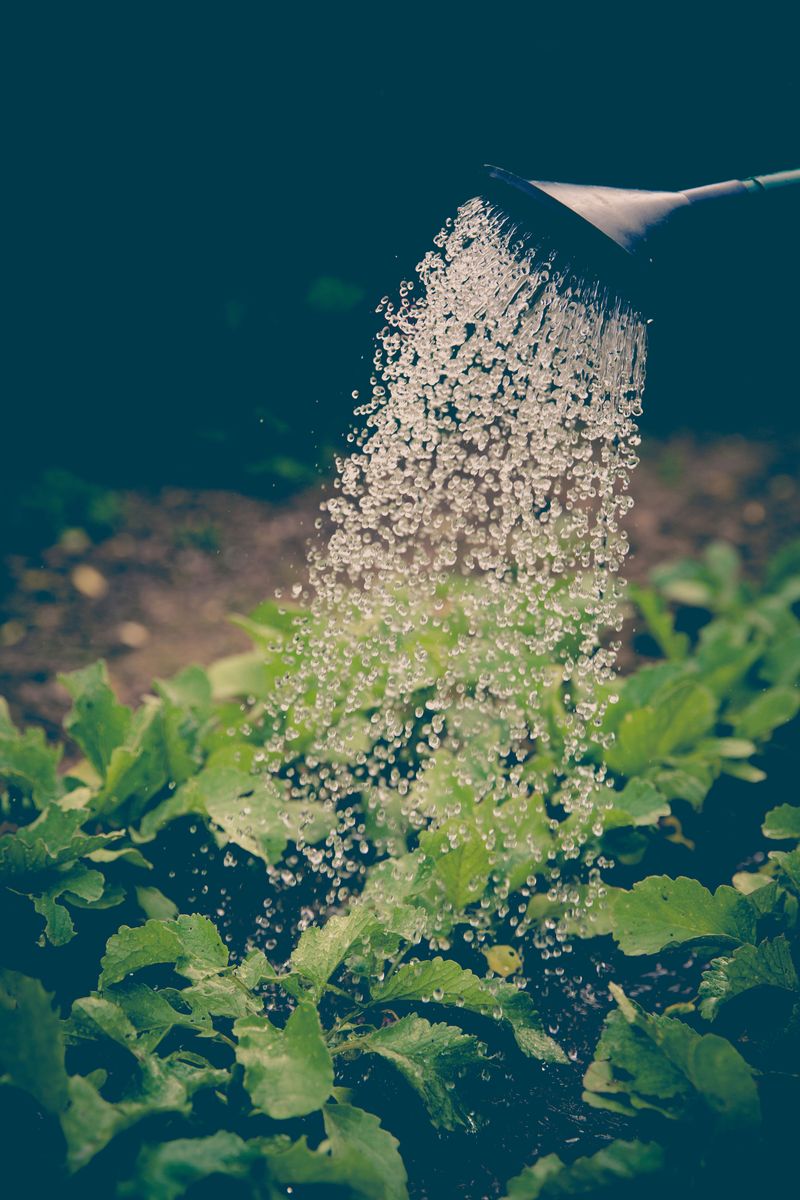
The alarm goes off before the sun fully rises, and your Kentucky garden is already waiting. Early morning is hands-down the best time to water plants during a Kentucky heat wave, and the science supports it.
Cool air temperatures mean water soaks into the soil before evaporation steals it away. Roots get a long, slow drink without competing against blazing afternoon heat.
Watering between 6 a.m. and 9 a.m. gives your plants hours to absorb moisture before the day heats up. That head start matters enormously when temperatures climb past 90 degrees by midday.
Leaves also stay drier when you water at ground level in the morning. Wet foliage that dries quickly in the morning sun is far less likely to develop fungal spots or rot.
Another bonus is soil temperature, since morning soil is cooler after an overnight rest and accepts water more readily. Think of it like watering a sponge versus a hot skillet.
Consistency is the real secret here, since watering at the same time each morning trains your plants to expect moisture and builds stronger root systems over time. Roots actually grow deeper when they learn to chase water downward.
Deep roots are your garden’s best defense against brutal summer heat. A plant with shallow roots wilts by 10 a.m., while one with deep roots stays upright and productive all day long.
Midday Watering Wastes Water Through Rapid Evaporation
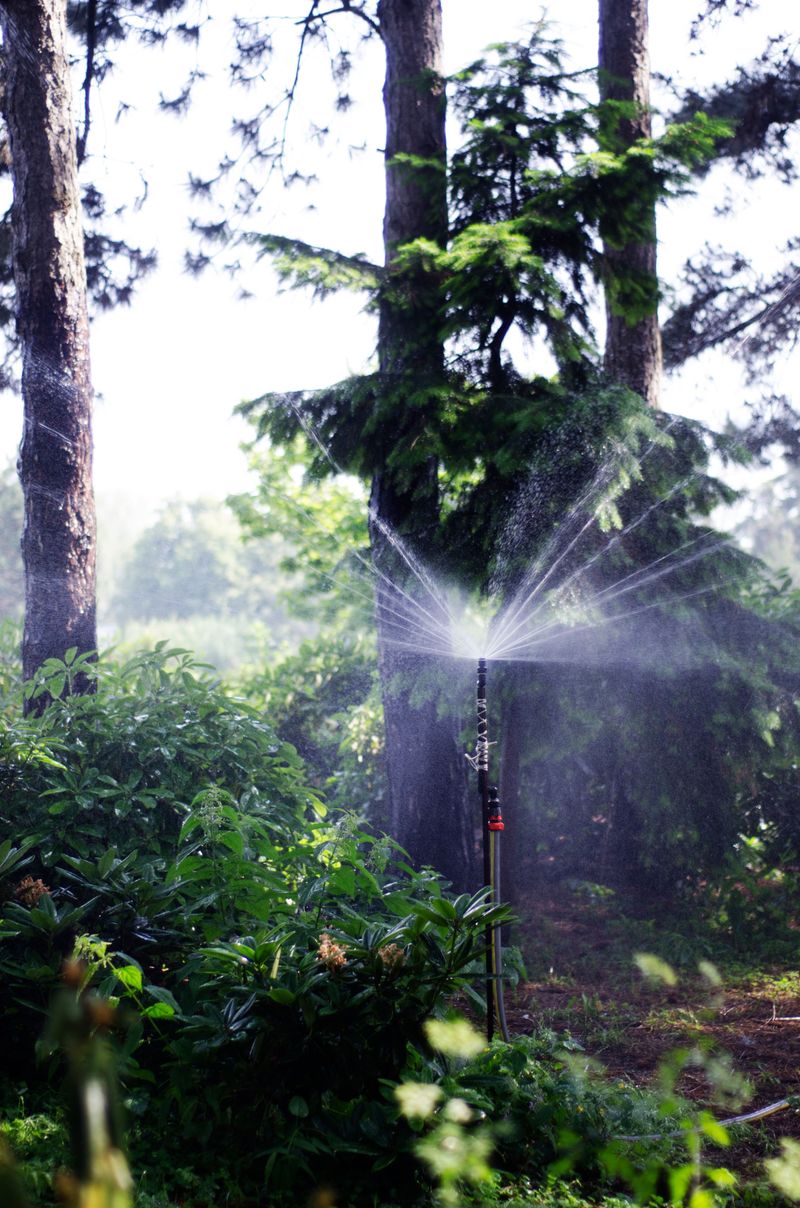
Step outside at noon during a heat wave and the air feels like a furnace blast. Watering your garden at this hour is one of the most common and costly mistakes gardeners make all summer long.
When the sun is directly overhead, soil surface temperatures can hit 130 degrees Fahrenheit or higher. Water hitting that surface evaporates almost instantly, never reaching the roots where it actually matters.
Midday watering can lose significantly more water to evaporation than morning watering does. That is a significant amount of wasted effort and expense, especially during a prolonged heat wave.
Beyond waste, midday watering can actually stress your plants further. Cold water hitting hot leaves can sometimes stress foliage, leaving faint scorch-like marks behind.
Some gardeners assume that a midday watering will cool plants down the way a cold drink cools a person. Plants do not work that way, since their cooling system runs through their leaves, not through soil temperature alone.
Your Kentucky Garden Changes Every Week. Your Plan Should Too.
Gardening in Kentucky changes quickly throughout the season. Every Friday you’ll receive a simple weekly plan showing exactly what to plant, prune, fertilize, harvest, and protect so you never miss the right timing.
If you absolutely must water during the afternoon, focus the water directly at the base of each plant. Skip the sprinkler and use a soaker hose or drip system to deliver moisture straight to the root zone.
Saving your watering for morning or evening hours cuts your water bill and keeps your plants far healthier. Smart timing beats brute-force watering every single time.
Evening Watering Can Invite Fungal Problems Overnight
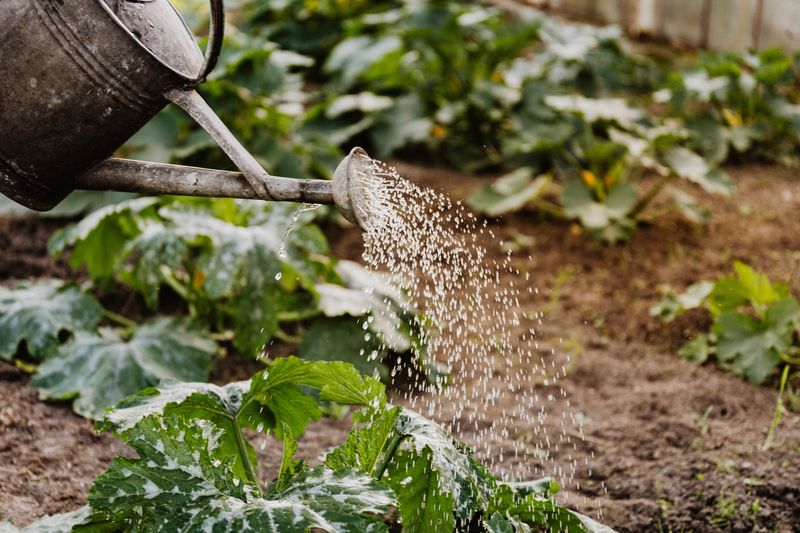
Evening watering feels so logical after a long hot day. The sun is down, the air is cooler, and your garden looks exhausted, so you grab the hose and start soaking everything in sight.
The problem is that water sitting on leaves overnight creates a perfect environment for fungal diseases. Mold, mildew, and blight thrive in warm, damp conditions, and nighttime in Kentucky summer delivers exactly that.
Fungal infections like powdery mildew and gray mold can spread quickly from plant to plant. Once established, they are notoriously difficult to remove without chemical treatments that many gardeners prefer to avoid.
Evening watering is not entirely off-limits if you do it correctly. The key is to water only at the soil level and keep leaves as dry as possible during the process.
Drip irrigation and soaker hoses are your best tools for evening watering because they deliver moisture underground. No water splashes onto foliage, which dramatically reduces the fungal risk.
Timing also matters within the evening window. Watering between 4 p.m. and 6 p.m. gives the sun enough remaining time to dry any accidental leaf splash before full darkness sets in.
Avoid watering after 7 p.m. whenever possible during a heat wave. Wet soil combined with warm nights and no airflow creates a slow-moving problem that shows up as yellowing leaves and mushy stems days later.
Soil Moisture, Not The Clock, Should Guide Extra Waterings
Clocks are useful for alarm reminders and meeting times, but your garden does not care what hour it is. Soil moisture is the real signal you should be reading before you ever turn on the hose.
During a heat wave, soil can dry out at wildly different rates depending on sun exposure, soil type, and plant size. A clay-heavy bed holds moisture longer than a sandy raised bed sitting in full afternoon sun.
The finger test is the simplest moisture check you can do. Push your finger about two inches into the soil. If it feels dry at that depth, your plants need water now regardless of the time.
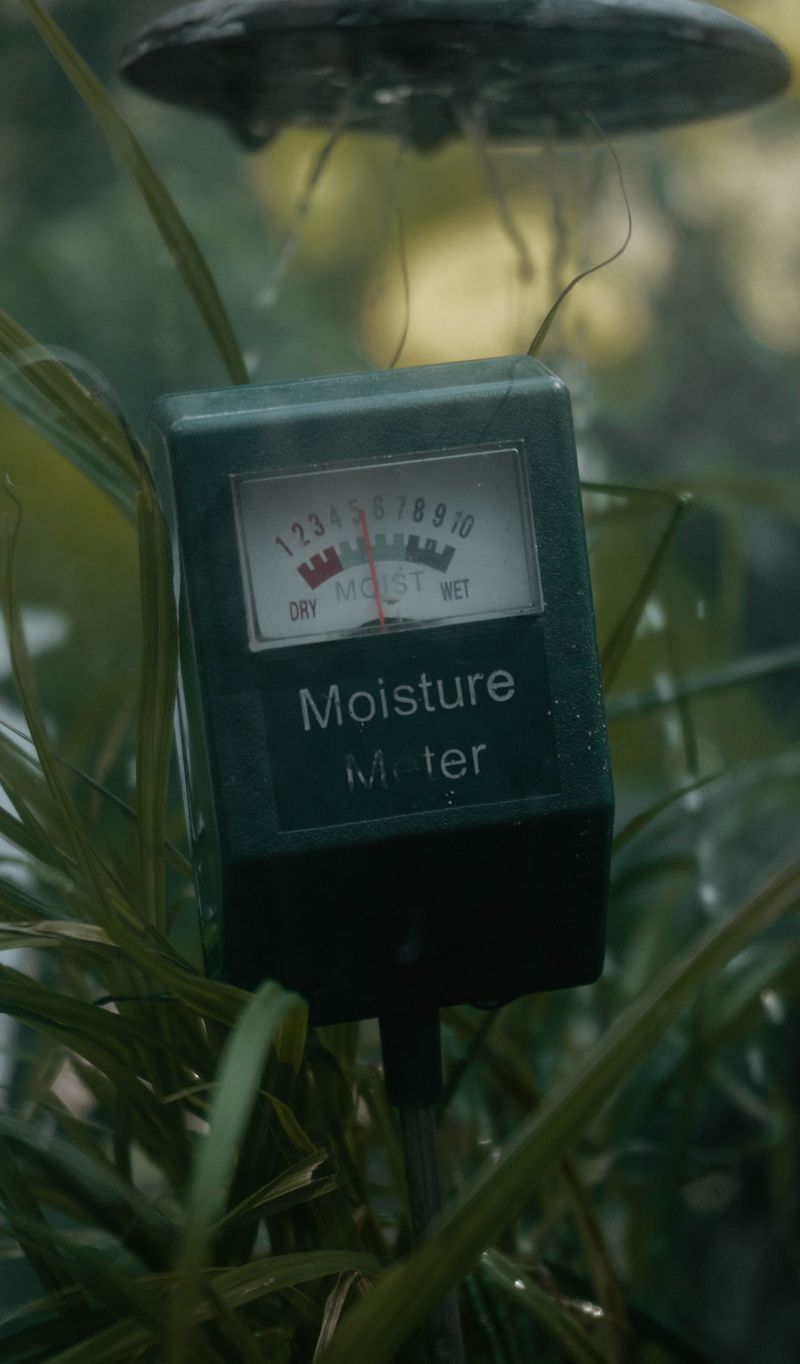
Soil moisture meters are affordable tools that take the guesswork out of this process entirely. A basic meter is inexpensive and gives you an instant reading without any digging or guessing involved.
Overwatering is just as harmful as underwatering during extreme heat. Soggy soil starves roots of oxygen, and root rot can set in surprisingly fast in warm, waterlogged ground.
Mulching around your plants dramatically slows soil moisture loss during a heat wave. A two-to-three inch layer of wood chips or straw can meaningfully cut evaporation, meaning fewer waterings overall.
Learning to read your soil gives you real control over your garden’s health. Trust what the ground tells you, and you will waste less water while growing stronger, more resilient plants.
Container Plants Need A Different Watering Schedule Than Garden Beds
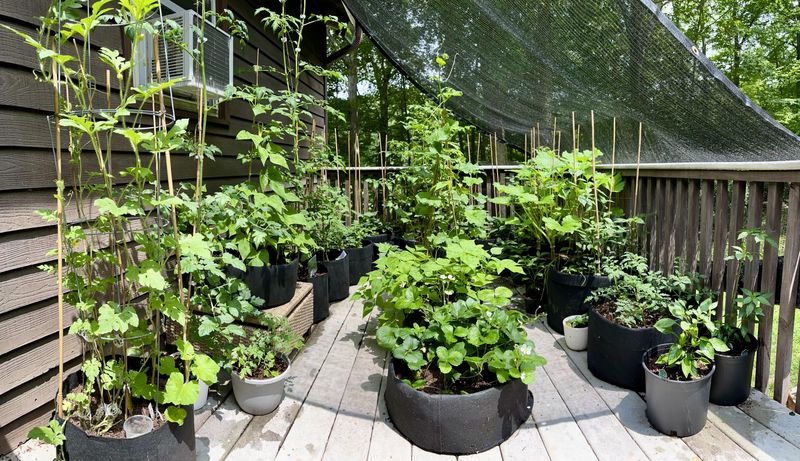
Container plants are drama queens in a heat wave, and they have every right to be. A small pot sitting on a concrete porch in direct sun can heat up to temperatures that would shock most gardeners.
Unlike garden beds, containers have no surrounding earth to buffer temperature swings. The limited soil volume heats up fast, dries out fast, and offers roots nowhere to escape when conditions turn brutal.
During a heat wave, most container plants need watering at least once a day, and sometimes twice. Morning is still the priority, but an early evening check is smart for small pots in full sun exposure.
Terra cotta pots are especially thirsty because they pull moisture through their walls as well as through evaporation from the soil surface. Plastic and glazed ceramic containers retain moisture significantly longer than unglazed clay does.
One reliable trick is to group containers together in a shaded spot during peak heat hours. Clustered pots create their own microclimate, reducing individual moisture loss and protecting roots from extreme heat stress.
Self-watering containers are worth every penny during summer heat waves. They hold a water reservoir at the base that roots draw from as needed, which takes the pressure off your daily schedule considerably.
Water containers until liquid flows freely from the drainage holes at the bottom. Shallow watering only wets the top inch of soil, leaving the lower roots dry and desperate for relief.
Adjusting Your Routine As The Heat Wave Continues
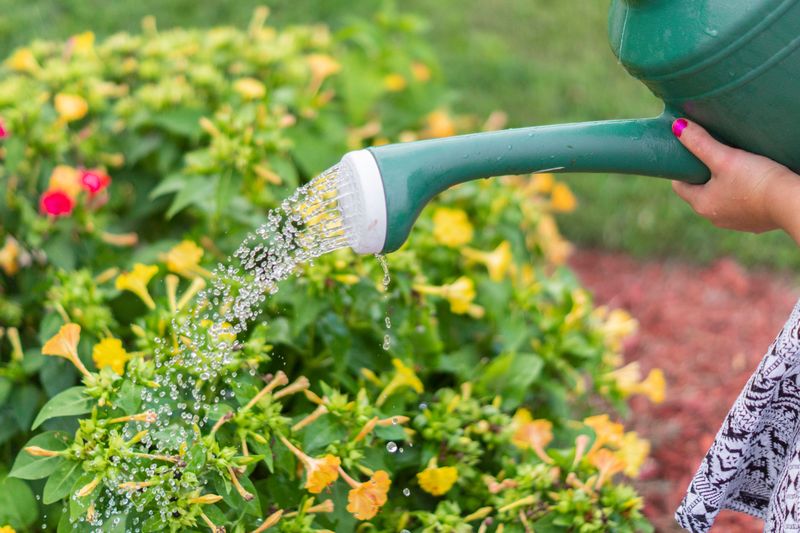
Day three of a heat wave feels different from day one, and your garden knows it. Soil that was manageable on Monday can become powder-dry by Thursday if you keep following the same old routine without adjusting.
Extended heat waves force you to think like a plant, not like a person with a fixed schedule. Conditions change daily, and your watering habits need to change right along with them.
Start by adding a brief morning soil check to your routine every single day. That two-minute check tells you more than any weather app about what your Kentucky garden actually needs right now.
Consider increasing watering depth rather than watering frequency as the heat wave drags on. Deep, slow watering once a day builds stronger roots than quick, shallow sprinkles done two or three times daily.
Watch your plants for early stress signals like slightly cupped leaves or a dusty, muted color. These subtle signs appear hours before dramatic wilting, giving you a chance to act before real damage sets in.
Shade cloth is a powerful tool that many home gardeners overlook during extended heat events. A shade cloth draped over vulnerable plants can meaningfully drop leaf surface temperatures during the harshest part of the day.
Staying flexible is the best strategy for protecting a garden through a Kentucky heat wave. Rigid routines fail in extreme conditions, but observant gardeners with adaptable habits keep their plants thriving all season long.