How Michigan Gardeners Are Protecting Patio Plants From Wildfire Smoke Stress
The sky over southeast Michigan turns a strange shade of orange one afternoon, the sun looking like a dull penny hanging overhead, and the air smells faintly like a campfire that nobody actually lit anywhere nearby.
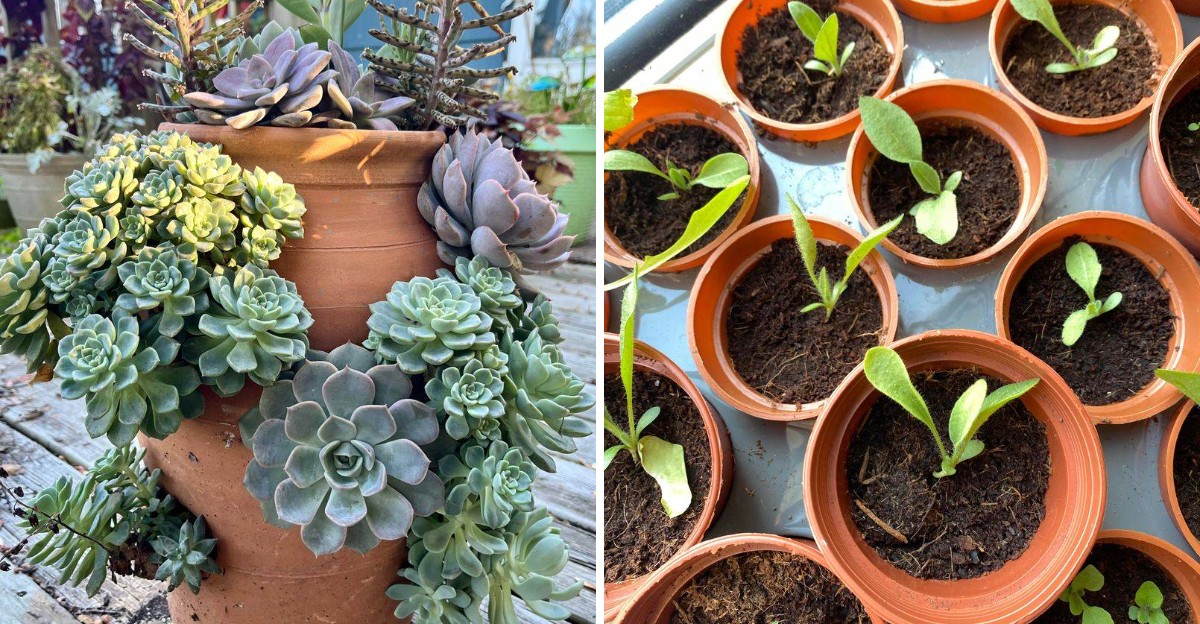
Out on the patio, a gardener notices the basil looks a little limp today. The petunias seem duller too, somehow, than they did just last week.
Smoke drifting down from Canadian wildfires can do that. Dimmer sunlight, a thin film of fine particles settling on leaves, and suddenly a whole patio of container plants slips into a mild slump nobody quite expected.
Most gardeners panic at this point, reaching for fertilizer or worrying something serious is going wrong beneath the surface.
That instinct usually points in the wrong direction entirely.
Most established container plants bounce back from smoky stretches surprisingly fast, and a handful of simple habits make the whole hazy period a lot easier on them in the meantime.
1. Smoke Particles Settle On Leaf Surfaces
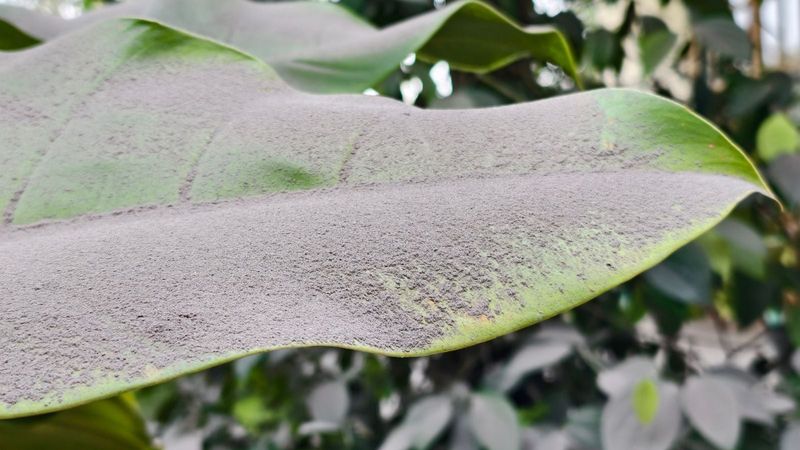
Run a fingertip across a hosta leaf after a few smoky days, and you may feel something faintly gritty under your finger.
That film is particulate matter, the tiny bits of ash, soot, and organic material that travel hundreds of miles inside a smoke plume drifting overhead.
Wildfire smoke carries PM2.5, particles smaller than 2.5 micrometers wide, which is roughly thirty times thinner than a single human hair.
Because the particles are so light, they drift slowly downward and land on horizontal surfaces, including car hoods, patio tables, and the broad upper sides of leaves everywhere outside.
Leaves are not just solar panels sitting passively in the sun. Their surfaces are dotted with stomata, the microscopic pores that let carbon dioxide in and water vapor out.
A dusty coating can partially block light from reaching the chlorophyll underneath and may interfere with normal gas exchange happening at the leaf surface.
Research on roadside and industrial dust shows this coating effect measurably reduces photosynthesis in heavily coated plants. Wildfire smoke deposition is usually much lighter than that though, so the effect on a patio tomato stays modest rather than dramatic.
Broad, flat, slightly fuzzy leaves collect the most film overall. Think squash, sunflowers, coleus, and large-leaf begonias sitting out on an open deck.
Waxy or narrow foliage, such as rosemary or ornamental grasses, sheds particles more easily on its own. Noticing which of your containers hold onto the film tells you exactly which ones deserve a rinse first.
2. Reduced Sunlight Slows Photosynthesis
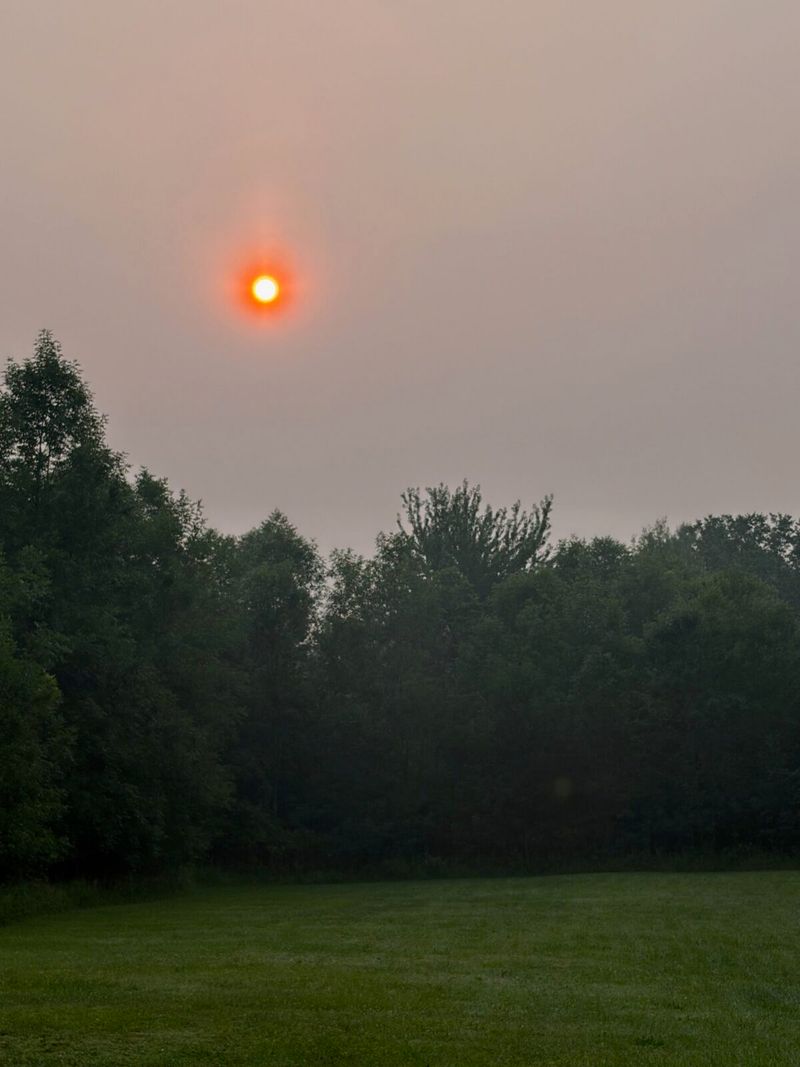
Thick smoke acts like a dirty window sitting between your patio and the sun overhead.
During heavy smoke episodes across the Great Lakes, sunlight reaching the ground has been measured dropping noticeably, with the sun visible as a flat orange disk even at midday.
Plants build sugars through photosynthesis, and that whole process runs on light. Less light means fewer sugars, which means slower growth, smaller new leaves, and sometimes a pause in flowering or fruit set altogether.
Here is the interesting wrinkle in all this though. Smoke scatters light rather than blocking it completely, and scattered light actually reaches deeper into a plant canopy instead of only hitting the top leaves.
Your Michigan Garden Changes Every Week. Your Plan Should Too.
Gardening in Michigan changes quickly throughout the season. Every Friday you’ll receive a simple weekly plan showing exactly what to plant, prune, fertilize, harvest, and protect so you never miss the right timing.
Some agricultural research found that light shade-loving crops handled smoky skies surprisingly well for short stretches. Sun-hungry plants like tomatoes, peppers, and zinnias are the ones more likely to slow down noticeably.
What you might see on the patio is fairly subtle. Growth that stalls for a week, blooms that hold instead of opening, or leaves that look a shade paler than usual.
MSU Extension has generally framed short smoke events as a mild stressor rather than a crisis for home gardens overall.
Resist the urge to fertilize heavily to compensate, because pushing growth when light is limited tends to create weak, stretchy stems instead.
Patience works better than intervention here, every single time. Sunlight returns eventually, and normal growth comes right back with it.
3. Rinsing Foliage Restores Some Function

The cheapest fix for smoke-dusted plants costs about two minutes and a garden hose sitting right there in the yard.
A gentle rinse washes settled particulate off leaf surfaces so light and air can reach the tissue normally again, the way they should.
Use a soft spray or shower setting rather than a hard jet. High pressure tears foliage and knocks blossoms off, which does more harm than the dust ever could on its own.
Aim to wet both the tops and undersides of leaves, then let the water run off completely. There is no need for soap, leaf shine products, or any special rinse solution here.
Timing matters more than technique in this case. Early morning is ideal because foliage dries quickly as the day warms up, and dry leaves are far less likely to develop fungal problems later.
Rinsing in the evening leaves plants damp overnight instead, which invites powdery mildew and leaf spot, especially on Michigan patios where humidity lingers along the lakes.
Once or twice during a smoke event is plenty for most plants. Rinsing every single day adds unnecessary moisture and wastes water without any extra benefit gained.
A bonus worth mentioning here too. The same rinse knocks down spider mites, which thrive in hot, dry, dusty conditions on stressed plants. Gardeners who rinse during smoky stretches often end up with fewer pest headaches by August.
4. Consistent Watering Eases Added Stress

Steady habits beat dramatic rescues, especially during a stretch like this one. When plants are already coping with dimmer light, the last thing they need is a rollercoaster of bone-dry soil followed by a flood.
Container plants dry out fast in Michigan summers, particularly in black plastic pots that soak up heat quickly. Sticking a finger two inches into the soil remains the most reliable test anyone has come up with.
Smoky days often come with warm, stagnant air, so evaporation does not slow down much even when the sun looks weak overhead. Do not assume hazy skies mean plants need less water than usual.
At the same time, resist the opposite mistake too. A plant growing more slowly under reduced light uses somewhat less water, so checking before pouring prevents soggy roots from forming.
Water deeply until it runs from the drainage holes, then wait until the top layer dries before the next round. Shallow daily sips encourage weak surface roots instead of a healthy system.
Mulching containers with a half inch of shredded bark or coconut coir keeps moisture steadier and reduces splashing during watering. It also keeps soil temperatures a bit more even during hot stretches.
Skip heavy fertilizer during a smoke event entirely. Nutrients push new growth that the plant may not have the light energy to support right now, and salt buildup in pots adds root stress on top of everything else already happening.
5. Sensitive Seedlings Need Extra Attention
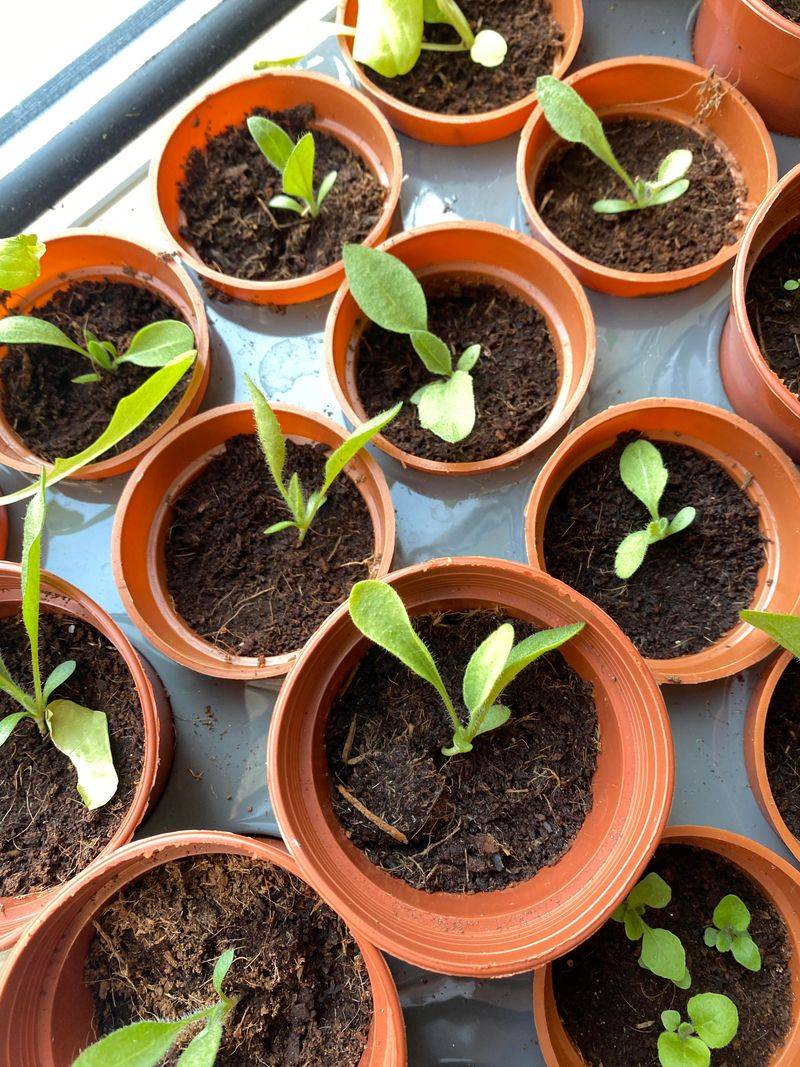
Tiny plants have tiny reserves to draw from. A mature geranium has stored sugars and a root system that can coast through a rough week, while a three-week-old seedling is living paycheck to paycheck.
Newly transplanted patio plants sit in a similar spot too. Their roots have not spread into fresh potting mix yet, so they are already working hard before smoke adds another layer of stress on top.
Watch for the early signals here. Seedlings that stretch toward the light, flop at midday, or hold their true leaves smaller than expected are telling you the energy budget is tight right now.
Late-season starts matter here too, since many Michigan gardeners sow fall lettuce, kale, and spinach in July and August, which is exactly when smoke events have been most common recently.
Delay transplanting if a heavy smoke day is forecast for your area. Waiting two or three days costs almost nothing and spares the plant from stacking transplant shock on top of light stress.
Hold off on pinching, pruning, or repotting during the haze as well. Each of those tasks asks the plant to spend energy it is currently earning more slowly than usual.
Keep seedling trays evenly moist, not soaked, and skip fertilizer entirely until skies clear up again. A little restraint during a smoky week usually produces sturdier plants once the light comes back.
6. Moving Containers Under Cover Helps Some
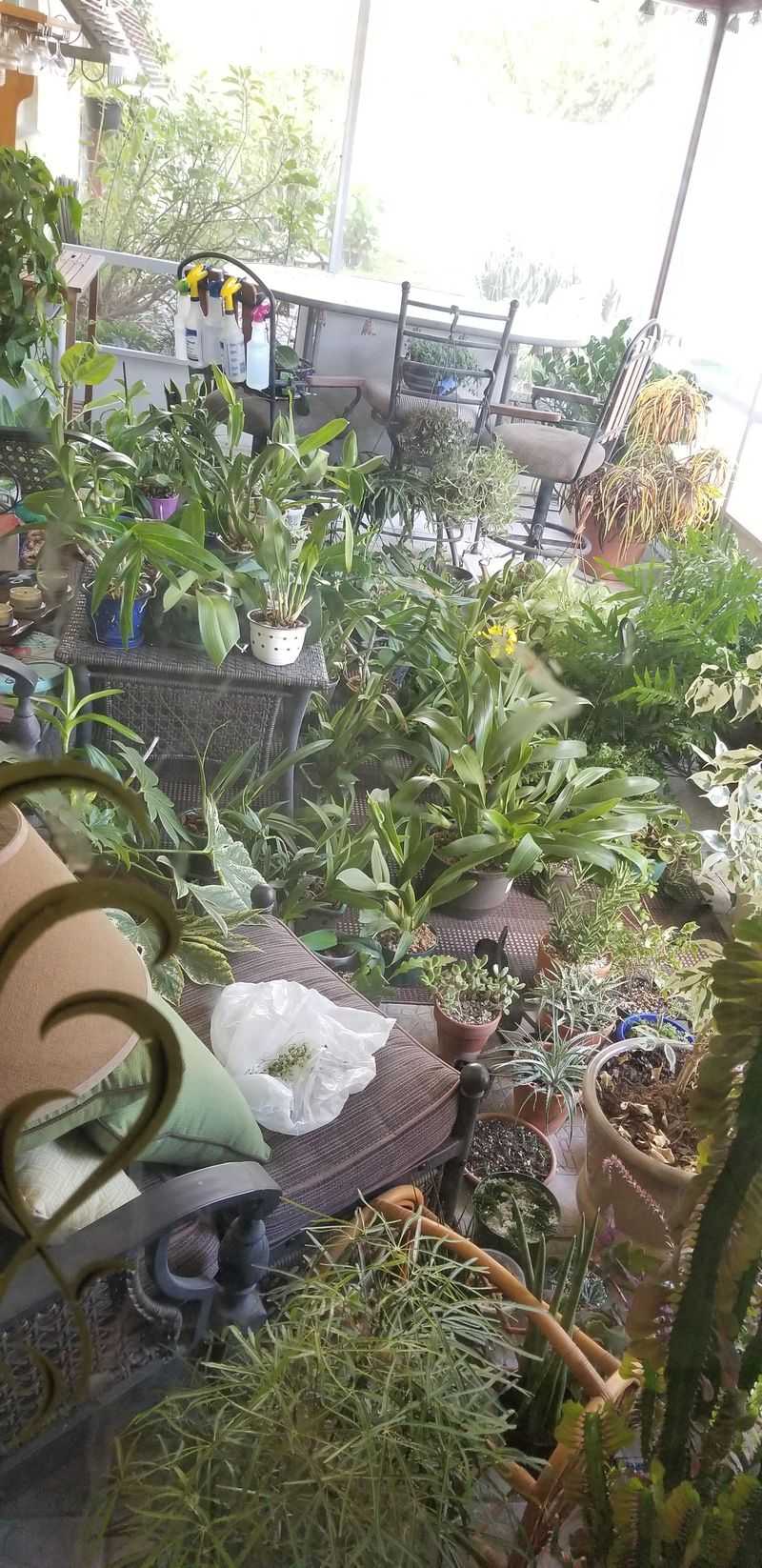
Wheels are a gardener’s best friend during a stretch like this. Sliding a few pots under a porch roof, pergola, or patio umbrella during the worst hours of a smoke event cuts down on how much particulate lands on foliage.
Be realistic about the payoff here though. Smoke is in the air itself, not just falling from above, so covering plants reduces settling but does not create clean air around them entirely.
The move makes the most sense for plants you genuinely fuss over. Prized container roses, a bonsai collection, hanging baskets you plan to enter in a fair, or tender seedlings needing extra care.
Hauling twenty heavy pots across a deck for a one-day haze event is effort better spent elsewhere honestly.
Keep light in mind when relocating anything. A deeply shaded garage is worse than a smoky patio, because plants already short on light do not need total darkness piled on top of it.
A covered porch with open sides works well for this purpose. Bright indirect light plus overhead protection is really the sweet spot you want.
Watch watering closely after a move like this, since containers under a roof miss any rain and can dry out unnoticed by anyone. Check them daily while they sit there.
7. Most Plants Recover Once Skies Clear
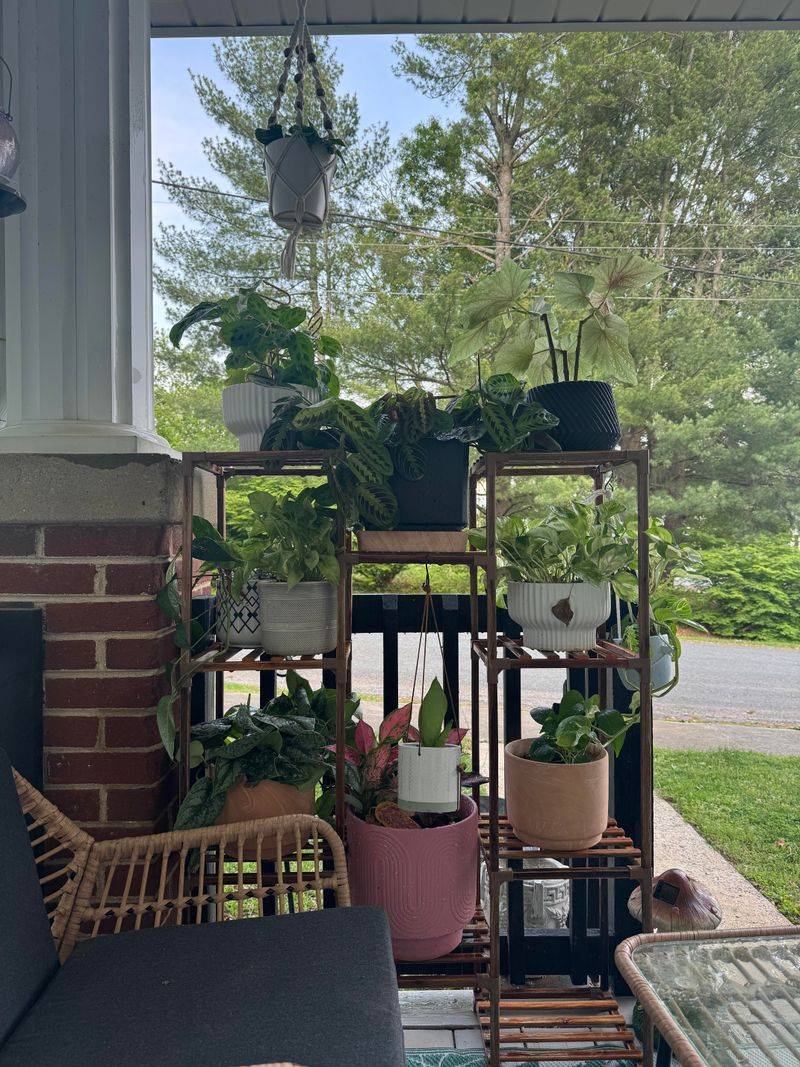
Here is the part worth holding onto through all of this. Plants are far tougher than a hazy week makes them look from the porch.
Established patio containers that slow down during a smoke event almost always resume normal growth within days of clear skies finally returning.
Michigan gardens have weathered smoky summers in 2023, 2024, and 2025 without widespread losses in home containers. Most reported issues turned out to be heat, drought, or ordinary pest problems that smoke simply happened to coincide with.
Watch for real recovery signs as the air clears. New leaves emerging at normal size, flower buds opening again, and a return to typical water use all indicate the plant is back to business.
Give it a week or two before deciding something is genuinely wrong with a plant. If it still looks poor long after the air clears, the cause is probably root rot, a nutrient shortage, or insects rather than lingering smoke damage.
Honest limits are worth naming here too. Research on wildfire smoke and home garden plants is still developing, and MSU Extension guidance has stayed appropriately cautious about drawing firm conclusions from it.
What holds up is straightforward enough. Rinse the dust, water steadily, protect the youngest plants, and wait for the sky to clear again.
8. Air Quality Alerts Are Worth Checking Daily
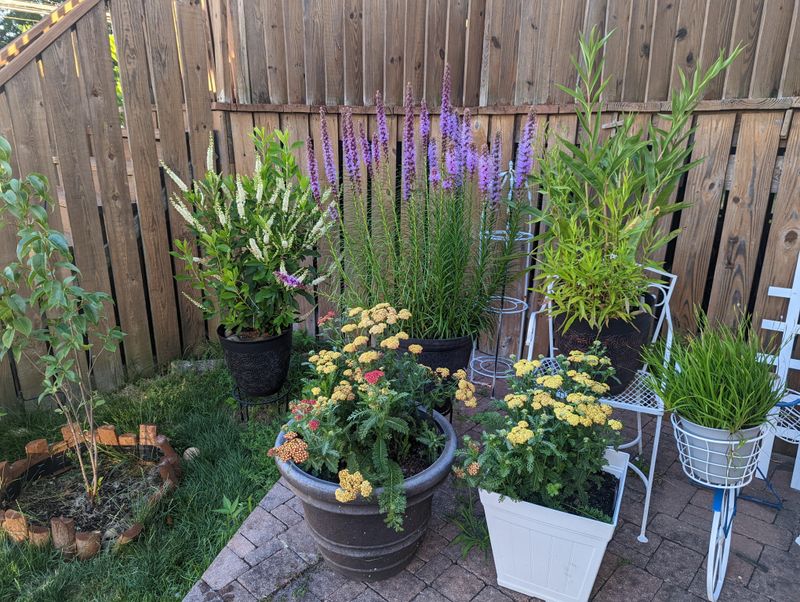
Checking an air quality index before heading outside to garden takes about as long as checking the weather forecast, and it gives you real information beyond just what the sky looks like that day.
Michigan residents can pull up current readings through several air quality tracking sites, which color-code conditions from good all the way through hazardous, updated regularly during active smoke events.
That number matters for the gardener as much as the garden, since prolonged outdoor work during unhealthy air days carries real respiratory risk, not just a theoretical inconvenience.
On days flagged orange or red, save the heavier chores, weeding, transplanting, hauling pots, for whenever the index drops back into a safer range instead.
Quick tasks like a fast hose rinse or a soil moisture check are usually fine even during moderate smoke, since the actual exposure time stays short either way.
Pay closer attention if anyone gardening in the household has asthma, heart issues, or is pregnant, since these groups tend to feel effects at lower particulate levels than a typical healthy adult would.
Early morning tends to bring somewhat better air quality than afternoon in many smoke events, since smoke can settle and concentrate as the day warms and air becomes more stagnant.
Pairing a quick index check with your usual morning garden walk costs almost nothing in time and helps you decide, plant by plant and day by day, when it actually makes sense to step outside and when it is smarter to wait.