What Your Michigan Lawn Needs First After A Week Of Rain Finally Dries Out
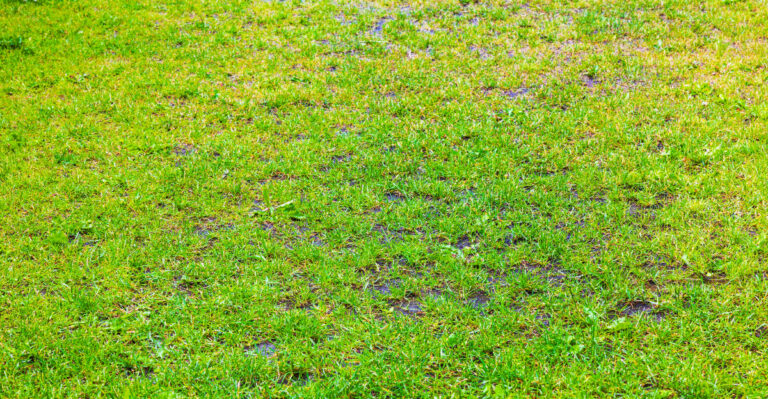
A full week of steady rain leaves Michigan lawns looking deceptively fine on the surface, even as serious problems quietly develop underneath.
Most homeowners assume the grass just needs time to catch up once the sun finally returns. But there’s a specific first step that matters more than anything else once things start drying out, and skipping it can undo weeks of otherwise healthy growth.
Getting the order of operations wrong here often leads to bigger issues than the rain itself ever caused. Many people jump straight to mowing or fertilizing, missing the one task that should actually come first.
Understanding what your lawn genuinely needs in this exact moment could prevent a much bigger repair job later in the season. Get this right, and your lawn bounces back stronger than it was before the rain ever started.
1. Wait Until The Ground Is Firm
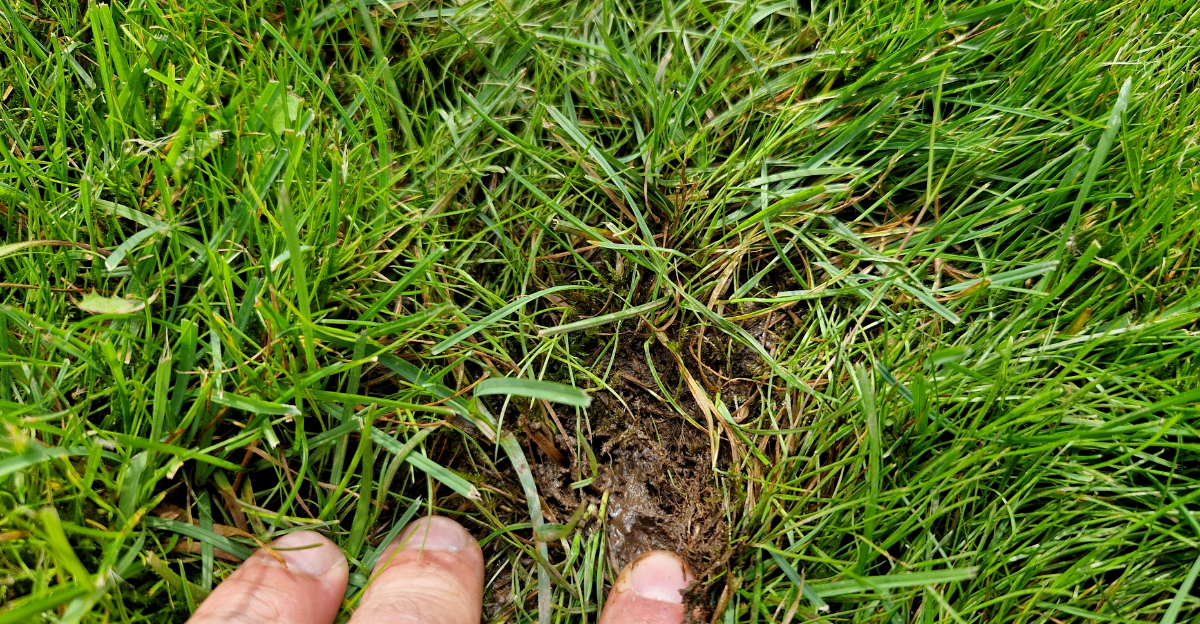
That top layer of grass can trick you. After days of rain, the blades may look dry and ready, but the soil underneath often stays soft and squishy for much longer.
Walking or mowing on ground that has not firmed up yet leaves footprints, dents, and squished patches. The weight presses down on wet dirt and squeezes out the little air pockets your roots need to breathe.
An easy test helps a lot. Step onto the grass and check your shoe. If it sinks in or comes back muddy, the lawn is telling you to wait a little longer.
Dry, firm ground will feel springy and hold your weight without leaving marks.
Michigan soil can drain slowly, especially in shady spots or low areas near fences and gardens. These parts often need an extra day or two compared to sunny open sections. Patience here pays off big.
While you wait, use the time to plan. Look over your yard from the deck or window and note any trouble spots you want to tackle once things dry out.
Rushing outside too soon usually creates more work later. Ruts, compacted patches, and torn grass all take weeks to heal.
Giving the ground a real chance to firm up sets the stage for every other step. Once your footsteps stop leaving prints behind, you will know your lawn is finally ready for gentle care and a little attention.
2. Make The First Mow Gentle
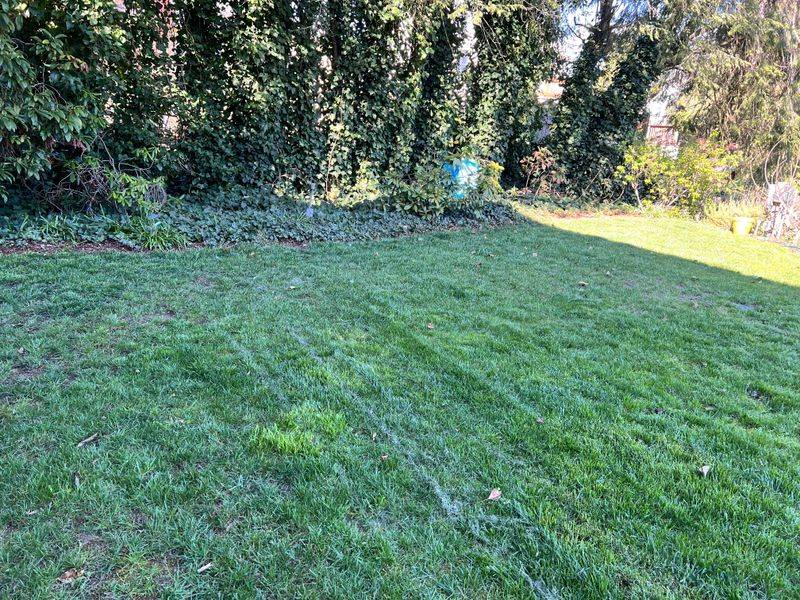
Your grass probably shot up like crazy during all that rain. It can be tempting to buzz it down short and get it over with, but that first cut needs a soft touch.
Grass that grew fast is tender and a little stressed. Chopping off too much at once shocks the plant and can leave it pale, weak, and open to problems.
The one-third rule is your best friend here. Never remove more than a third of the blade height in a single mow. If your lawn is really tall, cut a bit now, wait a few days, then trim again.
Wait until the blades are truly dry before you start. Wet grass clumps up, clogs your mower, and gets cut unevenly. A dry lawn gives you a clean, smooth finish.
Your Michigan Garden Changes Every Week. Your Plan Should Too.
Gardening in Michigan changes quickly throughout the season. Every Friday you’ll receive a simple weekly plan showing exactly what to plant, prune, fertilize, harvest, and protect so you never miss the right timing.
Sharp mower blades matter too. A dull blade tears grass instead of slicing it, leaving ragged edges that turn brown at the tips. A quick sharpening before the first mow makes a real difference.
Setting your mower deck higher for this first pass protects the roots and keeps more green on top. Taller grass shades the soil and helps it hold moisture as summer heats up.
Slow down and take your time with turns so you do not scuff the surface. A calm, careful first mow after a rainy stretch keeps your Michigan lawn looking tidy without stressing it out, and it sets a healthy rhythm for the rest of the season.
3. Avoid Making Deep Ruts
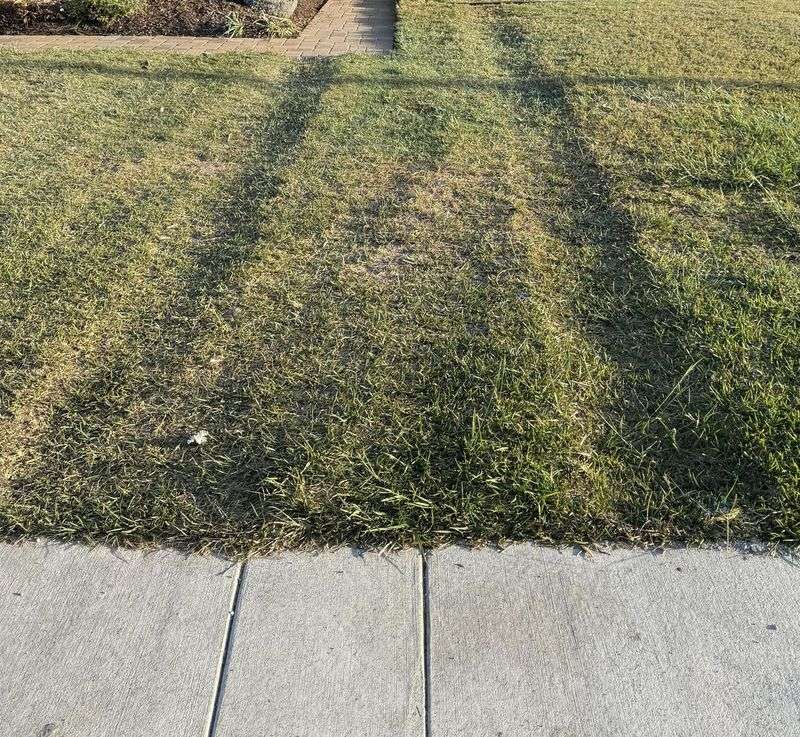
Soft ground and heavy machines do not mix well. When you roll a mower or garden cart across squishy soil, the tires sink and leave grooves that can stick around for a long time.
Those ruts are more than an eyesore. Pressing down on wet dirt packs it tight and squeezes out the tiny air spaces roots depend on. Packed soil struggles to soak up water and feed your grass.
Compacted areas often turn thin and patchy over time. Roots cannot spread easily, so the grass above grows weak and sparse right where the tires ran.
Michigan yards with clay-heavy soil are especially at risk. Clay holds water longer and compacts fast, so even one heavy pass over damp ground can cause lasting damage.
The simple fix is timing. Keep mowers, wheelbarrows, and even foot traffic off the lawn until the surface firms up. A day or two of patience saves you months of repair.
If you must cross the yard, change up your path each time instead of following the same line. Spreading out the weight keeps any single strip from getting crushed.
Lighter tools help too. A push mower puts far less pressure on the ground than a big riding model when things are still a little damp.
Protecting your lawn from ruts is one of the easiest wins after a rainy week. Wait for firm footing, spread out your steps, and your grass will thank you with an even, healthy surface all summer long.
4. Break Up Grass Clumps
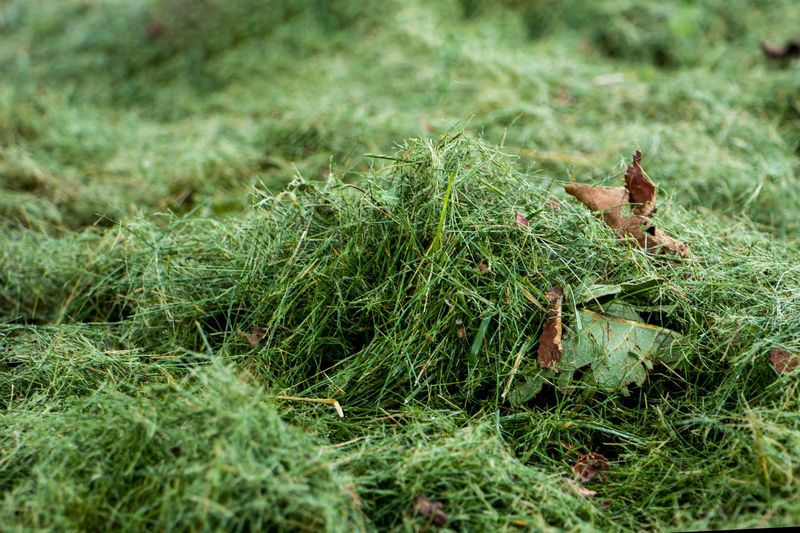
Mowing after a rainy stretch almost always leaves clumps behind. Thick, damp clippings gather in heavy piles across the lawn instead of scattering the way they normally would.
Those wet clumps cause trouble fast. Piled on top of healthy grass, they block sunlight and trap moisture underneath. The blades hidden below turn yellow and weak in just a few days.
Spreading them out fixes the problem. Grab a rake or leaf blower and gently break the piles apart so the clippings settle in a thin, even layer instead of dense mounds.
Thin clippings are actually good for your yard. As they break down, they return nutrients to the soil and feed your grass for free. This natural boost is called grasscycling, and it works great.
The trick is keeping the layer light. A scattering of short clippings melts back into the lawn, while a thick wet mat smothers everything under it.
Raking on a sunny day makes the job easier. Once clippings dry out a bit, they loosen up and spread more evenly with less effort.
If the clumps are really heavy, you can bag them and toss them in your compost pile instead. Wet clippings mixed with dry leaves make excellent compost over time.
Walking your lawn after mowing to check for missed piles takes just a couple of minutes. Breaking up those clumps keeps your grass green, even, and free of yellow patches, and it turns a soggy mowing mess into a helpful boost for your Michigan lawn.
5. Look For Waterlogged Spots
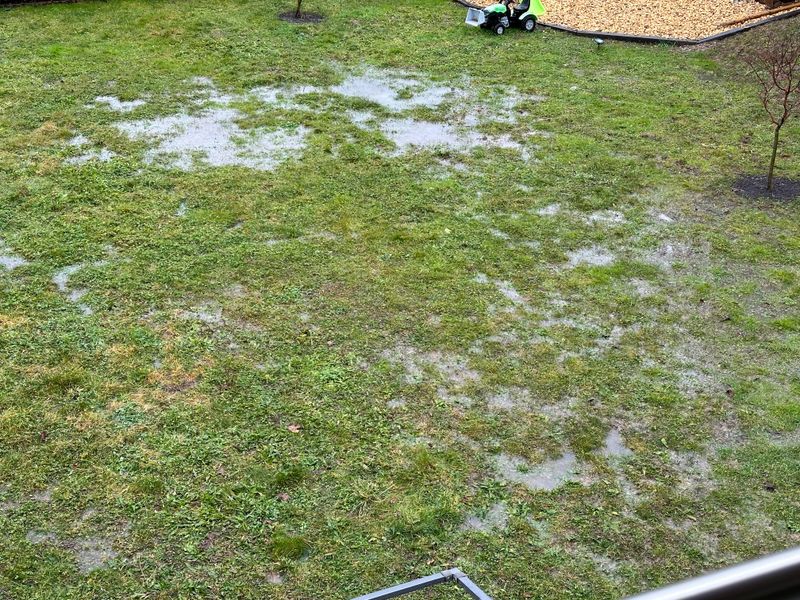
Once the rest of your yard dries out, watch for the stragglers. Some spots stay wet, muddy, or squishy long after everything else has firmed up.
These soggy patches are trying to tell you something. Water that lingers usually means the soil there drains poorly or has become packed down too tight to let moisture soak through.
Low areas naturally collect runoff. If you notice water pooling near the same fence corner or dip after every storm, that spot may need a little extra help over time.
Compacted soil is another common culprit. When dirt gets pressed hard from foot traffic or heavy mowers, water sits on top instead of sinking in where roots can use it.
Marking these problem areas now makes future fixes easier. Push a small flag or stick into each wet spot so you remember where to focus your efforts later.
Simple solutions can make a big difference. Adding compost, loosening the soil, or gently regrading a low area helps water move along instead of standing still.
Grass that sits in water too long grows thin and pale. Roots need air just as much as moisture, so constant sogginess holds your lawn back.
Michigan clay soils are famous for holding water, so do not be surprised if a few spots need special attention. Spotting these areas early gives you a head start.
Once the ground dries fully, you can tackle drainage and give every part of your lawn a fair shot at growing thick and green.
6. Watch For Summer Disease
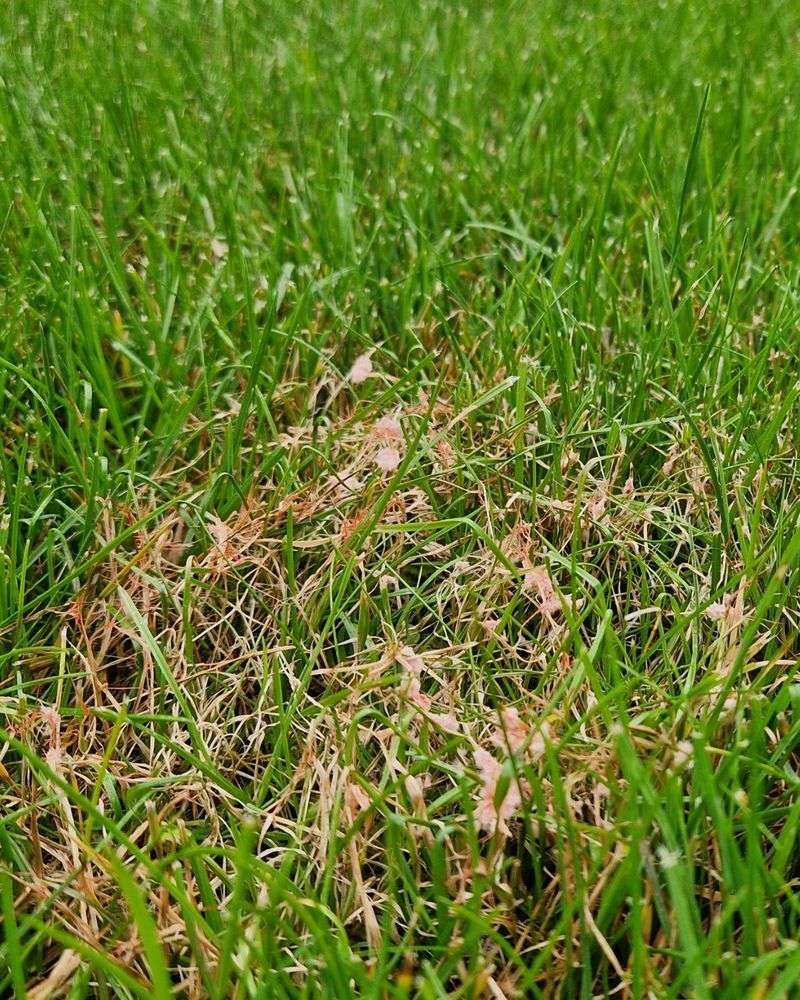
Long stretches of wet weather create the perfect setup for lawn disease. Fungus loves damp, warm conditions, and a rainy week gives it exactly what it needs to spread.
Keep your eyes open for warning signs. Brown circles, yellow patches, slimy spots, or a fuzzy gray coating on the blades all hint that a fungus may have moved in.
Common Michigan troublemakers include brown patch and dollar spot. Brown patch shows up as large tan rings, while dollar spot leaves small silver-dollar-sized bleached spots across the turf.
Looking closely before you act is smart. Not every discolored patch means disease, since dry clumps or low spots can look similar. Getting the cause right saves you time and money.
Good habits help stop fungus before it starts. Mow when the grass is dry, avoid heavy nighttime watering, and clear away thick clippings so air can move through the blades.
Airflow matters more than people think. Trimming nearby bushes and thinning crowded areas lets sunlight and breeze dry the lawn faster after rain.
If you do spot disease spreading, treat only the affected areas rather than dumping chemicals everywhere. Spot treatment protects the healthy grass and the helpful bugs living in your soil.
Catching problems early keeps them small. A quick walk around the yard every few days lets you notice changes before they take over.
Staying alert after a soggy week is one of the best things you can do. A little watchfulness now keeps your Michigan lawn green, thick, and trouble-free through the warm summer months ahead.
7. Skip Extra Water For Now
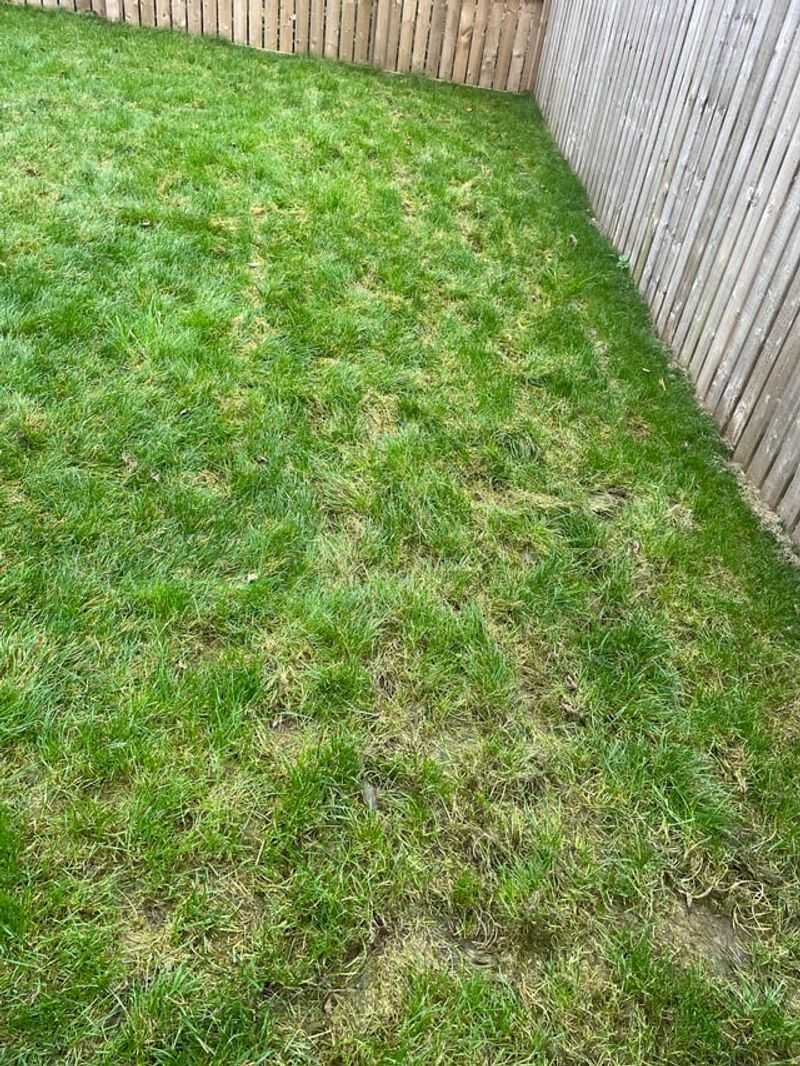
Your first instinct might be to switch the sprinkler back on, but hold off for a bit. A lawn that just soaked up days of rain already has all the moisture it needs.
Piling on more water does more harm than good. Roots sitting in soggy soil cannot breathe, and the extra dampness invites fungus and rot to move right in.
Grass actually grows stronger when the soil dries out a little between drinks. Roots reach deeper searching for moisture, which builds a tougher, healthier lawn over time.
Checking before you water saves trouble. Push a screwdriver into the ground. If it slides in easily, the soil is still plenty moist and does not need a drop.
Michigan summers can flip from soaked to bone-dry quickly, so keep an eye on the forecast. Once the top few inches feel dry again, that is your signal to start watering.
When you do water again, go for deep and occasional soakings rather than light daily sprinkles. Deep watering trains roots to grow down where the soil stays cooler and damper.
Early morning is the best time to water. The grass has all day to dry, which keeps fungus from settling in overnight.
Turning off automatic sprinkler timers after heavy rain is an easy win. Many systems run no matter the weather, wasting water and drowning your lawn.
Giving your grass a break from watering lets it recover naturally. A little patience keeps your Michigan lawn happy and saves you money on your water bill too.
8. Save Aeration For Firmer Soil
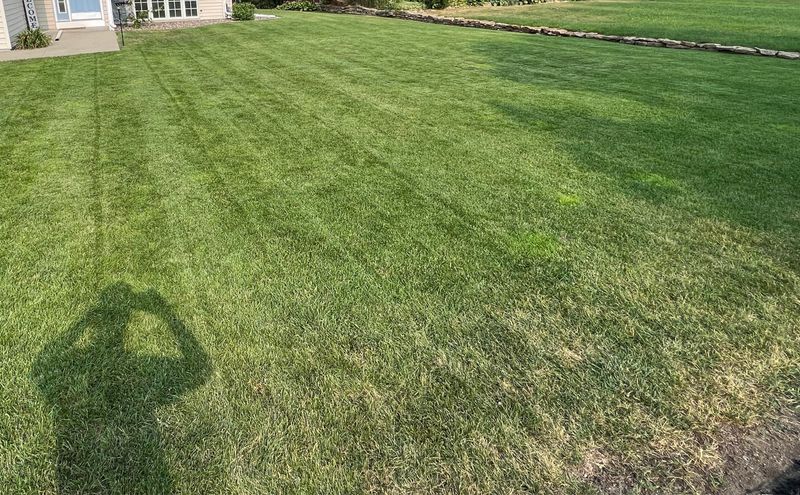
Aeration works wonders for a lawn, but timing is everything. Doing it on wet ground turns a helpful project into a muddy mess that leaves your yard worse off.
Here is why waiting matters. Aerating pokes holes and pulls small plugs from the soil to let air and water reach the roots. On soggy ground, the machine sinks and smears the dirt instead of lifting clean plugs.
Heavy equipment on wet soil packs it down even more. That defeats the whole purpose, since you are trying to loosen the ground, not crush it tighter.
The same goes for other big jobs. Dethatching, topdressing, and reseeding all work best once the soil has dried to a firm, crumbly feel.
A quick soil test tells you when it is ready. Grab a handful and squeeze. If it drips or forms a sticky ball, wait longer. If it crumbles apart, you are good to go.
Michigan lawns often benefit from fall aeration most of all. Cooler weather and steadier moisture give the grass time to heal before winter sets in.
Planning ahead makes these projects smoother. Mark your calendar for a dry stretch and gather your tools so you are ready when conditions line up.
Rushing heavy lawn work after rain almost always backfires. Compacted patches and torn turf take weeks to recover.
Letting the soil firm up first turns aeration into the boost it is meant to be. A little patience now gives your Michigan lawn deeper roots and a thicker, greener look for seasons to come.