Once the leaves fall, prune these 8 Wisconsin shrubs and skip the ones you’d ruin
When the last colorful leaves drop and the air turns crisp, Wisconsin gardeners get a rare chance to see their shrubs clearly, bare branches and all. Cold weather slows down insects and diseases, which makes late fall through early spring a smart window for pruning certain plants.
But grab your shears for the wrong shrub, and you could snip away next year’s flowers before they ever get a chance. Here are the shrubs worth trimming now, plus a friendly heads-up about a few you should leave alone.
1. Summer-Blooming Spirea
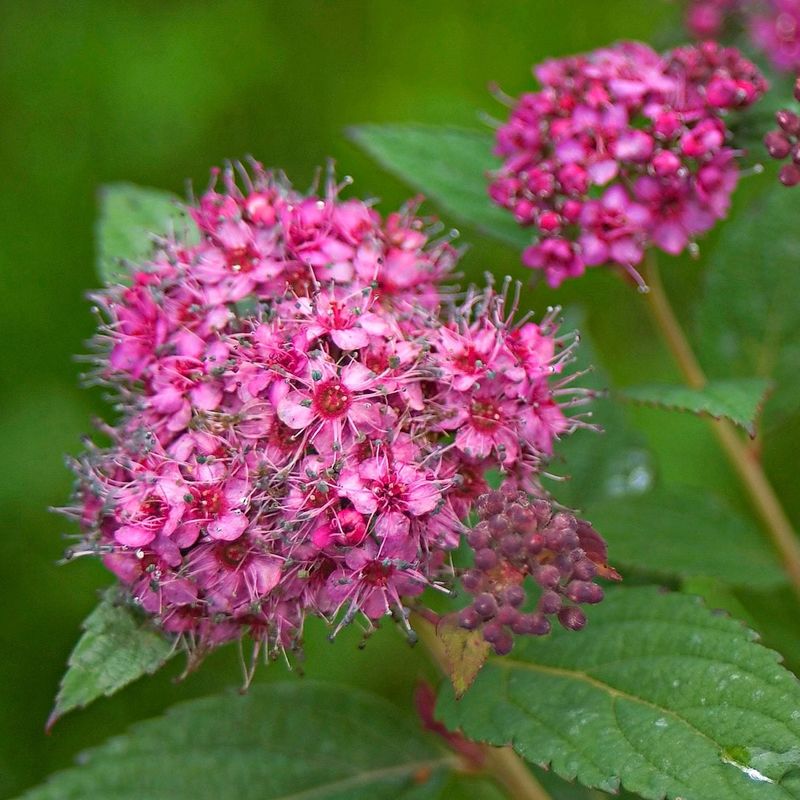
Spirea that flowers in the heat of summer, like Japanese Spirea and popular picks such as ‘Goldmound’ or ‘Little Princess’, is a forgiving friend for the beginner pruner. Because it blooms on brand-new growth, cutting it back while it sleeps only sets it up for a bigger show next year.
Wisconsin gardeners can trim these in late fall, winter, or very early spring without any worry about losing flowers. New shoots will carry the blooms once the season warms up.
If your plant has turned into a woody, tangled mess, don’t be shy. A hard rejuvenation cut down to just 4 to 10 inches from the ground can bring an overgrown spirea roaring back to life across Wisconsin yards.
2. Red Twig and Yellow Twig Dogwood
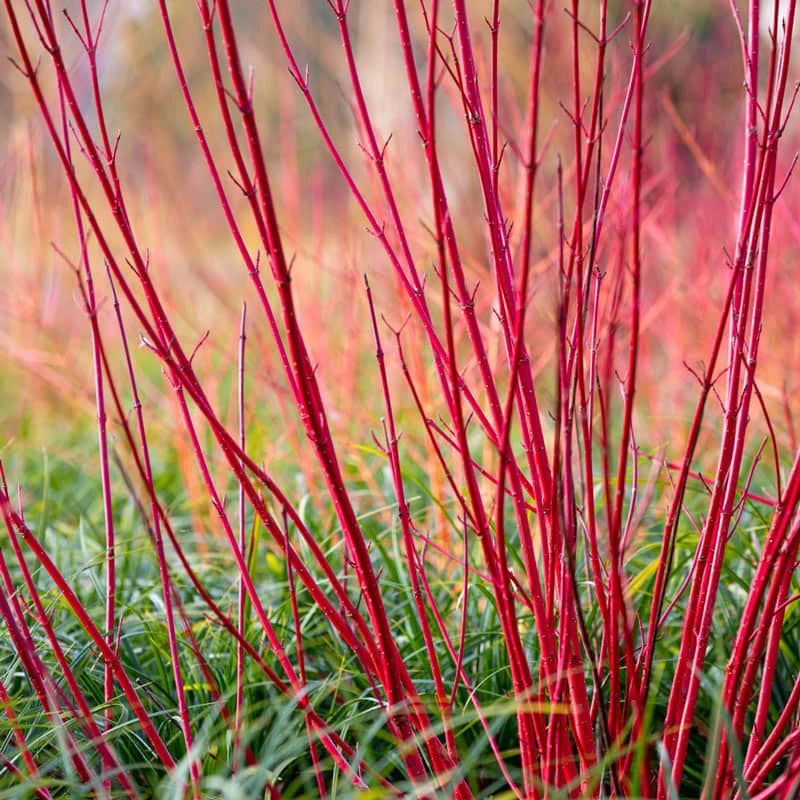
Nothing lights up a gray Wisconsin winter quite like the fiery stems of red twig and yellow twig dogwood. Here’s the catch that trips people up: the youngest stems show the boldest color, while old wood fades to a dull brown.
To keep that glow, prune during the dormant stretch of late winter into early spring. Removing about one-third of the oldest stems right down to the ground each year keeps a steady supply of vivid new growth coming.
Think of it as a rolling refresh rather than a one-time chop. Do this annually and your dogwood will reward Wisconsin snow days with color you can spot from across the yard.
3. Potentilla
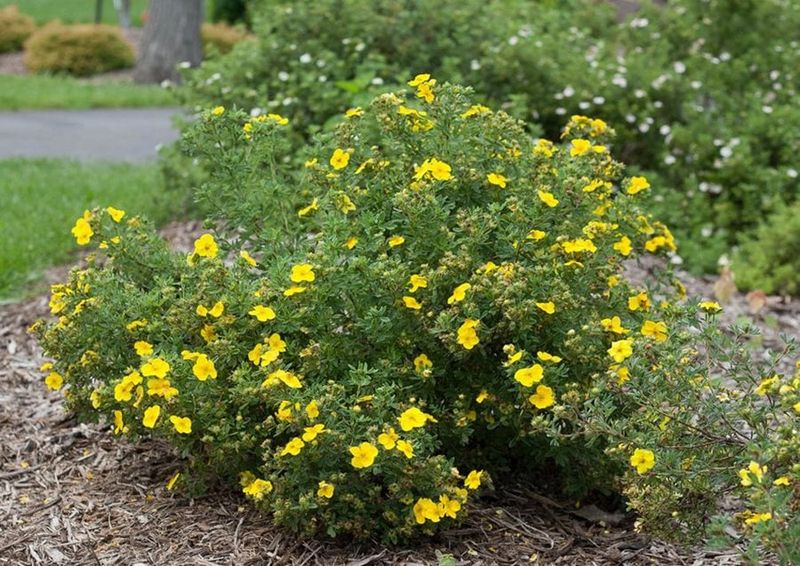
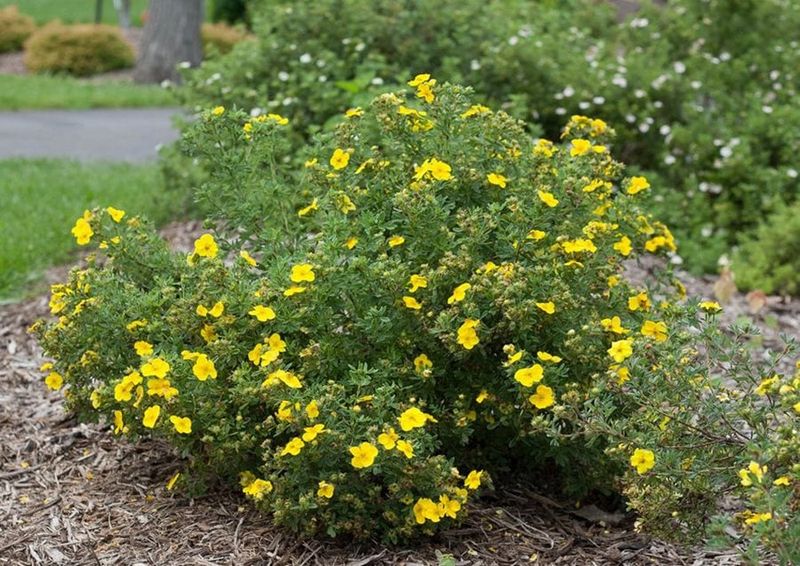
Tough as nails and cheerful all summer, potentilla is the little shrub that keeps on giving in Wisconsin landscapes. It thrives on a firm hand, so a shy trim actually does it a disservice.
The sweet spot is late fall or early spring, before the buds break open. Gardeners can remove 50% to 75% of the top growth while keeping that neat, rounded mound shape.
For the thickest, oldest canes, take them all the way down to the base. That bold cut wakes up fresh stems loaded with the bright blooms Wisconsin gardeners love to see stretch from spring into fall.
4. Smooth Hydrangeas (Annabelle)
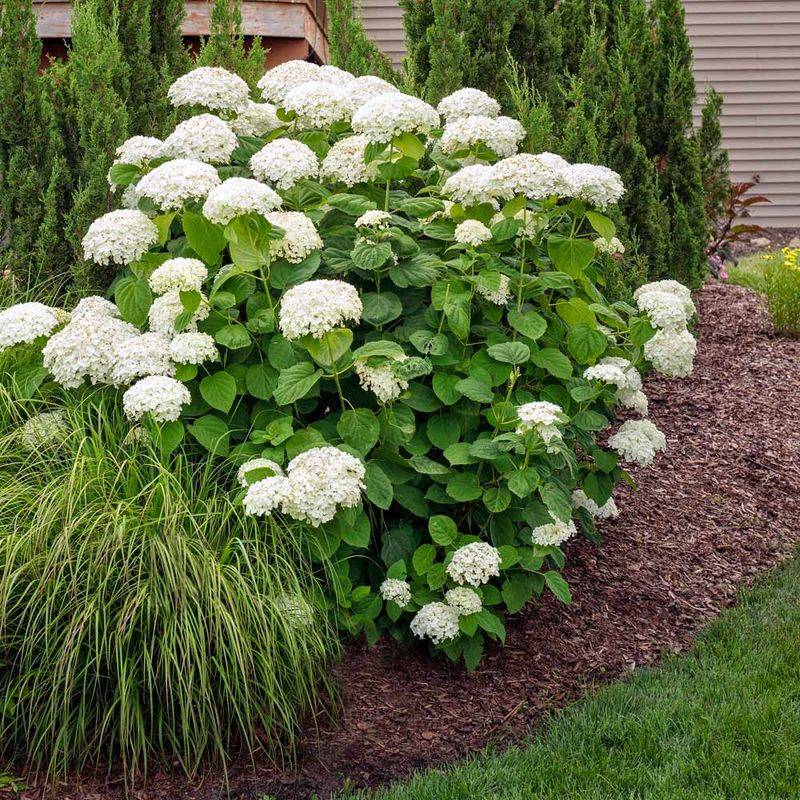
Big, puffy white blooms the size of softballs? That’s the signature of the smooth hydrangea, and ‘Annabelle’ is the crowd favorite in Wisconsin gardens.
The best news for anyone nervous about pruning: you almost can’t mess this one up.
Since smooth hydrangeas flower on new wood, they can be trimmed anytime from late fall after dormancy through late winter or early spring. Their buds haven’t formed yet, so nothing gets sacrificed.
Your Wisconsin Garden Changes Every Week. Your Plan Should Too.
Gardening in Wisconsin changes quickly throughout the season. Every Friday you’ll receive a simple weekly plan showing exactly what to plant, prune, fertilize, harvest, and protect so you never miss the right timing.
Want a truly powerful comeback? Cut the whole plant down to the ground or just a few inches above the base.
Wisconsin winters won’t faze it, and spring brings sturdy new stems ready to hold up those famous flower heads.
5. Panicle Hydrangeas (Limelight, Pinky Winky)
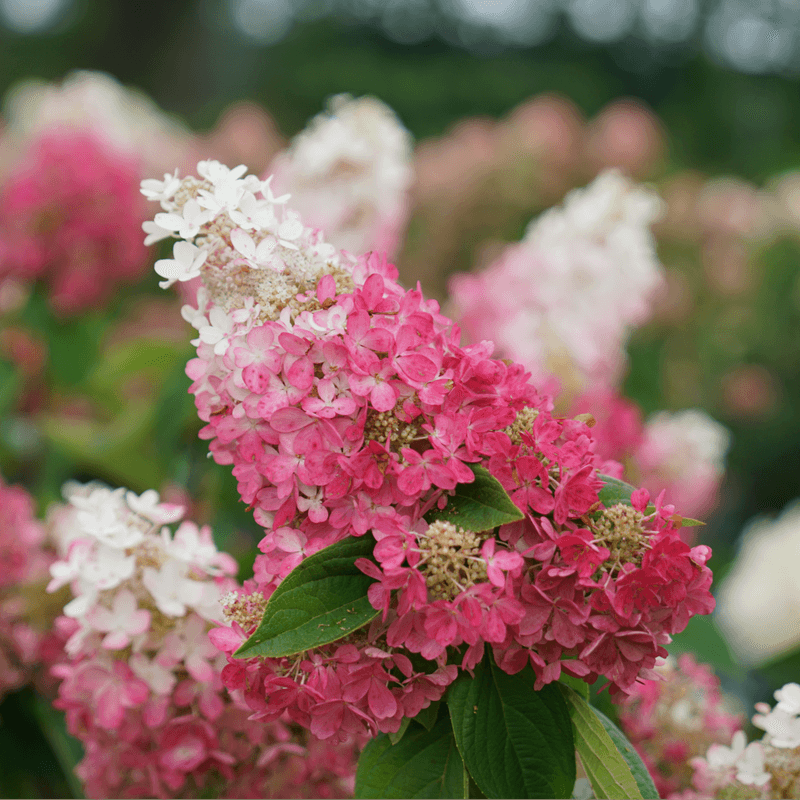
Cone-shaped blooms that fade from lime green to blushing pink make panicle hydrangeas like ‘Limelight’ and ‘Pinky Winky’ true showstoppers. They also happen to be some of the most cold-hardy hydrangeas you can grow across Wisconsin.
Like their smooth cousins, panicle types bloom on new wood, so pruning them in late fall once dormant, or late winter to early spring, is perfectly safe. The flower buds simply aren’t there yet to lose.
A common approach is to cut them back by about one-third of their overall height, or trim just above a set of healthy buds. That tidy shaping gives Wisconsin gardeners stronger stems and larger blooms the following summer.
6. Viburnum
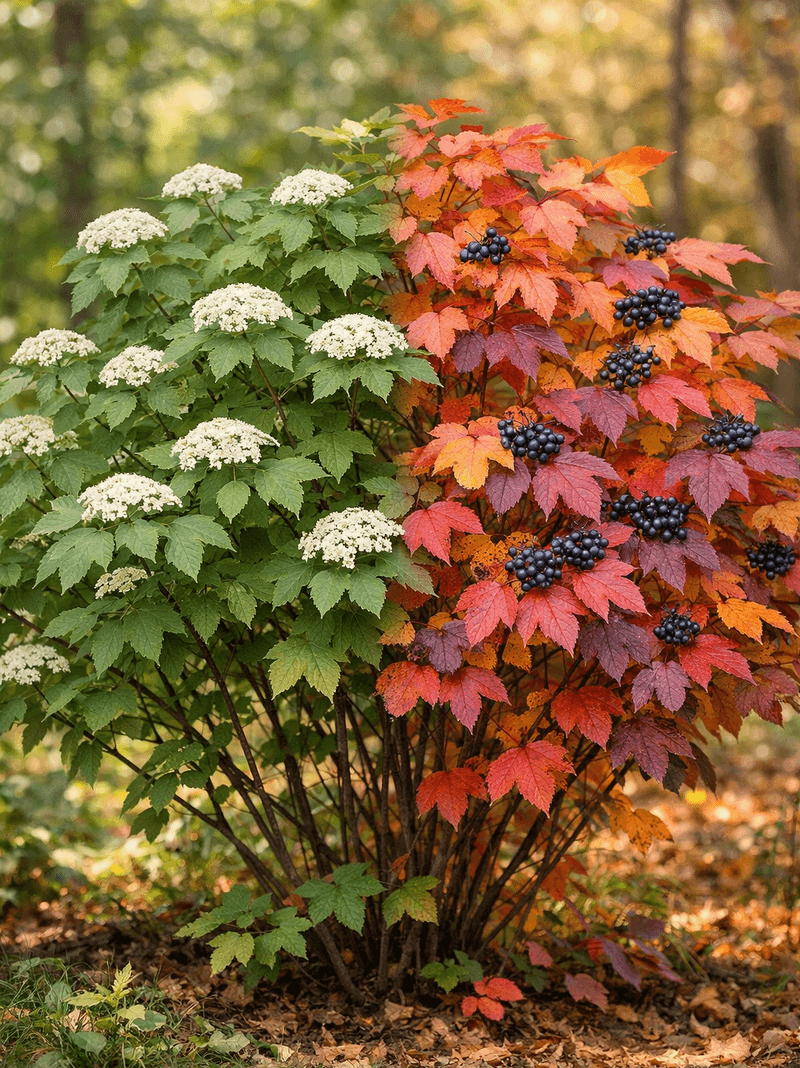
Viburnum wears many hats in the garden, offering spring flowers, summer berries, and reliable structure year-round. When one of these workhorses gets crowded and leggy, dormant season is your chance to fix it in Wisconsin yards.
Light shaping can happen almost anytime, but save the serious structural or rejuvenation work for late winter or early spring before new growth pushes out. That timing lets you clearly see the branch layout and make smart cuts.
Thinning out congested stems opens up the plant and encourages a fuller, denser habit. A well-timed cleanup keeps aging viburnums looking vibrant instead of tired across Wisconsin gardens.
7. Arborvitae and Boxwood
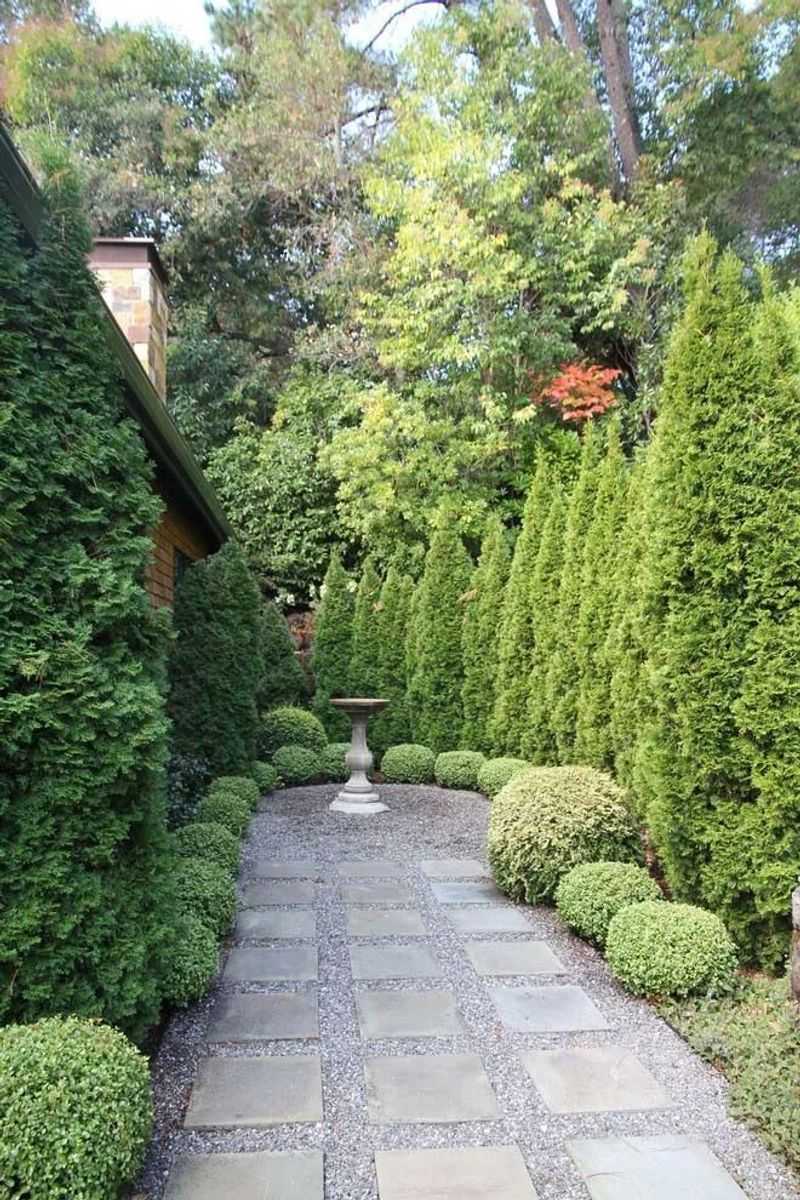
Evergreens deserve a spot on this list too, and both arborvitae and boxwood appreciate a dormant-season touch-up in Wisconsin landscapes. The golden rule with arborvitae is to keep your cuts in the green, living outer growth.
Late winter or early spring, while the plant still rests, is the moment to shape arborvitae so it can recover and flush out fresh growth in spring. Never carve into the brown interior zones, because those bare patches won’t fill back in.
Boxwood follows a similar clock. Save hard pruning or big reshaping for late winter or early spring so you don’t trigger tender new shoots that harsh Wisconsin freezes would quickly damage.