Kentucky Tomatoes Slowed Down For A Reason That Happens Overnight
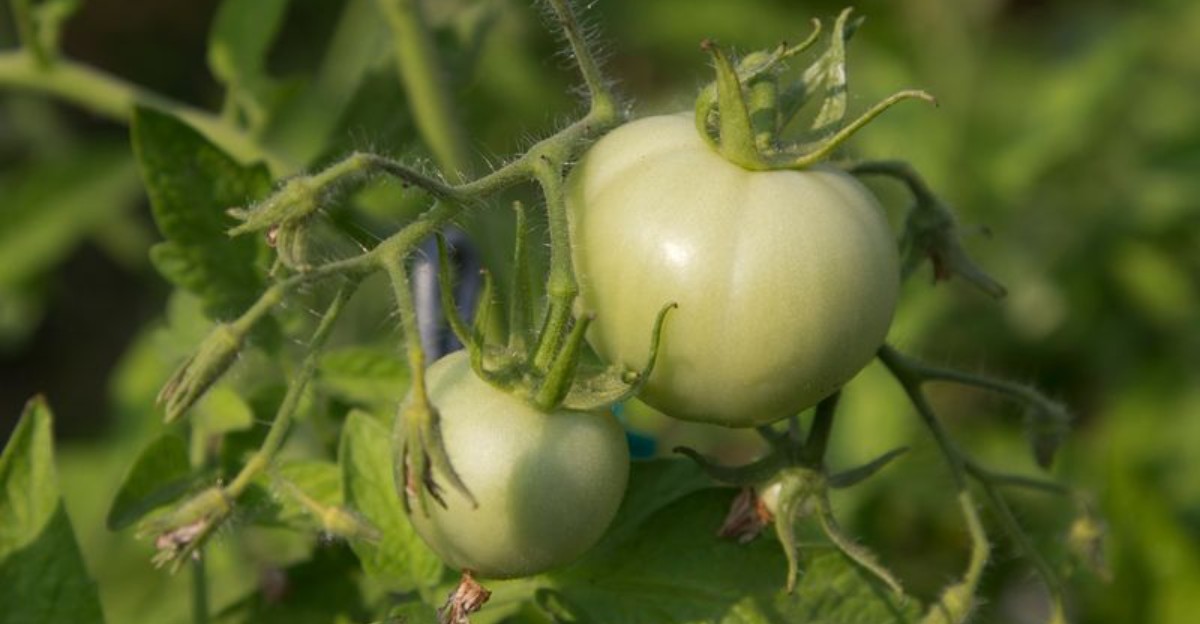
Something strange happens in Kentucky gardens every September, and it happens quietly while the whole neighborhood is asleep. You head to bed feeling hopeful, then wake up to the exact same stubborn green harvest.
Day after day, the basket on the back porch stays empty and the vines stay perfectly quiet. Leaves look healthy, stems look strong, and still that promised splash of color refuses to show up.
Gardeners start blaming their soil, their watering habits, and occasionally the neighbor’s enormous shade tree out front. Most of that blame lands in the wrong place, because the actual culprit clocks in after dark.
Nothing is hiding beneath the leaves, and nothing is quietly chewing through the roots down below. The answer arrives around two in the morning, and it does not bother to knock first.
Cool Kentucky Nights And The Ripening Shutdown
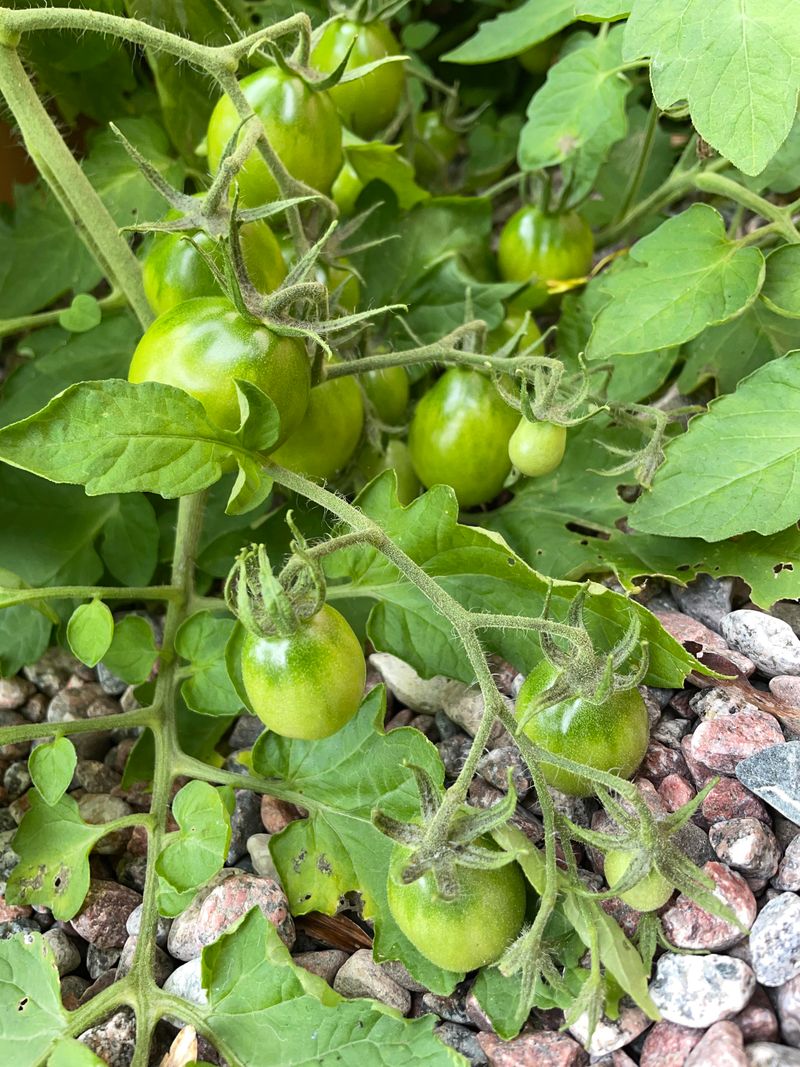
Gardeners across Kentucky swear their vines quit overnight, and honestly, they are not imagining it. One chilly night can pause the color change that turns green fruit red.
Tomatoes build lycopene, the pigment behind that deep red color, only inside a narrow comfort zone. When nighttime air slips under 50 degrees, that pigment factory shuts its doors.
The fruit does not stop existing; it simply sits there, stubborn and green. Sugars still shift slowly, but the paint job stalls until warmth returns.
Kentucky Septembers are famous for this whiplash, with 80-degree afternoons and 48-degree dawns. Your plants feel that drop long before you reach for a sweater.
Daytime heat above 85 degrees causes the same problem from the opposite direction. Lycopene production favors the 68 to 77 degree range, which September visits only briefly.
That is the whole mystery in one sentence, no pest or disease required. Nothing is wrong with your soil, your watering can, or your gardening luck.
Recognizing the cause saves you from spraying, pruning, or panicking over perfectly healthy plants. Instead, you can work with the weather and coax the last harvest along.
Kentucky growers in Louisville and Lexington notice it within the same week most years. The calendar flips, the thermometer dips, and the vines quietly take their hint.
Once you understand the trigger, the frustration turns into a simple planning problem. You stop fighting the plant and start managing the temperature around it instead.
September Temperature Swings Across The Bluegrass State
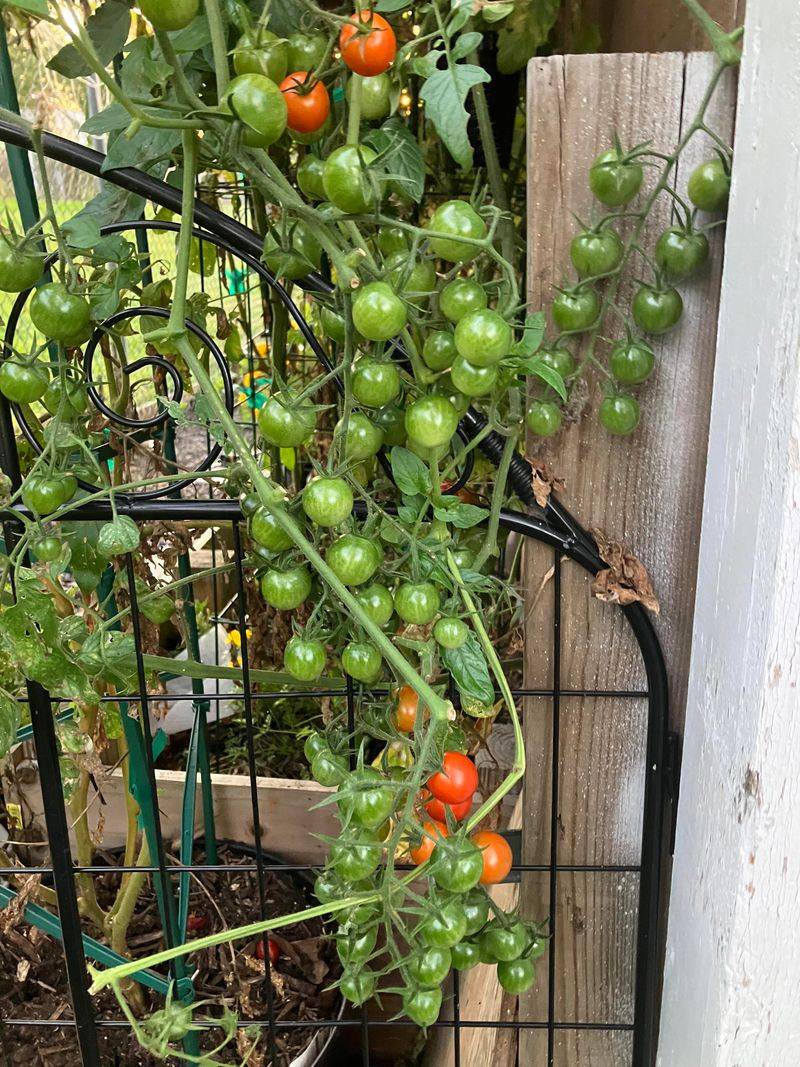
Kentucky sits in a strange spot where summer and fall argue with each other for weeks. Mid-September brings warm afternoons, then clear nights that let stored heat escape fast.
Clear skies and low humidity make nights colder than cloudy ones by several degrees. A calm, starry evening in Bowling Green can drop a garden into the low forties.
Central Kentucky usually sees its first fifty-degree nights during the second week of September. Eastern hollows and river valleys cool even faster, because cold air sinks downhill and pools.
Gardens on gentle slopes often stay a few degrees warmer than gardens in low spots. That small difference decides which neighbor still picks red fruit in early October.
Your Kentucky Garden Changes Every Week. Your Plan Should Too.
Gardening in Kentucky changes quickly throughout the season. Every Friday you’ll receive a simple weekly plan showing exactly what to plant, prune, fertilize, harvest, and protect so you never miss the right timing.
Shorter days matter too, since the sun sets earlier and soil loses its stored warmth. Less heat banked in the ground means far less protection after midnight.
Check the overnight low, not the daily high, when you plan your garden chores. Weather apps bury that number, yet it tells the real ripening story.
Once lows settle near 45 degrees, ripening on the vine slows to a crawl. Fruit hangs on, colors slowly, and sometimes finishes a dull orange instead.
Frost dates follow soon after, usually mid-October for much of the state. Between those two moments sits a short window absolutely worth using wisely.
Track your own yard for a season and you will spot the pattern quickly. Backyard thermometers beat forecasts, because your garden keeps its own private weather report.
Common Missteps With Water And Late Fertilizer
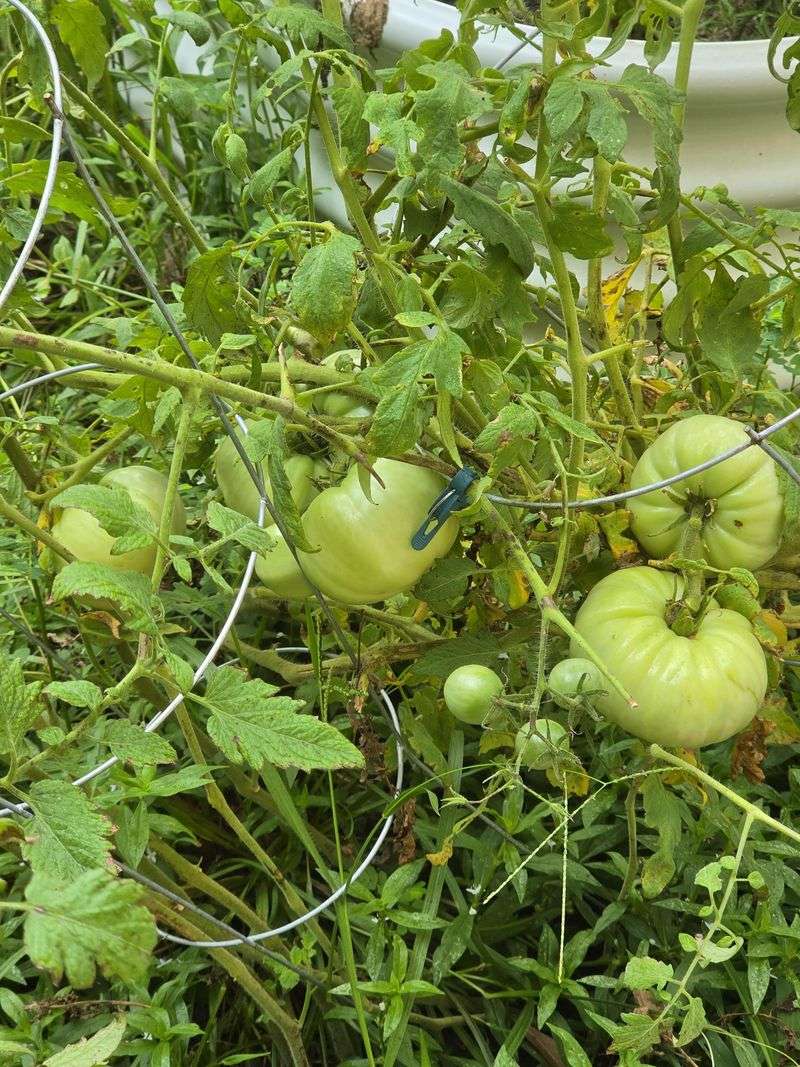
Plenty of gardeners respond to slow ripening by feeding their plants extra nitrogen. That push sends energy into leaves and flowers instead of the fruit already hanging.
Heavy watering works against you too, swelling fruit and thinning out the flavor. Soggy roots in cool soil also invite splits and cracks after autumn rain.
Thick leaf cover seems protective, yet it traps dampness around ripening clusters. Air movement matters far more in September than it ever did in July.
Some folks strip every leaf, believing direct sunlight will speed up the color change. Bare fruit actually scalds in the sun and gains little pigment for the trouble.
Lycopene forms through internal chemistry, not from a suntan on the tomato skin. Shade from healthy foliage protects the fruit while the plant finishes its work.
Another frequent error involves waiting for flawless redness before picking anything at all. Cold nights stretch that wait, and quality quietly slips while you keep hoping.
Pinching off new blossoms in September feels harsh, but it helps the plant enormously. Blooms forming now have no realistic chance of ripening before the first frost.
Put down the heavy pruning shears and focus on the fruit you already grew. Your plant has limited energy, and autumn is a poor time to expand.
A light potassium boost supports fruit quality better than any growth-focused feed. Save the nitrogen-rich products for next spring when the plants are young and hungry.
Row Covers, Warm Walls, And The Countertop Rescue
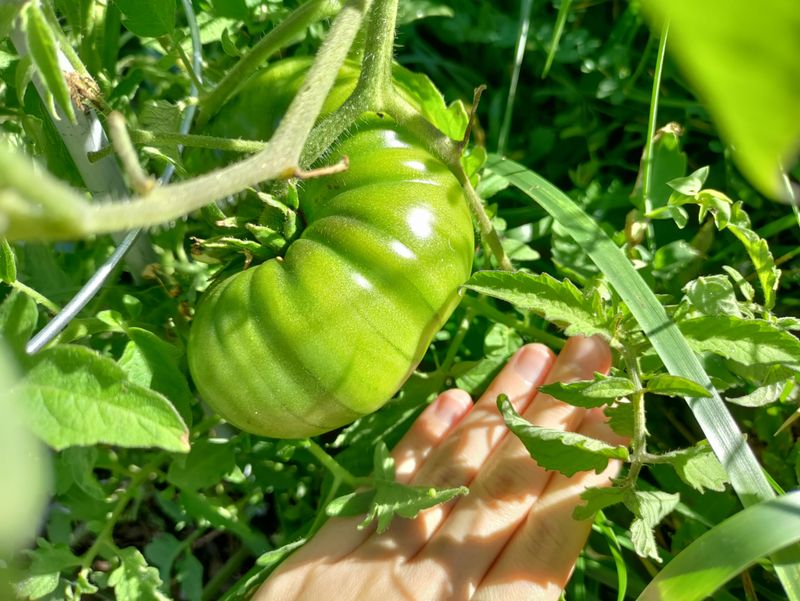
Rescue mode begins the moment a forecast shows lows dipping toward the mid-forties. A lightweight row cover draped over cages holds several degrees of warmth overnight.
Old bedsheets work fine for a single chilly night, as long as they stay dry. Pull the covers off each morning so plants get full sun and fresh airflow.
Water-filled jugs tucked near the stems soak up daytime heat and release it slowly. Dark-colored containers along a south-facing wall stretch that effect even further.
Brick and stone walls act like storage heaters for the garden beds beside them. Plants growing against them often ripen a full week ahead of open-field neighbors.
Once fruit shows the faintest blush of pink, go ahead and pick it. That stage, called breaker, means the tomato has taken everything it needs from the vine.
Indoors, a countertop near 70 degrees finishes the job beautifully within about a week. Keep the fruit out of direct sun and off the cold refrigerator shelf.
Refrigeration below 50 degrees wrecks texture and mutes flavor in a permanent way. A paper bag with a ripe banana speeds things along using natural ethylene gas.
Whole vines can be pulled and hung upside down in a garage or shed. Fruit keeps coloring slowly there, giving you fresh slices deep into November.
Sort your harvest by color so the ripest ones get eaten first. Check the stash every few days and remove any soft fruit you find.
Flavor, Color, And Texture After A Cold Snap
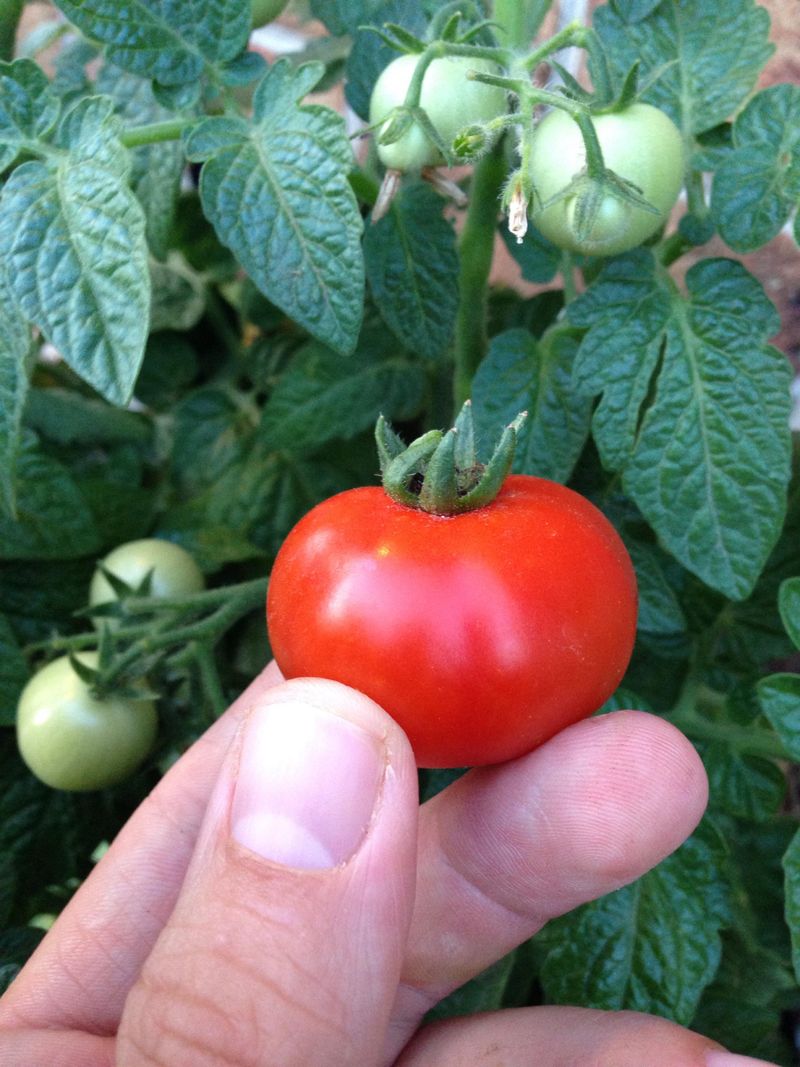
Something shifts in the taste once autumn nights settle over a Kentucky garden. Fruit ripened in cool weather often turns orange-red rather than deep, glossy crimson.
Lycopene delivers the red, while beta-carotene supplies orange tones that take over in cold. The result looks slightly faded even when the tomato is perfectly ready to eat.
Flavor changes too, since sugars build during warm, sunny days out on the vine. Shorter, cooler days mean less sweetness and a sharper, more acidic bite.
Texture can turn mealy when fruit sits through several chilly nights outdoors. Cell walls react to the cold, and that grainy mouthfeel follows right behind.
Skins thicken a bit as temperatures drop, which some cooks honestly appreciate. Tougher skins hold their shape in sauces, roasting pans, and canning jars.
September fruit shines in cooked dishes where herbs and heat balance the tartness. Slow roasting concentrates the flavor and hides any texture complaints entirely.
A pinch of sugar in autumn sauce smooths those sharp edges very nicely. Kentucky cooks have leaned on that old trick for generations without any apology.
Fruit finished indoors at steady room temperature usually beats cold-weather vine fruit. Warmth lets the remaining pigment and sugar chemistry run the way it should.
Green fruit still earns its keep in any sensible Kentucky kitchen. Fried, pickled, or simmered into chow-chow, hardly a single one goes to waste.
Next Season’s Head Start With Earlier Planting And Smarter Varieties
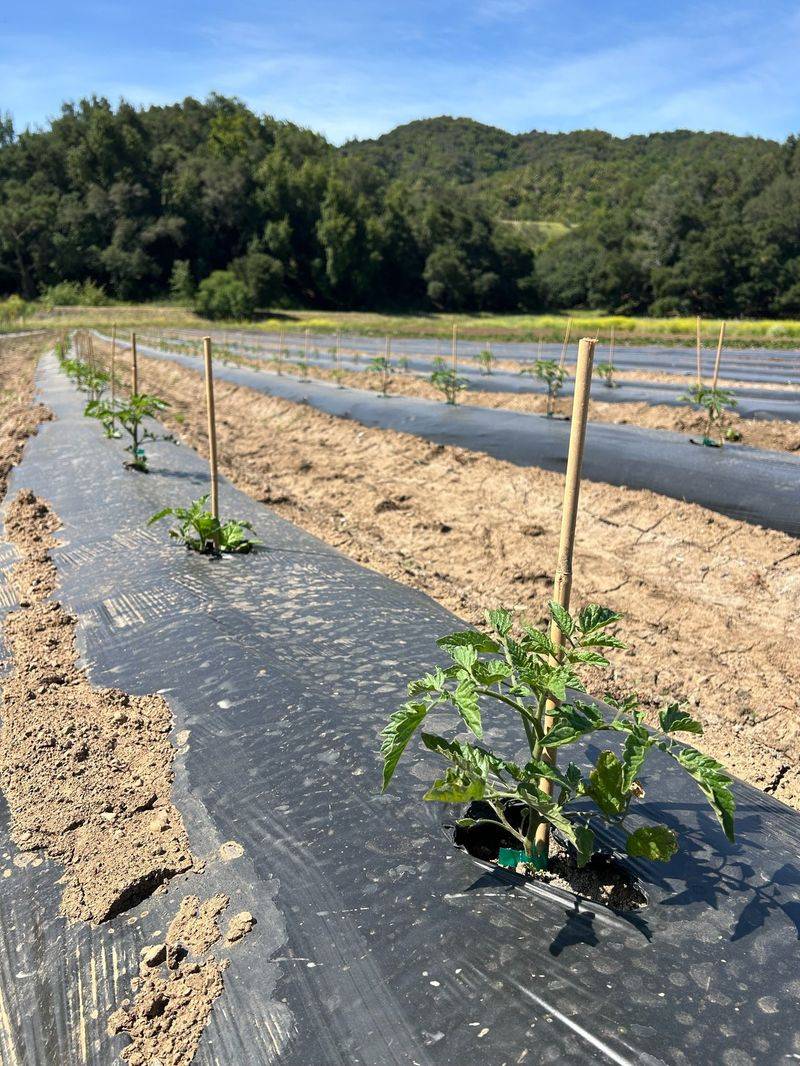
Next spring holds the real solution, and it starts with a calendar rather than a cure. Getting transplants into warm Kentucky soil by early May buys precious ripening weeks.
Soil temperature matters far more than air temperature for a strong early start. Wait until the ground reaches 60 degrees, then plant without any further hesitation.
Black plastic mulch laid down two weeks early warms beds and speeds everything afterward. Warm roots in May often mean ripe fruit in July instead of September.
Variety choice carries enormous weight for gardens dealing with chilly autumn nights. Early types like Early Girl, Glacier, and Stupice finish in under 65 days.
Heirlooms such as Brandywine taste wonderful but demand 85 days or more of warmth. Planting both kinds spreads your harvest across the entire warm season.
Kentucky sits in zones 6a through 7b, with roughly 170 frost-free days each year. That sounds generous until cool nights shorten the genuinely useful part of it.
A second planting in late June gives smaller fruit ready by early September. Determinate varieties suit that slot because they ripen inside a tight, predictable window.
Keep notes on which plants finished first in your own yard this season. Garden journals beat glossy seed catalog promises nearly every single time.
A simple low tunnel in April shields young plants from surprise cold snaps. Hoops and clear plastic can shift your whole harvest two full weeks earlier.