The California Cover Crop Seeds Worth Sowing This Weekend Before The Season Turns
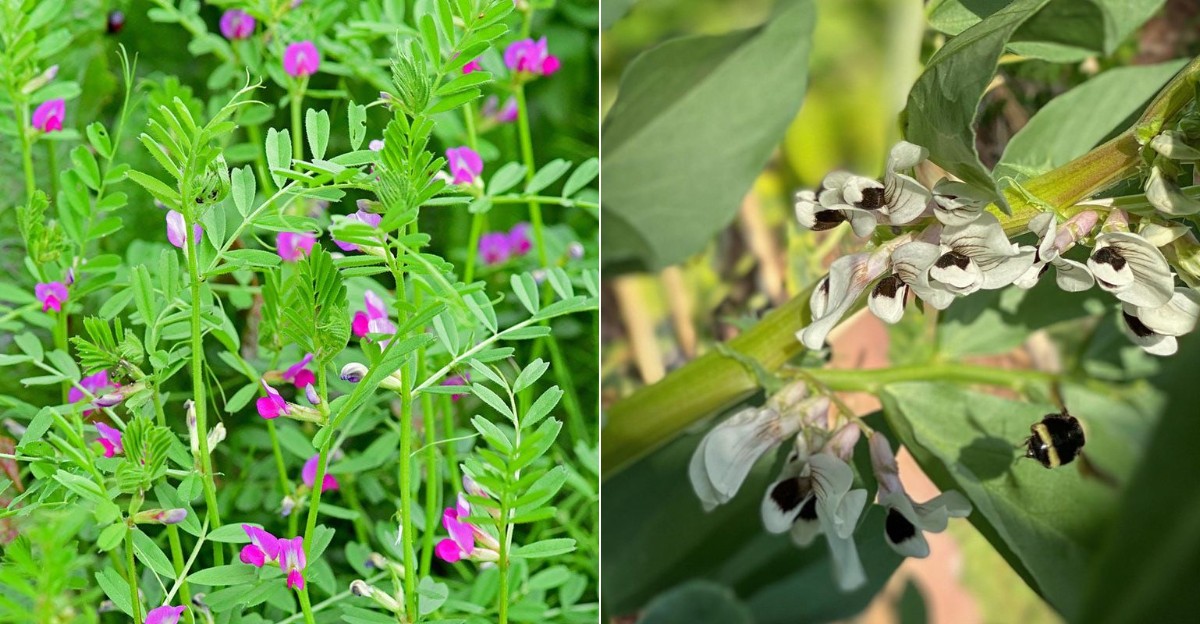
Bare garden beds do not have to sit empty once your summer crops are finished. A cover crop can put those unused spaces to work, helping protect the soil while adding organic matter and supporting a healthier garden for the seasons ahead.
The trick is getting the timing right before cooler weather changes your planting window.
You have plenty of options, but not every cover crop makes sense for California gardens or the conditions in your particular yard.
Some grow quickly, while others are better suited to improving soil, suppressing weeds, or supporting beneficial insects. Sowing the right seeds now gives them time to establish before conditions become less favorable.
If you have an open bed waiting for its next purpose, this weekend could be the perfect opportunity to give your soil some extra protection instead of leaving it exposed.
1. Crimson Clover Adds Cover And Organic Matter
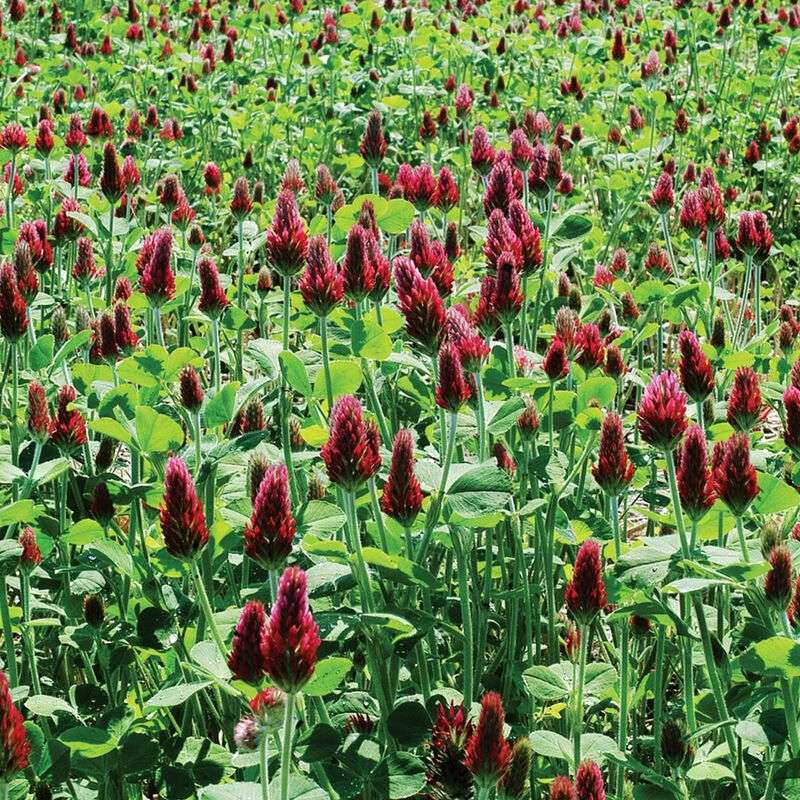
Few winter cover crops look as cheerful as crimson clover when its bright red blooms pop up in early spring. Beyond the pretty color, this plant works hard underground to make your soil richer.
As a legume, it partners with helpful bacteria to pull nitrogen from the air and store it in the soil. That means your next round of vegetables gets a natural nutrient boost without bagged fertilizer.
Gardeners across California love how quickly it fills in bare spots. Scatter the seeds over loosened dirt, rake them in lightly, and water gently to help them settle.
Cooler fall temperatures suit it perfectly, and it keeps growing slowly through the mild winter months. The thick green cover blocks weeds and shields soil from heavy rain.
When spring arrives, you can cut it down and turn it into the ground before planting. All that leafy material breaks down and adds valuable organic matter.
Bees and other pollinators adore the flowers, so leaving a patch to bloom helps local insects too. It is a win for both your garden and the wider neighborhood.
For best results, sow it early enough that plants get established before the coldest weeks. A little planning now pays off with softer, healthier soil later.
2. Fava Beans Work Well In Many California Gardens
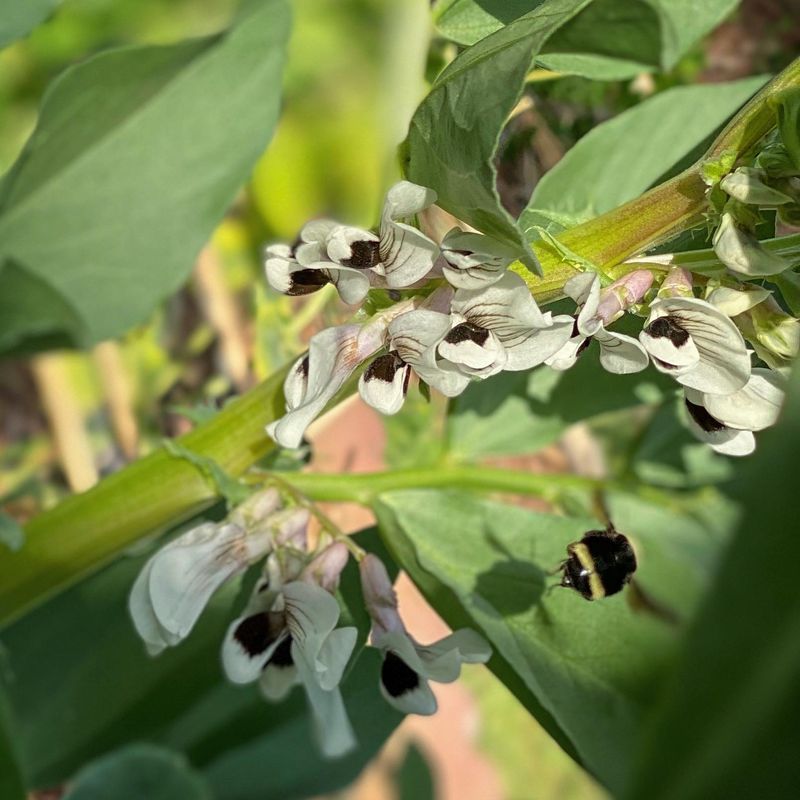
Talk about a plant that pulls double duty. Fava beans not only enrich your soil but also give you a tasty crop you can actually eat.
Sometimes called broad beans, these sturdy plants thrive in California’s cool, wet season. They handle chilly nights better than many other beans, making them a smart fall choice.
Like other legumes, they capture nitrogen and lock it into the ground. That leftover nitrogen becomes food for whatever you plant next spring.
Push the large seeds a couple inches deep into the soil, spacing them out so each plant has room. They sprout reliably and grow into tall, leafy stalks.
The white flowers with dark spots are lovely, and the pods that follow can be harvested young and tender. You get dinner and dirt improvement in one shot.
Your California Garden Changes Every Week. Your Plan Should Too.
Gardening in California changes quickly throughout the season. Every Friday you’ll receive a simple weekly plan showing exactly what to plant, prune, fertilize, harvest, and protect so you never miss the right timing.
Even if you never eat a single bean, the plants make excellent green manure. Chop them down before they set too many seeds and dig them into the bed.
Their deep roots also loosen packed soil, helping water and air move more freely. That gentle underground work makes future planting easier.
For gardeners who want a productive and useful winter crop, favas are hard to beat. Plant a row this weekend and enjoy the payoff.
3. Field Peas Grow Through The Cooler Season
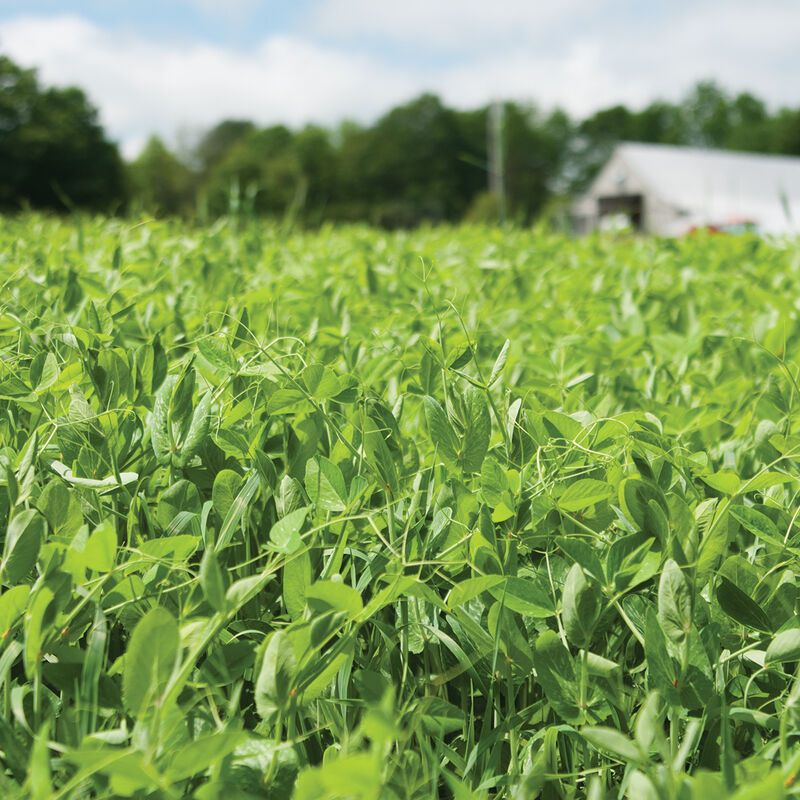
Ever wish you had a low-fuss plant that just quietly does its job? Field peas fit that description perfectly during California’s cool months.
These climbing legumes send up slender vines dotted with soft flowers. They love the mild, damp weather that fall and winter bring to much of the state.
Like their bean cousins, they add nitrogen to the soil naturally. That built-in fertilizer helps feed hungry spring crops without extra work from you.
Sow the seeds thickly over prepared ground and cover them lightly. They germinate fast, forming a green blanket that crowds out pesky weeds.
Many gardeners mix field peas with oats or barley for extra support. The grains give the pea vines something to climb, and together they create a stronger cover.
The tender shoots are edible too, adding a fresh, sweet flavor to salads. Snip a few tips while the plants are young and enjoy a garden snack.
When it is time to plant again, cut the peas down and work them into the bed. They decompose quickly and release their stored nutrients.
Because they are gentle on the soil and easy to manage, field peas suit beginners well. Toss some seeds out now and let the cool season do the growing.
4. Common Vetch Covers Bare Winter Soil
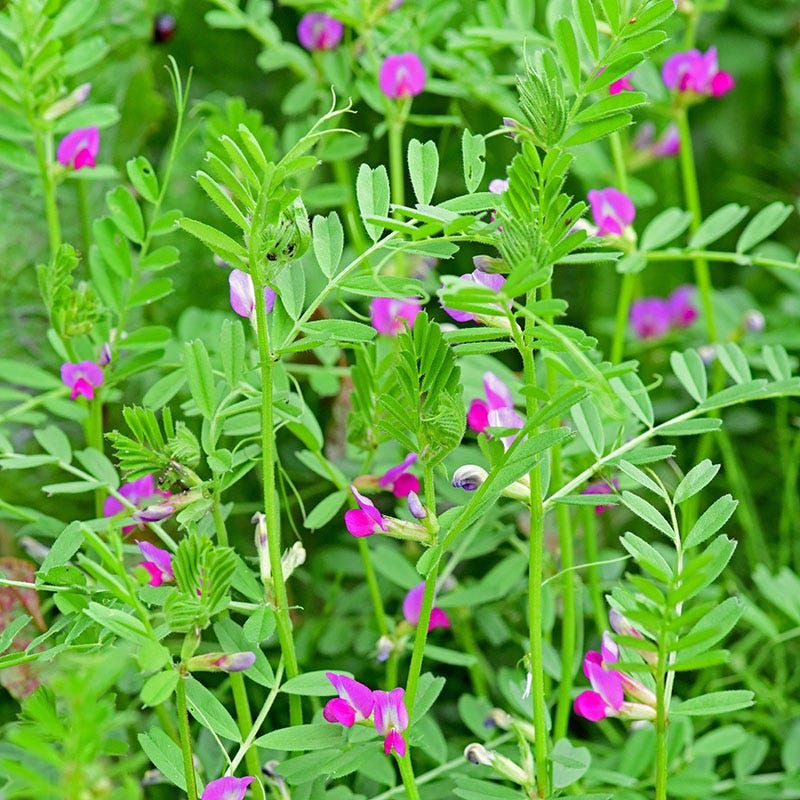
Bare soil sitting through winter is basically an open invitation for weeds and erosion. Common vetch steps in to fix that problem beautifully.
This sprawling legume spreads across the ground, forming a dense mat of leaves and slender stems. Its purple flowers add a splash of color in the cooler months.
Nitrogen fixing is its specialty, so it quietly enriches the dirt while it grows. By spring, your beds are packed with nutrients waiting to feed new plants.
Broadcast the seeds over loosened soil and rake them in for good contact. Water lightly, and the plants will start covering ground before long.
Gardeners often pair vetch with cereal rye or oats. The grains give the climbing tendrils something to grab, keeping the whole planting tidy and upright.
Rain and wind have a harder time stealing your topsoil when vetch is in place. That protective layer keeps your garden’s foundation strong.
Turning it under in early spring is simple. Chop the plants down before they seed too heavily, then mix the green material into the bed.
All those leaves break down into rich organic matter that improves texture and moisture holding. Few cover crops offer such an easy path to healthier soil, so scatter some vetch this weekend and relax.
5. Oats Establish Quickly In Cooler Weather
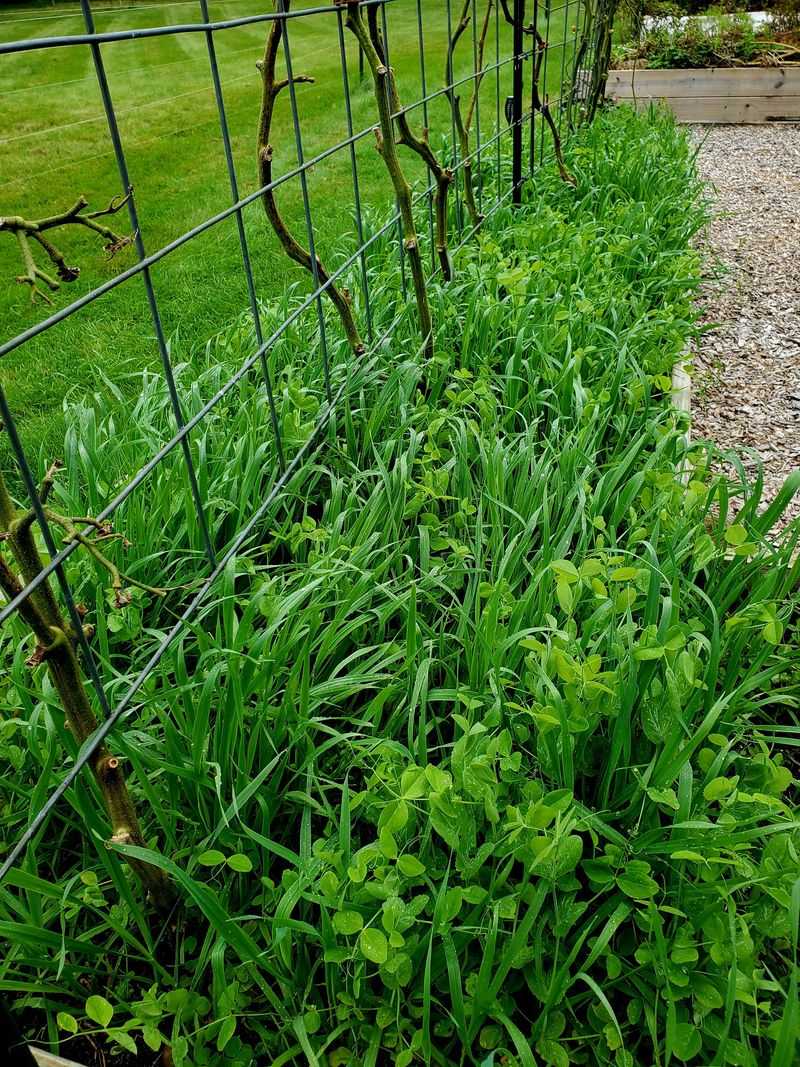
Speed is the name of the game with oats, and that makes them a favorite for gardeners racing against the changing season.
Once the soil cools down, oats sprout fast and shoot up thick green blades. That quick start means bare beds get covered before weeds can move in.
Unlike legumes, oats do not fix nitrogen, but they excel at building organic matter. Their fibrous roots also break up compacted soil and improve drainage.
Scatter the seeds generously across your bed, then rake them in and water. Within days you will notice tiny sprouts poking through the surface.
In milder parts of California, oats keep growing through winter and stay green. In colder spots, they may fade back but still leave behind a helpful mulch layer.
That fading actually works in your favor. The withered plant material forms a natural blanket that protects soil and slowly feeds it.
Come spring, oats are easy to manage since they do not regrow aggressively. You can mow them down or dig them right into the ground.
Their roots create tiny channels that let water and air travel deeper into the soil. That hidden benefit sets up your spring crops for stronger growth. For a fast, dependable winter cover, oats are tough to beat.
6. Barley Gives Bare Beds Winter Protection
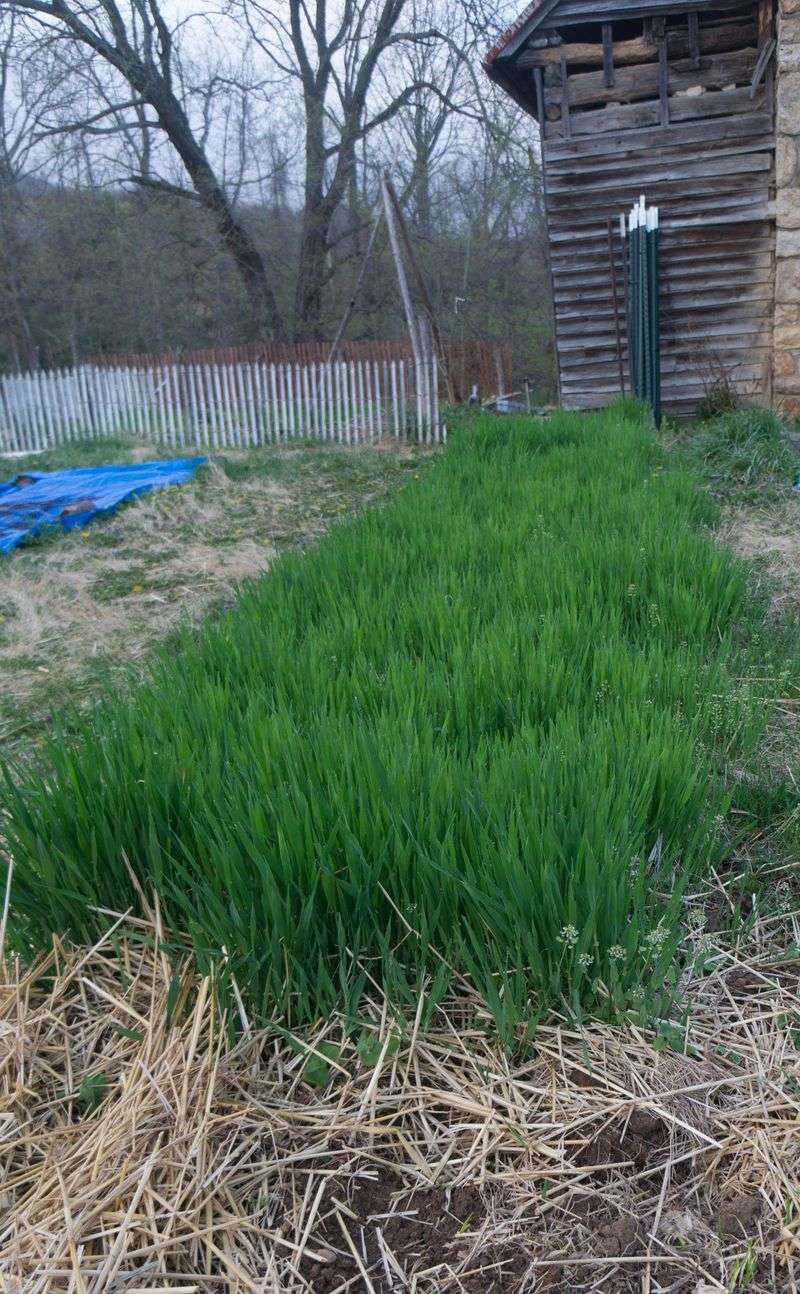
Tough and dependable, barley is the kind of plant that shrugs off less-than-perfect conditions and keeps on growing.
Gardeners who deal with dry or salty soil often reach for barley because it handles those challenges well. It settles into California beds without much fuss.
Its dense root system holds soil firmly in place, guarding against erosion from winter rains. That means your good topsoil stays right where you want it.
Spread the seeds evenly over the bed, cover them lightly, and give them a drink. Sprouts appear quickly, forming a protective green stand.
Beyond shielding the ground, barley adds plenty of organic matter when turned under. All those roots and stems enrich the dirt as they break down.
Weeds struggle to compete with a thick barley planting. The crop simply outgrows them and shades the soil surface.
Some folks mix barley with a legume like vetch or peas. The grain provides structure while the legume adds nitrogen, giving you the best of both worlds.
When spring nears, cut the barley down before it forms seed heads. Working it into the bed returns valuable material to the soil.
For anyone wanting a rugged, low-maintenance winter cover that improves soil quality, barley delivers season after season. Sow a patch and let it stand guard.
7. Mustard Can Grow Quickly Before Winter
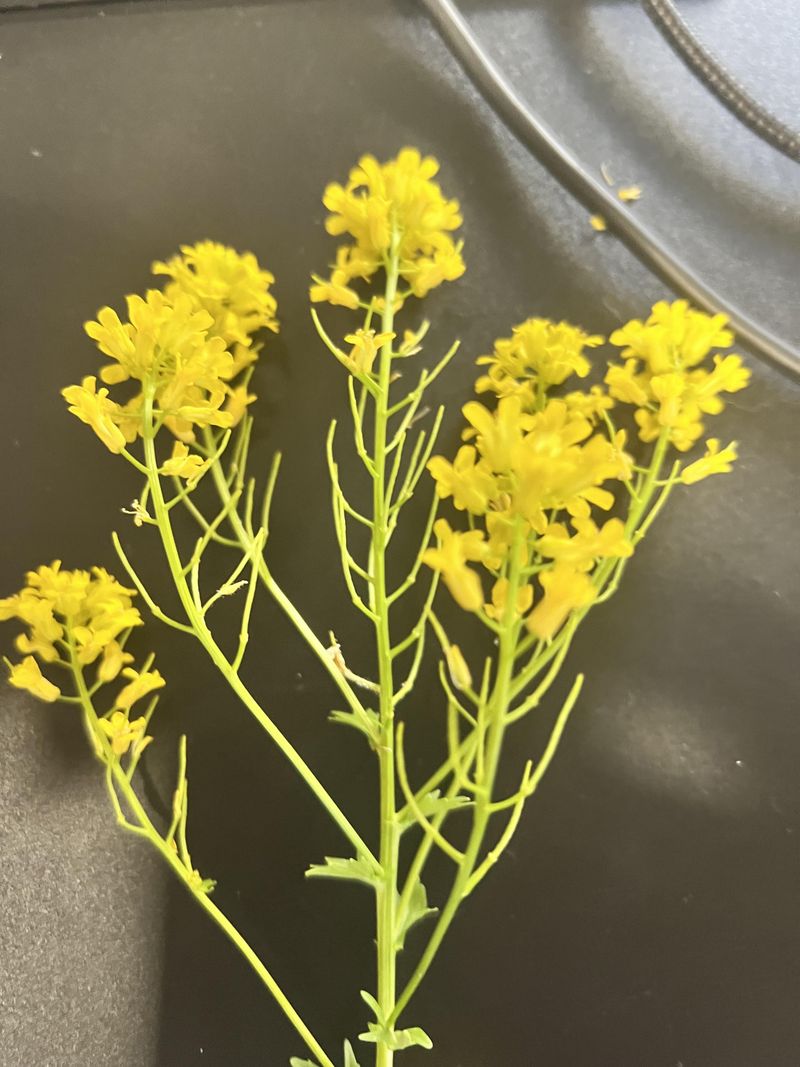
Bright yellow blooms and a peppery scent make mustard one of the more lively cover crops you can grow.
This fast-growing plant shoots up in just a few weeks, making it ideal when you are short on time before winter sets in. It covers ground in a hurry.
Mustard is famous for something called biofumigation. As the plants break down, they release natural compounds that can reduce certain soil pests and diseases.
Sprinkle the tiny seeds over loosened soil and rake them in gently. Keep the bed moist, and you will see green sprouts almost right away.
The leafy growth smothers weeds and shields your dirt from pounding rain. Meanwhile, its roots help loosen and aerate the ground below.
Once the plants start flowering, that is your cue to cut them down. Chop them up and dig them into the soil to unlock those pest-fighting benefits.
Turning mustard under while it is still green also adds a nice dose of organic matter. Your soil ends up richer and more workable.
Just be careful not to let it go fully to seed, or you may find volunteer mustard popping up later. A little timing keeps it in check.
For a speedy, protective, and soil-cleaning cover crop, mustard is a bright and useful pick.
8. Cereal Rye Handles Cooler Conditions Well
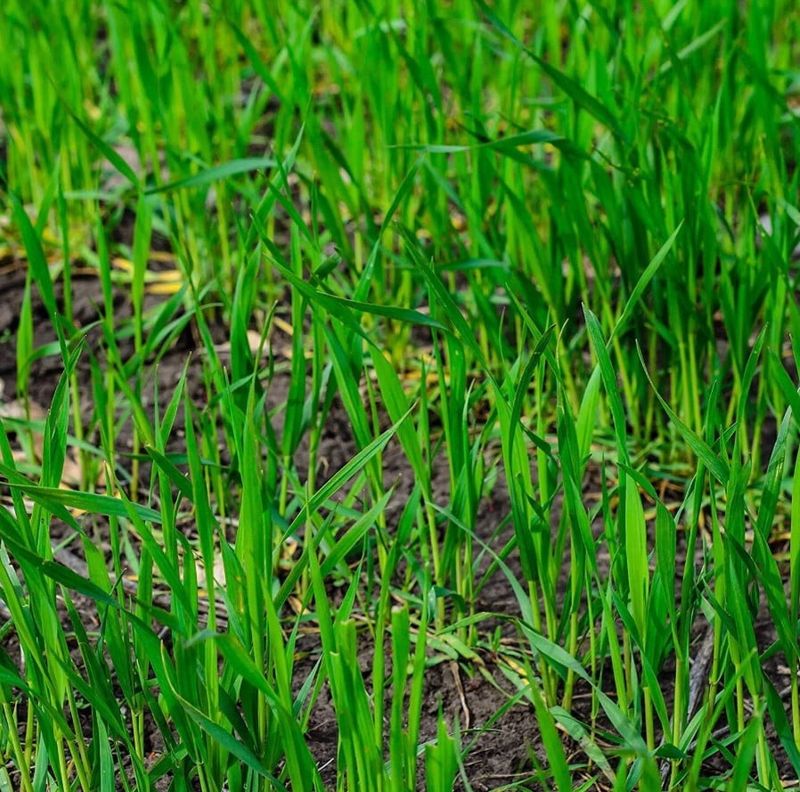
When the temperatures really drop, cereal rye keeps growing while other plants slow to a crawl. That toughness makes it a winter workhorse.
Out of all the cover crops on this list, rye is one of the most cold-hardy. It handles frosty nights and chilly stretches without missing a beat.
Its deep, spreading roots dig far into the soil, breaking up hard layers and improving structure. Water soaks in better once rye has done its work.
Broadcast the seeds across your bed, rake them in, and water lightly. Even in cool weather, they germinate and start forming a green stand.
Weed control is where rye truly shines. The thick growth shades out unwanted plants, and it even releases substances that slow weed seeds from sprouting.
Come spring, rye produces a huge amount of plant material. Turning it under adds a generous helping of organic matter to your soil.
Because it grows so vigorously, plan to cut it down before it gets too tall and tough. Mowing or chopping it early makes the job easier.
Many gardeners plant rye with a legume such as vetch to balance the nitrogen. Together they build soil that is both protected and well fed.
For reliable cold-weather coverage and serious soil benefits, cereal rye earns its spot in the garden.