The One Thing North Carolina Vegetable Beds Need After A Dry August
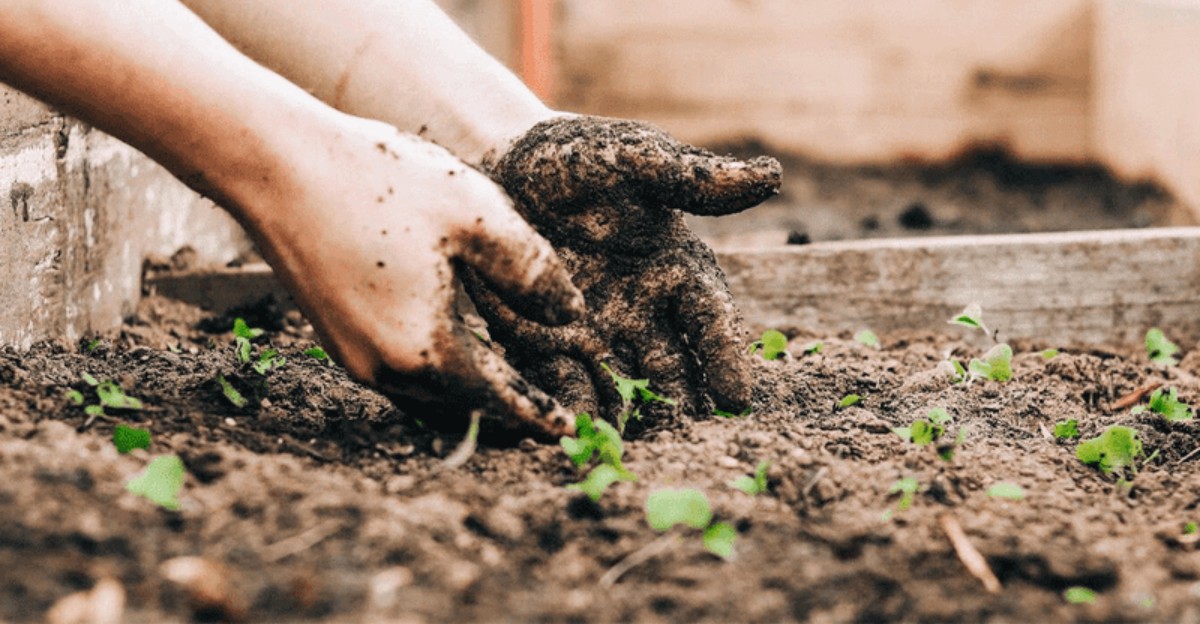
Vegetable beds across North Carolina are showing the effects of a notably dry August, and one particular need has become more urgent than usual heading into fall planting.
Extended dry stretches can leave soil depleted of moisture and make it harder to maintain healthy soil structure. Without addressing this now, new plantings can struggle right from the start, even with regular watering going forward.
Because soil health takes time to rebuild once it’s been stressed, this is one of the more important steps to get right before putting fall seeds or transplants in the ground.
Taking care of this single need now can make the difference between a strong fall harvest and one that struggles from day one.
1. Restore Moisture Deep Into The Root Zone
Roots are where the real action happens, and after a dry August, they are often begging for a good drink. A quick sprinkle from the hose might make the surface look damp, but it rarely reaches the part of the soil where roots actually live and feed.
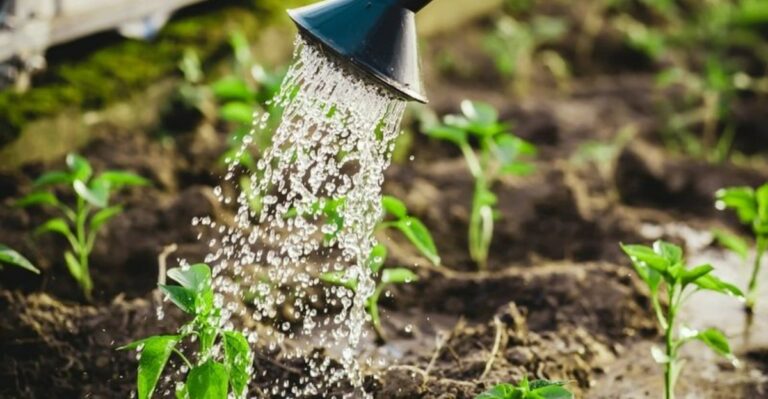
Think of your soil like a dry sponge. Water needs time to soak all the way down instead of just wetting the top. Slow, steady watering gives moisture the chance to travel several inches deep, right where your vegetables can use it.
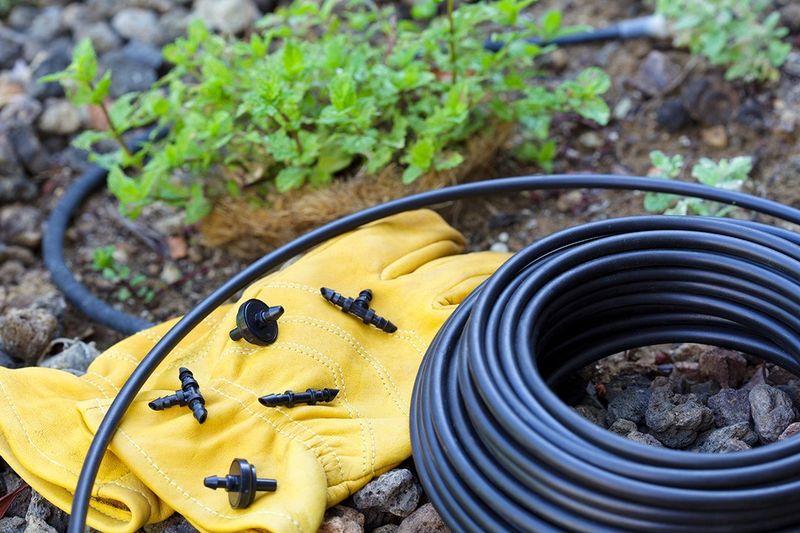
A soaker hose or drip line works wonders here because it releases water gently over a longer stretch of time. You can also water by hand, but move slowly and let each spot absorb before moving on.
Aim to soak the bed until the water reaches about six to eight inches down. That depth matches where most vegetable roots stretch out to grab nutrients and water.
Frequent shallow watering actually trains roots to stay near the surface, which makes plants weaker and more likely to wilt in heat. Deep watering encourages roots to grow downward and become tougher.
Early morning is the best time to water because less moisture escapes into the warm air. Your plants get more of what you give them.
After a good deep soak, you may only need to water every few days instead of every single day. That saves you time, saves water, and keeps your garden strong through the rest of the season.
2. Do Not Flood Drought-Stressed Soil
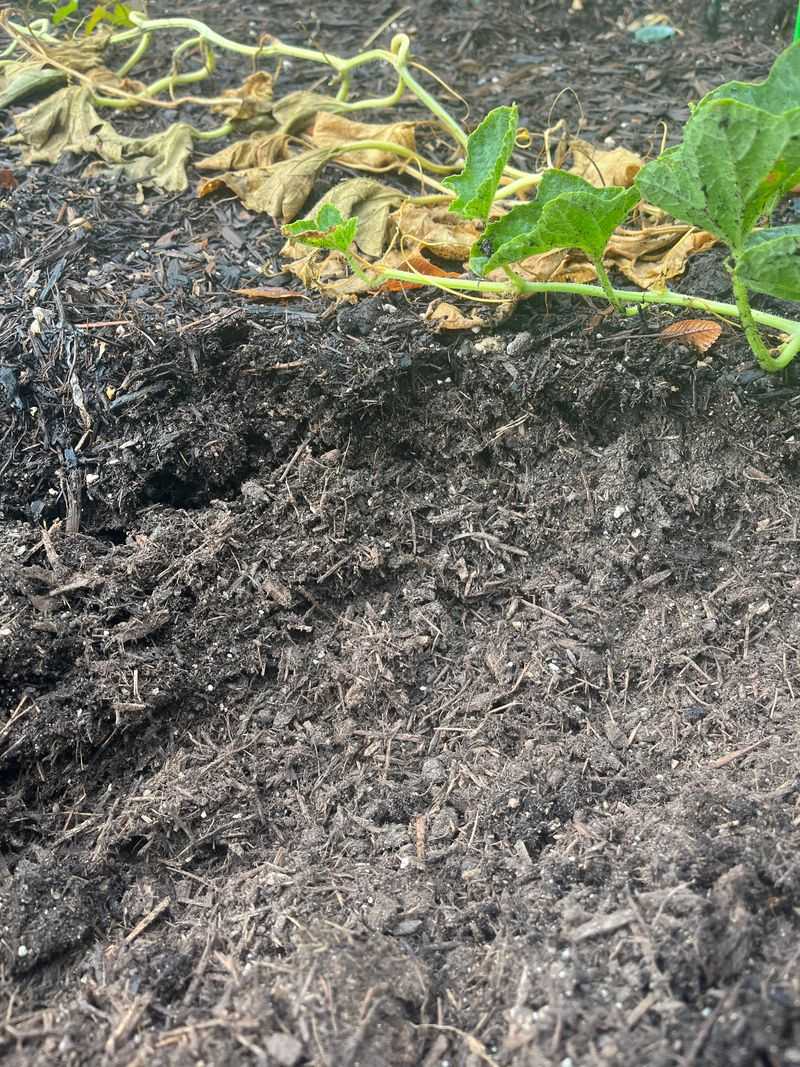
Here is something surprising about very dry soil: it can actually push water away instead of soaking it up. When ground gets baked hard during a dry August, the surface turns almost water-resistant, so dumping a huge amount all at once often creates a mess.
Instead of sinking in, the water runs off the sides, pools in low spots, or slides right past your plants. You end up wasting water while the roots stay just as thirsty as before.
The smarter move is to rehydrate slowly. Start with a light pass of water to soften the top layer, wait a bit, then come back with more. This gives the soil a chance to open up and accept moisture.
Each round of watering helps the ground relax and absorb better than the last. It feels slow, but it is far more effective than one giant flood.
Your North Carolina Garden Changes Every Week. Your Plan Should Too.
Gardening in North Carolina changes quickly throughout the season. Every Friday you’ll receive a simple weekly plan showing exactly what to plant, prune, fertilize, harvest, and protect so you never miss the right timing.
Flooding also causes another problem. Fast-moving water can wash away loose soil, mulch, and even tiny seeds you just planted for fall crops.
If you notice puddles forming or water running off the bed, pause and let things settle. Return in fifteen or twenty minutes to finish the job.
Raised beds and sloped gardens especially need this gentle approach, since gravity pulls water away quickly. Patience really pays off here.
By rewetting the soil in stages, you protect the bed’s structure and make sure every drop actually helps your vegetables recover from a tough, dry stretch.
3. Check Soil Before Watering Again
Dry-looking dirt on top can fool you. The surface often bakes and cracks in the sun while the soil a few inches down still holds plenty of moisture from your last watering.
Before you grab the hose again, take a quick moment to check what is really happening below the surface. Your finger is the easiest tool you have.
Push a finger down about two or three inches into the soil near your plants. If it feels cool and damp, hold off on watering. If it feels dry and crumbly all the way down, it is time to water again.
For an even better look, you can dig a small hole with a trowel and feel the soil deeper down. This shows you exactly where the moisture stops.
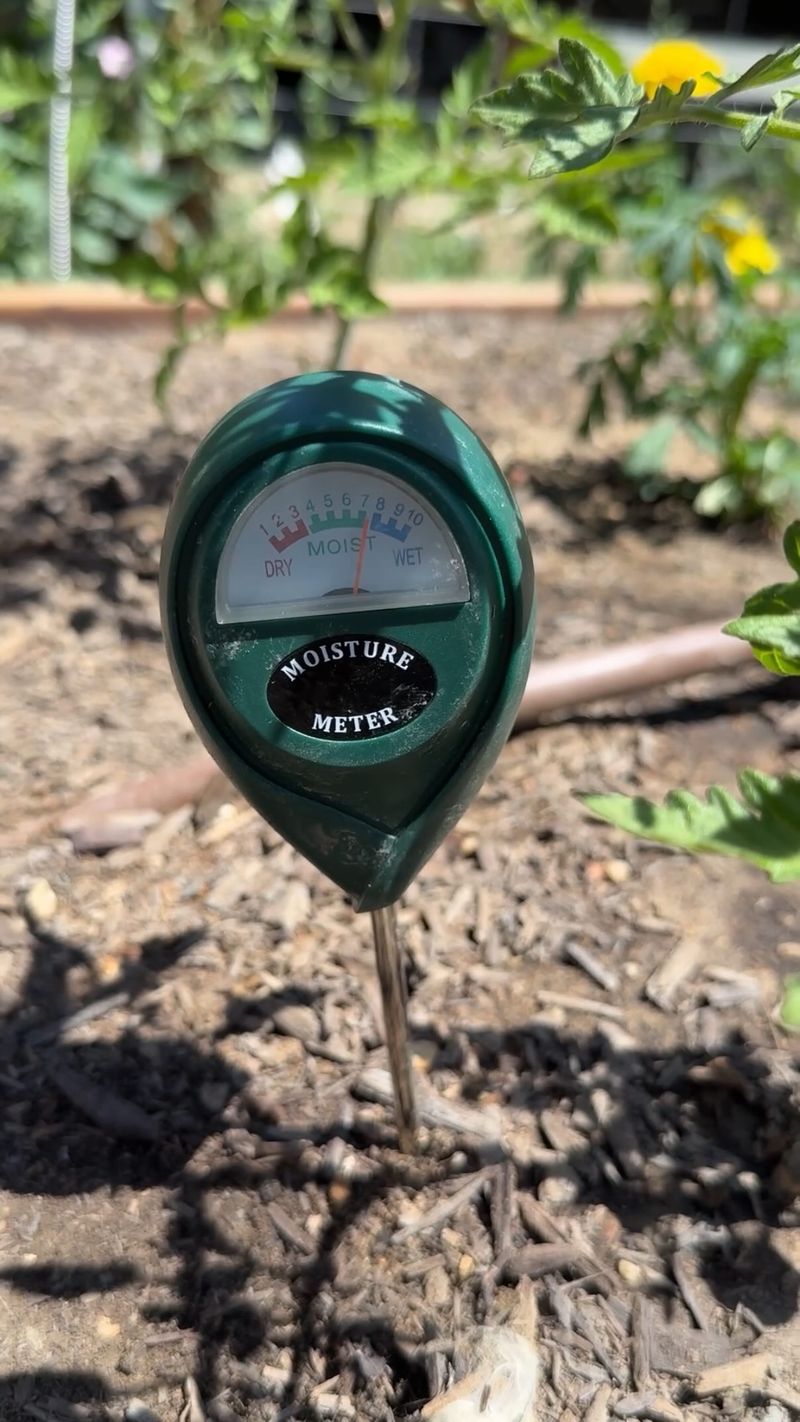
Some gardeners like to use a simple moisture meter, which gives a quick reading when you slide it into the ground. Either method works fine.
Watering by feel instead of by habit helps you avoid two common problems. Too little water leaves roots struggling, while too much can drown them and invite root rot.
Fall crops such as lettuce, spinach, and broccoli grow best when the soil stays evenly moist, not soggy and not bone dry. Checking first keeps that balance steady.
Making this a daily habit takes only a few seconds, yet it saves water and protects your plants. Over time, you will start to read your garden’s needs like a pro and water only when it truly counts.
4. Mulch To Hold Moisture Longer
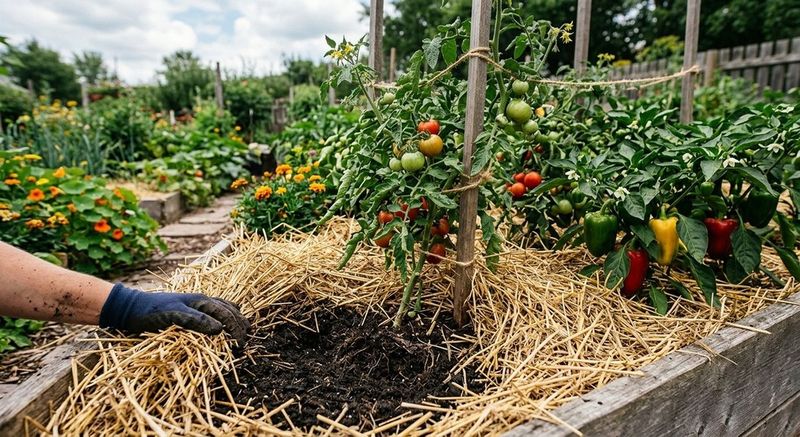
A layer of mulch is like a cozy blanket for your soil, and it does a lot of hard work while you relax. After a dry August, mulch becomes one of your best friends for keeping moisture where roots can reach it.
When bare soil sits in the sun, water evaporates fast and disappears into the air. Mulch shades the ground and slows that loss, so the water you added sticks around much longer.
Shredded leaves, straw, and grass clippings all make excellent mulch. They are cheap, easy to find, and break down over time to feed your soil.
Spread a layer about two to three inches thick across the bed. Keep it pulled back a little from plant stems so air can move freely and stems stay healthy.
Mulch also keeps soil temperatures steadier. During hot afternoons it stays cooler underneath, and on chilly fall nights it helps hold warmth around the roots.
Another bonus is weed control. A good mulch layer blocks sunlight from weed seeds, so fewer of them sprout and steal water from your vegetables.
As the leaves and straw slowly break down, they add organic matter that improves the soil for next season. You get double the benefit from one simple task.
After watering deeply, laying down mulch locks in that hard-earned moisture. It is a small step that pays off every single day, cutting down how often you need to water and giving your recovering garden a much better chance to thrive.
5. Drought-Stressed Plants Need Consistency
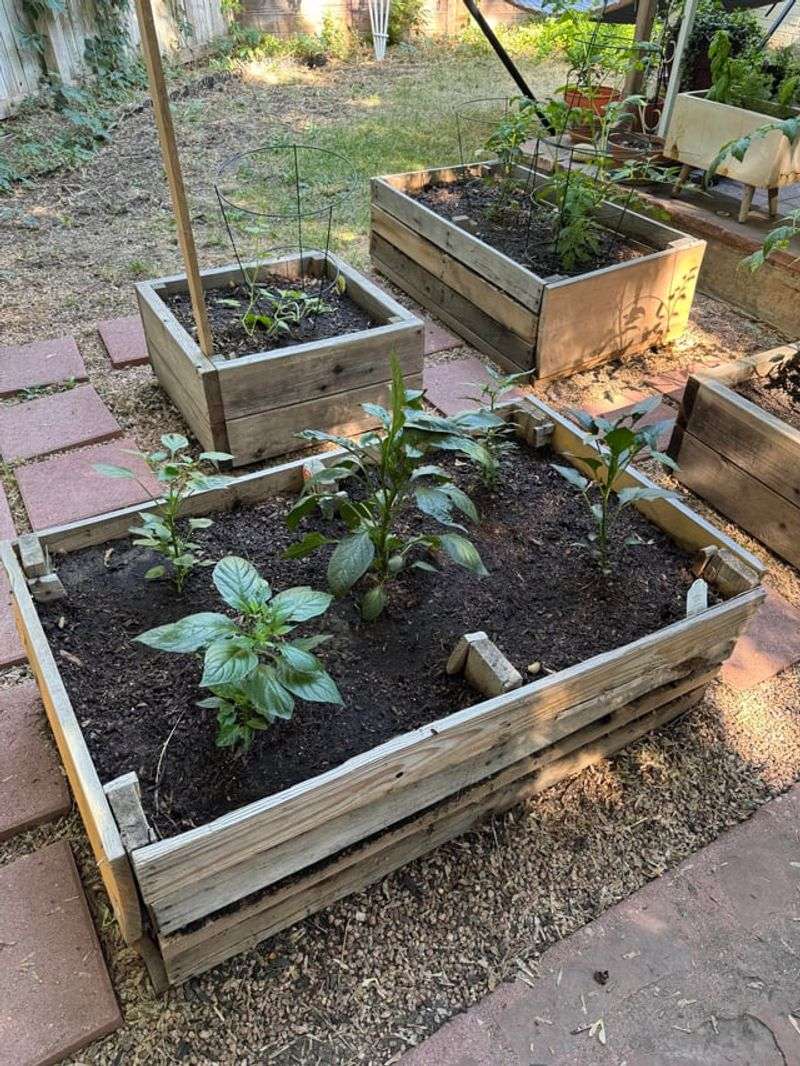
Plants really dislike a roller coaster ride. When they go from bone dry to soaking wet over and over, the constant swing wears them down and slows their growth.
During a dry August, vegetables already spend energy just trying to survive. Adding a boom-and-bust watering pattern on top of that makes their recovery even harder.
Think about how you feel when you skip meals and then eat way too much at once. Plants react in a similar way, showing stress through wilting leaves, dropped flowers, and slower fruit.
Steady, even moisture keeps everything balanced. Roots stay comfortable, leaves stay firm, and the plant can focus on growing instead of fighting to stay alive.
Fall crops especially need this steady care because they are actively growing during cooler weather. Lettuce turns bitter and tomatoes can split when watering jumps around too much.
A simple routine helps a lot. Check the soil, water deeply when it is dry, and add mulch to smooth out the ups and downs.
Drip irrigation on a timer takes the guesswork out completely, delivering the same gentle amount each time. Many gardeners find it a game changer for busy weeks.
The goal is not to keep soil soggy but to keep it evenly damp, like a wrung-out sponge. That balance keeps roots breathing and drinking at the same time.
Once you settle into a consistent rhythm, your plants will reward you with steadier growth, better flavor, and far fewer cracked or stunted vegetables through the fall.
6. Rebuild Soil With Organic Matter
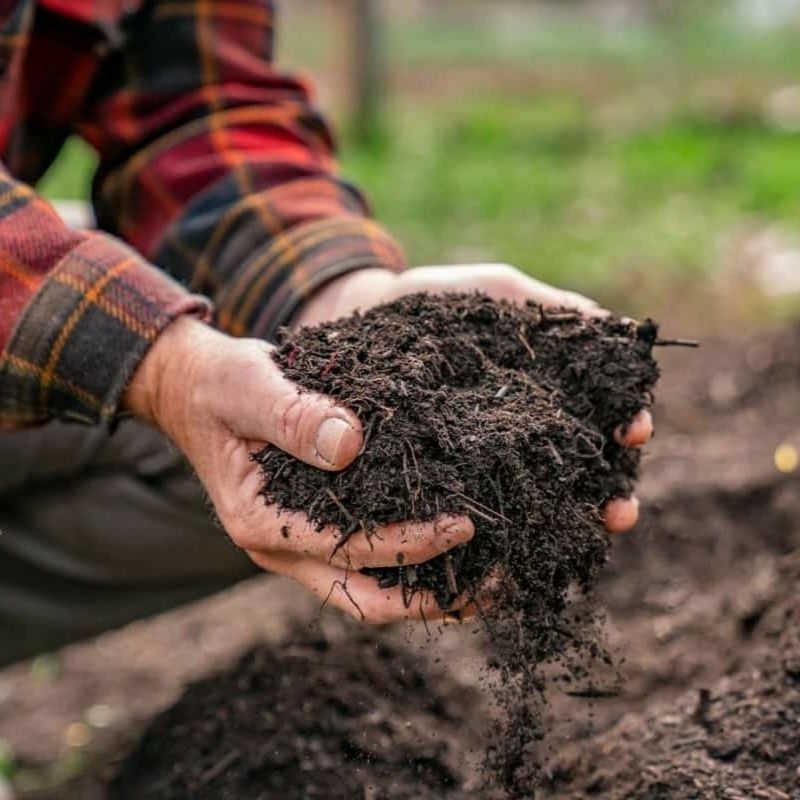
A dry season is tough on soil, not just plants. Heat and lack of water can leave the ground hard, packed, and lacking the spongy quality that healthy roots love.
Finished compost is a fantastic way to bring that life back. It adds tiny pockets that hold both air and water, giving your soil the soft, crumbly feel of a good garden bed.
Spread an inch or two of compost across the top of your bed and gently work it into the upper few inches. You do not need to dig deep or turn everything over.
As compost blends in, it improves how well the soil holds moisture. That means water stays available to roots longer, so your beds bounce back faster from the dry stretch.
Aged leaf mold, well-rotted manure, and worm castings can all improve soil, although their nutrient content and benefits vary.
Keep one thing in mind, though. Compost improves soil over time, but it cannot replace proper watering on its own.
Adding organic matter is a long game, building better soil season after season rather than fixing everything overnight. The payoff grows each year you keep it up.
Healthier soil also drains better and resists crusting after future dry spells, so you are protecting your garden’s future while helping it now.
Mixing in compost after a dry August sets the stage for a strong fall. Your vegetables get richer soil, steadier moisture, and a much friendlier place to spread their roots.
7. Wait Before Working Extremely Wet Beds
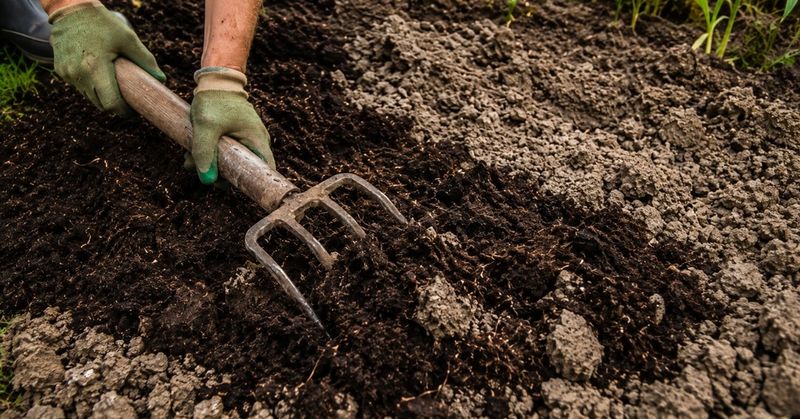
It feels tempting to jump right in and start digging once your dry beds finally get a good soaking. Slow down, though, because working soggy soil can cause real damage you will regret later.
When soil is too wet, the tiny spaces that hold air and water get squished together. Stepping on it or turning it with a shovel packs it into hard clumps.
Those clumps dry into rock-like chunks that roots struggle to push through. Instead of loose, fluffy ground, you end up with a compacted mess.
North Carolina’s clay-heavy soil is especially sensitive to this problem. Clay sticks together fast, so working it wet can undo weeks of careful improvement.
The simple fix is patience. Give the bed a day or two after heavy watering or rain before you dig, plant, or till.
You can test readiness with a quick squeeze. Grab a handful of soil and press it into a ball, then poke it.
If the ball crumbles apart easily, the soil is ready to work. If it stays sticky and holds its shape like clay, give it more time.
Waiting also protects the helpful life in your soil, like earthworms and microbes that keep everything healthy. Crushing their home sets them back too.
By holding off just a little while, you keep your soil soft, airy, and welcoming for roots. That small bit of restraint makes planting easier and gives your fall vegetables the loose, healthy bed they need to grow strong.
8. Prepare The Bed For Fall Crops
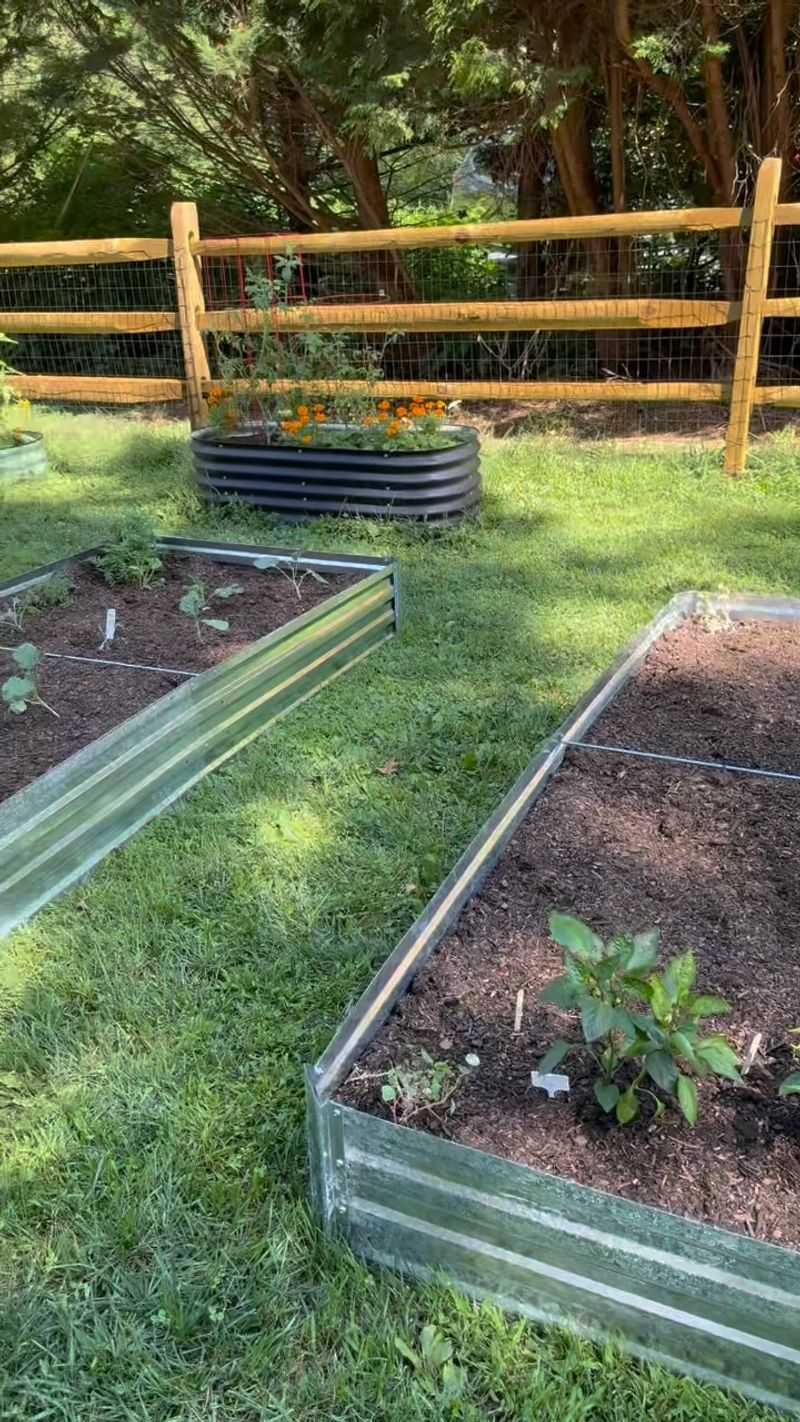
Fall is one of the best times to grow vegetables in North Carolina, and a little prep now sets you up for a great harvest. After bringing your beds back from a dry August, a few final steps get everything ready.
Start by making sure the soil is evenly moist all the way down. Deep, steady watering over a few days gives fall seeds and seedlings a comfortable place to settle in.
Next, check your soil’s fertility. A simple soil test tells you what nutrients might be low and whether you need to add lime or fertilizer for cool-season crops.
Cool-weather vegetables like spinach, kale, carrots, and broccoli love rich, balanced soil. Mixing in compost gives them a healthy boost right from the start.
Good drainage matters just as much as moisture. Make sure water soaks in without pooling, since soggy roots can cause trouble as fall rains arrive.
Once your bed is watered and fed, spread a fresh layer of mulch to lock in that moisture and keep weeds down. Your plants will thank you.
Timing counts too. Plant fall crops early enough that they can mature before the coldest weather rolls in, following the recommended dates for your area.
Keep an eye on young plants during those first weeks, watering consistently as they take root and grow. Steady care now builds strong plants later.
With moist soil, healthy nutrients, solid drainage, and a cozy mulch blanket, your recovered beds are ready to reward you with a fresh, tasty fall harvest.