Minnesota’s Bluff Country Is Home To A Rare Live-Birth Venomous Snake This Fall
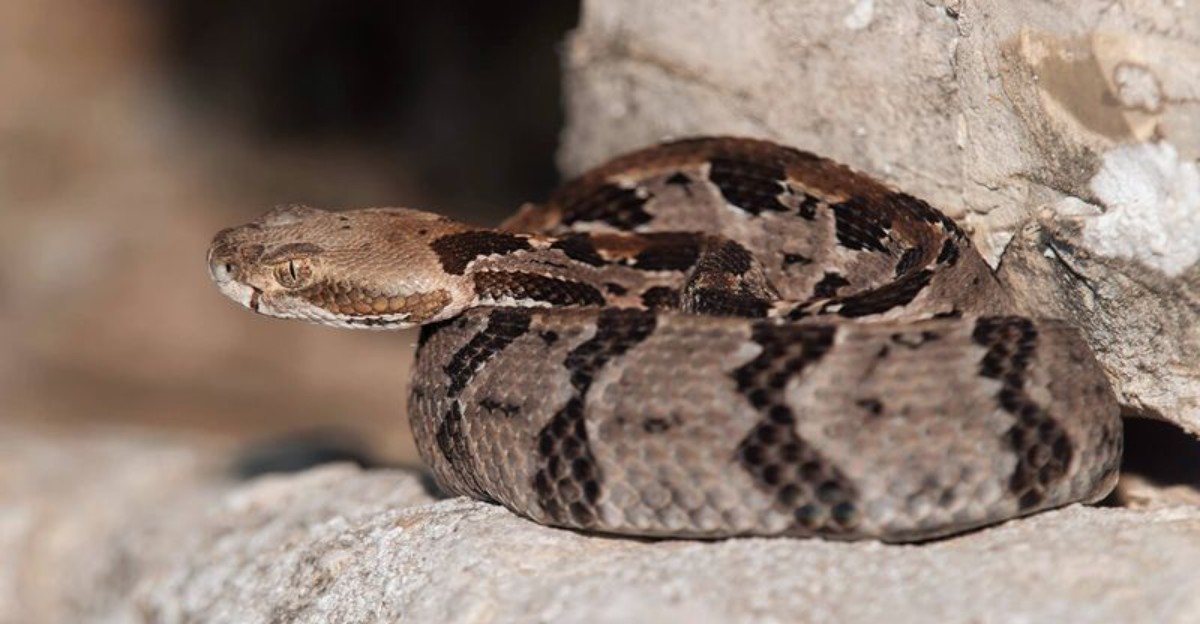
Buzzing rises from warm rock near your boots, low and dry. It isn’t wind moving through late summer grass. Something secretive hides within Minnesota’s rugged, sun-warmed bluff country. Few locals ever notice it living so close.
Autumn draws it toward a restless, urgent travel season. Dens deep in limestone wait for its return. Females manage something remarkably rare among reptiles across the continent.
They carry live young instead of eggs. Newborns emerge fully formed, prepared to survive quickly. Bluffs above the wide river hold warmth long after dark. Warmth keeps these slopes active well past sunset.
Shadows shift quickly across quiet ledges by afternoon. You might walk right past it without ever noticing. Caution matters more than fear here.
Minnesota’s driftless region shelters a truly shy resident. Knowing its habits changes how you explore bluff country safely. Curiosity pulls you forward, and this quiet trail won’t let go.
Minnesota’s Timber Rattlesnake, The Bluff Country Buzzer
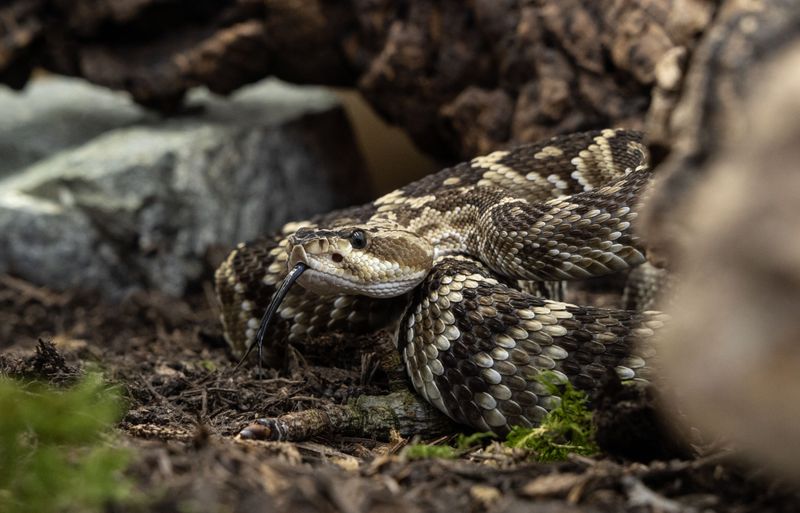
Picture a snake with a body as thick as your wrist, patterned in dark chevrons over tan or gray scales, curled on a sunny ledge like a coil of rope. That is the timber rattlesnake, and southeastern Minnesota is the only corner of the state where it still hangs on.
Locals sometimes call it the bluff rattler. Adults usually measure three to four feet long, though a few old individuals stretch closer to five.
The tail tip carries the famous rattle, a stack of interlocking keratin segments that clicks when the muscles vibrate.
A new segment gets added each time the snake sheds, so the rattle grows in a loose, uneven way. Counting segments will not tell you the snake’s age, since pieces break off over time.
Temperament surprises people who expect drama. Timber rattlesnakes tend to freeze and rely on camouflage, hoping a hiker walks past without noticing. Many will hold still and stay quiet even when someone steps within a few feet.
They earn their keep by eating mice, voles, and chipmunks, which helps keep rodent numbers in check around farms and woodlots.
Some researchers studying tick-borne illness elsewhere have credited rattlesnakes with helping remove tick-carrying rodents from the landscape.
Fun fact: Minnesota hosts two venomous snake species, and both belong to the same narrow band of bluff country. The other one, the massasauga, has not been confirmed in the state for decades.
Spotting one is a rare treat, and plenty of longtime residents have gone years without seeing a single rattle in the wild.
A Reptile Rarity Unfolding Right Now
Here is the twist that sets this reptile apart from the garter snakes in your flower bed: baby timber rattlesnakes arrive live, wrapped in a thin membrane, rather than hatching from leathery eggs buried in warm soil.
Scientists call this ovoviviparity, which means the eggs develop inside the female until the young are ready to emerge. The mother basks on warm rock through summer, using sunshine to speed the process along.
Your Minnesota Garden Changes Every Week. Your Plan Should Too.
Gardening in Minnesota changes quickly throughout the season. Every Friday you’ll receive a simple weekly plan showing exactly what to plant, prune, fertilize, harvest, and protect so you never miss the right timing.
Litters tend to run between five and twelve young, each roughly the length of a new pencil. Newborns appear in late August and September, which makes early fall the busiest stretch of the year on those rocky slopes.
Each baby arrives with a single button on its tail instead of a working rattle, so it cannot buzz a warning yet. They already carry venom, though, and they hunt small mice within days of their first shed.
Mothers stay close for a week or two while the young shed their first skin, which is unusual care for a snake. After that, the little ones follow scent trails left by adults to find the winter den.
Reproduction moves slowly here. Females may wait until age seven or nine to breed, and many produce a litter once in three or four years.
That slow pace explains why losing a handful of adult females hits a local population hard, and why biologists watch birthing rookeries so carefully each autumn. Give a sunning female plenty of space and you are helping the next generation get started.
Limestone Ledges and Goat Prairies, The Driftless Hideout
Drive Highway 61 south of Red Wing and the land buckles into limestone bluffs, dry prairie openings, and shady oak woods. Geologists call this the Driftless Area, a pocket the glaciers skipped.
Steep south-facing and west-facing slopes are the key ingredient. Rock soaks up sunshine, holds the warmth past sundown, and gives cold-blooded residents a place to regulate their body temperature.
Those sunny ledges sit above the Mississippi, Root, Whitewater, and Zumbro river valleys, spanning several counties across southeastern Minnesota.
Cracks and crevices running deep into the bedrock matter just as much as the sunshine. Winter dens, called hibernacula, reach below the frost line where temperatures hold steady.
Snakes return to the same den year after year, sometimes for generations, which ties a population tightly to one hillside. Disturbing that hillside can affect the entire local population.
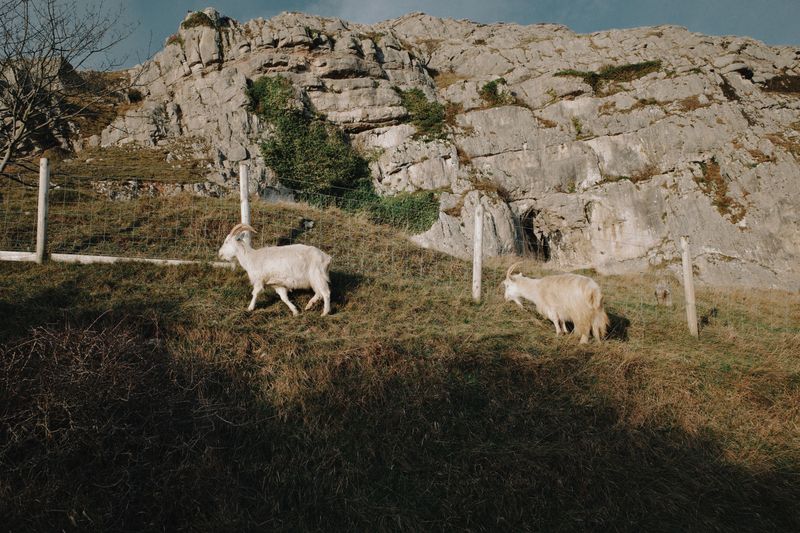
Goat prairies, those steep grassy patches old-timers grazed with goats, offer hunting ground full of rodents and basking spots. Cedar trees creeping into the openings cast shade that cools the rock.
Land managers in places like Whitewater Wildlife Management Area use careful brush removal and prescribed fire to keep those prairies open. Hikers benefit too, since restored goat prairies deliver sweeping river views.
If you explore state parks like Great River Bluffs or Beaver Creek Valley this month, you are walking through rattlesnake country, even if you finish the loop without spotting one. Stick to the trail and the odds of an encounter stay quite low.
Why Autumn Puts These Snakes On The Move
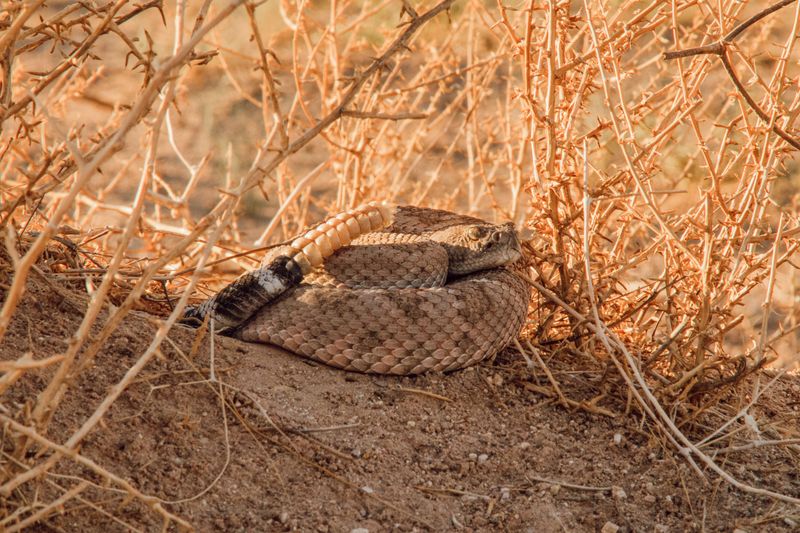
Cooler nights flip a switch. Timber rattlesnakes that spent summer scattered across wooded hillsides begin drifting back toward the ledges where they will spend winter.
Some travel a mile or more, crossing trails, gravel roads, and field edges along the way. Radio-tracking research has found that individuals often follow similar routes season after season.
Warm afternoons in early September pull them onto open rock and sometimes onto sun-warmed pavement, a spot that increases risk for both snake and passerby.
Mornings stay cool now, so a snake basking at nine or ten may be sluggish and slow to react. By midafternoon the same animal moves with real speed.
Pregnant females gather near the den at traditional birthing rookeries, often several together on the same warm shelf of stone. Newborns from late summer mingle with returning adults through the month.
Hunters, mushroom foragers, and firewood cutters share those slopes in fall, so awareness matters more in September and October than in the heat of July.
Watch where you place hands when scrambling over rock outcrops. Step onto logs instead of over them when you cannot see the far side.
Bow hunters settling into a ground blind near a rocky ridge should scan the area with a flashlight before sitting down. A quick look takes a moment and helps avoid a startling encounter.
By late October, the activity fades as they settle underground until April or May. September is the window when paths are likeliest to cross. Plan your bluff hikes with that in mind and the season stays enjoyable.
Smart Habits For Hikers, Dogs, And Neighbors
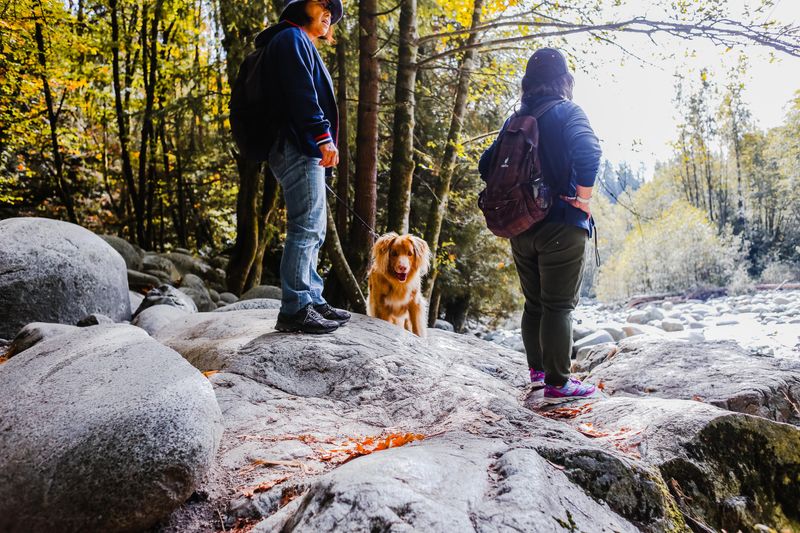
The vast majority of hikes in bluff country end with no snake sightings, which is worth remembering before anyone cancels a trip.
Timber rattlesnakes would rather avoid you. Bites in Minnesota are rare, and records show the large majority happen when someone tries to pick up, corner, or handle a snake.
Sturdy boots and long pants cover the basics on rocky trails. Leave earbuds out so you can hear that dry buzzing warning.
If you hear it, freeze for a second and locate the sound before moving. Then back away slowly and give the animal six feet or more of room.
Dogs need a leash here, since a curious nose finds trouble faster than a human does. Many veterinary clinics in the region stock antivenin and know the protocol well.
Should a bite happen, call 911 and head for a hospital right away. Keep the limb still and lower than the heart, remove rings and tight clothing, and stay as calm as you can.
Skip the old movie tricks. Cutting, suction kits, ice, and tourniquets cause more harm than help, and antivenom at a hospital is the real treatment.
Around the house, tidy up rock piles, firewood stacks, and tall grass near the foundation to make the yard less inviting to rodents. Fewer mice means fewer reasons for a snake to visit.
Anyone who finds one in an unwanted spot can contact the Minnesota DNR or a trained volunteer responder instead of handling it alone. Response times vary, but help is typically available.
Protecting A Threatened Neighbor
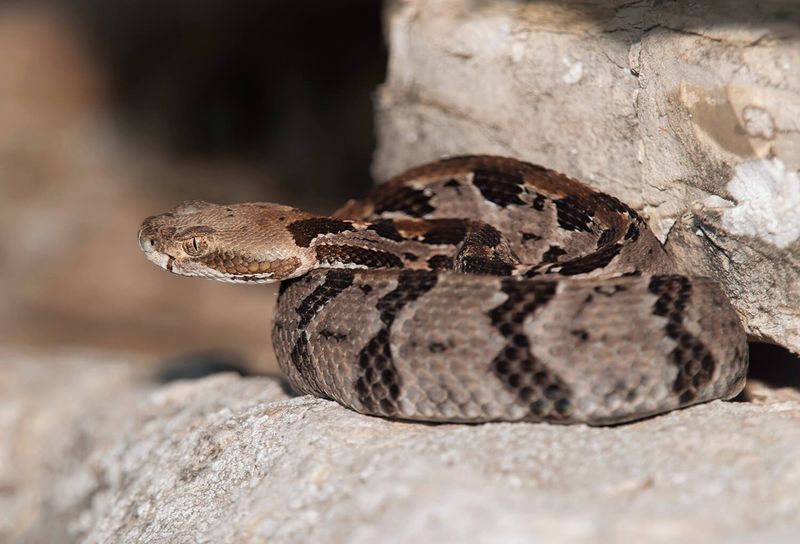
Bounty programs once paid Minnesotans cash for rattlesnake rattles, a practice that lasted from the pioneer era into the twentieth century before eventually ending.
Populations dropped sharply over those decades, and the state eventually listed the timber rattlesnake as a threatened species.
Harming, collecting, or harassing one now carries legal penalties under Minnesota law. Protection applies on public and private land alike.
Habitat loss did quiet damage too. Goat prairies grew over with cedar and brush once grazing and wildfire faded, which cooled the slopes these snakes depend on.
Restoration crews from the DNR, The Nature Conservancy, and local landowners now clear cedar and run prescribed burns to bring the sunshine back.
A rattlesnake responder network trains volunteers to relocate snakes short distances when they turn up in barns, garages, or backyards. Moving them far from home rarely works, since they struggle to find a winter den.
Citizen reports help biologists map populations, so a photo with a location sent to the DNR counts as a real scientific contribution.
Local attitudes have shifted considerably. Farmers who grew up hearing scary stories now call responders rather than grabbing a shovel, and some local schools have started introducing kids to the ecological side of the story.
Money from the Environment and Natural Resources Trust Fund has backed surveys and habitat work across the Driftless counties.
Recovery moves at the pace of a species that breeds once in several years, so patience is part of the plan. Give the bluffs time, respect the ledges, and this rare neighbor keeps its place in Minnesota’s wild corner.