Your Firewood Could Be Spreading This Invasive Beetle Across Minnesota
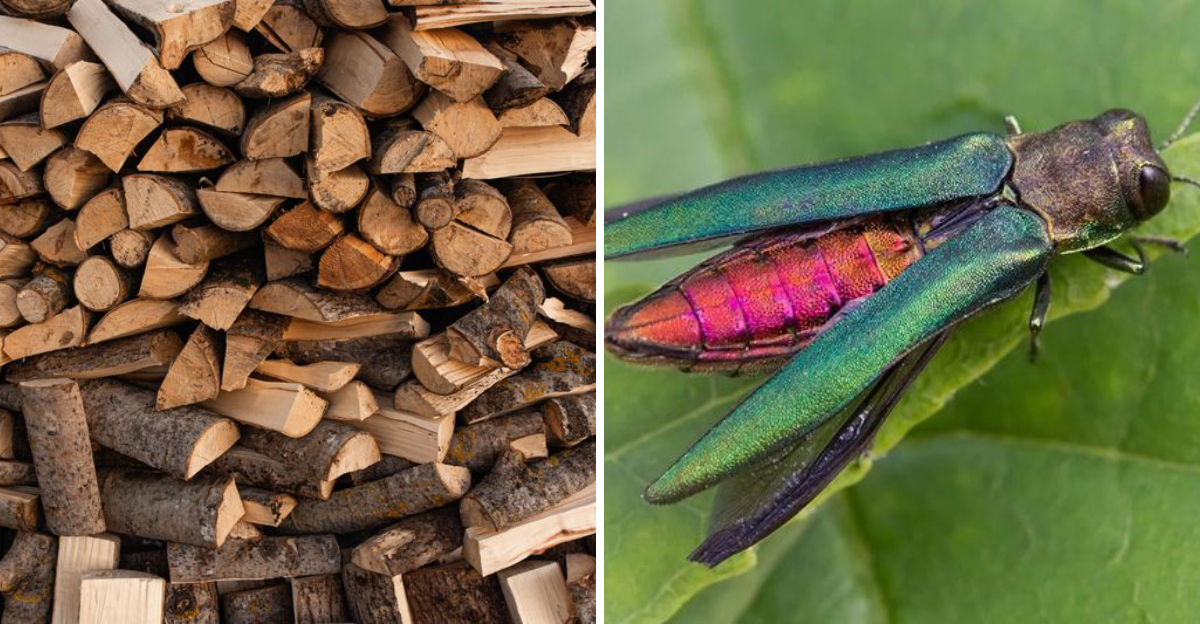
A silent invader is moving through Minnesota’s ash trees right now. You probably haven’t noticed, but the change spreads every passing day.
Emerald ash borer larvae tunnel beneath bark, slowing nutrient flow fast. Countless ash trees across the Midwest have already gone quiet.
Minnesota stands next in line, and time keeps moving fast. Firewood tossed casually into your truck bed spreads this threat.
Adult beetles fly short distances, but people move them for miles. Campgrounds, state parks, and quiet suburban neighborhoods become accidental highways for infestation.
Your property could become the next stop without much warning. Bark thins, canopies fade, and branches weaken from the top.
Woodpeckers strip bark searching for larvae, leaving trees looking worn and hollow. Stopping this pest requires quick recognition and steady action from you.
Waiting even a short while can turn your healthy tree fragile. What happens next depends entirely on what you learn now.
What The Emerald Ash Borer Is And Where It Came From
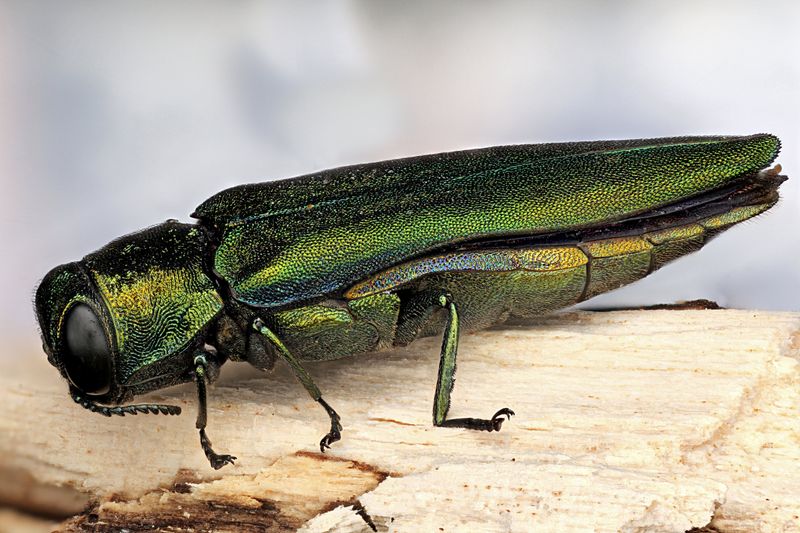
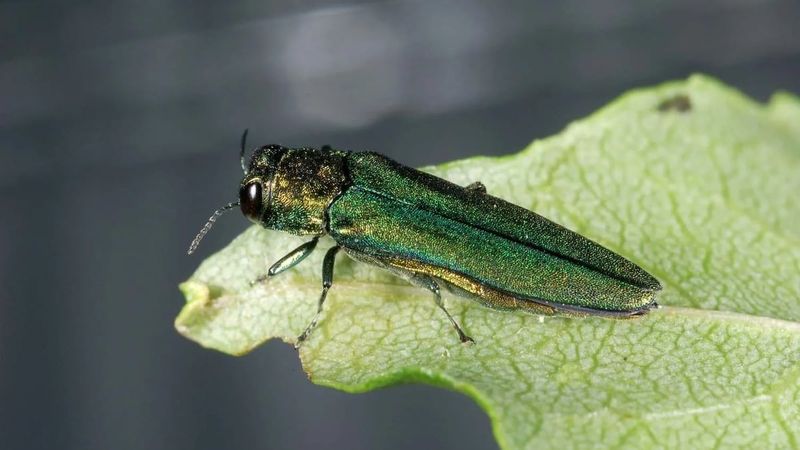
Picture a beetle so small it fits on your thumbnail, yet powerful enough to damage large stretches of forest. That is the emerald ash borer, a metallic green insect originally from Asia that accidentally arrived in the United States in the early 2000s.
It likely hitchhiked inside wooden shipping crates from China or Russia. Nobody noticed at first, because the larvae hide beneath tree bark while they feed.
Scientists believe it entered through Michigan around 2002. From there, it spread fast across the Midwest and Northeast, leaving behind ash tree losses in many of the states it reached.
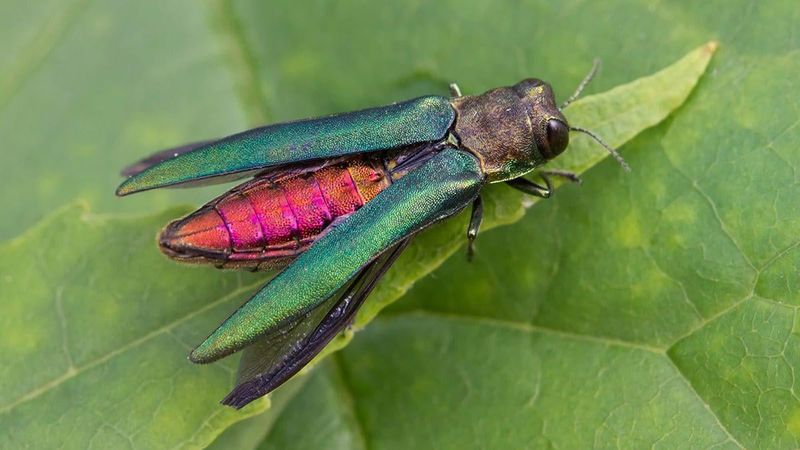
Adult beetles are actually pretty to look at. They shimmer like tiny jewels in summer sunlight, but that beauty hides significant internal damage.
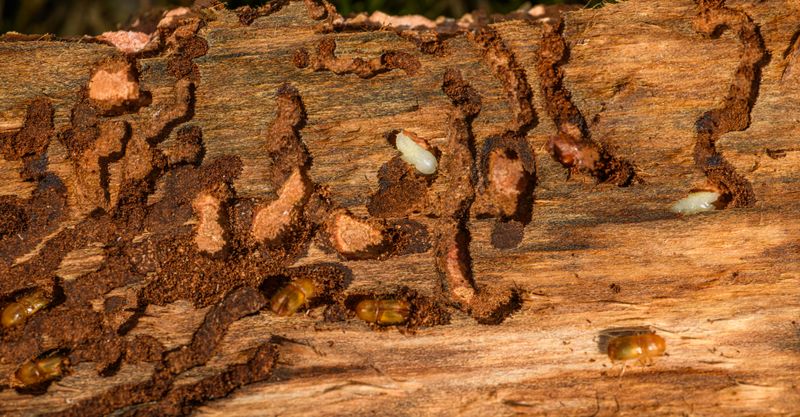
The larvae are the real troublemakers. They tunnel through the inner bark of ash trees, cutting off the flow of water and nutrients the tree needs to survive.
Ash trees have no evolved resistance to this pest. They never developed defenses because they did not evolve alongside the emerald ash borer.
Minnesota has a substantial economic and ecological investment in ash trees across its forests, neighborhoods, and parks. Losing them would reshape local landscapes for the long term.
Knowing where this insect came from helps explain why it spreads so aggressively. It is operating in an environment with no natural predators and no resistant host trees to slow it down.
How Firewood Movement Spreads The Infestation
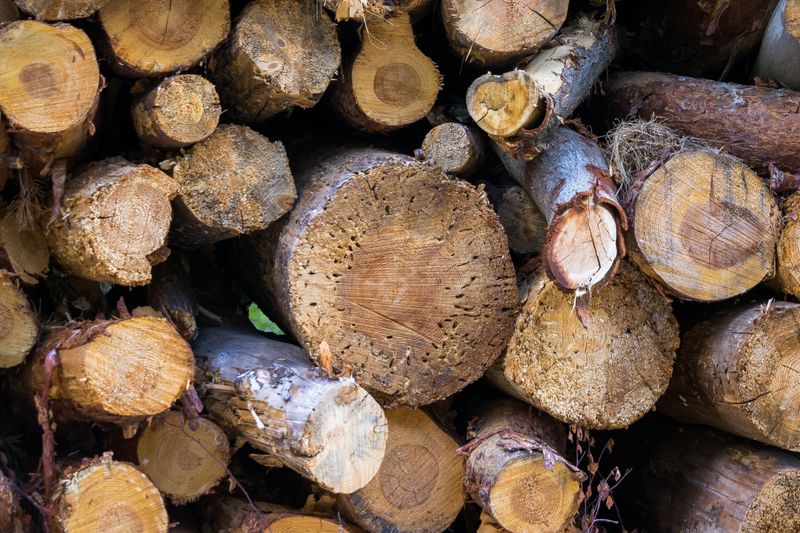
Camping season is a higher-risk time of year for ash trees. People load up their trucks with firewood from home, drive hundreds of miles, and unknowingly carry beetle larvae with them the whole way.
Firewood is the number one way the emerald ash borer jumps from one county to another. The larvae burrow so deep inside logs that you simply cannot see them from the outside.
A single piece of infested ash firewood can release dozens of adult beetles the following summer. Those beetles then fly into nearby forests and start new infestations that were not there before.
Your Minnesota Garden Changes Every Week. Your Plan Should Too.
Gardening in Minnesota changes quickly throughout the season. Every Friday you’ll receive a simple weekly plan showing exactly what to plant, prune, fertilize, harvest, and protect so you never miss the right timing.
Experts say the beetle can fly naturally about half a mile on its own. But with human help, it can travel hundreds of miles in a single trip.
Campgrounds have become common sites for new infestations because visitors bring wood from home instead of buying local. Many people do not realize this is a problem until it is too late to stop the spread.
The Minnesota Department of Agriculture has been tracking new detections closely. A large number of newly affected counties were identified near popular camping areas and state parks.
Buying firewood locally, near where you plan to burn it, is one of the simplest ways to slow this pest down. The phrase “buy it where you burn it” sounds simple because it is.
Protecting Minnesota forests starts with small choices that every camper and homeowner can make this season.
Counties Newly Affected In Minnesota
The map of confirmed emerald ash borer locations in Minnesota keeps growing every single year. New counties are added to the quarantine list regularly as detection surveys turn up fresh evidence of the beetle’s presence.
As of the most recent updates, dozens of Minnesota counties have confirmed infestations. Many of those new additions are in areas that were considered relatively safe just a few years ago.
Central and northern Minnesota counties have seen some of the most alarming new finds. These regions are home to dense ash populations that could experience heavy losses without fast intervention.
Detection happens through a combination of trapping, aerial surveys, and reports from the public. Purple prism traps hung in trees attract adult beetles and help scientists map where the pest has traveled.
Some newly affected counties border others that were already under quarantine. That pattern suggests the beetle is moving steadily outward from established infestations rather than popping up randomly.
Firewood movement is often blamed when a new county shows up on the map far from known infestations. Those isolated discoveries are a clear warning sign that someone transported wood across quarantine lines without knowing the rules.
Residents in newly quarantined counties often feel surprised when they hear the news. The beetle works quietly for years before the damage becomes obvious enough to notice from the ground.
Checking the Minnesota Department of Agriculture website for updated county maps is the fastest way to know if your area is now affected.
Signs Your Ash Trees May Be Infested
Ash trees do not send out obvious distress signals right away, which makes early detection tricky. By the time most homeowners notice something is wrong, the infestation is already well established inside the tree.
One of the clearest signs is a thinning canopy at the top of the tree. Branches at the crown start losing leaves first, and that decline slowly works its way downward over the following seasons.
Look for small D-shaped exit holes in the bark, about the size of a pencil tip. Adult beetles chew through these openings in late spring when they emerge to mate and lay eggs.
Another clue is unusual woodpecker activity on an ash tree. Woodpeckers love to dig for the larvae underneath the bark, and they can strip away large patches of outer bark in the process.
Peeling back a section of loose bark may reveal winding, S-shaped tunnels carved by feeding larvae. Those galleries are a definitive sign that the emerald ash borer has been at work inside your tree.
New sprout growth shooting up from the base of the trunk is also a warning sign. The tree is trying to produce new growth from its roots when the upper portion is failing. Catching an infestation early gives you more options for treatment.
Some insecticide treatments can protect trees if applied before the infestation becomes too severe to manage effectively. When in doubt, call a certified arborist who knows exactly what to look for on ash trees.
Why Quarantine Rules Exist For Firewood
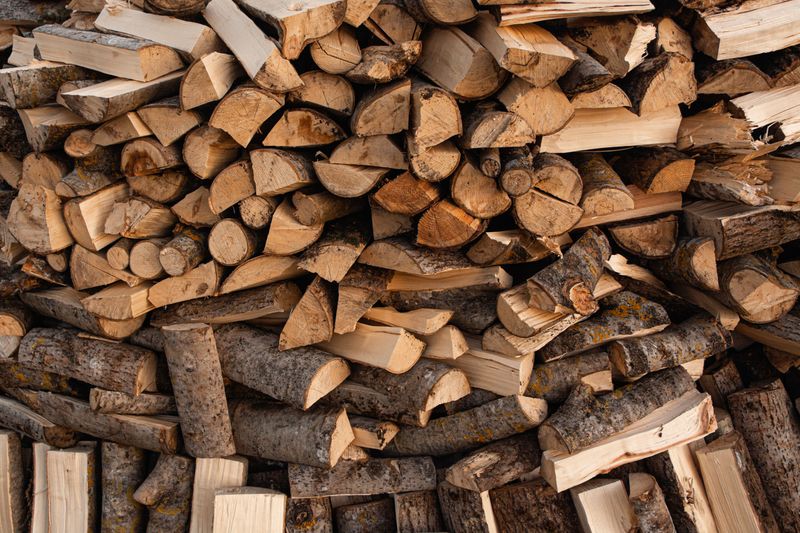
Quarantine rules are not meant to ruin camping trips. They exist because scientists know that regulated movement of wood is one of the most effective tools available to slow a pest like the emerald ash borer.
When a county is placed under quarantine, it means moving certain wood materials out of that area is restricted. Ash logs, ash lumber, and hardwood firewood are the main items covered under these regulations.
Breaking quarantine rules is not just a fine risk. It can directly cause new infestations in counties that might otherwise have stayed protected for several more years.
The regulations are backed by state law, which means penalties can be significant for violations. Inspectors can stop vehicles and check loads at certain points during high-risk seasons.
Some people feel the rules are excessive or inconvenient, and that frustration is understandable. But the cost of enforcement is tiny compared to the economic toll that widespread ash loss would bring to communities across the state.
Ash trees line thousands of miles of streets in Minnesota cities and towns. Replacing even a fraction of them after a widespread infestation would strain municipal budgets for decades.
Quarantine zones also help researchers track where the beetle is and where it is not. Keeping those boundaries intact makes the data more reliable and the response more targeted.
Following the rules is one of the most effective things an average person can do to protect Minnesota trees from further harm.
Steps To Protect Trees And Stop The Spread
Protecting ash trees feels overwhelming at first, but the steps are actually straightforward once you know where to start. Awareness is the first layer of defense, and you are already building that by reading this.
Start by identifying every ash tree on your property. Ash trees have compound leaves with five to eleven leaflets arranged in pairs, plus a distinctive diamond-shaped bark pattern on mature trunks.
Once you know which trees are ash, talk to a licensed arborist about preventive treatment options. Systemic insecticides applied to the soil or trunk can protect healthy trees before the beetle arrives in your area.
Treatment works best as a preventive measure, not a rescue plan. Trees that are already heavily infested may be unlikely to recover with treatment, so acting early is the smartest financial and ecological move.
Never move firewood across county lines, and always buy wood from local vendors near your campsite or destination. This single habit, practiced consistently, genuinely slows the spread of the emerald ash borer.
Report any suspicious tree damage or beetles to the Minnesota Department of Agriculture right away. Early reports from the public have helped officials catch new infestations before they expanded into larger areas.
Support local programs that plant diverse tree species in neighborhoods and parks. A forest with many different species is far more resilient than one dominated by a single type of tree.
Stopping the emerald ash borer from spreading further across Minnesota is possible, but it takes everyone doing their small part consistently and without delay.