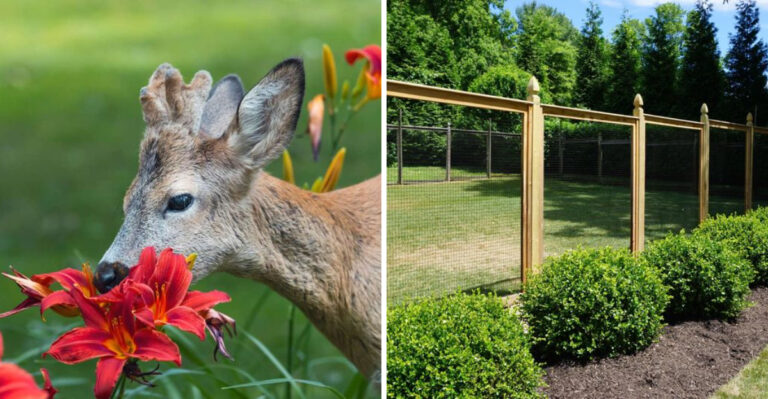
Can You Trim Boxwoods In September In Ohio? What To Do With Overgrown Plants Before Winter
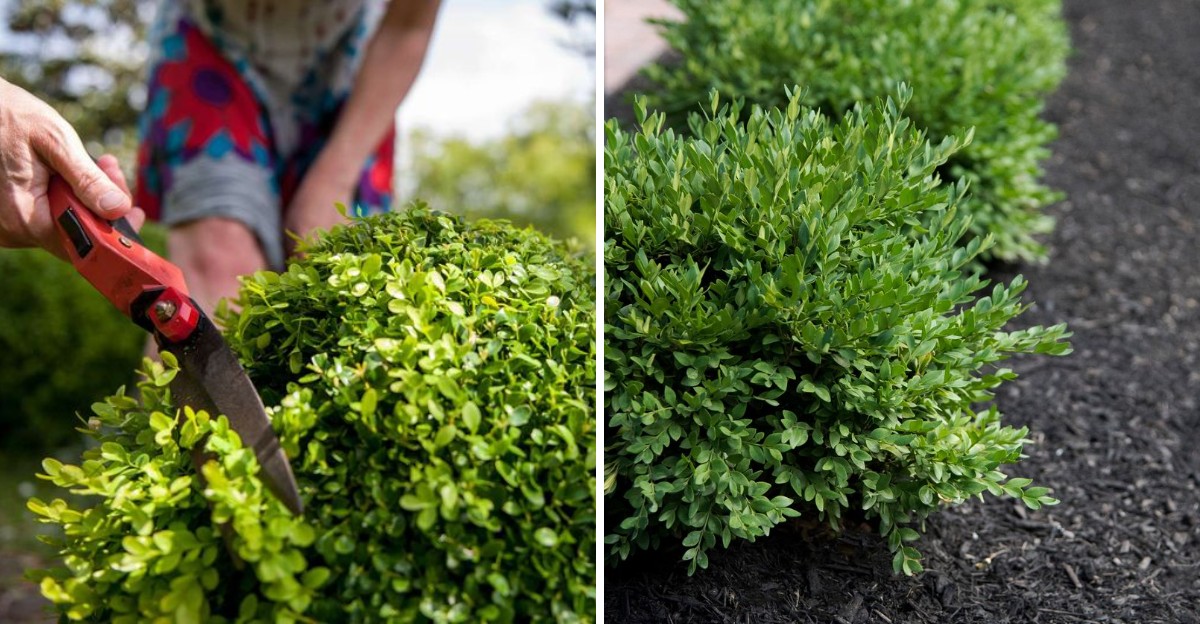
Those boxwoods have grown wild since the last trim back in spring. Dense enough now that the shape underneath is barely recognizable.
September rolls around, and cutting them back feels like the obvious move before winter.
Timing matters more than most people think. Pruned too late, boxwoods put out fresh growth with no time to harden off before the cold hits.
That new growth is exposed the second temperatures drop hard. Cut at the wrong moment, and a boxwood that looked healthy all fall can come out the other side of winter with withered, browned-out patches scattered across it.
Ohio’s window for this is narrower than most gardeners assume. Knowing where that cutoff actually falls decides whether overgrown boxwoods get cleaned up safely, or pay for it once the cold really sets in.
1. Keep September Boxwood Trimming Light In Ohio
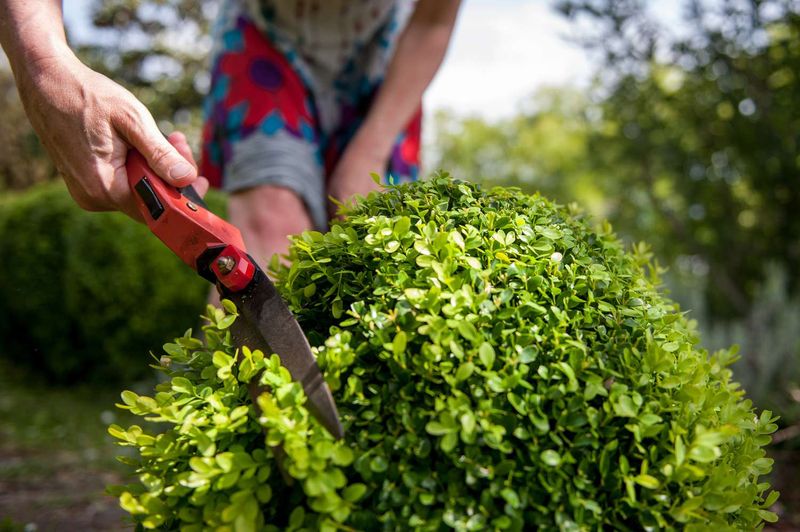
Think of September trimming as light cleanup, not a full haircut. Removing a few stray shoots or branches that are clearly out of place is usually very different from shearing the entire shrub back into shape.
Here is why timing gets touchy in Ohio. Cutting boxwood signals the plant to push fresh growth, and that tender new foliage needs weeks of warm weather to toughen up before frost shows up.
Late summer through fall is widely considered the least favorable stretch for pruning boxwoods. Soft shoots that have not hardened off can brown out once cold nights arrive, leaving you with patchy, scorched tips come spring.
If you garden in northeast Ohio, keep any September pruning limited to small corrective cuts and finish well before the weather turns consistently cold.
That means clipping a branch that flops over the sidewalk or removing one awkward shoot poking out of the shape, not reshaping the entire shrub.
Use hand pruners instead of hedge shears for this kind of work. Shears remove growth across the whole surface, while pruners let you target only what actually bothers you.
A good rule for early fall: if you are removing more than a handful of small shoots, put the tool down. Save the real reshaping for the right season and spend September doing easier chores like watering, weeding, and scouting for problems.
2. Save Major Boxwood Pruning For Late Winter
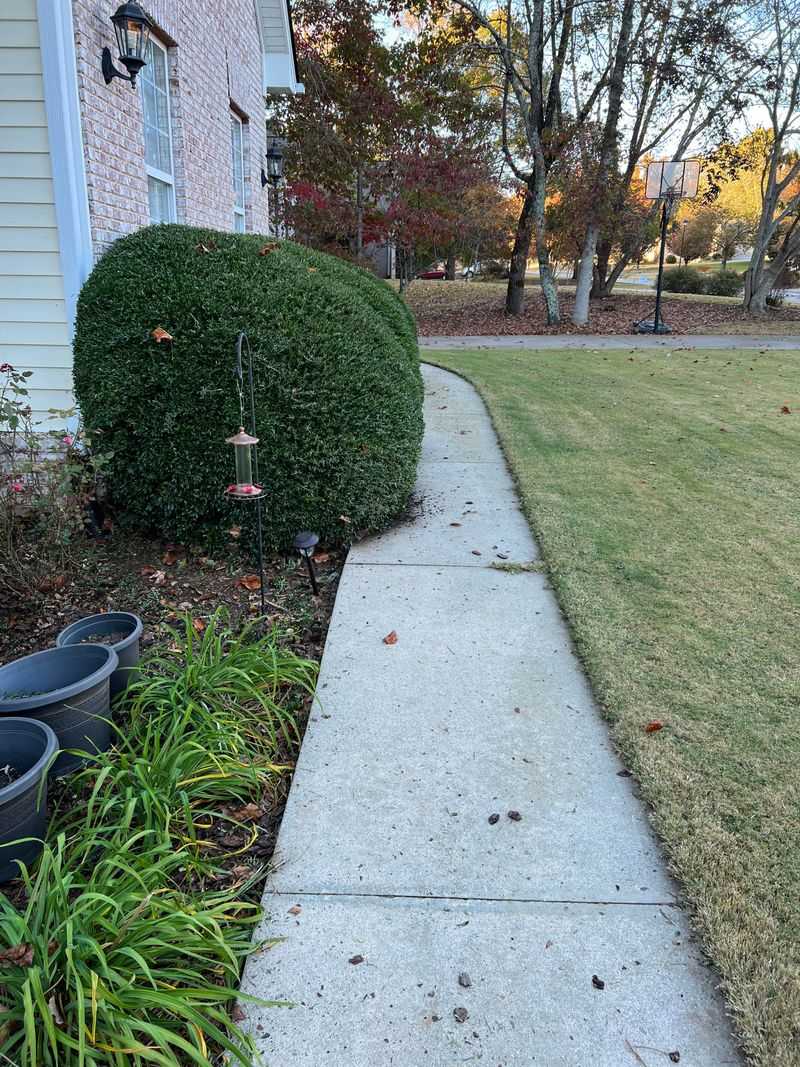
Patience pays off here, and the calendar is your best tool. For major reshaping, late winter is generally the better window in Ohio, before spring growth gets underway.
The exact timing varies with the weather and your location, so aim for the dormant period rather than treating one calendar date as a hard endline.
Pruning while a plant is dormant shortens the waiting period between your cuts and the flush of fresh leaves that hides them.
Instead of staring at stubby brown stems for months, you get green filling in within weeks.
Dormant boxwoods are better positioned for major structural pruning because the plant is not actively pushing tender new foliage. Once spring growth begins, the remaining buds and branches can respond to the pruning and gradually rebuild the shape.
Your Ohio Garden Changes Every Week. Your Plan Should Too.
Gardening in Ohio changes quickly throughout the season. Every Friday you’ll receive a simple weekly plan showing exactly what to plant, prune, fertilize, harvest, and protect so you never miss the right timing.
Winter pruning has a practical bonus too. With no leaves on nearby trees and shrubs, you can actually see the branch structure and decide which limbs are crowding the middle.
Mark your calendar now for a late-winter pruning day. Watch the forecast and pick a stretch when temperatures sit above freezing, since frozen stems can crack and tear under pressure.
Keep loppers and hand pruners sharpened over the winter months so they are ready to go. Clean, sharp blades make smooth cuts that close over quickly, while dull ones crush stems and invite trouble.
Your September job is simply planning. The cutting comes later, and your shrubs will thank you.
3. Mark Overgrown Branches Now And Make The Big Cuts Later
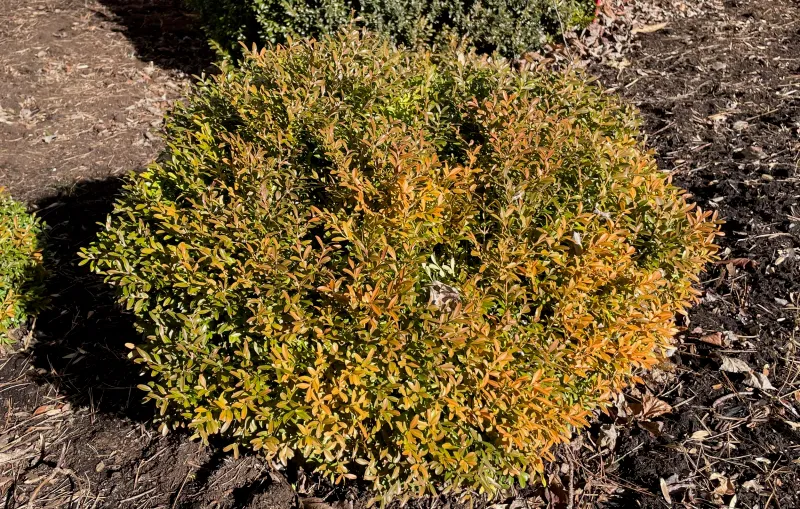
Flagging tape might be the most underrated garden tool you own. A roll costs a few dollars and turns fall scouting into a head start on spring pruning.
Walk around each boxwood and look for the branches causing the real problems. Maybe one arm blocks a window, another leans into the walkway, and a third has grown well past the shrub’s outline.
Tie a piece of bright tape or a twist tie on every offender. When late winter arrives and everything looks similar without the distraction of lush growth, those markers tell you exactly where to start.
Snap a few photos on your phone too, taken from the same spots each time. Comparing pictures helps you judge how much size reduction the shrub honestly needs.
While you are out there, sketch a rough plan. Note whether you want the shrub shorter, narrower, or simply opened up in the middle so light reaches the inner leaves.
Major size reduction on boxwoods belongs in late winter or early spring, so resist the urge to grab the loppers in September. Marking satisfies that itch to do something without risking tender growth.
Come February, you will feel like your past self left you a gift. Labeled branches, clear photos, and a plan make the work go fast.
4. Use Rejuvenation Pruning To Reset Severely Overgrown Boxwoods
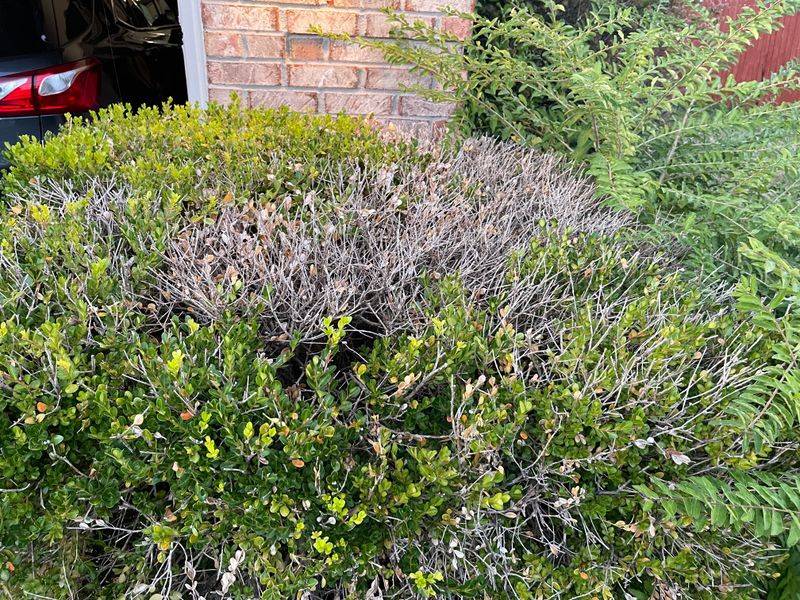
Some boxwoods get so leggy and enormous that trimming the surface no longer helps. That is when rejuvenation pruning steps in as a full reset button.
Schedule the work for late winter or early spring and reach for loppers and hand pruners rather than hedge shears. You are cutting thick interior stems back to a lower point, not skimming the outside.
Restraint is what makes this succeed. Avoid removing a large portion of the canopy all at once, particularly on an old or weakened shrub.
Severe size reduction is often better handled gradually over more than one season.
Really oversized shrubs often need the job spread across two or three seasons. Take one side or one section down each year and let the plant recover between rounds.
Boxwoods can sometimes produce new growth from older wood, but their ability to recover from severe cuts varies with the plant, cultivar, age, and growing conditions.
For thinning rather than shortening, do the work during the dormant period and choose a day when temperatures are above freezing so the stems are less likely to crack during cutting.
Feed and water well through the following season to support the flush of new growth. A little patience turns a shapeless giant back into a tidy, leafy mound.
5. Inspect Every Boxwood For Box Tree Moth Before Pruning
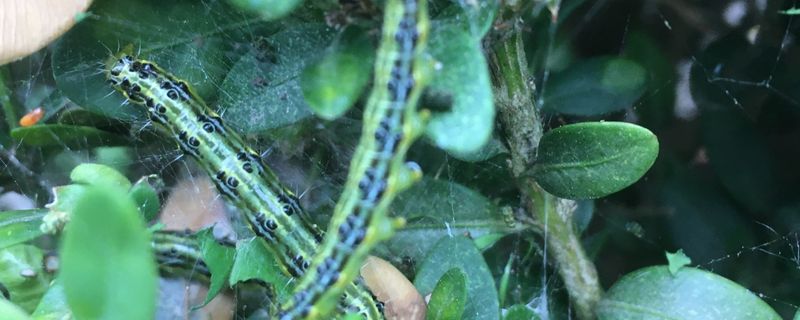
Box tree moth has been detected in Ohio, making a careful inspection worthwhile before you move or prune boxwoods. Check current Ohio Department of Agriculture guidance for the latest confirmed locations and reporting instructions.
The caterpillars are the troublemakers, feeding on boxwood leaves until branches go bare. Look for green and yellow bodies marked with white, yellow, and black stripes plus scattered black spots.
Damage clues are often easier to spot than the insects themselves. Chewed or missing leaves, yellowing or browning foliage, fine white webbing, and green-black droppings called frass all point toward an infestation.
One telltale sign has a nickname. Curlicue damage happens when caterpillars eat the middle of a leaf and leave the edges behind, which curl up and turn brown.
Part the branches with your hands and check inside the shrub, not just the outer surface. New growth and inner foliage are favorite feeding spots, and early detection makes management far easier.
Inspect before you prune, since hauling infested clippings across your yard can spread the problem. Bag suspicious debris rather than tossing it on the compost pile.
Report anything that looks like box tree moth to the Ohio Department of Agriculture. Your heads-up helps neighbors and local nurseries stay ahead of it.
6. Clean Pruning Tools And Watch For Signs Of Boxwood Disease
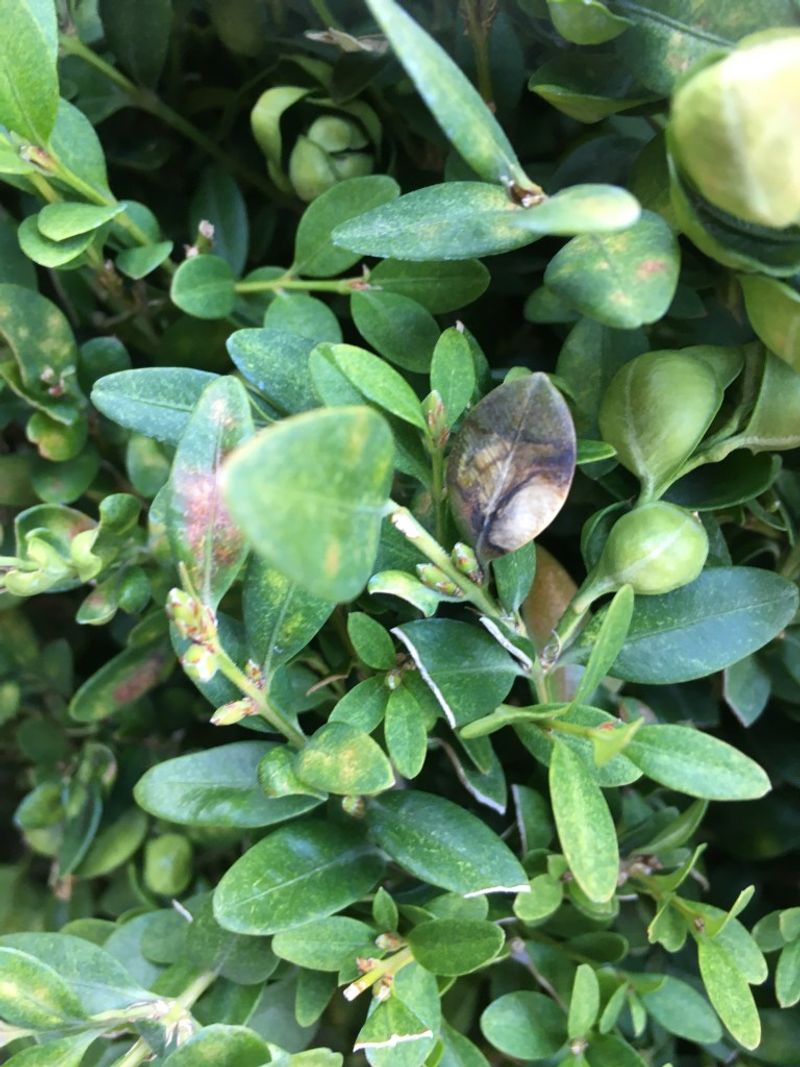
A dirty blade can carry trouble from one shrub to the next without you noticing. Cleaning tools before and after every session is one of the cheapest forms of plant insurance.
Disinfect between plants, and after each cut if you suspect disease. For routine tool disinfection, 70% isopropyl alcohol is a convenient option.
If you use a bleach solution, follow the product’s current label directions and rinse and dry the tools afterward to reduce corrosion. Alcohol is simple: wipe or dip the blades and get back to work.
If you use a bleach-based disinfectant, follow the recommended contact time on the product label, then rinse and dry the blades to limit corrosion.
Boxwood blight is the big worry in Ohio, first found in Lake County in 2012. Watch for light or dark brown leaf spots with darker borders, rapid leaf browning and drop, and black diamond-shaped lesions on stems.
Blight moves through splashing rain and irrigation, infected plant material, and contaminated tools. Overhead watering and shared shears give it easy rides between shrubs.
Volutella blight looks different. Leaves turn yellow to yellowish-brown but stay stuck on the stems, and cankers form on the wood underneath.
Prune out infected branches promptly and get the debris away from your yard rather than composting it. Bag it, and clean your blades again before touching healthy plants.
7. Water Boxwoods Deeply Before The Ground Freezes
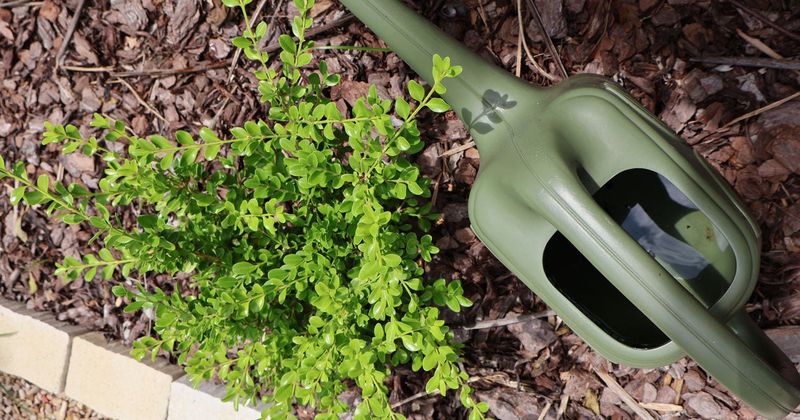
Ohio falls can turn surprisingly dry, and thirsty boxwoods head into winter already stressed. Water is the quiet hero of good winter survival.
Young shrubs planted within the last couple of years need the most attention, since their roots have not spread far. Keep them on a steady schedule rather than watering whenever you happen to remember.
Soak the root zone thoroughly throughout fall, especially during dry spells, and keep going until the ground freezes. Plants that enter winter well hydrated handle cold stress and winter burn much better.
Aim for deep and infrequent rather than a daily sprinkle. About 1 inch of water per week, counting whatever rain falls, is a solid target for most Ohio yards.
Time it wisely as temperatures drop. Water on a mild day when the soil is not frozen, preferably early enough for the water to soak into the root zone before temperatures drop sharply overnight.
Soggy soil creates its own set of problems, so skip watering if the ground is already damp an inch or two down. Poke a finger in and let the soil answer for you.
A soaker hose laid under the shrubs makes this nearly effortless. Turn it on, set a timer, and let gravity carry water straight to the roots.
8. Protect Shallow Roots With A Proper Layer Of Mulch
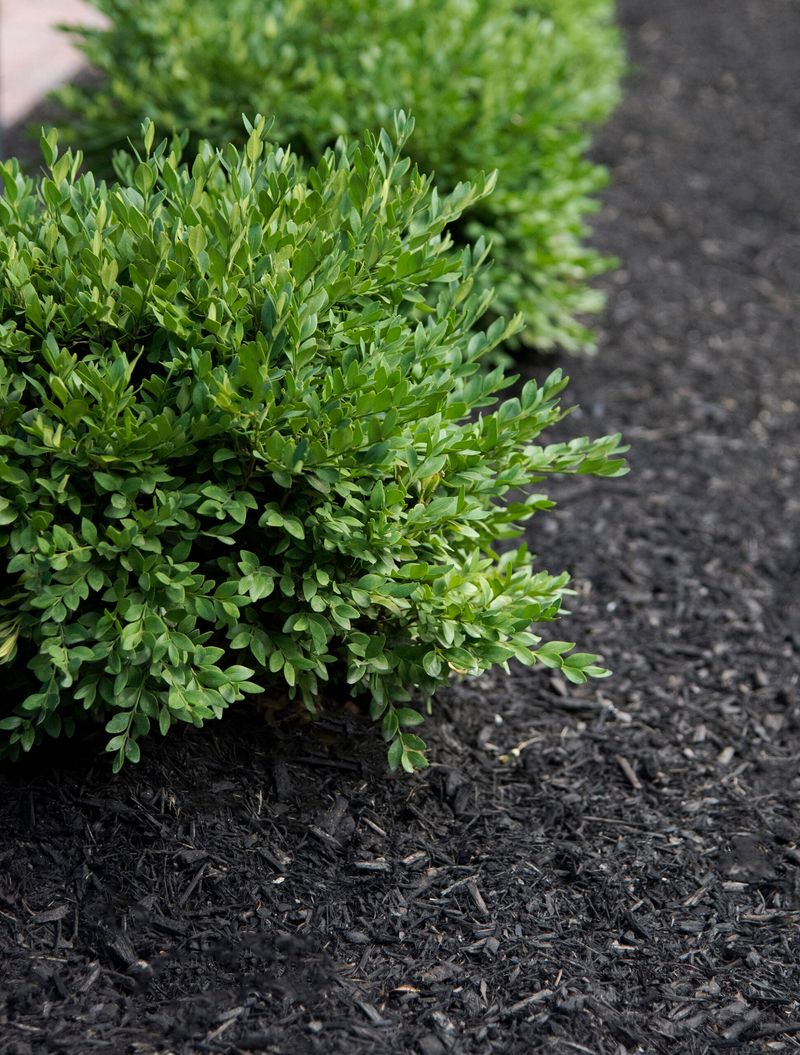
Boxwood roots run shallow, which means they feel every temperature swing Ohio throws at them. A blanket of mulch smooths out those ups and downs.
Spread 2 to 3 inches of organic material such as wood chips, pine straw, shredded bark, or compost around the base. Each of these breaks down slowly and feeds the soil as it goes.
The benefits stack up nicely. Mulch holds soil moisture, insulates roots from sudden cold snaps, moderates soil temperature, and keeps weeds from muscling in.
Mulch can also help keep soil from splashing onto lower foliage during rain. Keep the layer shallow and away from the stems so you improve the planting bed without creating a damp pocket around the base of the shrub.
One mistake shows up in yard after yard. Piling mulch right up against the stems traps moisture there and creates cozy conditions for rot, pests, and fungal problems.
Leave a small gap around the base so air can move freely. Think doughnut shape, not volcano.
For boxwoods already growing in established beds, go easy on the refresh. Adding no more than half an inch of new mulch each year keeps the layer from getting too thick and smothering roots.
Rake the old mulch to fluff it up first. Sometimes that is all it needs.
9. Shield Exposed Boxwoods From Winter Sun And Drying Winds
Winter wind does not just feel cold, it pulls moisture right out of evergreen leaves. Boxwoods sitting in open, exposed spots take the worst of it.
Exposed locations can be especially tough because winter winds increase moisture loss while bright winter sun can warm foliage unevenly. South- and southwest-facing sites can be particularly challenging when the sun strikes frozen foliage.
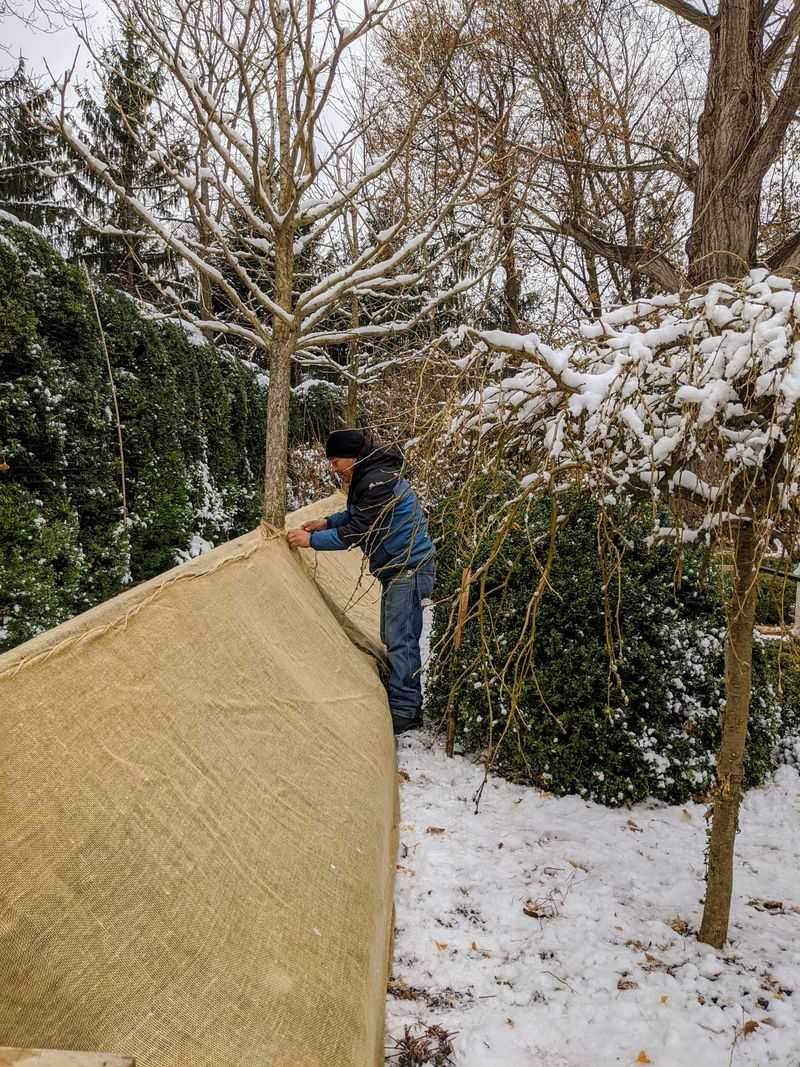
For shrubs in those tough locations, build a barrier. Snow fencing, burlap, or lattice windbreaks set a few feet away take the edge off the wind without crowding the plant.
You can also wrap the shrub itself in burlap or another breathable fabric to shield foliage from freezing gusts. Skip plastic, which traps condensation and creates wild temperature swings inside.
Anti-desiccant products are another option for reducing moisture loss from evergreen foliage, but use them only according to the product label and only when conditions are appropriate for application.
Snow brings its own headaches. Heavy, wet loads can splay branches outward and break them, so brush accumulation off gently with a broom, sweeping upward.
When you shovel the driveway or walk, aim that snow somewhere else. Piling it on top of boxwoods adds serious weight and often buries them in salty slush.
A little prep in November saves a lot of repair work in April.