The Best Places To Watch Fall Bird Migration In Ohio
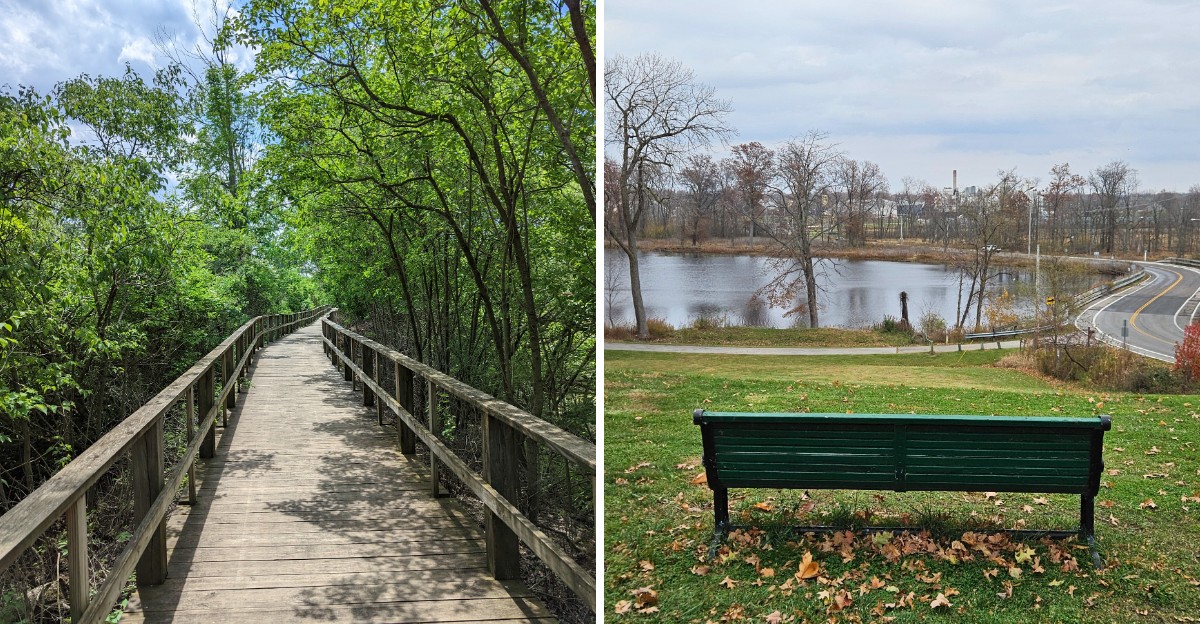
A former sediment dump on Cleveland’s lakefront now lists more than 280 bird species. Yes, a dump.
Ohio’s Lake Erie shore turns into a giant rest stop each fall.
Tiny songbirds pause here before crossing the big lake. Ducks and swans pile into the marshes by the thousands.
Hawks and eagles patrol the skies above them. I like how the show changes almost weekly from September into November.
You need only binoculars, comfy shoes, and a little patience. Some of the best spots are boardwalks and old farm fields.
One is even a quiet cemetery in the middle of a big city. Personally, I find that last one the most charming surprise.
Fall migration doesn’t wait for anyone, though. The birds keep a tight schedule.
Grab a thermos of coffee and pick wisely. So which stop deserves your first Saturday morning?
1. Magee Marsh Wildlife Area
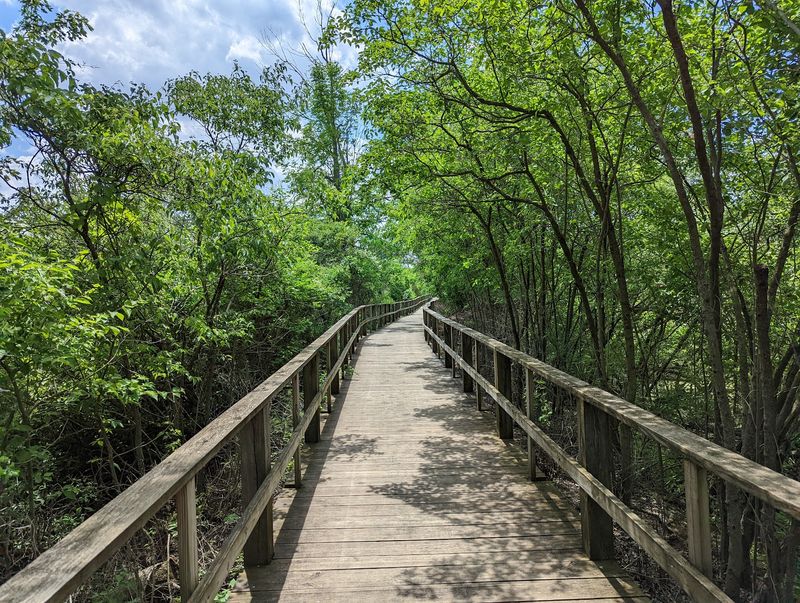
Birders from around the world plan trips around one short boardwalk in northwest Ohio. Spring gets the famous crowds, but fall quietly delivers its own parade.
Magee Marsh sits right on the Lake Erie shore near Oak Harbor. The Ohio Department of Natural Resources manages the area for wildlife and visitors.
The real star is the boardwalk. It winds about a mile through a wooded beach ridge, and songbirds love that strip of trees.
Why there? Small birds heading south reach the lake and need a place to rest and refuel before or after the crossing.
More than 300 bird species have been recorded here over the years. That list includes dozens of warbler species, so bring a field guide.
Fall warblers can be tricky, though. Many trade their bright spring colors for duller outfits, which makes identifying them a fun puzzle.
Don’t spend the whole visit staring into the trees. The open marsh hosts ducks, geese, and teal as the season moves along.
Duck numbers often climb toward their fall peak in November. Bald eagles also cruise over the wetlands, so glance up now and then.
Early morning tends to be the liveliest time for songbirds. A calm day after a night of north winds can bring fresh arrivals.
You also get flat, easy walking on the boardwalk. Strollers and casual walkers can enjoy the birds right alongside serious listers.
Address: 13229 W State Route 2, Oak Harbor, OH 43449
2. Ottawa National Wildlife Refuge
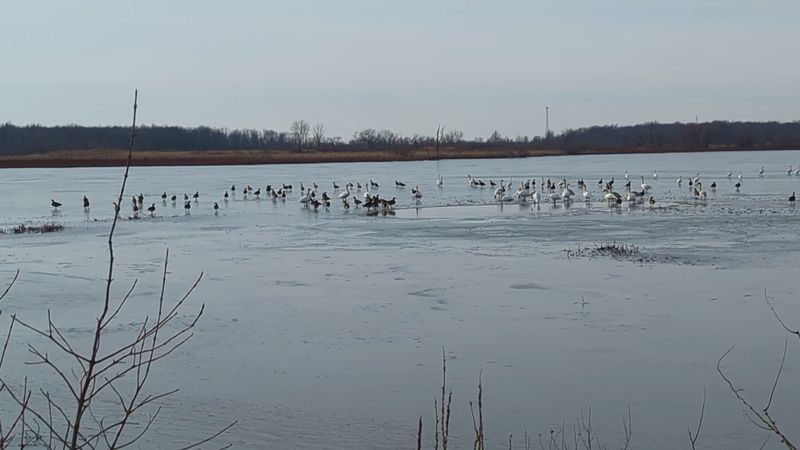
Long before the swans showed up, this ground belonged to the Great Black Swamp. Most of that swamp was drained for farms, but a big chunk lives on here.
Ottawa National Wildlife Refuge was established in 1961 to protect migrating birds. The U.S.
Fish and Wildlife Service runs it today, and the refuge sits just down the road from Magee Marsh.
October is when things really heat up. Waterfowl numbers swell, and the first tundra swans start dropping in from the north.
Hearing a swan flock overhead is a treat. Their calls sound almost like distant, cheerful horns.
Sandhill cranes also gather in the marshes during fall. Watch for their tall gray shapes and listen for that rattling, prehistoric call.
The refuge offers miles of trails along dikes and through woods. Those raised paths give you wide views over the water without getting your feet wet.
Want to bird from your car? A wildlife drive opens on select days, letting you roll slowly through the marsh with your windows down.
Check the refuge schedule before you go. Drive dates can change from season to season.
A visitor center helps you get your bearings. Staff and displays can point you toward recent sightings and good loops.
Pair this stop with Magee Marsh for a full Ohio birding day. Songbirds in the morning, swans in the afternoon, and a very happy notebook by dinner.
Address: 14000 W State Route 2, Oak Harbor, OH 43449
3. Howard Marsh Metropark
Farm fields once stretched across this land in Curtice. Then someone decided the ducks deserved it back.
Metroparks Toledo turned the former farmland into a restored wetland near Lake Erie. The park opened to visitors in 2018 and quickly earned fans in the birding world.
That’s a pretty fast glow-up. Birders have since logged more than 230 species here, including some surprise rarities.
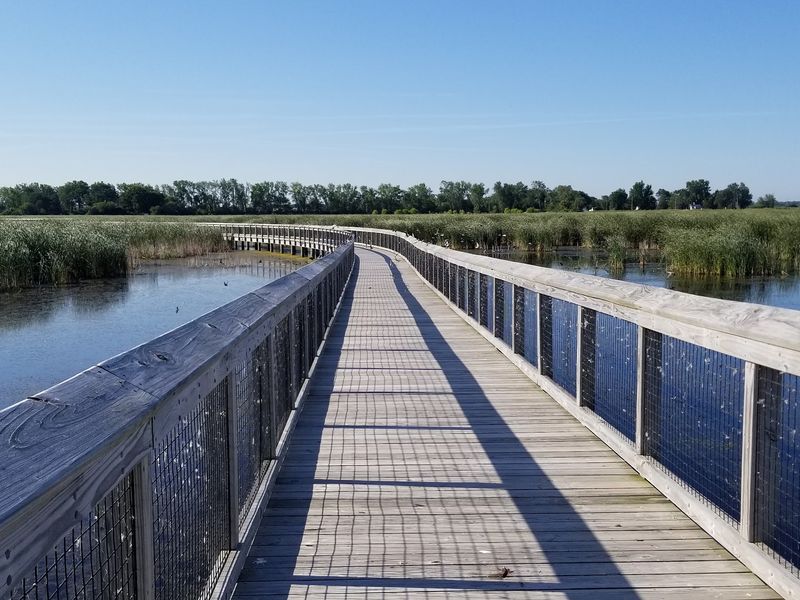
The layout feels different from a typical nature preserve. You can paddle water trails through the marsh or walk and bike along the dike-top paths.
Kayaking during migration is a special kind of fun. You glide at eye level with the birds and see the marsh from their side.
Fall brings a mix of ducks, swans, herons, and egrets. Ospreys and bald eagles patrol overhead, and sandhill cranes sometimes show up too.
Shorebirds can also turn up on muddy edges as water levels shift. Those little sandpipers are easy to overlook, so scan slowly.
Bring a scope if you have one. The wide-open water rewards patient viewers who can pick out distant flocks.
Wind off the lake can feel chilly, even on sunny fall days. Pack an extra layer and a hat.
Howard Marsh shows what a comeback can look like in Ohio. Watching thousands of birds use land that once grew crops feels like a small victory you can share.
Address: 611 S Howard Rd, Curtice, OH 43412
4. Cleveland Lakefront Nature Preserve
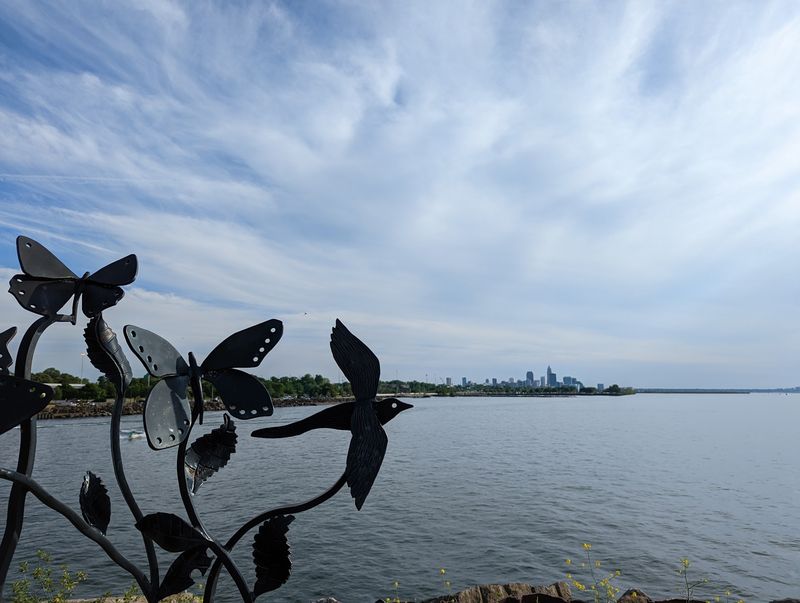
Few nature preserves can brag about starting life as a giant pile of river mud. This one owns that story proudly.
Locals often call it Dike 14. For years, crews filled it with sediment dredged from the Cuyahoga River and Cleveland Harbor.
Once the dumping stopped, plants moved in on their own. Meadows, shrubs, and young trees took over the 88-acre peninsula.
The Cleveland-Cuyahoga County Port Authority opened it to the public in 2012. Today, more than 280 bird species have been recorded on the site.
So why do birds love it? It juts into Lake Erie, giving tired migrants the first patch of cover they spot near the shore.
Some fall days bring a fallout. That’s when weather pushes large numbers of birds down at once, and the bushes seem to buzz.
October is sparrow season here. The grassy fields fill with several kinds, so it’s a great place to practice telling those little brown birds apart.
Don’t panic if they all look the same at first. Focus on face patterns and streaks, and your brain will catch up.
The trails loop through open meadows with lake views. You can see downtown Cleveland on clear days, which makes for a fun city-meets-wild photo.
Keep your eyes on the sky too. Hawks follow the shoreline during fall, hunting along the edges of the fields.
Address: 8701 Lakeshore Blvd NE, Cleveland, OH 44108
5. Wendy Park
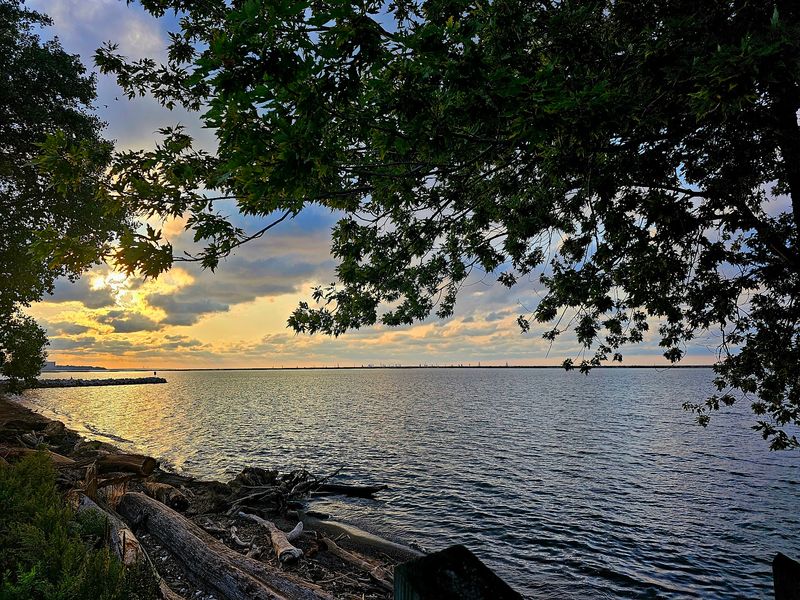
Cottonwoods, cargo ships, and a skyline view make an odd but lovely birding combo. You’ll find all three on Whiskey Island.
Wendy Park sits where the Cuyahoga River meets Lake Erie, right next to downtown Cleveland. Cleveland Metroparks manages the 22-acre park today.
Small size, big results. More than 270 bird species have been recorded here.
The trees and thickets act like a magnet for songbirds during migration. After crossing open water, birds drop into the first green space they find.
Fall brings another bonus with wings. Monarch butterflies often gather here on their long trip south, sometimes resting in the trees in large groups.
Seeing a branch covered in orange is unforgettable. Bring a camera with a decent zoom.
History fans get a treat too. The old Coast Guard station stands nearby, a landmark from Cleveland’s working waterfront past.
You can reach the park by bike or on foot from nearby trail connections. That makes it a handy stop if you’re already exploring the city.
Try a weekday morning for quieter paths. Birds tend to be most active early, before the day gets busy.
Wendy Park proves Ohio birding doesn’t require a long drive into the countryside. Sometimes the best migrants show up within sight of a stadium.
Address: 2800 Whiskey Island Dr, Cleveland, OH 44102
6. Mentor Marsh State Nature Preserve
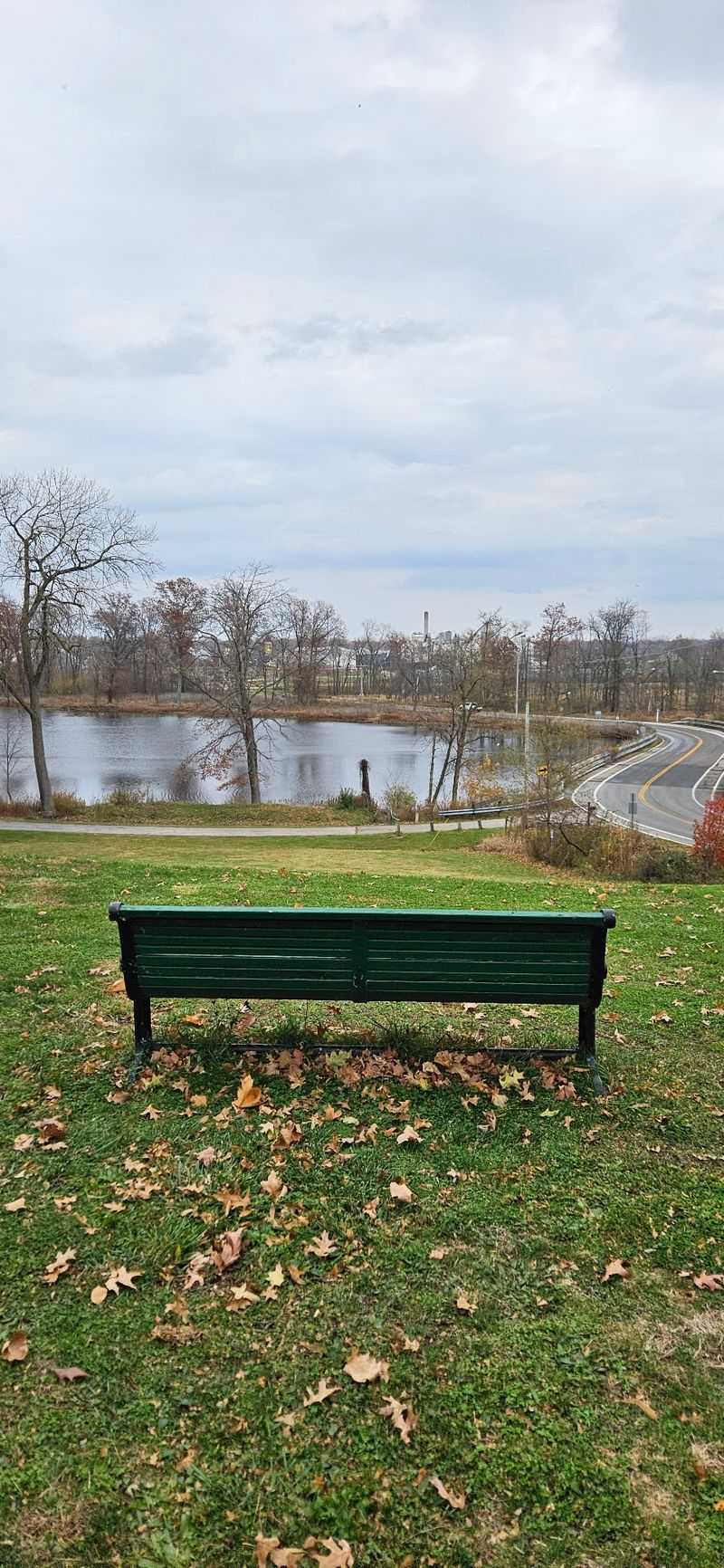
Ohio’s very first state nature preserve didn’t earn that title by accident. Mentor Marsh got the honor in 1971.
Five years earlier, it was named a National Natural Landmark. That’s serious recognition for a wetland in Lake County.
The marsh fills an old channel of the Grand River. It ranks among the largest natural marshes left along the Lake Erie shore.
Its story includes a rough patch. Salt from nearby mining damaged the marsh decades ago, changing its plant life.
The Cleveland Museum of Natural History now leads major restoration work here. Those efforts are helping the wetland recover habitat that birds need.
Fall is a strong season for waterfowl. Blue-winged teal, American wigeon, and hooded mergansers are among the ducks that pass through.
Hooded mergansers deserve a special look. The males sport a fan-shaped crest that seems almost too fancy for real life.
Sparrows hide in the marsh plants too. Be patient and let them pop up into view.
Merlins sometimes zip through during migration. These small, speedy falcons can cross your binocular view in a blink.
Start at the Carol H. Sweet Nature Center for trail info and exhibits.
From there, you can head out toward viewing spots and boardwalks across the preserve.
Address: 5185 Corduroy Rd, Mentor, OH 44060
7. Killdeer Plains Wildlife Area
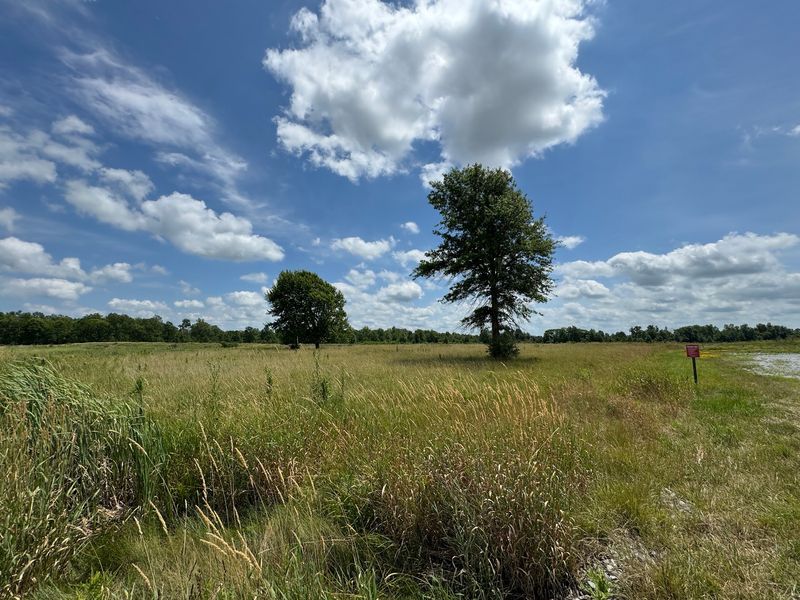
Swap the lakeshore for a big sky and tall grass. Central Ohio has its own migration stage, and it feels wonderfully wide open.
Killdeer Plains covers roughly 9,000 acres near Harpster in Wyandot County. The Ohio Department of Natural Resources manages it for wildlife.
The area is known for its prairie-style grasslands. Native grasses like big bluestem grow here, along with ponds, wetlands, and woods.
That mix draws a very different crowd than the Lake Erie hotspots. Think sparrows, meadowlarks, and raptors hunting over open fields.
Ponds and marshes host waterfowl during fall migration. Scan the water carefully, since flocks can hold several duck species together.
As the weather cools, the area becomes famous for owls. Short-eared owls often hunt the grasslands at dusk in the colder months.
Watching one float low over the fields is pure magic. They fly with a loose, moth-like flap that’s easy to recognize.
Northern harriers also patrol the grass. They glide low with tilted wings, scanning for meals below.
Bald eagles turn up at times too. Keep a scope handy for perched birds far across the fields.
Roads crisscross the property, so you can bird from several pull-offs. Dress warmly for late-day visits, because the prairie wind does not hold back.
Address: 19100 County Hwy 115, Harpster, OH 43323
8. Green Lawn Cemetery
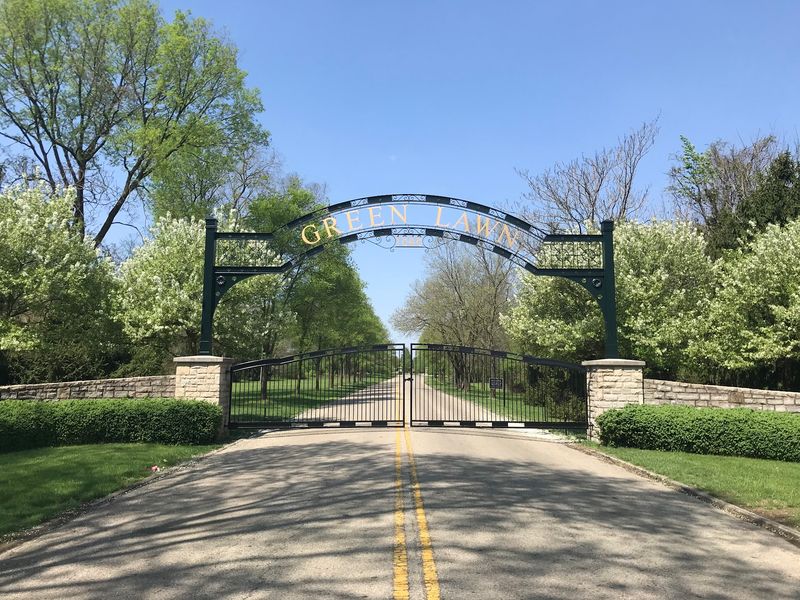
Old oaks, winding lanes, and a surprising warbler list make this Columbus landmark a birder favorite. Yes, a cemetery.
Green Lawn Cemetery opened in 1848 on the city’s south side. It covers more than 360 acres, making it the second-largest cemetery in Ohio.
The grounds double as an arboretum. Huge mature trees create a leafy canopy right in the middle of the city.
For a migrating songbird, that canopy looks like an all-you-can-eat buffet. Insects in the oaks fuel tired travelers on their way south.
Local birders have long treated Green Lawn as a top spot in central Ohio. Fall can bring warblers, vireos, thrushes, and other migrants.
The paved roads make birding easy. You can walk slowly and look up without worrying about roots or mud.
Here’s a friendly reminder, though. Green Lawn is still an active cemetery, so stay respectful and give space to any services or visitors.
Keep voices low and park only where it’s allowed. Good manners help birders stay welcome here.
Look for the many tree species as you wander. Some are labeled, which adds a bonus lesson to your bird walk.
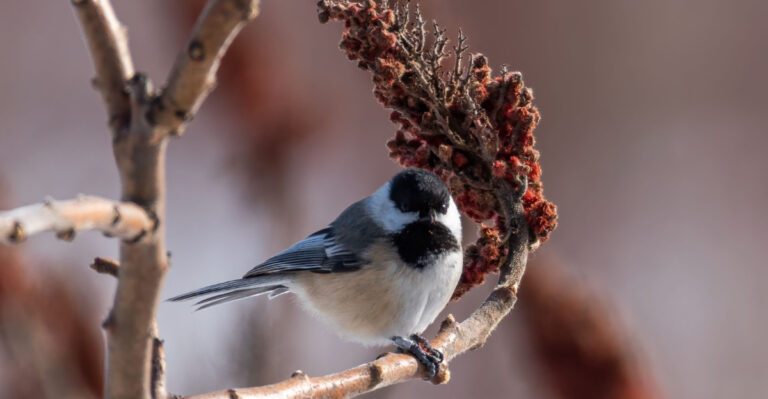
Quiet mornings tend to be best. A chickadee calling from a century-old oak is a pretty great way to start your day.
Address: 1000 Greenlawn Ave, Columbus, OH 43223