Grow These Edible Arizona Natives Along Your Fence Instead Of Thirsty Oleander
Oleander lines fences all over Phoenix and Tucson, but it hides some ugly secrets. Every part of it is poisonous, a fatal disease called Leaf Scorch is killing it across Arizona, and it does nothing to feed you or local wildlife.
The good news is that our Sonoran Desert grows tough native plants that shrug off heat, sip very little water, and even put food on your table. Here are the edible natives you should grow along your fence line instead.
1. Why Oleander Is Not Worth the Risk
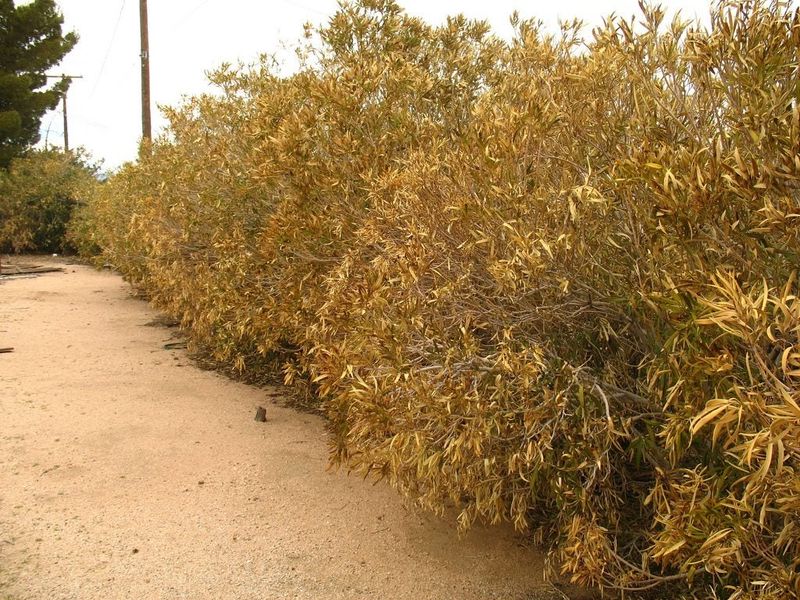
Popular as it is, oleander earns a spot on this list only as the plant to remove. Every part of it, from leaf to flower to sap, is highly poisonous to people, dogs, cats, and livestock if swallowed.
That is a scary gamble for any yard where kids or pets roam.
Beyond the toxicity, a bacterial disease called Oleander Leaf Scorch is spreading fast across Arizona. There is no cure, and once a shrub catches it, the plant slowly browns out and dies with nothing you can do.
Neglected oleander hedges can also shelter rats and give little back to the desert around them. No berries, no edible pods, no real food for pollinators or birds.
You water it, prune it, and get a wall of green that mostly just sits there.
Swapping it out for a native edible flips that whole story. You keep the privacy and drought toughness you liked, but you gain food, habitat, and a fence line that actually works for you instead of against you.
2. Mesquite Trees (Prosopis spp.)
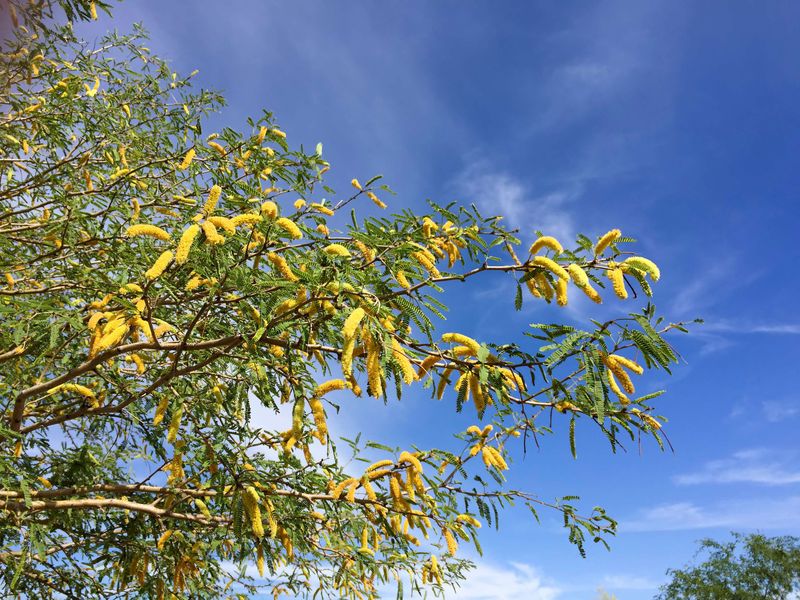
Few desert trees pull their weight quite like mesquite. Honey, velvet, and screwbean varieties all belong here in the Sonoran Desert, and their beans grind into a sweet, nutty flour that Arizona bakers prize.
Young sprouts are edible too.
With a bushy, multi-trunked habit, mesquite can be pruned to sit comfortably along a fence rather than shooting up to its full 60 feet. Deep roots let it thrive in caliche and poor soils, and it fixes nitrogen, quietly feeding the ground around it.
The shade it throws is a lifesaver in July, and birds treat its branches like an apartment complex for nesting. Those protein-rich pods draw in rabbits, quail, javelina, and other desert critters looking for a meal.
When it blooms, the fuzzy flowers hum with bees, butterflies, and hummingbirds. That pollinator traffic can help keep your whole garden healthier and more balanced.
Did you know? Indigenous peoples relied on mesquite flour for thousands of years, storing it as a staple that lasted through lean seasons.
Plant one in fall and let it settle in before summer.
3. Palo Verde (Parkinsonia spp.)
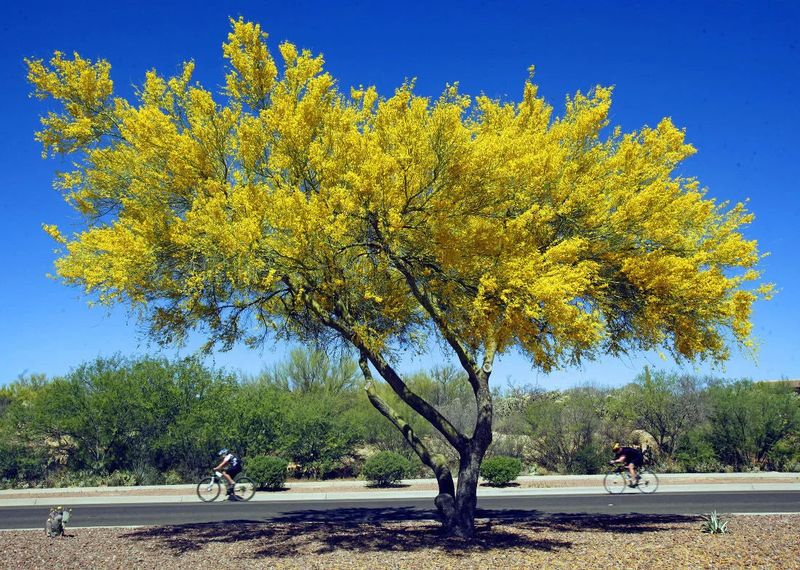
Arizona named it the state tree for good reason, and the palo verde earns that honor while quietly feeding you. Both the Foothills and Blue types burst into electric yellow blooms each spring, and those flowers are edible, sprinkled over salads for a mild, floral touch.
The young green seed pods are the real treat. Snap them fresh and you get something like a desert edamame, packed with protein and carbohydrates.
Your Arizona Garden Changes Every Week. Your Plan Should Too.
Gardening in Arizona changes quickly throughout the season. Every Friday you’ll receive a simple weekly plan showing exactly what to plant, prune, fertilize, harvest, and protect so you never miss the right timing.
What makes this tree so remarkable is its green bark. When drought hits and the tiny leaves drop, the trunk itself keeps photosynthesizing, so it stays alive on almost nothing.
Ecologists call palo verde a keystone species. Verdins, cactus wrens, quail, doves, and hummingbirds all rely on it, along with countless insects and small mammals.
Foothills palo verde stays a touch smaller, which suits tighter fence lines. Look for thornless nursery cultivars if you want an easier plant to work around.
Come bloom time, bees and butterflies swarm the canopy. Give it full sun, plant during a cool month, and it will practically raise itself.
4. Desert Hackberry (Celtis pallida)
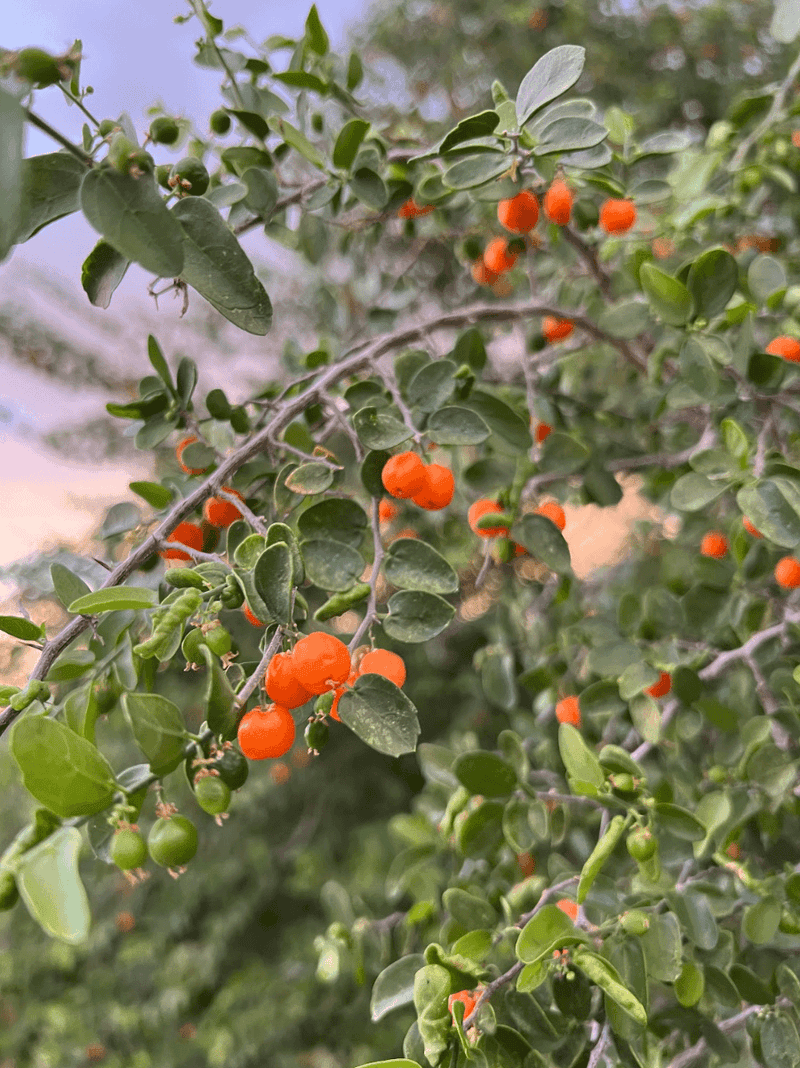
If you want a fence that fights back a little, desert hackberry is your plant. Its tangle of thorny branches grows dense enough to work as a real security hedge, climbing up to 20 feet if you let it.
The reward for putting up with those thorns is sweet, melon-flavored berries in yellow or orange. They are rich in niacin, calcium, magnesium, and protein, and you can eat them fresh, freeze them, or simmer them into jams and sauces.
Toughness comes standard. Once established, it lives on rainfall alone and shrugs off reflected heat bouncing off block walls and pavement.
Wildlife lovers call it a hotel for good reason. Northern Cardinals and Phainopeplas feast on the berries, several butterfly species use it as a host plant, and small birds nest safely inside the thorny thicket.
Those same thorns and dense growth make it less inviting to intruders, human or four-legged. Small desert animals get shelter, and you get privacy.
Plant it in fall, water lightly through the first year, and then mostly leave it alone. It thrives on neglect once its roots dig in.
5. Wolfberry (Lycium spp.)
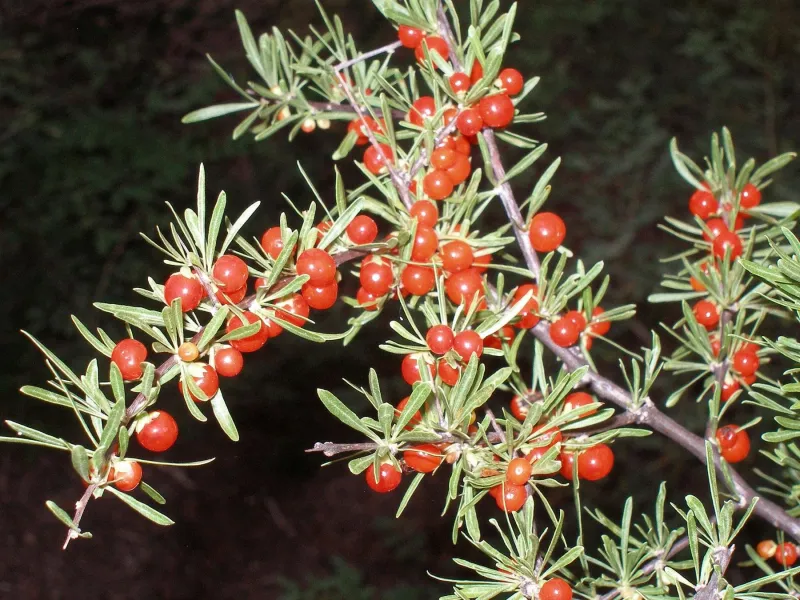
Meet the desert cousin of the trendy goji berry. Wolfberry produces small red fruits loaded with antioxidants, and yes, you can pop them right off the branch for a tart, slightly sweet snack.
Sprawling and thorny by nature, it wants to spill sideways, which makes it a natural fit for a naturalistic fence line or property boundary. Those spiny branches double as a barrier while giving reptiles and birds a safe place to hide and nest.
Arizona conditions barely faze it. Alkaline soils, blazing sun, and skimpy water are exactly where wolfberry feels at home, so it slots right into a low-effort landscape.
The berries pull in insects and small mammals, and that little food web helps support natural predators that keep pest populations in check. A working yard, not just a pretty one.
One quirk to plan for: it may drop its leaves during extreme heat or a cold snap, looking bare for a stretch. Interplant it with an evergreen neighbor and you will keep the fence line looking full year-round.
Set it out in fall and it establishes with almost no fuss.
6. Desert Ironwood (Olneya tesota)
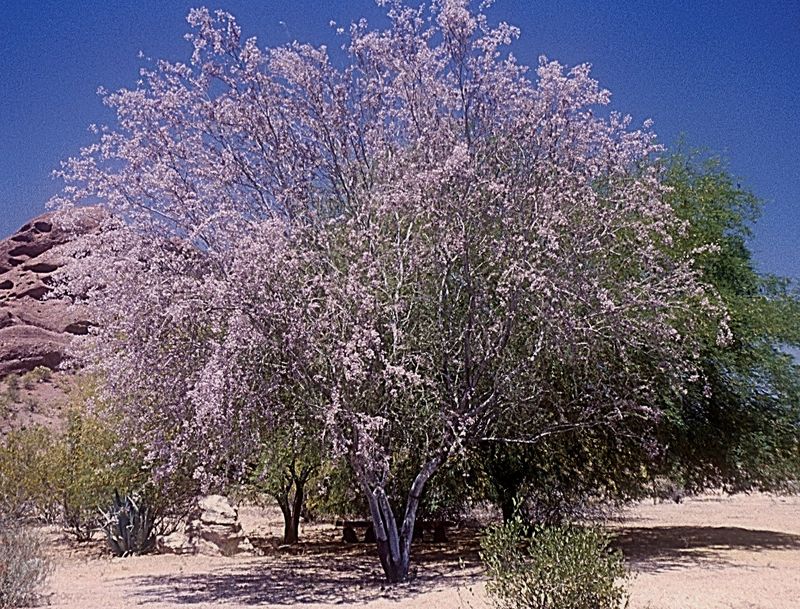
Slow and steady wins in the desert, and ironwood is proof. This evergreen native can stay a multi-stemmed shrub or stretch into a 45-foot tree over decades, staying green while everything else goes dormant.
Its seeds are edible and were a traditional food for Indigenous peoples of the Sonoran Desert. Handy timing, too, since they ripen when other wild fruits are scarce, making them precious for both people and wildlife.
Scientists rank ironwood as a keystone species. It creates cool, sheltered microclimates beneath its canopy where other plants germinate and nearly 150 bird species, plus reptiles and small mammals, find food and nesting cover.
Those low, sweeping thorny branches quietly deter browsing herbivores, so seedlings tucked under it get a fighting chance. When it flowers, pale lavender blooms draw native bees, butterflies, and hummingbirds.
Heat and drought simply do not bother it, and like mesquite, it enriches the soil by fixing nitrogen.
The tradeoff is patience. Ironwood grows slowly, so plant it as a long-term anchor for your fence line and let future summers reward you with shade, seeds, and a thriving pocket of desert life.
7. Companion Pest-Repelling Herbs
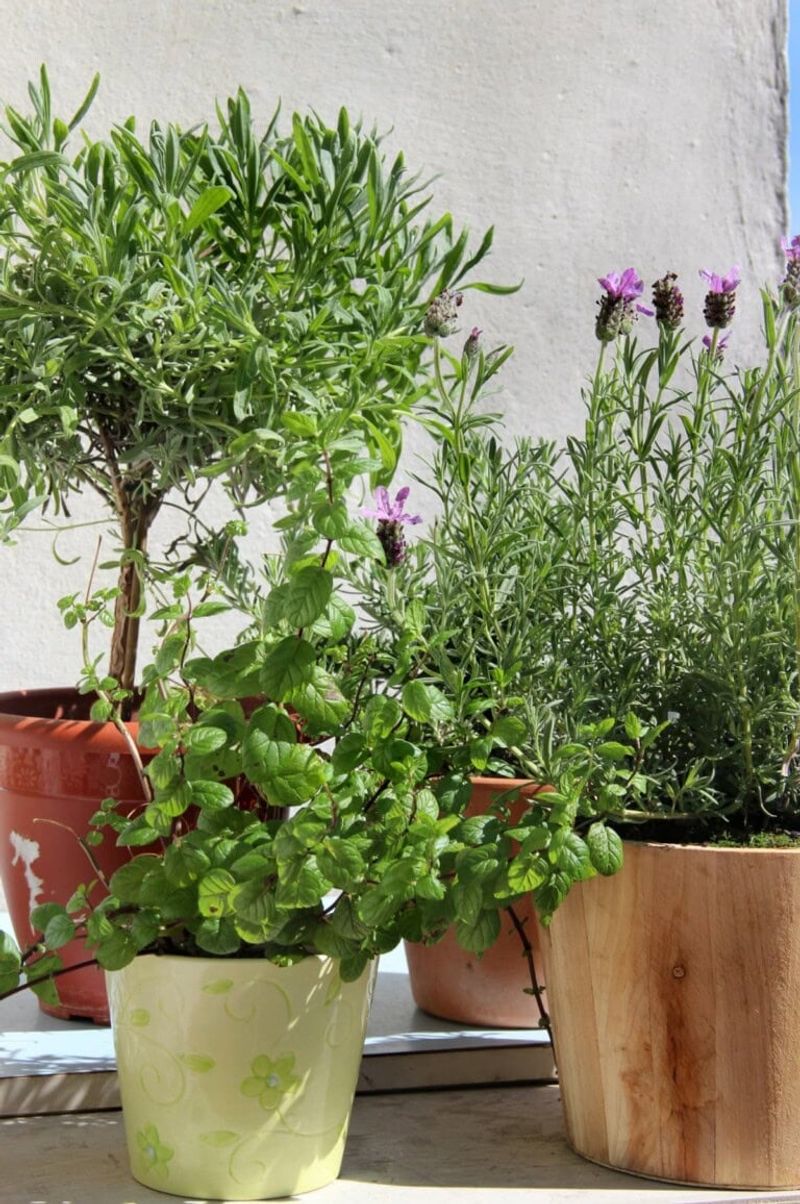
Tucking a few aromatic herbs between your native edibles turns a good fence line into a great one. Lavender, mint, and marigold all carry strong scents that many gardeners rely on to make an area less inviting to mosquitoes and other nuisance bugs.
Marigolds are the workhorses here. Their pungent flowers can help discourage certain pests while their cheerful orange blooms feed pollinators all season long.
Mint spreads eagerly, so keep it in a buried pot or a contained bed unless you want it running the whole border. Its fresh leaves are handy in the kitchen, which is a nice bonus.
Lavender loves the same sunny, well-drained, low-water conditions your desert natives crave, so it fits right in without extra pampering. Bees adore it.
Layering these low growers beneath taller mesquite, palo verde, or hackberry builds a fuller, more diverse planting. More diversity generally means more beneficial insects, and those helpers prey on the bugs you would rather not see.
Think of these herbs as the supporting cast that makes your edible fence smell wonderful, look lush, and quietly work harder at keeping pests at bay.
8. How to Plant Natives in Arizona’s Real Seasons
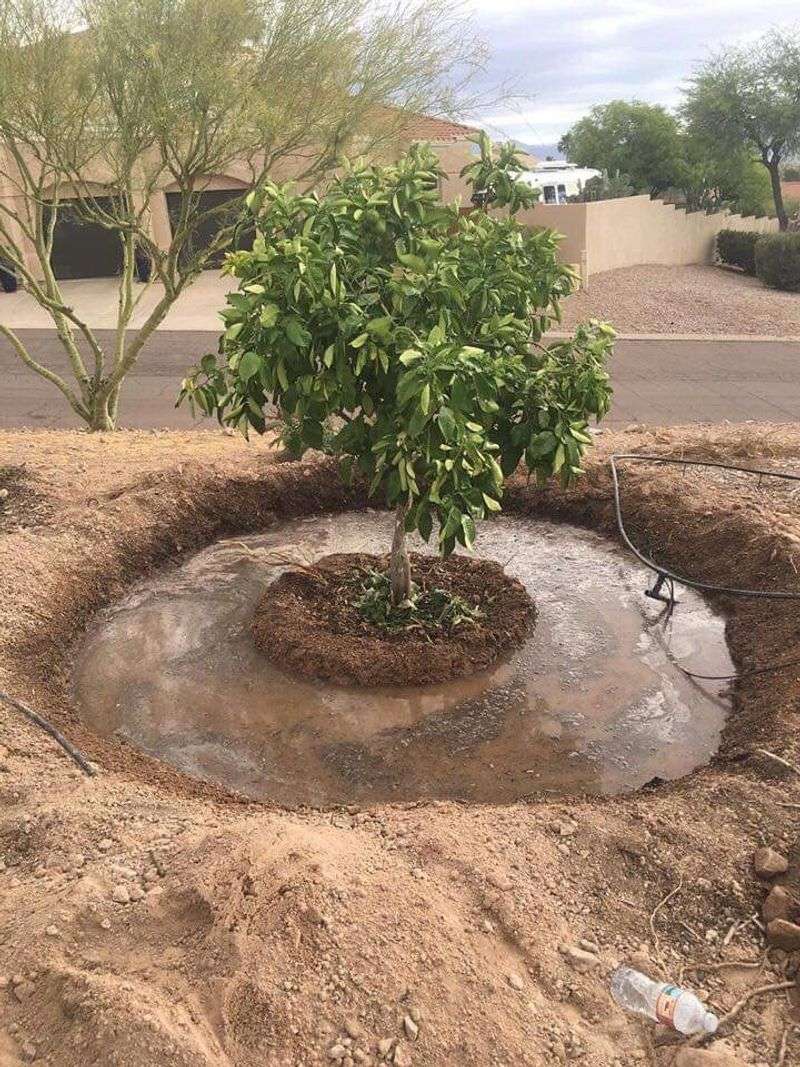
Timing makes or breaks a desert planting, and it is not the spring-everywhere advice you read online. In the low desert, fall from October to November is the sweet spot, with early spring as a solid backup.
Planting in cooler weather lets roots stretch out and settle before the brutal summer arrives. A tree that establishes in November stands a far better chance of surviving its first 110-degree July.
Our soils bring their own challenge. Alkaline ground and rock-hard caliche layers trip up transplants, so dig a wide hole and break through any cement-like caliche so water can drain instead of drowning the roots.
Native edibles ask for very little once rooted. Skip the heavy fertilizer, prune lightly, and water deeply but infrequently to coax roots downward.
Give new plants regular water through that first year, then taper off as they toughen up. Monsoon rains in summer can do a lot of the work for you.
Follow the desert’s calendar instead of a cool-climate one, and your fence line will fill in strong, saving water while feeding you and the wildlife around you.
9. Building a Fence Line That Works for You
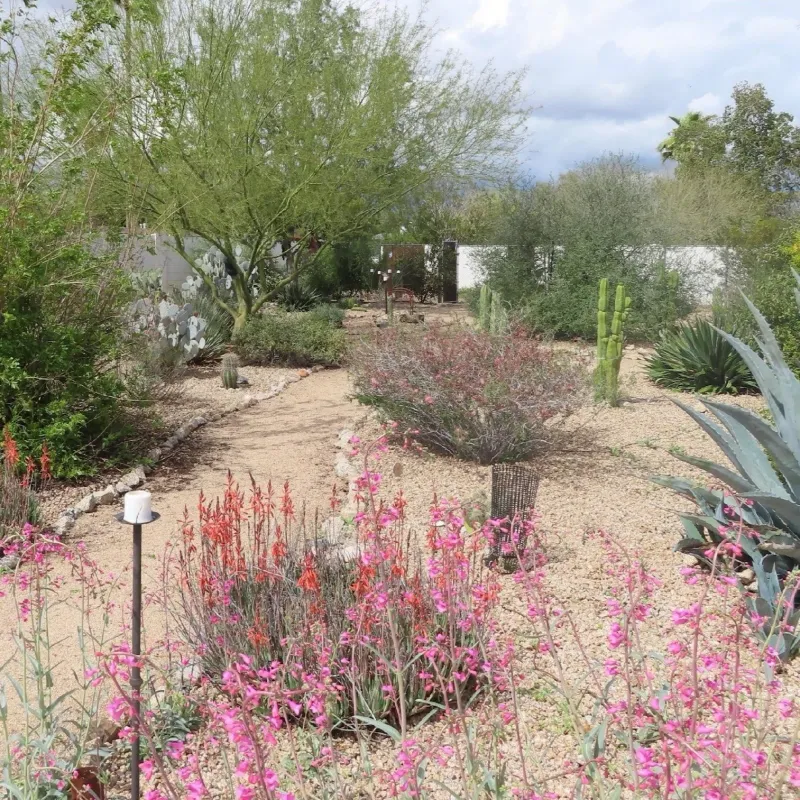
Picture your fence line as a working ecosystem rather than a boring green wall. Mix a tall anchor like mesquite or ironwood with mid-height hackberry and wolfberry, then carpet the base with lavender, mint, and marigold.
That layered approach fills gaps at every height, giving you real privacy while spreading food and shelter across the whole border. Different plants bloom and fruit at different times, so something is always feeding the pollinators and birds.
The payoffs stack up fast. You harvest mesquite flour, palo verde pods, hackberry berries, and wolfberries, all while slashing your water bill compared to a thirsty oleander hedge.
Wildlife shows up in force, from hummingbirds and cactus wrens to the roadrunners that hunt insects and scorpions around a healthy yard. A busy, balanced garden tends to be less inviting to the pests you dislike.
None of this demands constant babysitting. Once established, these natives largely fend for themselves, asking only for occasional deep watering and light pruning.
Swap out that risky oleander this fall, plant a living, edible border, and let your fence line quietly feed you, cool your yard, and buzz with desert life for years to come.