The Long-Legged Insects Landing On Washington Lawns Are Laying Eggs
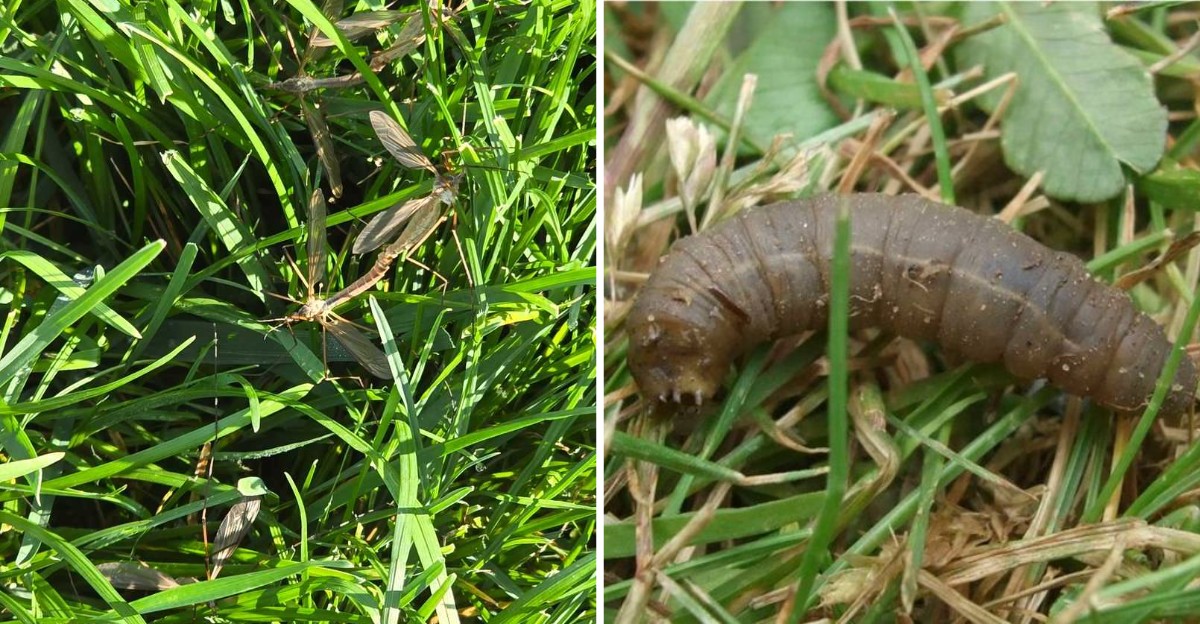
You step outside at dusk in early September and something long-limbed wobbles past your porch light. It looks like a mosquito that skipped leg day in reverse, gangly and weirdly harmless.
By morning, a dozen of them cling to your siding while others drift low across the grass. Your dog snaps at one, misses badly, then stares at you like you arranged the whole thing.
Lawns across western Washington get a whole wave of these wobbly fliers every autumn, right on schedule. The interesting part happens under the soil, quietly, while you rake leaves and forget the whole visit.
By April, thin gray patches and spongy turf can appear in spots that looked perfectly fine. So the goofiest bug on your porch light may also be the one with a plan.
European Crane Flies Behind The Autumn Porch-Light Parade
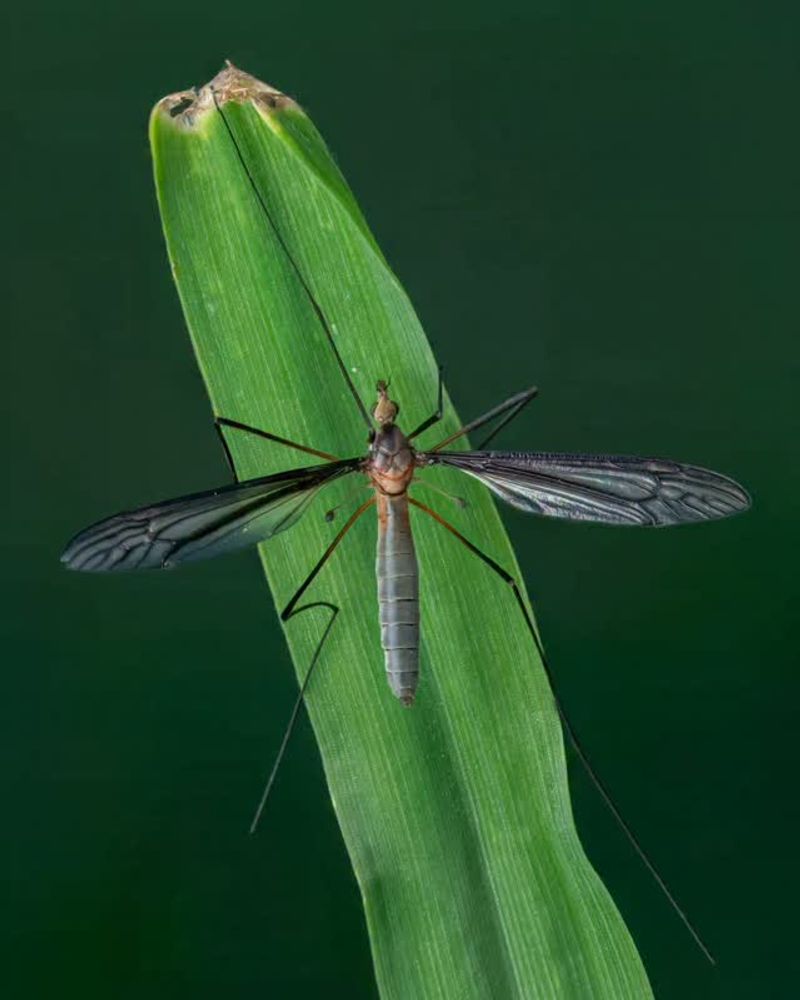
Those gangly fliers bumping against your window screen are European crane flies, not oversized mosquitoes. Adults carry no working mouthparts for biting, so your ankles stay perfectly safe around them.
The species arrived from Europe decades ago and settled happily into the damp Pacific Northwest. Cool rain, mild winters, and thick lawn grass gave them nearly ideal living conditions here.
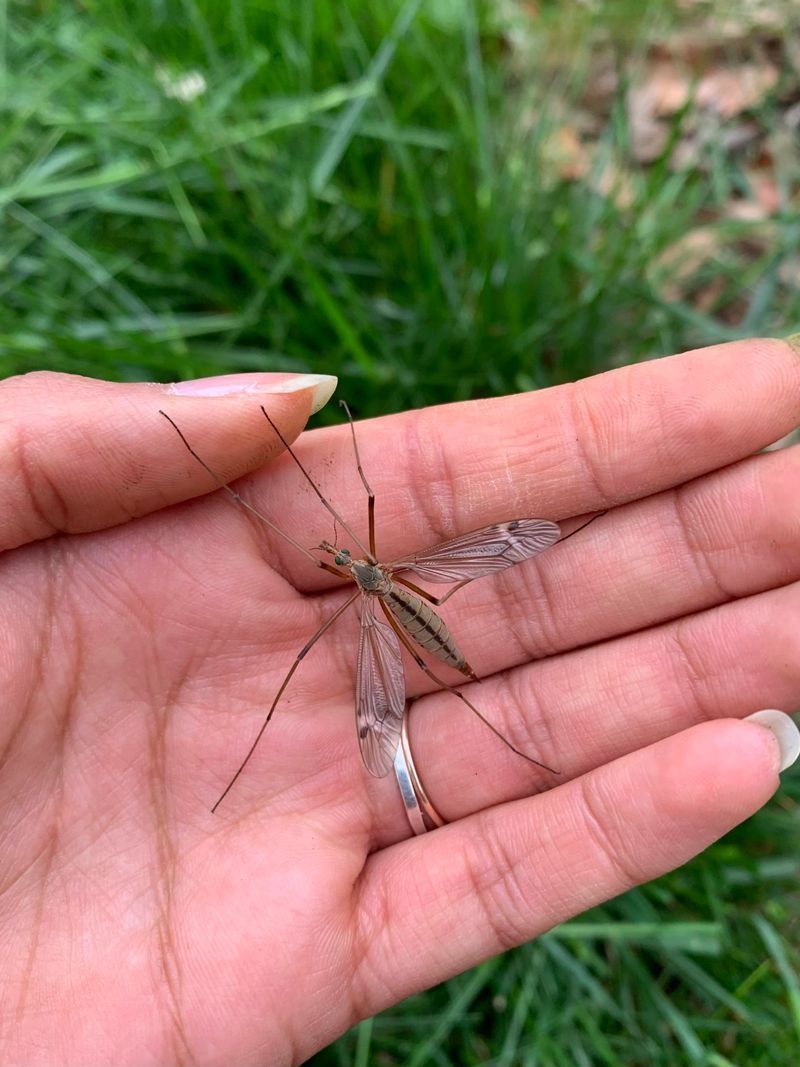
You can spot them by their skinny dangling legs and narrow bodies about an inch long. Flight looks clumsy, like a paper airplane thrown by someone who was not really trying.
Adults live only about ten to fifteen days, and they spend that time mating and laying eggs. Everything about the adult stage is a short, frantic rush to get eggs into turf.
Native crane flies also live in Washington, and most of those cause no lawn trouble. The European kind stands out because its larvae feed heavily on grass roots and crowns.
Neighbors often blame giant mosquitoes when hundreds of them appear on a warm September evening. Knowing the real name helps, since the fix has nothing to do with mosquito control.
Birds, bats, and spiders treat the swarm like a free buffet, which works in your favor. Plenty of adults still slip through and drop eggs into moist, shady patches of lawn.
So the porch-light parade is really a nursery run, staged in plain sight each fall. Understanding that single fact changes how you read your lawn when March rolls around.
September Egg-Laying And The Larval Calendar
Timing is the whole story with these insects, and September is when the clock starts. Adults emerge in late August, peak all through September, and taper off by middle October.
A single female can carry roughly three hundred eggs and place them within a couple days. She drops them while hovering over damp turf, favoring shady, low spots that hold water.
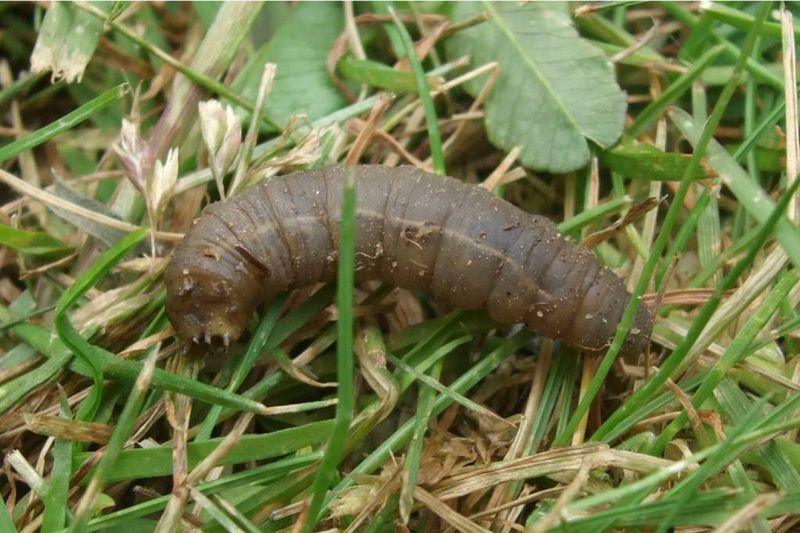
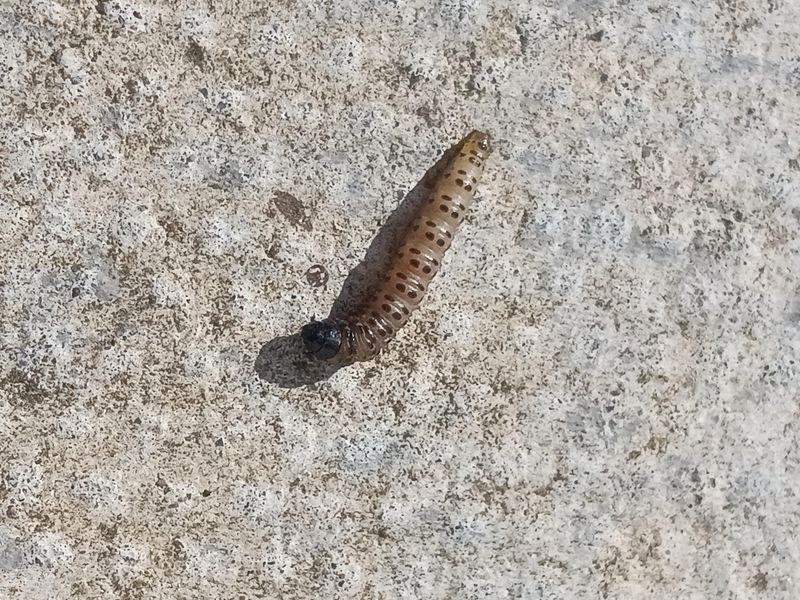
Eggs hatch in roughly two weeks, releasing tiny gray larvae that gardeners call leatherjackets. The nickname comes from their tough, wrinkled skin, which looks a bit like worn leather.
Through fall, the young larvae nibble roots and organic matter just below the soil surface. Damage stays light then, because each larva is smaller than a single grain of cooked rice.
Your Washington Garden Changes Every Week. Your Plan Should Too.
Gardening in Washington changes quickly throughout the season. Every Friday you’ll receive a simple weekly plan showing exactly what to plant, prune, fertilize, harvest, and protect so you never miss the right timing.
Winter slows them down, but western Washington rarely freezes hard enough to stop their progress. They simply wait, then resume feeding once soil temperatures climb in late February and March.
March through mid-May becomes their hungriest stretch, and your grass roots take the biggest hit. By then each larva has grown fat, roughly the size of your little fingernail.
Feeding stops around late May, when larvae rest underground and change into adult flies. One generation per year keeps the calendar predictable, which honestly works in your favor as a homeowner.
Mark September on the calendar as egg season and spring as the real feeding season. Those two dates shape nearly every smart decision you make about your Washington lawn.
Spring Damage Patterns On Washington Lawns
Homeowners rarely notice any trouble in fall, which is exactly what makes early March feel unfair. Grass greens up everywhere except a few pale patches that seem stuck in winter mode.
Those patches often feel spongy underfoot, almost like walking across a thin, damp kitchen sponge. Tug gently on the grass and it may lift away with barely any roots attached.
Damage usually starts in low, shady areas near downspouts, fences, and poorly draining lawn corners. Sunny, well-drained slopes usually escape with lighter thinning, and sometimes they show no damage at all.
Crows, starlings, and raccoons sometimes give the secret away before you even notice the grass. Birds probe the turf with sharp beaks, and raccoons peel back sod hunting fat larvae.
Heavy infestations can top twenty-five larvae per square foot, a load grass simply cannot outgrow. Lower counts often pass unnoticed, especially on healthy lawns with deep roots and good soil drainage.
Similar bare spots also come from dog urine, snow mold, drought stress, or compacted soil. Guessing wrong means treating the wrong problem, and your lawn ends up paying twice for that.
Thin, damaged turf also opens the door for moss and weeds, which love empty space. In our wet climate, moss can claim thin patches within a single rainy month.
Spring is therefore your report card on last September, written out in yellow and green. Reading it honestly saves you money, guesswork, and a whole summer of patching bare ground.
The Panic-Spray Mistake Most Homeowners Make
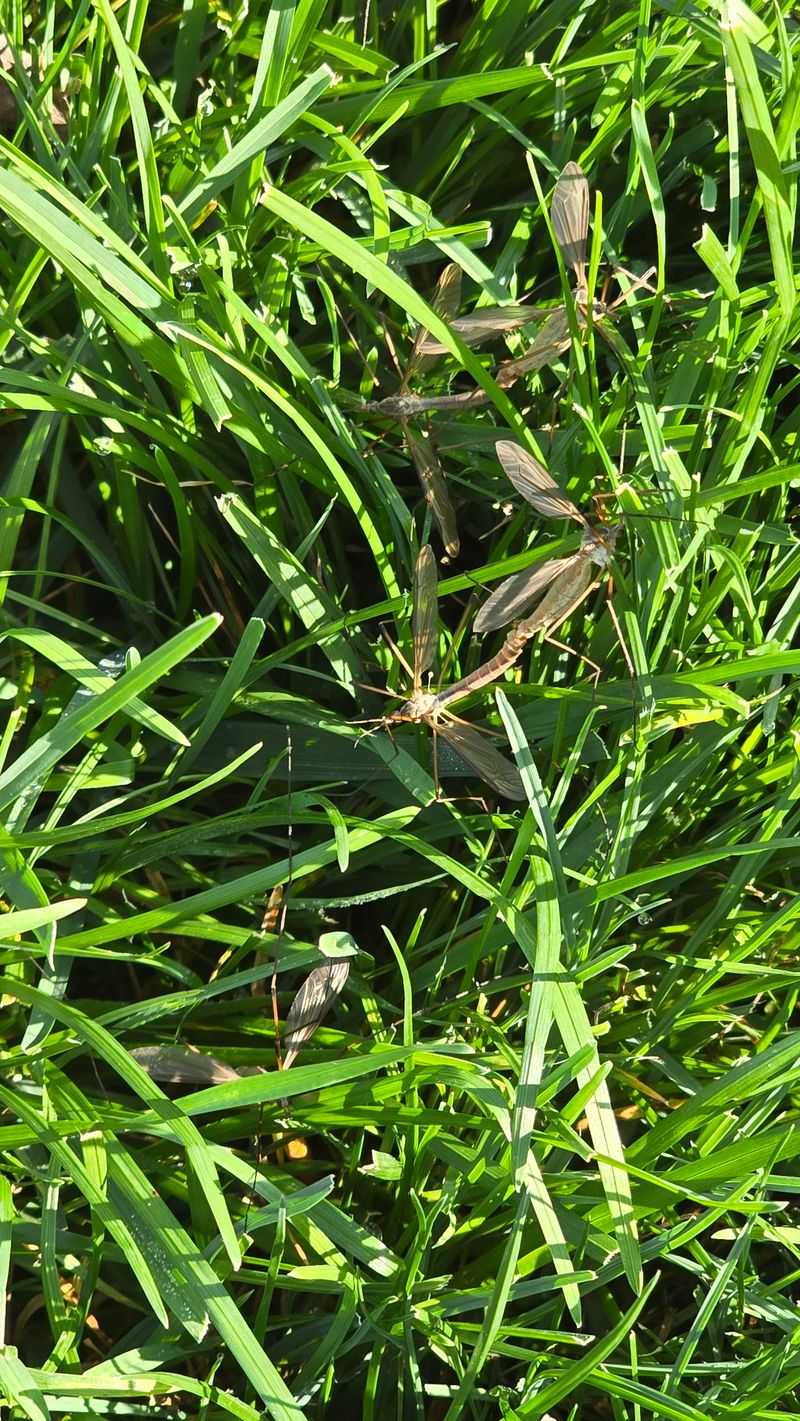
Seeing a whole cloud of long legs on the siding tempts people straight toward the sprayer. Spraying adults in September is honestly the least useful thing a homeowner can do.
Adults do not chew grass at all, and they will be gone within two weeks anyway. Your product hits a bug that has already finished most of its egg laying.
Insecticides also rinse off siding and porches fast, especially during a typical Puget Sound drizzle. Your money runs down the driveway while the eggs sit safely tucked inside your turf.
Another common misstep involves treating the whole lawn in October, when larvae are still tiny. Tiny larvae eat very little, so damage stays minor and the treatment often feels wasted.
Some folks go the other direction and overwater the lawn through a warm, dry September. Constant moisture makes your turf far more attractive to egg-laying females hunting for soft ground.
Scalping the grass extra short is another habit that backfires in a damp Washington autumn. Longer blades shade the soil surface and make hovering females work harder to land.
Reaching for broad insecticides also knocks back ground beetles and other helpers living in the thatch. Those predators eat larvae for free, so wiping them out trades one problem for two.
Patience beats panic here, which feels like strange advice when bugs tap on your window. The real decision point arrives in spring, with a shovel rather than a spray bottle.
Soil Checks And Treatment Timing For Leatherjackets
Guesswork ends the moment you cut a small square of sod and flip it right over. All you really need is a spade, a bucket of water, and ten spare minutes.
Slice a piece about six inches across and four inches deep from a suspicious bare patch. Break the soil apart over a tarp and count the gray, legless larvae that appear.
Another trick uses soapy water poured slowly over one square foot of thin, spongy turf. Larvae wriggle up to the surface within ten minutes, which is oddly satisfying to watch.
Counts under fifteen per square foot rarely justify treatment on a reasonably healthy Washington lawn. Above twenty-five, grass struggles to replace roots faster than hungry larvae can chew through them.
Late March through April is really the only window when treatment truly earns its keep. Larvae feed close to the surface then, so both products and predators reach them easily.
Beneficial nematodes offer a gentle option and work best in moist soil above fifty degrees. Water them in thoroughly, since sunlight and dry ground reduce how many actually survive.
Chemical options exist for severe cases, and Washington State University lists the current label recommendations. Read the label twice, and keep applications far from storm drains, ponds, and streams.
Overseeding right after treatment helps thin areas close up before weeds notice the open ground. One quick soil check each spring turns a nagging mystery into a manageable little chore.
Lawn Care Habits That Discourage Next Year’s Eggs
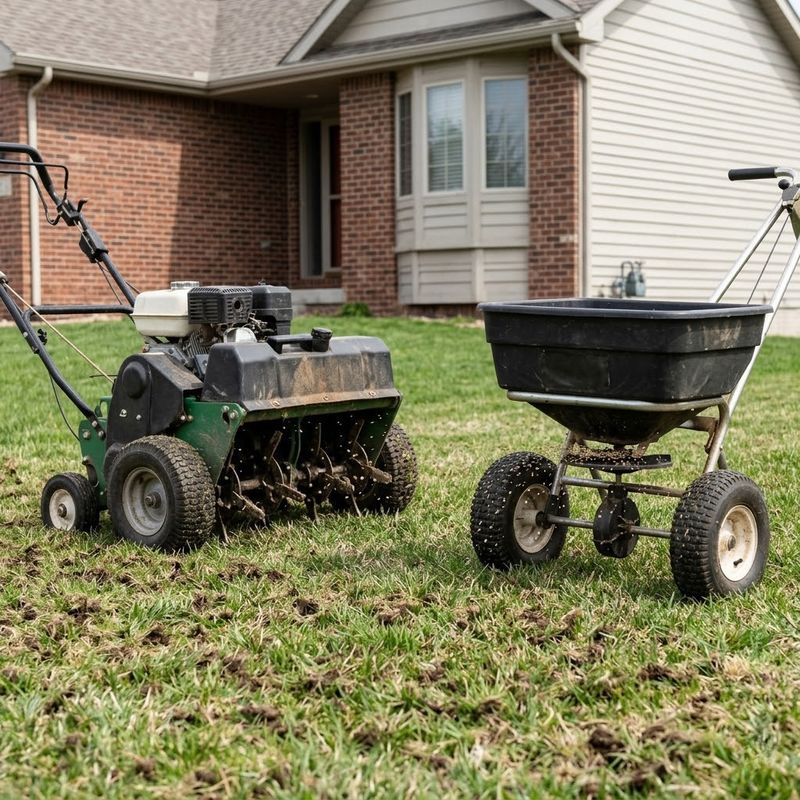
Thick, deep-rooted grass remains the best defense anyone has ever found against these hungry larvae. Healthy turf shrugs off moderate feeding and fills small gaps before you ever notice them.
Aerating compacted soil in early fall improves drainage and gives grass roots room to spread. Soggy, tight ground is exactly the kind of nursery those hovering females are shopping for.
Raking out heavy thatch removes the damp, spongy layer where young larvae like to hide. Anything thicker than half an inch is worth dethatching before the autumn rains settle in.
Mowing at two to three inches keeps blades long enough to shade the bare soil. Taller grass also grows deeper roots, which helps turf bounce back after heavy spring feeding.
Watering deeply but less often trains roots downward instead of keeping the surface constantly soaked. Skip the daily sprinkler habit in September, since damp turf practically invites more egg laying.
Fixing drainage problems pays off for years, whether that means regrading or extending a downspout. Low corners that stay wet all winter host the worst larvae counts every single time.
Feeding the lawn in fall with a balanced fertilizer builds strong crowns and deep roots. Strong plants tolerate damage that would flatten weak, hungry grass in the very same yard.
None of these habits promise a bug-free lawn, and honestly no lawn ever stays bug-free. They simply tip the odds, so the September porch-light crowd leaves without much success.