What Extremely Dry Soil Is Telling You About Your Michigan Lawn This Week
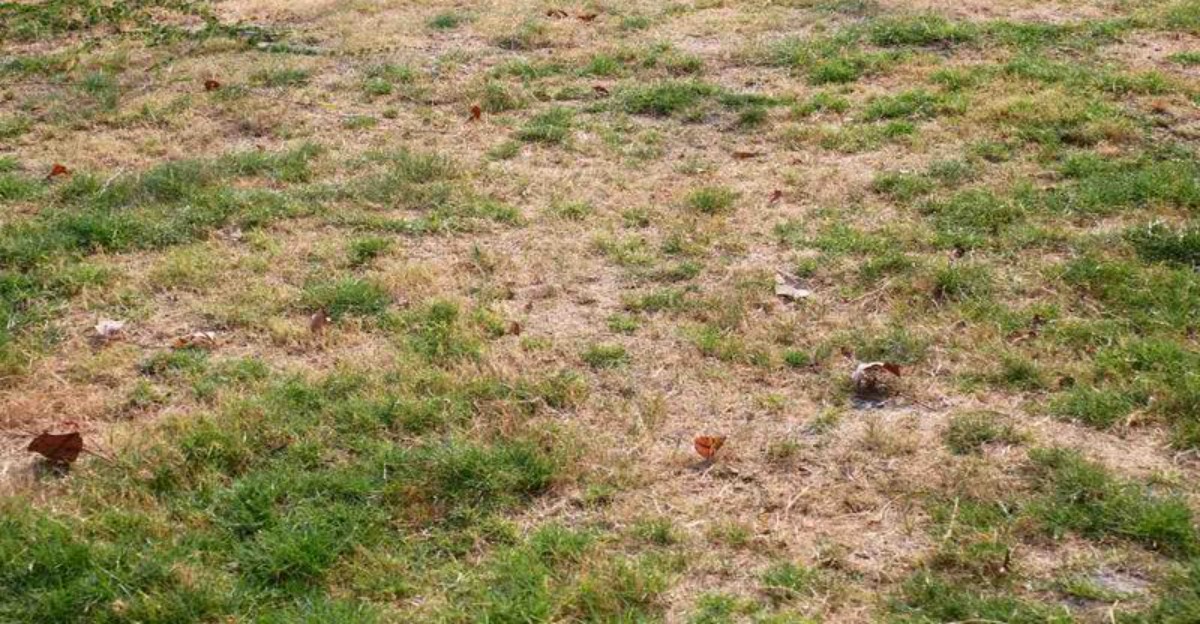
Soil that’s cracked, dusty, or pulling away from the edges of a Michigan lawn this week is sending a clear signal that moisture levels have dropped further than the grass can comfortably handle.
Extremely dry soil loses its ability to hold water efficiently, meaning even a decent rainfall can run off the surface instead of soaking down to where roots actually need it.
This condition also makes grass more vulnerable to stress, thinning, and slower recovery once cooler, wetter weather eventually returns.
Left unaddressed, dry, compacted soil can continue causing problems well into next season, even after the immediate dry spell ends. Paying attention to these warning signs now gives Michigan lawns a better shot at bouncing back before conditions get more serious.
Your Lawn Is Still Drought Stressed

That crunchy feeling under your shoes tells a bigger story than you might think. When soil stays extremely dry into early September, your grass has not caught a break from the moisture stress that built up all through late summer.
Michigan summers often end with warm days and very little rain. Even if temperatures start dropping, the soil underneath can stay parched for weeks. Grass roots keep working hard just to survive, which leaves little energy for new growth.
You may see faded green blades, thinning spots, or grass that looks tired instead of lush. These signs mean the plant is stretching every drop of water it can find. Recovery has not really started yet, no matter what the calendar says.
The smart move is patience mixed with gentle care. Give your lawn a slow, deep soak once or twice a week instead of quick daily sprinkles. Deep watering encourages roots to reach further down where moisture lasts longer.
Skip heavy feeding right now, since fertilizer pushes growth the plant cannot support while stressed. Watch how the grass responds over the next couple of weeks.
Once cooler nights and steady moisture return, your lawn will start using its stored energy to green up again.
Reading this early signal now saves you frustration later, and it sets the stage for a much healthier fall season ahead.
Brown Grass May Be Dormant
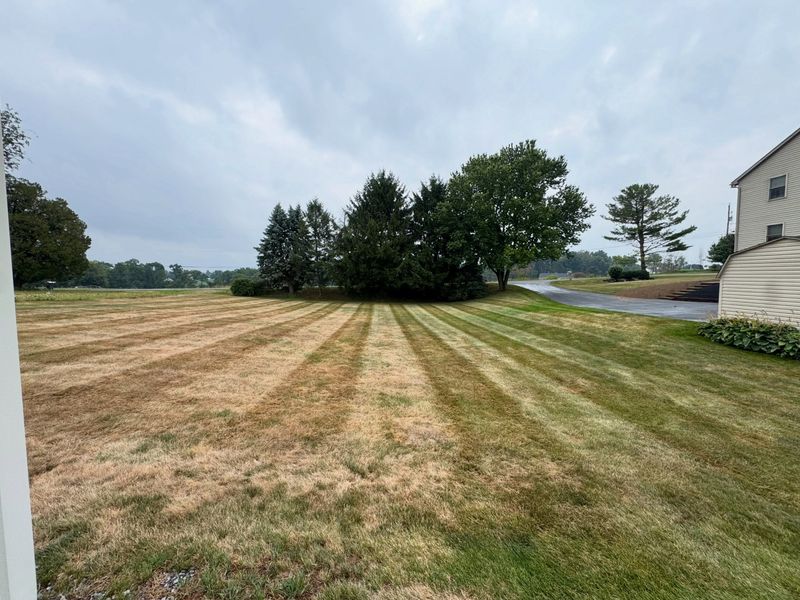
Before you panic over brown grass, take a deep breath. In many cases, that tan color is not the end of your lawn at all. It is simply nature hitting the pause button.
Cool-season grasses common in Michigan, like Kentucky bluegrass and fescue, have a clever trick. When water runs low, they go dormant to protect themselves.
The blades turn brown on top while the crown and roots stay alive underground, waiting for better days.
Think of dormancy like a long nap. The plant slows everything down to save energy until conditions improve. This is why lawns that look toasted in August often turn green again once fall rains arrive and temperatures cool off.
You can test whether your grass is dormant or truly gone by tugging on a small clump. If it resists and stays anchored, the roots are healthy and resting. If it pulls up easily with no effort, that area may need reseeding.
The best help you can offer is light, occasional watering to keep the crowns alive without forcing growth too soon. About half an inch of water every couple of weeks during a dry spell works well for dormant turf.
Resist the urge to fertilize brown areas, since that only adds stress. Give it time. When the weather cooperates, you will likely watch that brown carpet transform back into a green one, proving your lawn was tougher than it looked.
Sandy Soil Dries Out Fast
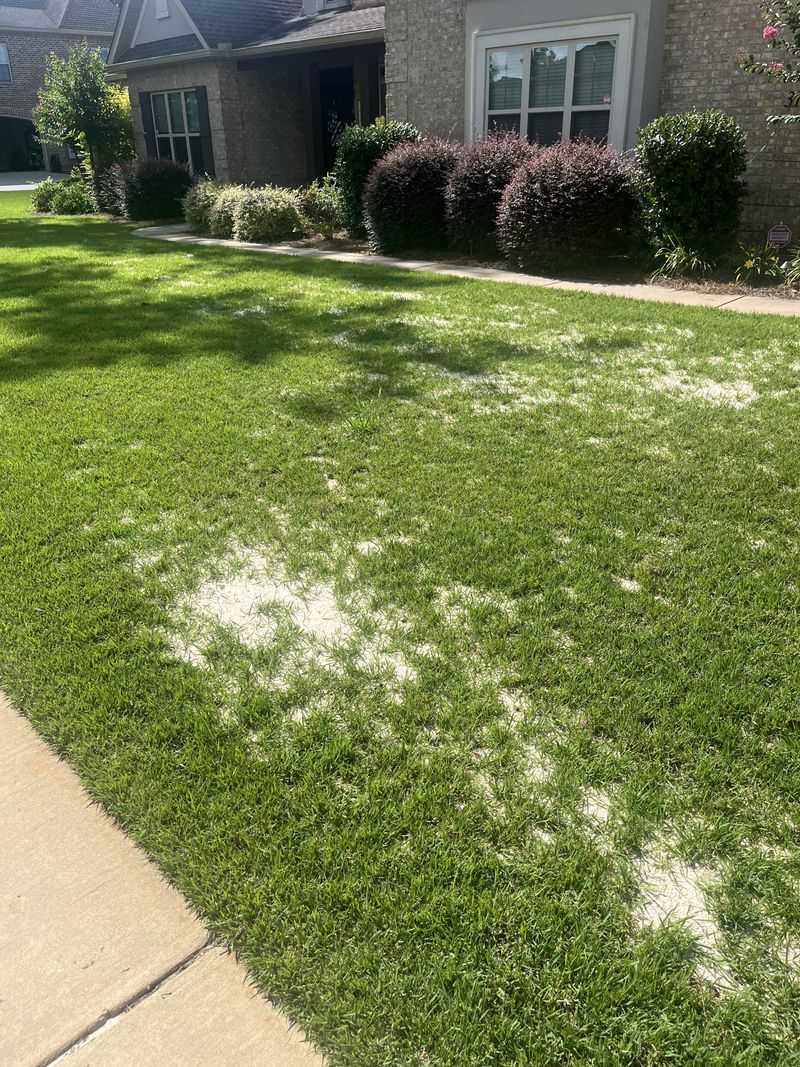
Ever notice how a sandcastle crumbles the moment the tide pulls back? Sandy soil behaves the same way with water, and much of Michigan sits on exactly this kind of ground.
Sand has large particles with big gaps between them. Water pours right through those gaps instead of sticking around for the grass roots to sip. That means sandy lawns can show drought stress days or even weeks before lawns with heavier clay soil.
If your yard turns crispy faster than your neighbor’s, sandy soil is likely the reason. The water you apply drains away quickly, so roots never get a long drink unless you plan carefully.
One great fix is adding organic matter like compost. Mixing compost into the soil helps it hold moisture like a sponge, giving roots more time to absorb what they need. Topdressing your lawn with a thin layer of compost in fall works wonders over time.
Watering strategy matters too. On sandy ground, shorter and more frequent watering sessions often beat one giant soak that simply drains away. Aim to keep the top few inches lightly moist during dry stretches.
Choosing grass types suited to sandy conditions, such as fine fescues, also helps your lawn cope. Understanding your soil is half the battle.
Once you know sand is the culprit, you can adjust your habits and keep your lawn looking greener even when the rain stays away.
Dry Patches Can Reveal Irrigation Problems
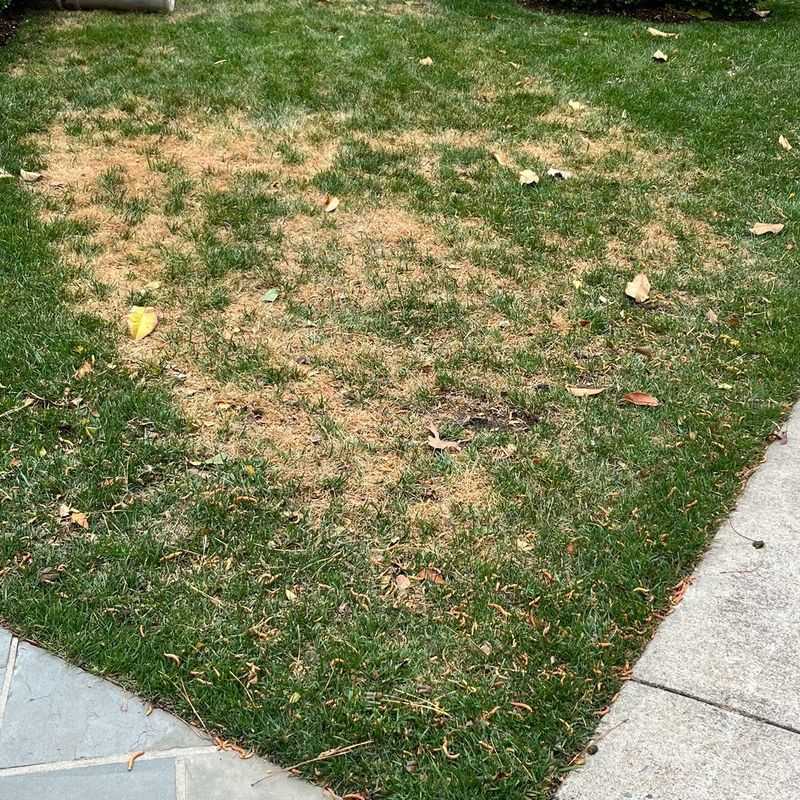
Sometimes your lawn draws you a map, and you just have to read it. Those odd brown spots scattered between healthy green areas often point straight to a sprinkler that is not doing its job.
When irrigation runs evenly, the whole lawn should look consistent. But if one corner stays crispy while the rest looks fine, something is blocking or misdirecting the water.
A clogged nozzle, a tilted sprinkler head, or a spot the spray simply cannot reach could be the trouble.
Dry weather makes these problems easy to spot because the healthy areas stand out clearly against the stressed ones. That contrast is actually a gift, since it shows you exactly where to look.
Try running your system while you watch it in action. Walk the yard and check whether every head pops up fully and sprays the right direction. Heads that are stuck low, cracked, or spinning oddly need attention.
You can place small cans or cups around the lawn to measure how much water each zone gets. Big differences between cans tell you where coverage falls short. Adjusting or replacing a single head often solves a stubborn brown patch.
Overlapping spray patterns matter too, since the edges of each head should reach the next one. Fixing these gaps now means better coverage heading into fall.
A little detective work saves water, money, and a lot of guessing, while keeping your entire lawn evenly refreshed.
Compaction Can Make Drought Worse
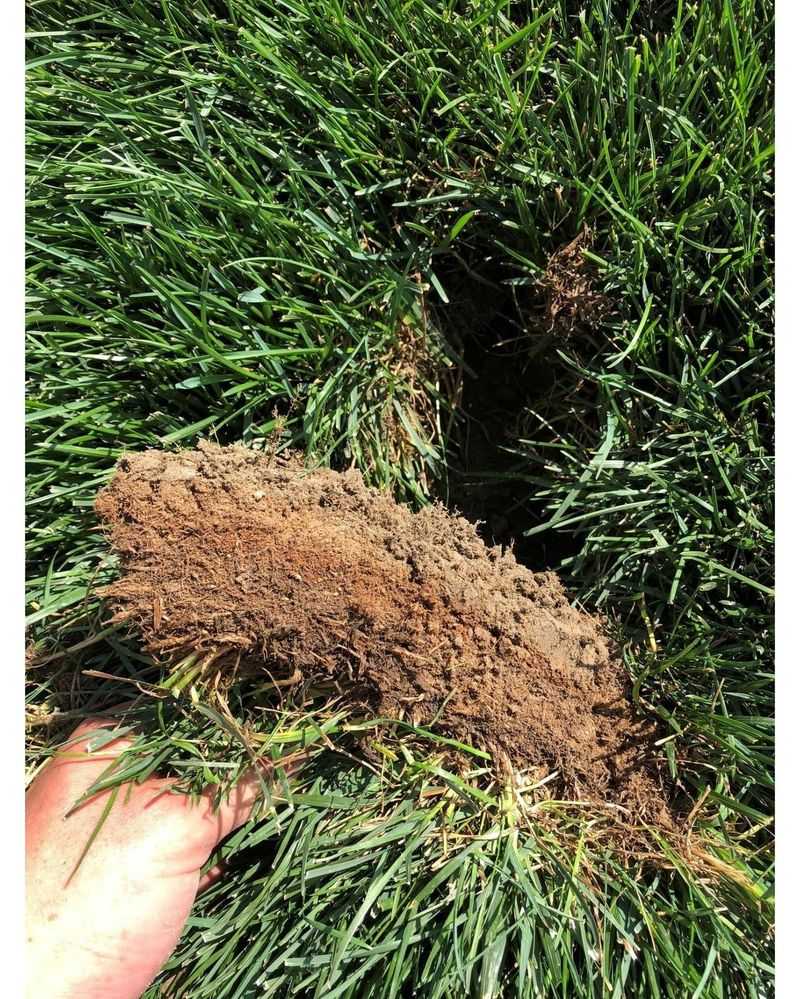
Imagine trying to drink through a pinched straw. That struggle is a lot like what grass roots face in compacted soil, and dry weather makes it even harder.
When soil gets pressed down tight, the tiny spaces that hold air and water shrink. Roots cannot push through hard ground easily, so they stay shallow near the surface. Shallow roots dry out fast because the top layer of soil loses moisture first.
Compaction happens from foot traffic, mowers, pets, and even heavy rain pounding the surface over time. Areas near walkways, play spots, and driveways usually feel the hardest.
During a drought, compacted lawns turn brown quicker and struggle to recover. The roots simply cannot reach the deeper moisture they need. You might notice water pooling on top or running off instead of soaking in, another clue that the soil is packed too tight.
A screwdriver test helps you check. Push one into the soil, and if it goes in with ease, you are fine. If it stops short and takes real force, compaction is likely the issue.
The long-term answer is loosening the soil so air, water, and roots can move freely again. Core aeration is the classic fix, though timing matters, which we will cover soon. Adding organic matter helps too.
Once roots grow deeper, your lawn handles dry spells far better and stays green longer through tough stretches.
Avoid Heavy Traffic On Stressed Grass
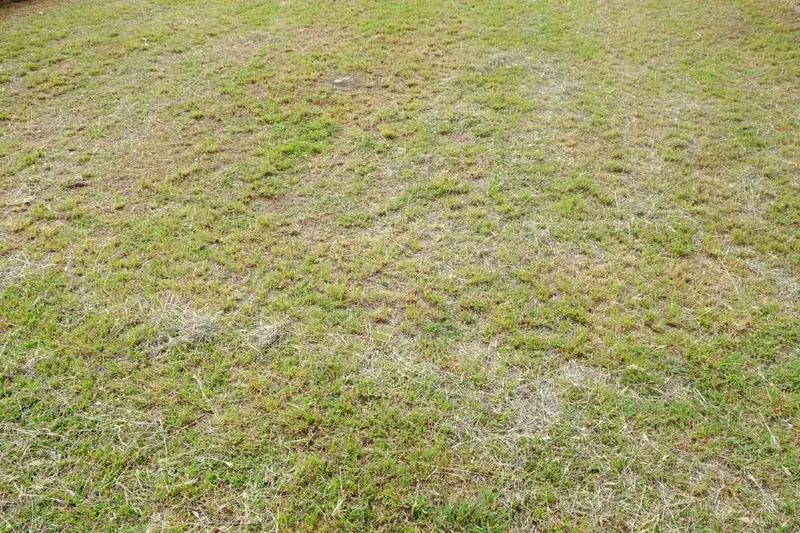
Picture grass that is already running on empty. Now add a mower, a game of tag, and daily foot traffic on top of that. It is a recipe for trouble.
When soil is extremely dry, grass reaches something called the wilting point. The blades lose their firmness and cannot stand back up the way healthy grass does.
Walking or mowing over turf in this fragile state crushes the blades and can leave lasting marks.
You may have seen footprints that stay pressed into brown grass long after someone walked by. That happens because the stressed plant has no water to spring back.
Repeated pressure in the same spots wears the grass thin and slows recovery even more. The kindest thing you can do is give your lawn a break. Keep foot traffic light, and steer play toward patio areas or shaded paths until moisture returns.
Hold off on mowing when the grass is deeply stressed. If you must mow, wait until after a watering or rain, raise the blade higher, and make sure the mower is sharp so it slices cleanly instead of tearing.
Taller grass shades the soil and keeps roots cooler, which helps during dry weather. Less activity means fewer wounds for the plant to heal.
Treating a thirsty lawn gently now protects it for the important fall growing season. A little patience keeps your yard from carrying scars into the cooler months ahead.
Fall Aeration May Need To Wait
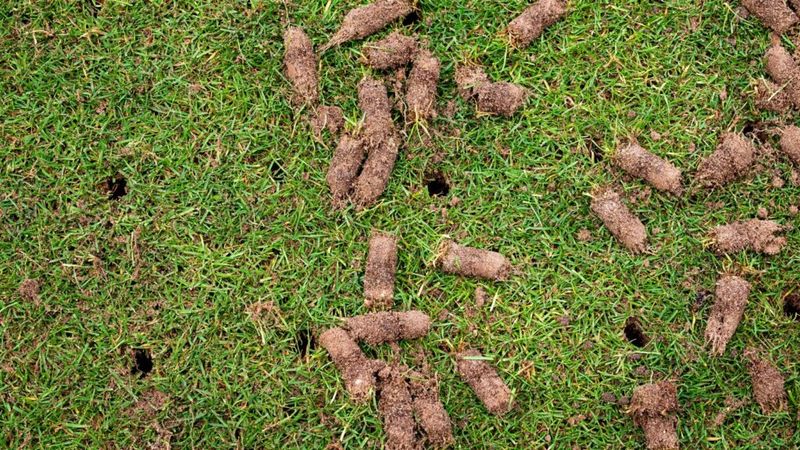
Fall is famous as the best time to aerate a Michigan lawn, but there is a catch worth knowing. If the soil is bone dry, your timing could work against you.
Core aeration uses hollow tines to pull small plugs of soil out of the ground. This opens up space for air, water, and roots to move freely. The problem is that dry, rock-hard soil fights back against those tines.
When the ground is too dry, the machine barely scratches the surface. Instead of pulling deep cores, it bounces along and leaves shallow holes that do little good. You end up with all the effort and none of the reward.
Moisture changes everything. Soil that holds enough water becomes soft enough for the tines to sink in and remove full plugs. That is why timing aeration after a good rain or a deep watering makes such a difference.
Plan to water your lawn well a day or two before aerating. The soil should be moist but not soggy, since mushy ground can smear and clog the tines instead.
Watch the weather forecast this week. If rain is coming, that natural soak might set up perfect aeration conditions afterward. If not, run your sprinklers ahead of time.
Waiting for the right moisture level turns a frustrating chore into a genuinely helpful one, giving your lawn the deep, open soil it needs to thrive through fall.
Moisture Will Decide Fall Recovery
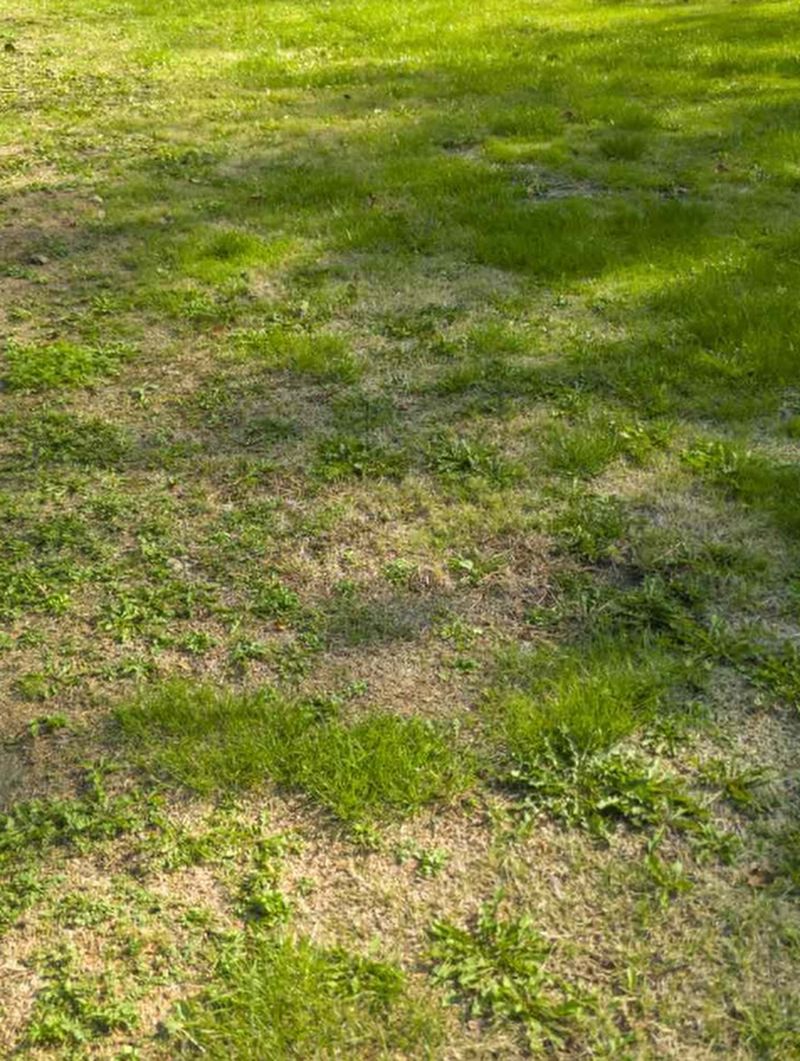
Everything your lawn does this fall hinges on one simple ingredient: water. Without enough moisture in the soil, even the best plans fall flat.
Fall is prime time for Michigan lawns to bounce back, thicken up, and store energy for winter. Cooler air and shorter days signal grass to grow again. But that comeback only happens when roots find steady moisture waiting in the ground.
If you are dreaming of overseeding thin spots, remember that new seed needs consistent dampness to sprout. Dry soil leaves those seeds stuck and waiting, unable to take root. Watering lightly and often keeps the surface moist during germination.
Aeration works best in moist soil too, as we covered earlier. And any fertilizer you apply needs water to carry nutrients down to the roots where they matter most.
Keep an eye on both rainfall and your own watering habits this week. A good goal is about an inch of water per week, split into a couple of deep sessions rather than daily sprinkles.
Check the soil by pushing a finger a few inches down. If it feels dry, your lawn is telling you it needs more before real recovery can begin.
Once moisture returns and the soil softens, your grass will reward your patience with fresh green growth. Reading these signs now puts you ahead of the game, setting up a thicker, healthier lawn that sails into next spring looking better than ever.