The Mistake That Keeps Coneflowers From Producing More Blooms
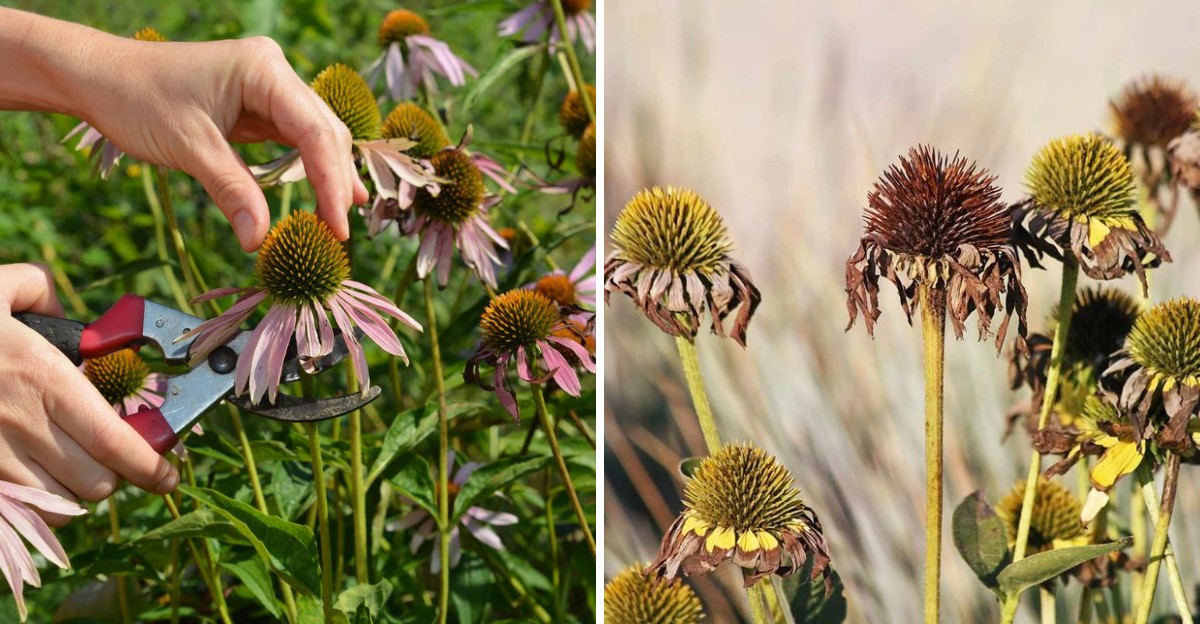
Somewhere beneath those faded petals, next year’s blooms are quietly forming right now. Gardeners repeat one habit each autumn, wondering why their clumps grow thinner.
Buds already form under fading flowers, long before you notice them. Timing shapes whether your blooms thrive or struggle come June. Patience costs you little, yet it steadily repays you with fuller, thicker growth.
Soil holds secrets your pruners simply cannot detect right now. Your instincts might feel wrong, yet the payoff repeats itself yearly. One overlooked habit separates lush borders from sparse, disappointing ones next season.
Knowing precisely when to stop changes your entire next summer show. Waiting a little longer feels strange, but it truly rewards you. Skipping an early habit rewards you with fuller borders by June.
Every choice made now echoes through next year’s entire bloom count. What happens next in your own garden depends entirely on you.
Snipping Stems Down Before The Plant Finishes Storing Energy
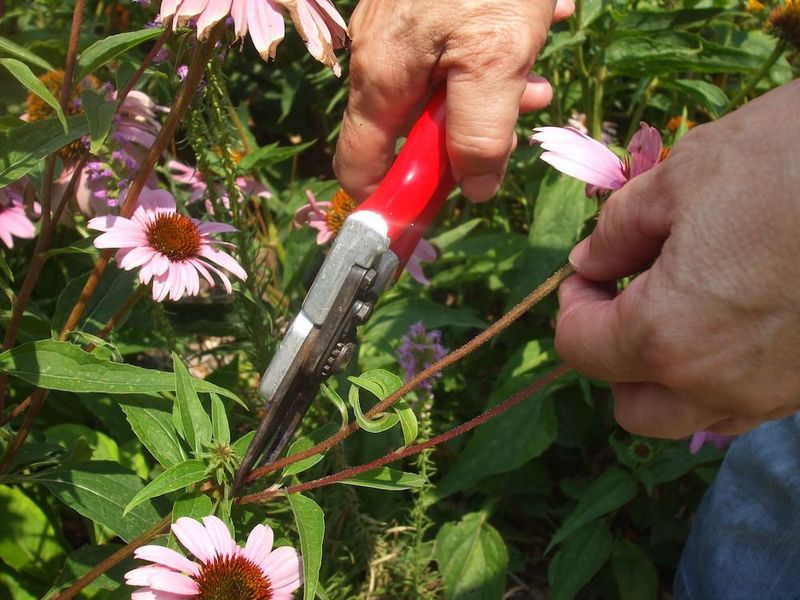
Here is the part that surprises people. A coneflower is still working in September, even when the petals look tired and ragged.
Those green stems and lower leaves keep photosynthesizing well into fall. The sugars they make travel down into the crown and roots, building the energy bank that fuels next year’s flower stems.
Cut everything to the ground in early September and you close that bank early. The plant heads into winter with a smaller reserve than it should have.
Come spring, it pushes fewer stems. Fewer stems mean fewer buds, and fewer buds mean a thinner display in June and July.
Gardeners often blame the soil or the weather when blooms shrink. The real culprit was a pair of pruners in hand two seasons earlier.
Timing matters more than the cut itself. Waiting until the foliage has browned naturally, usually after several hard frosts, lets the plant finish its own shutdown schedule.
In many regions that means late November, or even waiting until spring. Neither option is untidy if you plan for it.
A simple test helps. If the stems still snap green and the basal leaves look fresh, the plant is still feeding itself.
Leave it be for a few more weeks. Your patience gets repaid in stem count, which is the number that really drives bloom volume.
Think of early fall as the coneflower’s final paycheck of the season. Let it cash the check before you tidy the desk.
Seed Heads Are Winter Insurance, Not Clutter
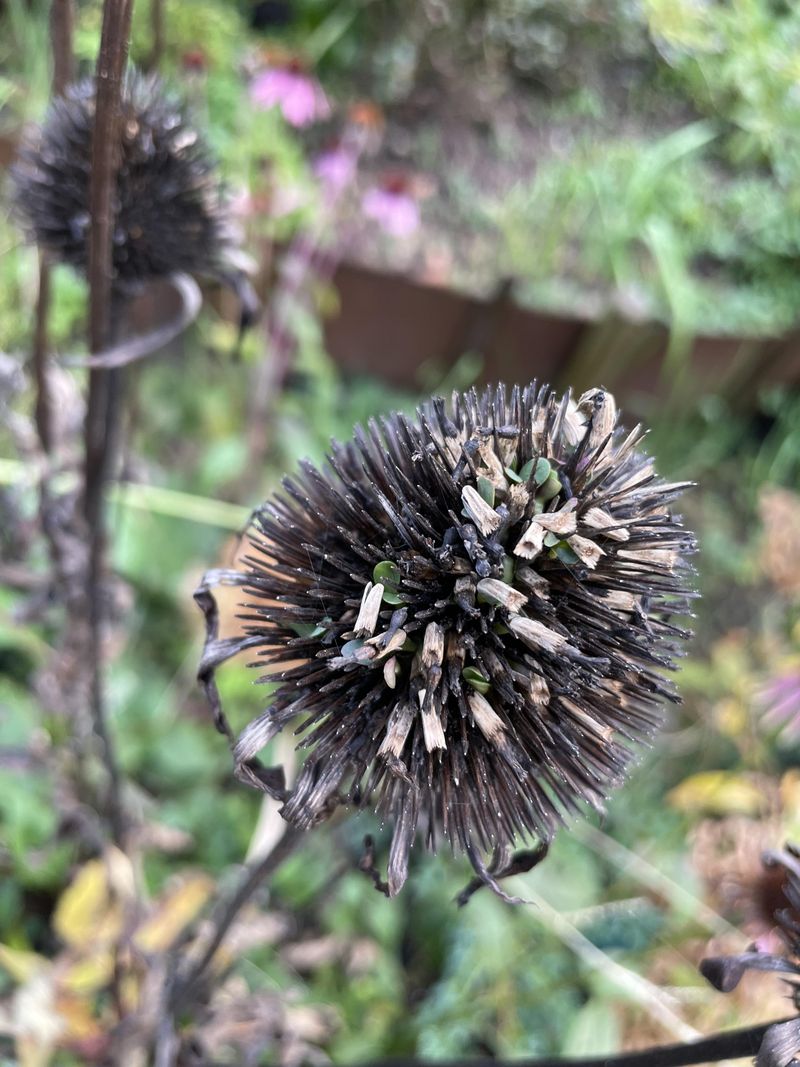
Those spiky brown cones look scruffy in October. They are also one of the toughest layers of protection a coneflower has.
Standing stems and seed heads trap fallen leaves and snow around the crown. That loose blanket buffers the soil against the freeze and thaw cycles that heave shallow roots out of the ground.
A heaved crown sits exposed to drying wind. Plants that survive it often come back weak, with half the stems they had before.
Hollow stems also give the crown a bit of airflow above the mulch line. Bare, sheared clumps sit flat and can stay soggy under wet winter mulch.
There is a bonus for anyone who loves birds. Goldfinches, chickadees, and juncos work over the cones through the cold months, and watching them cling upside down to a frosted stem adds visual interest through winter.
Native bees take shelter in the hollow stalks too. Leaving even a portion of the planting standing supports the same pollinators that will visit those flowers next summer.
If total wildness bothers you, compromise. Leave the coneflowers standing and tidy the softer perennials around them.
You can also cut half the clump and leave half. The garden reads as intentional, and the plants still get their insulation.
Come March, the whole lot snaps off easily with one pass of the shears. Winter does most of the work for you.
Bare Crowns Take A Beating From Freeze And Thaw
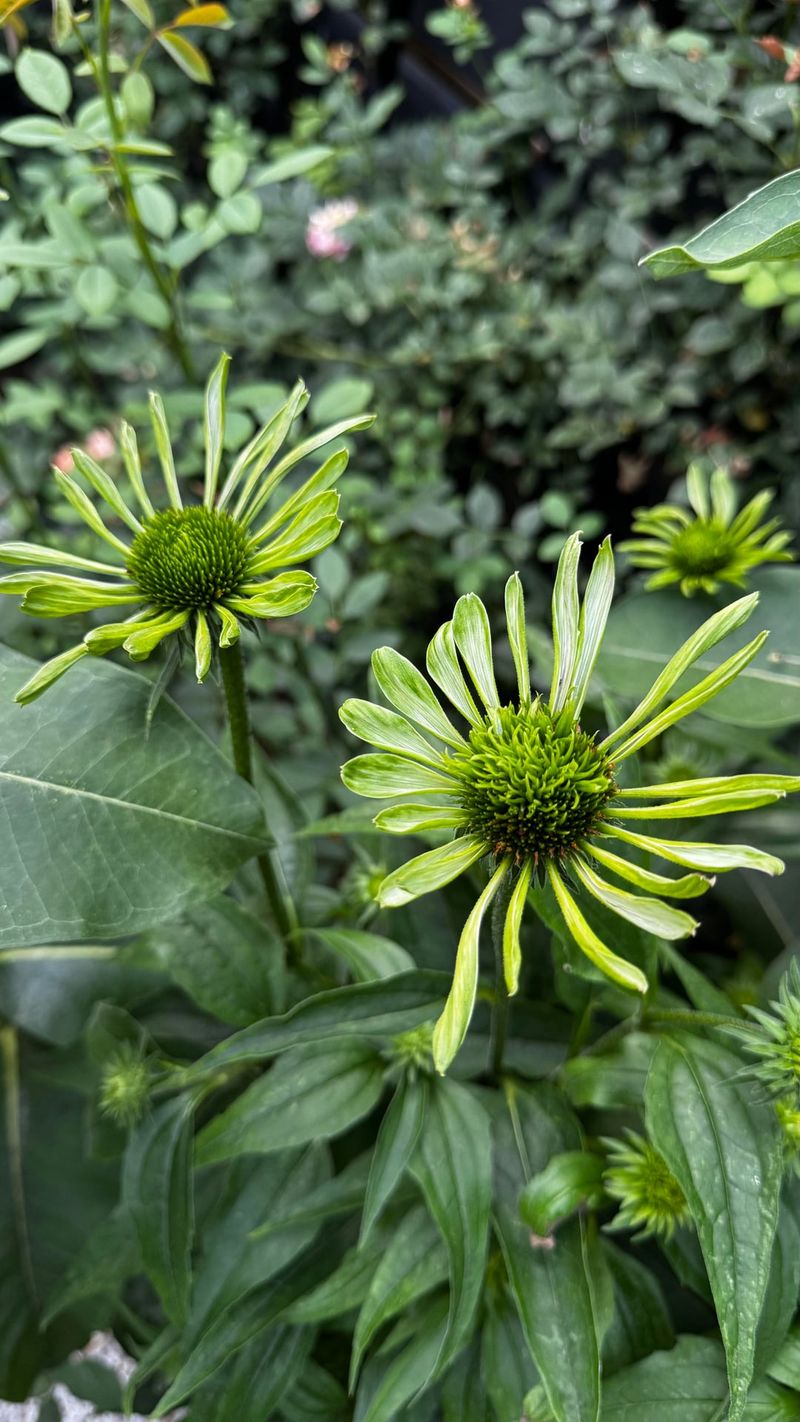
Picture a February afternoon that hits 50 degrees, followed by a night in the teens. Soil expands, contracts, and slowly shoves anything shallow toward the surface.
Coneflowers grow from a fibrous crown that sits close to the soil line. That crown is exactly what gets pushed upward when the ground works itself like bread dough.
Standing stems slow the whole process down. They shade the soil, hold leaf litter in place, and keep temperatures steadier through those wild swings.
Shear the plant flat in early fall and none of that buffering exists. The crown rides the freeze and thaw with no cushion at all.
Younger plants are more vulnerable. A clump set out this past spring has not built much of a root system yet, and it is the one most likely to look sparse next June.
Wet clay makes it worse. Water pools around a bare crown, freezes, and turns the root zone into a block of ice.
If you have already cut a bed back, all is not lost. Tuck a few inches of shredded leaves or pine straw loosely around the base once the ground has chilled.
Keep the mulch light and airy rather than packed against the crown. Coneflowers tolerate drought far better than they tolerate a soggy collar.
Better yet, mark the calendar for next year. A reminder note in early September can save more perennials than a product ever will.
Free Seedlings You Are Tossing In The Compost
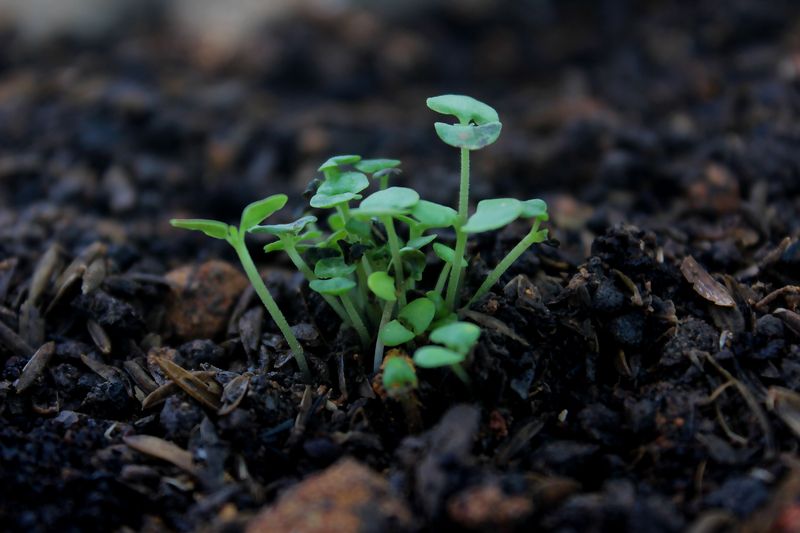
Every cone holds hundreds of seeds. Haul those stems to the compost pile in September and you have just thrown away a batch of free seedlings.
Coneflowers self sow with a little encouragement. Seeds that drop near the parent plant get the winter chill they need and sprout in patches the following spring.
Those volunteers thicken a border for free. In three seasons, a single clump can seed itself into a drift that looks like a designer planted it.
Straight species types like Echinacea purpurea come fairly true from seed. Fancy double or orange cultivars often produce offspring that revert to plain purple, which many gardeners find charming anyway.
Want more control? Snip a few cones in late fall, dry them indoors, and rub the seeds free over a sheet of newspaper.
Sow them in flats left outside over winter, or scatter them in a prepared spot in November. Cold, damp weeks act as the natural trigger that wakes the seeds up. Leave the rest standing so birds get their share. There is plenty to go around.
One historical note worth mentioning: Echinacea has a long history in American gardens, with documented cultivation dating back centuries, and it spread across prairies for centuries through birds, gravity, and dropped seed.
Your garden can work the same way. Put the pruners down and let the plant do what it has been doing on its own for a very long time.
Fall Shearing Can Trigger Tender New Growth
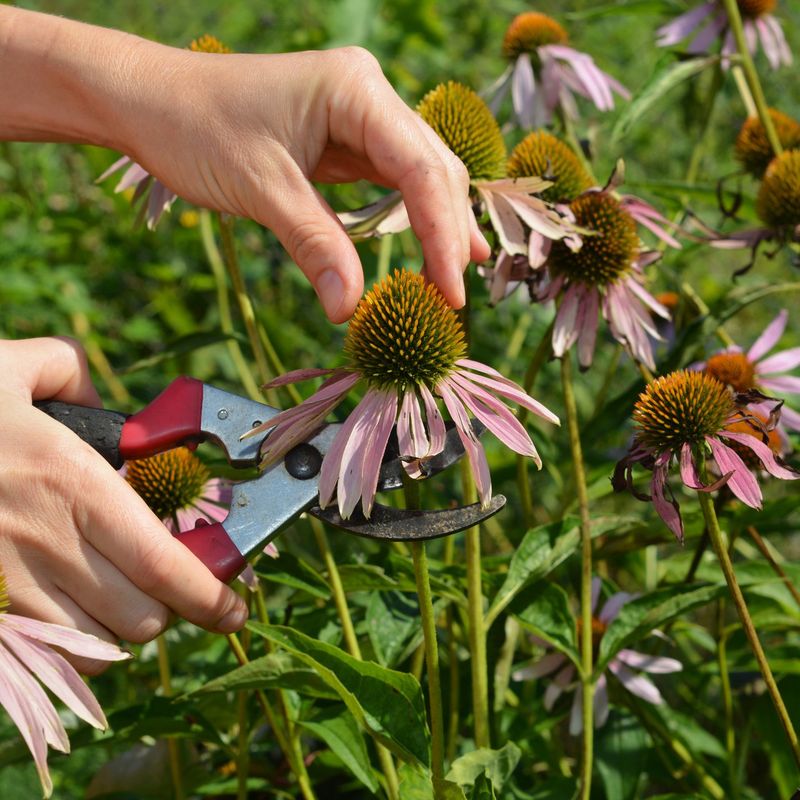
Cut a perennial back while the weather is still mild and it often answers with fresh growth. Coneflowers are no exception.
Warm September afternoons plus a sudden haircut can prompt soft new basal leaves. That flush uses stored energy the plant needed for winter.
Worse, tender growth has no time to harden off before the first hard freeze. It gets damaged, and the plant spends more reserves trying to recover.
The result shows up the following summer as a smaller, less vigorous clump. Fewer stems, smaller flowers, shorter bloom window.
Late summer trimming carries the same risk in a milder form. Snipping spent flowers in July encourages a second round of buds, which is great, but doing it in September wastes the plant’s time.
Around Labor Day, shift your mindset from shaping to observing. Let the plant slow down on its own schedule.
If a stem flops across a path or a bloom looks genuinely mushy, remove that one stem. Spot work does not send the same wake up signal as a full shearing.
Watch what the plant tells you. Once foliage has gone tan and brittle and the stems rattle in the wind, growth has stopped and cutting is harmless.
In colder zones that point arrives by late November. In mild winter regions it may not arrive until February.
Follow the plant, not the calendar page. It has better instincts about its own dormancy than any tidy up schedule.
The Spring Cleanup Routine That Boosts Your Flower Count
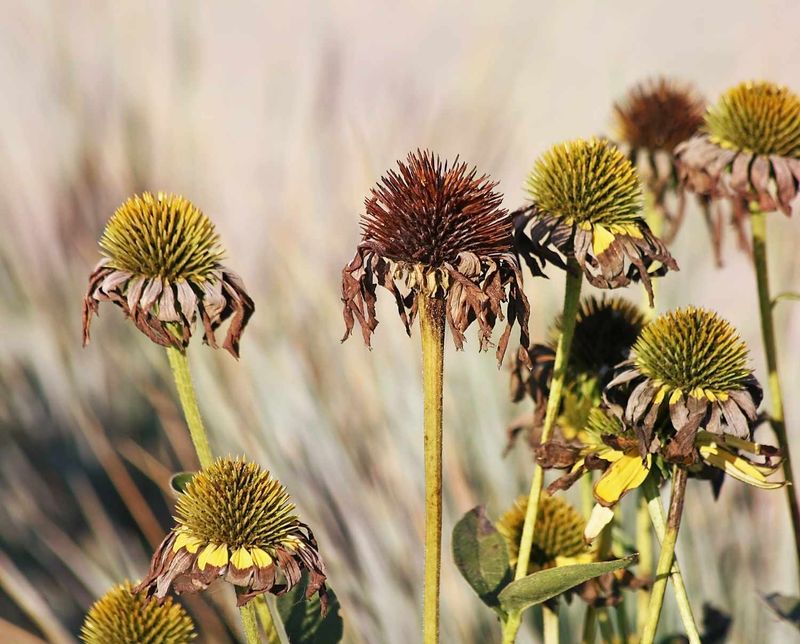
Good news for anyone who dreads fall chores. The best coneflower cleanup happens in spring, and it takes about five minutes per clump.
Wait until you see small green rosettes forming at the base. That is usually late March or April, depending on where you garden.
Grab a handful of old stems and cut them to roughly four inches above the soil. Winter has already made them brittle, so shears glide right through.
Leaving short stubs rather than shaving to ground level protects the crown from spring shovels and stray feet. Those stubs also give stem nesting bees a place to settle in.
Chop the removed stems into short pieces and drop them behind the border if you like. They break down quickly and feed the soil.
While you are down there, take a look at the clump’s center. If it looks hollow or woody after four or five years, lift and divide it in early spring for a serious bloom boost.
Replant the healthy outer sections about 18 inches apart. Discard the tired middle.
Add a thin layer of compost around the base, not on top of the crown. Skip heavy feeding, since rich soil pushes floppy stems and fewer sturdy blooms.
Then step back and let summer happen. Many gardeners who switch to spring cleanup notice fuller clumps within a season or two, and the birds get a winter buffet as a bonus.