Where Spotted Lanternflies Hide Their Eggs Around Your Pennsylvania Property
Walk your yard on a chilly November afternoon and everything looks calm, quiet, and perfectly ordinary. Look a little closer at the bark and stone, though, and that calm becomes a clever disguise.
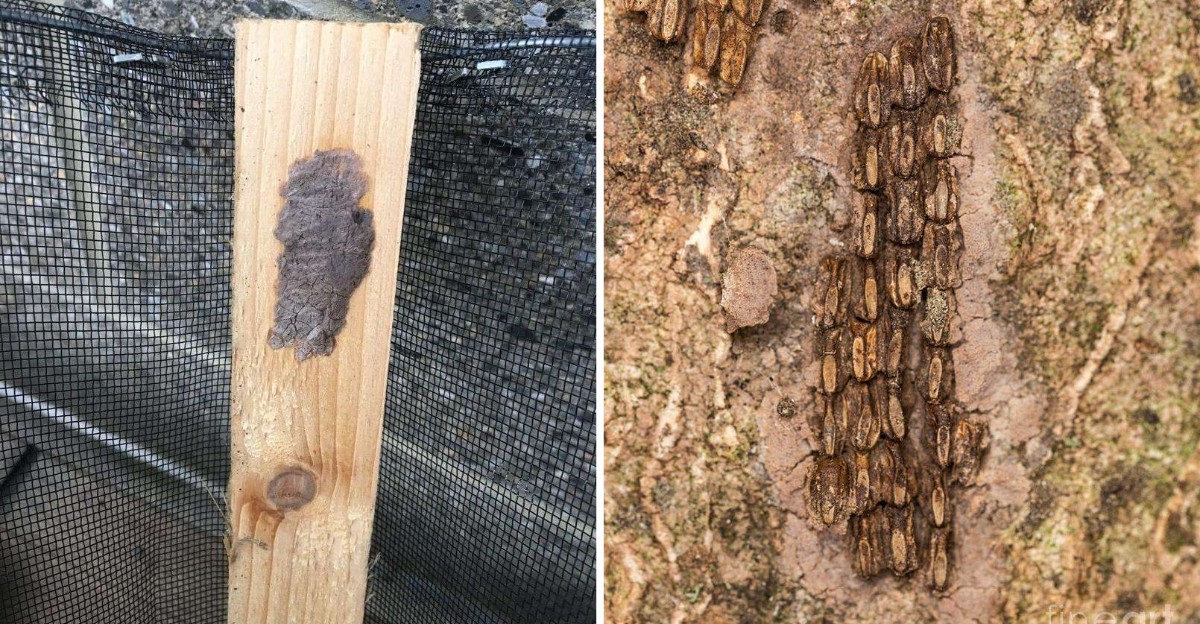
Flat smears of grayish putty cling to tree trunks, fence rails, and the underside of your grill cover. They look exactly like dried mud splatter, which happens to be the entire point of the trick.
Across Pennsylvania, backyards hide dozens of these smudges each winter, tucked into places nobody ever bothers to inspect. Most homeowners walk right past them for months without ever giving the gray patches a second glance.
Learn that odd putty texture, and you start spotting it everywhere, like terrible wallpaper you cannot unsee. Your neighbors will simply wonder why you have started petting the fence posts.
1. On The Trunks Of Tree Of Heaven
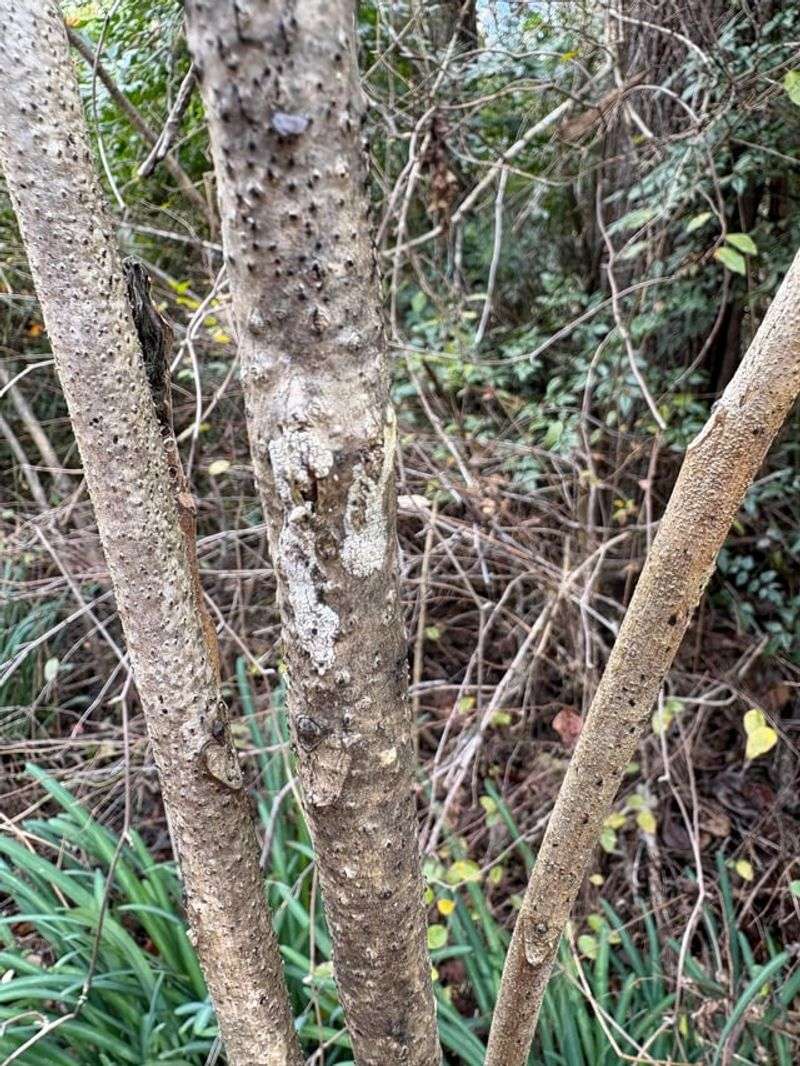
Tree of heaven is this insect’s favorite restaurant, so the nursery usually sits somewhere on the same trunk. Check the smooth upper bark first, then work slowly down toward the flared roots.
Egg masses here often cluster shoulder to shoulder, forming gray patches nearly a foot wide. Fresh ones look damp and shiny, like wet cement smeared across rough bark with a knife.
Older masses lose that coating and show tidy rows of seed-shaped bumps in brownish lines. Both types still hold living eggs, so scrape everything you find, glossy or cracked and gray.
Carry a plastic card, a sturdy scraper, and a zip bag filled with isopropyl solution. Push each mass off the bark directly into the liquid, then seal the bag tight.
Ladders matter here, because masses climb well above the height most people can comfortably reach. Handle whatever feels safe from the ground and leave tall canopy work to a trained arborist.
Many Pennsylvania landowners remove tree of heaven, since it spreads quickly and feeds enormous hopper populations. Cutting alone backfires, though, because the stumps push out dozens of stubborn new shoots.
Some folks keep one treated male tree as a trap, following Penn State extension guidance. Inspect that trunk weekly from September into early spring, and your whole property benefits.
Neighbors who scrape together get better results, since these hoppers cross fences without asking permission. Share a scraper, compare notes, and turn a dull chore into a block tradition.
2. Under The Rails Of Decks And Fences
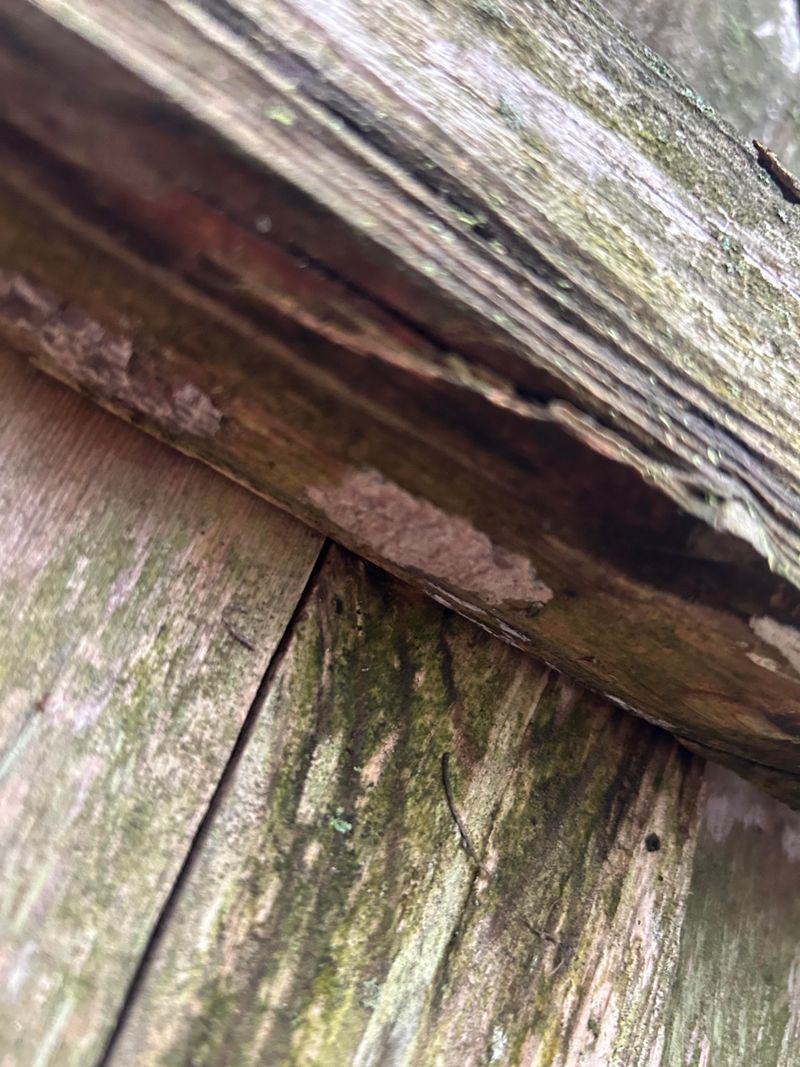
Decks feel like safe ground until you crawl under one with a flashlight in October. The undersides of railings, joists, and stair stringers collect gray smears that people overlook for years.
Shaded, protected wood suits these eggs perfectly, since rain and wind rarely reach those hidden surfaces. Run your fingers along the bottom edge of every rail, and check each post cap.
Vinyl fencing is not safe either, because smooth plastic holds masses just as well as cedar. Look along the shadowed side facing your yard, roughly waist height or a bit lower.
Lattice panels hide dozens of small masses inside their crisscross corners and shady inner faces. Use a small mirror or your phone camera to check the angles your eyes cannot reach.
Your Pennsylvania Garden Changes Every Week. Your Plan Should Too.
Gardening in Pennsylvania changes quickly throughout the season. Every Friday you’ll receive a simple weekly plan showing exactly what to plant, prune, fertilize, harvest, and protect so you never miss the right timing.
A stiff putty knife works better than a credit card on splintery pressure-treated lumber. Scrape gently so you avoid gouging the wood, then collect residue in a bag.
Skip the pressure washer, because blasting masses spreads eggs into mulch instead of destroying them. Spray water only after scraping, when the surface simply needs a quick, harmless rinse.
Hardware stores sell dedicated scraper cards, though a paint stirrer and a jar of disinfecting solution work fine. Keep the supplies in a bucket near the back door so inspections take minutes.
Late fall through April is prime scraping season, since masses sit quietly there all winter. Each one you remove means dozens fewer hoppers bouncing off your patio next July.
3. Beneath The Covers Of Grills And Patio Furniture
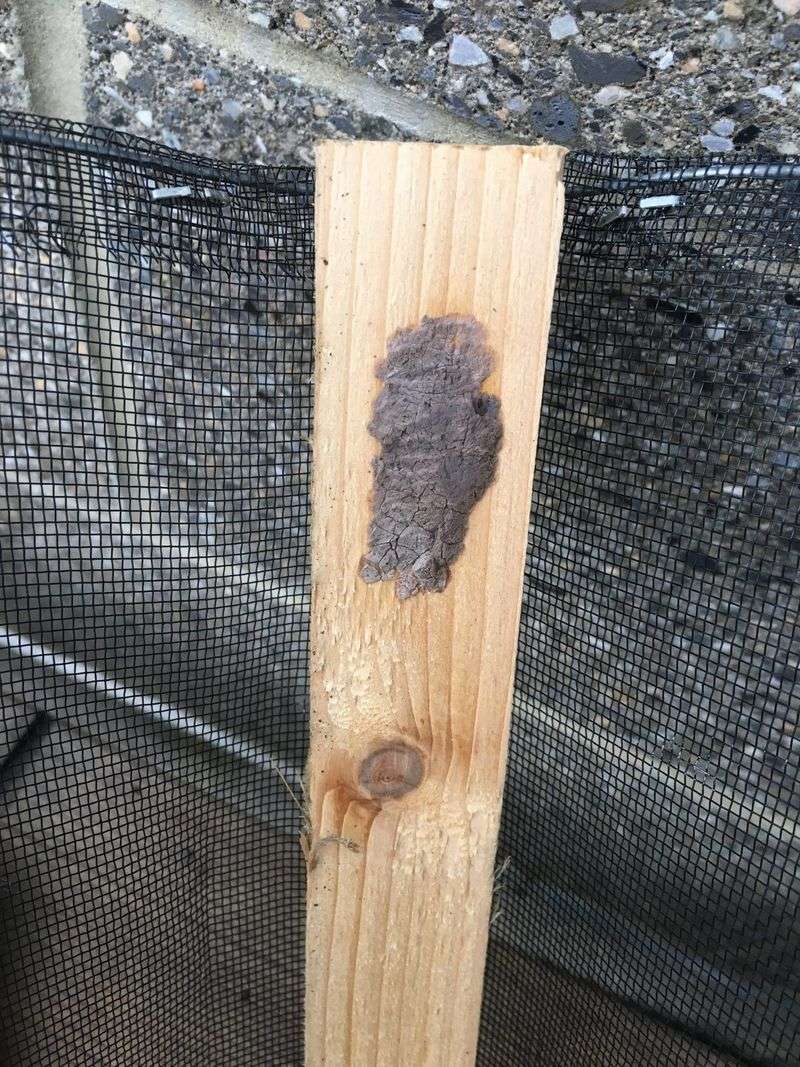
Nobody expects a grill cover to double as a maternity ward, yet here we are. Peel one back in early spring and you may find gray putty stuck to the fabric.
Egg masses cling to the cover’s inner lining, the grill lid, and the metal side shelves. Check the propane tank too, especially the rounded collar where shadows sit most of the day.
Stacked patio chairs create dark, dry pockets, and those tight seams turn into prime real estate. Separate every chair, flip the seats, and look under armrests before you store them.
Umbrella poles and folded canopy fabric hide long strips of masses tucked deep inside their creases. Open the umbrella fully on a dry day and inspect the ribs one by one.
Cushion storage boxes deserve a careful look, particularly the lid’s underside and the bottom inside corners. Wipe surfaces with soapy water after scraping so nothing sticky remains for next season.
Fire pits, cornhole boards, and outdoor cooler lids all collect masses along shaded edges. Anything you leave outside past September deserves a thorough February inspection.
Portable items carry eggs to brand new places, which is exactly how this insect travels far. Inspect gear before you take it camping, tailgating, or over to a relative’s house.
Pennsylvania asks residents to check outdoor gear carefully before traveling outside the quarantine zone. A two-minute look can stop an entire new infestation from starting somewhere miles away.
4. Across The Faces Of Stone Walls And Foundations
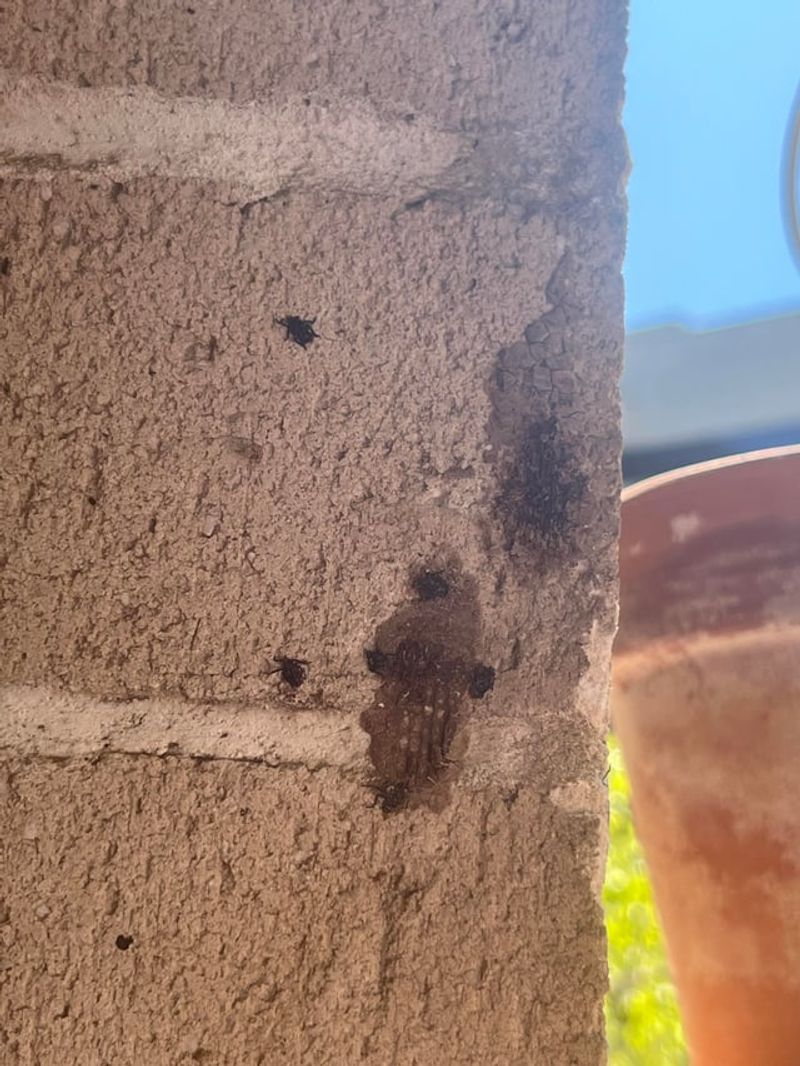
Stone holds daytime heat, and warm surfaces attract insects hunting for a cozy winter address. Retaining walls, fieldstone borders, and poured foundation blocks all belong on your scraping checklist.
Masses blend beautifully with gray granite, bluestone, and concrete, which makes spotting them genuinely tricky. Angle a flashlight sideways along the surface, because raking light reveals the slightly raised texture.
Check the underside of capstones, the shaded joints between blocks, and any deep mortar cracks nearby. Egg masses love the seam where wall meets soil, often hidden by weeds and leaf litter.
House foundations near downspouts and window wells collect them, along with metal basement bulkhead doors. Sweep away cobwebs first, then scan slowly instead of rushing along the entire wall face.
Rough stone makes scraping messy, so expect a few crumbs to tumble onto the ground. Lay an old sheet below your work area and gather everything afterward for safe disposal.
Eggs left sitting on soil still hatch, which is why catching stray crumbs truly matters. Drop collected material into an isopropyl solution, seal the bag, and place it in household trash outside.
Stone walls stay cold in winter, so pick a mild afternoon when your fingers cooperate. A wire brush handles rough textured surfaces, while a plastic card suits smooth poured concrete.
Fun detail: females pick vertical, sheltered spots because gravity keeps rainwater from pooling on them. Your tidy garden wall is basically a luxury condo with excellent southern exposure.
5. Inside The Wheel Wells Of Cars And Trailers
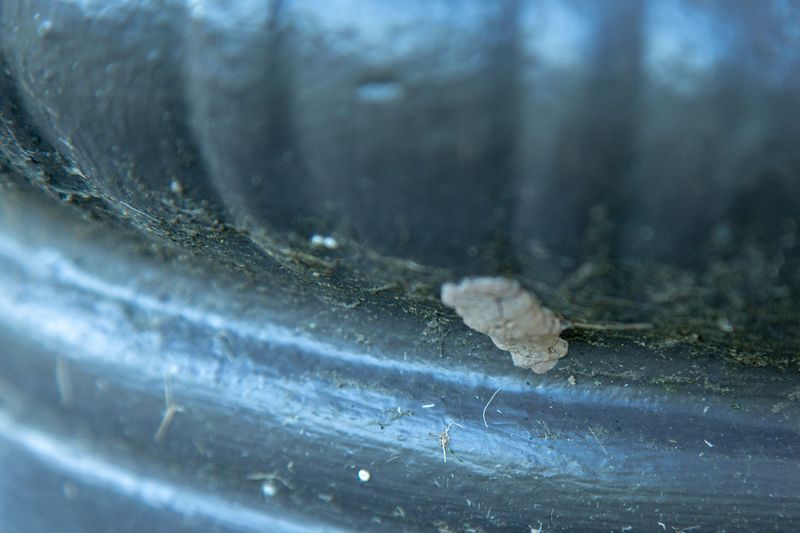
Vehicles are the main reason this insect spread from Berks County to nearly 20 states. Wheel wells, bumpers, and undercarriages carry egg masses down the interstate at seventy miles per hour.
Park under an infested tree during autumn and you may collect unwanted passengers overnight. Check the roof rack, the mirror housings, and the gap behind your license plate.
Trailers, boats, and campers sit still for months, which makes them especially appealing nurseries. Crawl underneath with a bright light and inspect the frame rails and axle area.
Firewood trailers and landscaping equipment rank high on Pennsylvania’s list of accidental delivery vehicles statewide. Inspect mower decks, ladder racks, and toolboxes before you drive out of the quarantine area.
Businesses moving goods through quarantine counties need a state permit and a trained inspection routine. Homeowners face no permit, though the same careful habit protects neighbors down the road.
Scraping a car takes patience, since masses tuck into creases you rarely think about. A flashlight, a work glove, and a plastic card handle most of the job.
Car washes with undercarriage spray help, though they miss sheltered pockets near the spare tire. Follow the wash with a quick visual check whenever your vehicle sits outside overnight.
One hitchhiking mass can hold up to fifty eggs, enough to start trouble hundreds of miles away. Two minutes of looking beats explaining to Ohio why their maple trees suddenly have guests.
Make the check a habit before long drives. Future you, and Ohio, will appreciate it.
6. Along The Sides Of Firewood Stacks And Log Piles
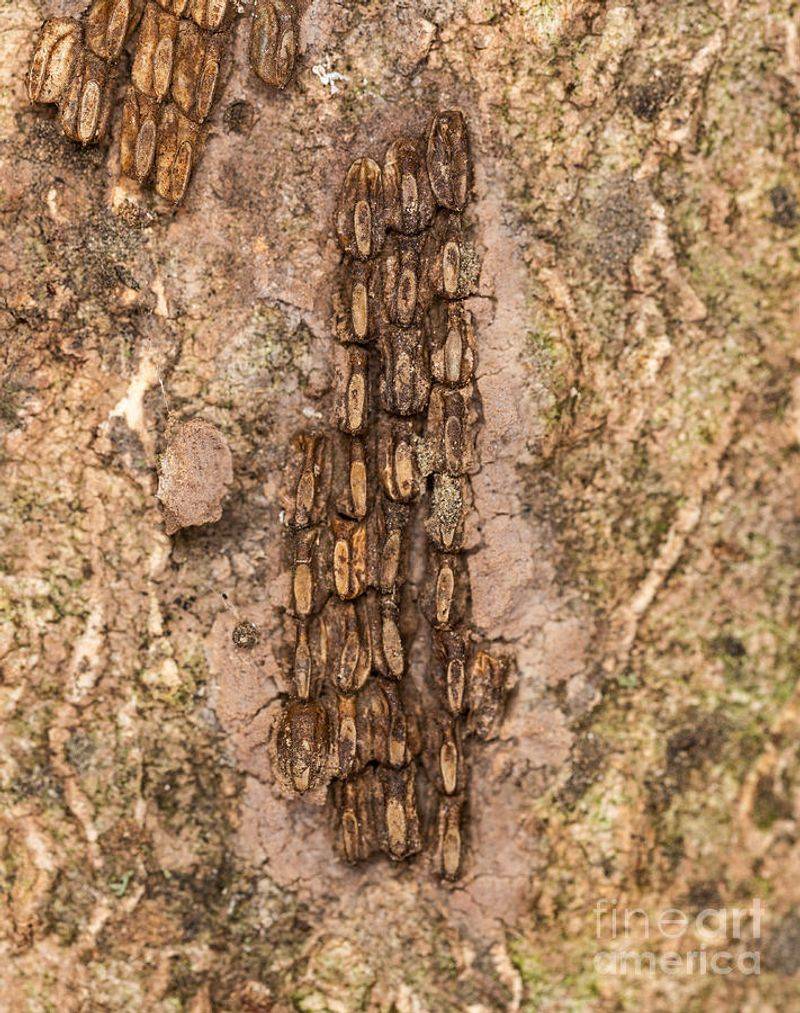
Firewood moves more pests around Pennsylvania than almost anything else people toss into pickup trucks. Split logs stacked outdoors collect egg masses on bark, cut ends, and the rack itself.
Masses hide between logs where two pieces touch, protected from rain and curious birds. Pull the stack apart in February and inspect each piece as you restack it.
Bark-on logs are the biggest offenders, especially maple, birch, and anything with rough ridged bark. Smooth cut faces hold masses too, so flip the log ends toward your flashlight beam.
Burning infested wood at home solves the problem, since heat handles everything inside the eggs. Moving that wood to a cabin three counties away creates a brand new colony.
Experts repeat one simple rule: buy firewood where you burn it, and burn it quickly. Local wood costs a few dollars more and saves whole forests a whole lot of trouble.
Tarps covering woodpiles deserve attention, since the underside stays dry and shaded all winter. Unfold the whole tarp and scan both sides before folding it away for spring.
Pallets and metal log racks gather masses along their crossbars and shadowed inner corners. Tilt the rack, look underneath, and scrape anything gray that feels slightly raised there.
Storing wood away from the house helps with mice and beetles at the same time. One inspection per winter turns a chore into a quietly satisfying treasure hunt.
Gloves make the job less splintery. A warm thermos of coffee helps even more.
7. Behind The Panels Of Sheds And Play Sets
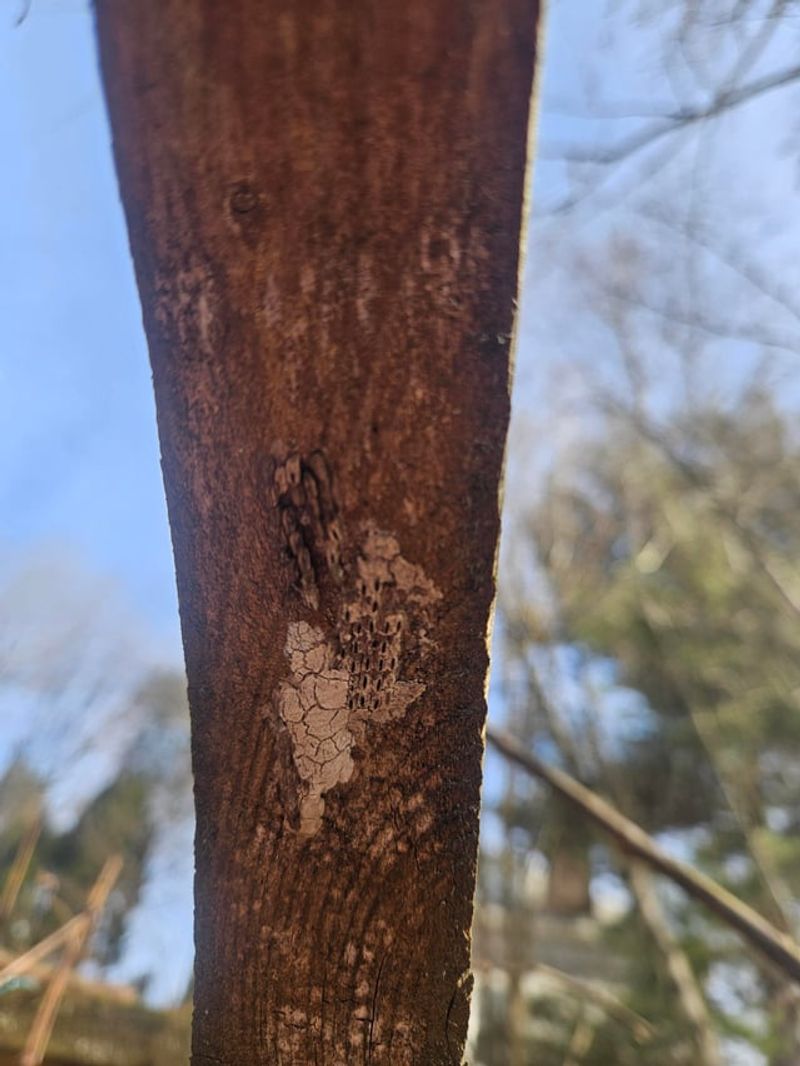
Kids’ swing sets are basically jungle gyms for insects too, which nobody puts in the brochure. Check the top beam, the underside of slides, and the shaded inside of A-frame legs.
Shed siding collects masses along the sunny south wall and beneath the roof overhang. Vinyl, aluminum, and painted wood all work equally well as far as these insects care.
Look behind loose panels, under window ledges, and inside the door frame’s upper corner. A step stool reveals spots your normal sight line skips right past every single time.
Playhouses, trampolines, and basketball hoops offer the same sheltered vertical surfaces these insects prefer. Trampoline frames and folded safety nets hide small masses tucked inside their padded seams.
Cleaning play equipment means scraping first, then washing with warm soapy water and a brush. Rinse thoroughly, because children grab these surfaces with bare hands all summer long.
Skip strong chemicals on anything children touch, since scraping physically removes the problem anyway. Soap, water, and steady elbow grease finish the job without leaving any residue behind.
Turn inspection into a family game, offering a small prize for whoever finds one. Kids spot low masses faster than adults, mostly because they examine everything at close range.
Late winter works best, well before hatching begins around late April or early May. Clear the equipment now and summer play stays free of tiny hopping intruders.
Bring a flashlight even at noon. Shadows keep the best secrets around here.
8. Under The Rims Of Flower Pots And Yard Statues
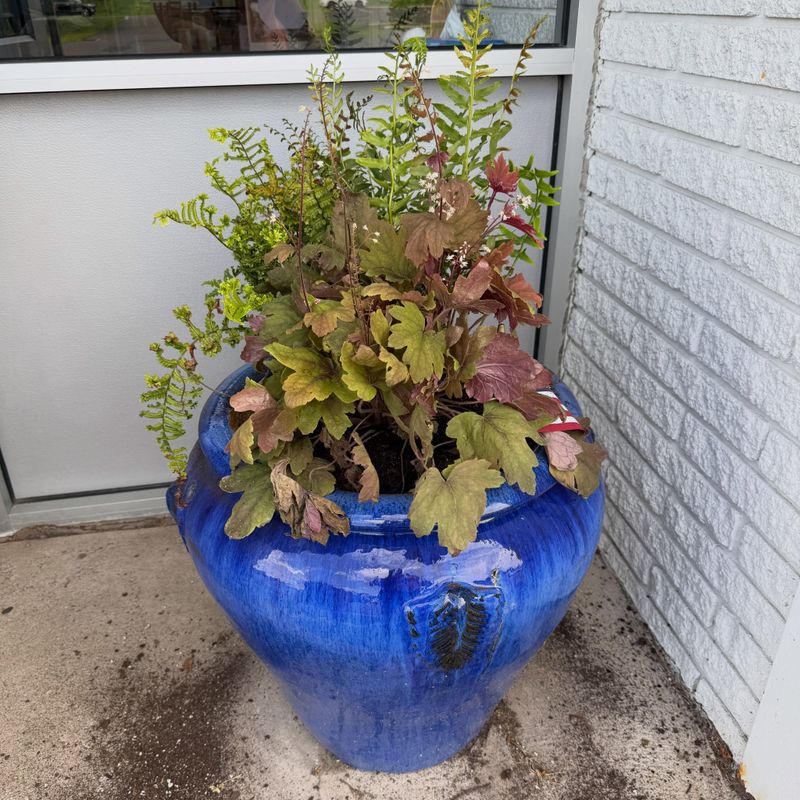
Garden decorations look innocent, yet the lip of a ceramic pot is a five-star nursery. Flip every planter, birdbath base, and garden gnome, then check the hollow underside carefully.
Concrete statues, stepping stones, and stacked pavers hold masses along their shaded lower curves. Masses match the gray concrete so well that most people walk past them daily.
Empty pots stacked in a shady corner create dark tunnels these insects find quite appealing. Separate the stack, check each rim, and rinse them all before spring planting begins.
Trellises, garden stakes, and hose reels collect masses along their flat, sheltered back sides. Rotate each item slowly in your hands rather than glancing quickly at one flat face.
Wind chimes and hanging baskets seem too small to matter, though eggs fit almost anywhere. Even a mailbox post or the underside of a porch light qualifies as shelter.
Scrape ceramic and concrete gently, since a metal blade can chip glaze or old paint. A plastic card protects the finish while still lifting masses off the surface cleanly.
Collect everything in a bag with disinfecting solution, then seal it and toss it out. Crushing works too, though masses are stubborn and some eggs survive a quick stomp.
Spring cleaning your yard decor handles two jobs at once, tidy and pest-free. Your garden gnome keeps his dignity, and your maples keep their sap.
Do the sweep on a sunny March day. Reward yourself with something warm afterward.