The Last Pennsylvania Lawn Tasks Before Cooler Weather Locks In
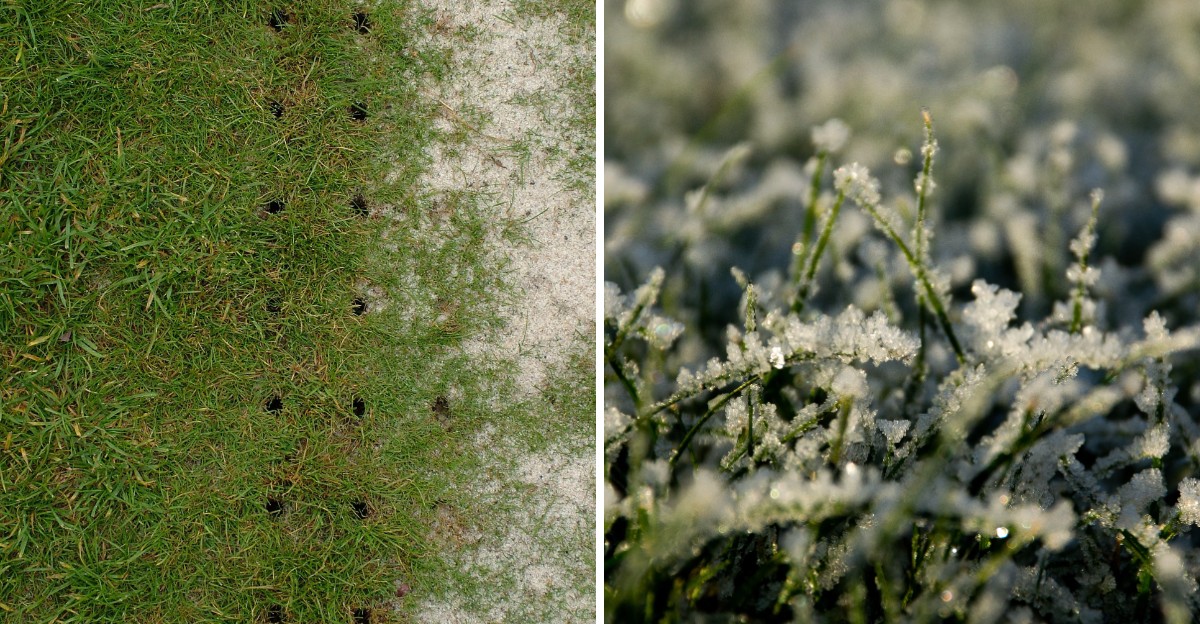
Your summer lawn is hiding a secret below its surface. Beneath those brown patches, your soil has packed itself tight as pavement.
Roots barely push through it, so water runs off instead of soaking in. Pennsylvania clay adds density, and acidic soil holds back tender new grass. Fortunately, you control a short, powerful window right now.
Cool nights and warm soil push tall fescue seed to sprout fast. Crabgrass fades, weeds slow down, and your new seedlings face less competition. A core aerator pulls plugs that let air, water, and fertilizer reach roots.
Lime tackles acidity now, before spring growth demands balanced soil. Wait too long, and frost hardens your ground before seed takes hold.
Across Pennsylvania, you will spot thick April lawns that started with September work. Here is exactly what you need to do before that window closes.
1. Test The Soil For Hidden Problems
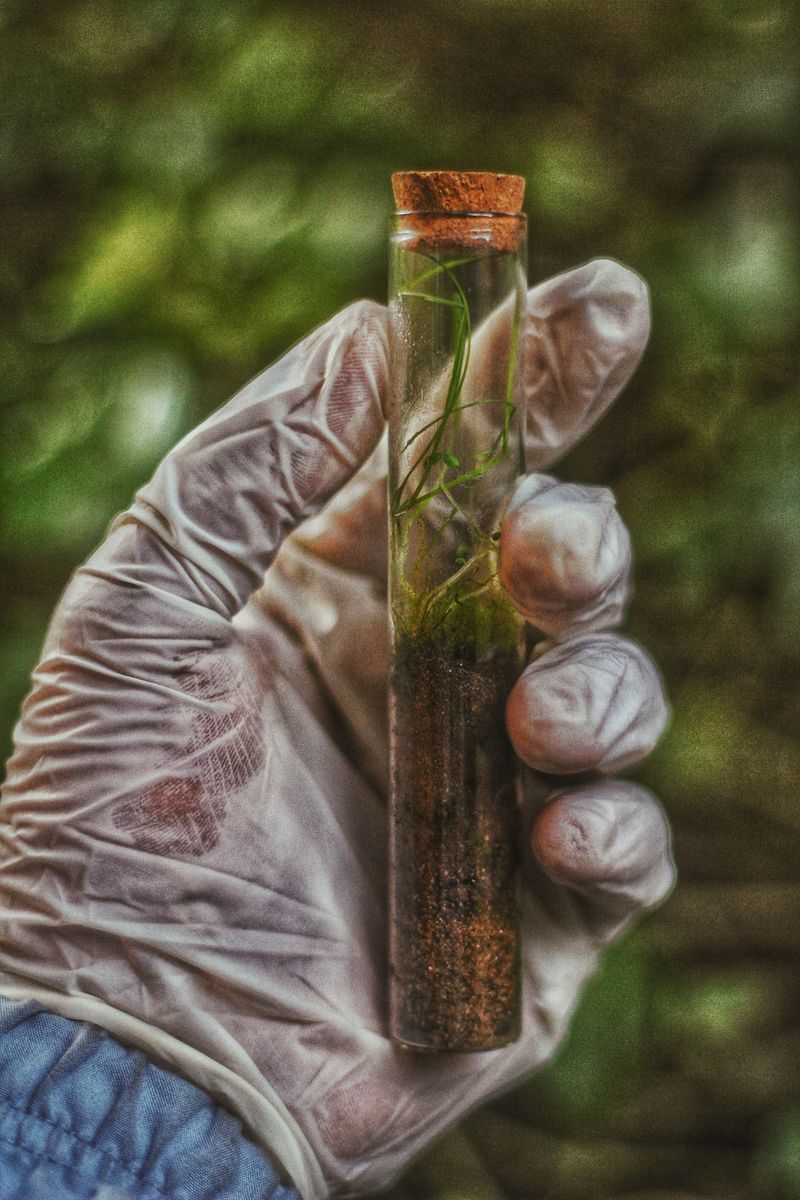
Guessing what your soil needs is a bit like buying shoes without knowing your size. A simple soil test takes the mystery out of fall care and saves you money.
Penn State Extension sells affordable test kits at county offices and many garden centers across the state. You scoop a few samples, mail them in, and get results in a couple of weeks.
Here is a quirky fact about Pennsylvania ground. Much of our soil leans acidic, thanks largely to heavy rainfall and the region’s underlying rock.
Lawn grasses like a pH between about 6.0 and 7.0 to soak up nutrients well. When soil drops lower, fertilizer just sits there and your turf stays pale and weak.
That is where garden lime comes in handy. Pelletized limestone raises pH slowly, and fall is a smart time to spread it.
Freezing and thawing through winter help work the lime deeper into the ground. By spring, your soil chemistry will be in much better shape for new growth.
Follow the test report for exact amounts instead of eyeballing it. Too much lime can swing things the other way, which causes its own set of headaches.
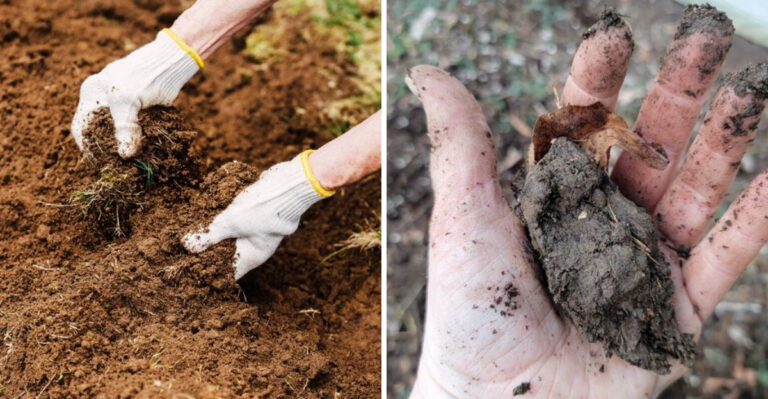
Take samples from several spots, about three to four inches deep, and mix them in a clean bucket. One test every three years keeps you on track without much fuss.
Think of it as a report card for your yard. The grades might surprise you, but they point you straight toward the right fix.
2. Aerate The Hard Packed Ground
Picture your yard after a summer of cookouts, soccer games, and the dog racing along the fence line. All that fun squeezes the soil so tightly that roots struggle to breathe.
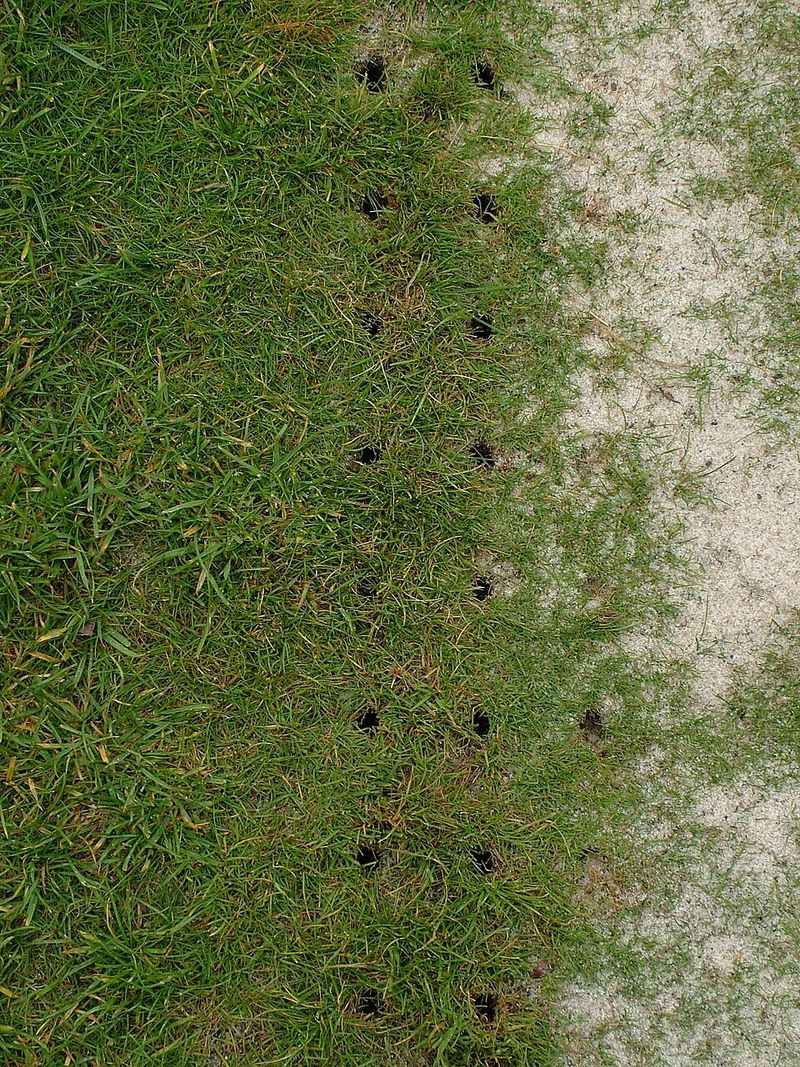
Core aeration fixes that problem by pulling small plugs of soil out of the ground. Each hole lets air, water, and nutrients slip down to the root zone.
Pennsylvania has a lot of heavy clay, especially around new housing developments. Clay packs down like modeling dough, so aerating helps more here than in sandy regions.
Your Pennsylvania Garden Changes Every Week. Your Plan Should Too.
Gardening in Pennsylvania changes quickly throughout the season. Every Friday you’ll receive a simple weekly plan showing exactly what to plant, prune, fertilize, harvest, and protect so you never miss the right timing.
Late summer through early October is the sweet spot for cool-season grasses like tall fescue and Kentucky bluegrass. The soil is still warm, and roots can heal quickly before frost.
You can rent a core aerator from most hardware stores for a few hours. Splitting the cost with a neighbor makes it even cheaper, and twice as social.
Water the yard a day or two before you start. Moist soil lets the tines sink deeper and pull out fatter, more useful plugs.
Flag your sprinkler heads, buried cables, and invisible dog fence lines first. A quick walk with a few small flags can save you an expensive repair.
Leave the little soil cores right where they land on the surface. They break down over the next few weeks of rain and mowing, feeding the ground as they crumble.
Yes, your yard will look like a flock of geese dropped by for a snack. Give it a few rains, and nobody will remember the messy phase.
3. Overseed The Thin And Patchy Areas
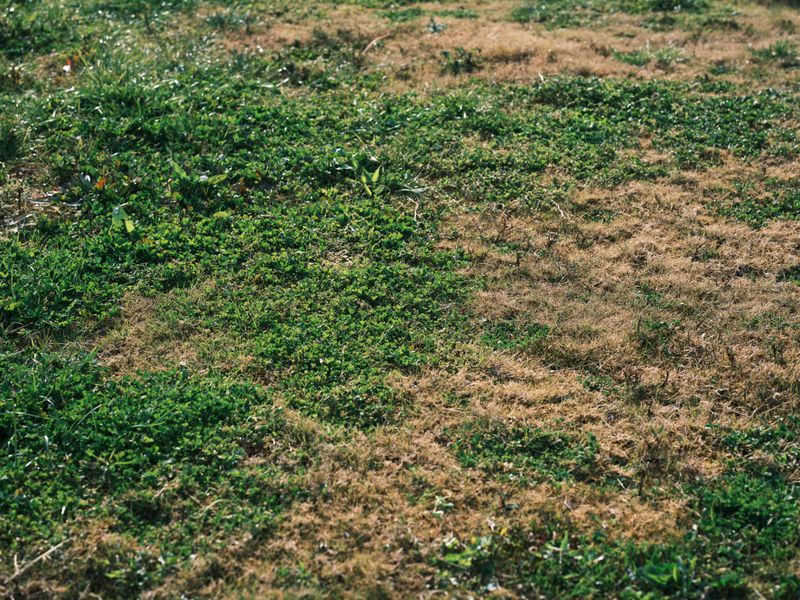
Ask any Pennsylvania turf expert about the best time to plant seed, and you will hear one answer. Late summer into September beats spring by a mile.
Warm soil helps seeds sprout fast, while cooler air keeps young blades from getting stressed. Weeds also slow down in fall, so your new grass faces less competition.
Aim to finish seeding by late September in most of the state, or by early October in the warmer southeast. Folks in the northern tier and higher mountains should wrap up a bit sooner.
Pick a seed blend that matches your yard’s conditions. Tall fescue handles heat and drought well, while fine fescues are happier in shady spots under trees.
Kentucky bluegrass spreads to fill gaps, but it takes longer to sprout than other types. Many homeowners mix it with perennial ryegrass for quick color and long-term thickness.
Seed needs to touch soil, not sit on top of thatch or old clippings. Spreading right after aerating is a clever trick, since seeds tumble into those handy holes.
Keep the top layer damp with light watering once or twice a day. After the new blades reach about two inches, you can water less often but more deeply.
Skip weed control products for about six to eight weeks after seeding. Many of them can injure young grass, so check the label before spraying new seedlings.
Patience pays here, because thin spots rarely fill in overnight. By next May, though, you will be showing off the thickest yard on the block.
4. Feed The Roots With Fall Fertilizer
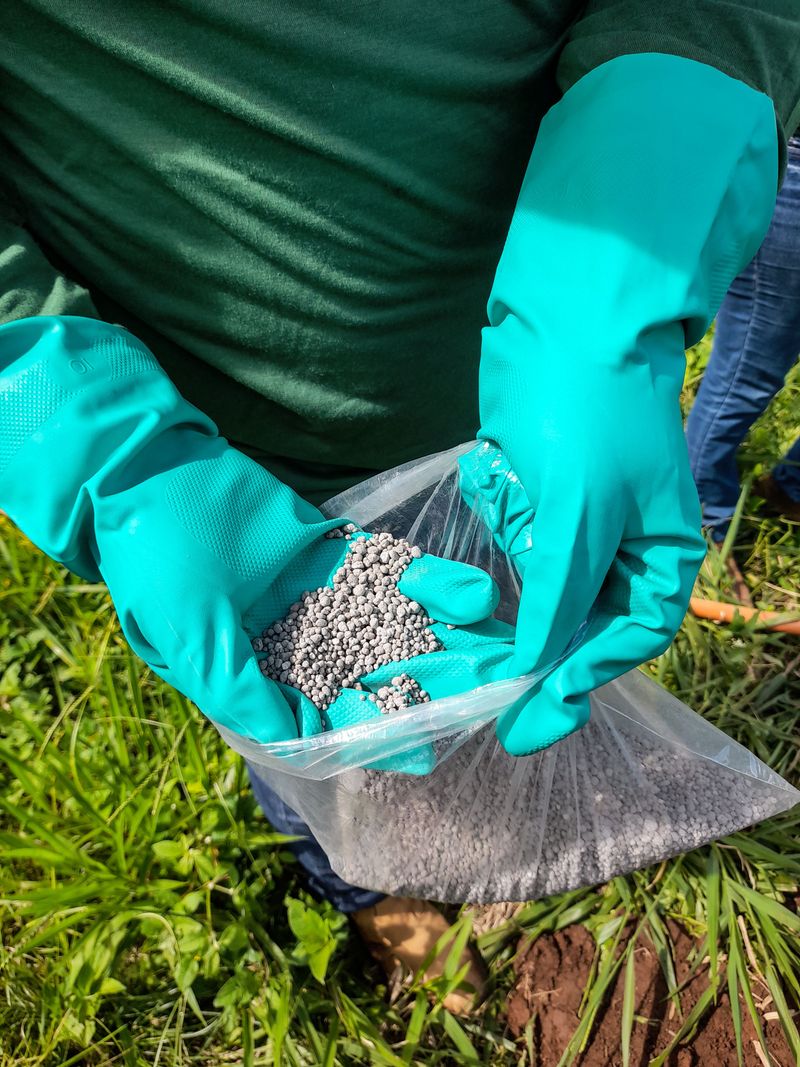
Did you know your grass puts serious energy into root growth as the air cools? While the blades slow down, the roots keep eating like teenagers after football practice.
That makes fall the most valuable feeding time of the whole year. Turf pros in Pennsylvania often say that if you fertilize once, make it September.
Look for a product with plenty of nitrogen, the first number on the bag. Slow-release formulas feed steadily for weeks instead of causing one quick burst of growth.
A 2022 state law limits phosphorus, the middle number, to help protect streams and the Chesapeake Bay. You can still use it when seeding new grass or when a soil test shows a shortage.
The same law also restricts fertilizer within 15 feet of streams, ponds, and wetlands, and between December 15 and March 1.
Use a spreader instead of tossing handfuls like chicken feed. Uneven spreading leaves stripes of dark green next to pale yellow, and neighbors will notice.
Walk in overlapping rows, similar to mowing, and set the spreader to the setting on the bag. Sweep any stray pellets off sidewalks and driveways back onto the grass.
Pellets left on pavement wash into storm drains during the next rain. From there, they travel straight into local creeks and feed algae instead of your yard.
Some folks add a second, lighter feeding in late October or early November. It helps grass green up sooner in spring without extra mowing in April.
Water lightly after spreading so the granules settle into the soil. Then relax, because your roots are about to enjoy a hearty autumn buffet.
5. Tackle The Stubborn Broadleaf Weeds
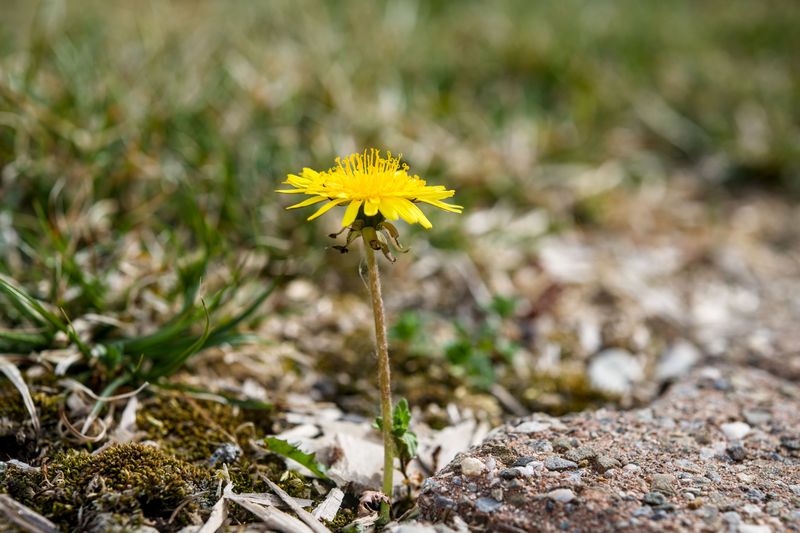
Every yard has a villain, and in Pennsylvania it often creeps along wearing tiny purple flowers. Ground ivy, also called creeping Charlie, shrugs off most spring weed sprays.
Fall is when you finally get the upper hand. Perennial weeds are busy pulling food down into their roots to survive the winter.
Treat them now, and they haul the product down to their roots along with that food. It works like a sneaky delivery service with a surprise inside.
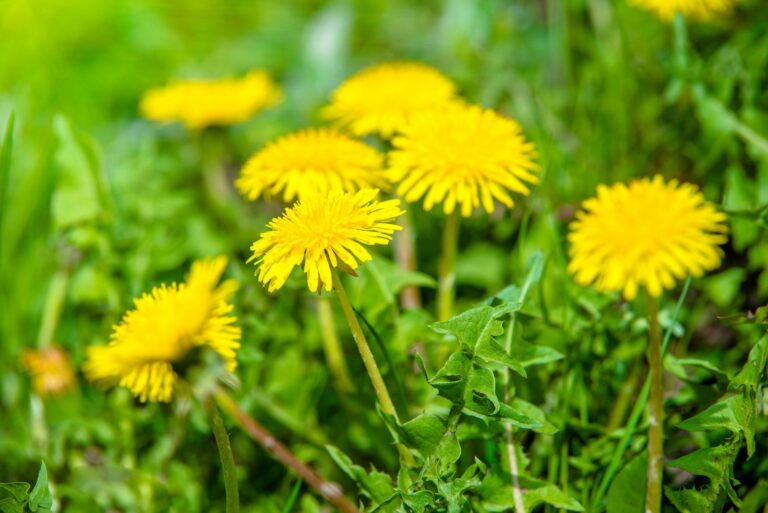
Dandelions, clover, plantain, and wild violets all fall into this group. A broadleaf herbicide labeled for lawns controls most of them without harming established grass, though violets often need a repeat treatment.
The best window runs from mid September through October, ideally after a light frost. Pick a calm day above 50 degrees so the spray stays where you aim it.
Spot treating is smarter than blanketing the whole yard. You use less product, spend less money, and keep pollinators and pets safer.
Did you seed bare patches this month? Hold off on spraying those areas until the new grass has been mowed at least three times.
Hand pulling still works for small invaders, especially after a soaking rain loosens the soil. A forked weeding tool pops dandelions out with most of their long taproot attached.
Read the label twice before you mix anything. Some products work best when you skip mowing for a couple of days before and after.
The payoff shows up next April, when fewer yellow heads pop up along your driveway. Your spring self will send your fall self a thank-you card.
6. Clear The Leaves Before They Mat
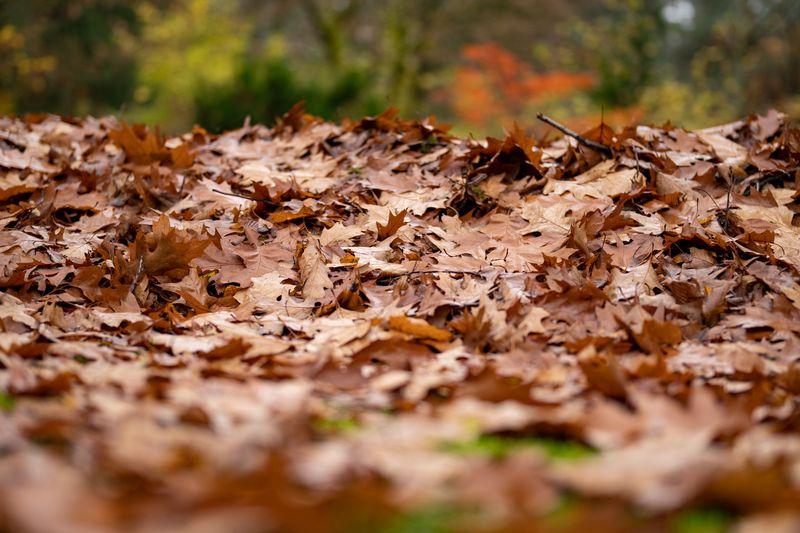
Jumping into a giant pile of maple leaves is one of the best parts of a Pennsylvania childhood. Leaving that pile on the grass for weeks, however, is a different story.
Wet leaves stack up and form a heavy blanket that blocks sunlight. Underneath, the grass turns yellow and weak, just when it should be storing energy for winter.
That soggy layer also invites snow mold, which leaves gray or pink patches in spring. Nobody wants to start April by fixing a crusty, matted mess. Here is a secret that saves your back. You do not have to rake every single leaf into bags for the curb.
Mowing over a light layer of leaves chops them into tiny flakes that settle between the blades. Research from Michigan State University shows those bits feed the soil and can even reduce dandelions.
The trick is to mow often, before the pile gets too deep. Once leaves cover more than half the grass, grab a rake or a blower instead.
Oak leaves are tough and slow to break down, so they may need two passes. Maple and birch leaves shred easily and settle into the turf within days.
Extra leaves make fantastic compost or garden bed mulch. Many Pennsylvania towns also offer curbside leaf collection, so check your borough website for pickup dates.
Keep at it through November, since the big oaks drop their leaves last. Save one pile for jumping, though, because some traditions deserve protecting.
7. Lower The Mower Height Step By Step
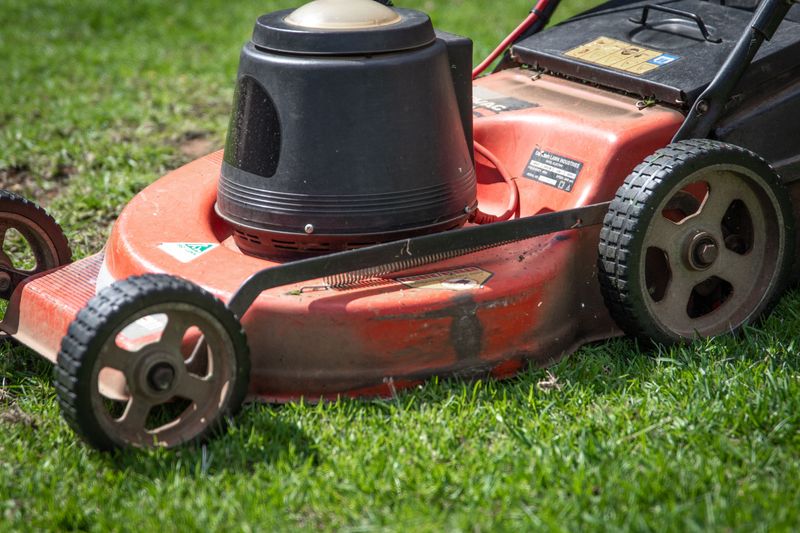
Think of your mower as a barber who needs to ease into a shorter style. A sudden buzz cut in October shocks grass, while a slow trim keeps it happy.
During summer, Pennsylvania lawns do best at around three to four inches tall. Taller blades shade the soil and help roots survive hot, dry July weeks.
As fall moves along, you can lower the deck about a half inch every couple of weeks. By the final mow, most yards look sharp at about two and a half inches. Some turf experts prefer keeping a steady height all season, and that approach works too.
Why go shorter at all? Long, floppy grass can fold over under snow and create a cozy home for mold and meadow voles.
Those little voles tunnel along the surface all winter, leaving winding brown trails behind. Shorter grass gives them fewer hiding spots and leaves them more exposed to predators.
Still, going too low is a mistake. Scalping below two inches weakens roots and opens the door for weeds to move in next spring.
Follow the one-third rule every time you mow. Cut no more than a third of the blade height, even if the yard looks shaggy.
Sharpen the blade before your last few mows of the season. A dull blade tears grass tips, leaving ragged brown edges that invite disease over winter.
Mowing usually continues into early November here, as long as the grass keeps growing. When your final cut is done, add fuel stabilizer or run the tank empty before storing the mower.
8. Water The Yard Until The Ground Freezes
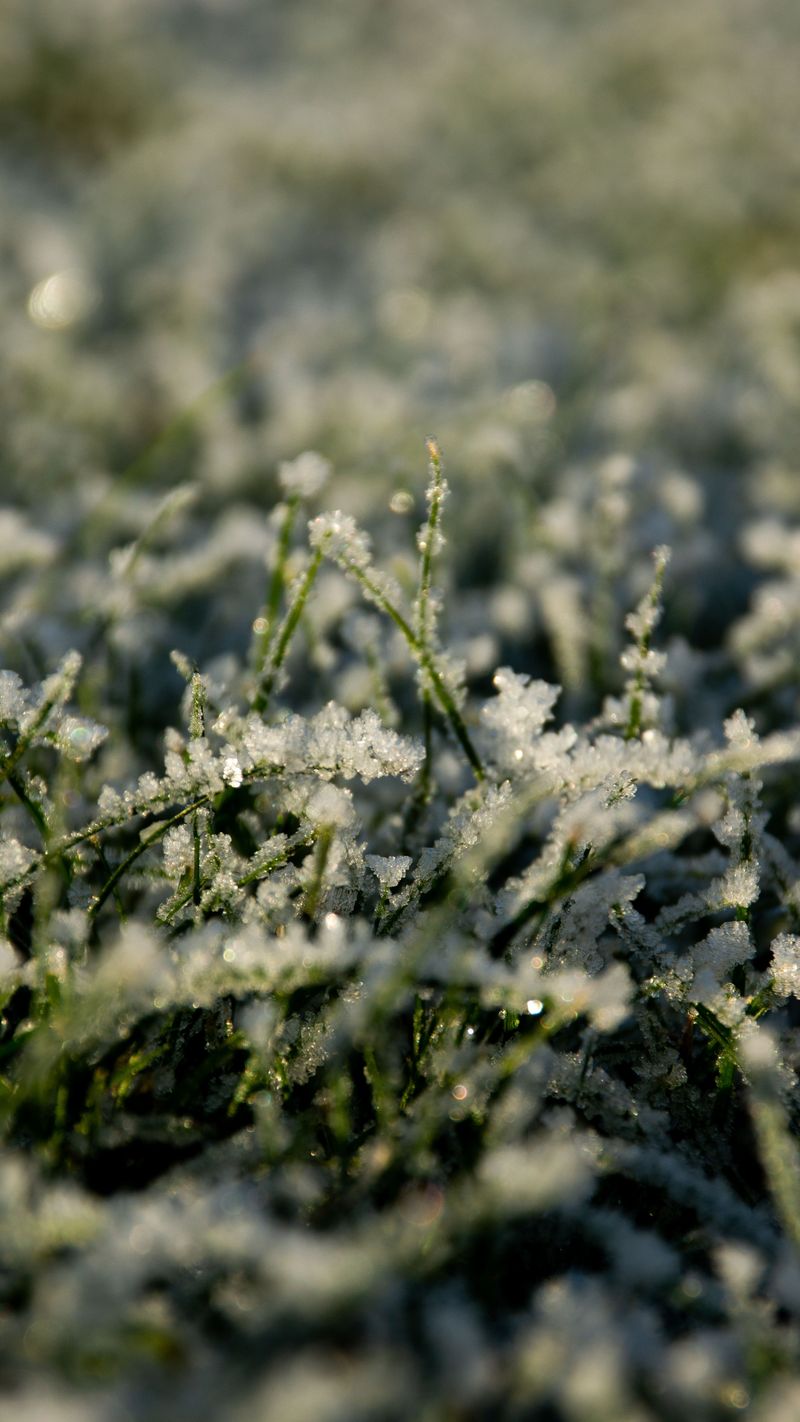
Plenty of people roll up the garden hose on Labor Day and call it a season. That habit can leave your yard thirsty right when it needs a drink the most.
September in Pennsylvania can be surprisingly dry, with warm afternoons and long stretches without rain. New seed, fresh fertilizer, and busy roots all depend on steady moisture.
Established grass needs about one inch of water per week, counting rainfall. A cheap rain gauge or an empty tuna can on the lawn tells you exactly how much fell.
Water deeply once or twice a week instead of sprinkling a little every evening. Deep soaks train roots to grow down, where they stay protected from winter cold.
Early morning is the best time to run sprinklers in autumn. The grass dries off during the day, which keeps fungus from settling in overnight.
Evergreens and shrubs near the lawn appreciate this extra care too. Well-watered plants handle harsh January winds much better than ones that head into winter parched.
Keep watering until the ground starts to freeze, usually sometime in November. Once nights dip below freezing regularly, it is time to put the hoses away.
Drain every hose and shut off outdoor spigots from the inside valve. A frozen, cracked pipe in the basement is a surprise nobody wants in February.
Blow out any in-ground sprinkler system before the first hard freeze, too. Many local landscapers offer this service for a modest fee each fall.