Pennsylvania Plants That Are Botanically Fruits But Everyone Thinks Of Them As Vegetables
Many of the crops we toss into salads, soups, and casseroles are fruits in the eyes of a botanist. To scientists, a fruit is simply the part of a plant that grows from a flower and holds seeds.
By that definition, the pumpkins lining Pennsylvania porches, the cucumbers headed for pickling jars, and the zucchini taking over backyard gardens all count as fruits. So do plenty of other everyday favorites.
The kitchen just follows different rules. Sweet foods end up in the fruit bowl, while savory ones get sorted with the vegetables.
Some of these surprising “fruits” may have grown in your own garden this year.
1. Tomatoes
Few foods have a legal history, but the tomato does. In 1893, the U.S. Supreme Court heard a case called Nix v. Hedden.
A family of fruit importers argued that tomatoes were fruits, so they should not pay a vegetable tax.
The court agreed that tomatoes are fruits in a scientific sense. Still, the judges ruled they should be taxed as vegetables, since people eat them like vegetables at dinner. That decision helped lock in how most Americans think about tomatoes today.
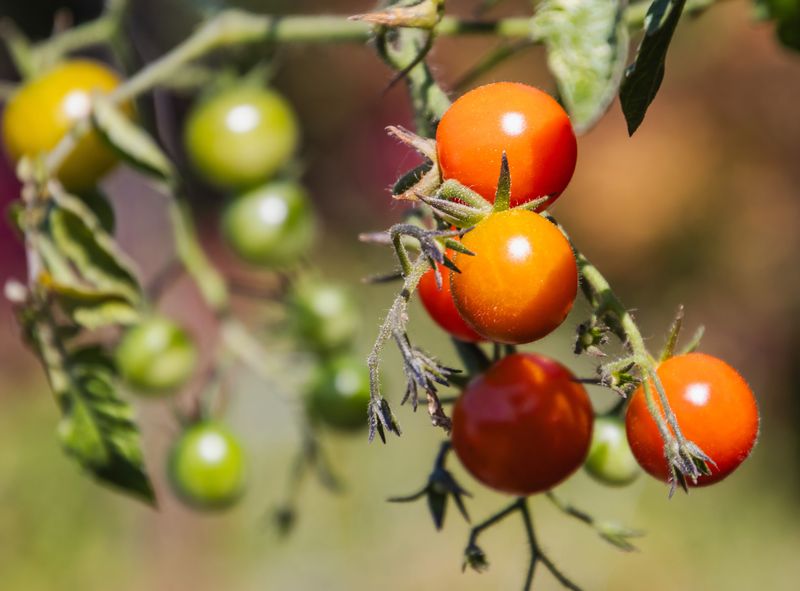
Botanically, a tomato is even more specific than a fruit. It is a berry! A berry is a fleshy fruit that grows from one flower and holds many seeds inside. Slice a tomato open, and you will see those seeds tucked in jelly-like pockets.
Tomatoes are one of the most popular crops in Pennsylvania home gardens. They love full sun and warm soil. Most gardeners plant young seedlings outdoors in mid to late May, once the chance of frost has passed.
Want better tomatoes? Give each plant a sturdy stake or cage so the fruit stays off the ground.
Water deeply at the base a few times a week instead of a light sprinkle every day. Wet leaves can invite disease, so try to keep them dry.
Picking time matters too. Harvest tomatoes when they are fully colored and give a little when you gently squeeze. If frost is coming in fall, pick the green ones and let them ripen on your kitchen counter.
Fun fact: tomatoes were once feared in parts of Europe. Some people thought they were poisonous because they belong to the nightshade family. Lucky for us, that idea did not last.
2. Pumpkins
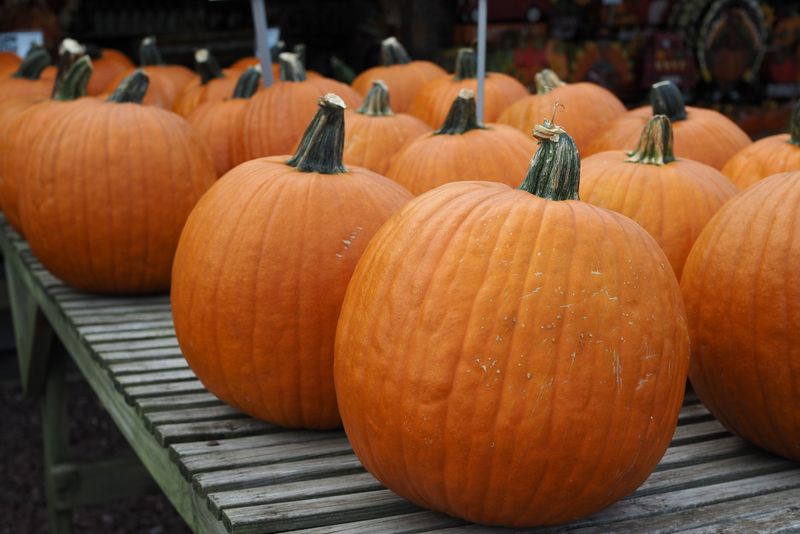
Fall in Pennsylvania just would not feel right without pumpkins. Every October, farm stands overflow with them, and families head out to pumpkin patches for hayrides and picking. Pennsylvania ranks among the top pumpkin-growing states in the whole country.
So why is a pumpkin a fruit? It grows from a bright yellow flower on a long, sprawling vine. Once the flower is pollinated, a tiny green ball forms at its base. That ball swells into a pumpkin packed with seeds, which is exactly what botanists look for.
Pumpkins belong to a plant family called the gourd family. Their cousins include squash, cucumbers, watermelons, and cantaloupes. Looking at it that way, a pumpkin is closer to a melon than to a carrot!
Your Pennsylvania Garden Changes Every Week. Your Plan Should Too.
Gardening in Pennsylvania changes quickly throughout the season. Every Friday you’ll receive a simple weekly plan showing exactly what to plant, prune, fertilize, harvest, and protect so you never miss the right timing.
Growing your own takes space and patience. Most pumpkins need 90 to 120 days to mature. In Pennsylvania, gardeners usually plant seeds in late May or early June to have pumpkins ready by fall.
Bees are a big part of the story. Pumpkin plants have separate male and female flowers, and bees carry pollen between them. Without busy bees, you may get lots of flowers but very few pumpkins. Planting bright flowers nearby can attract more helpers.
When harvest time comes, look for a hard rind and a dry, tough stem. Cut the stem with pruners and leave a few inches attached. Never carry a pumpkin by its stem, since that can make it rot faster.
Don’t toss those seeds after carving! Rinse them, toss them with oil and salt, and roast them at 325 degrees for a crunchy snack. It’s a tasty reminder that you’re really eating a fruit.
3. Zucchini
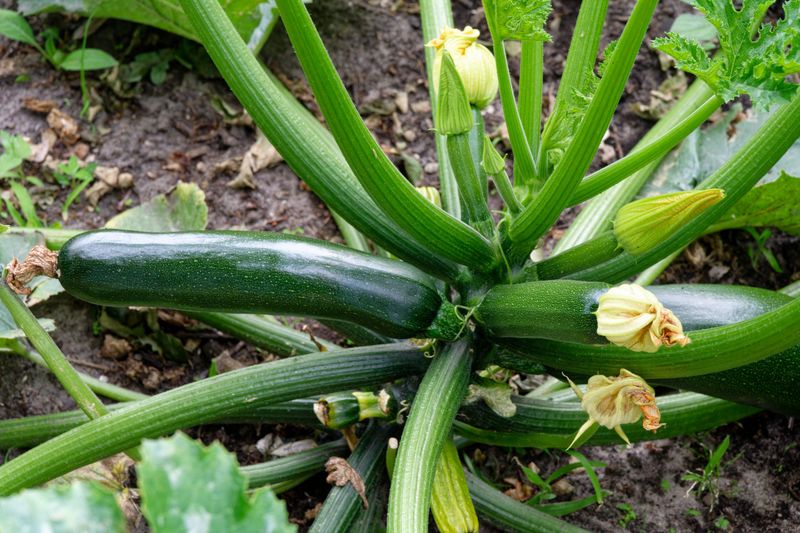
Ask any Pennsylvania gardener about zucchini, and you will probably get a laugh. One or two plants can pump out more than a family can eat. Some neighbors even leave extra zucchini on porches and run away before anyone notices!
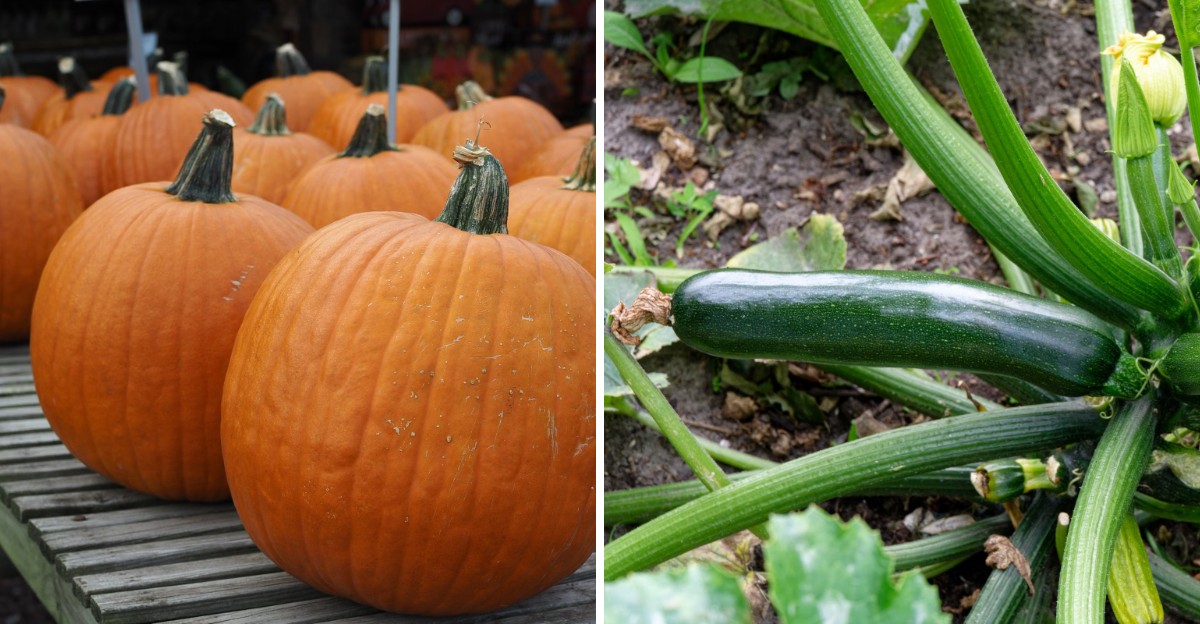
Zucchini is a type of summer squash. Like its pumpkin cousin, it grows from a flower and carries seeds inside. That makes it a fruit by plant science standards, even though you’ll rarely see it in a fruit salad.
Summer squash is different from winter squash in one key way. You pick it young, while the skin is still soft and thin. Winter squash, like butternut, stays on the vine until the rind gets hard.
Timing is everything with zucchini. The best size is about 6 to 8 inches long. At that stage, the flesh is tender and the seeds are small. Wait a few extra days, and you could end up with a giant club that is tough, watery, and full of big seeds.
Here’s a helpful habit: check your plants every single day in July and August. Zucchini can grow an inch or more overnight in warm weather. A quick daily look keeps you ahead of the flood.
Got too many anyway? Shred extra zucchini and freeze it in bags for winter baking. It works great in breads, muffins, and even chocolate cake. You can also slice it thin for grilling or spiralize it into veggie noodles.
Bonus tip: zucchini blossoms are edible too. Many cooks stuff them with cheese and fry them. Just pick the male flowers, which grow on thin stems, so the female ones can keep making fruit.
4. Cucumbers
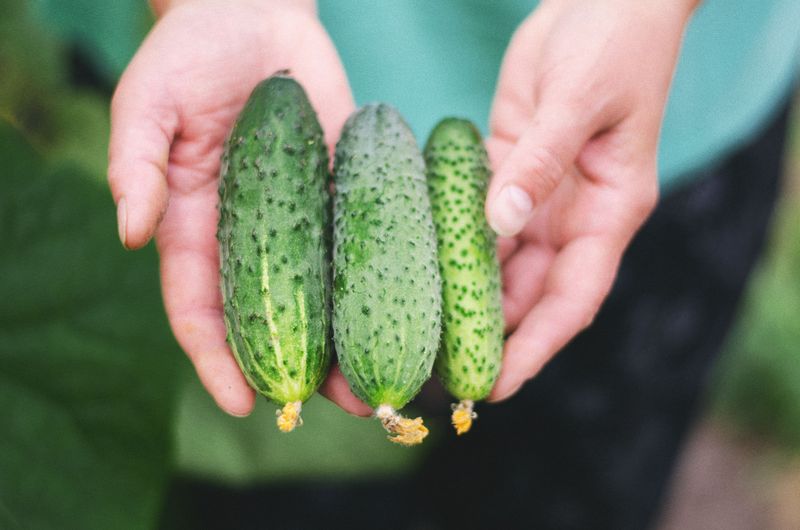
Crunch into a cold cucumber on a hot July day, and you’re biting into a fruit. It may taste mild and fresh, but science puts it in the same group as melons. Cucumbers even share the gourd family with pumpkins and squash.
The proof is right inside. Every cucumber forms from a yellow flower and holds rows of soft seeds down its center. Those seeds could grow brand new cucumber plants next year.
Pennsylvania summers suit cucumbers well. They love heat and grow fast once nights stay above 50 degrees. Many types are ready to pick in just 50 to 60 days after planting seeds.
Want a smart space saver? Grow cucumbers on a trellis or fence. The vines climb easily, the fruit grows straighter, and it stays cleaner off the ground. Better airflow also helps prevent mildew on the leaves.
Water is a big deal for cucumbers, since they’re about 95 percent water themselves. Dry spells can make them taste bitter. Keep the soil evenly moist, and add a layer of straw or mulch to hold in moisture.
Pickling is a proud tradition in Pennsylvania, especially in Pennsylvania Dutch kitchens. Bread and butter pickles and crisp dill spears are classic picnic sides. For pickling, choose small, bumpy types and pick them when they’re 2 to 4 inches long.
A quick fridge pickle is easy for beginners. Slice cucumbers, pack them in a jar with garlic and dill, then pour in a warm mix of vinegar, water, salt, and a little sugar. Chill for a day, and enjoy!
Fun fact: the saying “cool as a cucumber” has real science behind it. The inside of a cucumber can stay cooler than the air around it.
5. Bell Peppers
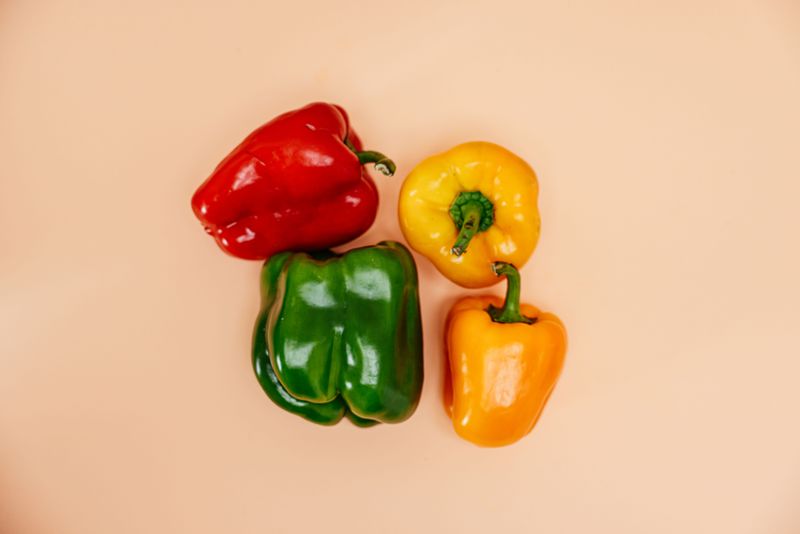
Green, yellow, orange, and red peppers often sit side by side at the grocery store. Many shoppers think they come from different plants. Surprise! In most cases, they’re the same pepper at different ages.
A green bell pepper is simply unripe. Leave it on the plant longer, and it slowly turns red, yellow, or orange, depending on the variety.
As it ripens, it gets sweeter and packs more vitamin C. That’s why colorful peppers often cost more. They need extra weeks on the plant.
Botanists call bell peppers fruits because they grow from flowers and hold seeds. Cut one open and you’ll find a cluster of pale seeds attached to the core. Peppers are also part of the nightshade family, making them relatives of tomatoes and eggplant.
In Pennsylvania, peppers do best when started indoors or bought as young plants. Set them out in late May or early June, after the soil warms up. Cold soil makes them sulk and stop growing for a while.
Give your plants full sun and steady water. A small stake can help hold up heavy branches once the fruit forms. Feeding them too much nitrogen can lead to lots of leaves but few peppers, so go easy on fertilizer.
Patience pays off here. If you want sweet red peppers, let a few green ones stay on the plant into late August and September. Use clean pruners to cut them free instead of pulling, since the branches snap easily.
Extra peppers freeze well without blanching. Just wash, slice, and pop them in freezer bags. They’ll be ready for winter chili, stir-fries, and pizza toppings.
6. Eggplant
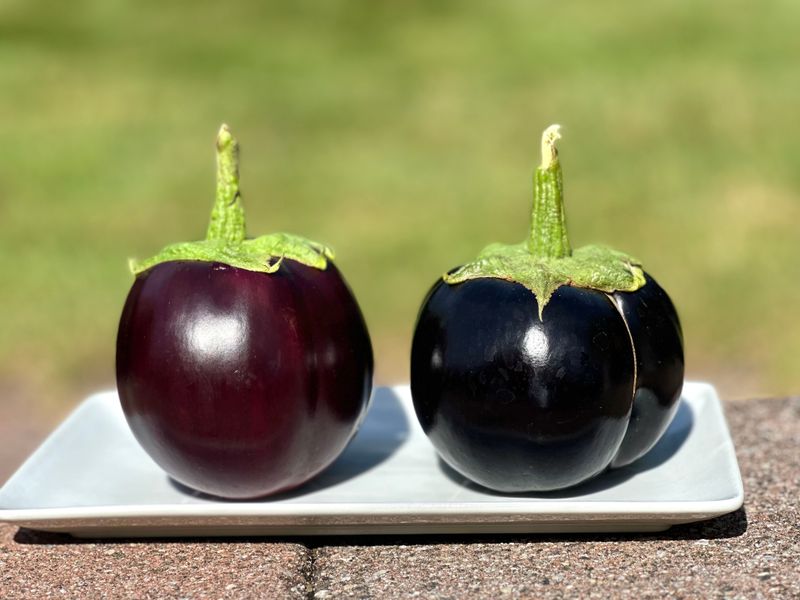
Here’s a riddle for your next family dinner. What’s purple, shiny, and secretly a berry? The answer is eggplant, and most people never guess it.
Just like tomatoes, eggplant is a berry in plant science. It grows from a single flower and holds many tiny seeds in its soft, spongy flesh. It also belongs to the nightshade family, right alongside tomatoes and peppers.
The funny name has a story too. Early types grown in Europe were small, white, and egg-shaped. People said they looked like eggs hanging from a plant, and the name stuck. You can still buy white varieties today.
Eggplant is a true heat lover. It sulks in cool weather and grows best during Pennsylvania’s warmest stretch, from July through early September. Wait until nights stay warm in early June before planting it outside. Black plastic or dark mulch can help warm the soil faster.
Watch out for flea beetles. These tiny jumping bugs chew small holes in the leaves, especially on young plants. A light cloth row cover can protect seedlings until they grow stronger.
Knowing when to pick is the trickiest part. Look for skin that is glossy and firm. Press it gently with your thumb. If it springs back slowly, it’s ready. Dull skin usually means it has gone past its best and may taste bitter.
Eggplant soaks up flavor like a sponge, which makes it fun to cook. Try it grilled with olive oil, baked into eggplant parmesan, or roasted into a smoky dip. Salting slices for 30 minutes before cooking can draw out extra water and give a better texture.
7. Green Beans
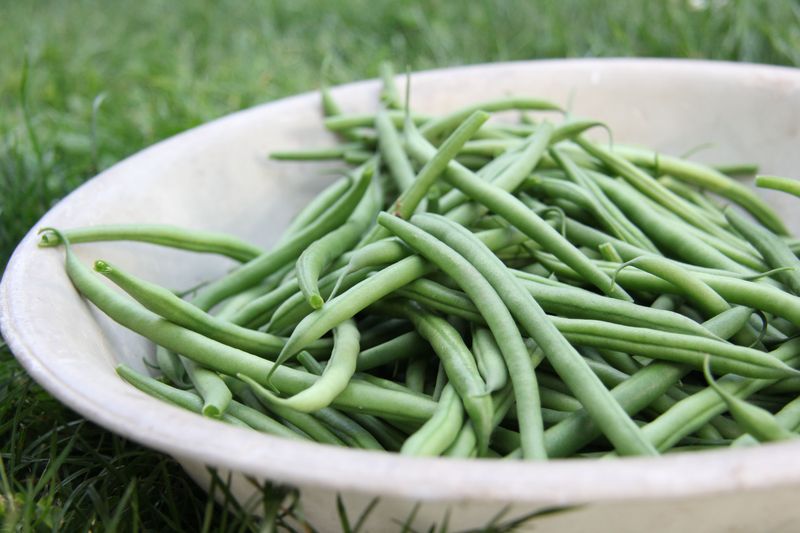
Grandma’s green bean casserole might be the most famous “vegetable” dish at Thanksgiving. But the beans in that dish are actually fruits. Let’s break down why.
The long green pod you eat is the fruit of the bean plant. It grows from a small flower, often white or purple. Inside the pod sit the seeds, which are the little beans themselves. Since the pod forms from a flower and protects seeds, it checks every box for a fruit.
Green beans are part of the legume family, along with peas and peanuts. Legumes have a cool skill. Their roots team up with soil bacteria to pull nitrogen from the air, which actually feeds the soil. Farmers have used that trick for centuries.
For new gardeners in Pennsylvania, green beans are a fantastic first crop. Plant seeds directly in the ground after the last frost, usually in mid to late May. Many bush types are ready to pick in about 50 to 60 days.
Want a steady supply? Plant a short row every two or three weeks until mid-July. That way, you’ll have fresh beans from summer into early fall. Pole beans are another option. They climb tall supports and keep producing for weeks.
Pick beans while they’re slender and snap cleanly in half. Big, lumpy pods are tougher and stringy. The more you pick, the more the plant produces, so check every couple of days.
Kids love helping with this harvest. The plants are low, the beans are easy to spot, and you can eat them raw right off the plant. It’s a simple way to grow a love for gardening.