These Georgia Garden Crops Can Keep Producing After Summer Ends
By September, a Georgia garden often looks like it has quietly thrown in the towel. The air hangs thick, the mulch smells scorched, and every leaf seems to droop in protest.
Most folks pull up the sad stems, rinse the tools, and call the whole season finished. That timing is a little early, because Georgia hands out a generous second helping of growing weather.
Cooler nights arrive in September, the bugs lose interest, and the soil finally stops feeling like a skillet. Suddenly, plants that sulked through the July heat start stretching out and showing off again.
All it takes is a fresh packet of seeds, a watering can, and a stubborn streak. Your neighbors will be raking leaves while you are still hauling in supper, smug as a cat.
1. Collard Greens For Sweet Leaves After Frost
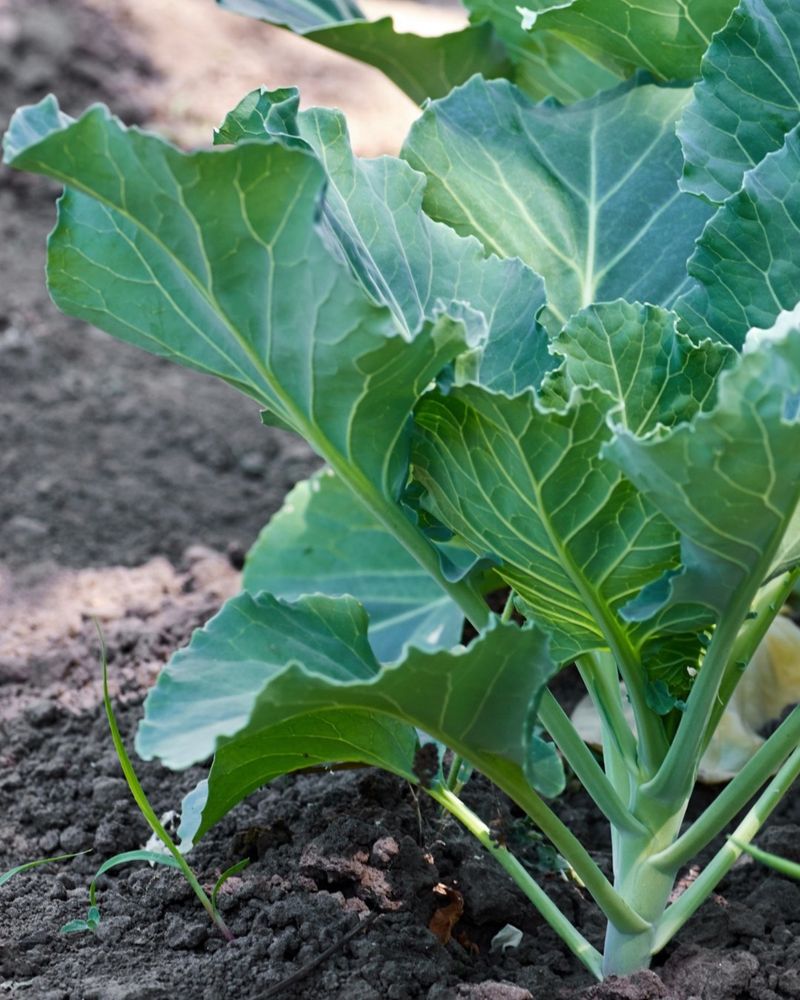
Georgia grandmothers had this crop figured out long before anybody started writing garden blogs about it. Collard leaves actually turn sweeter once real cold weather finally settles into the garden rows.
Set out transplants in early September, spacing them about two feet apart. Generous spacing lets each plant fan out into a wide, leafy umbrella of harvestable greens.
Harvest from the bottom up, snapping off the lowest mature leaves and leaving the center bud alone. Treated that way, one plant can feed a family from October clear into March.
Cabbage worms show up early in the fall, chewing ragged holes through tender new growth. A weekly spray of Bt or a lightweight floating row cover handles them without fuss.
Water deeply once a week if September stays dry, since thirsty plants grow tough, bitter leaves. A light side dressing of nitrogen in mid October keeps fresh new growth coming along.
North Georgia gardeners sometimes see temperatures in the teens, and collards shrug that off just fine. The leaves may wilt hard during a freeze, then perk back up by lunchtime.
Varieties like Georgia Southern and Vates have been grown in this state for generations. Both handle heat at planting time and cold later, which is exactly the combination you want.
Cook the fall leaves a shorter time than summer ones, because they come out more tender. That first pot of frost sweetened greens is worth every bit of the growing season.
2. Kale For Nonstop Picking Into Winter
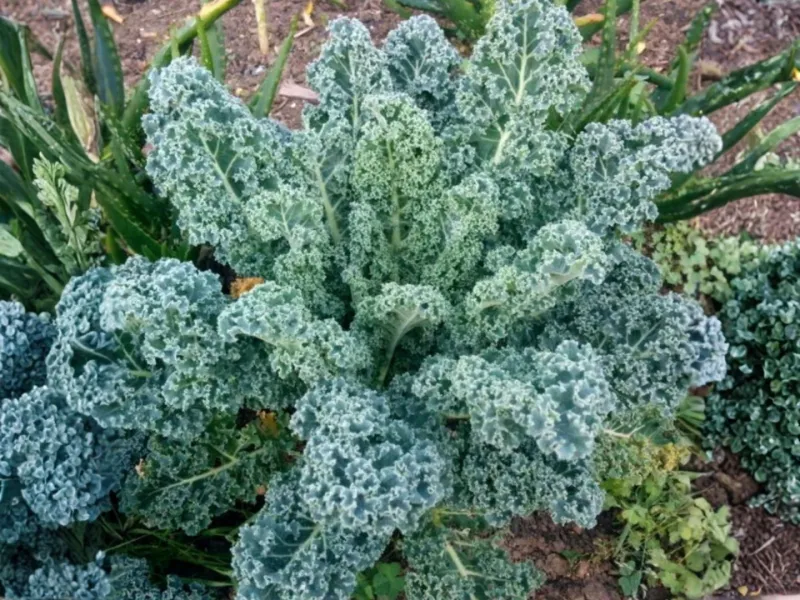
Kale earned a reputation as a trendy health food, but Georgia gardeners grew it for practicality. One patch keeps handing over leaves week after week, long after the tomatoes quit.
Seeds go in the ground through late September across most of the state. Thin seedlings to about a foot apart so air moves freely between the plants.
Pick outer leaves at about the size of your hand, and leave the middle rosette alone. The center keeps pushing out fresh growth as long as the weather stays cool.
Curly types like Vates Blue Curled handle Georgia cold weather with a tough, ruffled texture. Lacinato, the dark bumpy Italian kind, cooks down silky and holds up well in soups.
Your Georgia Garden Changes Every Week. Your Plan Should Too.
Gardening in Georgia changes quickly throughout the season. Every Friday you’ll receive a simple weekly plan showing exactly what to plant, prune, fertilize, harvest, and protect so you never miss the right timing.
Aphids like to hide down in the crinkles, especially during those warm spells in October. A strong blast from the garden hose knocks most of them loose before they multiply.
Frost does something remarkable here, turning stored starches into sugars inside each and every leaf. December kale tastes noticeably milder and sweeter than the same plant picked back in September.
Mulch heavily around the stems with straw or shredded leaves before the first hard freeze. Roots stay warmer, and the plants bounce back much faster after a hard cold snap.
Come spring, older plants shoot up yellow flower stalks and the leaves turn harshly bitter. Pull them out then, toss them on the compost pile, and plan another fall run.
3. Turnips For Two Harvests In One Row
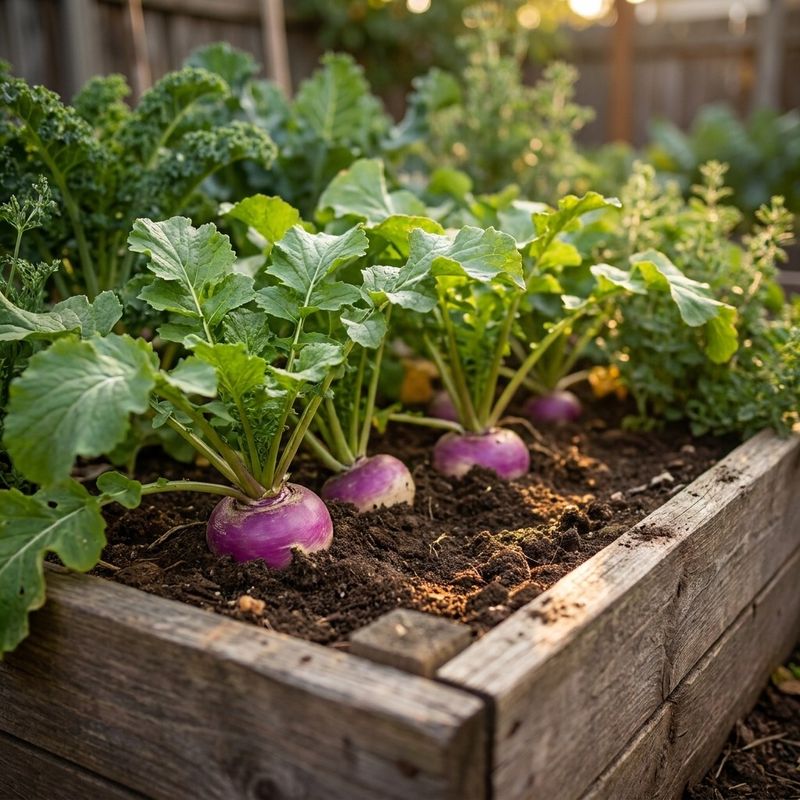
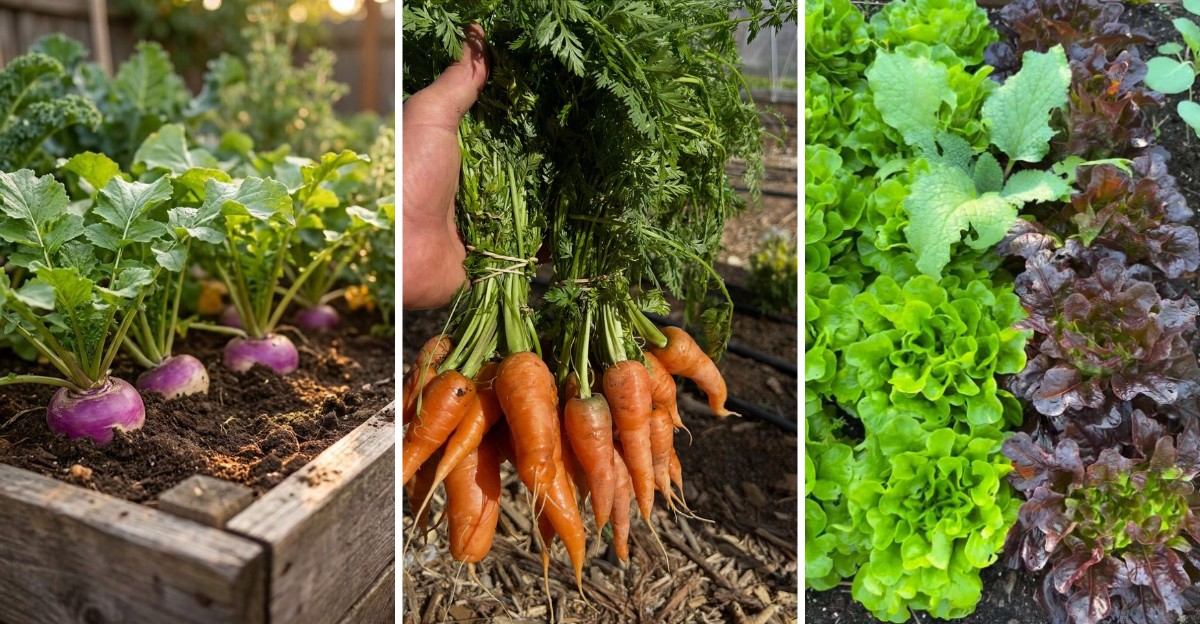
Two vegetables for the price of one seed packet sounds like a sales pitch. Turnips deliver on it anyway, with peppery greens up top and round roots below.
Scatter seed thinly over loose soil in September, then rake it in about half an inch. Sprouts appear within a week, which makes this one of the fastest fall plantings.
Thin the crowded seedlings to about four inches apart and eat the pulled ones in a salad. Overcrowded roots stay marble sized, which is a disappointment after all that work.
Purple Top White Globe is the old standby, sized right for slicing, roasting, or mashing. Seven Top gets grown mainly for its greens, since it barely bothers making a root.
Harvest roots when they reach two or three inches wide, before they get woody and strong tasting. Snip a few outer greens along the way without slowing the root down.
Cold nights sweeten turnip roots the same way they sweeten carrots and cabbage out in the field. A light frost is honestly a favor to anybody growing a fall turnip patch.
Flea beetles can pepper young leaves with tiny pinholes early in the season. Floating row cover over the seedbed for a couple of weeks usually solves that problem.
Leftover roots keep for weeks in the refrigerator, or right there in the ground under mulch. Georgia soil works as a perfectly decent vegetable drawer through most of the winter.
4. Mustard Greens For A Fast Peppery Comeback
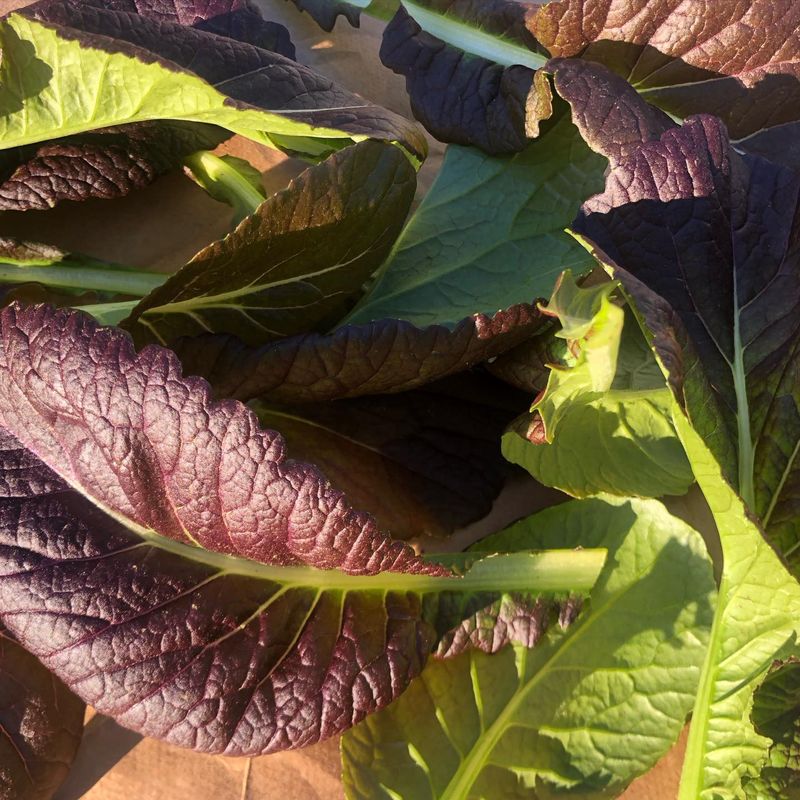
Ever bitten into a raw mustard leaf and felt the thing bite you right back? That horseradish kick is exactly why Southern cooks keep a row of it going all fall.
Speed is the selling point, with harvestable leaves ready roughly thirty to forty days after sowing. A September planting can reach the supper table before the Halloween decorations come down.
Sow a short row every three weeks through October for a steady, staggered supply of greens. Older plants turn sharp and stringy, so a fresh batch keeps the flavor mild.
Southern Giant Curled grows big frilly leaves that hold their shape in a hot pot. Red Giant brings purple color and a slightly milder taste that works raw in salads.
Cut the whole plant an inch above the soil line and it will often regrow from the stub. Two or three cuttings from one sowing is a perfectly reasonable expectation.
Moisture matters more than fertilizer here, since dry soil pushes the heat level way up fast. Water on a steady schedule and the leaves stay tender instead of turning fiery.
Mustard tolerates light frost, though it gives up sooner than collards during a hard freeze. Throw an old sheet over the row when temperatures dip into the twenties overnight.
Pot liquor from mustard greens carries a peppery bite that cornbread was built to soak up. That combination has been a Georgia kitchen favorite for generations.
5. Carrots For Crisp Roots In Cool Soil
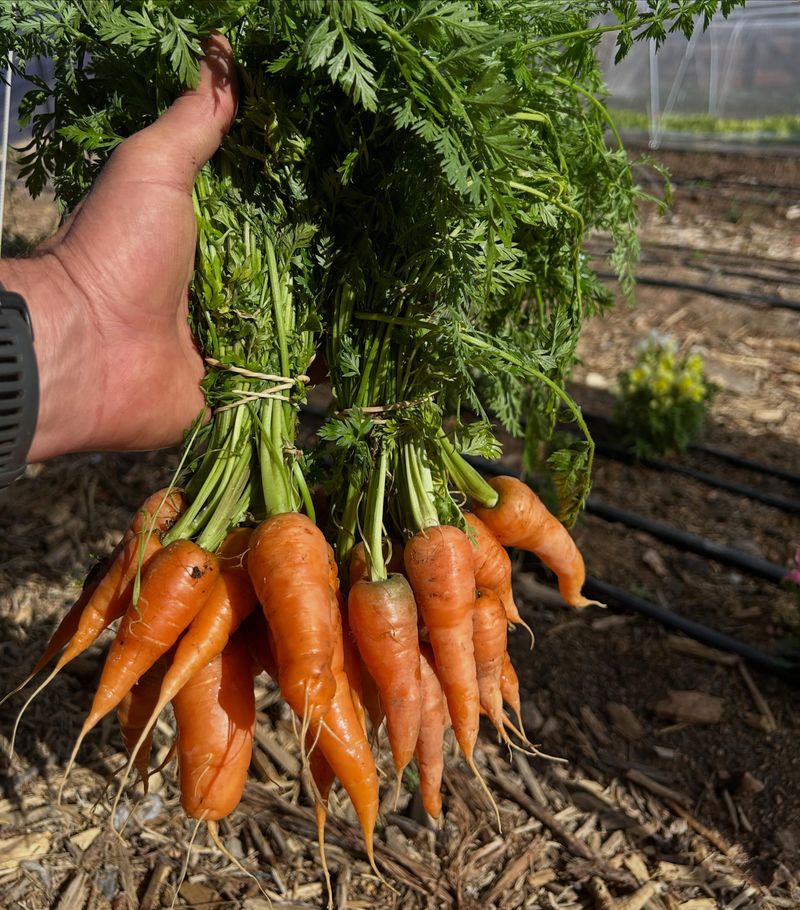
Patience is really the whole trick with fall carrots, because they take their sweet time underground. Seeds sown in September may not get pulled until December, and that wait pays off.
Loose, rock free soil is the real requirement, so dig a raised bed nice and deep. Stones and hard clumps cause forked, twisted roots that look downright comical on the counter.
Sprinkle seed shallowly and keep the surface damp, since carrot seed sprouts slowly and unevenly. A board or piece of burlap laid over the row holds moisture during warm September days.
Danvers and Chantenay types suit Georgia clay better than the long, skinny grocery store shapes. Short and stubby shapes win out whenever the soil underneath turns stubborn on you.
Thin firmly to two inches apart once the tops reach a couple inches or so tall. Skipping that step is one of the biggest reasons home carrots stay tiny.
Cold weather concentrates sugar in the roots, which is why winter carrots taste like candy. Northern gardeners brag about that trick, but Georgia gardens get the same sweet effect.
Mulch the bed with straw and then harvest as needed straight through January and February. Roots hold their quality in cool ground far better than in any refrigerator drawer.
Snap the tops off before storing, because leafy greens pull moisture right out of the roots. Save those tops for soup stock if you hate wasting anything from the garden.
6. Broccoli For Steady Side Shoots Past October
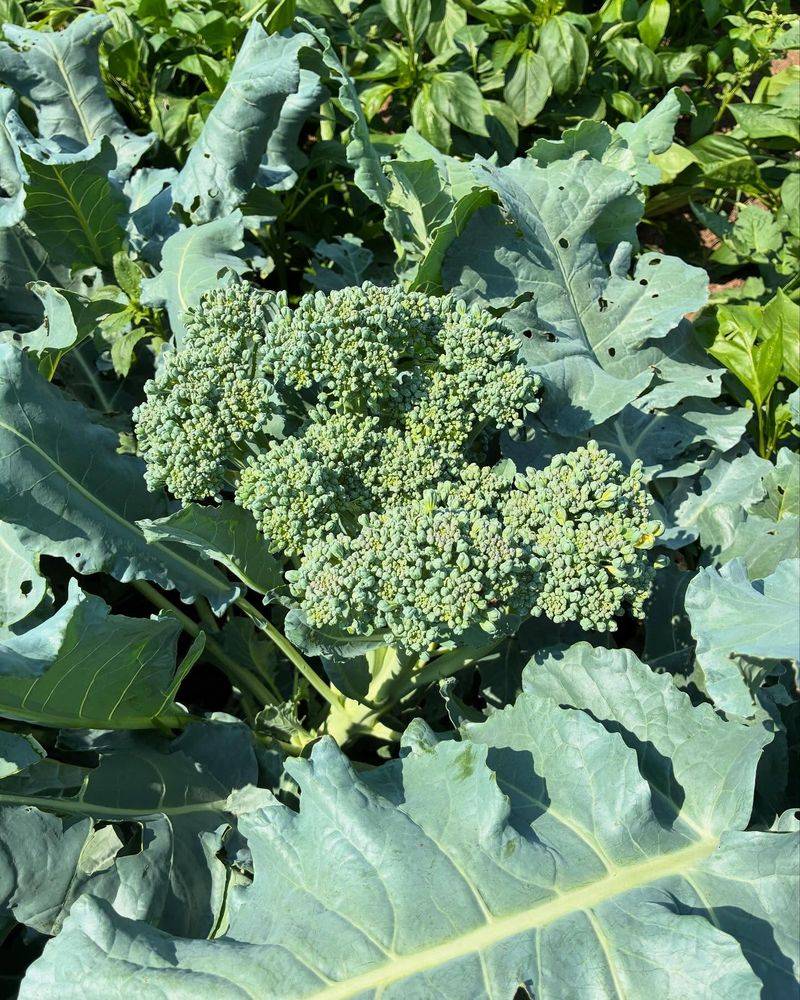
Most folks assume broccoli hands over one head and then quits the garden for good. Side shoots tell a different story, popping up for weeks after that main harvest is gone.
Transplants set out in early September beat seeds, since these plants need time before Christmas. Space them about eighteen inches apart in rich soil, and keep the moisture coming steadily.
Cut the central head while the buds are still tight, firm, and deep dark green. Leave the plant standing, because the leaf joints will soon push out smaller side clusters.
Those side shoots run small, maybe two inches across, but they cook up just as nicely. A single plant might hand you six or eight extra servings before winter arrives.
Waltham 29 has been a dependable fall variety across the South for several decades now. Packman matures quickly, which helps a lot if September somehow slipped away from you.
Cabbage loopers and harlequin bugs both take a strong interest in fall broccoli leaves. Handpick whatever you spot, then use a Bt spray on the small green caterpillars you find.
Heat during planting season can cause tiny, bolted heads that open into little yellow flowers. Shade cloth draped over young transplants for a couple of weeks prevents that frustration.
Fall broccoli usually beats the spring crop on flavor, thanks to cool nights during heading. Sweeter stems, tighter heads, and fewer bugs make the autumn planting well worth the effort.
7. Leaf Lettuce For Cut And Come Again Salads
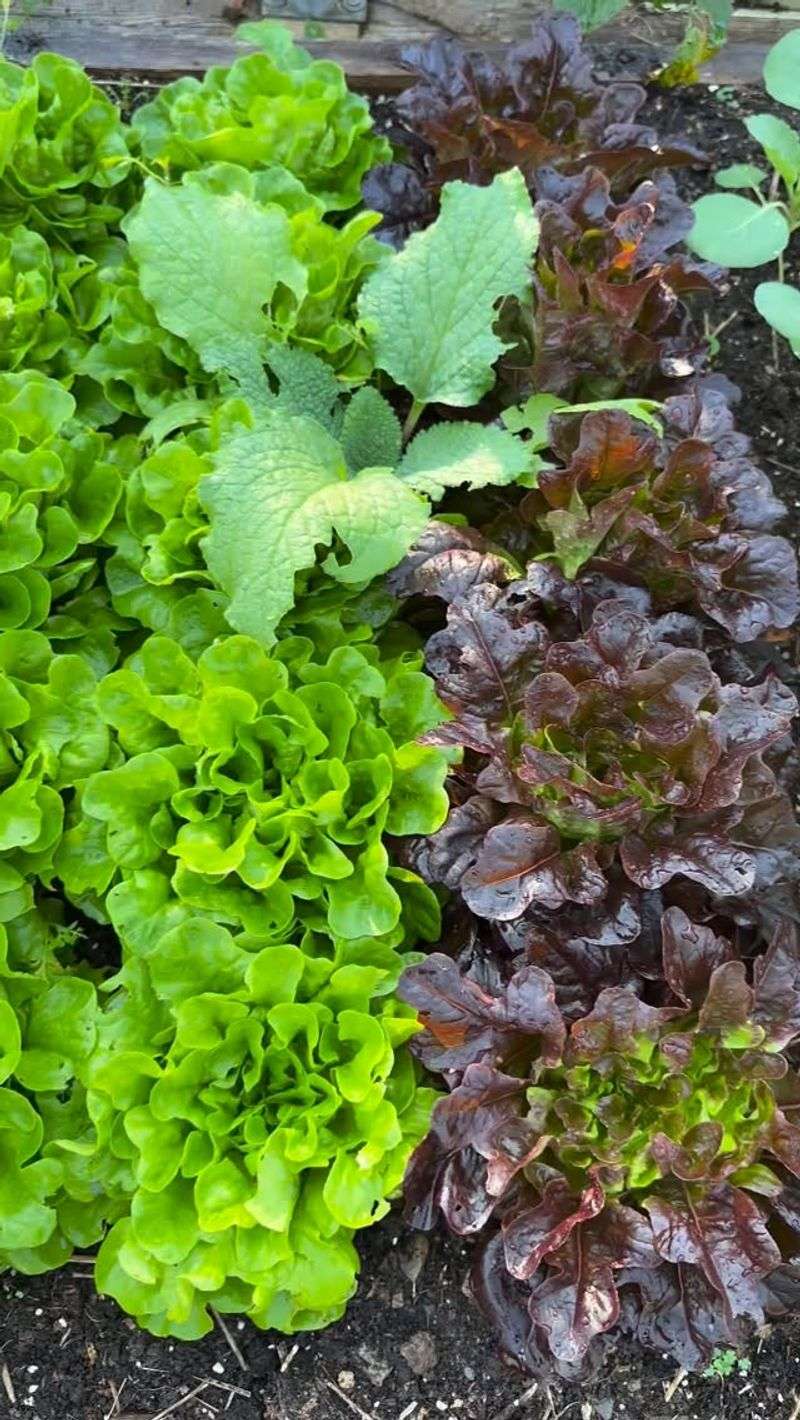
Salad picked fresh from the yard in November sounds unlikely until you try leaf lettuce. Georgia autumns hand this crop the mild, damp conditions it has quietly wanted all along.
Skip the head types and grow loose leaf kinds like Black Seeded Simpson or Red Sails. Loose leaf types let you snip a handful and leave the rest of the plant growing.
Sow a little seed every two weeks from September into November for a continuous salad supply. Lettuce grows quickly, so even one short row goes a surprisingly long way in salads.
Harvest the outer leaves in the morning while they still hold overnight moisture and crunch. Afternoon picking gives you limp greens that need a long soak in ice water.
Slugs love the cool damp as much as your lettuce does, so check under the leaves. Crushed eggshells or a scoop of iron phosphate bait keeps the chewing under better control.
A cold frame or a plastic tunnel stretches the season into January across most of Georgia. Lettuce handles light frost fine, but it sulks below about twenty five degrees.
Bitterness comes from heat and stress, which is why fall lettuce tastes better than June lettuce. Cool soil keeps the leaves sweet and keeps the flower stalks from shooting up early.
Containers work well too, so a porch pot can supply salad greens while the yard rests. Shallow roots mean lettuce stays happy in just six inches of potting mix.
8. Sweet Peppers For A Surprise Second Flush
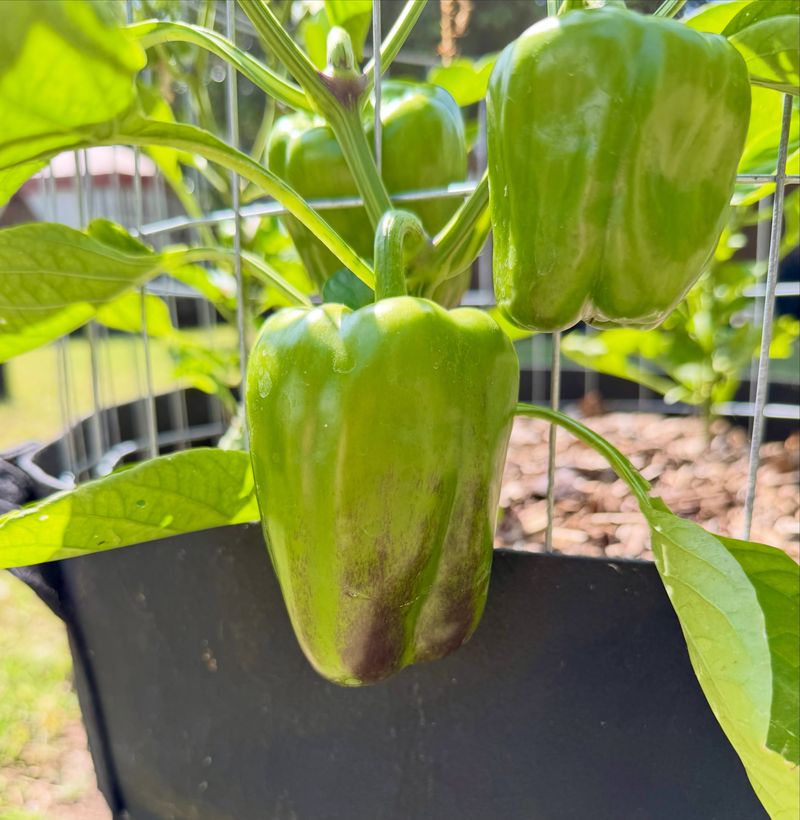
Here is a surprise from the summer garden: pepper plants often get a second wind. Once the worst heat breaks, blossoms set fruit again and the whole plant perks up.
Pepper flowers drop off when temperatures climb above ninety degrees, which explains that August slowdown. Those September nights in the sixties bring pollination right back on track for a while.
Give tired plants a haircut in September, trimming the spindly growth back by a third. Follow that haircut with a dose of balanced fertilizer and one good deep watering.
New flowers usually appear within about two weeks, and small green fruit follows soon after. That fall crop often colors up sweeter than anything you managed to pick in July.
Peppers struggle once temperatures drop to freezing, so the clock runs out around mid November. Coastal and south Georgia gardeners sometimes stretch that pepper harvest clear through Thanksgiving dinner.
Cover the plants with a blanket on the first chilly night and you might gain three weeks. Ripening slows down in cool weather, so a little patience matters at the end.
Bell types take longer to turn red than slimmer varieties like Jimmy Nardello or banana peppers. Plant the smaller, thinner kinds for the best odds of fully ripe fall fruit.
Green peppers left on the vine through October turn red, orange, or yellow and gain sugar. Roast a tray of them and the summer garden gets one last standing ovation.