How To Tell When Georgia Muscadines Are Perfectly Ripe For Harvesting
Somebody in Georgia is picking muscadines a week too early right now.
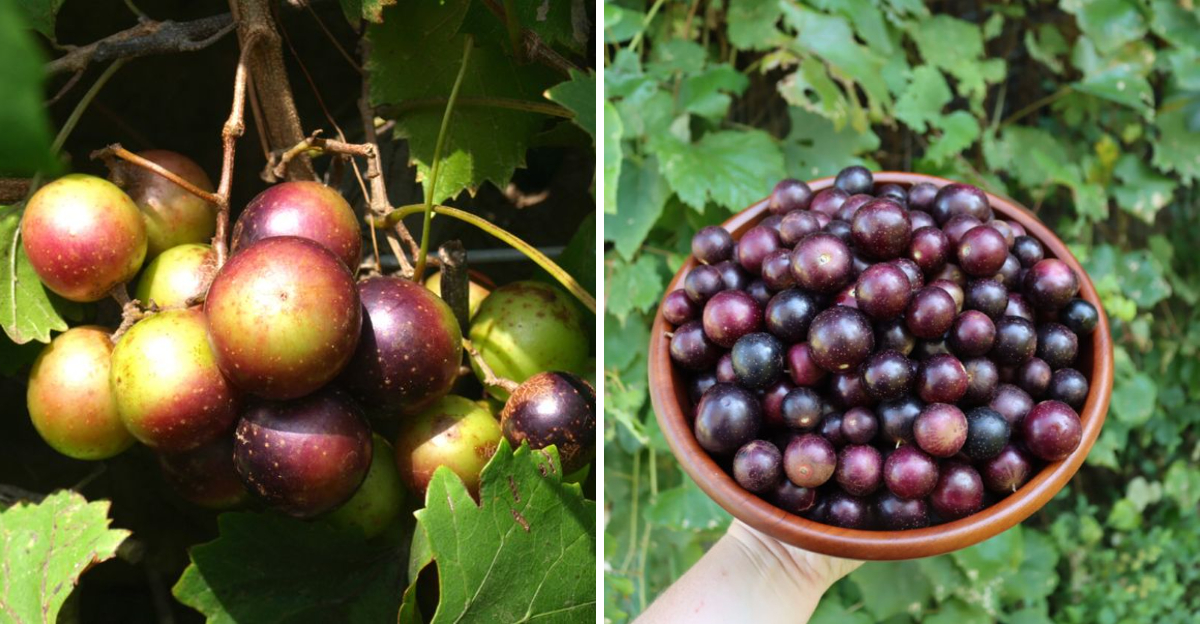
They looked ready. Deep purple, or that warm bronze glow, hanging heavy on the vine after a long summer of waiting.
Then comes the first bite, and the whole basket turns out sharp and thin.
Here’s the frustrating part. These grapes do not improve on the counter.
Whatever sweetness they had when you picked them is exactly what you get. There’s no ripening bowl trick, no paper bag fix, no waiting it out.
So the entire outcome rests on one decision made while standing under the vine.
Color tells you something. It also lies regularly, especially after a stretch of sunny days.
Experienced growers use several signals at once, and one of them involves paying attention to what’s lying on the ground rather than what’s hanging above it.
Another involves your fingertips. Another takes about four seconds and settles the question completely.
Get the timing right and late summer hands you something a grocery store cannot sell.
Curious what to check before you fill the first basket?
1. Watch The Color Change Before Picking
Color is the first thing anyone notices, and it does tell part of the story.
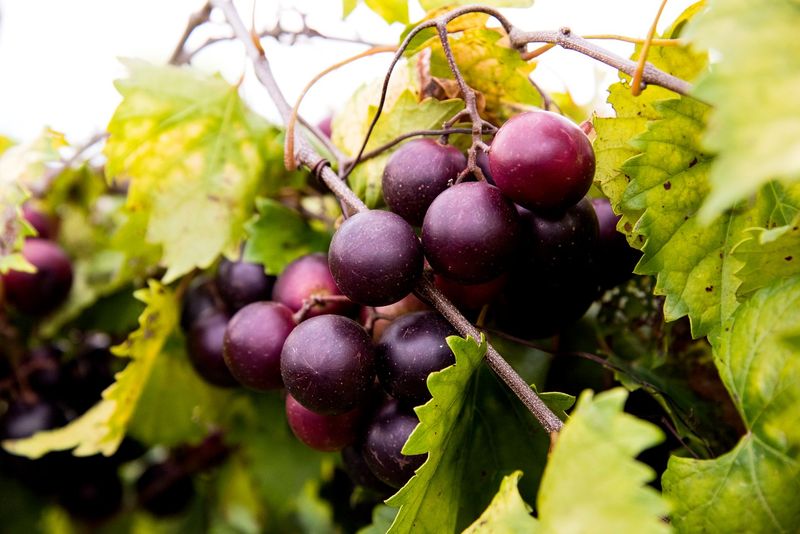
Georgia muscadines ripen into deep purple, black, bronze, or golden shades depending on the cultivar.
Dark types should lose their green cast entirely and settle into a rich, even tone. Bronze types shift from hard green toward warm tan, amber, or golden bronze.
The catch is real though. Sunny weather can color fruit before sugars fully develop, so a purple berry may still taste sharp inside.
That makes color a starting signal rather than a verdict.
Check several fruits across the vine instead of judging one cluster. Ripe muscadines often show a fuller, more settled tone while immature fruit looks bright, patchy, or green near the stem.
Cultivar knowledge saves confusion. Bronze selections like Scuppernong never turn dark, so knowing your variety’s mature shade matters.
Plant tags, extension guides, and notes from previous harvests all help build that reference.
Sun exposure creates variation on the same vine. Fruit on the outer, sunnier side colors and sweetens ahead of shaded interior berries.
When mature color lines up with the other signals, picking gets straightforward. Color opens the discussion, and the rest of the vine finishes it.
2. Wait For Natural Fruit Drop Signals
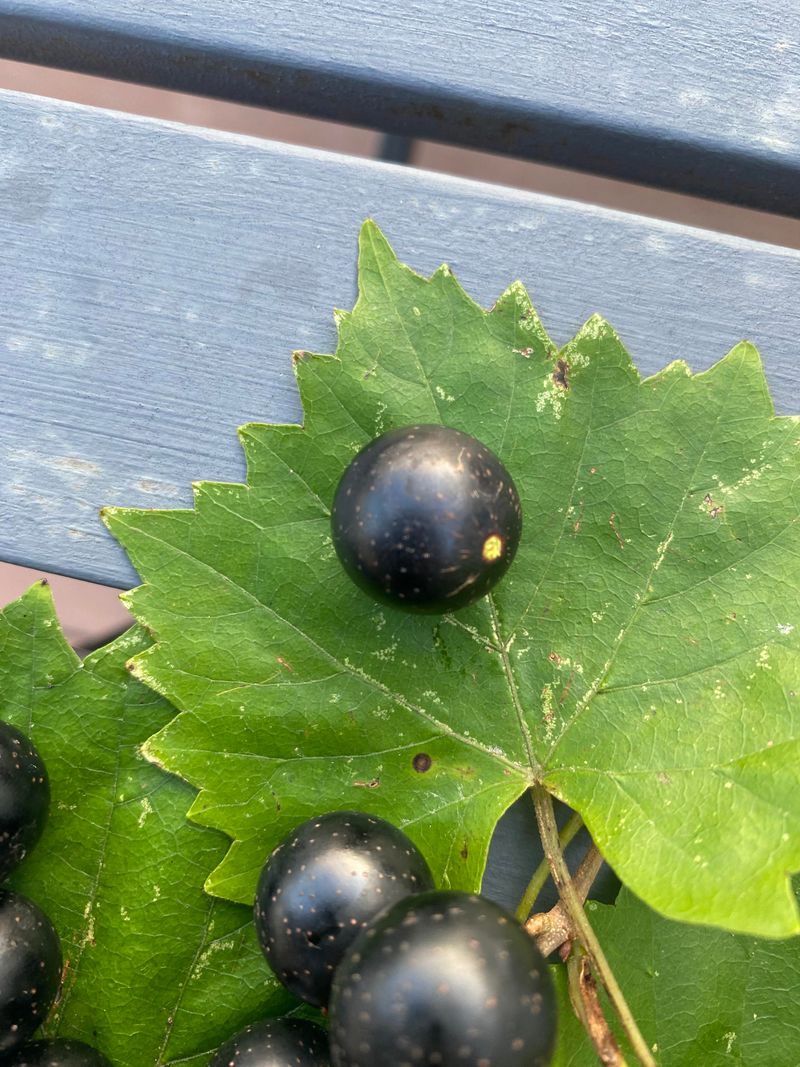
Longtime growers tend to smile at the first muscadines dropping on their own.
That natural release signals harvest season has genuinely started.
Muscadines differ from bunch grapes structurally. Berries grow in small loose clusters and ripen individually rather than all together.
At maturity the vine holds each berry less firmly, so ripe fruit separates with little effort.
Checking the ground each morning during ripening season pays off. Several fresh, sound berries underneath usually means plenty more are ready above.
Interpretation matters though. Split, pecked, or storm damaged fruit tells you very little.
Plump berries with good color lying on the ground point toward real ripeness on the plant.
Your Georgia Garden Changes Every Week. Your Plan Should Too.
Gardening in Georgia changes quickly throughout the season. Every Friday you’ll receive a simple weekly plan showing exactly what to plant, prune, fertilize, harvest, and protect so you never miss the right timing.
Nearby fruit can be tested by hand. A gentle lift and slight twist should release a ripe muscadine without a real tug.
Fruit that resists needs more time. Yanking it off tells you nothing except that you were impatient.
Drop should guide you rather than dictate everything. Waiting for a few berries to fall, then checking flavor and texture, gives a practical read on the whole vine.
Birds and wildlife also drop fruit, so a scattered mess under the vine may reflect competition rather than ripeness.
3. Check Texture Before Harvesting Bunches
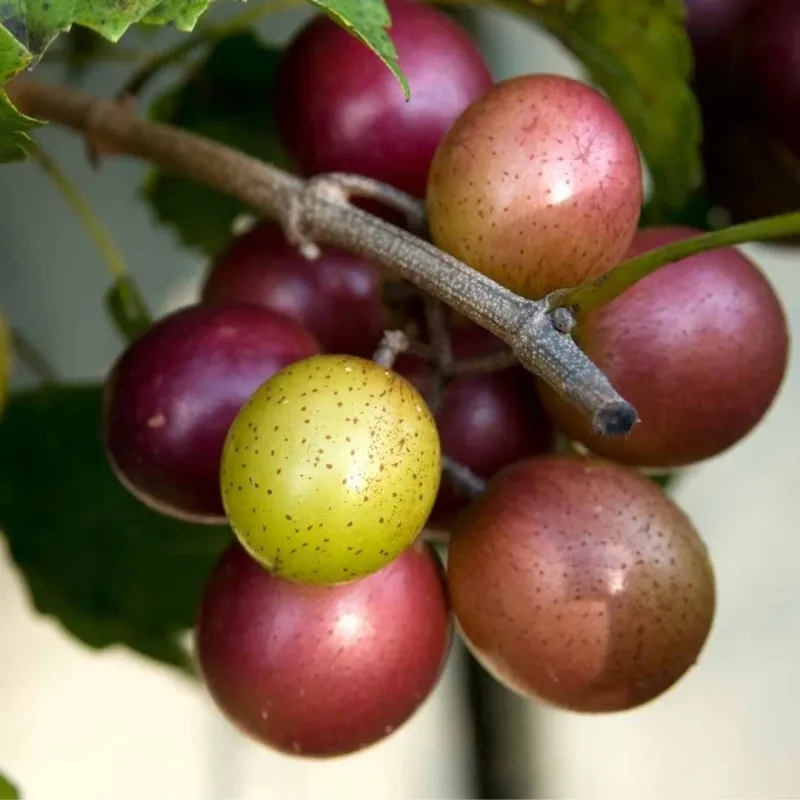
A muscadine can look excellent and still fall short, which is where touch earns its place.
Texture gives a more honest reading than appearance, particularly when Georgia sun colors fruit ahead of full sweetness.
Ripe berries feel full, smooth, and firm without being hard. A gentle press should produce slight give, showing the pulp has softened enough for good eating.
Underripe fruit feels tight and unyielding, closer to a small rubber ball.
Overripe fruit swings the other way. Too soft, slightly wrinkled, or weak skinned, which leads to splitting, leaking, and short storage life.
Skin appearance adds information. Mature berries look well filled and somewhat glossy, while immature ones appear drawn tight around the shoulders near the stem.
Handling deserves care. Hard squeezing bruises fruit quickly in summer heat, and bruised muscadines deteriorate fast.
Sample from different parts of the vine, since sun exposed fruit typically softens before shaded fruit.
Skin thickness is normal for the species. Muscadines carry noticeably tougher skins than table grapes, so don’t mistake that for underripeness.
Combining touch with color and easy release cuts down on mistakes considerably. A berry that feels sturdy and slightly yielding is usually close to right.
4. Taste Test A Few Before Gathering More
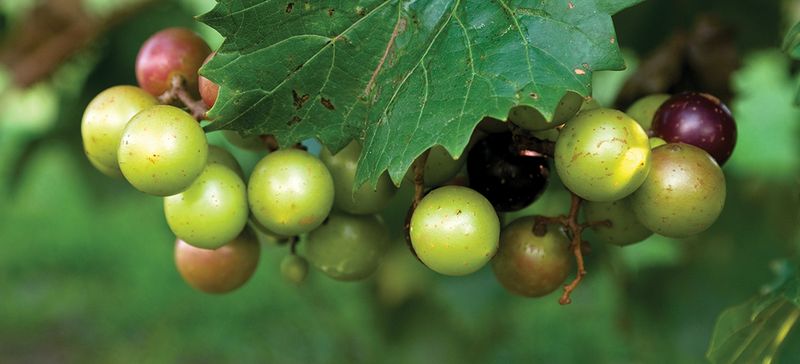
Nothing resolves the ripeness question faster than tasting one off the vine.
A single sample reveals what color and texture only hint at.
A ripe Georgia muscadine tastes sweet first, with a bright fruity character rather than a harsh bite. Sugar, acidity, and that distinctive musky aroma should all work together.
Sharp, grassy, or thin flavor means waiting longer.
Multiple passes are normal with muscadines. Fruit on a single vine ripens over a span of weeks rather than all at once.
Harvest season typically runs from late August into October in Georgia, varying by cultivar and location.
Sample from both sunny and shaded areas. Light exposed berries sweeten earlier while fruit under heavy leaf cover lags behind.
Pulp and skin both deserve attention. Ready fruit has juicy flavorful flesh, and the skin tastes mature rather than harsh.
Seeds are part of the package with most cultivars, though seedless varieties do exist. Not a ripeness indicator either way.
Keep testing simple with dry hands and a small bowl. Two or three berries showing good sweetness gives you enough confidence to start picking in volume.
5. Pick During Cool Morning Hours
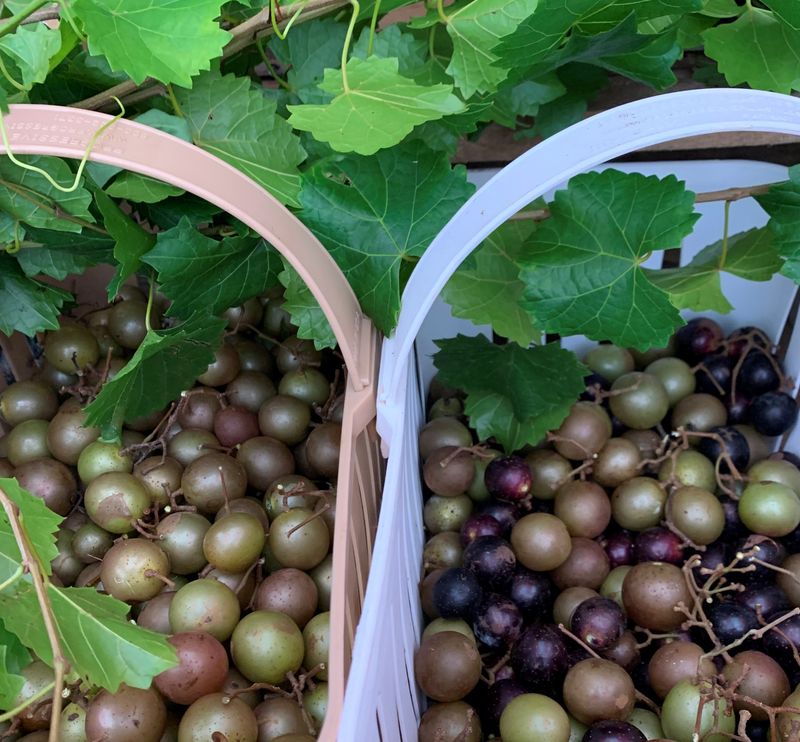
Early morning harvest amounts to a quiet advantage in a Georgia garden.
Cooler air keeps fruit firmer and less likely to soften before it reaches the kitchen.
Berries picked during afternoon heat turn sticky and tender, which makes handling harder. Warm fruit also loses quality faster, affecting both flavor and storage life.
Timing within the morning matters. Head out once dew has mostly dried, before midday heat builds.
Container choice affects results more than people expect. Shallow trays or baskets in shade prevent the pressure that splits fruit piled deep.
Handle gently rather than tossing berries in. Even ripe fruit bruises when dropped, and broken skins lead to leaking and rapid softening.
Morning light also improves your ripeness assessment. Color, shape, and surface condition all read more accurately without harsh overhead sun.
Sort while picking by removing leaves, damaged fruit, and unwanted stems. Kitchen work goes faster afterward.
Wet fruit deserves a mention. Picking right after rain leaves surface moisture that shortens storage, so waiting for dry conditions helps.
Several light harvests generally beat one rushed haul. Gathering ripe fruit across a series of cool mornings protects quality throughout the season.
6. Avoid Harvesting Too Early
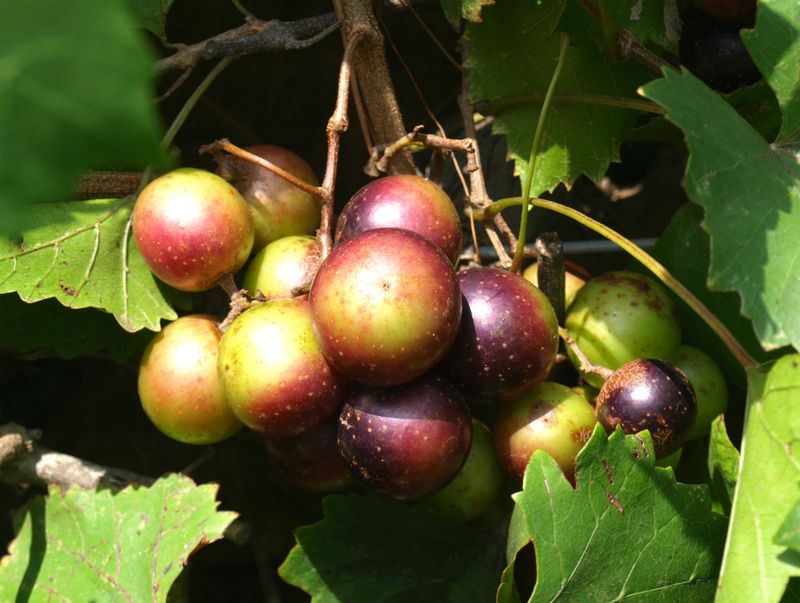
Patience gets difficult when vines hang loaded with fruit.
Early harvest usually disappoints, and the reason is specific. Muscadines are non climacteric, meaning they do not continue ripening meaningfully after picking.
Whatever sugar the berry has when it leaves the vine is what you get.
First color tempts almost everyone, especially after waiting all summer. Those early signs represent one stage in a longer process.
Underripe grapes taste sharp and can seem dry or flat inside. Skins run tougher and the pulp behaves differently.
Watching the vine over several days beats clearing it in one afternoon. Notes or phone photos help track when color deepened and when release became easy.
Sampling a few berries protects the rest of the crop from premature picking.
Test fruit that stays hard, resists the stem, or lacks sweetness means checking again in a few days.
There’s a limit on the other side too. Fruit left too long splits, ferments on the vine, and attracts insects and birds, so patience has a ceiling.
Waiting appropriately usually delivers juicier fruit with fuller flavor. A few extra days can be the difference between an average bowl and one that actually tastes like late summer in Georgia.
7. Store Fresh Muscadines The Right Way
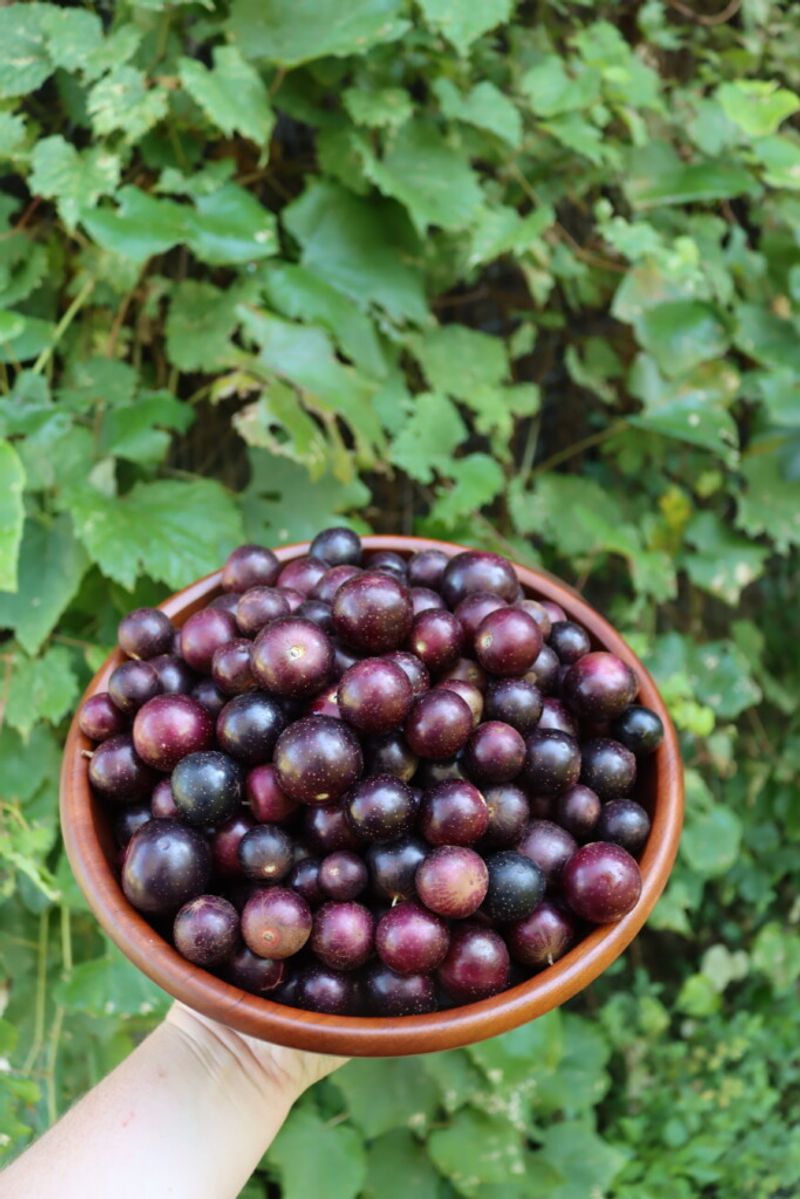
Careful picking deserves matching storage, or the harvest fades faster than it should.
Muscadines hold up better than many fruits while still benefiting from quick cooling, gentle handling, and dry conditions.
Sorting comes first. Remove split, overly soft, or damaged berries, since one broken fruit affects those around it.
Hold off on washing the whole batch unless you plan to use it immediately. Surface moisture shortens storage, so refrigerating unwashed fruit and rinsing portions as needed works better.
Container setup helps. Shallow containers or ventilated produce boxes lined with paper towels absorb moisture while reducing crushing.
Air circulation matters more than a tidy bowl. Deep piles trap humidity and soften fruit from the bottom up.
Refrigerated muscadines generally hold reasonable quality for around a week, though that varies by cultivar and ripeness at picking.
Freezing handles surplus well. Whole berries freeze fine for smoothies, and cooked pulp works for jam and sauces later.
Jelly, juice, and frozen pulp packs all extend the season considerably. Muscadine hulls and pulp separate easily when cooked, which suits preserving.
Quick cooling, dry skins, and the right preservation method keep a Georgia harvest useful long after the picking day ends.
8. Plan Next Year’s Crop After Harvest
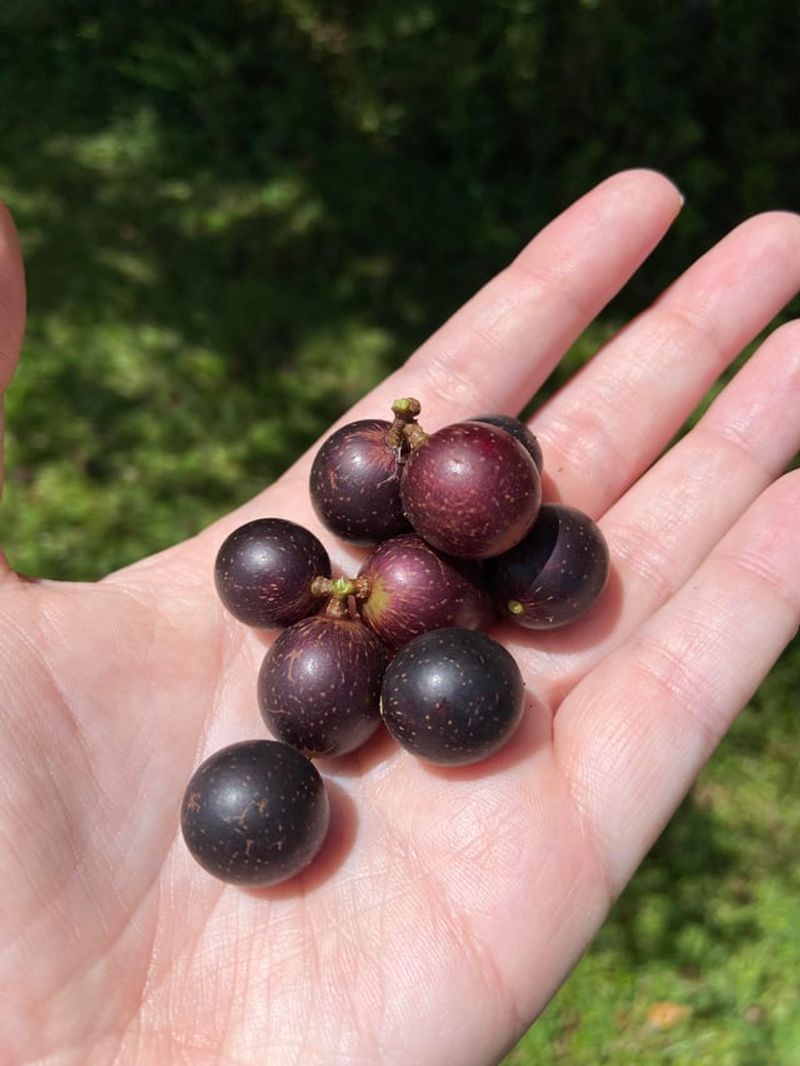
The last basket does not really end muscadine season for anyone paying attention.
What happens after harvest shapes the following year, which makes this a useful moment for observation.
Start by noting which parts of the vine produced best and which struggled. Ripening time, berry size, flavor, and sun exposure all inform future pruning decisions.
Leaves keep working after fruit comes off. Water during dry spells and watch for disease, since the vine is still building reserves for dormancy.
Pruning belongs to the dormant season, typically late winter before bud break. Post harvest is planning time rather than cutting time.
Heavy pruning is normal for muscadines, since most fruit comes on new growth from short spurs.
Studying tangled growth and crowded spurs now makes winter work considerably clearer.
Sanitation helps too. Clearing fallen fruit and debris around the base reduces overwintering disease and pest pressure.
Trellis condition deserves a look while the vine is loaded, since that’s when weaknesses show. Ties, wires, and posts all take strain during fruiting.
One season of good notes teaches more than most guidebooks. Review what happened, look after the vine through fall, and next year’s muscadines arrive with better odds.
9. Wildlife Can Beat You to It
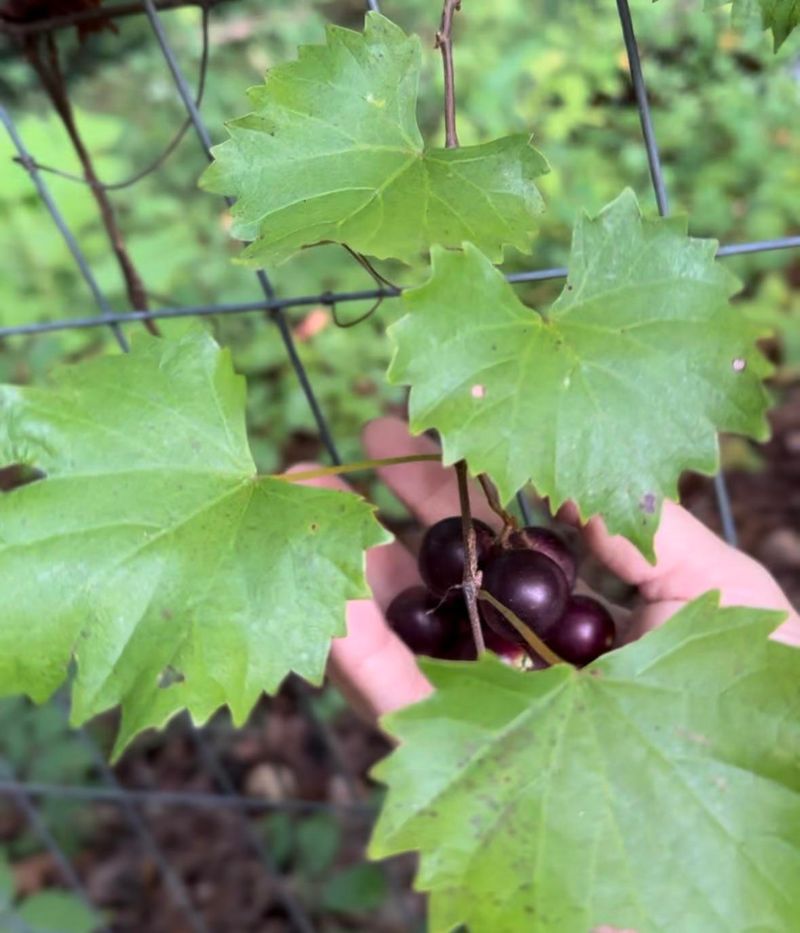
Something else in Georgia has been watching that vine ripen all summer.
Birds, raccoons, deer, opossums, and yellowjackets all find muscadines around the same time you do. Usually a day or two earlier.
That competition changes harvest strategy. Waiting for absolute peak sweetness sometimes means waiting past the point where any fruit remains.
Birds tend to work the outer, sunniest berries first, which happens to be the fruit that ripens ahead of the rest.
Raccoons cause the most dramatic damage overnight, often pulling down canes and stripping whole sections.
Yellowjackets show up once fruit starts splitting or fermenting on the vine. Prompt picking reduces that attraction considerably.
Bird netting works when installed before ripening begins rather than after losses start. Draping it over the trellis and securing the edges keeps birds from working underneath.
Timing the netting matters. Once fruit begins coloring, the vine is already on their radar.
Frequent picking is the other practical defense. Harvesting every couple of days leaves less ripe fruit sitting available.
Cleaning up dropped and split berries helps too, since fermenting fruit on the ground draws insects and mammals toward the whole planting.
Sharing a portion is realistic on most home vines. Mature muscadines produce generously, so losing some fruit rarely ruins the season.
Pick a little earlier than perfect if the raccoons have found you. A slightly less sweet basket still beats an empty one.