This Invasive Shrub Becomes Easy To Spot In Minneapolis And St Paul Yards Each Fall
Notice that lone shrub holding onto green long after its neighbors gave up? Minnesota autumns move fast, stripping color from ash, oak, and maple alike. Yet this particular plant seems immune to the seasonal clock everyone else follows.
Homeowners across Minnesota walk past it without recognizing what they’re seeing. Fences hide it, spruce branches shade it, garages keep it out of sight. Timing matters here, because this shrub only reveals itself during a narrow window.
Weeks from now, frost will strip its rivals bare, leaving that plant exposed. Spotting it early gives you leverage before winter covers the evidence outside.
Waiting costs you options, and options disappear the moment snow starts falling. Right now, you hold an advantage that disappears the instant temperatures drop further.
Knowing what you’re looking at changes how you handle the whole property. You need to know exactly what you’re looking at before that window shuts.
Green When The Neighbors Turn Gold
Late in the season, Twin Cities yards look like a slow-motion fireworks show. Maples blush, ash trees fade to butter yellow, and oaks settle into rust.
Then there is that one stubborn shrub still wearing summer green. Common buckthorn holds its leaves for weeks after native trees let go of theirs.
Botanists call this extended leaf-out, and it gives buckthorn extra time to grow. Extra weeks of sunlight mean extra food stored down in the roots.
For homeowners, the timing works out beautifully. From late September into November, you can stand on the back steps and map the problem plants without much guesswork.
Snap a photo of your fence line now and another in mid-October. The green patches that remain are the ones worth a closer look.
In many older Twin Cities neighborhoods, homeowners often find whole hedges they assumed someone planted on purpose. Buckthorn was sold as a tidy landscape hedge in Minnesota for decades before anyone noticed how far it spread on its own.
Marking plants while they stand out saves real time later. Tie surveyor tape or a strip of old bedsheet around each trunk so you can find it again in spring.
City tree inspectors reportedly use similar visual cues during fall surveys, which suggests the method works well even for beginners.
One caution before you start yanking: double-check leaves and bark, because a few native shrubs also hang on late. A minute of ID work prevents a wasted afternoon.
Glossy Leaves And Sneaky Little Spines
Run your thumb along a buckthorn leaf and it feels almost waxy, like a plastic plant from a dentist’s waiting room. That shine is one of the fastest clues in a crowded yard.
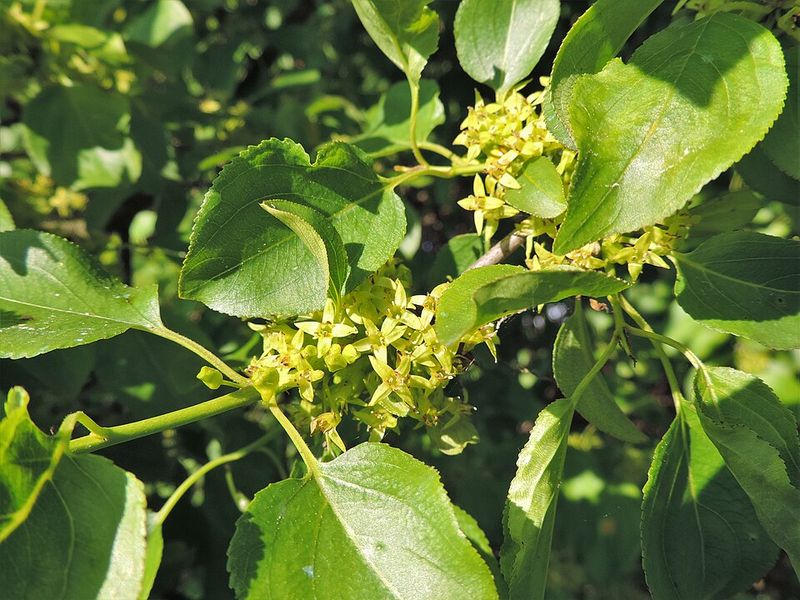
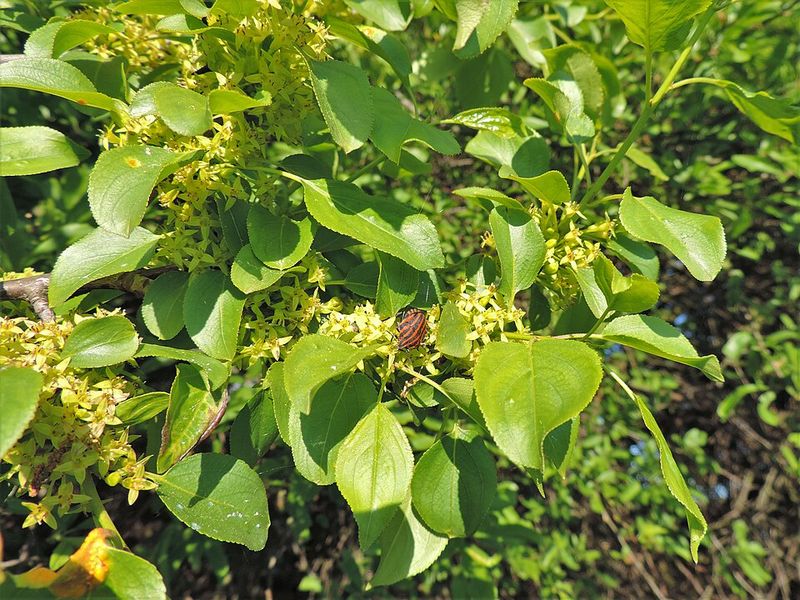
Leaves are oval, roughly two inches long, edged with tiny rounded teeth. Veins curve toward the leaf tip instead of running straight out to the edge.
Look at how the leaves sit on the twig and you will notice something odd. Some pairs line up across from each other, some alternate, and some do both on one branch.
Your Minnesota Garden Changes Every Week. Your Plan Should Too.
Gardening in Minnesota changes quickly throughout the season. Every Friday you’ll receive a simple weekly plan showing exactly what to plant, prune, fertilize, harvest, and protect so you never miss the right timing.
The name comes from a small, sharp spine at the end of many twigs. It is no rose thorn, but it will snag a sleeve.
Scratch the bark with a key and check the color underneath. Buckthorn reveals a bright orange or yellow-orange layer that few local shrubs can match.
Older stems wear gray-brown bark with pale speckles, which fools people into thinking they have a young cherry tree. The orange scratch test settles that argument in seconds.
Bring a phone photo to a county extension office or a trusted nursery if you feel unsure. Staff in Hennepin and Ramsey counties field these questions constantly once fall arrives.
Once you learn the glossy-leaf-plus-orange-bark combo, you’ll notice it easily from now on. Expect to notice it on dog walks, at bus stops, and in parking lot islands citywide.
Keep a cheap pocket knife in your garden bucket for that scratch test. It turns a guessing game into a two-second check.
Dark Berries That Hitch Rides With Birds
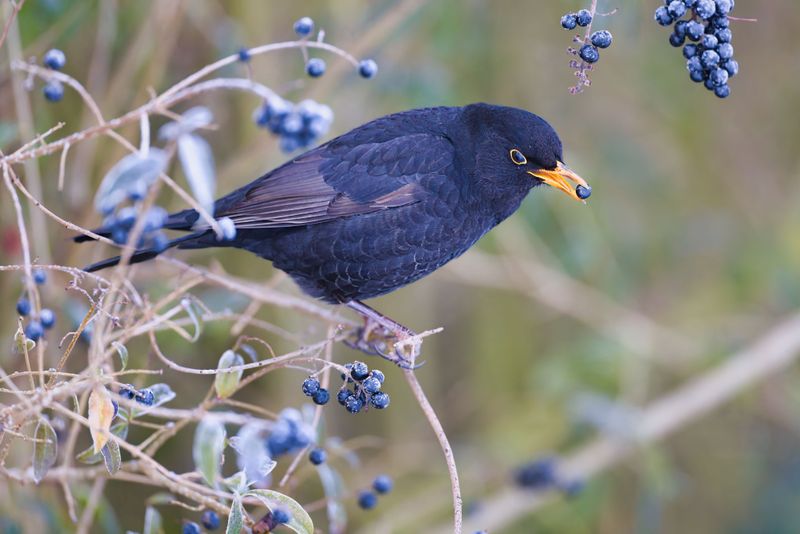
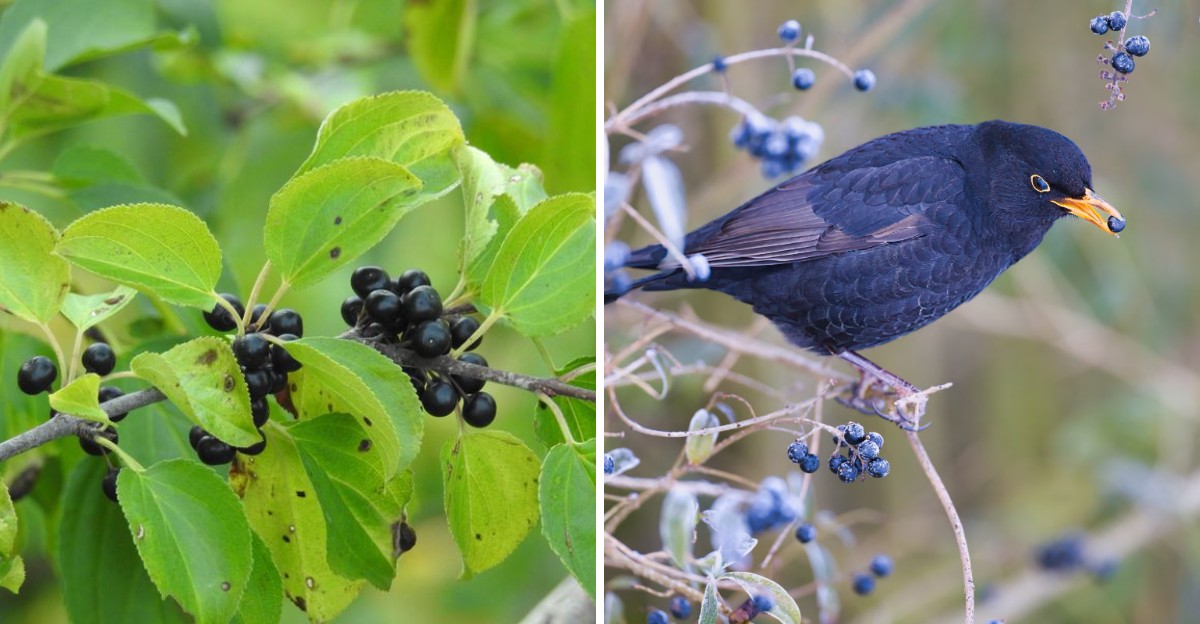
Birds are the reason one shrub in a single backyard turns into twenty shrubs on the block. Robins, starlings, and cedar waxwings gobble the dark berries and then move along.
Female buckthorn plants carry clusters of pea-sized fruit that ripen from green to deep purple-black by late summer. By early September, plenty of them are ripe and ready to travel.
The fruit acts like a mild laxative on birds, so seeds land quickly and in fresh droppings. Purple splatter on your car hood or deck rail is a strong hint that a fruiting shrub sits nearby.
Seeds can rest in the soil for several years before sprouting. That explains why a cleared corner sometimes fills back in the following spring.
If you cannot tackle a whole plant right away, clipping off berry clusters still helps a lot. Bag them for the trash rather than tossing them on the compost or brush pile.
Minneapolis and St. Paul both accept yard waste, though seedy invasive material is safer sealed in a bag. Check your city’s current guidance before hauling anything to a drop site.
Berries also explain why river bluffs and park edges get hit hardest. Birds perch in the big trees, and seeds rain down into the understory below.
Quick history bit: the shrub arrived from Europe in the 1800s as a hedge plant. Minnesota restricted the sale of buckthorn in 1999, though established plants and their seedlings remain widespread today.
Keep a paper bag in the garage for quick berry runs. Ten minutes of clipping shrinks next year’s seedling crop.
Favorite Hiding Spots In City Yards
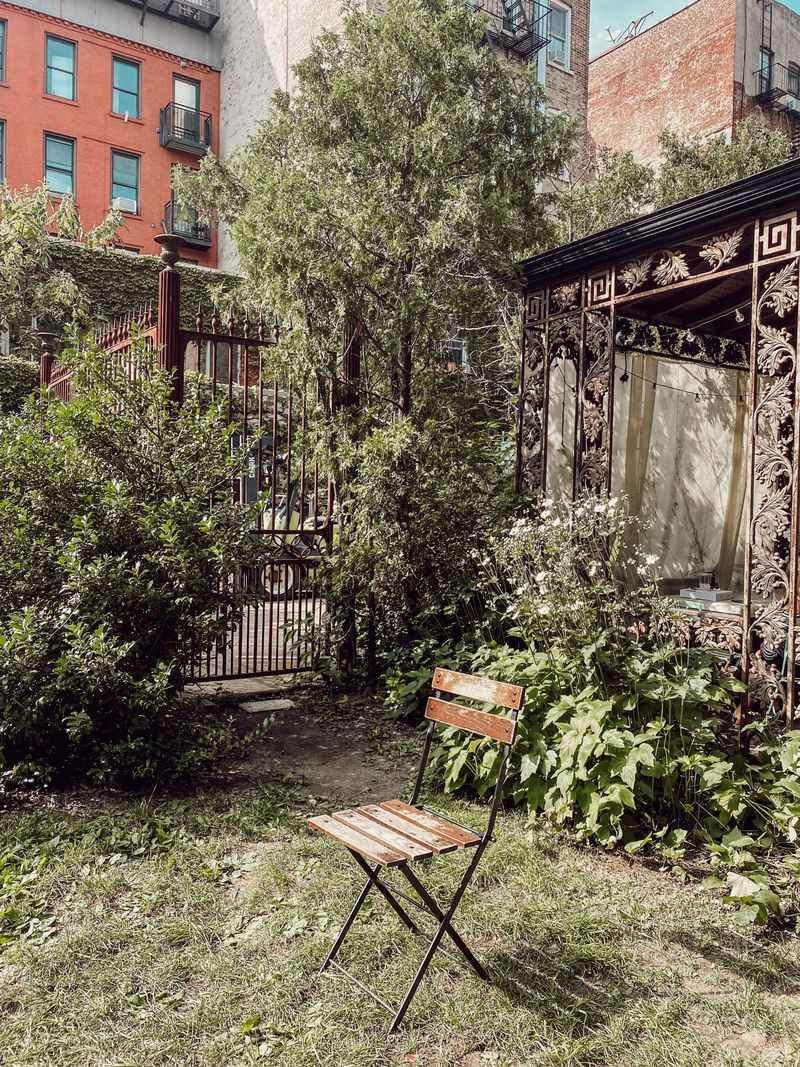
Ask a landscaper where the sneaky sprouts hide and they point straight at the places you rarely look. Buckthorn enjoys shade, neglect, and a little shelter from the mower.
Fence lines top the list, especially chain link where a bird can perch but a shovel cannot reach. Seedlings root against the posts and grow up through the mesh.
Check beneath low spruce and arborvitae branches next. Deep shade slows other plants down, while this shrub handles dim light with ease.
Alley edges, garage corners, and the strip behind the garbage cans are classic spots in older Twin Cities neighborhoods. Older city lots often include narrow, rarely visited side yards where buckthorn can establish unnoticed.
Wooded parcels near urban creeks and parks tend to carry heavier buckthorn loads, since birds spread seeds from nearby wooded areas. If your yard backs onto park land, expect a steady supply of newcomers.
Peek at the base of established hedges too. Lilac and honeysuckle rows hide young stems that blend right in until fall color separates them.
Tiny seedlings, two to six inches tall, pop up in mulch beds and lawn edges by the dozen. Pulling them at that size takes seconds and no tools at all.
Walk your property line with a clipboard and note each cluster you find. A simple sketch beats memory when you return with loppers next weekend.
Invite the neighbor over for a look while you are out there. Shared fence lines clear up much faster as a team.
Rain gardens and shady side beds deserve a second pass. Moist, quiet ground suits young stems nicely.
Fall Pulling And Cutting That Actually Works
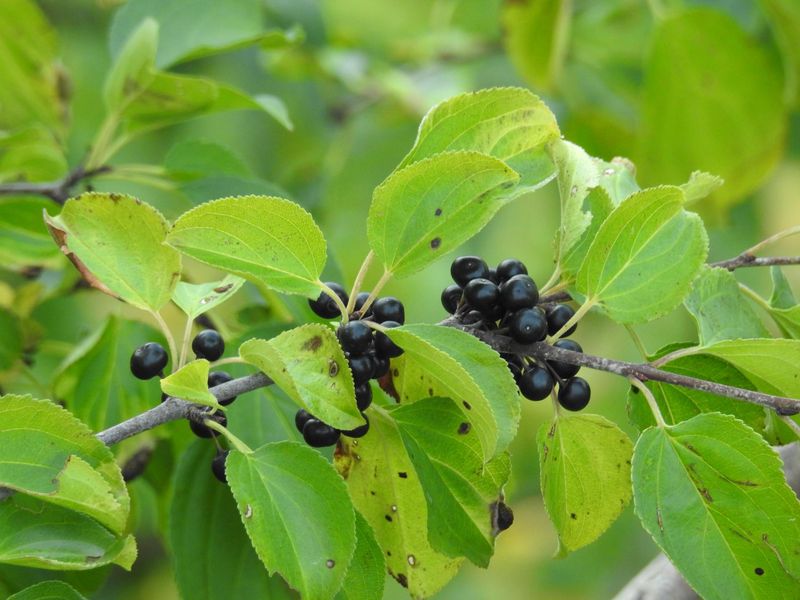
Autumn is prime time for this chore, and the reason comes down to plant biology. Native shrubs are shutting down for winter while buckthorn still shuttles sugars into its roots.
Small stems, up to about half an inch thick, slide out cleanly after a soaking rain. Grab low, rock the stem side to side, then lift straight up so roots come along.
For wrist-thick stems, a weed wrench or heavy-duty puller does the muscle work. Some Twin Cities libraries and park programs have offered free weed-wrench loans in the past.
Check current local listings before relying on this.
Larger trunks are usually cut low, with an approved herbicide applied to the fresh stump. Read the label closely, or hire a licensed applicator if chemicals are not your style.
Cutting alone tends to backfire, since a stump often resprouts with multiple new stems. Capping cut stumps with heavy black plastic or a snug tin can is a non-chemical route some folks like.
Fill the holes you leave behind and tamp the soil firmly. Loose, bare dirt is an open invitation to the seeds waiting below.
Wear gloves and long sleeves, because those twig spines are unfriendly to bare forearms. Safety glasses help when you are crouched under low branches.
Plan on returning for two or three seasons instead of a single weekend. Steady follow-up separates a clear yard from a repeat project.
Set a phone reminder for next September. Same weekend, same walk, much less work. Bring a thermos and make it social, clearing buckthorn is a common fall task for many homeowners.
Better Shrubs To Fill The Empty Space
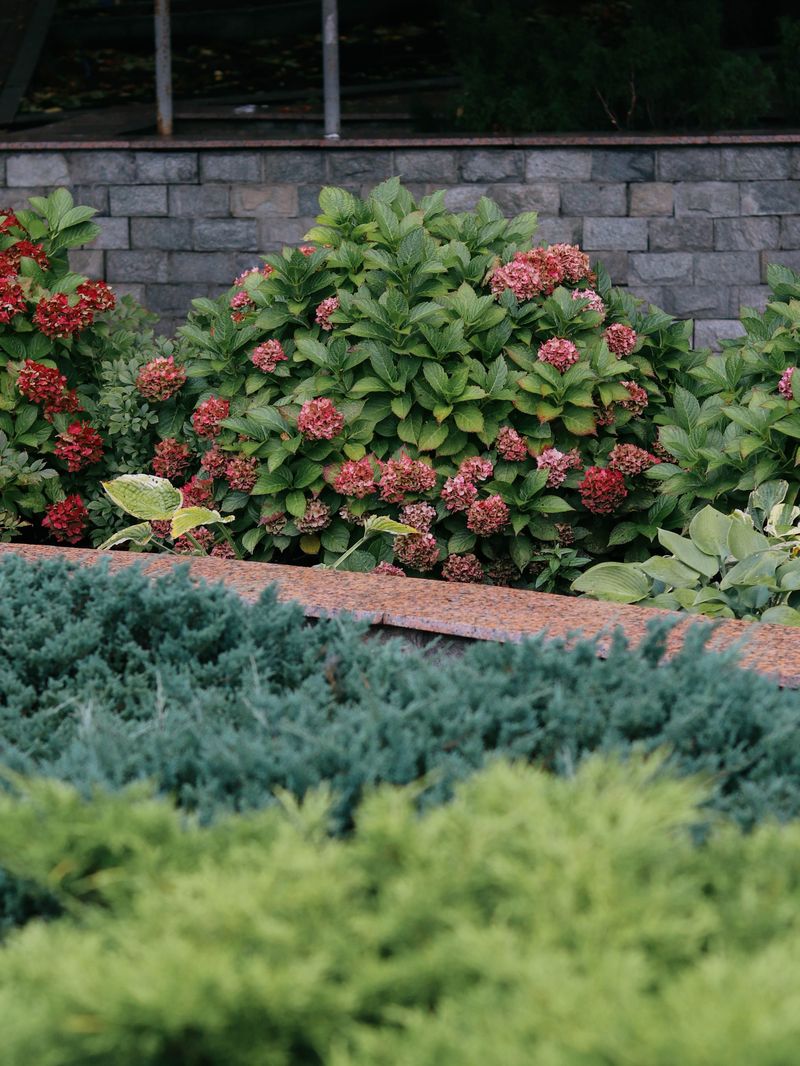
Clearing a fence line leaves a gap, and bare soil rarely stays bare for long. Filling it with something you actually chose is the smartest follow-up move.
Serviceberry earns its spot with white spring flowers, sweet June fruit, and warm orange fall color. Birds adore it, and so do pie bakers.
Black chokeberry handles wet, shady corners where other shrubs sulk. Its glossy leaves turn deep red, scratching the same visual itch buckthorn did.
Nannyberry viburnum grows tall enough to screen an alley view. Expect dark blue fruit and a shaggy, informal outline.
American hazelnut brings nuts, dangling catkins, and a thicket-style hedge if you can let it spread. Squirrels will find the harvest before you do.
Gray dogwood and ninebark both fill space quickly and shrug off city soil. Ninebark cultivars come in green, gold, and burgundy leaf shades for anyone craving contrast.
Plant in September or early October while the soil stays warm and rain is generous. Water weekly until the ground firms up, then mulch a few inches deep without piling it against the stems.
Local sources matter, so check nurseries in Roseville, Bloomington, and the western suburbs for Minnesota-grown stock. County soil and water conservation districts also run spring seedling sales at friendly prices.
Mix three or four species rather than planting a single-file hedge. Variety gives pollinators more to work with and keeps one setback from taking the whole planting.
Snap a before photo of the empty spot. In three years, that picture becomes a satisfying comparison.