What It Means When Dark-Eyed Juncos Return To Texas Yards
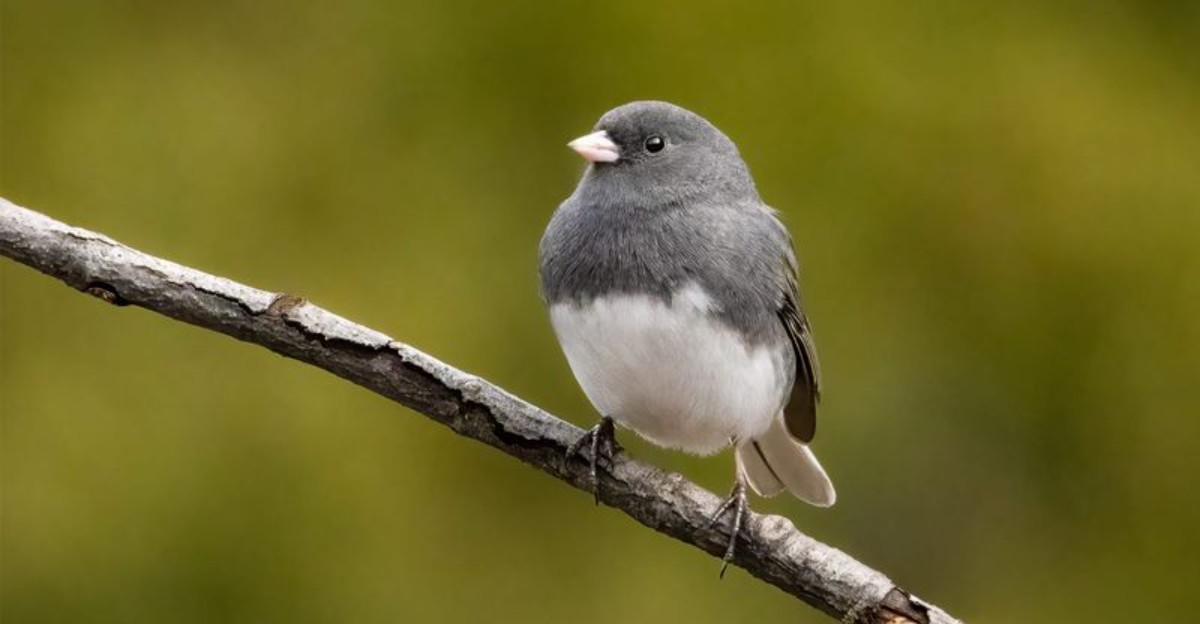
The return of dark-eyed juncos to a Texas yard is one of those seasonal signals that experienced backyard bird watchers watch for every fall.
These small, sharply marked birds spend their summers further north and move into Texas when temperatures drop, and the morning you spot the first one marks a shift in the season as reliably as any calendar date.
But what does their arrival actually mean?
Beyond the pleasure of a new winter visitor, dark-eyed juncos returning to Texas signal something specific about the season and what your yard is currently offering that makes it worth stopping for.
The yards that attract them reliably tend to have something in common. Here’s what dark-eyed juncos returning to your Texas yard is really telling you and how to make your property more welcoming to them this winter.
1. Cooler Weather Is On The Way
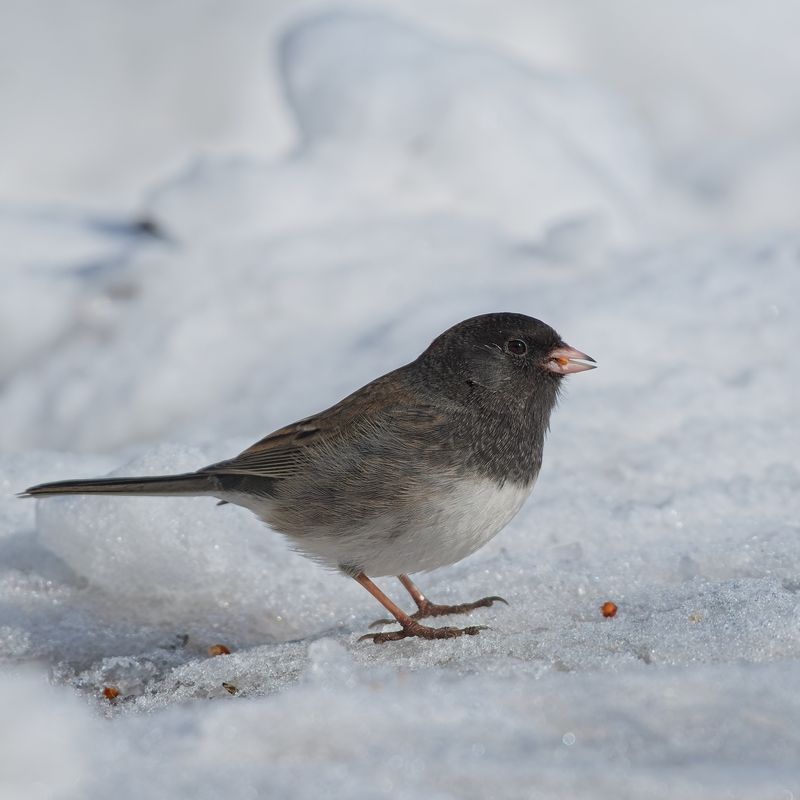
Long before your weather app warns you, juncos already know. These birds nest up north in Canada and the mountains during summer. When temperatures drop, they travel south, and Texas becomes their winter home.
Seeing them scratch around your yard is like getting a natural weather report. Their arrival often lines up with the first real chill of the season. Old-timers used to watch for them instead of checking a thermometer.
You can use this to prepare your home. It might be time to check your heater, cover outdoor pipes, or bring in tender plants. The juncos give you a gentle nudge to get ready.
Here is a fun bit of history. People across America nicknamed juncos snowbirds because they seem to follow the cold air down from the north. Where snow falls, juncos usually appear nearby.
Their timing is not exact every year. Some winters they show up early, while other years they wait a bit longer. Watching them closely can teach you about your local climate.
Keep a small notebook by your window. Write down the date you first spot a junco each year. Over time, you will build your own record of the seasons.
Kids love this activity too. It turns a simple bird sighting into a small science project. Everyone in the family can join the watch.
So when these gray visitors return, take it as a friendly heads-up. Cooler days are coming, and the birds saw them first. A little preparation now keeps you cozy later.
2. Your Yard Offers Good Food And Shelter
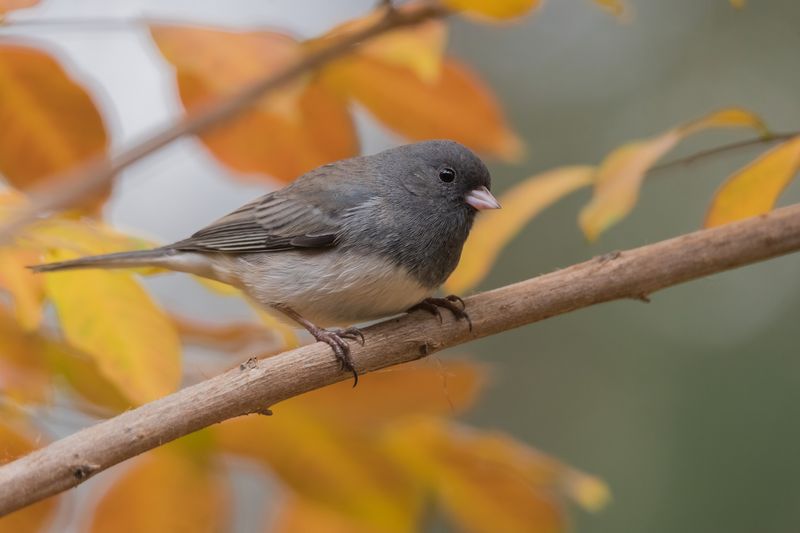
Birds do not stick around places that feel empty or unsafe. If juncos keep returning to your yard, take it as a compliment. It means your space has what they need.
These birds hunt for seeds on the ground. They love spots with fallen leaves, low bushes, and scattered brush. Your messy garden corner might be their favorite dining room.
Shelter matters just as much as food. Juncos hide in shrubs and small trees when hawks fly overhead. A yard with plenty of cover feels like a safe hideaway to them.
You can make your Texas yard even more welcoming. Toss some millet or cracked corn on the ground near a bush. Juncos rarely use hanging feeders, so low spots work best.
Your Texas Garden Changes Every Week. Your Plan Should Too.
Gardening in Texas changes quickly throughout the season. Every Friday you’ll receive a simple weekly plan showing exactly what to plant, prune, fertilize, harvest, and protect so you never miss the right timing.
Leaving a small brush pile also helps a lot. It gives the birds a quick place to duck when danger appears. A few branches stacked in a corner can do the trick.
Water is another draw. A shallow birdbath near the ground invites juncos to drink and bathe. Keep it clean and filled during dry spells.
Their steady visits tell you the whole area is healthy. Where juncos gather, other songbirds often follow. Your yard becomes a little hub of wildlife.
Think of it as a sign you are doing something right. Nature notices kindness, even in small ways. A caring yard earns loyal feathered guests.
Next time you see them scratching the ground, smile. You built a home worth returning to. That is a meaningful gift to the wild world.
3. A Sign Of Nature’s Steady Rhythm
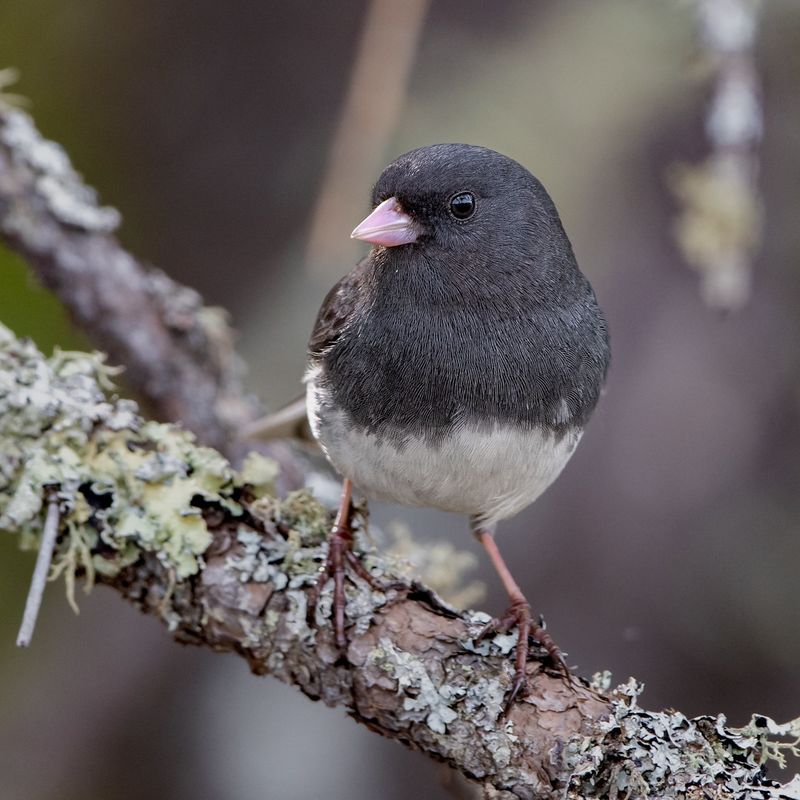
There is comfort in knowing some things happen right on schedule. Juncos returning each year reminds us that nature keeps its promises. The seasons turn just like they always have.
People in busy lives can feel lost in the rush. Watching a familiar bird come back brings a sense of calm. It says the natural world is still spinning the way it should.
Their journey is amazing when you think about it. These tiny birds travel hundreds of miles to reach Texas. Yet they arrive faithfully, year after year, without a map.
This steady pattern has meaning for many families. Grandparents may remember watching juncos in the same yard decades ago. The birds connect one generation to the next.
You can lean into this feeling of continuity. Make junco watching a small yearly tradition. Sip coffee by the window and welcome them back.
Their return also marks time in a gentle way. Instead of just flipping a calendar page, you feel the season shift. That connection to the outdoors grounds us.
Some people find peace simply watching them hop and feed. There is no rush in their movements. They live fully in the present moment.
Nature offers few guarantees, but juncos come close. Their reliable arrival is a quiet reassurance. The cycle continues, steady and sure.
So let their visit slow you down. Take a breath and enjoy the rhythm. In a world of change, some things stay wonderfully the same.
4. A Chance To Watch And Learn
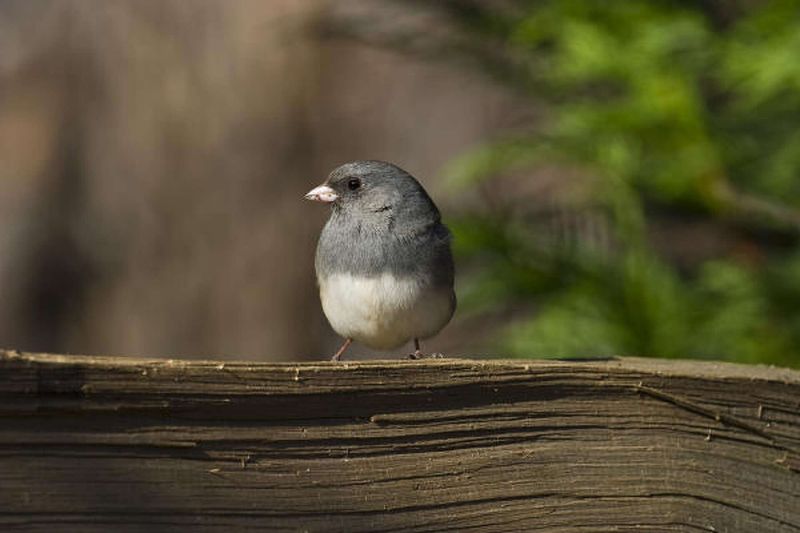
Few hobbies are as easy to start as backyard birdwatching. When juncos arrive, they hand you a perfect learning chance. You do not even need to leave home.
These birds are great teachers for beginners. They move slowly on the ground and stay for months. That gives you plenty of time to study them closely.
Grab a pair of binoculars and settle by a window. Notice their dark hoods, pink bills, and flashing white tail feathers. Each small detail helps you tell them apart from other birds.
You might also spot different types. Some juncos have slate-gray backs, while others show a touch of brown. These variations make each sighting a little puzzle to solve.
Children especially enjoy this activity. It sparks curiosity about the wider natural world. A simple bird can lead to big questions and fun answers.
Try keeping a bird journal together. Draw the juncos, write what they do, and note when they eat. This turns watching into a real skill.
You can join community science projects too. Groups like backyard bird counts welcome your reports. Your junco sightings help scientists track bird health.
Learning their habits deepens your appreciation. You start to see patterns in when they feed and rest. The yard becomes a living classroom.
Here is a neat fact. Juncos often return to the exact same yard each winter. The bird you watched last year may be back again.
So welcome the lesson they bring. Curiosity grows when you pay attention. These little birds make learning feel effortless and fun.
5. Good Fortune And Positive Energy
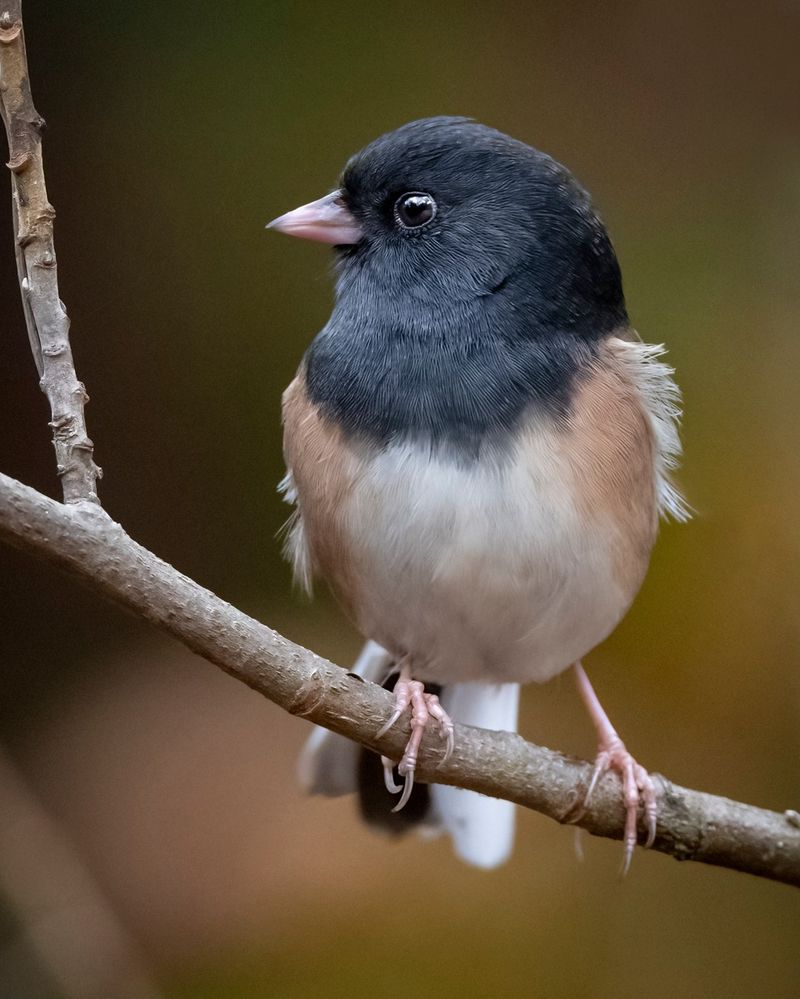
Across many cultures, small birds carry hopeful messages. Juncos are often seen as tiny bringers of good luck. Their sudden appearance can feel like a happy sign.
Some folks believe a bird near your window means good news is coming. Others see juncos as reminders to stay cheerful during colder months. Either way, they lift the spirit.
Their gray and white colors also hold meaning for many. The mix is thought to represent balance and calm. Watching them can bring a peaceful feeling.
You do not have to be superstitious to enjoy this idea. Simply noticing a bird can shift your mood in a good direction. A tiny visitor becomes a bright spot in your day.
People going through hard times often find comfort in them. The bird’s return feels like a gentle promise that better days lie ahead. Hope arrives on little wings.
Their busy, bouncy movements add cheer too. Juncos hop around with an eager energy. It is hard to feel gloomy while watching them play.
You can turn their visit into a small ritual. Pause and set a positive thought each time you see one. Let the bird remind you to look for the good.
Sharing this with others spreads the joy. Point out the juncos to friends and family. Their smiles will match yours.
Whether you believe in luck or not, the feeling is real. A dash of hope makes any winter warmer. Let the juncos deliver that little gift to you.
6. Your Local Habitat Is Thriving
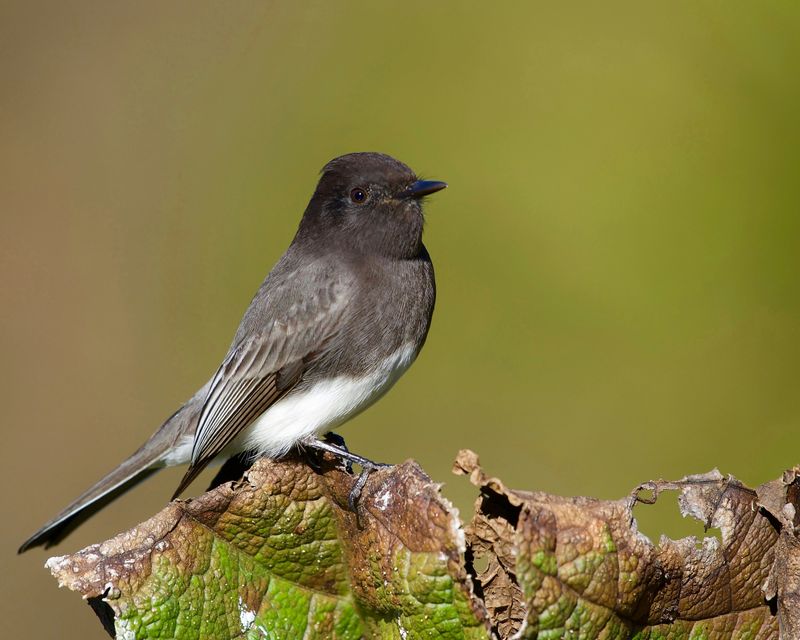
Birds act like little report cards for the environment. When juncos and other species show up, it usually means the land is healthy. Their presence is a green light for nature.
These birds need clean areas with plenty of natural food. If they gather in your neighborhood, the local ecosystem is likely doing well. That is great news for everyone.
Healthy habitats support more than just juncos. Insects, plants, and other animals all depend on the same balance. One thriving species often points to many.
You play a part in keeping this going. Avoiding harsh yard chemicals helps birds stay safe. Native plants give them the seeds and cover they crave.
Think of your yard as one piece of a bigger puzzle. When neighbors also care for their spaces, wildlife spreads farther. Small efforts add up to big results.
Juncos leaving early or skipping your area can be a warning too. It might mean food or shelter is running low nearby. Paying attention helps you notice changes.
Their steady numbers give you reason to feel proud. A yard full of birds shows your community values nature. That care benefits people as well.
Clean air, healthy soil, and green spaces all matter. Birds like juncos show us these things are working together. They are quiet proof of a living, breathing landscape.
So celebrate every junco you see this winter. Each one is a small sign of a healthy home. Together, we can keep these habitats strong for years to come.