What It Really Means When Raccoons Keep Returning To The Same Oregon Yard
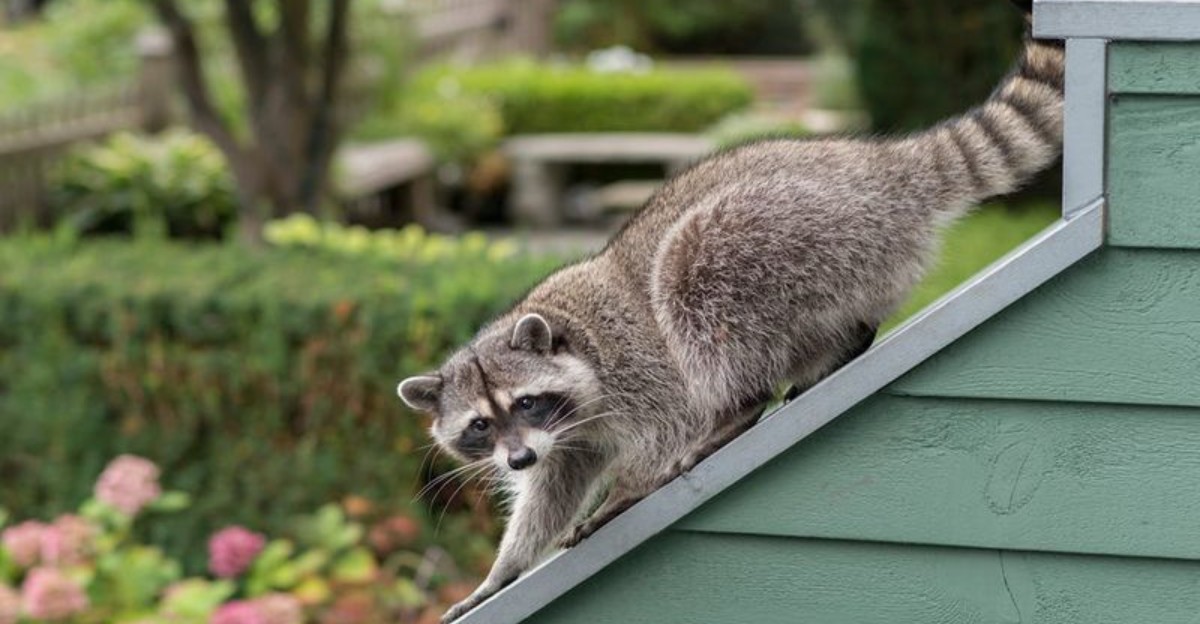
The motion light clicks on a little past eleven, and something is already halfway into the recycling bin. By the time you reach the kitchen window, the lid sits upside down on the wet lawn.
Tuesday it happens again, then Thursday, then the whole following week like a standing appointment. Oregon yards apparently develop reputations around the neighborhood, and yours has quietly earned a glowing one.
Repeat visits are rarely random, and they have almost nothing to do with plain old bad luck. Something on your property is worth the walk, the climb, and the effort every single night.
The pattern says something fairly specific about your home, and the message is not especially flattering. Somewhere out in the damp dark, your yard has quietly made the local rounds.
A Reliable Food Source Right Under Your Nose
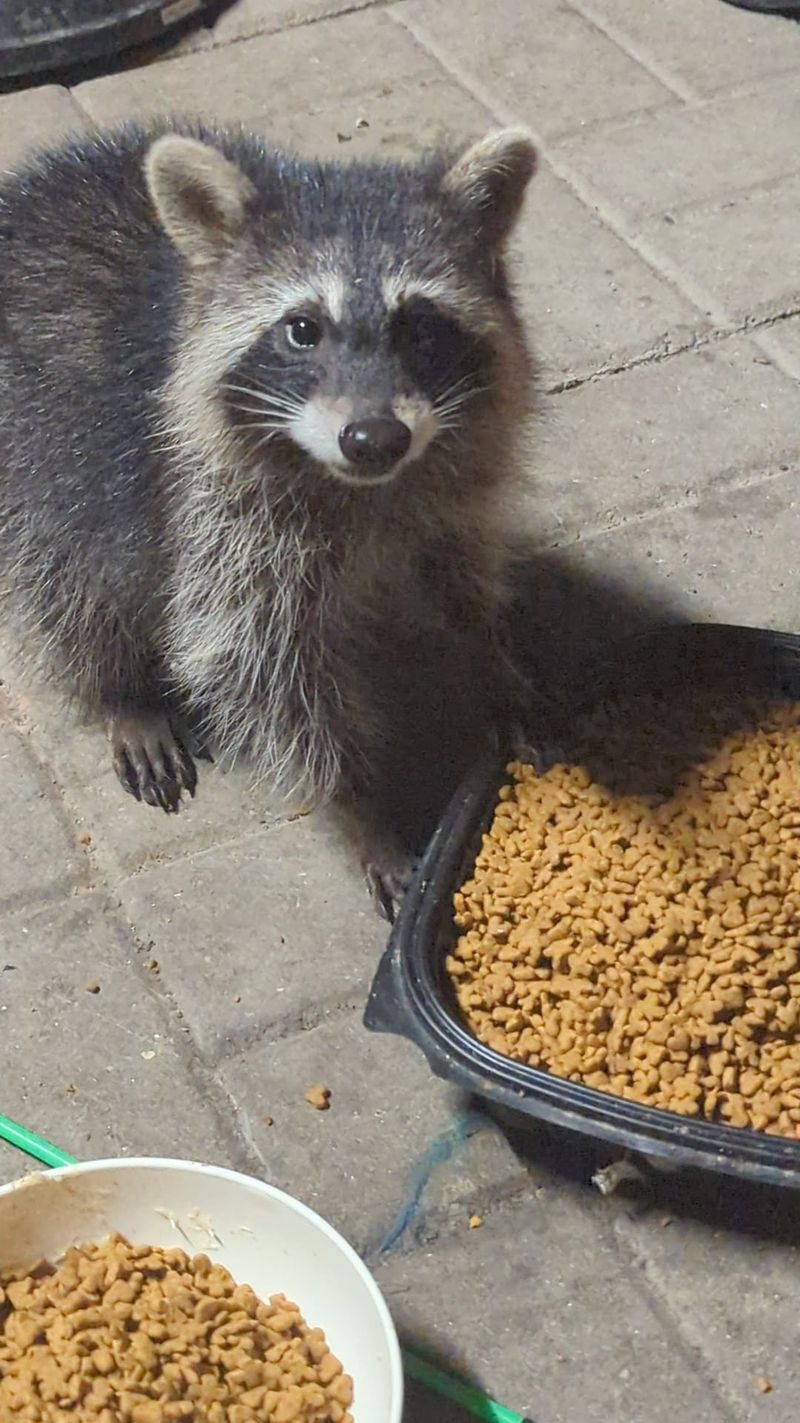
Something on your property is paying out night after night. Wild animals repeat whatever rewards them, and your yard has become a dependable stop.
Food is the usual answer, though it rarely looks like food to us. Pet bowls on the back porch, spilled birdseed, and unsecured garbage all count.
Western Oregon adds its own buffet to the mix each fall. Fallen apples, plums, blackberries, and hazelnuts pile up faster than most homeowners can rake.
Lawns matter too, especially the soggy ones common west of the Cascades. European crane fly larvae live just under the sod, and raccoons peel it back like carpet.
Ponds full of goldfish or koi work the same way. So do chicken coops, compost bins, and the greasy drip tray beneath a grill.
Water counts as much as calories in late summer. A leaky spigot, a birdbath, or a pet dish left out offers an easy drink.
Trash night deserves special attention in Portland and Eugene neighborhoods. Cans set out the evening before become a scheduled meal with a published time.
Neighbors factor in as well, which frustrates careful homeowners. One unsecured can two houses down can anchor a whole nightly route through your block.
Memory keeps the pattern going long after the snack disappears. These animals recall productive spots for months and will check back regularly just in case.
Tracking what vanishes overnight tells you more than any camera guess. Once you find the payout, you have found the reason for the return visits.
Crawl Spaces And Decks As Winter Real Estate
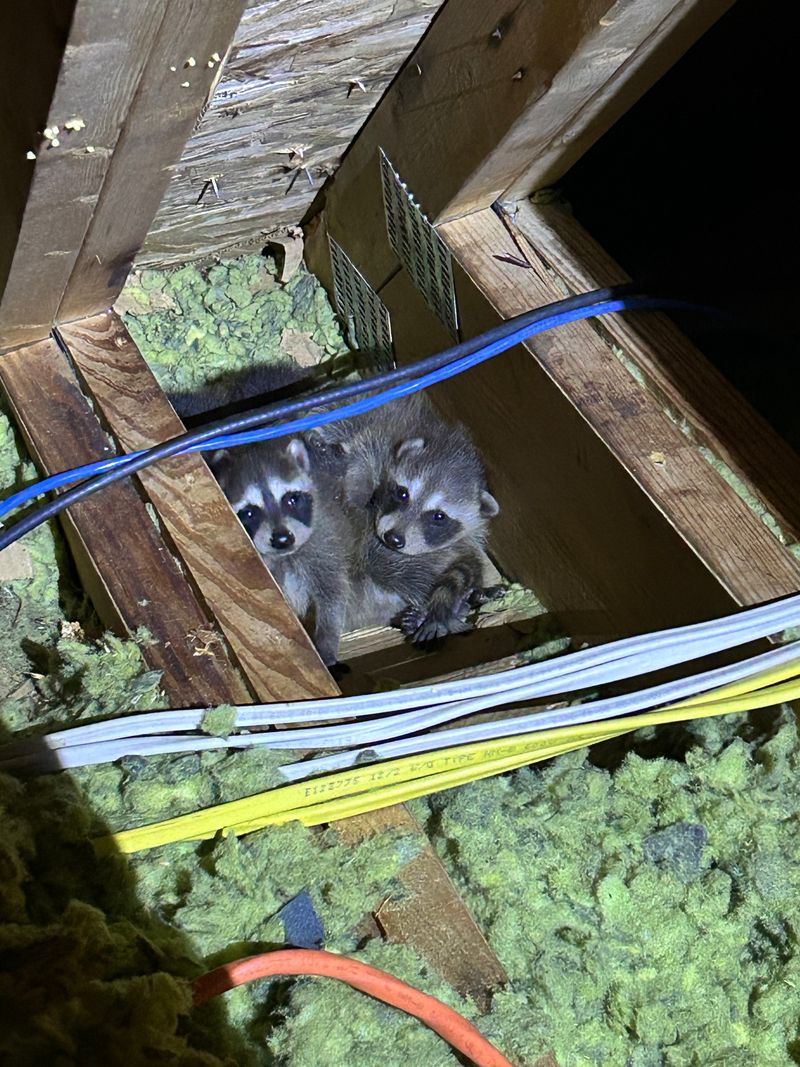
Food explains the visits, but shelter explains the loyalty. A yard that offers both becomes home base rather than a quick roadside stop.
Oregon rain starts in earnest around October, and dry space gets valuable fast. Decks, sheds, crawl spaces, and hollow trees all qualify as decent lodging.
Attics rank highest on the wish list for females expecting young. Warm insulation, no wind, and a roof between them and a coyote make it ideal.
Chimneys without caps act like hollow trees with a metal lining. Older Portland homes often still have open flues and loose vent screens.
Access points are often smaller than people expect. An adult can squeeze through a gap about four inches wide with patience.
Your Oregon Garden Changes Every Week. Your Plan Should Too.
Gardening in Oregon changes quickly throughout the season. Every Friday you’ll receive a simple weekly plan showing exactly what to plant, prune, fertilize, harvest, and protect so you never miss the right timing.
Loose lattice under a deck is the classic entry in older Oregon neighborhoods. Once inside, the space stays dry, dark, and warm through the wettest months.
Woodpiles and brush heaps offer backup lodging when a structure is sealed. Stacked lumber against a fence line makes a dry tunnel nobody planned to build.
Scratching overhead at dusk usually means a tenant, not a visitor. Sounds move toward the eaves shortly after sunset and return before dawn.
Checking your foundation vents in early September beats discovering the problem in January. Screens rust, lattice sags, and small gaps widen over a single wet winter.
A yard with shelter keeps producing visitors year after year. Fix the housing and the nightly route usually shifts somewhere else.
September Nights And The Fattening Season In Oregon
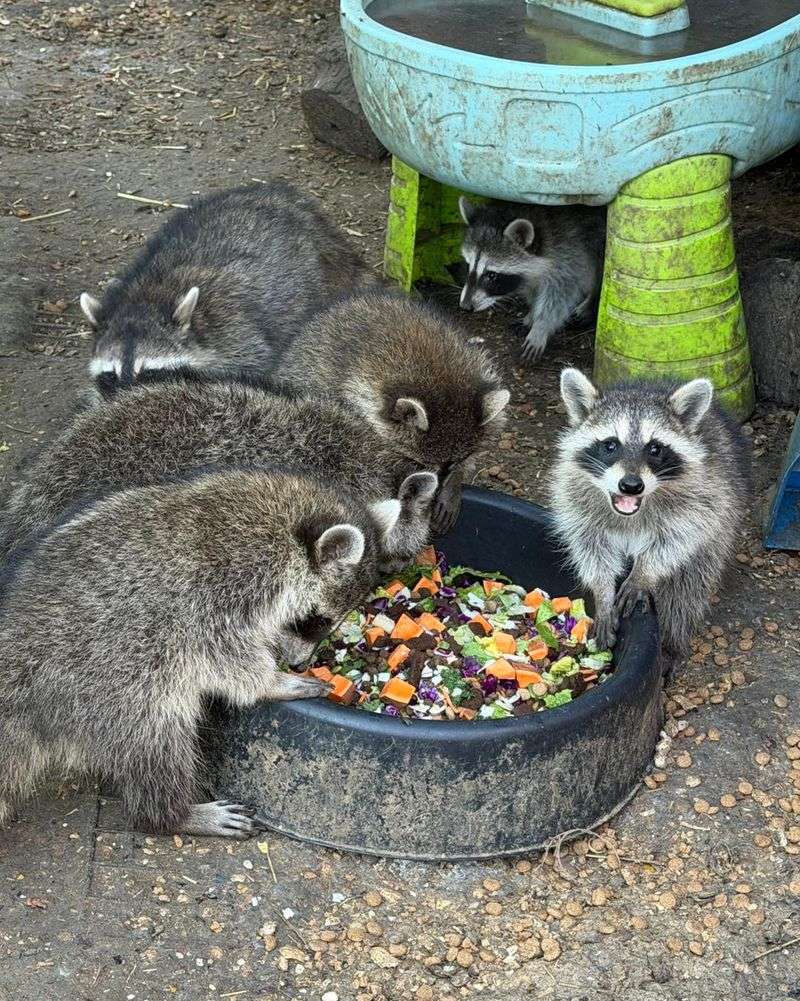
Late summer changes the schedule for every animal in the neighborhood. Cooler evenings and shorter days trigger a serious push to gain weight.
Raccoons do not truly hibernate, though they slow down during cold snaps. They rely on stored fat to ride out stretches of miserable weather.
That means September and October visits get longer and bolder. An animal that ignored your compost in June suddenly finds it worth the effort.
Spring litters are also grown by now and traveling with their mother. Five hungry animals hit a yard much harder than one quiet adult.
Young raccoons learn routes by following her from stop to stop. Whatever works this fall becomes their habit next year in the same blocks.
Mild Oregon winters keep them active far longer than in colder states. Willamette Valley animals often forage through December with only brief breaks.
Harvest season overlaps perfectly with all that appetite. Backyard fruit trees drop heavily in September, and nothing goes to waste outdoors.
Rotting fruit left on the ground draws them from several blocks away. Windfall pears and plums smell strong once the rain begins soaking them.
Daylight sightings increase this time of year too. A hungry mother will forage in late afternoon, which alarms neighbors unnecessarily.
Acting before the weather turns gives you the best results. Cleanup done in early fall prevents a den decision you cannot easily undo later.
By November, a pregnant female has often picked her spot. Convincing her to leave then costs far more time and money.
Backyard Habits That Quietly Extend The Invitation
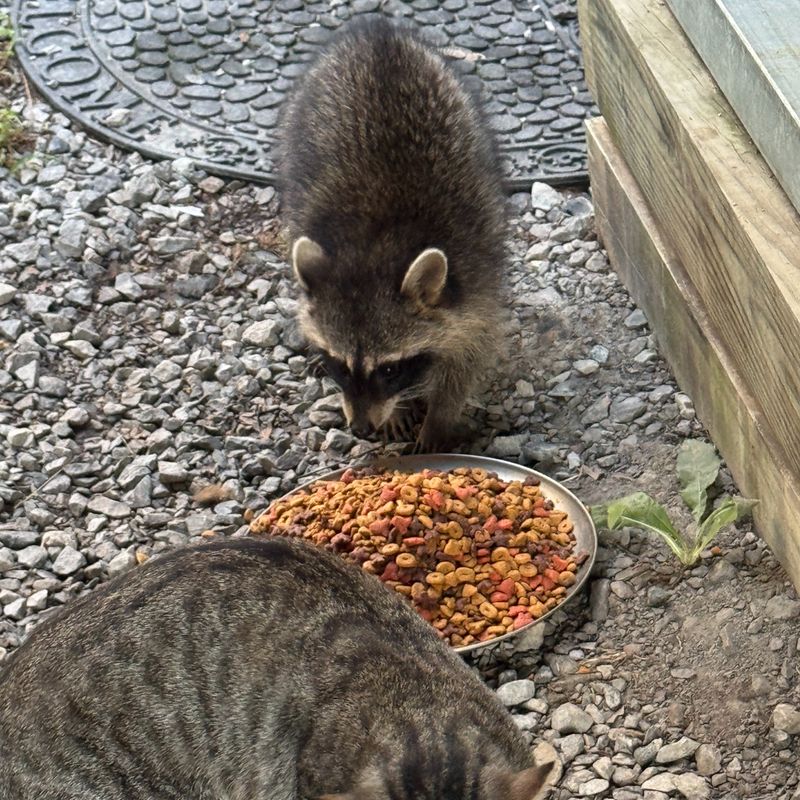
Most homeowners feed wildlife without meaning to. Small routines repeat daily, and animals notice patterns long before people do.
Leaving pet food outside tops the list by a wide margin. A cat dish on the deck at dusk is an open reservation.
Garbage cans without locking lids run a close second. Those clever front paws work like little hands and can flip a loose lid.
Some folks feed them on purpose, which causes trouble for the whole street. Hand fed animals lose their caution and start approaching porches and pets.
Bird feeders create a second problem people rarely connect. Spilled seed under the feeder feeds rodents, and rodent activity draws bigger visitors.
Compost piles with kitchen scraps smell wonderful from a distance. Eggshells, melon rinds, and bread crusts belong in a sealed bin instead.
Unpicked fruit hanging into October is a habit too. Trees loaded with apples nobody harvests keep the buffet open for months.
Chicken keepers face their own version of the problem. Scratch grain scattered on bare ground after dark feeds far more than hens.
Trapping and hauling the animal away seems logical but usually backfires. Oregon rules restrict relocation, and an empty yard simply attracts the next one nearby.
Water features left uncovered add another draw. A shallow pond gives them fish, frogs, and a place to rinse their food.
Fixing habits works better than fighting individual animals. Change what your yard offers and the visits fade within a couple of weeks.
Property Damage And Health Risks Around Oregon Homes
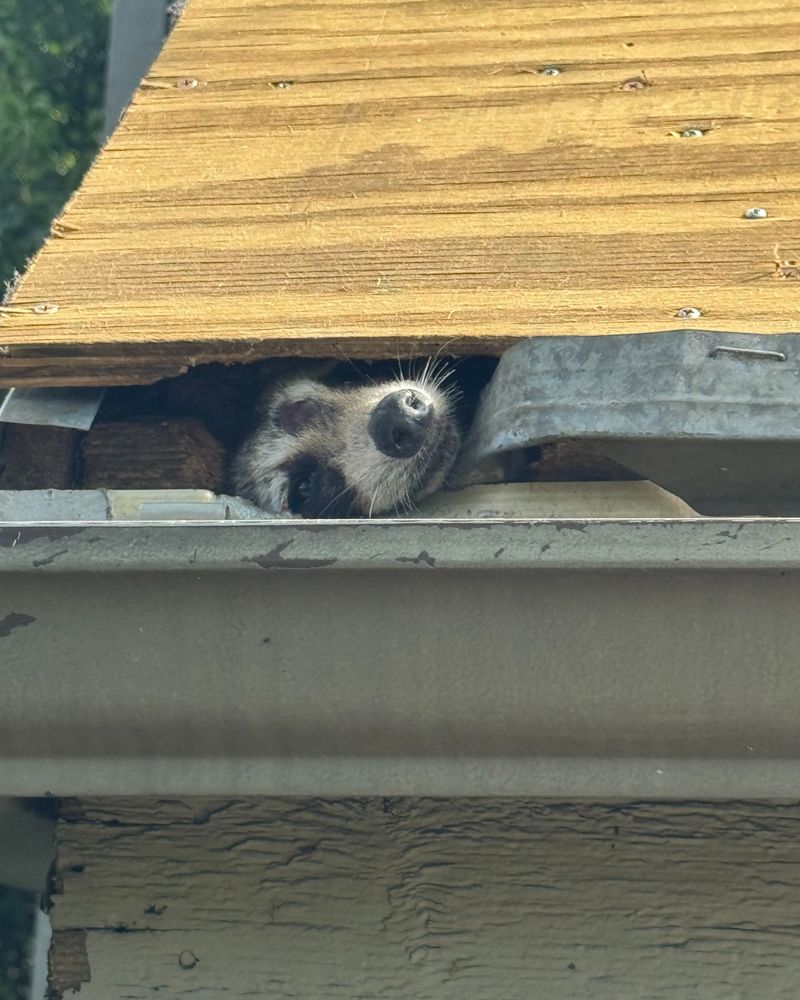
A nightly visitor sounds harmless until you price the repairs. Torn insulation, shredded ductwork, and soaked ceiling drywall add up quickly.
Attic damage is the expensive kind. Animals flatten insulation, chew wiring sleeves, and leave waste that soaks into the material below.
Lawns take a beating during grub season. Sod rolled back in strips looks like vandalism and often needs reseeding in spring.
Roof edges and vent covers suffer too. A pulled soffit vent lets rain into the attic long after the animal leaves.
Health concerns deserve calm attention rather than panic. Raccoon roundworm eggs can appear in waste, and they survive in soil for years.
Leptospirosis spreads through urine and can affect dogs that sniff contaminated puddles. Veterinarians often recommend a leptospirosis vaccine for pets in suburban and rural yards.
Distemper outbreaks move through local populations every few years. Sick animals stagger, circle, or appear disoriented in daylight and should be reported.
Conflicts with pets happen more than people expect. A cornered adult defends itself firmly, and vet bills follow a bad encounter.
Insurance rarely covers gradual wildlife damage in a crawl space. Most policies treat it as maintenance, which leaves the bill with you.
Odor lingers even after the animals move on. Scent marks in an attic can invite fresh tenants the following autumn.
Cleanup requires gloves, a mask, and care with contaminated material. Large indoor messes are worth handing to a professional with proper equipment.
Lasting Yard Fixes Within Oregon Law
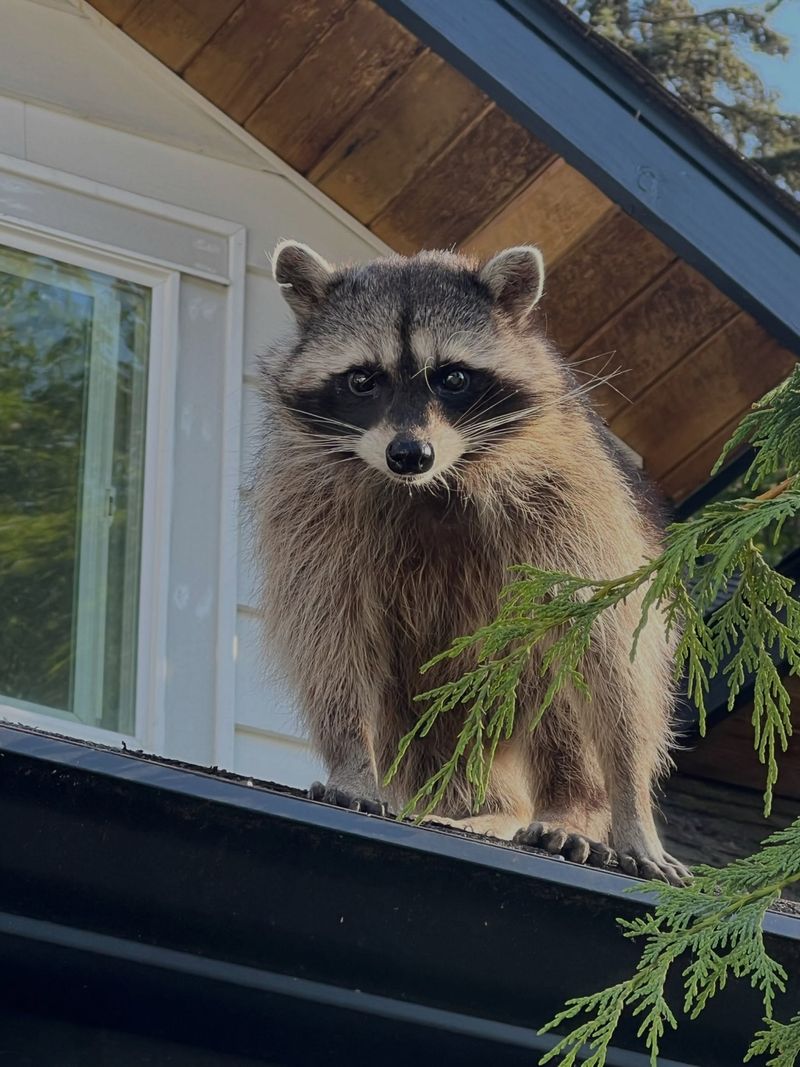
Relief arrives here, because the solutions are mostly cheap and permanent. Removing the reward beats chasing the animal every single time.
Start with garbage, since it solves half of most cases. Use cans with locking lids and set them out on collection morning.
Bring pet bowls indoors before sunset as a nightly habit. Sweep spilled birdseed weekly and consider pausing feeders through the fall.
Pick up fallen fruit every few days during harvest season. A five gallon bucket and ten minutes handles a typical backyard tree.
Seal entry points after confirming nobody is inside. One way doors let animals exit at night and block their return by morning.
Heavy gauge hardware cloth outlasts plastic screening on foundation vents. Bury the edge a few inches so nothing digs underneath during a wet week.
Cap the chimney and repair sagging deck lattice before the rains settle in. September weather in Oregon gives you a dry window that closes fast.
State law limits what you may do with trapped wildlife. Relocating animals is generally prohibited, so hire a licensed operator when trapping seems necessary.
Motion activated sprinklers and bright lights help during the transition period. They work best paired with cleanup, not as a standalone strategy.
Talking with neighbors multiplies your results across the whole block. Shared trash habits matter more than any single fence or gadget.
Consistency finishes the job within two or three weeks. A yard with no payout stops appearing on anyone’s nightly route.