How Often You Should Really Be Watering Oregon Hydrangeas In August
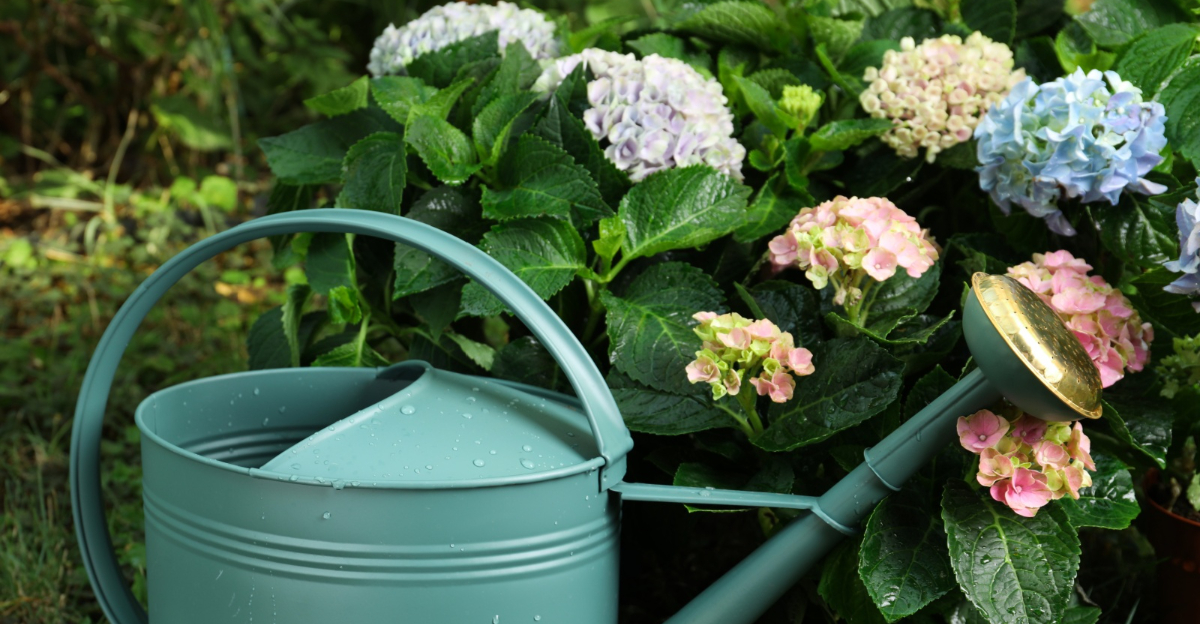
Your hydrangeas are sending signals you might be missing. Wilted leaves at noon do not always mean drought stress.
Sometimes they simply mean the sun is too intense. Oregon summers can fool even seasoned gardeners into confusion.
Rain feels close, yet the sky stays dry for weeks. Soil that looks damp on top often hides dry roots deep below the surface.
Watering by habit instead of evidence costs plants their color. Blue and pink blooms fade first when moisture runs short.
Roots spread wide but stay shallow, craving steady moisture. Gardeners across Oregon often overwater early, then underwater later.
Timing matters more than quantity once temperatures climb higher. Sun exposure, soil texture, pot size, and microclimate all shift constantly together.
Nothing about hydrangea care stays fixed for long. Every choice you make shapes exactly what blooms next. Ignore this rhythm, and your hydrangeas will show you exactly why it mattered.
Watering Frequency For Oregon Hydrangeas
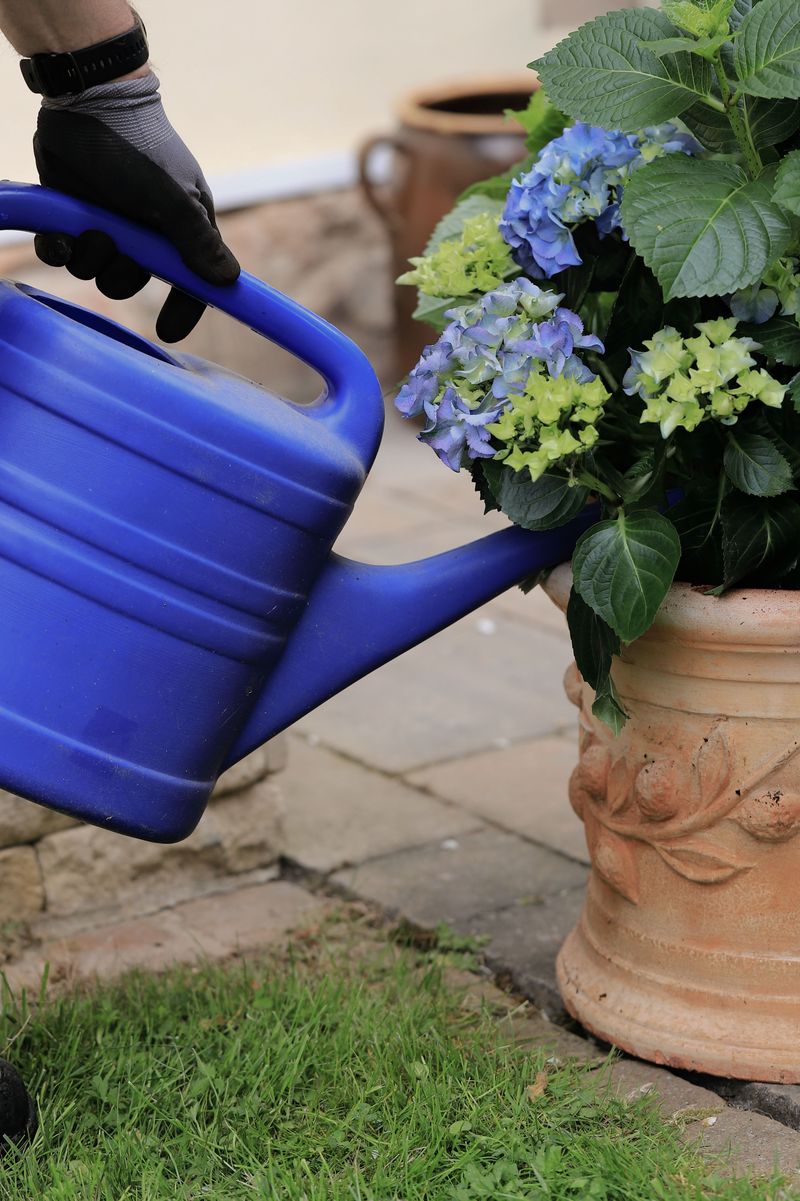
Hydrangeas respond fast to missed watering. Skip one session in an Oregon July and they will droop noticeably within hours.
During peak summer heat, most hydrangeas in Oregon generally need watering around three times per week, depending on soil type, sun exposure, and plant age.
In hot inland areas like the Willamette Valley, daily watering may become necessary during extended heat waves, especially in fast-draining soil.
Each watering session should deliver a deep soak to the root zone, roughly one inch of water, though the actual amount will vary with plant size and age. A recently planted hydrangea has a shallow root system that dries out fast in warm soil.
Established plants with roots several feet deep can go slightly longer between sessions. But avoid stretching much beyond two days during a stretch of hot, sunny weather, checking soil moisture as your guide.
A simple finger test works well for checking soil moisture. Stick your finger two inches into the soil near the base of the plant and feel for dampness.
If the soil feels dry at that depth, it is time to water immediately. Consistent moisture is the secret to keeping your Oregon hydrangeas healthy and blooming strong all summer long.
Signs Your Hydrangeas Are Getting Too Little Water
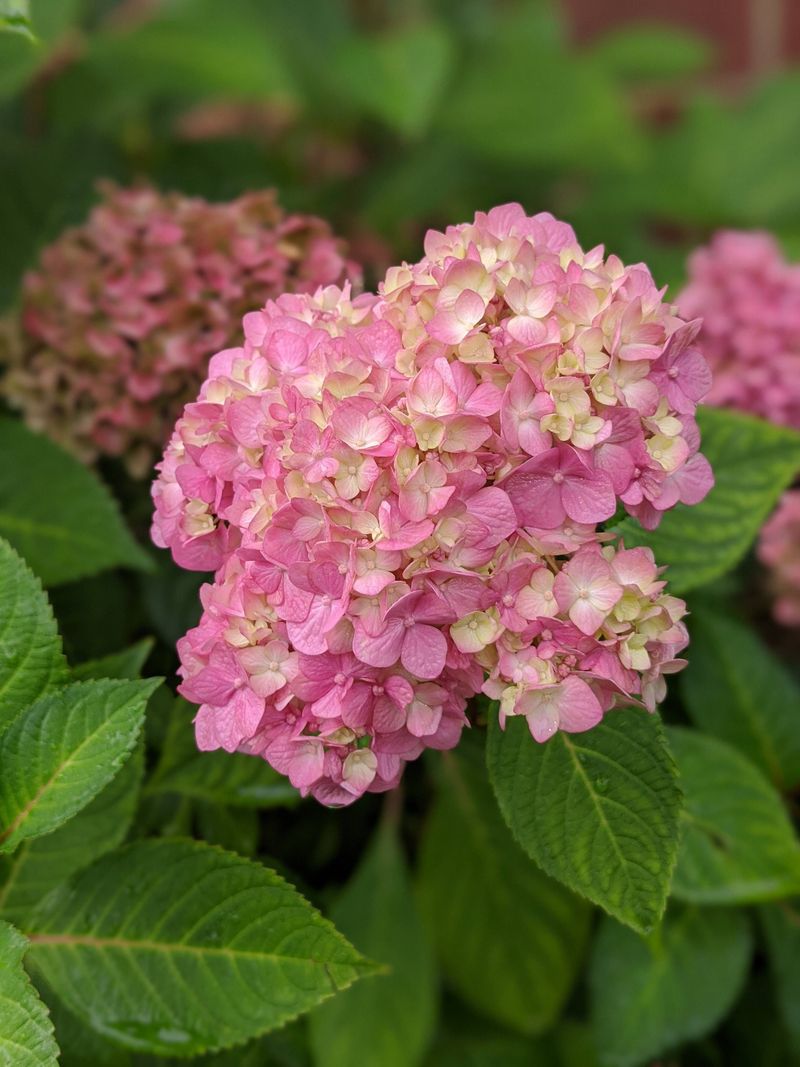
Wilting is the most obvious signal, but it is not always a dehydration warning. Hydrangeas sometimes wilt in midday heat even when the soil is perfectly moist.
The real red flag shows up in the morning. If your plant is still drooping before 9 a.m., that is a clear sign it did not recover overnight from yesterday’s dryness.
Leaf edges that turn brown and crispy are another strong indicator of underwatering. This browning usually starts at the tips and moves inward across the leaf surface.
Flowers that fade quickly or feel papery too early in the season often signal moisture stress. Blooms should stay lush and full for weeks, not days, when the plant is properly hydrated.
Stunted new growth is a slower sign that often gets overlooked. When a hydrangea stops pushing out fresh stems and leaves mid-summer, it is likely conserving energy due to water shortage.
Your Oregon Garden Changes Every Week. Your Plan Should Too.
Gardening in Oregon changes quickly throughout the season. Every Friday you’ll receive a simple weekly plan showing exactly what to plant, prune, fertilize, harvest, and protect so you never miss the right timing.
Check the soil around the base of the plant, not just the surface layer. Dry, cracked soil pulling away from the stem is a serious warning sign that needs immediate action.
Your Oregon hydrangeas actually need consistent moisture to thrive in July and August, so catching these signs early protects your blooms before damage becomes permanent.
Recognizing Overwatering In Summer Heat
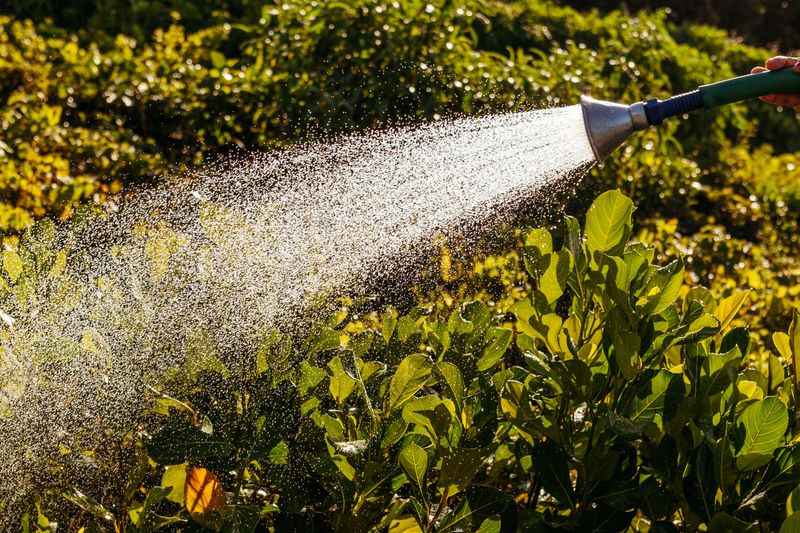
Overwatering can be easy to misread. It looks a lot like underwatering at first glance, which confuses even experienced gardeners.
Yellow leaves are the classic overwatering symptom. When leaves turn pale yellow and fall off while the soil feels constantly wet, you are giving the plant too much of a good thing.
Roots need oxygen just as much as they need moisture. Soggy soil deprives roots of air and can trigger root rot, which can seriously weaken or eventually collapse a plant if left untreated.
Mushy stems near the soil line are a serious sign of root rot taking hold. Press gently near the base of the plant and feel for any soft or spongy texture that should not be there.
Fungal growth on the soil surface or on lower leaves also points to excessive moisture. White, fuzzy patches or black spots on leaves often follow when drainage is poor.
Oregon summers can surprise you with a cool, cloudy week right after a heat wave. During those cooler stretches, cut back on watering because the soil holds moisture much longer.
Letting the top inch of soil dry slightly between waterings actually encourages deeper root growth. Stronger roots make for a more resilient plant heading into the hottest weeks of August.
Best Times Of Day To Water Hydrangeas
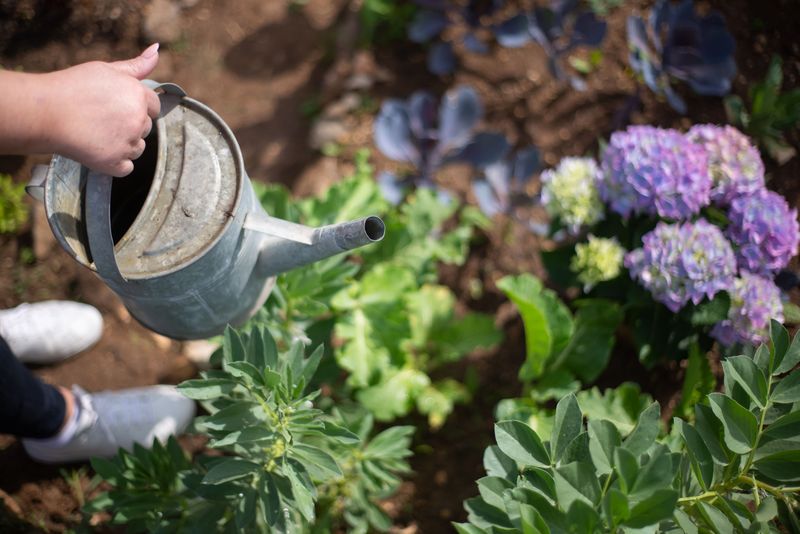
Timing your watering is almost as important as the amount. Water at the wrong hour and you waste moisture, invite disease, or scorch delicate leaves.
Early morning is the most effective time for hydrangea watering. Between 6 a.m. and 9 a.m., temperatures are cool and evaporation rates are low, so more water actually reaches the roots.
Morning watering also gives leaves time to dry before nightfall. Wet foliage sitting overnight creates the perfect environment for powdery mildew and other fungal problems.
Midday watering should be avoided whenever possible. Water evaporates rapidly in afternoon heat, and wet leaves under direct sun can develop scorched spots that look like burn marks.
Evening watering is a common habit but comes with trade-offs. Soil moisture stays high overnight, which can encourage fungal growth and attract slugs that love damp conditions.
If morning watering is not an option, late afternoon around 4 to 6 p.m. is your next best choice. This allows some evaporation before dark while still giving roots a solid drink.
Always aim the water at the base of the plant rather than spraying the foliage. Direct root zone watering is more efficient and keeps your hydrangeas healthier through the heat of summer.
Adjusting Watering For Different Soil Types
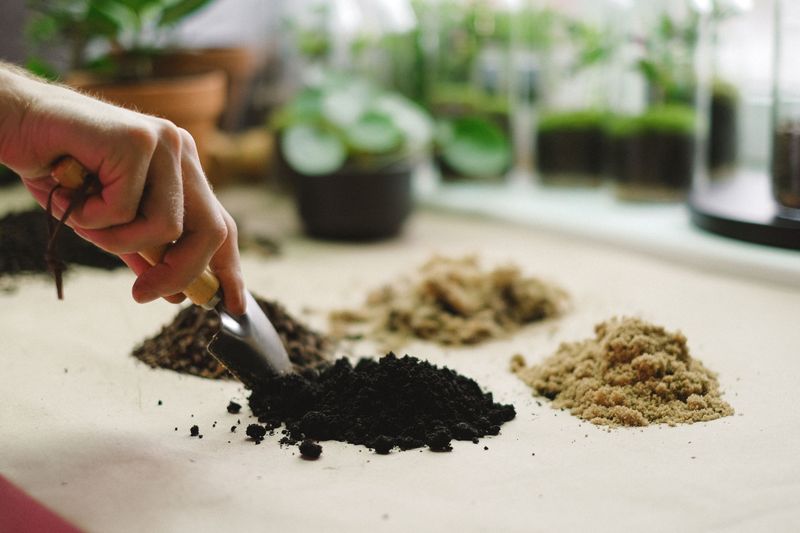
Not all Oregon soil is created equal, and your watering schedule should reflect what is actually under your plants. Ignoring soil type is one of the most common watering mistakes gardeners make.
Sandy soil drains fast, sometimes too fast. Plants in sandy ground may need watering every day during a heat wave because moisture moves through before roots can absorb enough.
Clay soil holds water much longer than sandy ground. In heavy clay, watering every other day may be plenty, and overwatering becomes a bigger risk than underwatering.
Loamy soil sits in the sweet spot between those two extremes. It holds moisture well without becoming waterlogged, making it the ideal environment for hydrangeas in summer heat.
Amending your soil with compost before summer improves moisture retention in sandy ground and drainage in clay. Even a two-inch layer worked into the top foot of soil makes a noticeable difference.
You can test your soil drainage with a simple jar test. Fill a jar with soil and water, shake it, and let it settle to see the ratio of sand, silt, and clay in your garden bed.
Understanding your soil gives you a real advantage when managing how much water your Oregon hydrangeas actually need during the demanding weeks of July and August.
Mulching Tips To Retain Moisture Longer
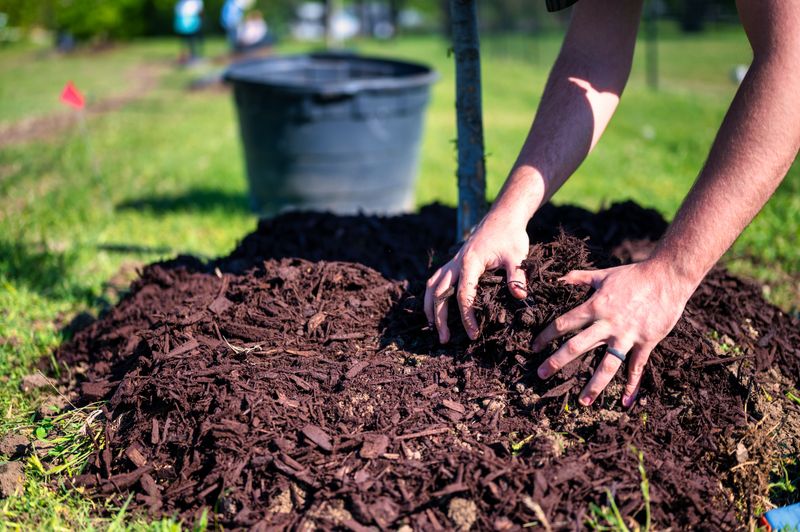
Mulch is one of the most underrated tools in a summer garden. A good layer around your hydrangeas can meaningfully reduce your watering needs during peak heat.
Organic mulches like bark chips, shredded leaves, or straw work best for hydrangeas. They break down slowly, feeding the soil while holding moisture close to the root zone.
Apply mulch to a depth of two to three inches around each plant. Keep it a few inches away from the stem itself to prevent rot and discourage pests from nesting there.
Fresh mulch applied before summer heat sets in gives your plants a head start. Refreshing it partway through the season helps maintain that protective layer through the hottest weeks.
Mulch also moderates soil temperature, which matters more than most gardeners realize. Soil under a thick mulch layer stays significantly cooler than bare ground on a 90-degree afternoon.
Cooler roots mean less stress for the plant, which translates to better blooms and stronger stems. A hydrangea with happy roots does not need to work as hard just to survive the heat.
Pair your mulching habit with deep, infrequent watering sessions to train roots downward. Deeper roots access cooler, moister soil layers and make the plant far more drought-tolerant over time.
What Changes As Temperatures Shift Into Fall
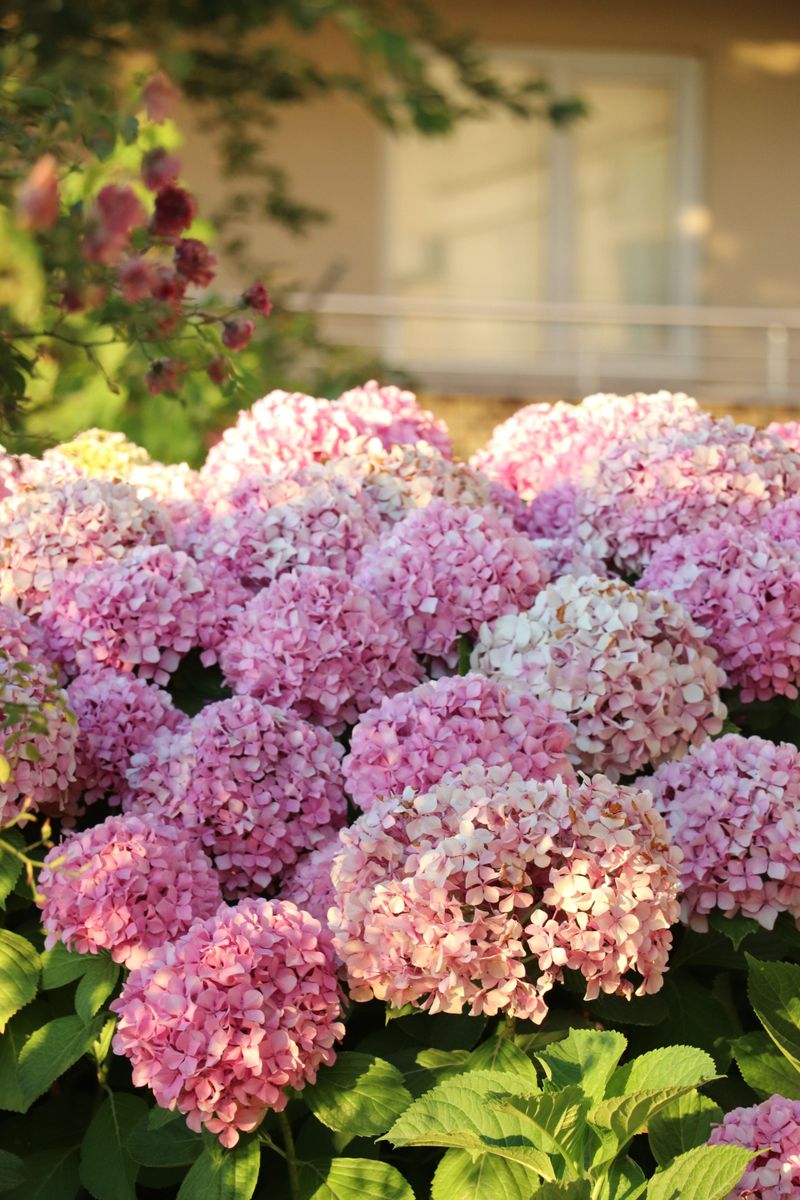
August does not last forever, and your hydrangeas begin responding to the shift before you notice it yourself. As days shorten and nights cool, the plant begins shifting its energy away from blooms and toward root storage.
When daytime highs consistently start dropping, you can begin reducing watering frequency. Cutting back gradually is usually a safe transition as early fall approaches.
Watch the soil response as temperatures fall. Cooler weather slows evaporation dramatically, so the ground stays moist longer between your watering sessions.
Rainfall typically returns to western Oregon by mid-September, which is welcome relief for both gardeners and thirsty plants. Once natural precipitation picks up, supplemental watering becomes much less necessary.
Do not stop watering abruptly just because summer feels over. A gradual reduction keeps the plant hydrated during the transition without shocking the root system.
Fall is also a good time to pull back on any fertilizing routines. Encouraging new growth too late in the season leaves tender stems vulnerable when the first cold nights arrive.
Your Oregon hydrangeas actually need this seasonal slowdown to rest and recharge. Supporting that natural rhythm now sets the stage for bigger, healthier blooms next summer.