The One Fall Task California Guava Trees Need Before Nights Turn Cool
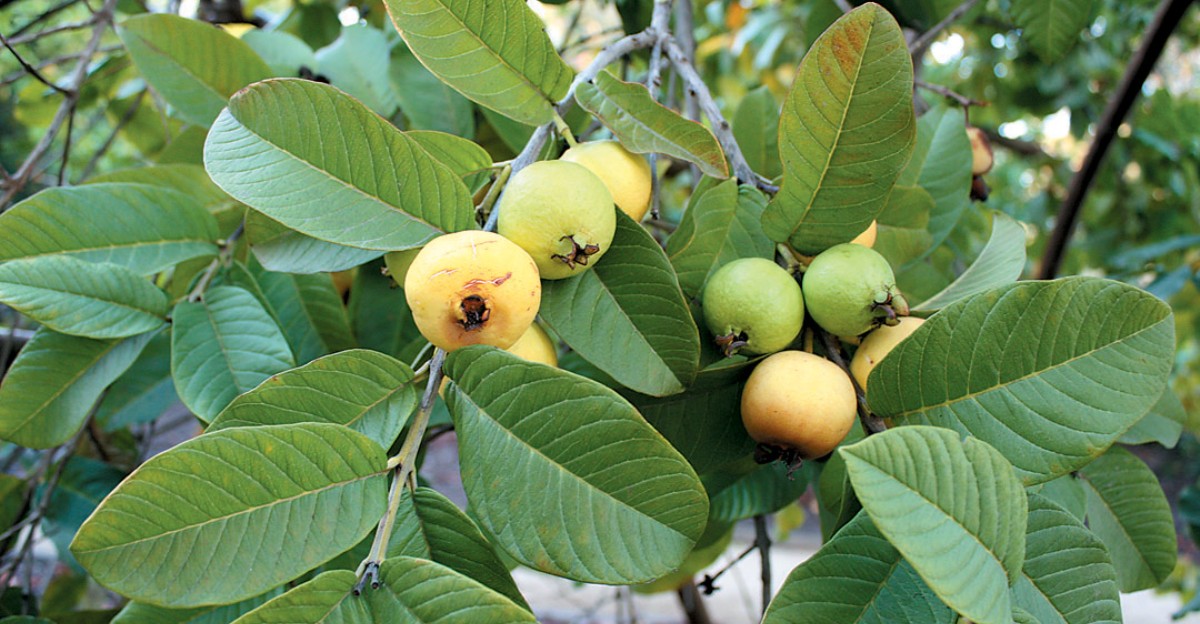
Evenings across California have started arriving early this month, dragging a thin, unmistakable chill quietly behind them. Your guava tree still smells like ripe summer at noon, but the air after sunset tells another story.
Morning fog hangs around a little longer now, and the soil around its trunk stays cool and damp past breakfast. Something in those broad green leaves notices that shift weeks before you dig your favorite sweater out.
Roots read the calendar by soil temperature, not by the dates printed on your kitchen wall. Handle September thoughtfully and the next several months out there feel almost suspiciously easy.
Gardeners who coast through this stretch usually find out the hard way, right around the first real chill. Sweater weather comes for everybody eventually, though nobody sells cardigans small enough for a trunk.
The Nitrogen Cutoff Every Backyard Tree Wants In September
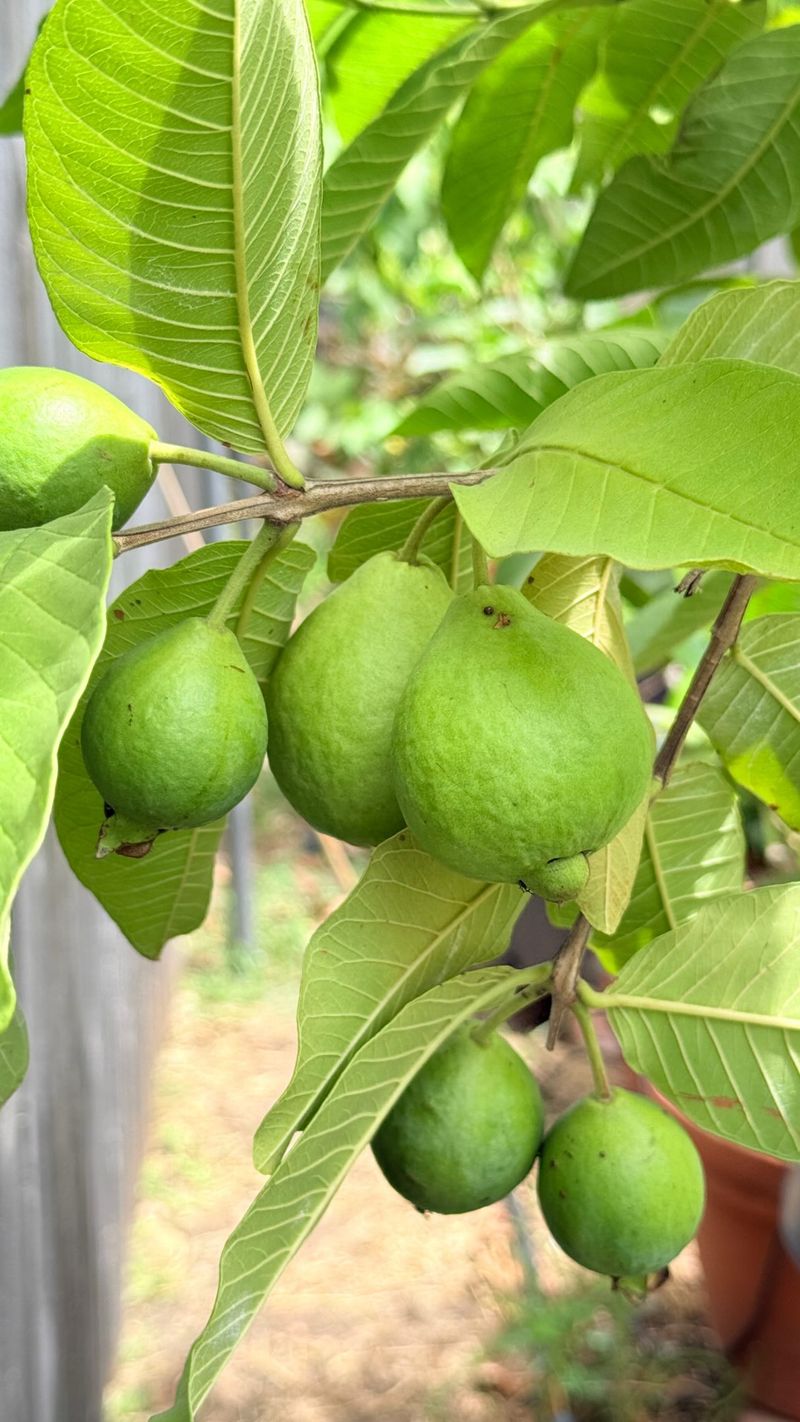
Guava trees grow fast in California summers, pushing soft green shoots almost weekly. That enthusiasm becomes a liability once the thermometer starts sliding after dark.
The single most useful autumn move is pulling high-nitrogen fertilizer off the menu around early September. Nitrogen tells the tree to sprint, and sprinting wood stays soft and water-filled.
Soft tissue handles a 40-degree night poorly, blackening at the tips while older wood shrugs it off. Firm, tan-barked growth is what carries a guava through a California winter.
Swap the lawn-style feed for a low-nitrogen, potassium-rich option, or simply stop feeding altogether. Potassium helps cell walls thicken, which is exactly the armor you want right now.
Tropical guava and strawberry guava both respond to this taper, though strawberry types tolerate cold better. Either way, the last real feeding should land before Labor Day weekend passes.
Container-grown trees on patios need the same discipline, since pots warm fast and dry faster. A guava in a half-barrel can push tender growth into October otherwise.
Think of September feeding as closing the kitchen, not punishing the tree. The fruit already forming ripens fine on stored energy and sun.
Gardeners in Fresno and Sacramento feel this shift sooner than folks in coastal San Diego. Inland valleys drop into the thirties while the coast lounges in the fifties.
Mark the date on your phone if you feed by habit rather than calendar. One skipped bag of high-nitrogen granules can spare you a lot of pruning later.
September Timing Across Coastal And Inland California
Timing beats raw effort with guavas, and California turns that timing into a regional puzzle. A tree in Ventura lives on a different schedule than one outside Bakersfield.
Coastal gardeners from Santa Barbara to San Diego usually see nights settle near fifty in October. Inland and valley growers meet those numbers three or four weeks earlier.
Use the ten-day forecast rather than a fixed date on the wall calendar. Once lows dip under fifty-five consistently, guava growth slows whether you are ready or not.
Mid-September works for most Bay Area and Central Valley yards as the taper deadline. Southern coastal growers can stretch into late September without much worry.
Your California Garden Changes Every Week. Your Plan Should Too.
Gardening in California changes quickly throughout the season. Every Friday you’ll receive a simple weekly plan showing exactly what to plant, prune, fertilize, harvest, and protect so you never miss the right timing.
New growth needs roughly six weeks to firm up before real cold arrives. Counting backward from your typical first chilly night gives a surprisingly accurate cutoff.
Elevation matters more than latitude in places like Riverside County and the Sierra foothills. A few hundred feet can shave several degrees off a clear October night.
Fruit set from summer keeps ripening during this taper, so nobody loses a harvest. Guavas sweeten on stored sugars, not on a fresh dose of fertilizer.
Keep a simple note in your garden journal about when the first chill landed. Next year that scribble becomes the most reliable tool you own.
Microclimates near fences, driveways, and south walls run warmer than open lawn areas. Trees in those pockets can hold onto tender growth a bit longer safely.
The Late Feeding Mistake That Invites Tender Growth
Plenty of well-meaning gardeners reach for fertilizer in October, hoping to help. That kind of kindness backfires in a way you will see by December.
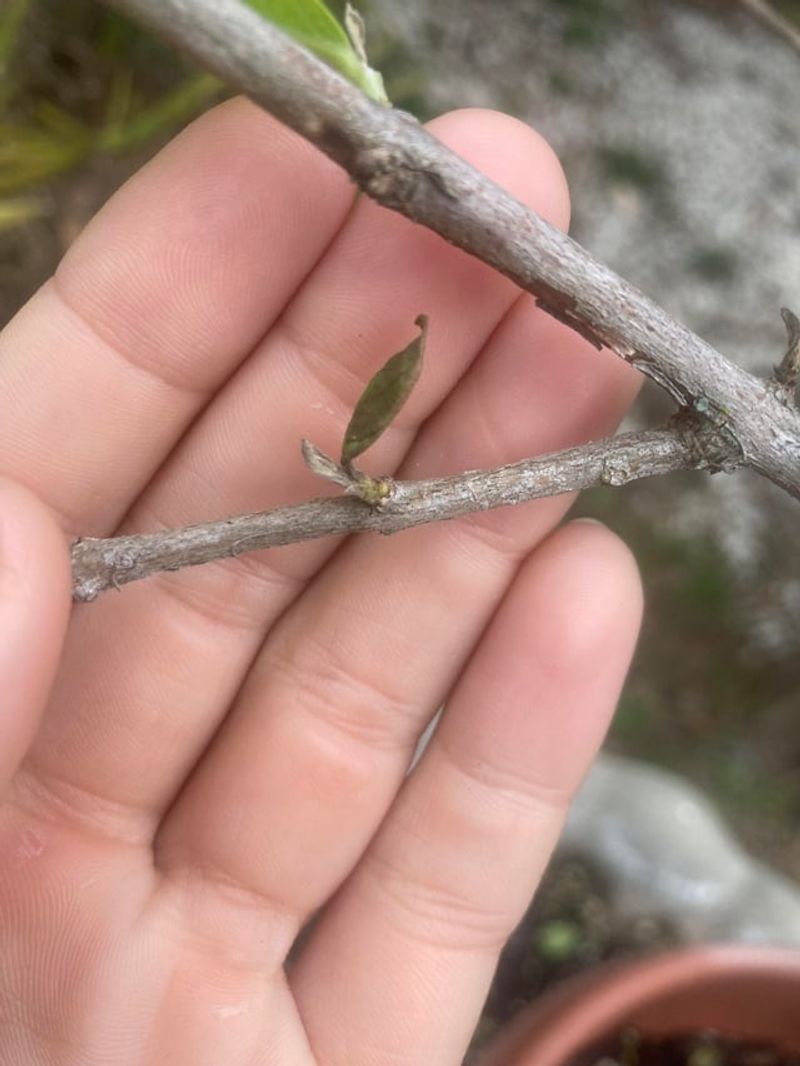
A late nitrogen dose wakes up buds that should be settling down for the season. Those new shoots arrive soft, green, and badly prepared for a forty-degree morning.
Lawn fertilizer is a sneaky culprit, especially when guavas sit inside a turf irrigation zone. Every feeding of the grass quietly feeds the tree roots underneath.
Heavy autumn pruning creates the same problem from a different direction. Cutting stimulates regrowth, and regrowth in October rarely hardens before cold weather arrives.
Overwatering ranks close behind, since soggy roots in cool soil invite rot and weak growth. Guavas like steady moisture, not a swamp, once evenings start cooling off.
Another common slip involves moving potted guavas indoors far too early in the season. Trees pampered in warm rooms lose their natural toughness within a couple weeks.
Blackened shoot tips in December usually trace straight back to a September or October decision. The tree records your choices, even when you forget making them.
Fixing the mistake is simple once you spot it, though patience is required. Stop feeding, ease off the hose slightly, and let the tree do its thing.
Neighbors with citrus nearby sometimes follow a shared feeding schedule out of convenience. Guavas and citrus keep different calendars, and pretending otherwise costs you branch tips.
Small Steps That Back Up The Nitrogen Taper
The nitrogen cutoff works best with a few small supporting moves. Adjusting how you water helps guava roots handle the cold once feeding stops.
Switch from frequent shallow sprinkles to deeper soaks spaced further apart in September. Moist soil holds warmth overnight far better than dry, dusty ground does.
Three to four inches of wood chip mulch buffers the root zone beautifully. Keep that mulch a few inches away from the trunk to discourage rot.
A single potassium-leaning amendment, like sulfate of potash, can be worked in gently during early September. Skip anything labeled bloom booster or lawn food from here forward.
Check moisture with your finger four inches down before turning anything on. Cool weather slows evaporation, and many trees get watered out of habit instead of need.
Potted guavas benefit from being scooted against a south-facing wall before Halloween. Masonry soaks up daytime sun and releases it slowly through chilly nights.
Keep frost cloth folded in the garage, not draped over branches in September. Covering too early traps humidity and encourages fungal trouble on the leaves.
Clean up fallen fruit under the canopy while you are out there anyway. Rotting guavas attract flies and give fungus a comfortable place to spend winter.
None of this replaces the fertilizer taper, it just reinforces it. Trees repay the extra afternoon with firm wood and a tidy spring flush.
Firm Wood, Sweeter Fruit, And A Calmer Winter
Here is the payoff nobody mentions at the nursery counter. A tapered guava heads into winter with bark that looks tan and feels stiff.
Stiff, mature wood resists cold snaps that turn soft green shoots into mush. That resistance shows up as fewer blackened tips come January.
Sugar content in late fruit often improves once nitrogen stops pushing leafy growth. The tree redirects energy from making leaves toward finishing what is already hanging.
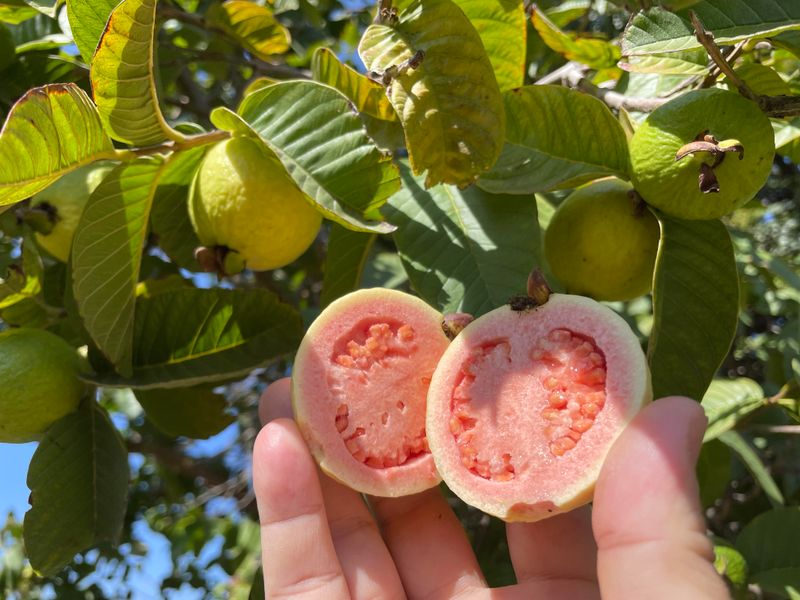
With this schedule, guavas in Southern California often keep ripening into November. Fruit hangs longer, flavor deepens, and the skin turns that soft yellow everyone waits for.
Spring becomes noticeably easier too, since you spend less time trimming damaged branches. A tree that skipped winter injury flowers earlier and sets fruit more evenly.
Root systems also benefit, quietly storing carbohydrates instead of burning them on fresh shoots. Stored reserves are what fuel the first big growth push next March.
Pest pressure tends to drop as well, because soft new growth attracts aphids and whiteflies. Fewer tender tips means fewer insects setting up camp in October.
A guava that looks quiet all winter is actually doing exactly what it should. Bored trees are healthy trees when frost keeps flirting with the thermometer.
None of this requires expensive products or complicated schedules, only restraint at the right moment. Restraint, oddly enough, is the hardest gardening skill to practice.
A Simple Yearly Rhythm For Guava Owners In California
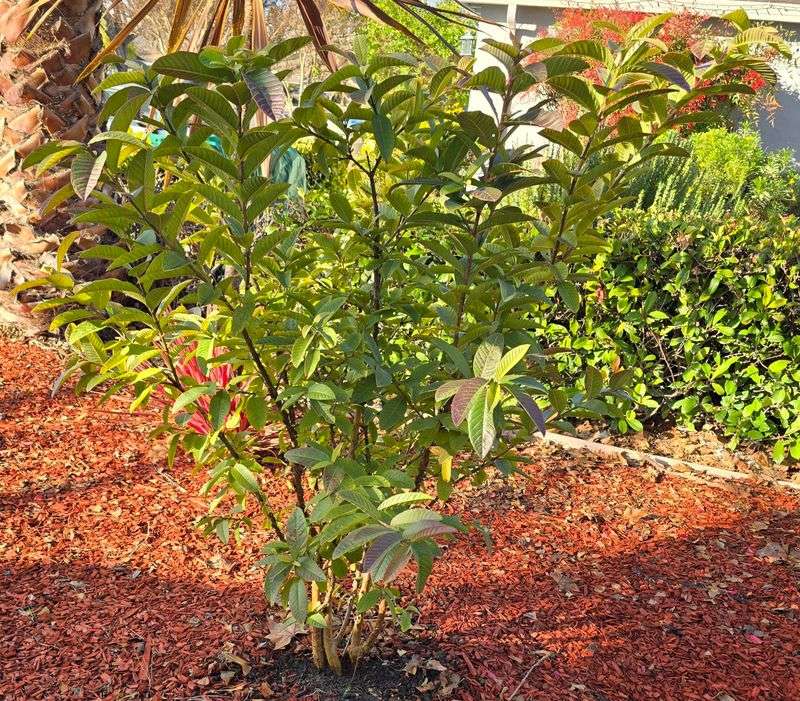
Habits beat heroics in the garden, particularly with subtropical fruit trees. Build a rhythm once and September stops sneaking up on you every year.
Feed guavas from March through August, then close the kitchen until spring returns. Three or four light feedings across that window suit most backyard trees fine.
Set a phone reminder for the last week of August titled last feeding. Silly as it sounds, that alert prevents the most common autumn mistake.
Choosing the right variety saves trouble before planting even begins. Strawberry guava tolerates chill better than tropical types, which struggle once temperatures near freezing.
Planting near a warm wall, driveway, or fence gives young trees a lasting advantage. Site selection does more for cold protection than any blanket ever will.
A basic soil test every few years keeps your feeding honest and targeted. Many California soils already carry plenty of potassium, making extra applications unnecessary.
Young trees under three years old need more attention than established ones. Their wood is thinner, their roots shallower, and their tolerance for cold much lower.
Refresh mulch each fall and again each spring to keep soil temperatures steady. Wood chips break down, so the layer thins faster than most people expect.
Follow that rhythm a few seasons and guava care becomes almost boring. Boring, in this case, tastes like a bowl of pink fruit in November.