9 Native Groundcovers That Replace Traditional Lawn In Oregon
A homeowner in Beaverton pushes a mower across a patchy strip of turf in late July, water bill in hand, wondering why so much effort goes into grass that still looks tired anyway.
Plenty of Oregonians hit that same wall eventually. Watering restrictions, summer heat, and shady corners make traditional lawns feel like a losing battle nobody signed up for.
Many homeowners just keep watering harder, assuming the grass itself is the problem rather than the whole setup underneath it.
Oregon has a deep bench of native groundcovers though, from evergreen kinnikinnick to golden Oregon sunshine, that shrug off dry summers once their roots settle in properly.
Honesty matters here too. Most of these plants shine as low-mow or no-mow meadow-style plantings rather than as a true stand-in for a putting-green lawn.
Match the plant to the spot, and the mower can finally take a long vacation.
1. Kinnikinnick Blankets Ground With Evergreen Leaves
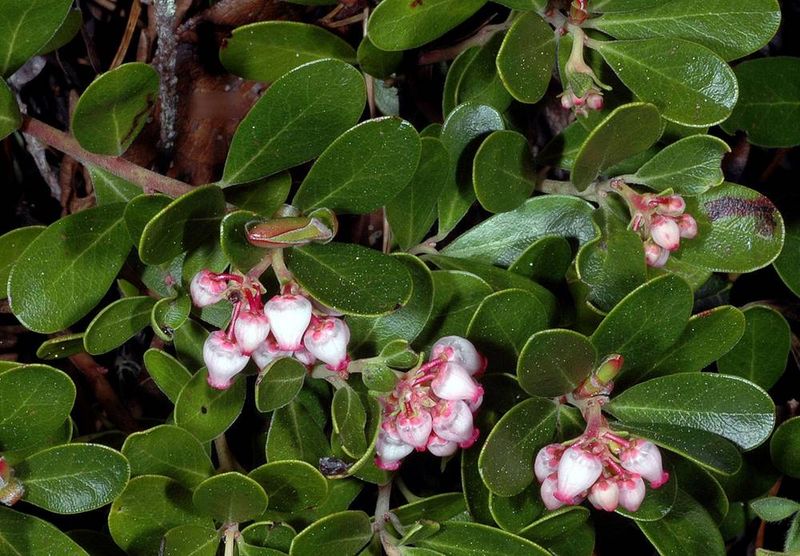
Trailing stems that root as they travel make this manzanita relative one of the most reliable mat-formers in the Pacific Northwest.
Small, glossy, evergreen leaves stay handsome through gray Oregon winters, turning slightly bronze in cold snaps when temperatures dip.
Pink urn-shaped flowers appear in early spring, followed by bright red berries that birds pick through in fall. Bees visit the blooms early in the season, when little else is open.
Sandy or gravelly soil with good drainage suits it best. Heavy clay that stays soggy all winter causes trouble, so raised beds or amended slopes help considerably.
Full sun to part shade both work, and coastal plantings often spread faster than inland ones due to milder conditions.
Patience pays off here. Plants creep slowly for the first two seasons, then fill in steadily, eventually covering several feet per clump.
Water regularly through that establishment period, then taper off gradually. Mature patches often need almost no summer irrigation west of the Cascades.
Foot traffic tolerance sits in the moderate range. Occasional shortcuts across a patch are fine, and stepping stones sprinkled through the planting protect the stems from constant crushing.
Best use case: sunny parkway strips, slopes too steep to mow safely, and wide borders where evergreen coverage beats bare mulch entirely.
2. Woolly Sunflower Adds Silver Foliage And Gold Blooms
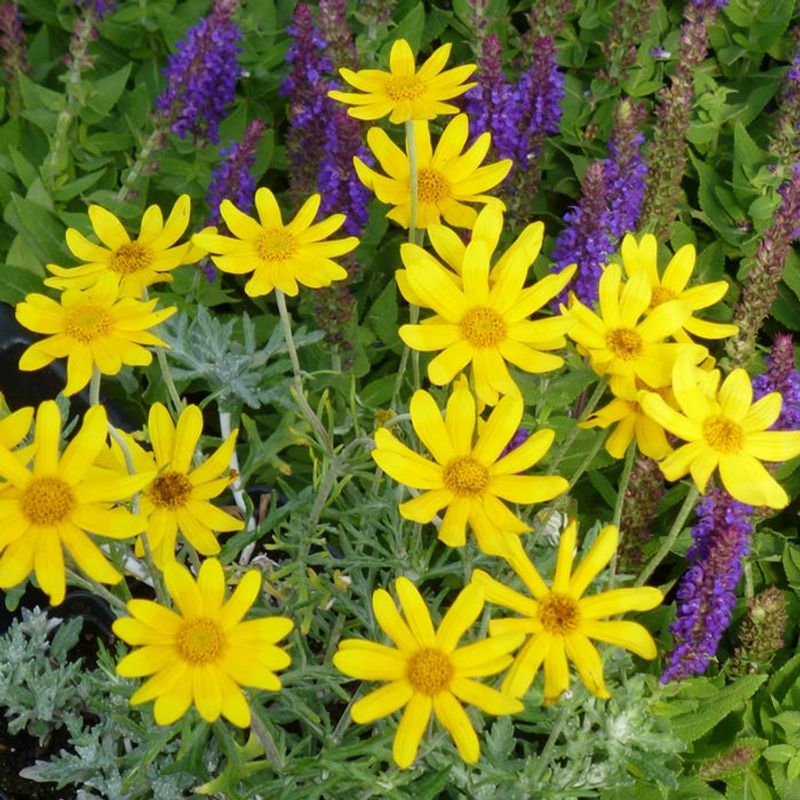
Silver-gray fuzz on every leaf gives this plant its common name, and that woolly coating is a built-in sunscreen of sorts.
Fine hairs reduce water loss, which is why Oregon sunshine thrives on hot roadside banks across the state without much fuss.
Bright yellow daisy flowers open from late spring into midsummer, glowing against the pale foliage beneath them. Native bees and small butterflies work the blooms hard during that window.
Drainage matters more than fertility here. Eriophyllum lanatum grows happily in gravel, decomposed rock, and lean garden soil, but rich compost and steady irrigation make it floppy and short-lived.
Full sun is non-negotiable for tight, compact growth on this plant specifically.
Honest assessment on traffic worth noting. This one does not want to be walked on at all. Stems are brittle and crowns resent compaction badly.
Your Oregon Garden Changes Every Week. Your Plan Should Too.
Gardening in Oregon changes quickly throughout the season. Every Friday you’ll receive a simple weekly plan showing exactly what to plant, prune, fertilize, harvest, and protect so you never miss the right timing.
Treat it as a component of a low-mow meadow rather than a turf substitute of any kind.
Pairing works beautifully though. Mix it with Roemer’s fescue and yarrow for a mowed-once-a-year meadow lawn, where the fescue provides texture and the sunflower supplies early summer color.
Expect a lifespan of three to five years in garden settings, with volunteer seedlings filling gaps naturally over time.
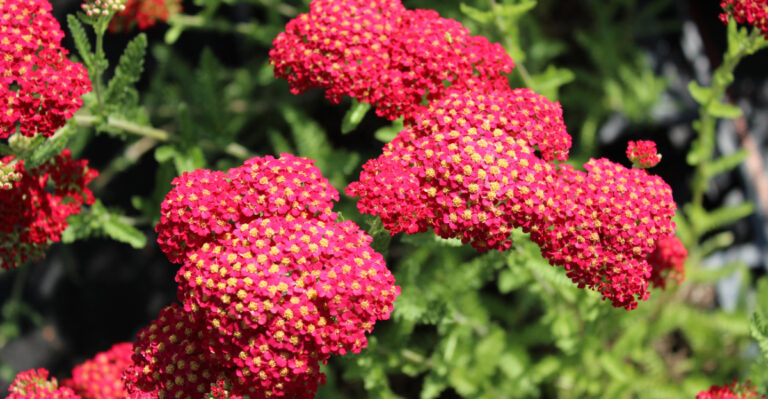
3. Common Yarrow Is OSU’s Own Native Pick
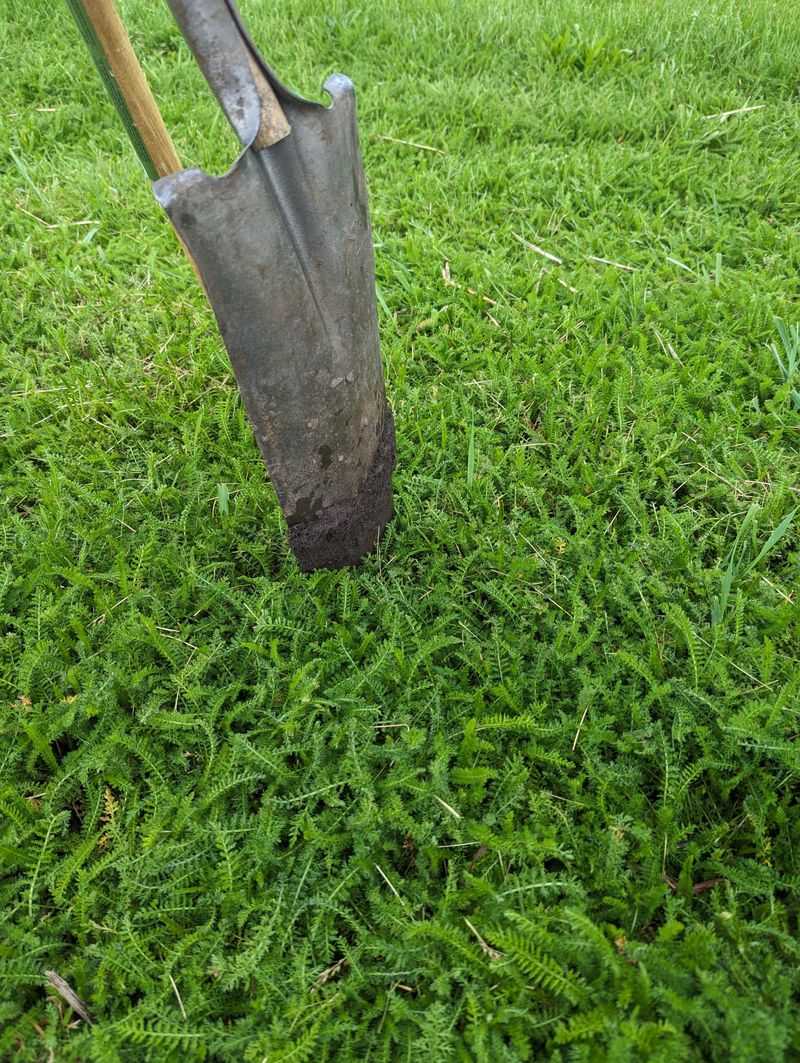
OSU Extension’s guidance on alternative lawns names common yarrow directly as a native choice for Oregon gardeners, which is rare company for a groundcover to earn.
Achillea millefolium has ferny foliage, deep roots, and a stubborn streak that suits neglected yards particularly well.
Mowed at three inches, a yarrow patch reads as a soft green carpet across the yard. Left alone, it sends up flat white flower clusters on eighteen-inch stems that pollinators swarm eagerly.
Either approach works here, so the mower schedule is genuinely optional depending on your preference.
Roots reach well below typical turf depth, pulling moisture from lower soil during dry spells throughout summer. Established plantings west of the Cascades often coast through summer with monthly water or less.
Foot traffic tolerance is reasonable overall, which is why yarrow appears in so many mixed ecolawn blends across the state.
Kids can cross it, pets can nap on it, and crushed stems regrow from spreading rhizomes underground. Heavy daily wear still thins it out eventually though.
Two cautions worth knowing here. Yarrow spreads aggressively by rhizome, so edge it away from tidy perennial borders you want to keep contained.
Sold varieties vary in how closely they match wild Oregon populations too, so ask for plants grown from regional native seed if genetic authenticity matters to you personally.
4. Roemer’s Fescue Brings True Grass Texture
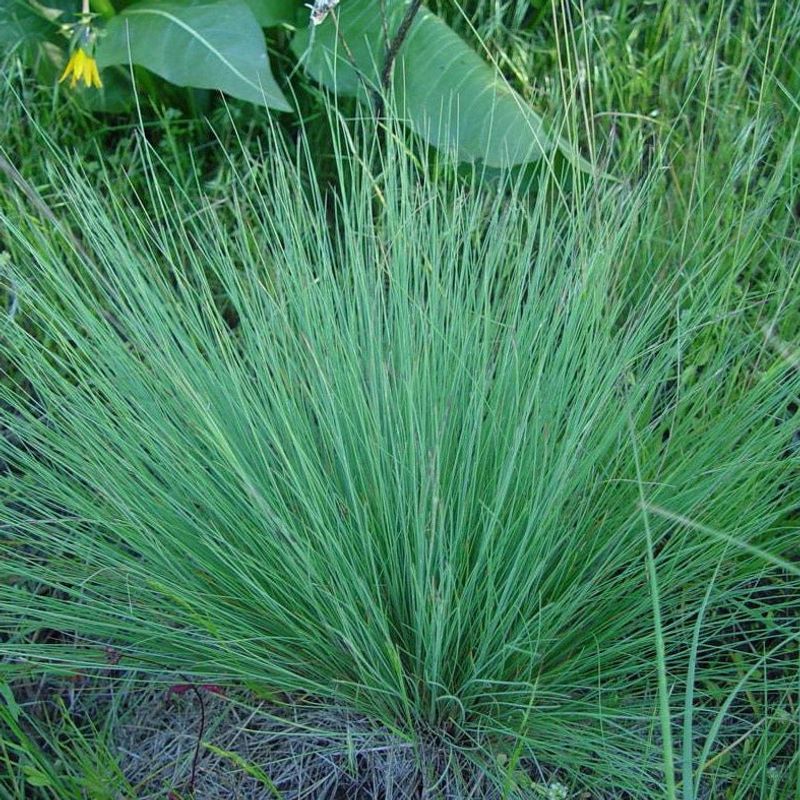
Gardeners who want a lawn that still looks like grass have a native answer in Roemer’s fescue, worth considering seriously.
Festuca roemeri forms fine-bladed bunches in blue-green to gray-green tones, the same grass that once carpeted Willamette Valley prairies alongside Oregon white oak.
Growth habit is the main adjustment here. Bunchgrass grows in tufts rather than a knitted sod, so a pure fescue planting has visible space between clumps unless plugs go in tightly.
Restoration nurseries and Pacific Northwest native lawn mixes regularly include it, often blended with Idaho fescue, yarrow, and self-heal for better coverage.
Summer dormancy is normal and expected with this grass. Plants fade to tan during July and August, then green up with fall rain once it returns.
Homeowners hoping for emerald color in August should know that going in before planting anything.
Mow once or twice a year at four inches, or run a string trimmer over it in late summer after seed sets naturally. Skip the fertilizer entirely, since rich soil favors invasive annual grasses over natives.
Traffic tolerance is light to moderate here. Paths worn through the clumps will show clearly, so add stepping stones or a gravel walkway for the routes people actually use daily.
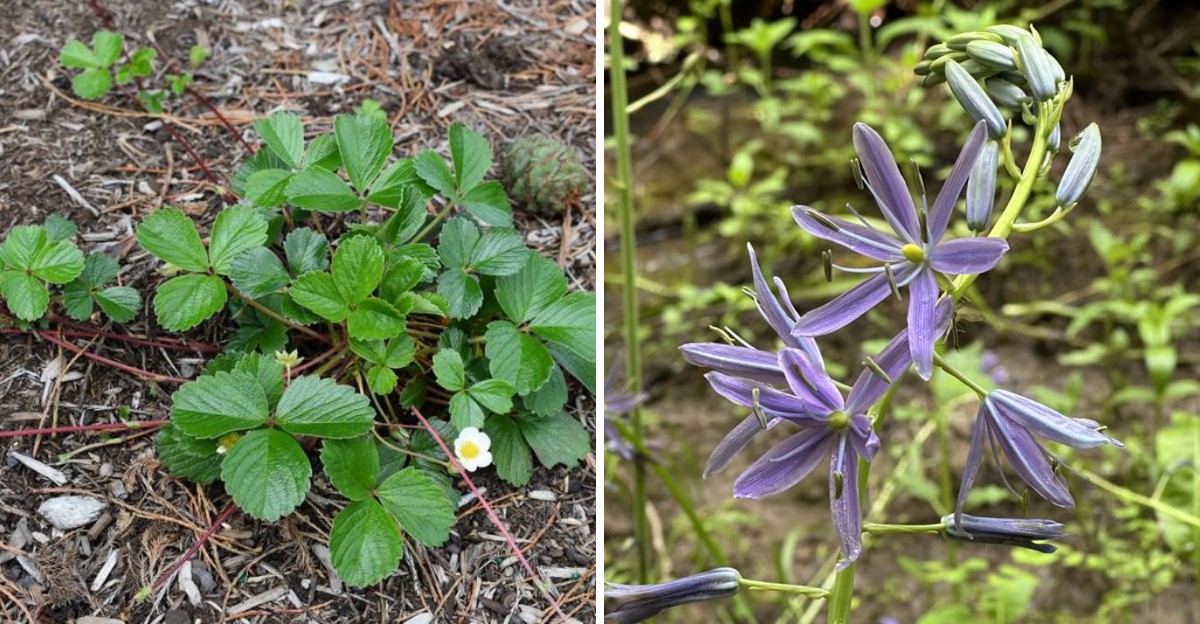
5. Coastal Strawberry Spreads Into A Living Carpet
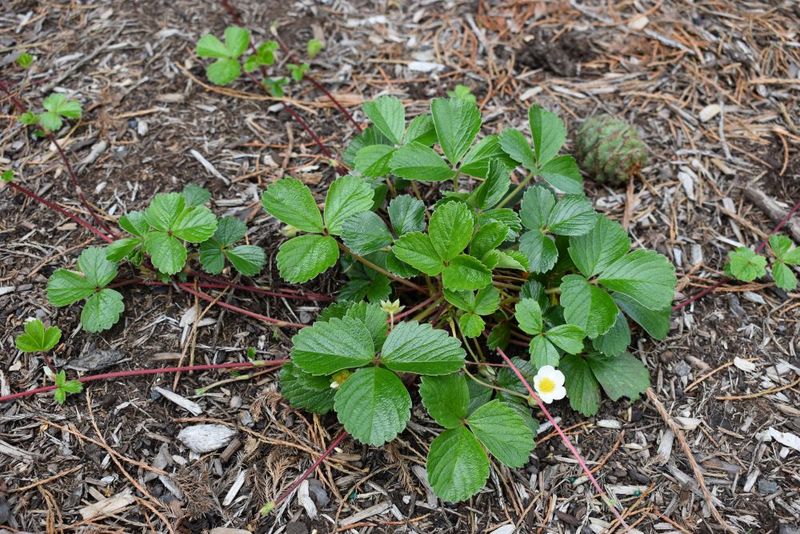
Thick, leathery, deep green leaves with a glossy shine set coastal strawberry apart from its garden cousins immediately.
Fragaria chiloensis evolved on Oregon’s dune systems, so salt spray and sandy soil suit it perfectly without much complaint.
Runners do the work here. Each plant sends out stolons that root where they land, knitting into a dense carpet roughly four to eight inches tall over time.
A dozen plugs can cover a small front yard within two or three growing seasons if given decent care.
White five-petaled flowers show up in spring, followed by small red fruit later on. Berries stay tiny and sometimes bland compared to store varieties, but birds rarely leave many behind regardless.
Sun to light shade both work near the coast specifically. Inland gardens do better with afternoon shade and occasional summer water, since the species naturally lives in cool, foggy conditions.
Walkability is decent overall. Occasional crossings and pet paths hold up fine, and damaged spots regrow from runners fairly quickly.
Maintenance amounts to pulling weeds during the fill-in phase and shearing the whole patch in late winter to refresh the foliage. Slugs nibble leaves in wet springs without doing lasting harm.
6. Self-Heal Offers Purple Blooms And A Native Catch
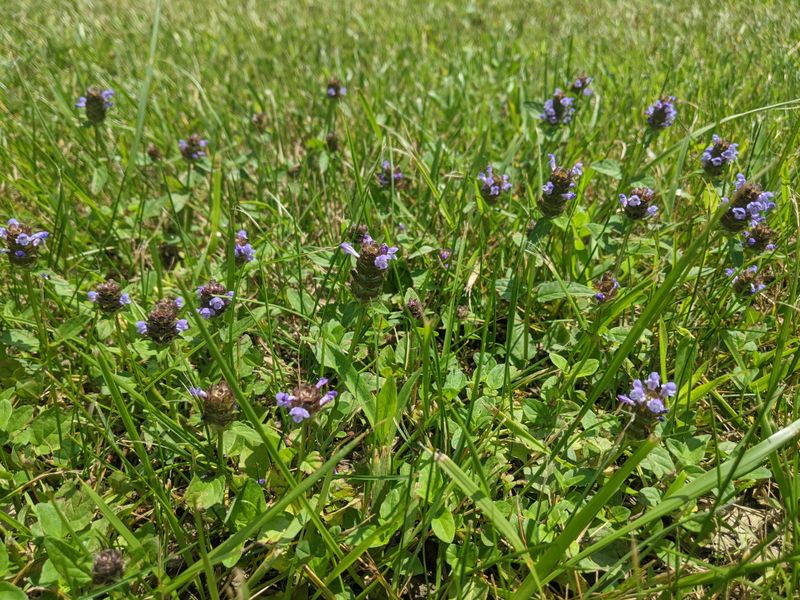
Short purple flower spikes popping up through a mowed lawn are usually self-heal, and plenty of Oregonians already have it without ever planting a thing.
Prunella vulgaris hugs the ground, tolerates mowing, and flowers for weeks in early summer without much fuss at all.
Bumblebees adore the blooms genuinely. A patch buzzing in June does more for pollinators than an acre of clipped bluegrass, and the plants stay under six inches when mowed regularly.
Now the catch worth knowing. Nurseries sell two lookalike subspecies that can confuse buyers easily.
The North American native, Prunella vulgaris ssp. lanceolata, has narrower, more lance-shaped leaves, while the introduced Eurasian subspecies vulgaris carries broader ones instead.
Anyone wanting the genuine native should buy from a nursery that lists the subspecies on the label or sells seed collected from regional wild populations specifically.
Site preferences lean toward moist, partly shaded ground for best results. Self-heal thrives in the same soggy spring conditions where turfgrass struggles, making it useful in low spots and north-side yards.
Traffic tolerance is respectable here. Rhizomatous spread lets it recover from footsteps, and it holds up in mixed ecolawn blends alongside yarrow and fine fescue nicely.
7. Oregon Stonecrop Suits Sunny Dry Accent Areas
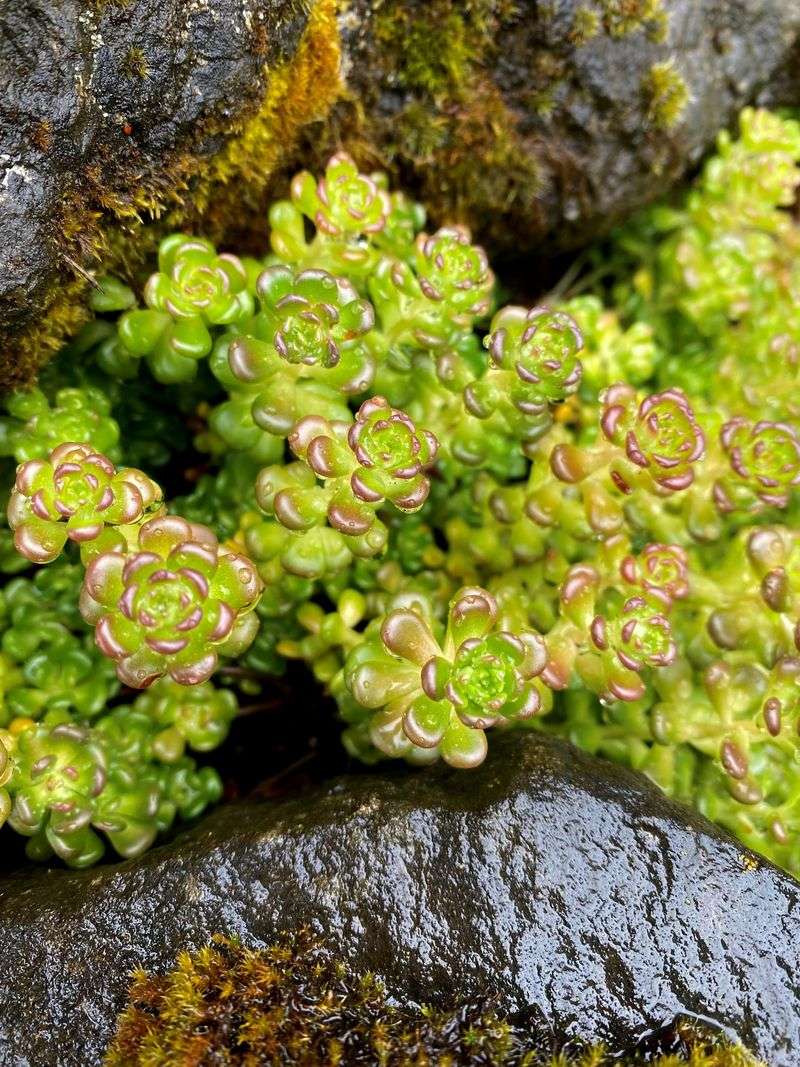
Rock crevices along Oregon’s Cascade trails often hold tight rosettes of plump green leaves tinged red at the edges, surviving on almost nothing at all.
Sedum oreganum lives on very little, storing water in its succulent foliage and flowering yellow in midsummer when conditions align.
Garden use follows that same logic here. Gravel, rock walls, green roofs, and shallow soil over stone all suit it well, while rich beds with regular irrigation cause rot.
Height tops out around three to six inches including flower stems, which keeps it low without any mowing whatsoever needed.
Foliage takes on deeper red tones during drought and cold, adding winter interest to an otherwise quiet bed.
Straight talk about traffic here: none whatsoever. Succulent leaves snap under a single footstep and do not spring back afterward.
Use this sedum in accent pockets, between flagstones where feet rarely land, in strips along a driveway, or in containers instead.
Propagation is almost comically easy too. Break off a stem, lay it on gritty soil, mist occasionally, and roots appear within weeks.
Pollinators benefit too from this plant. The starry yellow flowers attract small native bees and hoverflies during the driest weeks, when nectar sources thin out elsewhere.
8. Broadleaf Stonecrop Rounds Out A Dry Native Palette
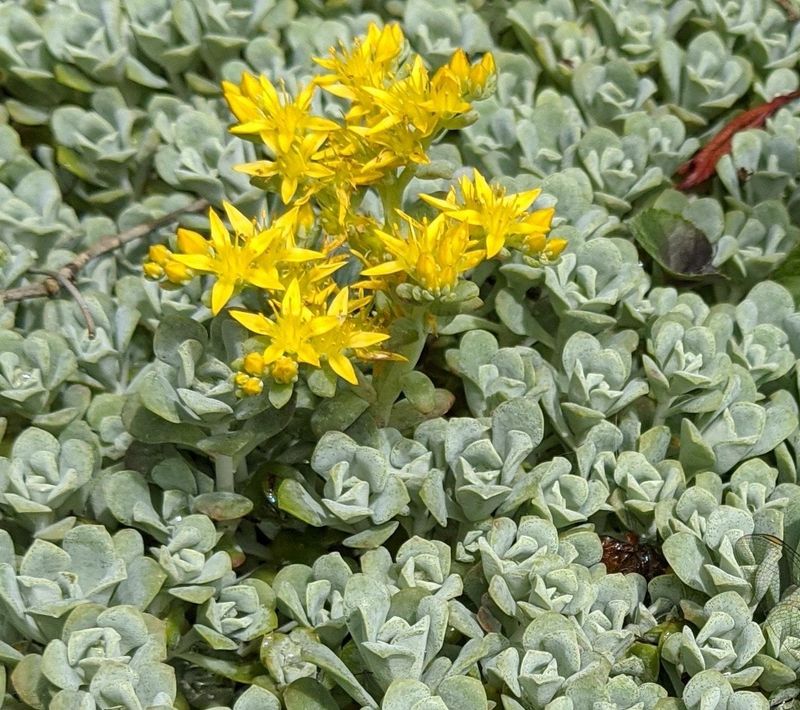
Powdery blue-gray rosettes shaped like tiny spoons make broadleaf stonecrop the showiest of the bunch by a fair margin.
Sedum spathulifolium grows on bluffs and rocky slopes from the coast to the Siskiyous, and the chalky coating on its leaves holds up all year round.
Bright yellow flower clusters rise in late spring reliably. Some forms blush purple in full sun, and the cultivar Cape Blanco, selected from an Oregon coastal population, is widely sold in nurseries.
Conditions mirror Oregon stonecrop closely. Sharp drainage, full sun to light shade, and minimal summer water keep it firm and colorful throughout the year.
Soggy winter soil is the main threat here, so plant it on slopes, berms, or gravel where water drains away quickly.
Walking on it is off the table entirely. Reserve it for edges, rockeries, tuck-in spots between pavers, and the strip beside a hot sidewalk instead.
Matching each plant to its right job is what makes a native lawn replacement actually work in practice. Kinnikinnick covers slopes and takes moderate steps well.
Combined thoughtfully across a yard, these eight can retire the sprinkler and most of the mowing for good, replacing the whole tired routine with something that actually belongs there.
9. Camas Adds Spring Color To A Native Meadow Mix
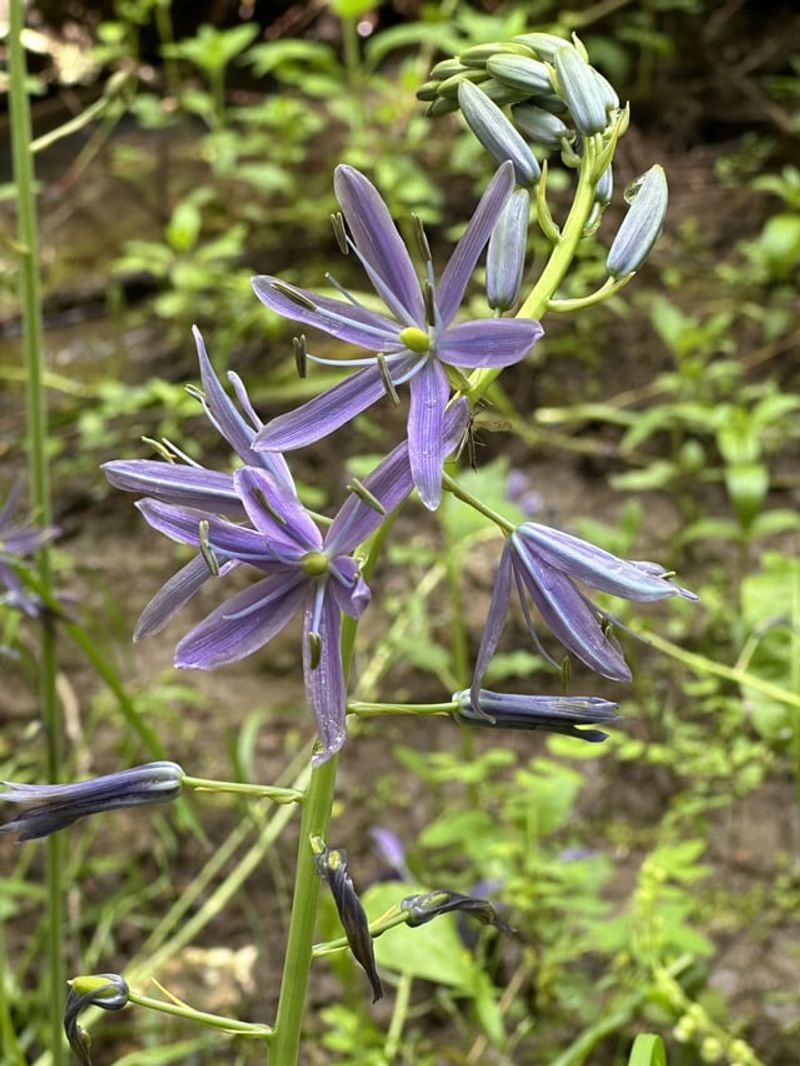
Tall spikes of blue-purple star-shaped flowers rising above grassy foliage make camas one of the most striking additions to an Oregon meadow lawn come April and May.
Camassia quamash and Camassia leichtlinii both grow wild across Willamette Valley prairies and wet meadows, blooming in a stretch when little else in a native lawn mix has color to offer yet.
This one grows from a bulb rather than spreading by rhizome or runner, so it works best tucked among bunchgrasses and other native perennials rather than planted alone as a solid mass.
Moist soil through winter and spring suits it well, mimicking the seasonally wet meadows it evolved in naturally across the valley floor. Summer dryness after bloom is expected and welcome, matching Oregon’s dry season perfectly.
Foliage yellows and fades back completely by midsummer, which means the bulb goes fully dormant underground and needs no water or attention until the following fall or winter rains return.
That dormancy makes camas an easy partner for yarrow, self-heal, or Roemer’s fescue, since the grasses and perennials carry visual interest through summer once the camas has already finished its show.
Walking on it works fine outside of bloom season, though stepping on the flower spikes themselves in spring will flatten that year’s display, so a light path around clusters helps preserve the show.
Bulbs multiply slowly over years, and dividing crowded clumps every four or five years keeps the display strong. Native plant sales often carry bulbs in fall, which is the right time to plant them for a showy spring bloom the following year.