The Oregon Fall-Garden Planting Window For Spinach Most People Miss
Late summer can make an Oregon vegetable bed look finished long before the season actually is.
Peas are gone. Lettuce has bolted. Empty rows sit there under the sun while most seed packets drift toward the back of the shed.
That quiet gap is where spinach gets interesting.
The crop likes cool weather, but a late start leaves tiny plants in a race against shorter days and early frost. An early start can be just as tricky because hot soil often makes germination frustrating before the season turns.
So when does the useful window actually open?
Across Oregon, the answer shifts with region, elevation, and the pace of summer heat. The coast gets more breathing room. Central and eastern gardens need a faster start.
Catch the timing correctly, and those empty rows can become one of fall’s most productive spaces.
The trick is not to wait for autumn to feel obvious.
By then, the best spinach window may already be closed while everyone else still has tomatoes on the vine.
1. Catch The Late July To September Window
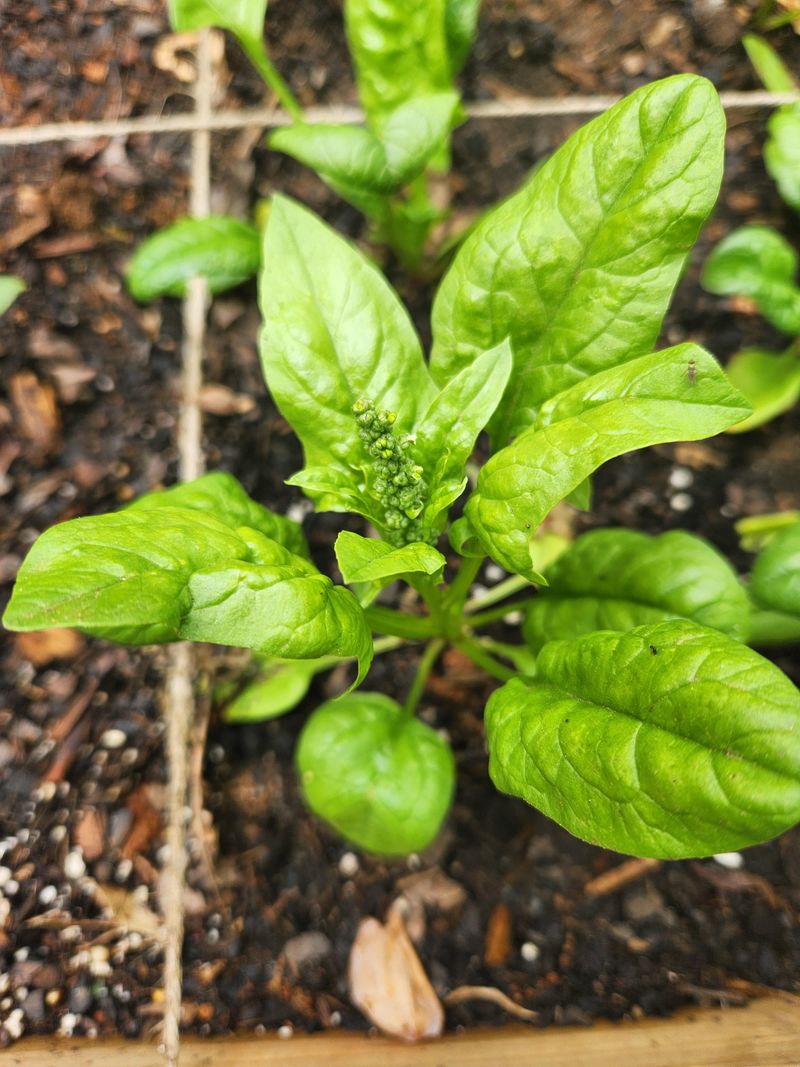
An empty row in late July is not necessarily waiting for next spring.
Across many parts of Oregon, that space can still produce a useful spinach crop before cold weather settles in.
The late-summer sowing window generally runs from late July into September, but the best part of that window depends heavily on location.
In the Willamette Valley, late July through August gives spinach time to establish while the season begins cooling.
Coastal gardens often have a little more flexibility because autumn stays milder. Central and eastern Oregon usually need an earlier start because nights cool faster and hard frost can arrive sooner.
That regional difference is why waiting for tomatoes to finish can backfire.
By the time the garden feels unmistakably autumnal, spinach may have lost valuable growing time. Shortening days slow growth even when temperatures remain comfortable.
Use the calendar before the bed looks ready. Clear an early crop, loosen the surface, and have seed on hand before the late-summer window opens.
A second sowing does not need much space either. One short row can keep fresh leaves coming after warm-season vegetables start fading.
The missed opportunity is rarely a lack of room.
It is usually realizing in September that the spinach should have gone in while August still looked completely like summer.
2. Let The Hottest Soil Cool First
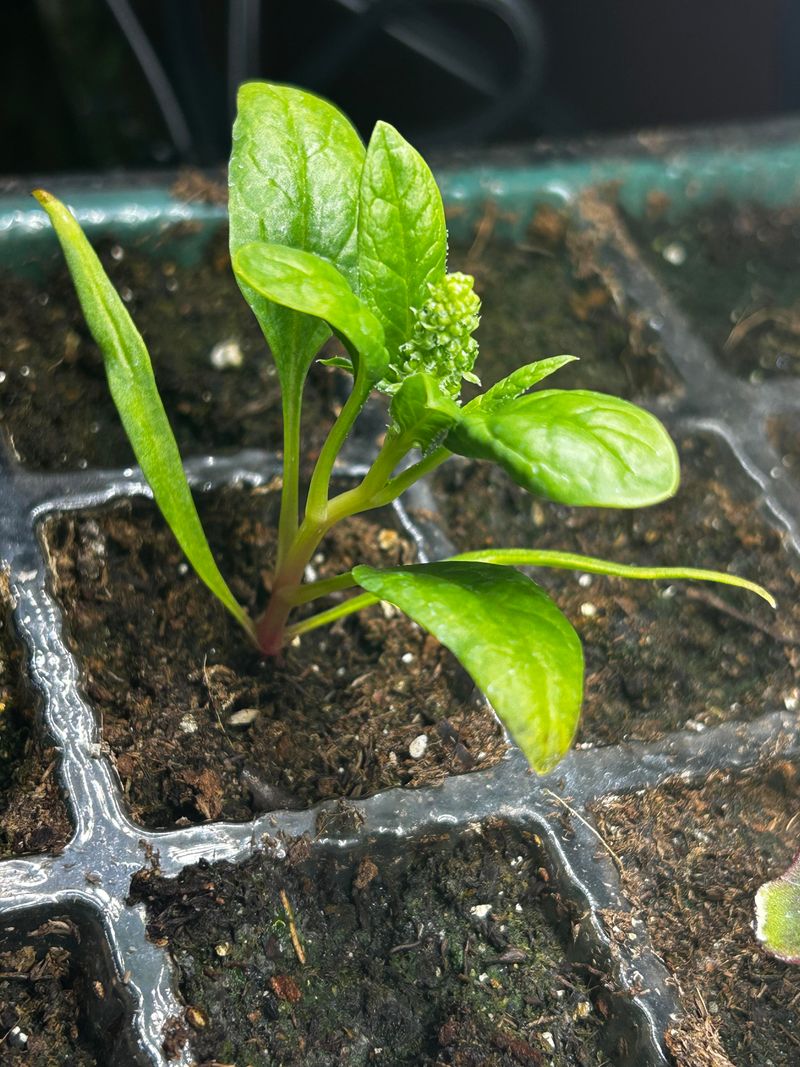
Hot soil can make a perfectly timed calendar date behave like the wrong planting date.
Spinach prefers cooler germination conditions, and late-July beds can still hold plenty of summer heat. Seeds placed into very warm soil may germinate poorly or unevenly, leaving a row that looks mysteriously empty.
Check the bed instead of judging by the afternoon air.
A soil thermometer pushed a couple of inches down can tell you what the seeds will actually experience. Morning readings are especially useful because they show how much the ground cooled overnight.
Shaded beds and soil rich in organic matter may cool sooner than bare, exposed ground. A sunny raised bed can stay warmer, especially after several clear days.
Your Oregon Garden Changes Every Week. Your Plan Should Too.
Gardening in Oregon changes quickly throughout the season. Every Friday you’ll receive a simple weekly plan showing exactly what to plant, prune, fertilize, harvest, and protect so you never miss the right timing.
Waiting a little can be smarter than reseeding repeatedly.
You can also water the bed before planting to help moderate surface temperatures, then keep the seed zone lightly moist after sowing. A thin layer of straw can reduce rapid heating and moisture loss while seedlings get started.
Do not bury the row under heavy mulch, though. Young spinach still needs an easy path upward.
The goal is not cold soil.
It is simply getting past the point where summer heat fights germination.
Sometimes the best fall planting move is doing absolutely nothing for a few extra days while the ground finally cools enough to cooperate.
3. Keep The Seed Row Evenly Moist
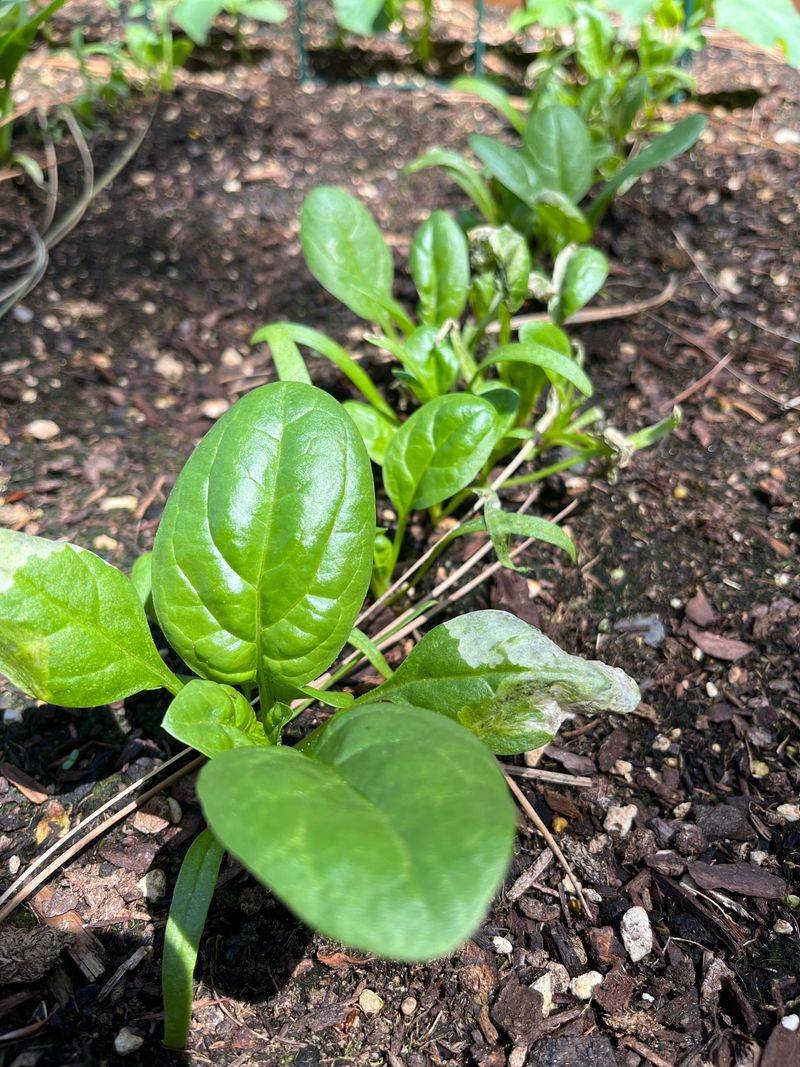
The first week after sowing can decide how full that fall spinach row becomes.
Seeds sit close to the surface, exactly where late-summer wind and sun remove moisture fastest. Let that thin layer dry repeatedly and germination can become uneven, even when the planting date was perfect.
Keep the seed zone consistently damp rather than soaked.
A watering can with a rose head gives you gentle control and avoids blasting seed out of the row. During warm stretches, check the surface once or twice a day. Water only when that upper layer starts drying.
Drip irrigation can also work well, especially for gardeners who cannot inspect the bed every afternoon. Short, carefully timed cycles keep moisture near the row without turning the soil soggy.
Morning watering is usually the easiest routine. It gives seeds moisture for the day while reducing the amount of time the surface stays wet overnight.
Once seedlings reach roughly an inch tall, start shifting toward deeper, less frequent watering. That encourages roots to follow moisture downward instead of living entirely near the surface.
This sounds like a small detail, but it separates a solid row from a patchwork of gaps.
Fall spinach does not need constant attention forever.
It just asks for consistency at the beginning, when one dry afternoon can undo several days of otherwise perfect timing.
4. Use Light Shade During Hot Starts
A late-August sunbeam can still feel much more like July than fall.
That matters when tiny spinach seedlings are trying to establish. Direct afternoon heat can warm bare soil quickly and stress new growth before cooler nights begin doing you any favors.
Temporary shade can bridge that awkward stretch.
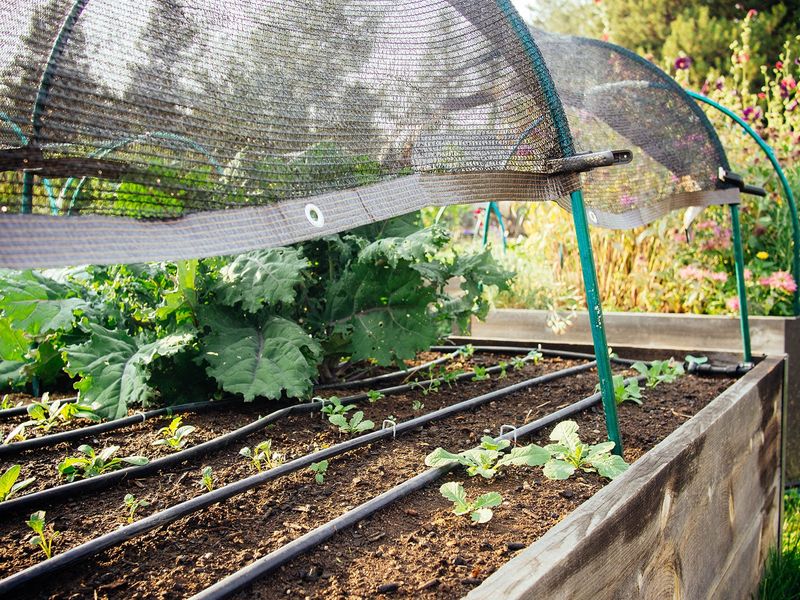
A light row cover suspended above the bed can soften harsh sun while still allowing air and water through. Shade cloth that reduces part of the afternoon intensity can work too, especially on the south or west side of a bed.
Keep the setup temporary.
The goal is not to grow spinach permanently in deep shade. Once plants reach several inches tall and September temperatures begin easing, remove or shift the protection so the crop receives stronger light.
Watch airflow under any cover. Fabric resting tightly on hot, wet foliage can create its own problems, so hoops or simple supports are useful.
This little bit of protection is most valuable during the first couple of weeks after emergence.
Mature spinach handles cooler-season sun far better than a new seedling handles a scorching exposed bed.
Think of the shade as a short-term assist, not another garden structure you need to maintain all autumn.
Once Oregon’s weather finally starts acting like fall, the seedlings can take over.
Until then, giving them a modest break from the hottest afternoon rays can keep the planting window from closing before the plants get established.
5. Choose Varieties For Fall Growth
One seed packet can make fall growing easier before it ever touches the soil.
Variety choice matters because late-summer spinach has to handle two very different conditions. It may germinate while days are still warm, then mature as nights cool rapidly.
Look for descriptions such as slow-bolting, fall type, or winter hardy when comparing varieties. Those traits give the crop a better chance of handling the transition without racing toward flowers or struggling as temperatures drop.
Leaf type can influence the experience too.
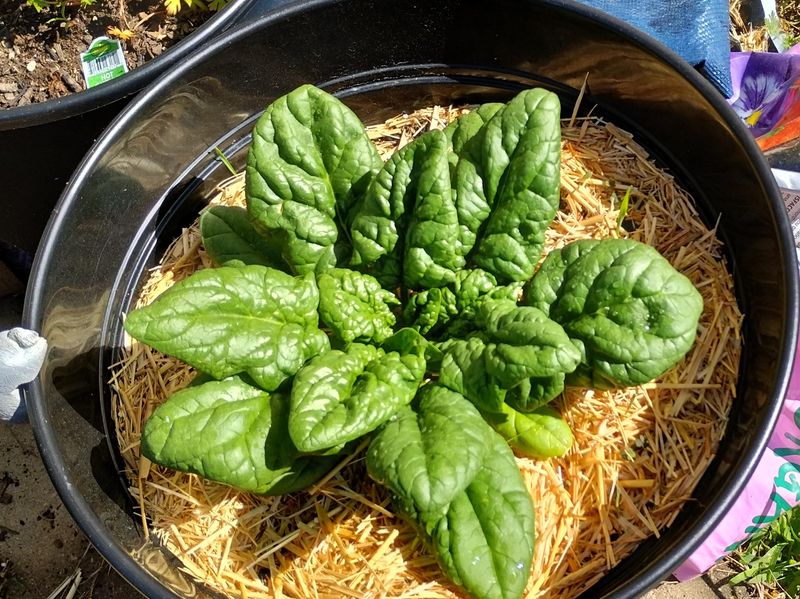
Savoy spinach has deeply crinkled leaves and often performs well in cool conditions. Smooth-leaf types are easier to rinse after rainy harvests and may mature quickly, which can be useful when your local fall window is short.
Do not get trapped chasing one universally “best” variety.
Oregon’s coast, Willamette Valley, high desert, and eastern valleys do not give spinach identical conditions. Regional seed companies and local trial information can be more useful than a recommendation written for the entire country.
Check days to maturity as well.
A variety needing substantially more time may be a poor match for a late sowing in a colder region, even when its cold tolerance looks excellent.
Five minutes with the packet can save several weeks of disappointment.
Fall spinach already has a tighter calendar.
There is no prize for making that calendar harder with a variety badly matched to the season.
6. Adjust Timing For Your Oregon Region
A planting date that works beautifully in Eugene can be frustratingly late somewhere east of the Cascades.
Oregon’s fall spinach window changes dramatically with elevation, frost timing, and maritime influence. Treating the whole state as one gardening zone is where many late crops get into trouble.
The Willamette Valley generally offers a generous late-summer window. July and August sowings have time to establish, and some gardens can continue planting into early September.
The coast often stays mild even later, although shorter days and cloudier weather can slow growth.
Central Oregon needs more urgency. Cool nights and earlier hard frosts mean an early-August sowing is much safer than waiting until September. Higher-elevation sites should usually lean toward the earliest part of the window.
Eastern Oregon can be similarly unforgiving, especially where frost arrives early.
Use your local first-frost pattern as a planning tool rather than a statewide date. Count backward from that period using the days to maturity on your seed packet, then give yourself extra time because autumn growth slows as daylight decreases.
That buffer matters.
A “40-day” spinach variety does not necessarily behave like a 40-day crop under October light and chilly nights.
Your county gardening calendar is far more useful than somebody else’s planting date three climate zones away.
Oregon gives spinach plenty of opportunities.
It simply does not give every gardener the same one.
7. Protect Young Leaves From Early Pests
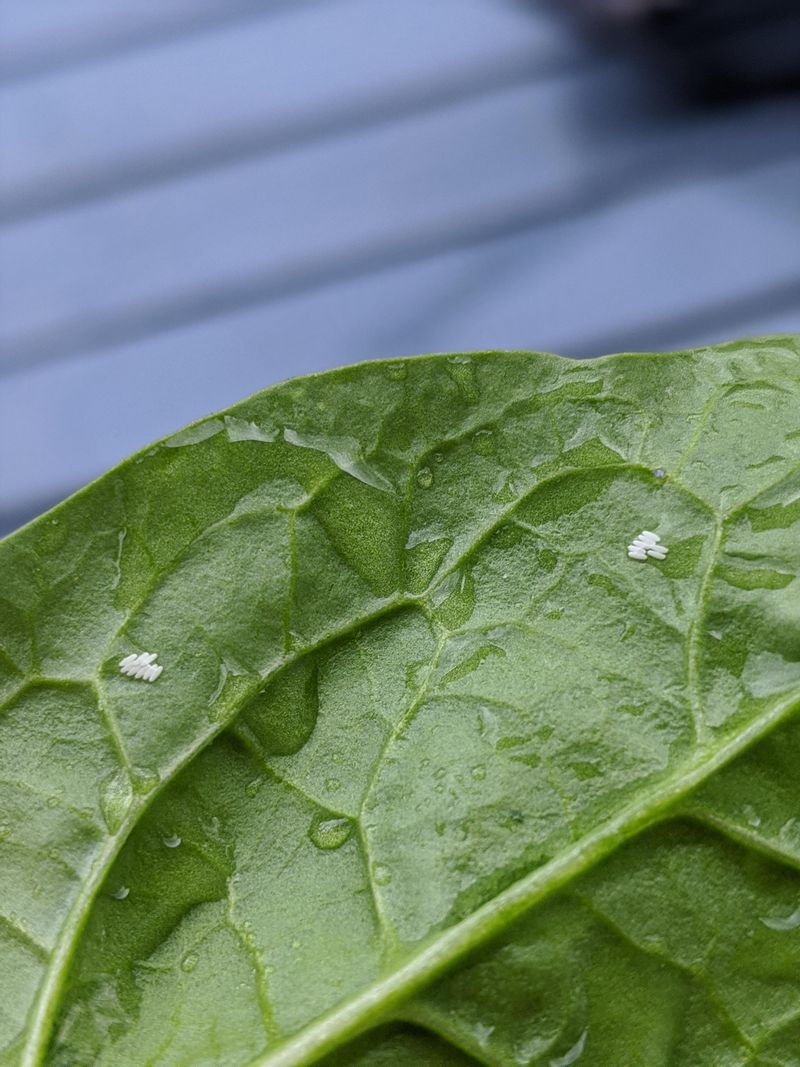
Fresh spinach seedlings are not the only things enjoying late-summer weather.
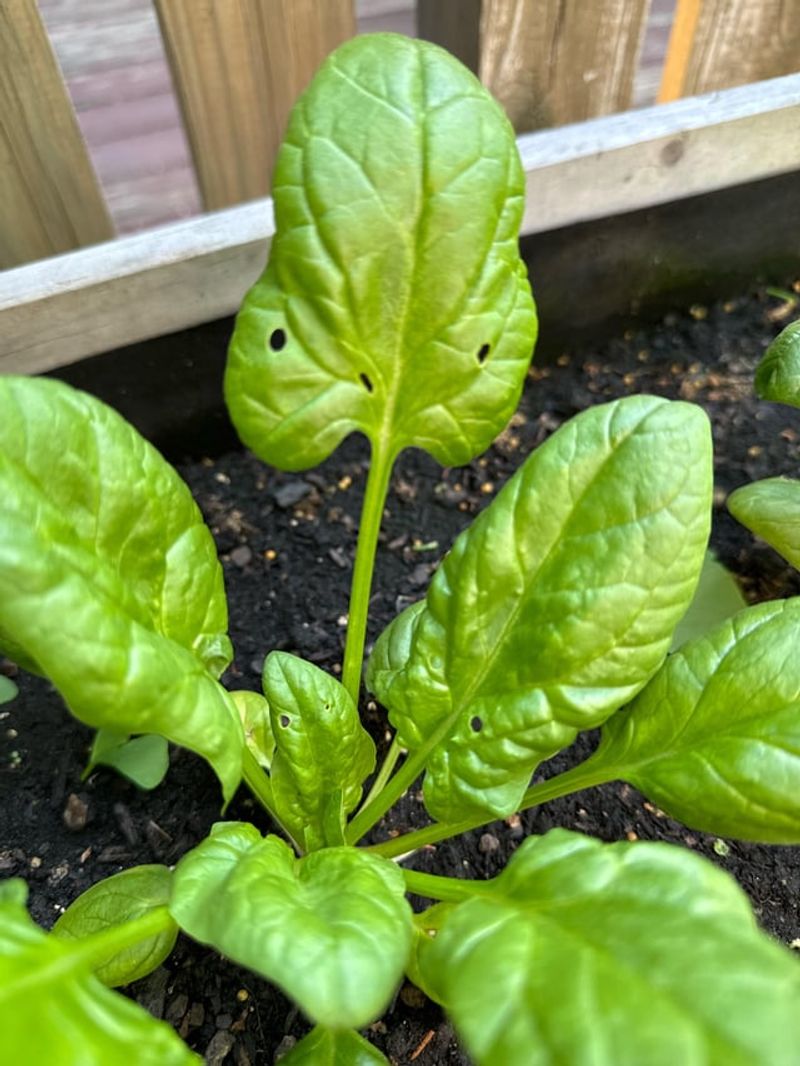
Aphids and leaf miners can still be active when an August row emerges, which means the youngest leaves deserve regular inspection before pest numbers build.
Check the bed every few days.
Turn leaves over and look along veins for aphids or tiny eggs. Winding pale tunnels inside the leaf are a classic clue that leaf miners have already started feeding.
Catching a small problem early keeps the response simple.
A firm spray of water can knock aphids from young plants when populations are light. Remove badly damaged leaves so larvae or eggs do not remain in the bed.
Floating row cover adds another layer of prevention. Installed soon after sowing, it can physically block adult insects from reaching the leaves to lay eggs.
The same lightweight cover used earlier for temporary shade can therefore earn a second job.
Keep weeds around the bed under control too.
Nearby weedy growth can shelter pests and make regular inspection harder. Healthy spinach with steady moisture is also better positioned to keep growing through minor feeding damage.
The key is observation, not panic.
A couple of holes do not mean the crop failed, and every insect does not justify a treatment.
Fall spinach has a short season to work with.
Giving young leaves a quick inspection twice a week is much easier than discovering an entire row has become an insect apartment complex by harvest time.
8. Extend The Harvest As Weather Cools
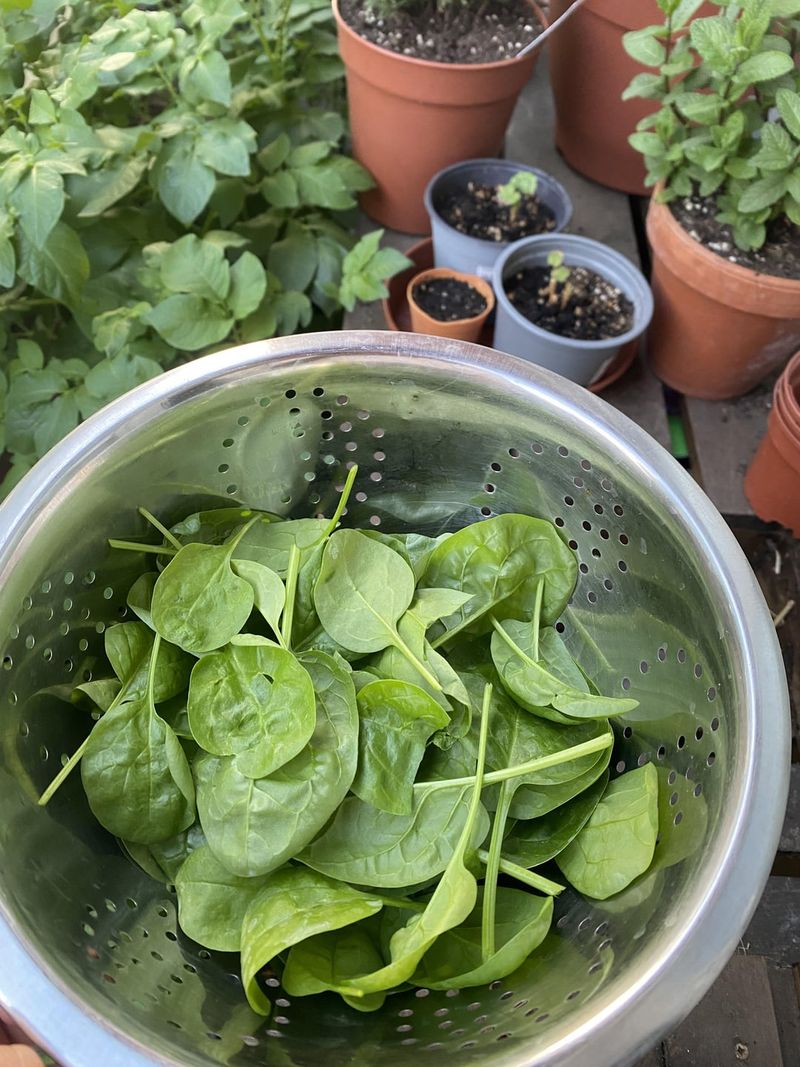
The first bowl of leaves does not have to be the last harvest from an August sowing.
Take the larger outer leaves and leave the center growing point intact. That lets the plant continue producing as Oregon temperatures cool and can stretch one planting over several harvests.
Succession sowing makes the window even more productive.
Plant a short row, then sow another two or three weeks later while your regional planting window remains open. Instead of one sudden pile of spinach, you get overlapping waves of tender leaves.
Light frost can actually improve the flavor, giving mature leaves a sweeter edge.
Row cover becomes useful again once nights approach freezing. A single layer can protect plants through light frosts and extend harvest in many western Oregon gardens.
The coast and Willamette Valley may carry protected spinach well into late fall during mild years. Central and eastern Oregon gardeners should expect the window to close sooner and have protection ready earlier.
Do not hold every leaf for some imaginary perfect final harvest.
Short days eventually slow growth, and sustained hard freezes can end outdoor production. Pick generously while the crop is actively producing.
That is the reward for catching the planting window most people miss.
Summer vegetables start leaving the stage, cooler nights arrive, and the supposedly finished garden is still handing you fresh spinach for dinner.