The Plants Oregon Gardeners Should Move Before Summer Heat Peaks
Oregon gardeners know summer can go from “pleasant backyard puttering” to “why is the patio trying to cook my shoes?” very quickly.
Before the hottest stretch settles in, some plants are much better off with a strategic move than a dramatic rescue mission later.
Containers, young perennials, tender starts, shade lovers, recently planted shrubs, and anything sitting against heat-reflecting walls can struggle fast once July sun gets serious.
Even plants that normally handle summer may sulk if their roots are cramped, their soil dries out too quickly, or their leaves are getting blasted all afternoon.
Moving them now, before heat peaks, gives them a better shot at settling into a cooler, safer spot with morning sun, afternoon shade, or better airflow. Think of it as musical chairs, but for plants with higher stakes.
A little relocation today can prevent crispy leaves, stalled growth, and full-on garden heartbreak tomorrow.
1. Move Potted Hydrangeas Out Of Afternoon Sun
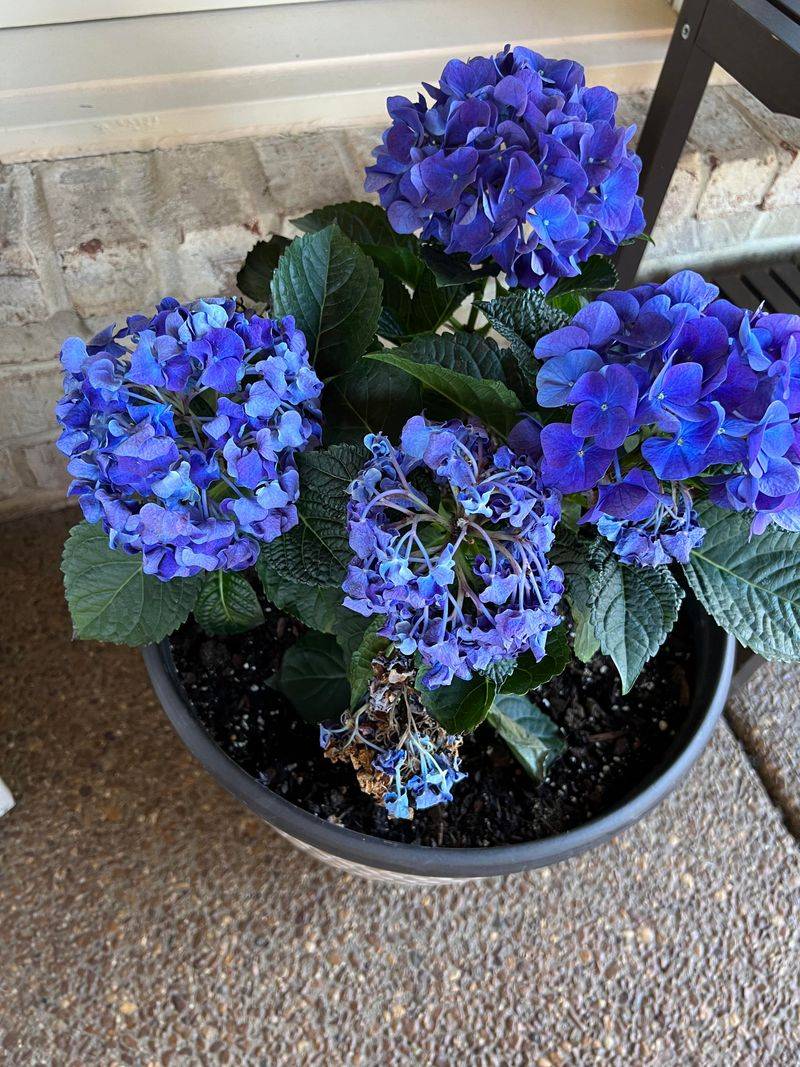
Few plants put on a show quite like a hydrangea in full bloom. Those big, round flower heads in shades of blue, pink, and white are some of the most satisfying sights in any garden.
But here is the thing most people do not realize: potted hydrangeas are far more vulnerable to heat than ones planted in the ground.
When a hydrangea sits in a pot, its roots have nowhere to escape the heat. The container absorbs warmth from the sun and transfers it directly to the roots.
On a hot afternoon in July or August, that can cause wilting, brown leaf edges, and faded blooms.
The fix is simple. Move potted hydrangeas to a spot that gets morning sun but stays shaded from about noon onward.
East-facing patios or spots beneath a large tree work really well. Morning light gives the plant energy to grow and bloom. Afternoon shade protects it from stress.
Make sure the new location still gets good airflow. Stagnant, humid air can lead to powdery mildew on the leaves.
Water your hydrangea deeply after moving it, and check the soil daily during hot spells. Potted plants dry out much faster than garden beds.
A layer of mulch on top of the soil in the pot can help hold moisture and keep roots a little cooler throughout the hottest weeks of summer.
2. Shift Hostas Before Leaves Scorch
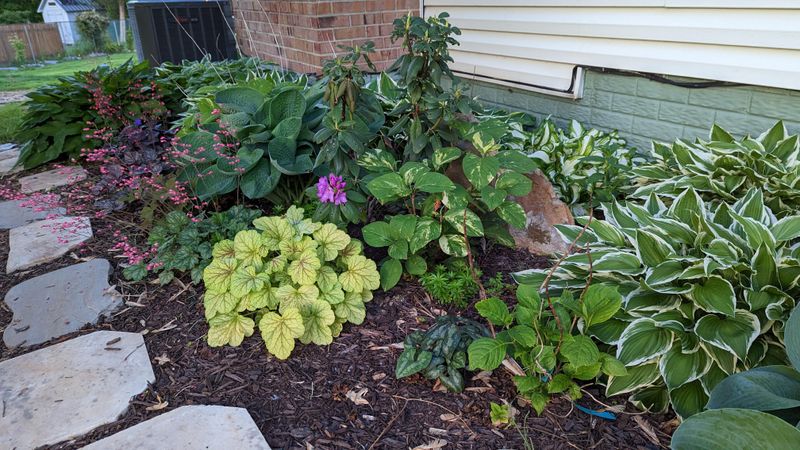
Hostas are often called the kings of the shade garden, and for good reason. Their big, bold leaves come in dozens of shades of green, gold, and blue-gray.
They are easy to grow and they come back year after year. But even these tough plants have a weak spot: too much summer sun.
When a hosta gets too much direct light, especially during hot afternoons, the leaf tips and edges start to turn tan or crispy brown.
This is called leaf scorch, and once it happens, those leaves will not recover. The plant looks rough for the rest of the season.
Before summer heat peaks, check where your hostas are sitting. If they get more than two to three hours of direct afternoon sun, it is time to move them.
Your Oregon Garden Changes Every Week. Your Plan Should Too.
Gardening in Oregon changes quickly throughout the season. Every Friday you’ll receive a simple weekly plan showing exactly what to plant, prune, fertilize, harvest, and protect so you never miss the right timing.
Early morning sun is fine and actually helps hostas with yellow or gold coloring look their best. The goal is to block that intense midday and afternoon heat.
Dig them up carefully, keeping as much of the root ball intact as possible. Replant them in a shaded spot with rich, moist soil.
Water well after transplanting and keep the soil consistently moist for the first two weeks. Hostas are surprisingly forgiving when moved in spring or early summer.
Give them a good start in their new spot and they will reward you with gorgeous foliage all the way through fall.
3. Give Ferns A Cooler Shady Corner
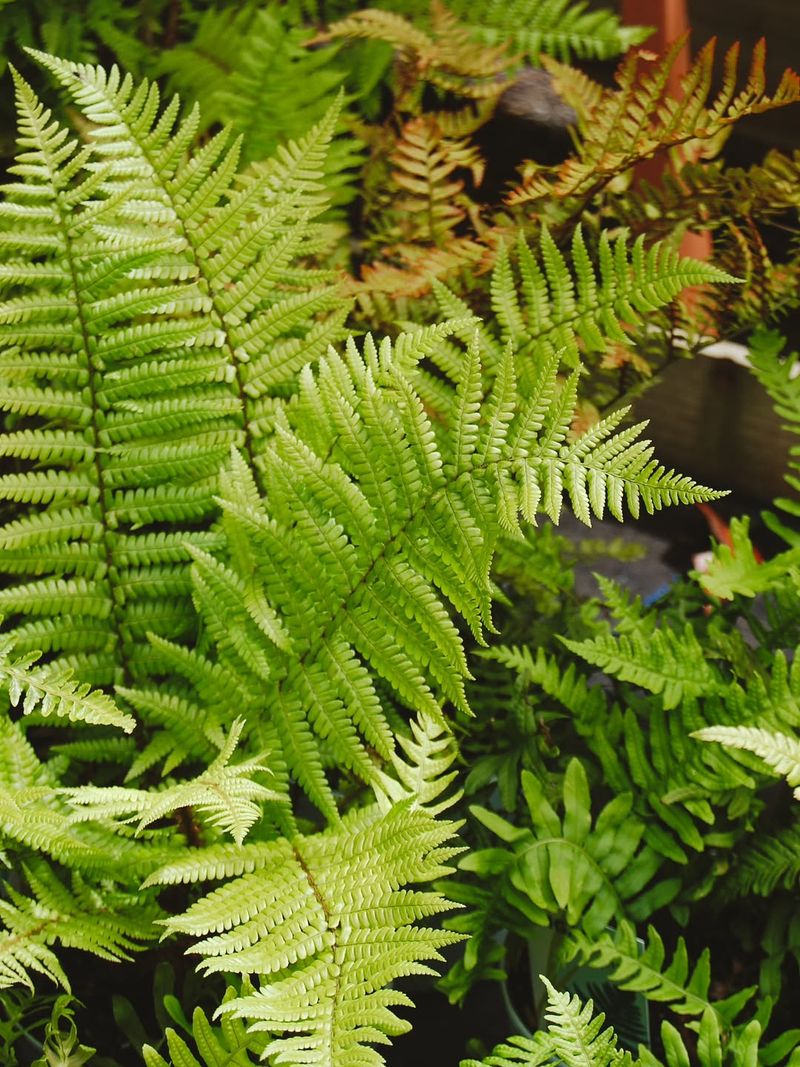
Walk through any old-growth forest in Oregon and you will see ferns thriving in the deep shade beneath towering Douglas firs.
That tells you everything you need to know about what ferns want: coolness, moisture, and shelter from direct sun.
When summer rolls in and temperatures rise, ferns planted in exposed spots start to look tired fast.
Fronds that were once bright green begin to yellow and curl at the edges. The plant may stop producing new growth altogether.
Some ferns go semi-dormant during hot, dry spells, which means your garden loses that lush, layered look right when you want it most.
Moving ferns to a cooler, shadier corner before the heat arrives makes a huge difference. Look for a north-facing bed, a spot beneath a deck, or an area shaded by a large shrub or tree.
The goal is a location that stays cool and holds moisture well. Amend the soil with compost before replanting to help it retain water.
After moving, water ferns thoroughly and mist the fronds on extra hot days if you can. Ferns love humidity, which is something Oregon naturally provides in cooler months.
During summer, you may need to recreate a little of that by watering more often. A thick layer of organic mulch around the base will help lock in soil moisture and keep roots from getting too warm on hot days.
4. Rescue Fuchsias From Hot Patios
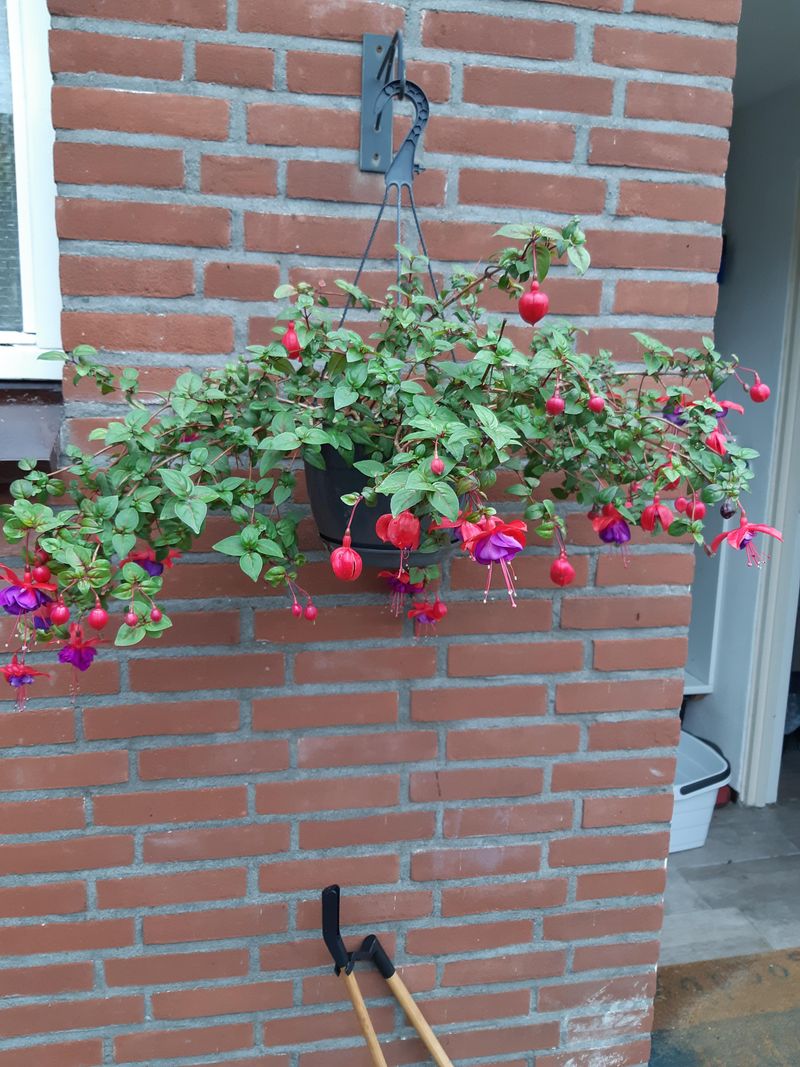
Fuchsias are genuinely one of the most eye-catching plants you can hang on a porch or patio. Those dangling, jewel-toned blooms in combinations of pink, red, purple, and white look almost tropical.
But fuchsias are actually cool-weather lovers, which makes them a perfect fit for our mild coastal and valley climates, until summer heat arrives.
Once temperatures push past the mid-80s consistently, fuchsias start to struggle. Blooms drop off early.
Leaves may yellow or develop brown spots. The plant puts its energy into surviving rather than flowering.
Hot patios make this worse because concrete and stone radiate heat upward, creating an environment that feels even hotter than the air temperature.
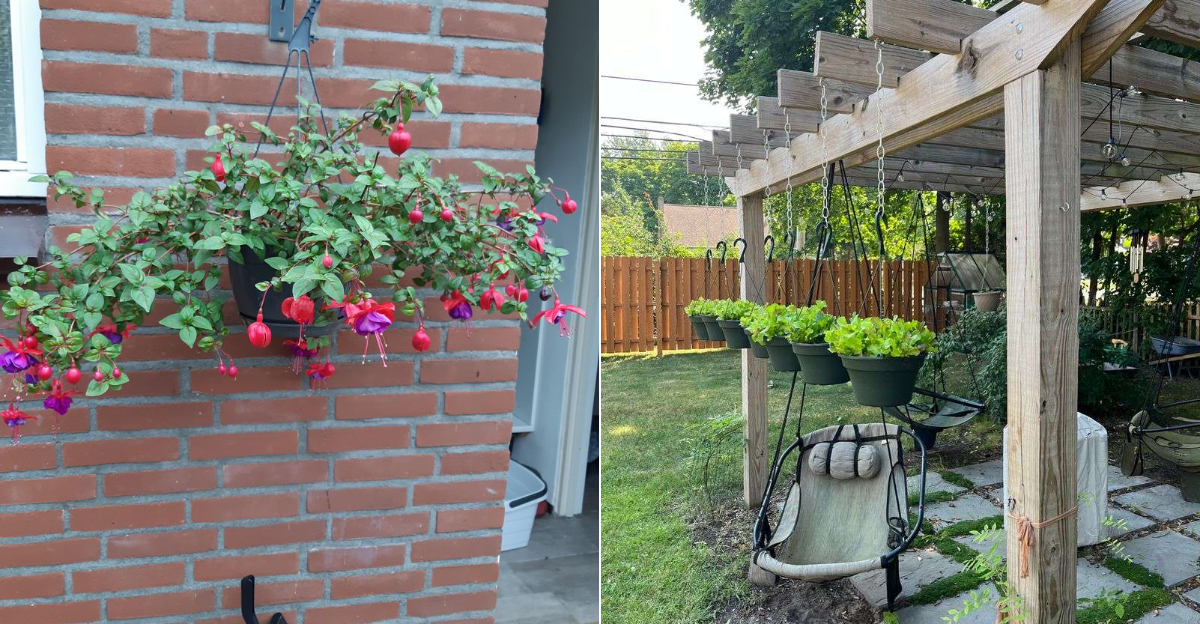
Getting fuchsias off hot, sun-soaked patios before peak Oregon summer is one of the best things you can do for them. Move hanging baskets to a covered porch, beneath a pergola, or under a large shade tree.
They need bright, indirect light to keep blooming but must stay out of direct afternoon sun.
Check the soil daily because fuchsias in hanging baskets dry out very quickly. During hot spells, you may need to water them twice a day.
A diluted liquid fertilizer applied every two weeks will encourage continued blooming through summer.
With the right care and a cooler spot, fuchsias can bloom from spring all the way into early fall, giving your outdoor space color for months on end.
5. Move Heucheras Before Color Fades
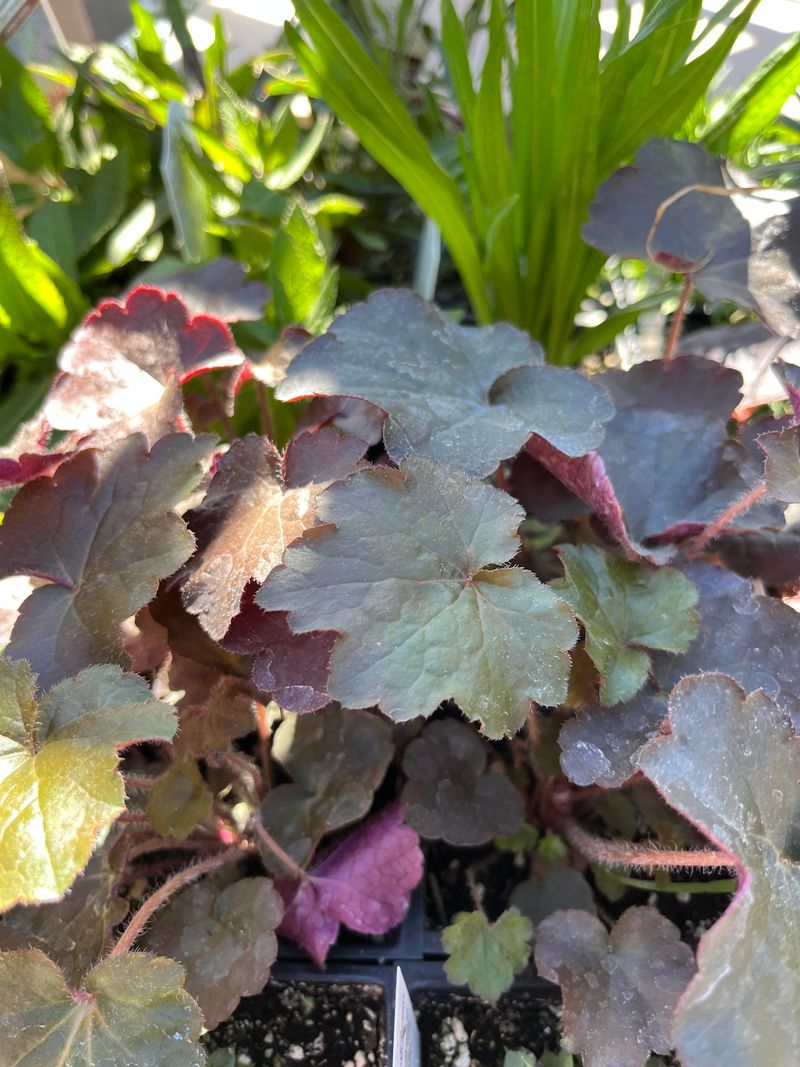
Heucheras, sometimes called coral bells, are beloved for their stunning foliage. Depending on the variety, their leaves can be deep burgundy, bright lime green, burnt orange, silver, or chocolate brown.
They add color to garden borders even when nothing else is blooming. But that vivid color can quickly become washed out and dull when summer sun hits them hard.
Too much direct sun bleaches the pigments in heuchera leaves. Varieties with dark or richly colored foliage are especially prone to this.
You may also notice the leaf edges turning crispy or the plant looking generally stressed and flat by Oregon midsummer.
Moving heucheras to a spot with partial shade, especially afternoon shade, helps preserve their color and keeps them looking sharp all season. They do not need to be in deep shade.
Morning sun with afternoon protection is the sweet spot for most varieties. A spot that gets three to four hours of gentle morning light works really well.
When transplanting, loosen the roots gently and replant at the same depth they were growing before. Water deeply right after moving and keep the soil consistently moist for the first week or two.
Heucheras have shallow roots, so they benefit from a layer of mulch to prevent moisture loss. Once settled into their new spot, they are fairly low-maintenance.
You will likely notice the foliage color improving within just a couple of weeks of being in better conditions.
6. Pull Lettuce Into Bright Shade
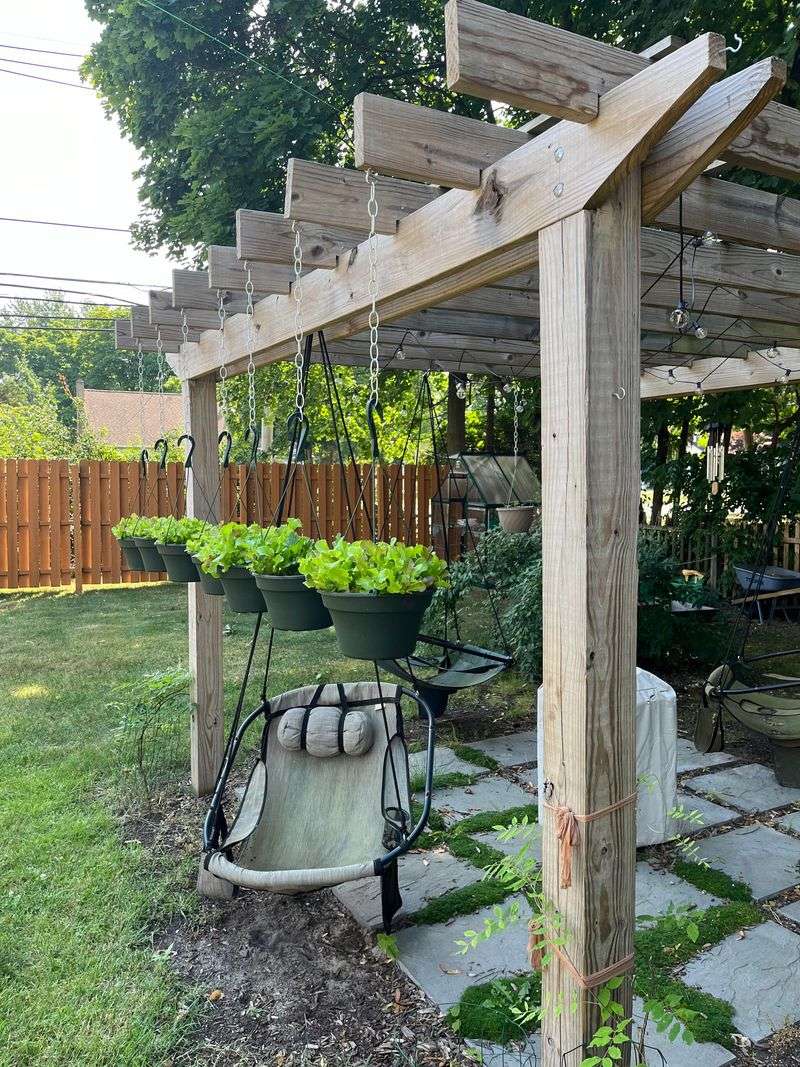
Lettuce is one of those vegetables that seems simple to grow until summer shows up uninvited. Cool-season crops like lettuce, spinach, and arugula were never built for hot weather.
They thrive in the mild temperatures of spring and fall. When summer heat arrives, they respond by bolting, which means they shoot up a tall flower stalk and the leaves turn bitter and tough.
In Oregon, that shift can happen surprisingly fast. A week of temperatures in the 80s is often enough to trigger bolting in most lettuce varieties.
Moving lettuce containers or transplanting seedlings into a spot with bright shade can extend your harvest by several weeks.
Bright shade means a location that receives reflected or filtered light rather than direct sun. The north side of a fence, beneath a row cover, or under a shade cloth all work well.
The lettuce still gets enough light to grow, but the intense heat is blocked. Soil temperature matters just as much as air temperature, so keeping the ground cool with mulch helps too.
Water consistently and deeply, especially during warm spells. Lettuce has shallow roots and dries out quickly.
If you are growing in containers, move them to a shaded spot on the patio or deck. With a little planning, you can keep harvesting fresh salad greens well into midsummer.
Succession planting every two weeks also helps ensure you always have young, tender leaves ready to pick.
7. Protect Cilantro Before It Bolts
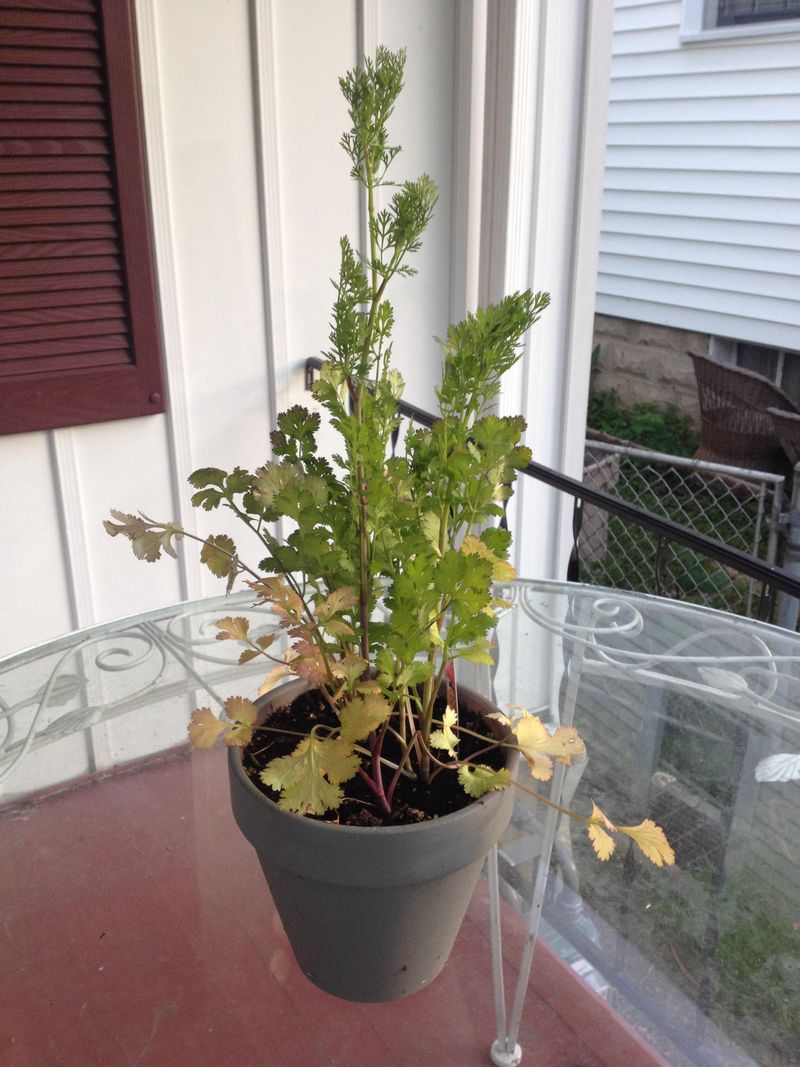
Cilantro is one of the most useful herbs in the kitchen, but it is also one of the most stubborn to keep growing through summer.
It is a cool-season herb that bolts, meaning it rushes to flower and go to seed, at the first sign of real heat.
Once that happens, the leaves shrink, the flavor turns sharp and unpleasant, and your harvest window slams shut.
Oregon gardeners often plant cilantro in spring and enjoy a few weeks of fresh leaves before summer arrives and ruins the whole thing. The key is getting ahead of the heat before it triggers that bolting response.
Moving cilantro to a shadier, cooler spot can slow down the process noticeably.
If you are growing cilantro in containers, move them to a spot that stays cool during the afternoon. A north-facing wall, a shaded patio corner, or even a cool indoor windowsill can work well.
In garden beds, shade cloth stretched over a simple frame can buy you extra time.
Keep the soil consistently moist because dry conditions speed up bolting even more than heat does. Harvest leaves regularly by snipping from the outer stems.
Frequent harvesting actually encourages the plant to keep producing leaves rather than rushing to flower. Planting a heat-tolerant variety like Leisure or Slow Bolt also helps.
With the right spot and regular care, you can stretch your cilantro harvest well beyond what most gardeners expect from this finicky but flavorful herb.
8. Move New Perennials Before Roots Bake
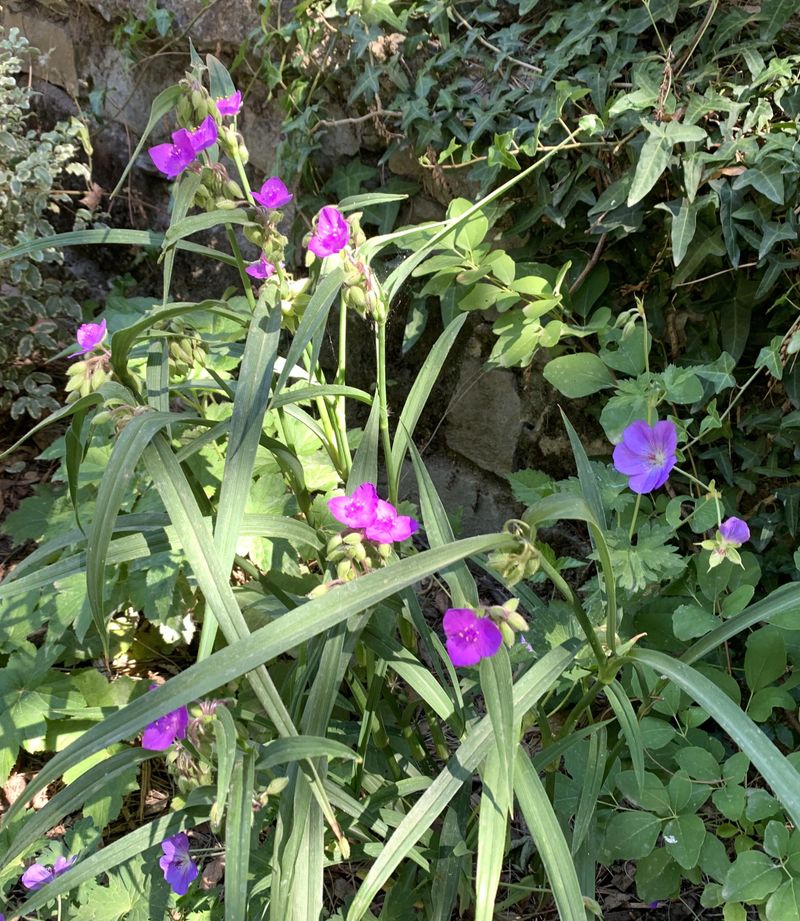
Newly planted perennials are some of the most vulnerable plants in any garden during summer.
Unlike established plants that have had years to develop deep, extensive root systems, new perennials are still getting settled.
Their roots are shallow, limited, and not yet able to reach down into cooler, moister layers of soil.
When summer heat peaks and the top few inches of soil turn warm and dry, new perennials feel every bit of it. You may notice wilting even after watering, yellowing lower leaves, or stunted growth.
These are all signs that the roots are under serious heat stress.
If you planted perennials this spring, take a look at where they are sitting. Any plant in a south or west-facing bed with no shade is at risk once temperatures climb.
Moving them to a spot with afternoon shade, even temporarily, can make a big difference in their survival and long-term establishment.
When you move them, work early in the morning or on a cloudy day to reduce transplant shock. Dig a wide, generous hole and water it before placing the plant in.
Firm the soil around the roots and water deeply right away. Add a two to three inch layer of mulch around the base, keeping it away from the stem.
Check on new transplants every day during the first two weeks after moving. With consistent moisture and a cooler location, most new perennials will settle in quickly and reward you with strong growth by fall.