New York Homeowners Should Do This For Their Lilacs Before September Ends
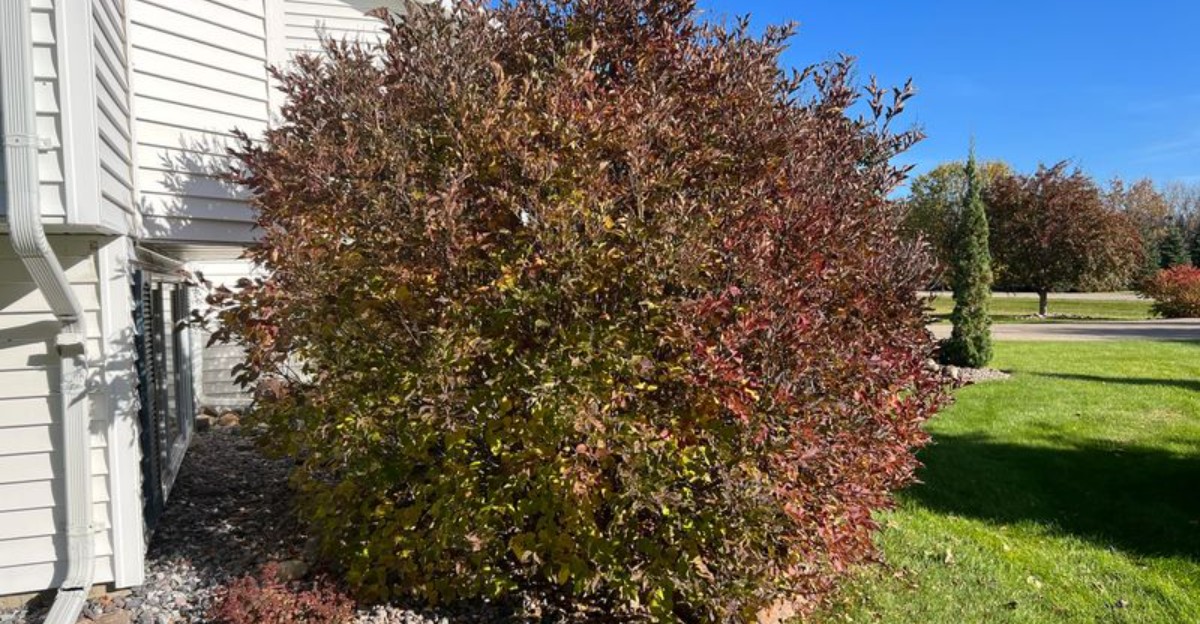
That burst of purple blooms your lilac puts on each spring starts with the care you give it in fall. By late September, the shrub is slowing down and preparing for winter, making this a good time to give it a quick check.
You do not need a complicated routine. A little cleanup, a look at the branches, a soil check, and knowing when to leave the pruners alone can all help your lilac head into winter in good shape.
New York’s damp autumns and winter freeze-thaw cycles can add extra stress, so a little attention now can go a long way. Take an afternoon to handle these simple tasks before September ends, and your lilac will be better prepared for the season ahead.
1. Remove Suckers Growing Around The Base Of Your Lilac
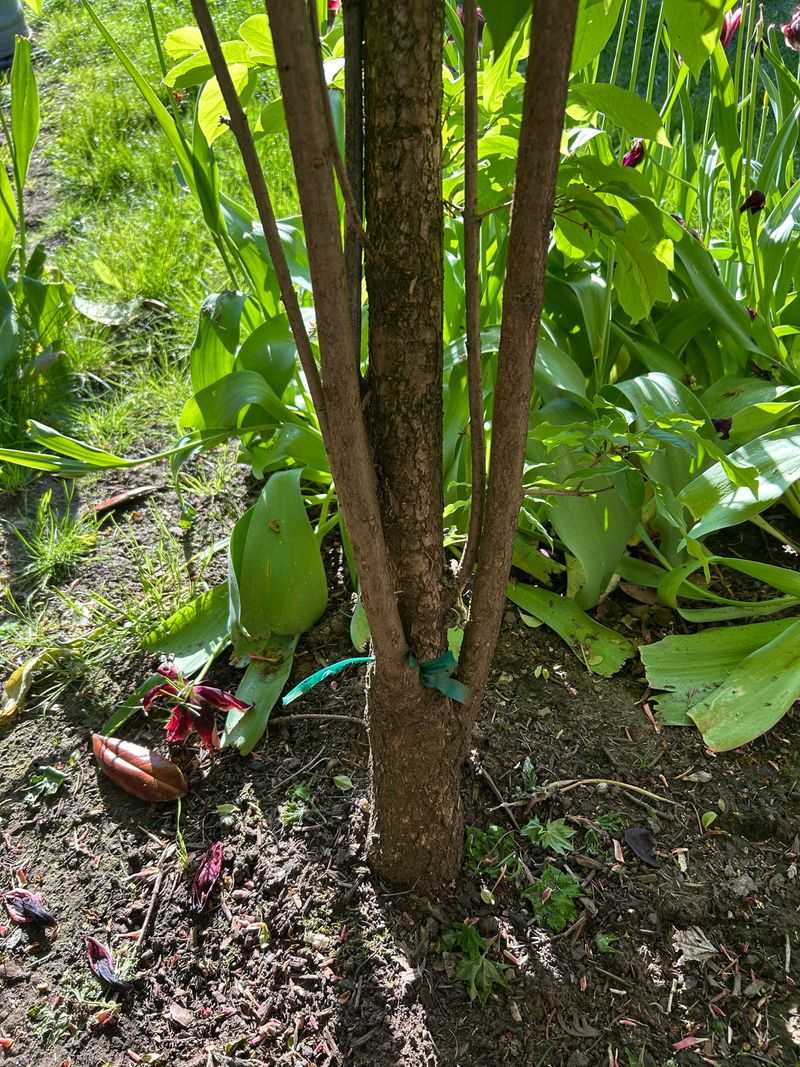
Those skinny little shoots crowding the bottom of your lilac are not free bonus plants. Suckers sip up water and nutrients that the main shrub would rather keep for itself.
Left alone, they turn a tidy shrub into a messy thicket. Many spread sideways into lawns, walkways, and flower beds where nobody invited them.
Grafted lilacs deserve extra attention here. Shoots rising from the rootstock can outgrow and overwhelm the fancy cultivar you actually paid for.
Start by scraping back the soil at the base so you can see exactly where each sucker begins. Cutting blindly at ground level just encourages the shoot to return thicker next season.
Once you spot the origin point, snip as close to the root as you can manage. Clean, sharp tools make a smoother wound and lower the odds of trouble later.
Stubborn clumps that keep coming back year after year may need more help. Persistent suckers may require repeated removal, and herbicides should be used cautiously because products applied to suckers can potentially damage the parent plant.
Apply carefully and only to the sucker foliage, keeping drift away from the shrub you want to keep. Read the label twice, because a careless spray day can undo a decade of growth.
Plenty of homeowners knock this job out in twenty minutes with a bucket and hand pruners. The base looks cleaner, mowing gets easier, and your lilac funnels more energy into next spring’s flower buds.
2. Check Your Lilac For Signs Of Disease Before Winter
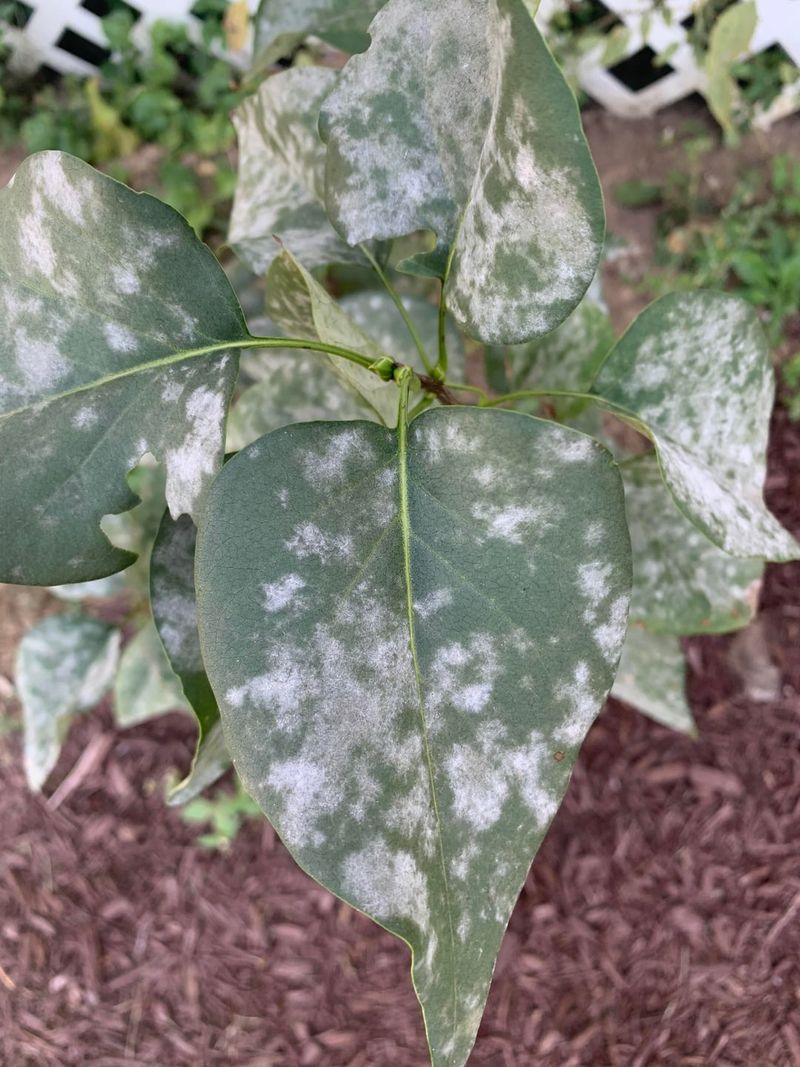
Late summer is when lilac leaves start telling stories. Whitish-gray dust across the foliage points to powdery mildew, easily the most common complaint in gardens.
Mildew is mostly a looks problem in a single season. Repeat visits over several years, though, can slowly wear a shrub down.
Leaf roll necrosis shows up differently, with margins browning and curling inward. Ascochyta blight makes new growth wilt and brown while older leaves develop tan spots.
Fungal leaf blight leaves brown spots that lead to curling and early leaf drop. None of those are cause for panic, but all are worth writing down so you can watch them next year.
Two troubles do deserve a closer look. Bacterial blight brings wilted foliage and blackened flower buds, while Verticillium wilt causes branches to wilt suddenly.
Your New York Garden Changes Every Week. Your Plan Should Too.
Gardening in New York changes quickly throughout the season. Every Friday you’ll receive a simple weekly plan showing exactly what to plant, prune, fertilize, harvest, and protect so you never miss the right timing.
To check for Verticillium, peel back a sliver of bark on a suspect branch. Brown or greenish streaks in the wood can be a warning sign, but laboratory testing is needed to confirm Verticillium wilt.
Prune out clearly troubled branches and get them off your property rather than into the compost pile. Wipe your blades between cuts so you are not carrying spores from limb to limb.
Raking and destroying fallen leaves matters just as much as cutting. Removing fallen leaves can reduce overwintering sources for some leaf diseases, while soil-borne problems such as Verticillium wilt require different management.
Gardeners find that ten minutes of branch inspection each September saves guesswork in June.
3. Clear Fallen Leaves And Debris From Beneath The Shrub
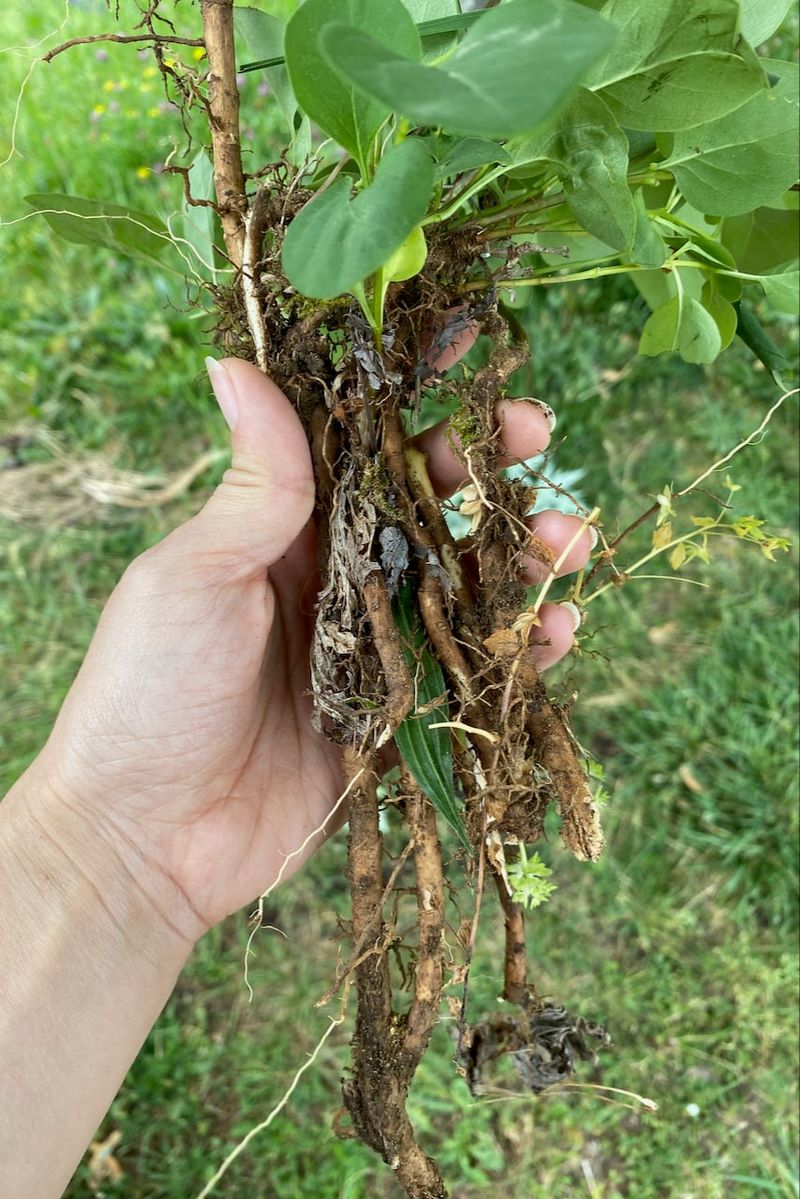
Raking under a lilac feels like the least glamorous chore on the list. It also happens to be one of the most effective things you can do all fall.
That mat of old leaves is prime real estate for pests and fungi. Lilac leaf miners tuck in for the winter there, and mildew and leaf blight spores ride out the cold in the same spot.
Gardeners call the practice good sanitation, which is a fancy way of saying clean up after your plants. Remove the problem now and it cannot wake up with the spring thaw.
Go beyond leaves while you are down there. Broken branches, dropped flower clusters, and random plant litter all give insects places to hide and lay eggs.
Use a light hand with the rake so you do not scratch up shallow roots. A leaf blower on low or even a gloved hand works fine under smaller shrubs.
Skip the compost bin for this batch of material. Bag it with your yard waste or burn it where local rules allow, since backyard compost piles rarely get hot enough to handle fungal spores.
Thorough fall cleanup is common enough that landscaping crews in New York’s Finger Lakes region sell it as a standalone service. Doing it yourself costs one afternoon and a couple of paper bags.
Your lilac will not send a thank-you note, but next summer’s leaves will look noticeably cleaner.
4. Check Soil Moisture Before The Ground Cools
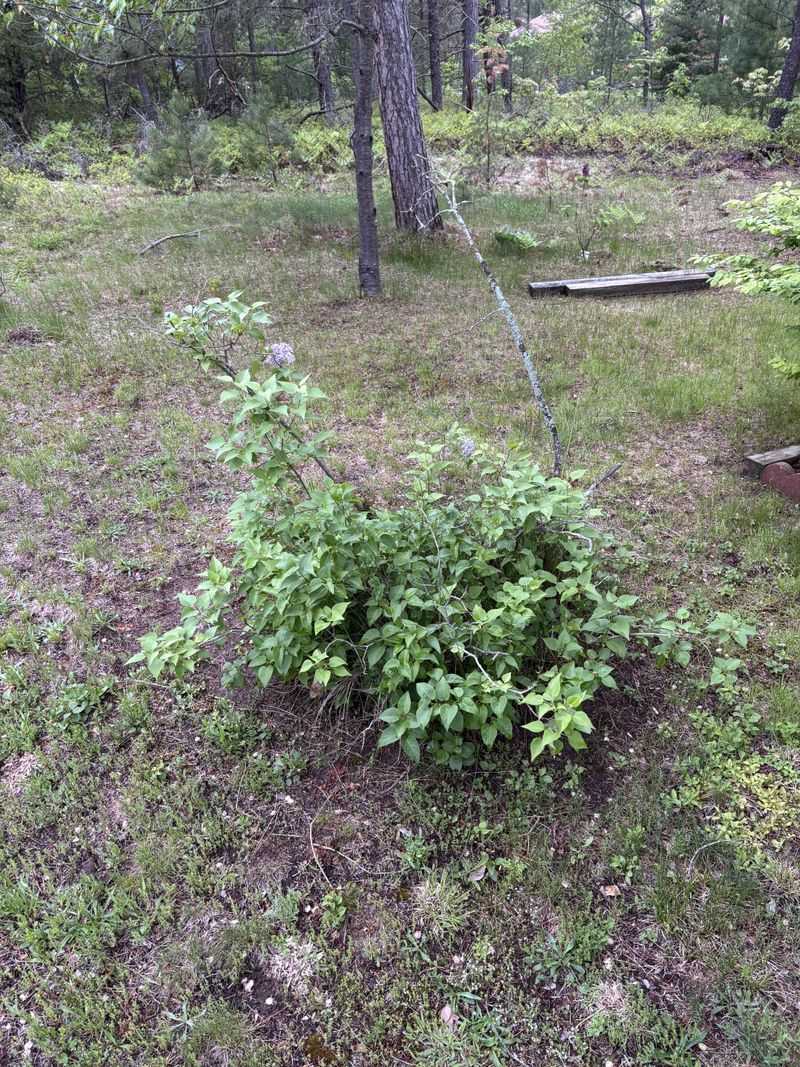
Lilacs have opinions about water. They enjoy steady moisture and strongly object to sitting in soggy ground, which can damage roots and send a healthy shrub into decline.
Drainage matters more than volume. A yard with heavy clay can hold water long after the sprinkler shuts off, so knowing your soil is half the battle.
The easiest test costs nothing. Push a finger a few inches into the soil near the root zone and see whether it comes out cool and slightly damp or dry and crumbly.
Your shrub will drop hints too. Leaves that lose their shine, brown lightly at the edges, or hang limp during a dry stretch are asking for a drink.
September in many parts of New York arrives with less rain than people expect. A slow soak at the base, letting the hose trickle for twenty minutes, beats a quick spray across the leaves.
Water deeply and less often so moisture reaches down where the roots live. Shallow sprinkling trains roots to stay near the surface, right where winter cold hits hardest.
Young lilacs planted within the last year or two need the most attention, since their root systems are still small. Mature shrubs handle dry spells with more patience.
Once you have moisture right, a layer of mulch helps hold it in place and cuts down on how often you drag the hose out.
5. Refresh The Mulch Around The Lilac’s Root Zone
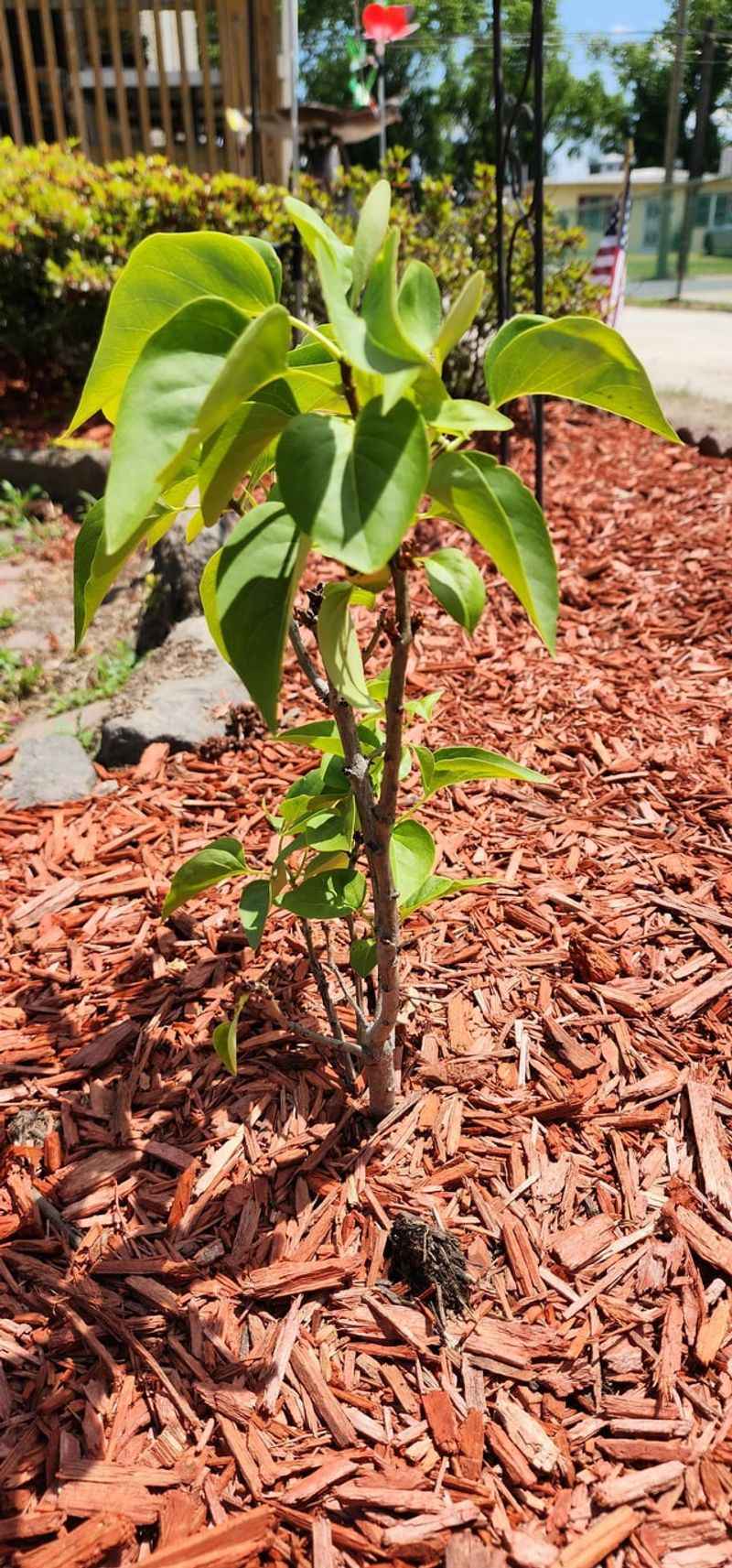
Mulch is the closest thing your lilac has to a winter coat. A fresh layer insulates the soil and buffers roots against the freeze-and-thaw swings that define a New York winter.
Those swings cause what gardeners call winter heave, where soil lifts and pushes delicate roots up into the open air. Exposed roots get cold, dry out, and struggle come spring.
Organic mulches do the job best. Hardwood, shredded bark, compost, and wood chips all hold moisture, keep weeds down, and slowly feed the soil as they break down.
Aim for a layer roughly three to five inches deep across the root zone. Spread it wide rather than tall, following the reach of the branches overhead.
Leave a clear ring around the stems, anywhere from one to six inches of open space. Mulch piled against the trunk traps moisture and invites stem rot along with hungry rodents.
Timing surprises a lot of people. In Central New York, late October through mid-November is the sweet spot, once the ground has begun to cool off on its own.
Mulching too early can hold summer warmth in the soil and delay dormancy, which is the opposite of helpful. Use late September to shop for material and clear the area instead.
Pull back last year’s matted mulch before adding new material so the layer does not grow into a thick crust. Fluff, refresh, and leave the stems breathing room.
6. Skip Fall Fertilizer As Your Lilac Enters Dormancy
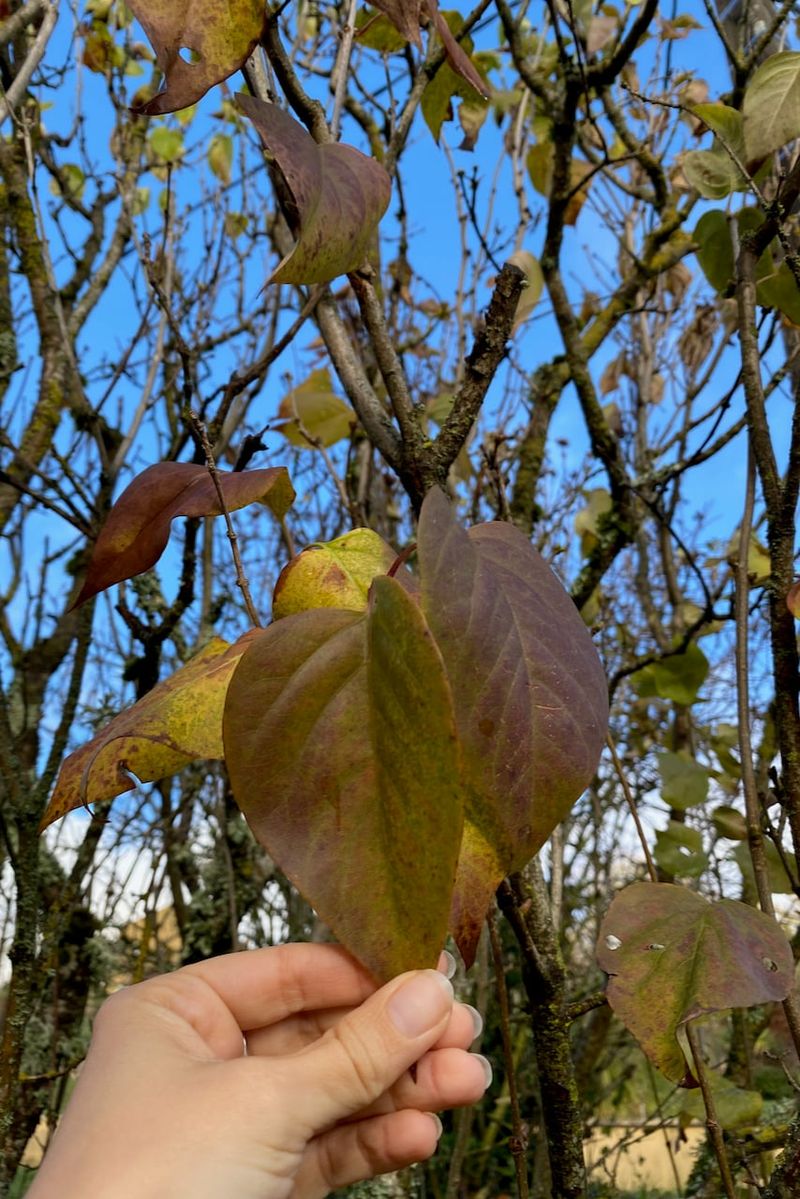
Here is the rare garden task that asks you to do nothing at all. Fertilizer in fall is a habit worth breaking for lilacs.
Feeding now pushes out soft, tender growth at exactly the wrong moment. That new wood has no time to harden off before the first hard frost rolls through.
Unhardened shoots take cold damage easily. Damaged tissue then becomes an open door for insects and disease the following season.
Lilacs are genuinely low-maintenance shrubs and rarely need much feeding in the first place. Many thrive for decades on nothing but decent soil and yearly leaf litter.
Overdoing it backfires in a way that stings. Heavy nitrogen produces a lush green bush with barely a flower on it, which defeats the whole point of growing lilac.
If your shrub truly looks hungry, note it and wait. Early spring, just before new growth starts, is the right window for a balanced blend like 5-10-5 or 10-10-10.
A soil test through your local cooperative extension office can tell you whether feeding is even necessary. Plenty of soils already carry what lilacs want, especially near limestone-rich areas that keep pH on the sweet side.
Compost is the one exception worth considering, spread thin as a soil conditioner rather than a growth booster. It improves structure without shouting at the plant to grow.
Put the fertilizer bag back on the shelf and pour yourself some cider instead.
7. Leave Major Pruning Until After Spring Flowering
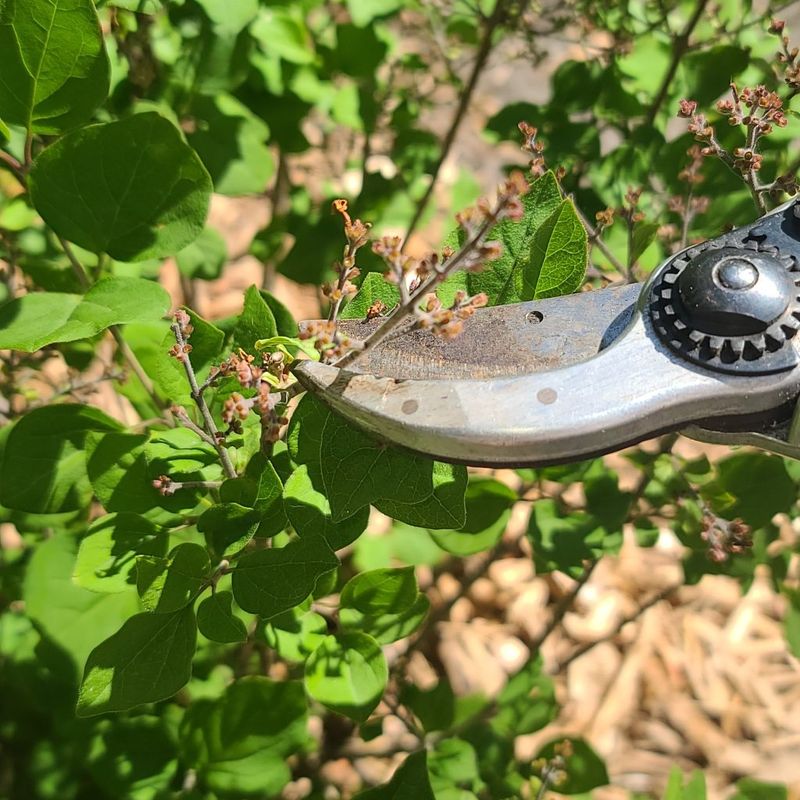
September makes everyone itchy to start cutting. With lilacs, that urge can cost you an entire spring show.
Flowers form on old wood, which means next year’s buds are already sitting on branches that grew this season. Cut those branches now and the blooms go with them.
The right moment for real pruning comes right after the flowers fade in late spring or early summer. Work then and the shrub has all season to build fresh buds.
Pruning in fall, winter, or early spring removes developing buds before they ever open. That is why so many folks complain about a lilac that has stopped flowering.
One exception applies for homeowners anywhere in New York. Branches that are clearly broken, diseased, or no longer living can come out any time, since leaving them helps nobody.
Cleaning up spent blooms is also fair game if you never got around to it earlier. Snipping off spent flower clusters lets the plant redirect energy toward bud development rather than seed production.
Resist the temptation to shape or shorten the shrub for tidiness right now. Tie back a wayward branch with soft twine if it is blocking a walkway, then handle it properly in June.
Renewal pruning, where you take out a third of the oldest stems, also belongs on the post-bloom calendar. Mark it down now while you are thinking about it.
Patience is the whole trick with lilac pruning.
8. Inspect The Shrub For Pests Before Cold Weather Arrives
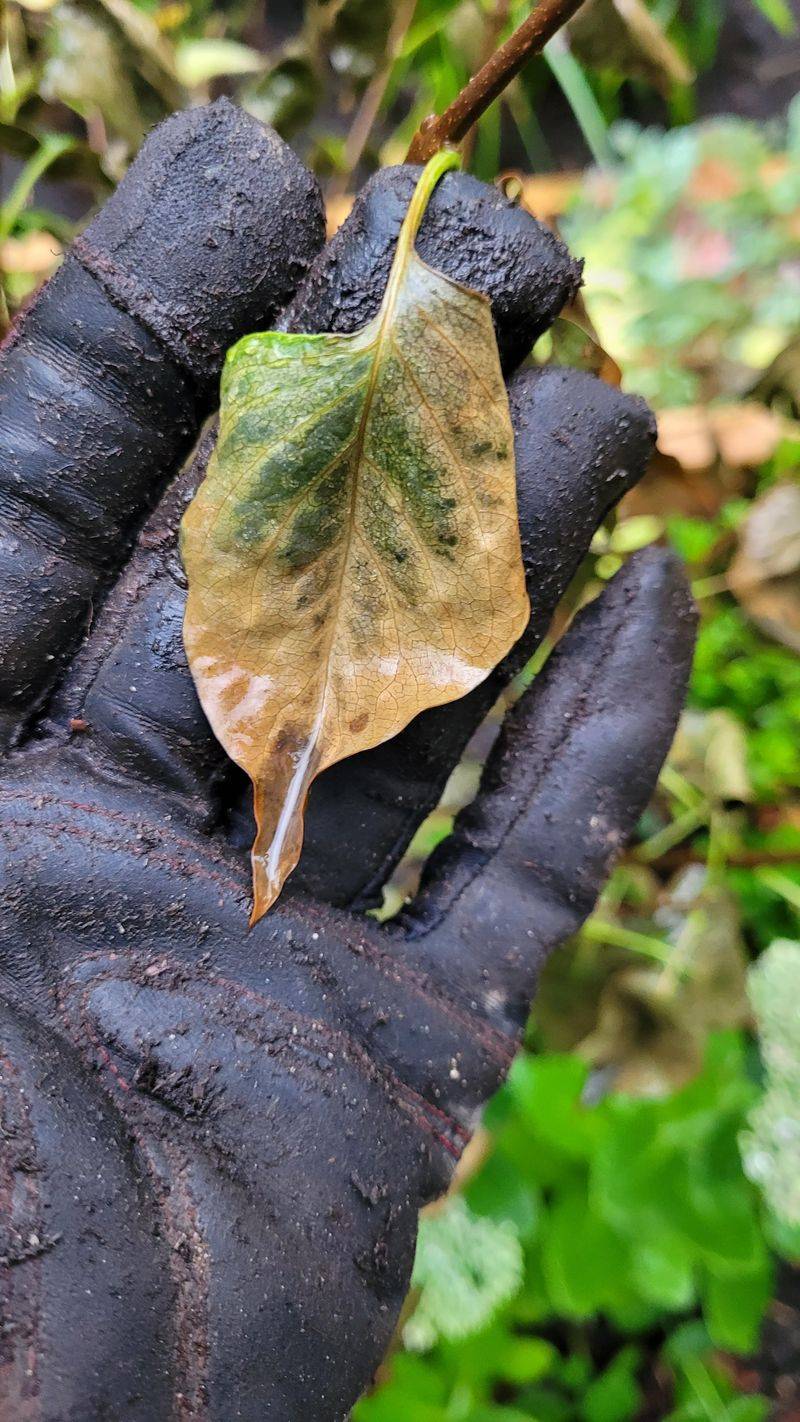
Lilacs handle pests better than most shrubs in the yard. A quick walk-around before the cold sets in still pays off, and it takes maybe five minutes.
Three troublemakers show up most often: stem borers, scale insects, and leaf miners. Each leaves a different calling card once you know what to look for.
Borers drill small round holes in stems and branches, sometimes with sawdust-like material below. A vigorous, well-watered shrub is your strongest defense, since stressed wood attracts them first.
Scale insects look like tiny brown or gray bumps stuck along the stems. Small outbreaks usually clear up if you prune out the affected branches and dispose of them away from the garden.
Leaf miners lay eggs on the foliage, and their larvae tunnel between the leaf layers leaving pale blotchy trails. Raking and destroying fallen leaves knocks their overwintering numbers way down.
Caterpillars chew ragged holes and can simply be picked off by hand. Horticultural oil, applied per label directions, helps discourage several of these visitors.
While you are inspecting, glance at the stems near the soil line for rodent chewing. Voles get busy under snow cover, and a small hardware cloth collar solves the problem cheaply.
Keep debris cleared from around the base so insects have fewer places to tuck eggs away. Clean ground and a healthy shrub handle most pest pressure on their own.
Note what you find so next September you know your shrub’s history.