How To Refresh Tired Michigan Raised Bed Soil After A Long Summer
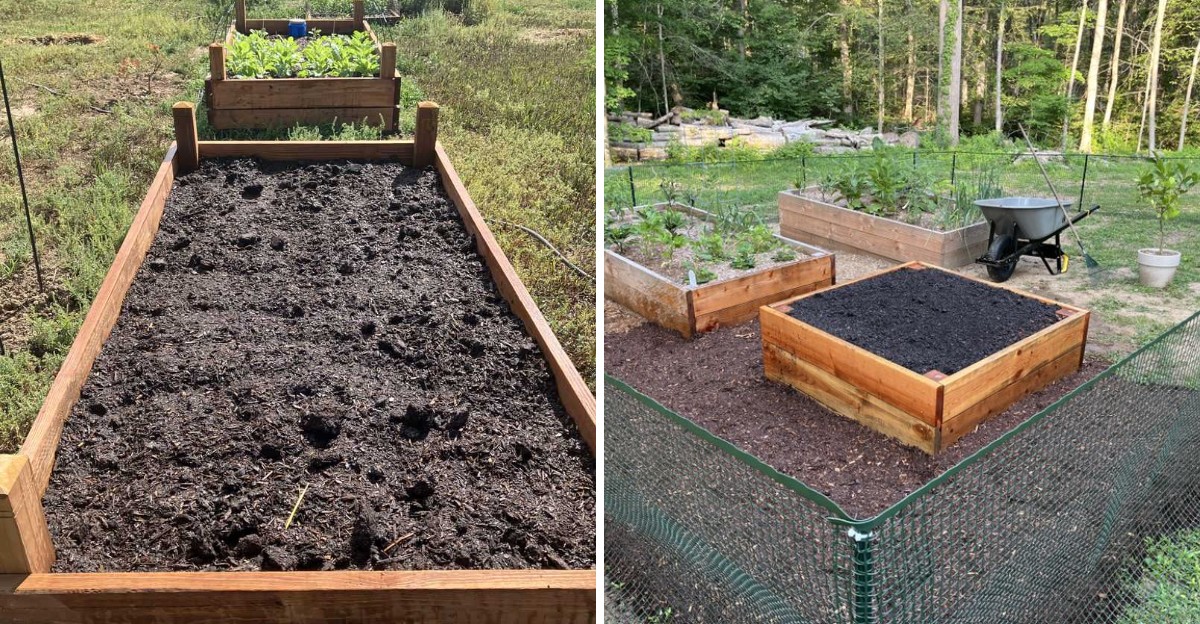
By late September, that raised bed that pumped out tomatoes and beans all summer looks defeated, sunk in on itself like it just gave up.
The surface has sunk a few inches. The soil crusts over after every rain. What is left feels packed tight and gray instead of crumbly and dark the way it started back in May.
Heavy producing vegetables pull a lot of nutrients and organic matter out of a small box of soil over one growing season.
Michigan’s freeze and thaw winters can leave that soil even more compacted by spring, making next year’s planting that much harder from the start.
Most gardeners assume the fix means dumping everything out and starting fresh, hauling in a whole new load of soil.
The good news is that refreshing a bed does not require that at all, just a handful of simple fall steps that Michigan State University Extension has recommended for years.
1. Work In Fresh Compost Before Frost
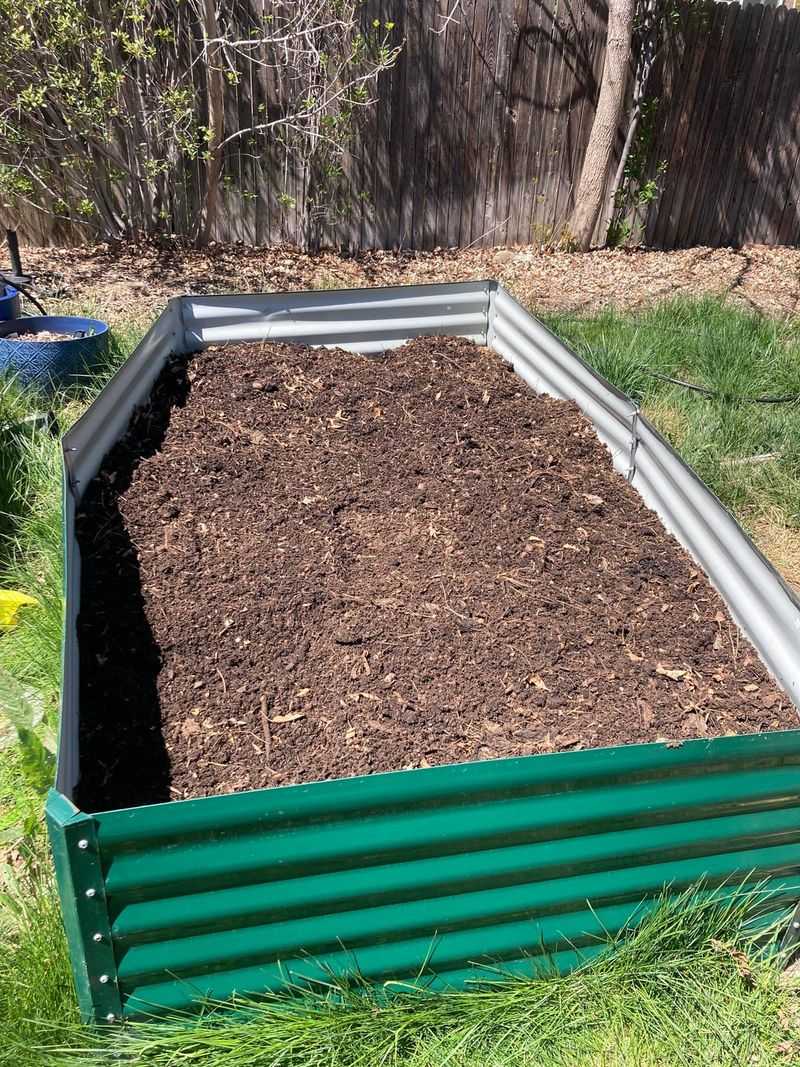
Compost is the single biggest favor you can do for a raised bed that spent all summer feeding your family through the growing season.
Vegetables like corn, squash, and tomatoes are heavy feeders, and every harvest carries nutrients and organic matter out of the box for good.
Aim to add one to three inches of finished compost across the whole bed sometime between late September and early November, while the soil is still workable.
MSU Extension guidance consistently points to compost as the main way gardeners rebuild organic matter and improve both drainage and moisture holding in raised beds.
Timing matters in Michigan because ground that freezes hard in December is nearly impossible to amend properly once winter really sets in.
Getting compost down before the first hard frost gives soil microbes several weeks of above freezing temperatures to begin breaking it into stable humus.
Use compost that looks and smells like dark forest floor. Half finished material with recognizable food scraps can attract pests and temporarily tie up nitrogen as it finishes decomposing.
Mix it lightly into the top few inches with a garden fork rather than turning the whole bed over completely. Winter freezing and thawing will pull the rest downward on their own schedule.
2. Test Soil Before Adding Anything Else
Here is the mistake plenty of well meaning gardeners make. They pile on fertilizer, lime, and bagged amendments every fall without ever checking what the soil actually needs first.
That guessing game can push nutrients out of balance and waste money at the same time it fails to solve the real problem.
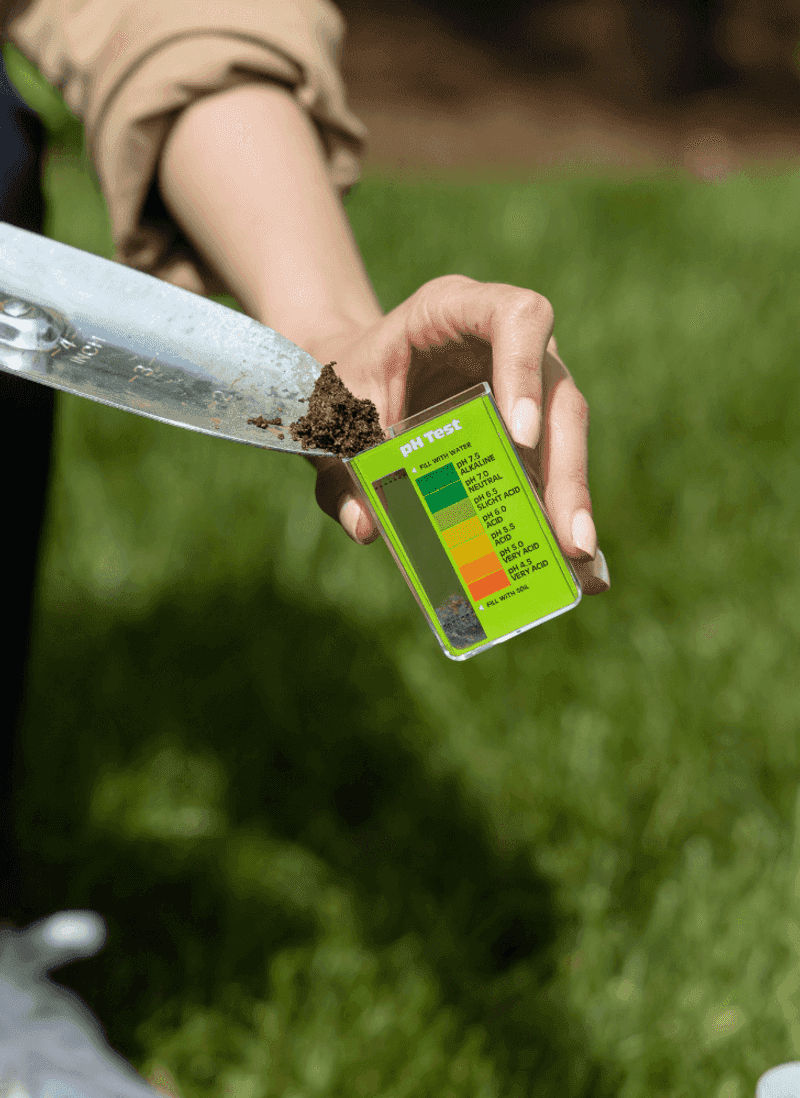
MSU Extension runs a Soil Test Kit program built for home gardeners, and fall happens to be a great time to use it before winter locks everything down.
You collect a few small scoops from different spots in the bed, mix them in a clean bucket, and send in the combined sample for testing.
The report comes back with your pH plus phosphorus, potassium, calcium, and magnesium levels, along with recommendations tailored to vegetables specifically.
Your Michigan Garden Changes Every Week. Your Plan Should Too.
Gardening in Michigan changes quickly throughout the season. Every Friday you’ll receive a simple weekly plan showing exactly what to plant, prune, fertilize, harvest, and protect so you never miss the right timing.
Most Michigan vegetable crops prefer a pH somewhere around 6.0 to 7.0, and raised beds filled with peat based mixes can drift lower than that over time.
Fall testing gives amendments time to actually work before spring planting begins. Lime, for example, reacts slowly with soil and needs months of moisture and temperature cycles before it meaningfully shifts pH.
Testing every two or three years is usually plenty for a home bed unless you are troubleshooting a specific problem that keeps showing up.
3. A Fall Cover Crop Rebuilds Structure
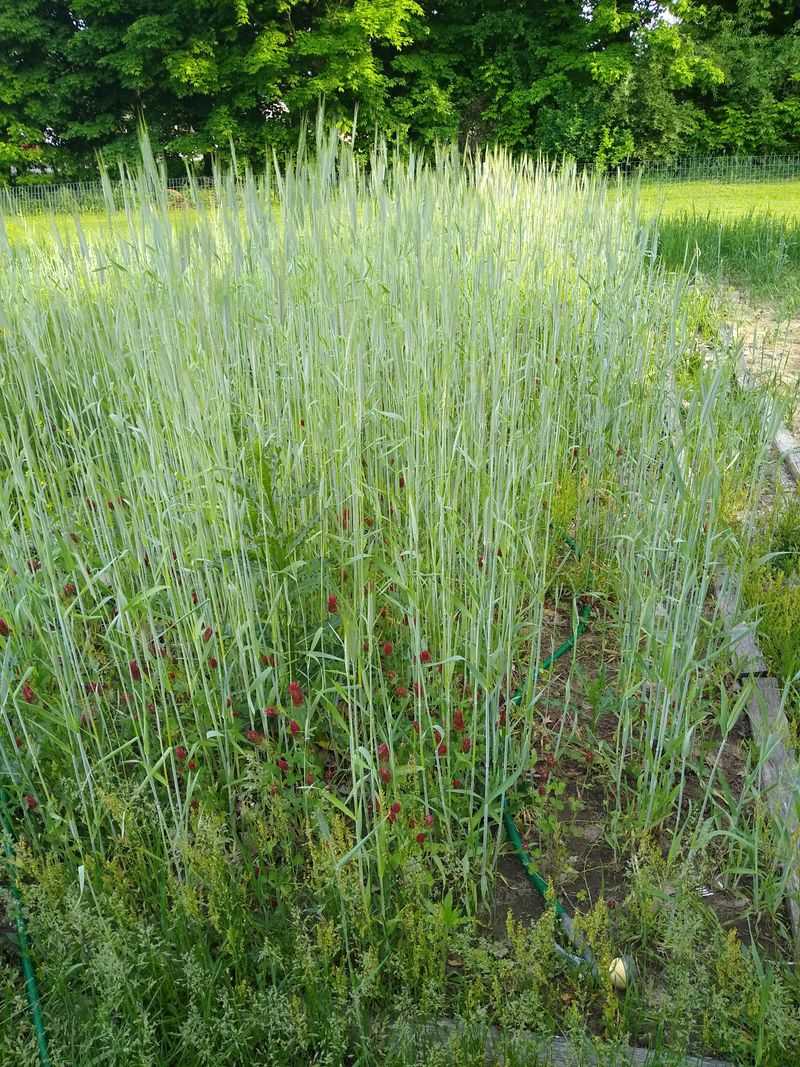
Living roots do work no shovel can match. Cover crops send fine threads through packed soil, feed microbes with sugars, and hold everything in place while your beds rest for the winter ahead.
Cereal rye is the workhorse for Michigan gardeners because it germinates in cool soil and keeps growing later into the fall than almost anything else available.
Oats and field peas are another popular pairing, and they usually succumb to winter cold, which leaves a soft mat that is easy to handle in spring.
Get seed down in September or early October so plants have time to establish before hard freezes arrive across the state.
MSU Extension notes that seeding windows shrink as you move north in the state, so gardeners in the Upper Peninsula should plant earlier than those near Monroe.
Broadcast the seed over raked soil, rake again lightly to cover it, then water well right after seeding.
Come spring, cut the top growth down before it sets seed and either leave it on the surface as mulch or chop it in shallowly.
A bonus worth mentioning here. Cover crops suppress winter weeds and reduce the crusting you get from bare soil pounded by rain and snowmelt all winter long.
4. Avoid Tilling More Than Necessary
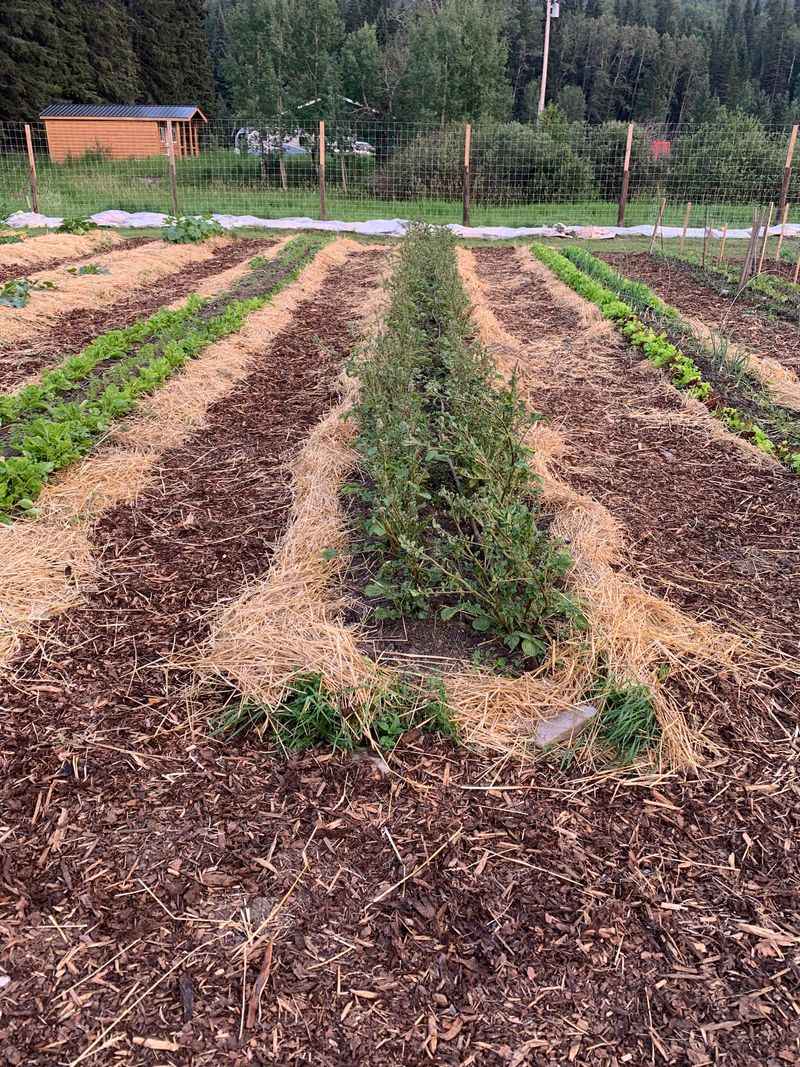
Soil is not just dirt, it is a structure worth respecting. Tiny crumbs called aggregates, glued together by fungal threads and microbial residues, create the pore spaces that hold air and water.
Running a tiller or turning a bed over with a spade shatters those crumbs completely. The result looks fluffy for a week and then settles into something denser than it was before.
Extension soil specialists have pushed home gardeners toward reduced disturbance for good reason worth understanding. Fungal networks, earthworm burrows, and the channels left by old roots all move water downward far better than any machine.
Raised beds have an advantage here because nobody walks on them the way they might a garden path. Without foot traffic, the main causes of compaction are rain impact on bare soil and natural settling.
When soil truly feels tight, loosen it with a garden fork pushed straight down and rocked gently instead of turning it over. You crack the soil open without flipping or blending the layers together.
Skip working the bed entirely when it is wet outside. Squeeze a handful into a ball, and if it smears instead of crumbling, walk away for a few days.
5. Top Dress Instead Of Digging Deep
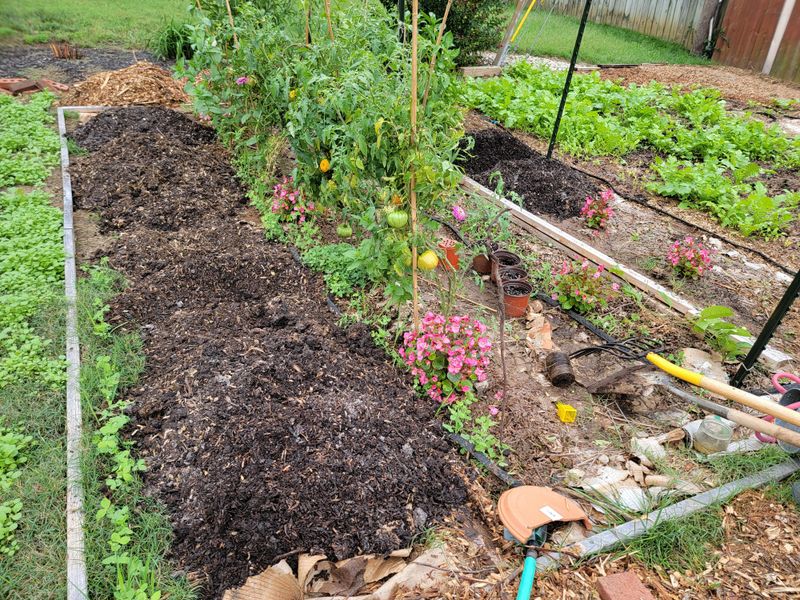
Nature never digs. Leaves fall, they rot on the surface, and worms and microbes carry the goodness downward year after year without anyone lifting a spade at all.
Top dressing copies that pattern closely. You simply spread compost, aged manure, or a quality bagged garden mix across the top of the bed and rake it level.
An inch or two each fall is generally enough for a bed that has been producing vegetables all summer. Thicker layers are fine when a bed has sunk badly.
Earthworms are the delivery system that does the real work here. They pull organic matter into their burrows, and their castings help rebuild the crumbly texture that makes planting easy.
Shredded leaves are a free Michigan resource worth using for this exact purpose. Run the mower over a pile, spread them on the bed, and they will break down through the winter.
One practical tip worth remembering. Top dress after you pull spent plants but before you seed a cover crop, so the seed lands in fresh material rather than old, tired soil.
6. Replace Depleted Areas With New Mix
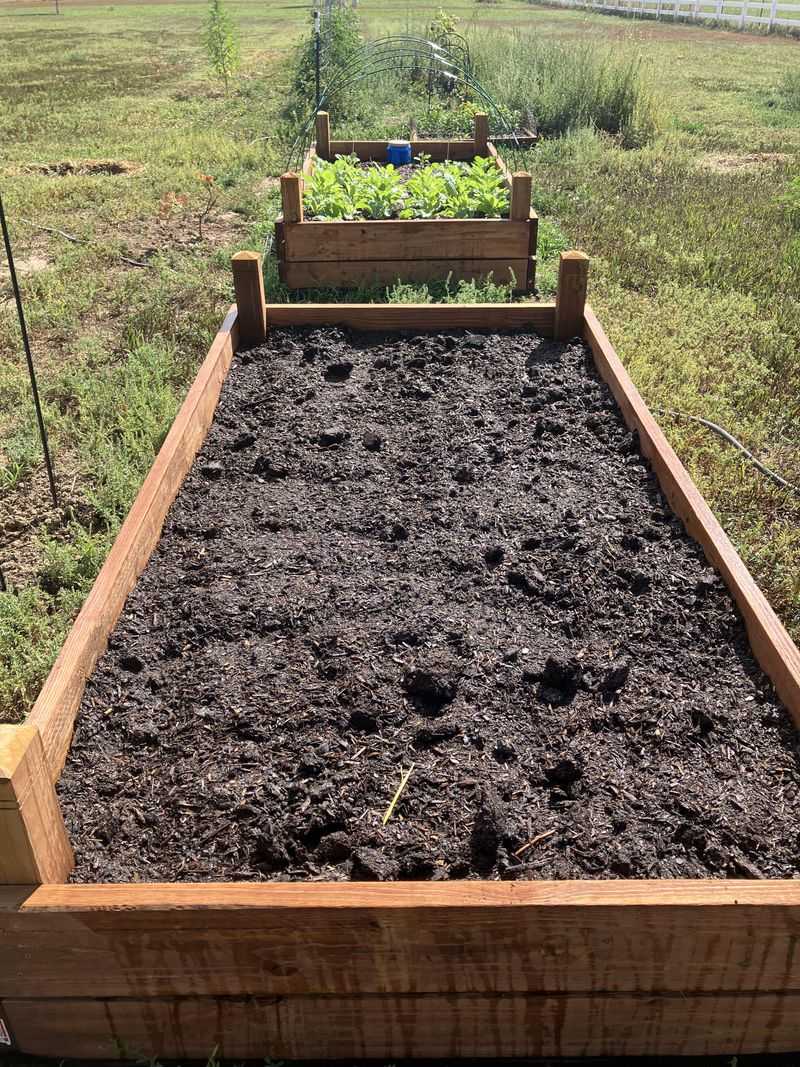
Not every square foot of a bed wears out at the same rate through a growing season. The corner where squash sprawled for three summers might be pale and dusty while the far end still crumbles beautifully.
Spot repair makes more sense than a full teardown in most cases. Scoop out the worst pockets six to eight inches deep, then refill with a blend of finished compost and a bagged raised bed mix.
Blend the new material into the edges of the hole so you do not create a hard boundary between old and new soil. Sharp transitions can slow root growth and cause water to move oddly.
Watch for the real warning signs of a depleted pocket. Soil that repels water at first contact, stays gray and lifeless looking, or has become mostly coarse peat fibers with nothing holding them together.
Emptying and refilling an entire bed is rarely necessary and usually counterproductive besides. You throw away years of accumulated biology and organic matter that took seasons to build up.
Where a bed has sunk several inches overall, topping it back up with new mix is simply maintenance, not a rescue operation requiring drastic measures.
7. Mulch To Protect Soil Through Winter
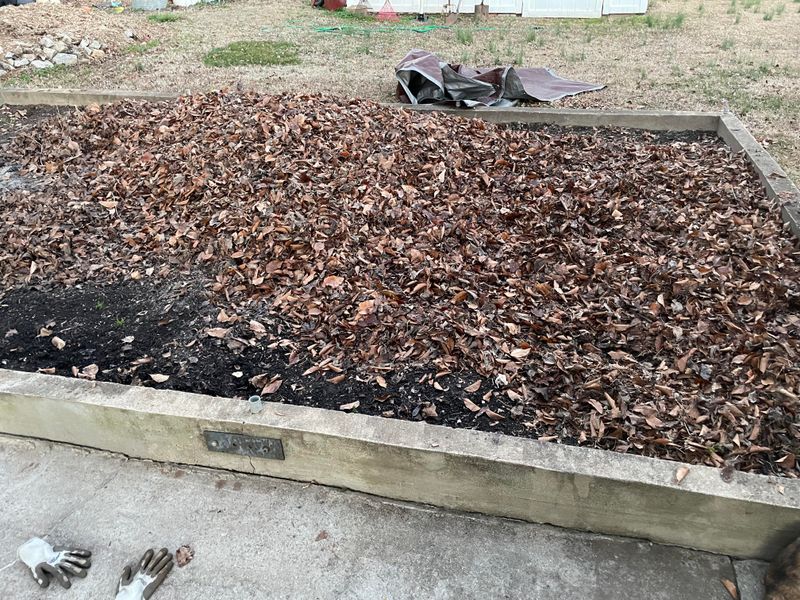
Bare soil takes a beating from November through March in Michigan, exposed to whatever the season throws at it. Rain compacts the surface, repeated freezing and thawing heaves it around, and snowmelt carries fine particles away.
A mulch blanket softens all of that damage considerably. Three to four inches of shredded leaves, straw, or chopped garden residue buffers temperature swings and keeps the surface open.
Shredded leaves are the easiest choice for most Michigan gardeners since they are free and abundant in October when trees drop everything at once.
Whole leaves tend to mat into a soggy layer that sheds water, so shredding them first makes a real difference in how well they perform over winter.
Straw works well too, though check that it is straw rather than hay, which carries a load of weed seed you do not want in your beds.
Hold off on mulching until after you have added compost or seeded a cover crop, and skip mulch over a growing cover crop since it needs sunlight to grow properly.
In spring, rake the mulch aside a couple weeks before planting so the soil can warm, then tuck it back around your transplants once things heat up again.
8. Check Bed Corners And Frame Condition While You Work
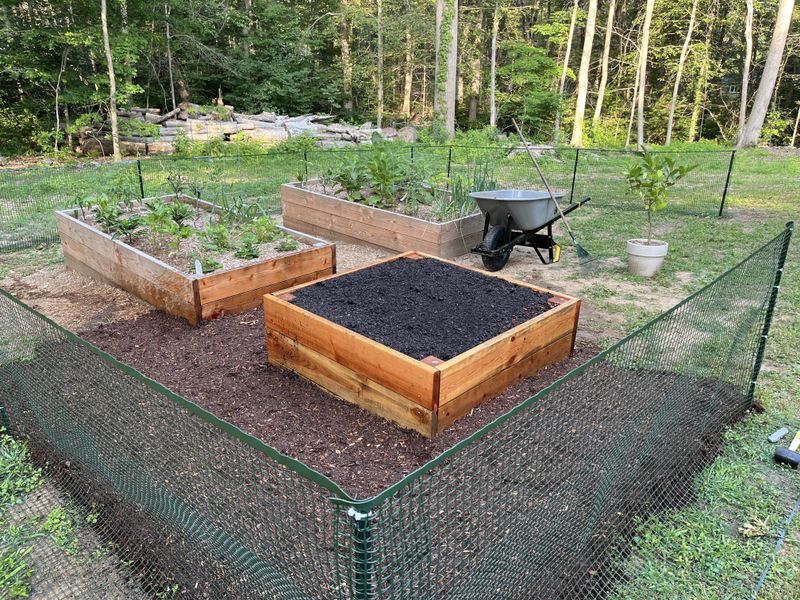
Fall soil work gives you a natural excuse to look past the dirt itself and check the actual structure holding it in place, something most gardeners skip until a real problem shows up.
Wood-framed raised beds shift and settle over a season of watering, freezing, and general wear, and loose corner brackets or bowing boards often go unnoticed until soil starts spilling out through a widening gap.
Press firmly against each side of the bed and watch for flex or movement that was not there in spring. A little give is normal in cedar or pine, but noticeable wobble usually means a bracket or screw needs attention before winter loads the frame with frozen, heavy soil.
Check for rot at the corners and along the bottom edge where wood sits closest to damp soil, since that contact point tends to fail years before the rest of the frame shows any wear at all.
Metal or composite beds have their own quirks worth checking too. Look for rust spots forming at seams, and confirm that any bolted joints have not loosened from a summer of heat expansion and contraction.
Fixing a minor issue now, tightening a bracket or swapping one rotted board, takes far less effort than rebuilding a collapsed corner in April when soil is already spilling into the pathway.
This small inspection pairs naturally with everything else on this list, since you are already out at the bed working soil and can spend an extra five minutes checking the frame before moving on to the next task.
A bed that stays structurally sound for another decade is worth more than any single amendment, since none of the soil improvements above matter much if the frame itself is failing underneath everything you have built up.
9. Note What Struggled This Season Before You Forget
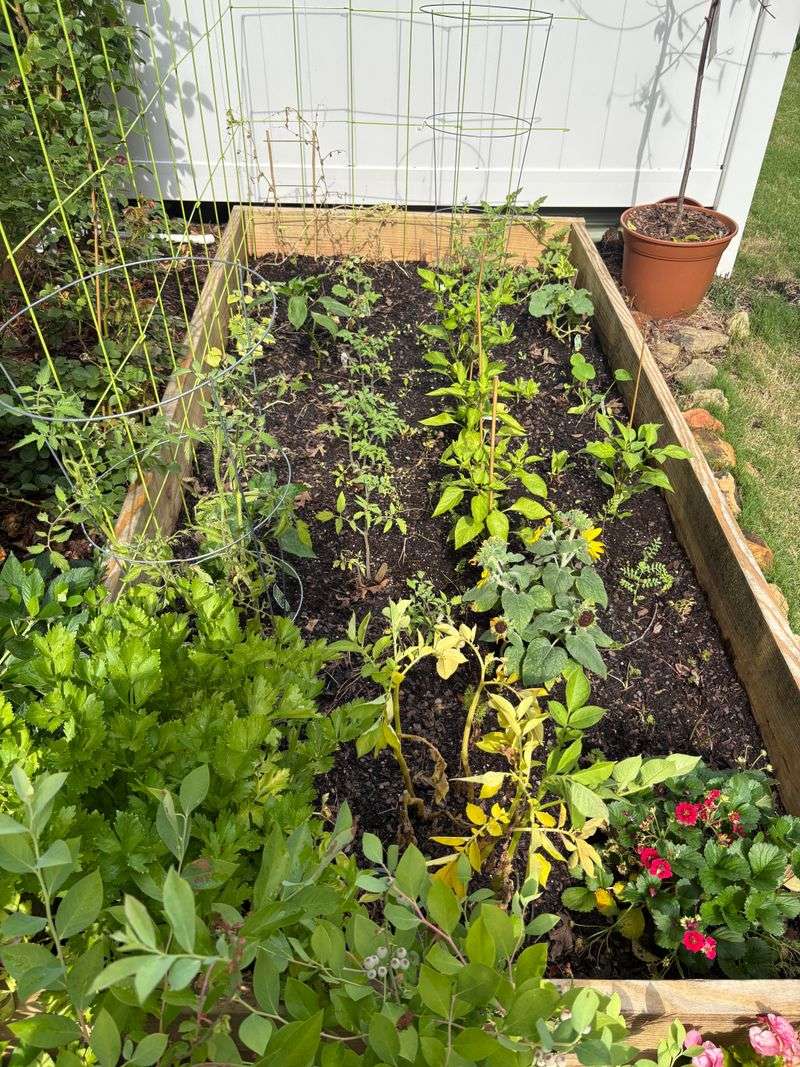
By late September, the details of a disappointing tomato harvest or a squash bed that never quite took off have already started fading from memory, replaced by whatever is next on the fall to-do list.
Jotting down a few honest notes while the season is still fresh in mind gives next year’s planning something real to work from, rather than relying on a vague sense that something felt off.
Note which sections of the bed produced poorly, whether certain plants showed yellowing or stunted growth in specific spots, and any patterns you noticed with watering, drainage, or pest pressure throughout the summer months.
Cross-reference those notes with the soil test results if you had one done, since a weak corner that struggled all summer often lines up directly with the same spot testing low in a specific nutrient or showing an off pH reading.
Photos help just as much as written notes here. A quick picture of a struggling plant next to a healthy one in the same bed captures details that are easy to forget by the time spring planting rolls around again.
This record becomes especially useful when deciding where to focus spot repairs, extra compost, or a cover crop planting, turning general fall maintenance into something targeted at the specific problems your bed actually had.
Keeping this habit going year after year builds a real picture of how a bed changes over time, which spots consistently underperform, and whether past fixes actually worked or just masked the problem temporarily.
Five minutes with a notebook or a phone camera in September saves considerable guesswork next June, when the same soggy corner or pale patch of plants would otherwise feel like a brand new mystery all over again.