Rat Repelling Herbs Michigan Gardeners Plant Before Fall Rodent Season
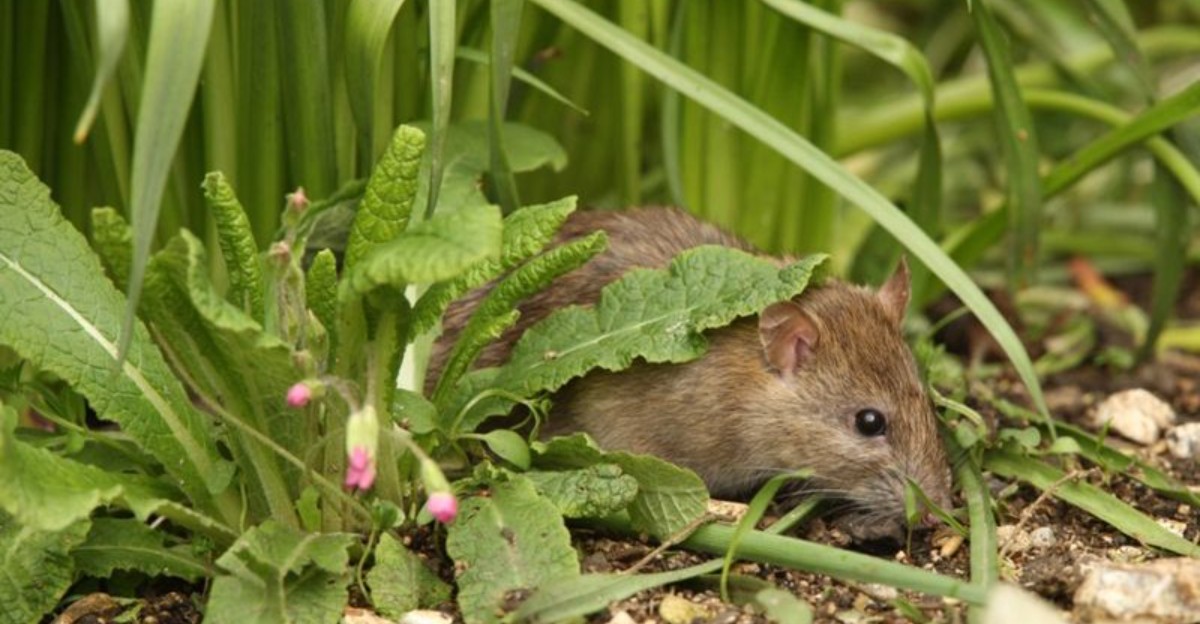
As temperatures start dropping in Michigan, rats and other rodents begin searching more aggressively for warm shelter and reliable food sources, making early fall an important time to think about natural deterrents.
Certain herbs have strong scents that may discourage some rodents from lingering, but they work best as a small addition to proven prevention methods.
While these herbs won’t guarantee complete rodent exclusion on their own, they add a meaningful layer of protection when combined with other prevention steps like securing food sources and sealing up entry points.
Getting these herbs in the ground now gives them time to establish before rodent activity typically ramps up. A well-placed herb planting can offer both a natural deterrent and a useful addition to the kitchen.
1. Peppermint Brings A Strong Aroma

Take one sniff of fresh peppermint and you understand right away why gardeners love it. The scent is sharp, cool, and impossible to ignore.
Some folks believe that same powerful smell may make certain corners of a yard feel less welcoming to rodents looking for a quiet place to settle.
The oils inside peppermint leaves give off that bold minty punch. When you brush against the plant or crush a leaf, the aroma fills the air. Around doorways, sheds, or garden edges, a patch of peppermint can add a fragrant layer that some pests would rather skip.
Still, honesty matters here. Peppermint is not a magic fix, and rats are clever, hungry creatures. If food and shelter are easy to find, a nice smell alone will not send them packing.
Think of peppermint as a helpful bonus rather than a solution. It looks pretty, smells amazing, and makes wonderful tea, so you gain plenty even if the rodents ignore it. Michigan’s climate suits mint well, and it grows fast once the roots take hold.
Plant it where you will actually enjoy the scent, like near a patio or path. Keep it trimmed so it stays healthy and bushy through the cooler months. Pair your peppermint with real prevention steps, and you get the best of both worlds.
A fragrant garden feels lovely to you while you handle the practical work that truly keeps rodents at a distance during fall.
2. Rosemary Adds Another Strong-Smelling Herb
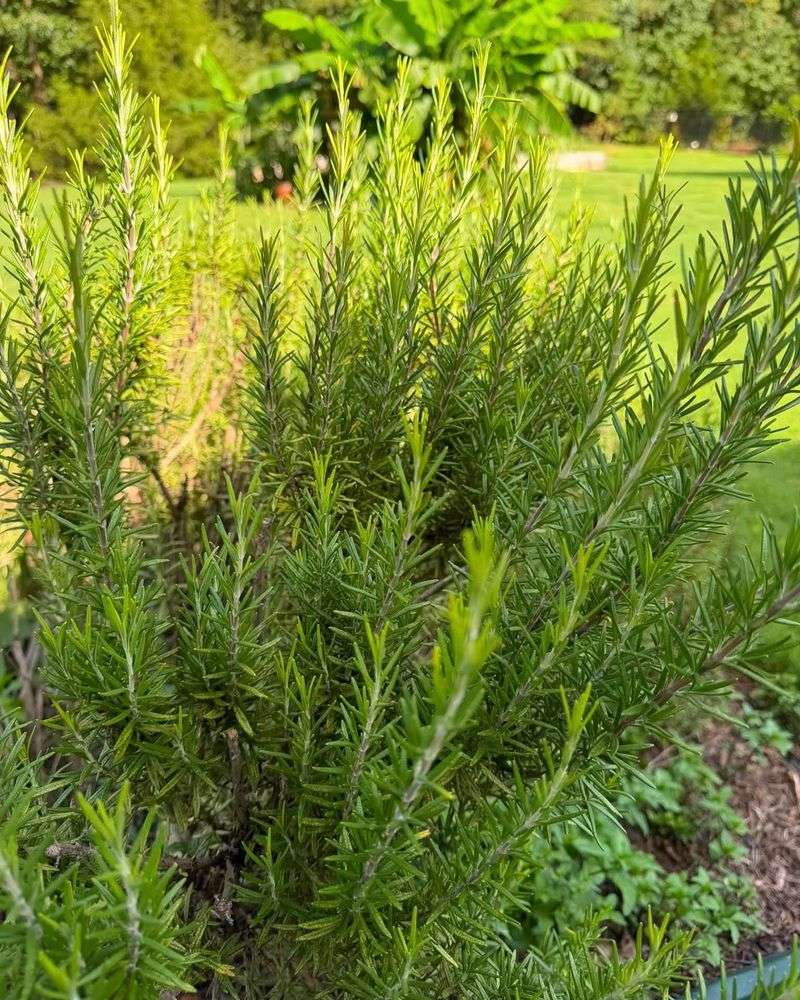
Rosemary carries a piney, woodsy fragrance that feels like a walk through the forest. Run your fingers along its needle-shaped leaves and that scent lingers on your skin.
Because the aroma is so bold, some gardeners tuck rosemary into spots where they hope pests will keep their distance.
This herb loves sunshine and does well in pots or garden beds across Michigan. In colder months you may want to bring container plants indoors, since rosemary does not always survive harsh winters outside.
That flexibility makes it handy for gardeners who like to move plants around. The strong smell comes from natural oils packed into the foliage.
When wind moves through the branches or you snip a sprig for cooking, the fragrance spreads. That aromatic cloud may help make a spot feel a little less inviting to curious rodents.
Your Michigan Garden Changes Every Week. Your Plan Should Too.
Gardening in Michigan changes quickly throughout the season. Every Friday you’ll receive a simple weekly plan showing exactly what to plant, prune, fertilize, harvest, and protect so you never miss the right timing.
Do not lean on rosemary as your only line of defense, though. Rats respond far more to easy meals and safe hiding places than to any single scent. A rosemary plant near your garden works better as one small piece of a larger plan.
The upside is huge for your kitchen. Fresh rosemary makes roasted vegetables, breads, and soups taste incredible, so the plant earns its keep no matter what. Its evergreen look also brings texture to garden corners that might otherwise seem bare in fall.
Plant rosemary where it gets plenty of light, water it when the soil dries, and enjoy both the flavor and the pleasant fragrance it adds to your outdoor space.
3. Sage Can Add An Aromatic Barrier
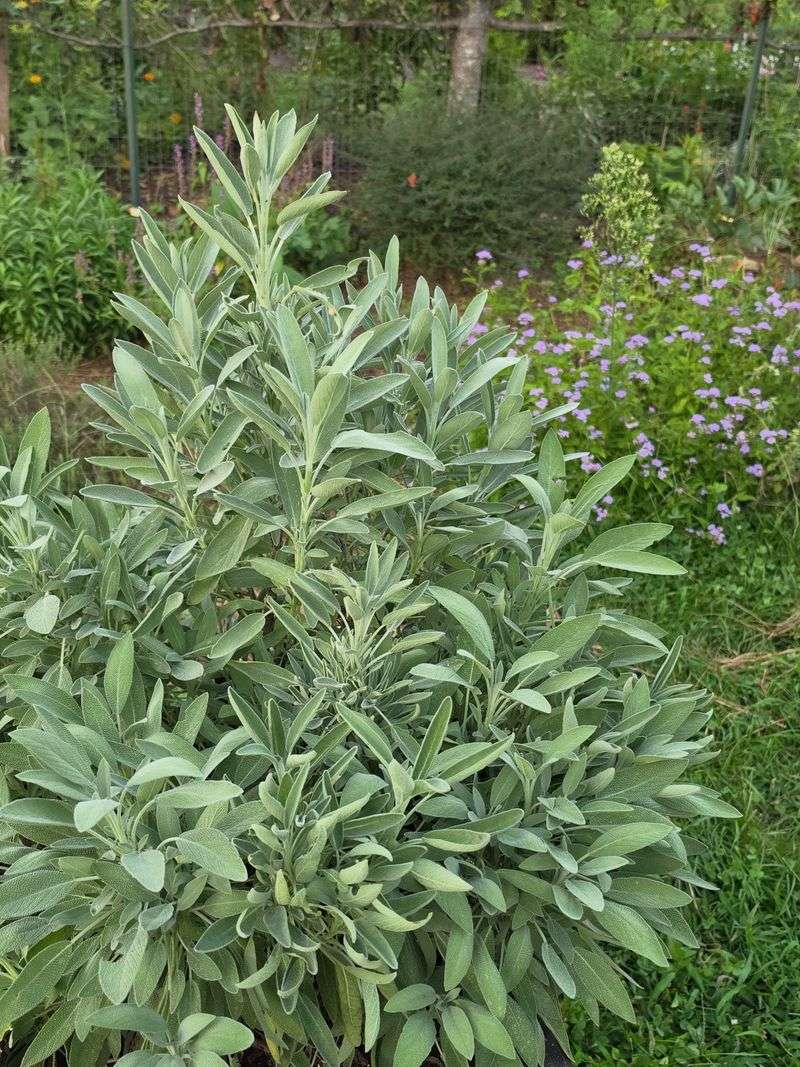
Sage has a warm, earthy smell that many people connect with holiday cooking and cozy kitchens. Its soft, gray-green leaves feel almost fuzzy to the touch.
That rich fragrance is exactly why some gardeners slip sage into their herb beds as an extra aromatic layer.
Growing sage in Michigan is fairly simple once you give it a sunny, well-drained spot. The plant handles dry soil better than many herbs, so it forgives busy gardeners who sometimes forget to water.
As it grows bushy, its scent becomes more noticeable in the surrounding area. The strong fragrance may help make a corner of your yard feel less appealing to rodents on the hunt for shelter.
Wind carries the smell, and brushing past the leaves releases even more. That said, sage should be seen as a helper, not a hero.
No single plant can chase off determined rats when tasty scraps and warm hiding spots are nearby. Sage adds fragrance and beauty, but the real work of prevention happens through cleanup and sealing gaps around your home.
Where sage truly shines is in the kitchen. Toss a few leaves into stuffing, pasta, or roasted meats and dinner suddenly smells amazing. The plant also attracts helpful pollinators when it blooms, giving your garden even more life.
Plant sage alongside your other herbs, trim it now and then to keep it full, and think of it as a fragrant companion in your fall garden plan. Combined with smart habits, it becomes one useful piece of a rodent-aware yard.
4. Thyme Works Well Around Garden Edges
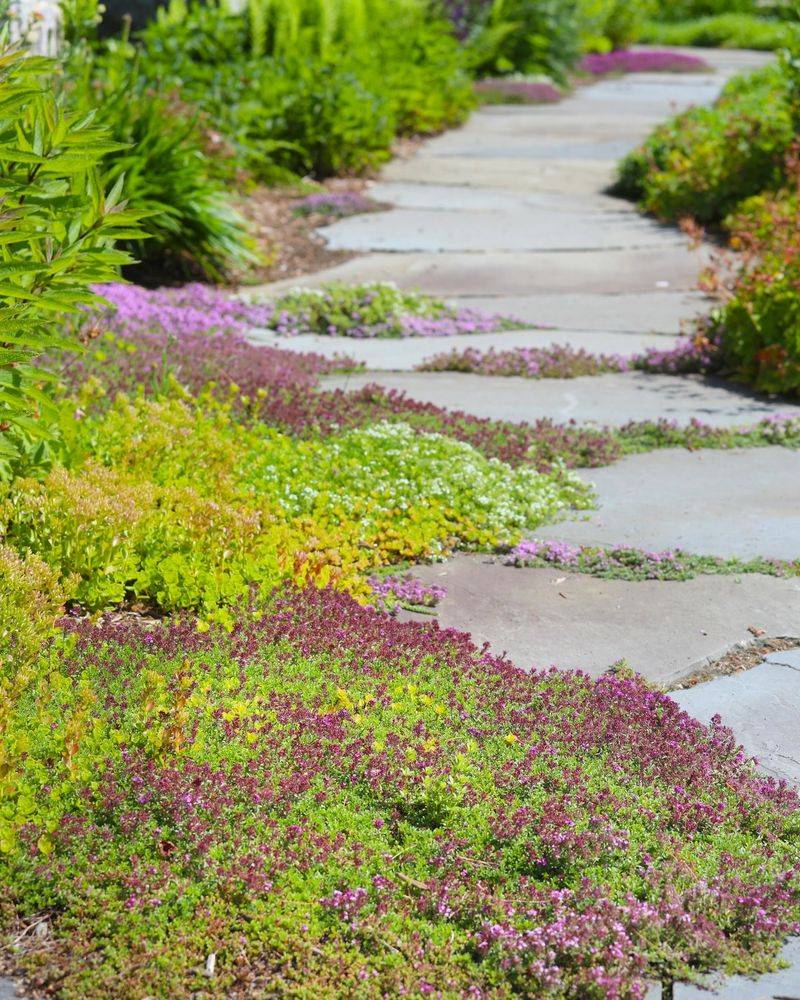
Low and spreading, thyme hugs the ground like a fragrant little carpet. Step near it and a gentle, herby scent rises up to greet you. Because it grows so nicely along borders, thyme has become a favorite for edging garden beds and walkways.
Michigan gardeners appreciate how tough thyme can be. It tolerates dry spells, poor soil, and plenty of sun without much fuss. Planting it along pathways or the outer rim of a bed creates a neat, aromatic border that looks polished and cared for.
Here is where thyme offers a surprising benefit beyond scent. Keeping garden edges clean and well managed matters more for rodent prevention than fragrance alone.
Overgrown, messy borders give rats places to hide, while tidy edges leave them exposed and uncomfortable.
When you use thyme to define your borders, you naturally keep those areas trimmed and open. That habit removes the cluttered cover rodents crave.
So the plant helps you in two ways, adding a pleasant smell while encouraging cleaner, more visible garden lines.
Do not expect the scent by itself to solve a rodent problem. Think of thyme as part of good garden housekeeping instead. A neat, cared-for space simply feels less inviting to pests looking for a hidden nest.
Thyme also earns love in the kitchen, flavoring soups, roasted potatoes, and countless recipes. Plant it along your paths, keep those edges trimmed and clear, and you gain flavor, beauty, and a tidier yard as the fall season rolls in.
5. Oregano Adds Strong-Scented Foliage
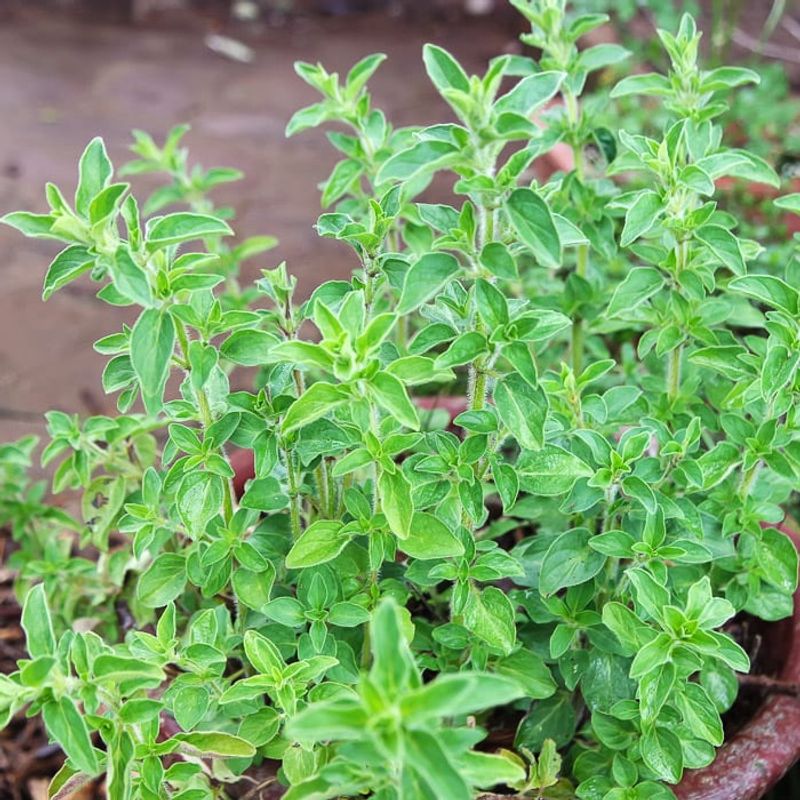
Pizza lovers already know oregano’s bold, spicy aroma by heart. That same punchy scent makes it a fun herb to grow in a pest-conscious garden.
Its leaves release a strong fragrance whenever you touch or harvest them, filling the air with a warm, savory smell.
Oregano grows quickly and spreads across a bed once it settles in. Michigan gardeners find it easygoing, since it handles heat, sun, and dry soil with little complaint. A healthy patch produces mounds of scented foliage all season long.
The heavy fragrance may add another aromatic layer that some pests would rather avoid. But scent by itself will not stop a rat from moving into an easy target. The plant works best when you pair it with two powerful tools, sanitation and physical exclusion.
Sanitation means keeping your yard clean, removing scraps, and closing off food sources. Exclusion means blocking gaps and sealing openings so rodents cannot slip inside sheds or homes.
Together these steps do the heavy lifting, while herbs like oregano simply support the effort. Think of it this way. A fragrant garden feels nice, but a clean, well-sealed one is what truly discourages rodents from settling in for fall.
Oregano fits neatly into that plan while rewarding you with endless flavor. Snip fresh sprigs for sauces, pizza, and grilled dishes throughout the season.
Plant oregano in a sunny spot, let it grow full, and enjoy both the aroma and the taste while you handle the practical prevention steps that matter most.
6. Lavender Provides A Strong Fragrance
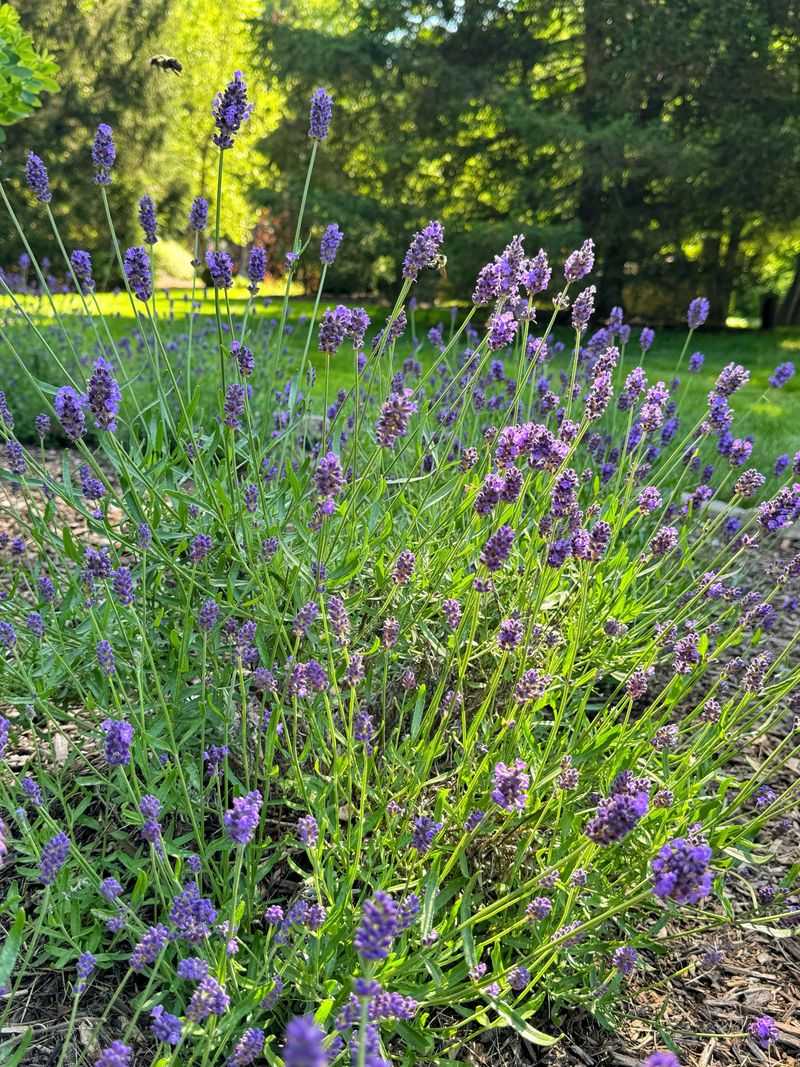
Few plants smell as dreamy as lavender in full bloom. Those purple spikes send out a calming, floral scent that people adore and certain pests seem to dislike.
That contrast makes lavender a charming pick for gardeners who want beauty and a bit of pest awareness rolled together.
In Michigan, lavender enjoys sunny spots with well-drained soil. Give it good drainage and plenty of light, and it rewards you with fragrant blooms and silvery foliage. Even after the flowers fade, the leaves keep their pleasant scent.
The strong fragrance may make an area feel less appealing to some insects and pests wandering through.
Around patios, walkways, or garden borders, a row of lavender adds both color and a soothing aroma. Bees and butterflies love it too, bringing extra life to your yard.
Now for the honest part. Lavender does not guarantee rat control, and no scent alone will send a determined rodent away. If shelter and food remain easy to reach, the pretty smell simply will not be enough.
Treat lavender as a delightful addition rather than a shield. It brightens your space, calms your senses, and supports pollinators, all while adding fragrance to a garden built on smart prevention. Those practical steps still do the real protecting.
You can dry the blooms for sachets, teas, or crafts once they mature. Plant lavender in a sunny, well-drained corner, keep it lightly pruned, and enjoy the color and scent as you prepare your yard for the busy fall rodent season.
7. Mint Needs To Be Contained
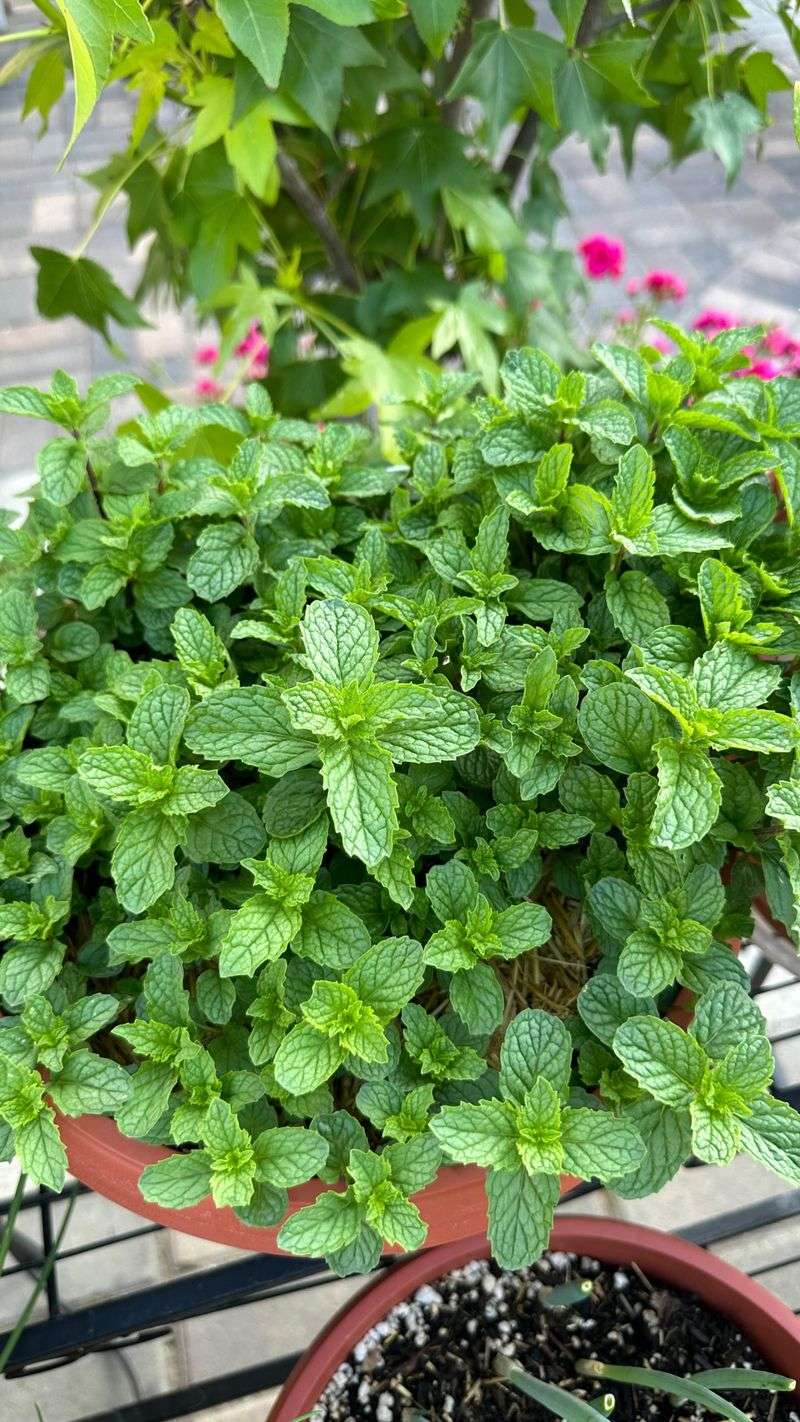
Mint has a reputation that stretches far and wide, and so do its roots. Its cool, refreshing aroma makes it a go-to choice for gardeners who care about pests. That bold scent is easy to love, but the plant comes with a warning worth remembering.
Left alone in open soil, mint spreads fast and takes over everything nearby. What starts as a small, tidy patch can quickly march across an entire bed. In Michigan gardens, this eager growth can crowd out other plants you worked hard to establish.
The smart move is to grow mint in containers or a controlled area. A pot, raised planter, or buried barrier keeps those runners in check while still letting you enjoy the fragrance.
Placing containers near doorways or garden edges gives you the aroma without the takeover.
That strong minty smell may help make certain spots feel less inviting to rodents. Just remember it works as one small helper, not a complete answer. Rats care far more about food and shelter than any pleasant scent.
Growing mint in pots also makes harvesting simple and mess-free. You can move the containers to catch more sun or bring them closer to the kitchen. Fresh mint brightens drinks, desserts, and salads all season long.
Keep your mint contained, water it regularly, and trim it often to stay bushy. Handled this way, mint becomes a fragrant, useful part of your fall garden without turning into an unwelcome guest that overruns the space you love.
8. Herbs Work Best With Real Rodent Prevention
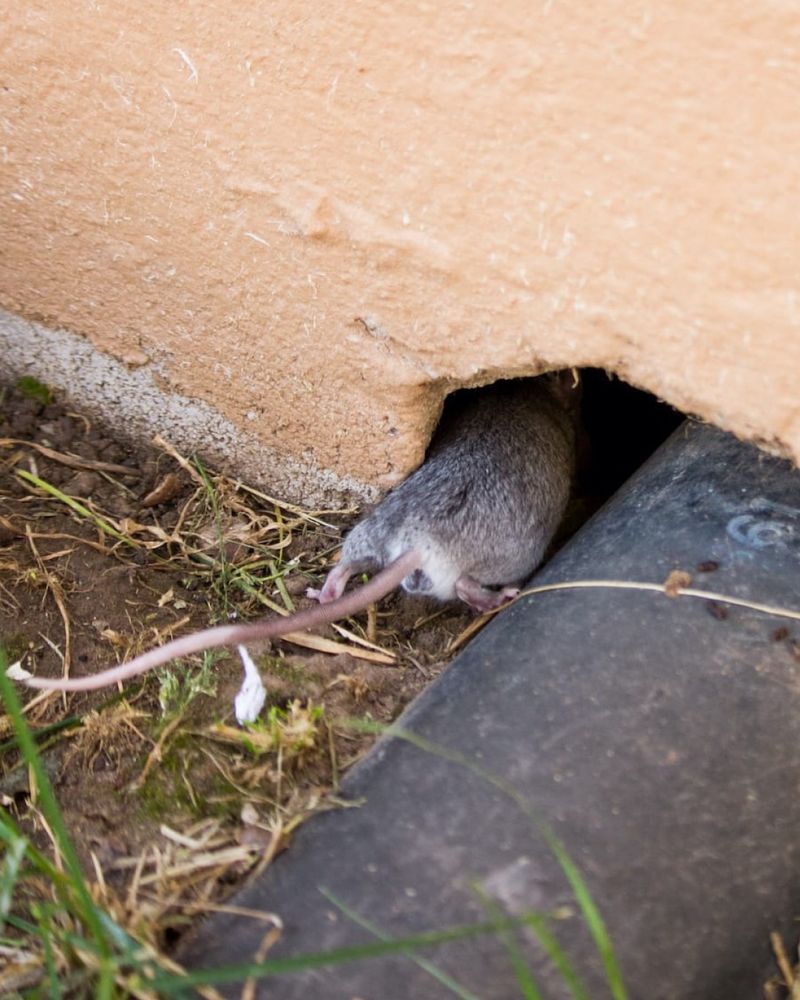
Here is the truth every gardener should hear. Fragrant herbs are lovely, but they cannot handle an established rodent problem on their own. Once rats settle into a yard, a nice smell will not convince them to leave.
What actually works is removing the things rodents want most. Start by securing your garbage in tight, sturdy bins with lids that close firmly. Loose trash is like an open invitation for hungry pests searching for a meal.
Fallen fruit is another big draw. Pick up apples, berries, and other droppings from the ground before they pile up. A clean yard gives rodents far fewer reasons to stick around as fall arrives.
Compost needs attention too. Use an enclosed bin instead of an open heap, and avoid tossing in meat or greasy scraps. A well-managed compost setup feeds your garden without feeding unwanted visitors.
Hiding places matter just as much as food. Clear away brush piles, clutter, tall weeds, and stacked junk where rodents love to nest. Open, tidy spaces leave them exposed and uneasy.
Sealing openings is the final key step. Walk around your home and shed to find gaps, cracks, and holes, then close them up with sturdy materials. Even small openings can let determined pests slip inside.
Do all of this before fall activity picks up, and you build real, dependable protection. Herbs still add beauty, flavor, and fragrance to the picture, but these practical habits are what truly keep your Michigan garden and home safe.