The Most Underrated North Carolina Native Grass That Feeds Birds All Winter
In a Raleigh backyard last February, the coneflowers were mush and the fancy nursery grasses had been chopped to stubs, but one scruffy clump by the fence was shivering with sparrows.
That clump was little bluestem, a North Carolina native grass most people walk right past at the garden center without a second glance.
While the showier plants get all the attention in spring, this quiet bunchgrass keeps working straight through the cold, handing out seed when almost nothing else will.
Most homeowners never even notice it sitting there in a nursery aisle, passed over for something taller and flashier that photographs better on a plant tag.
Here is why it deserves a spot in your yard, and the one fall habit you need to break to make it work.
Meet Little Bluestem, The Overlooked Native
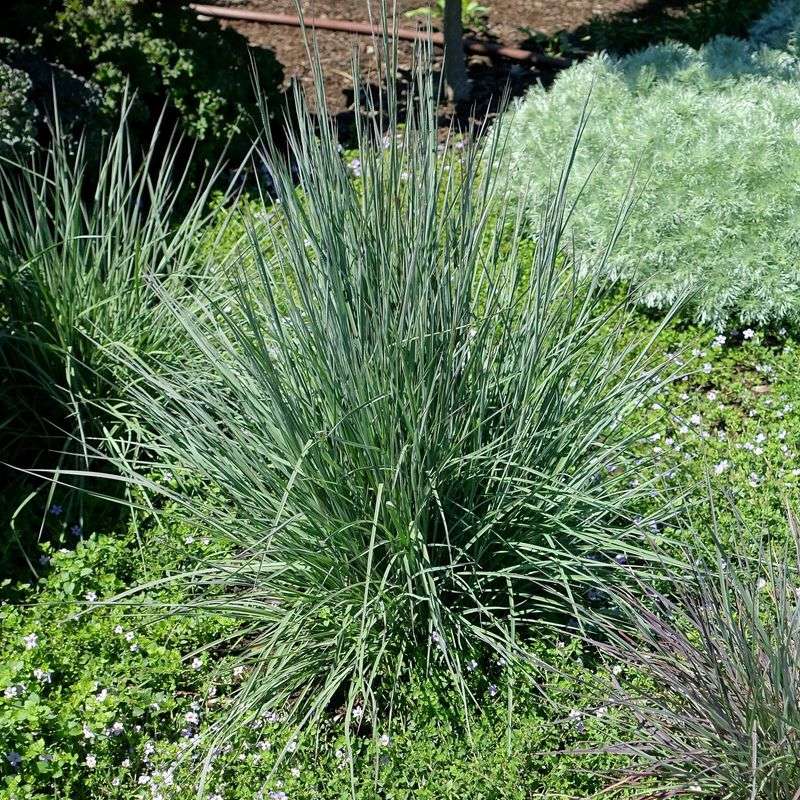
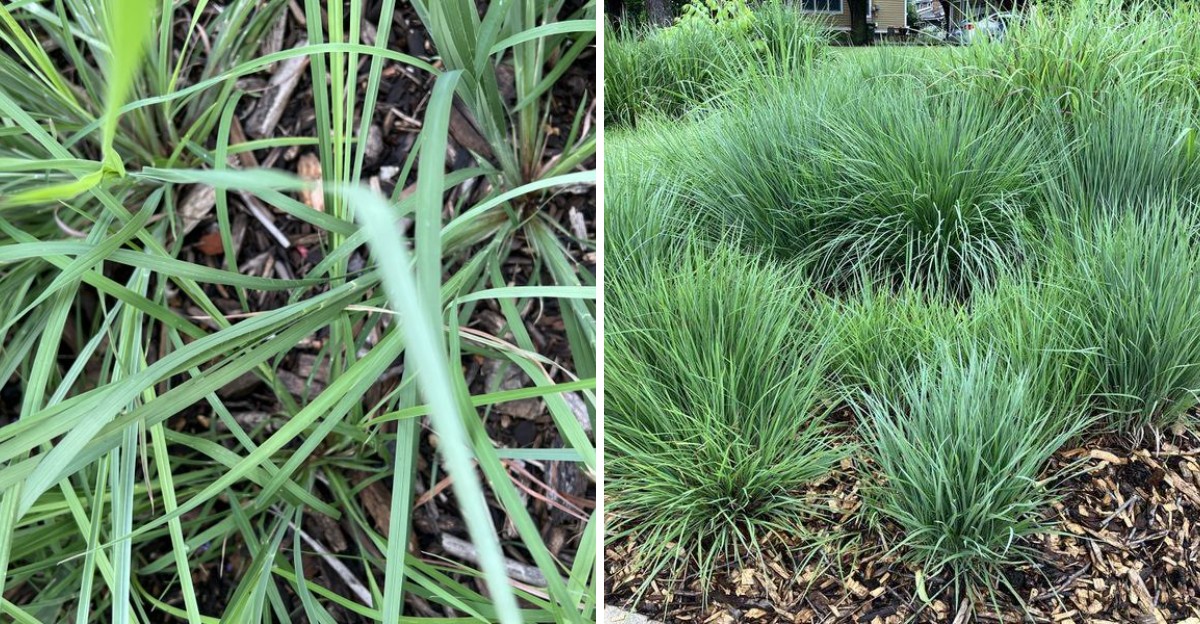
Tucked along a sunny fence line, little bluestem can look like nothing special in June, just a knee-high tuft of blue-green blades swaying in the breeze.
Come January, though, it is often the busiest plant in the whole yard. NC State Extension lists it as a native warm-season bunchgrass found across North Carolina, from the coastal plain through the piedmont and into the mountains.
Shoppers usually pass it over for taller, flashier ornamental grasses at the nursery, which is exactly how a plant this useful ended up underrated for so long.
Fall flips a switch on it entirely. The foliage turns coppery orange and rusty mahogany, and fluffy white seed heads catch low winter light like tiny lanterns strung along the stems.
Those seed heads are the whole point, because they cling to stiff stems long after softer plants have flopped over into the mud.
Sparrows, juncos, and other small seed eaters pick at them through the coldest months, and the dense clumps double as shelter from wind and hawks.
Here is the catch most gardeners miss though. Chop the grass down in fall for the sake of tidiness, and you have removed the entire winter buffet in one afternoon.
Leave it standing until late winter or early spring, then cut it back before new growth begins.
Why This Grass Feeds Birds When Nothing Else Does
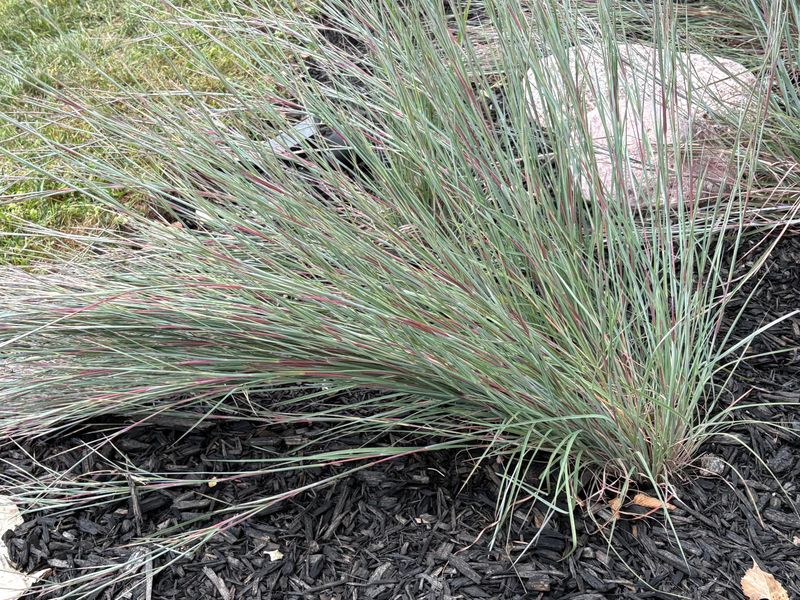
Walk any North Carolina yard in late January, and most flowering plants have long since gone bare, brown, and empty of anything a hungry bird could actually eat.
Little bluestem operates on a completely different calendar than the perennials most gardeners fuss over each fall. Its seed heads form in autumn and stay attached through the harshest stretch of winter, right when food gets scarce everywhere else.
That timing matters enormously for small birds trying to survive cold nights. A sparrow or junco burns through fat reserves fast overnight, and finding a reliable seed source each morning can be the difference between making it through February or not.
The seed itself sits loosely in those fluffy white heads, easy for a small beak to work loose without much effort.
Compare that to a tightly packed sunflower head or a woody seed pod, and little bluestem starts looking like a fast-food window for birds passing through.
Ground-feeding species benefit too, since seed constantly drops from the stems onto the soil below, creating a steady trickle of food rather than one big deposit that disappears in a day.
Because the plant grows in dense, upright clumps, birds get cover and food in the same visit. Few other plants combine both so efficiently in such a small footprint.
Gardeners who plant it specifically for birds often report juncos and sparrows working the same clumps for weeks running, returning daily once they learn where a reliable meal is waiting.
The Fall Habit That Undoes All Of It
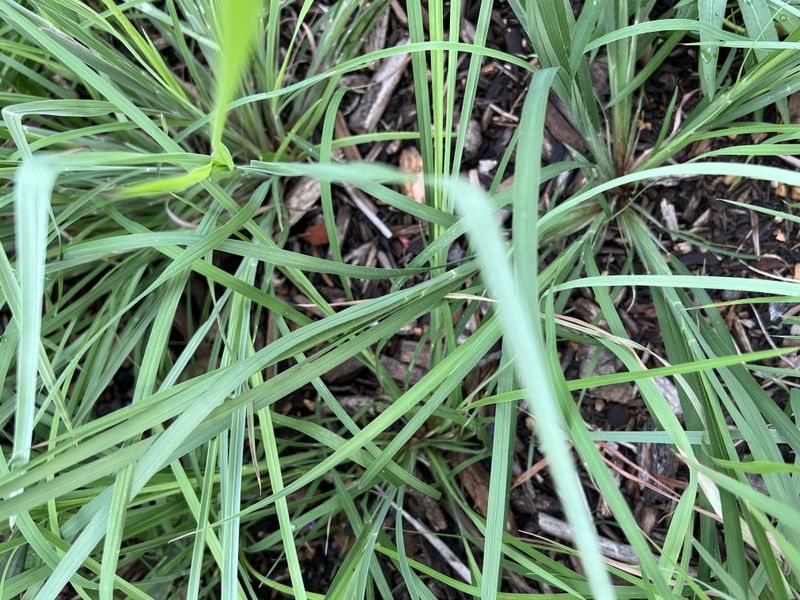
Every fall, tidy instincts take over in gardens across North Carolina. Perennials get cut back, beds get raked clean, and anything looking remotely scruffy heads for the compost pile or the curb.
Little bluestem gets caught in that same sweep more often than not, and that single decision undoes months of the plant’s own preparation for winter.
Cutting the grass back in October or November removes the seed heads before birds ever get a real chance to use them. The plant spent all summer and fall building that resource, only for a pair of shears to erase it in minutes.
There is no ecological upside to that early cut either. Little bluestem does not need pruning to survive winter, and the standing stems cause no harm sitting there through the cold months.
If anything, those upright stalks add real structure to a winter garden that would otherwise look flat and empty by December.
Frost catches on the seed heads beautifully, and low winter sun lights up that coppery foliage in a way spring growth never quite matches.
The fix costs nothing and asks for less work, not more. Simply skip the fall cutback entirely and let the clump stand through winter exactly as it grew.
Come late February or March, right before new green shoots start pushing up from the base, that is the moment to finally cut the old growth back and clear the way for the coming season.
Where This Grass Actually Wants To Grow
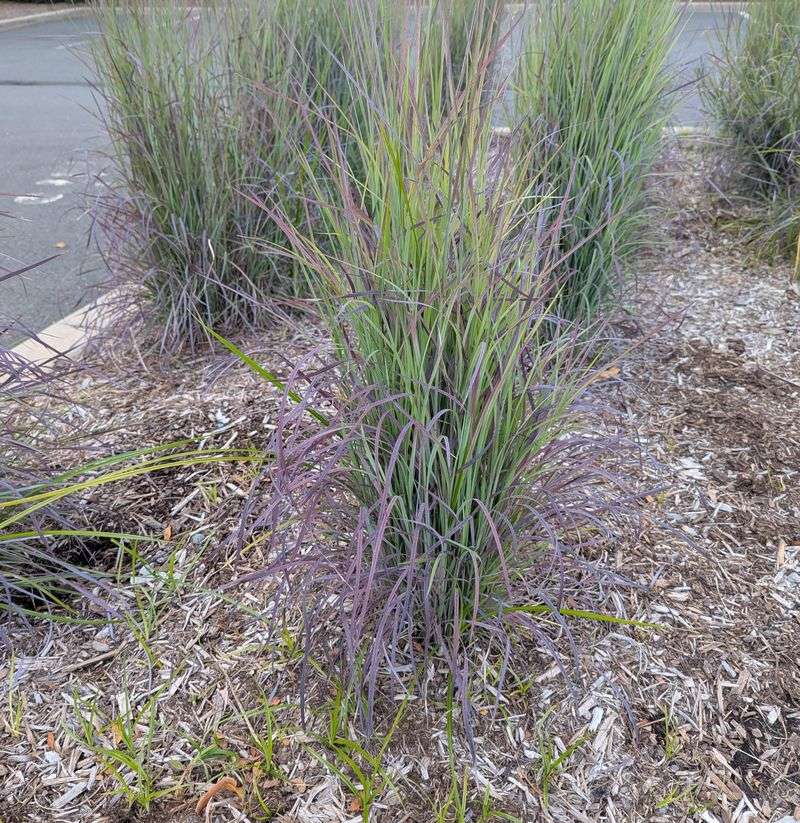
Little bluestem did not evolve in a rich flower bed with regular watering and careful attention. It grew up on dry, sunny, often poor ground across the Southeast, and that history shapes exactly what it wants in a home landscape.
Full sun sits at the top of the list, non-negotiable for this grass. Six or more hours of direct light daily keeps the clump upright, compact, and that signature blue-green color intact through summer heat.
Shade changes the whole picture for the worse. A little bluestem struggling under a tree canopy tends to flop over, stretch thin, and lose much of the fall color that makes it worth growing in the first place.
Soil quality matters far less than most gardeners assume walking into this plant for the first time. Sandy, rocky, or clay soil all work fine, and rich, heavily amended beds can actually backfire, encouraging floppy growth that falls over under its own weight.
Drainage counts more than fertility here. Standing water or consistently soggy ground causes far more trouble than lean, dry soil ever will for this particular species.
Once established, typically after the first full growing season, little bluestem needs almost no supplemental water. Established clumps shrug off drought that would stress out thirstier ornamentals planted nearby.
That toughness makes it a natural fit for slopes, roadside strips, and other tricky spots where irrigation is inconvenient or simply unavailable. A plant built for hard ground turns exactly those difficult spots into something worth looking at.
Pairing It With Other Natives For A Fuller Winter Show
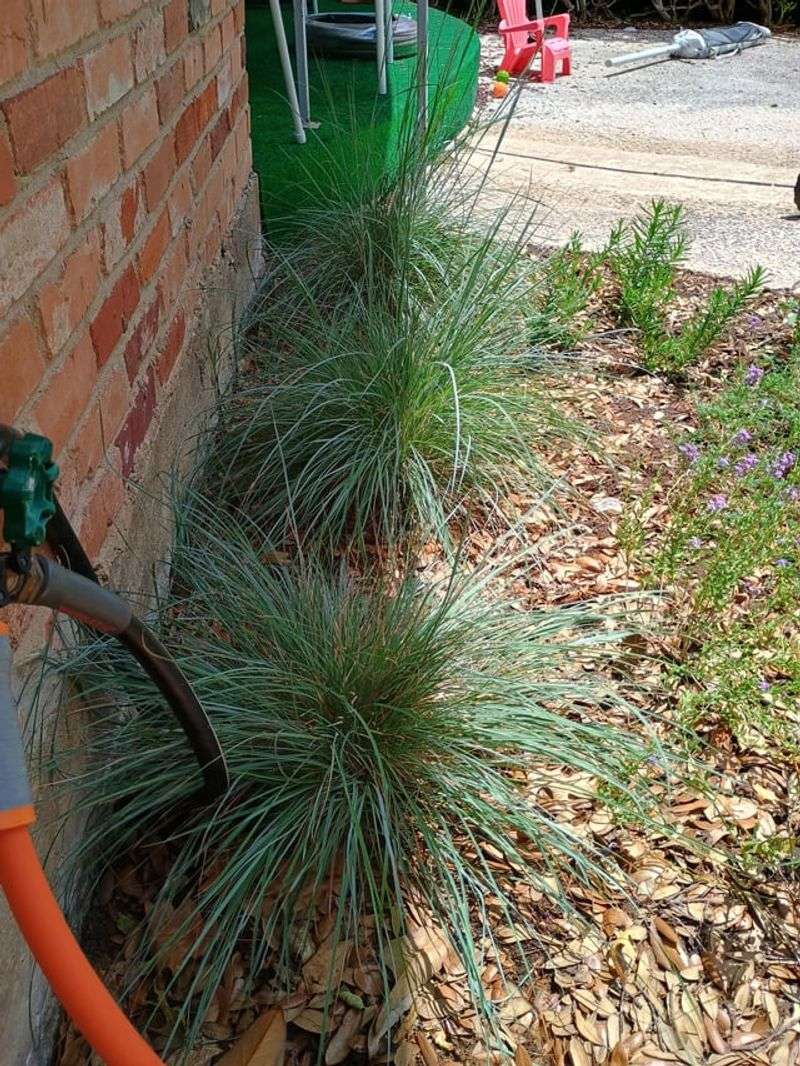
A single clump of little bluestem does real work on its own, but grouping it with a few compatible native companions multiplies the benefit for both birds and the gardener watching from the window.
Purple coneflower and black-eyed Susan both leave behind their own seed heads through fall, and planting them alongside little bluestem creates a staggered buffet that keeps birds visiting the same bed for different reasons at different times.
Native asters and goldenrod add late-season nectar for pollinators before winter sets in, then their own dried structure joins little bluestem in providing texture and shelter once the cold really arrives.
Switchgrass and muhly grass make solid grass companions too, each offering a slightly different height, color, and seed head shape that keeps a winter bed from looking monotonous despite everyone following the same no-cut policy through the cold months.
Grouping three or five little bluestem clumps together, rather than scattering single plants around a yard, creates a visual mass substantial enough to catch attention even from a distance, while also concentrating seed and shelter in one spot birds can rely on.
Leave the whole grouping standing together through winter for the same reason a single clump gets left alone. Every plant in that mix is doing quiet work that a fall cleanup would erase in one afternoon.
By spring, cutting back the whole bed becomes one unified task rather than several separate decisions made plant by plant, timed for right before new growth pushes up from the base of each species.
A yard built this way stops being a collection of individual plants and starts functioning like a small, self-sustaining habitat that happens to look good doing it.
What A Thriving Clump Looks Like Compared To A Struggling One
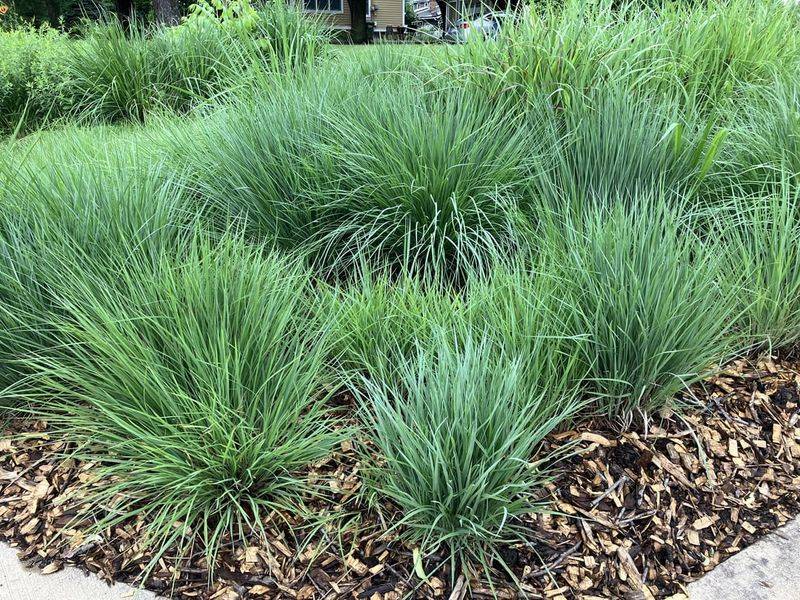
Learning to read a little bluestem clump saves a lot of second-guessing once the growing season winds down and winter decisions need to get made.
A healthy, well-sited plant holds itself upright through most of winter, stems standing firm rather than collapsing into a flat mat after the first hard frost or heavy rain.
Color tells its own story too. Strong fall foliage running through shades of copper, orange, and mahogany usually signals a plant getting the full sun and lean soil it actually wants, rather than struggling in shade or overly rich ground.
A clump that flops sideways early, turns mushy at the base, or shows mostly green persisting well into December often points to too much shade, too much water, or soil too rich for this particular grass to handle well.
Seed head density matters as a signal as well. A thriving clump produces abundant, fluffy white seed heads catching light across most of its stems, while a stressed plant often produces sparse, thin seed heads or skips seed production almost entirely some years.
None of these signs demand an immediate fix mid-winter. Little bluestem is patient, and a struggling clump often improves the following year simply by relocating it to a sunnier, leaner spot come spring.
Comparing a young, first-year planting against an established three-year-old clump also helps set realistic expectations, since first-year plants naturally look thinner and produce less seed while roots are still establishing underground.
Walking the yard every few weeks through fall and winter, checking on these signs, turns little bluestem from a mystery plant into something a gardener genuinely understands, season after season, clump after clump.