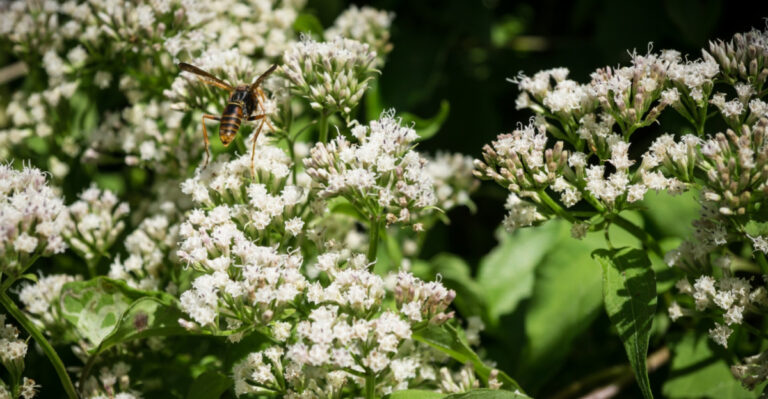
What’s Really Inside That Odd Blob On Your New Jersey Shrub
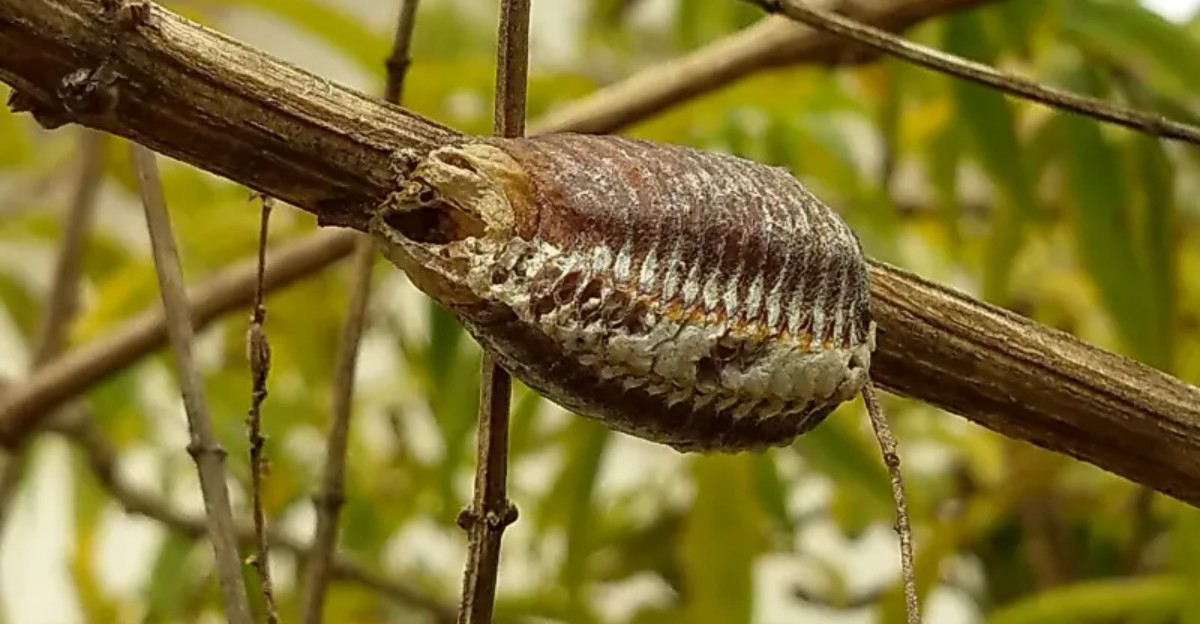
Curiosity stops you cold when tan foam appears on a twig. You lean closer, certain it must be trash or debris. New Jersey hedges hide something stranger than garbage this month.
Wasps get blamed first, yet that guess collapses fast. Bread crumbs seem plausible until you touch the odd texture. Texture alone proves this find is no ordinary scrap.
Branches, fence wires, and garden stakes host these odd clusters. Gardeners across New Jersey keep spotting them right now. Timing explains it, since
September pushes these bundles into view. Inside that foam sits a creature working harder than you think. Scraping it away would erase a hidden worker instantly.
Removing it too soon costs your garden a quiet ally. This tiny bundle protects plants without asking for credit.
What hides inside changes how you view hedges forever. Once you discover what is quietly living inside, turning away becomes impossible for you.
The Foamy Lump Everyone Mistakes For Junk
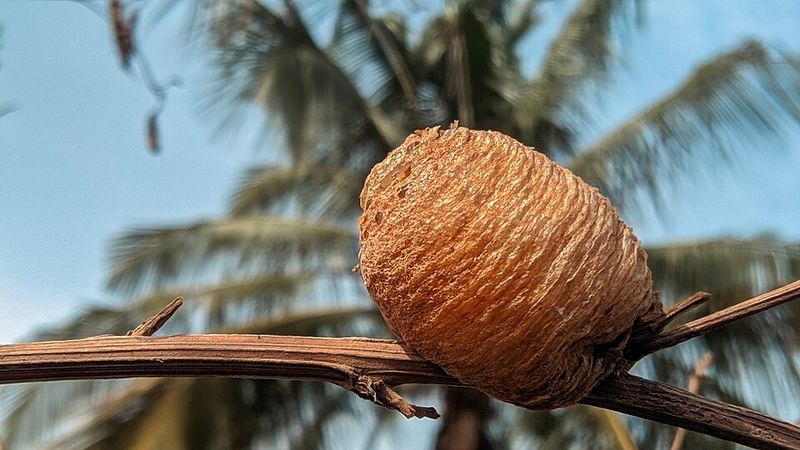
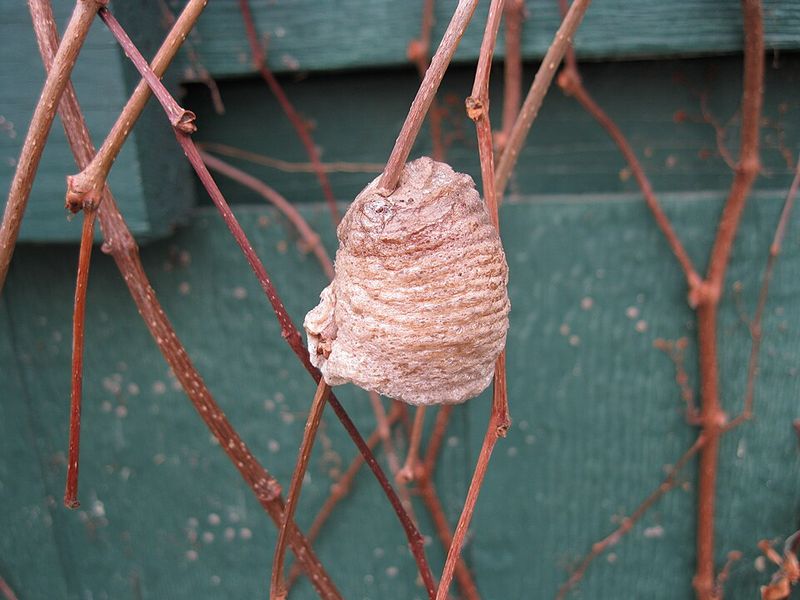
Picture a marshmallow that got squished against a stick and then hardened in the sun. That tan, ridged blob is a praying mantis egg case, and scientists call it an ootheca.
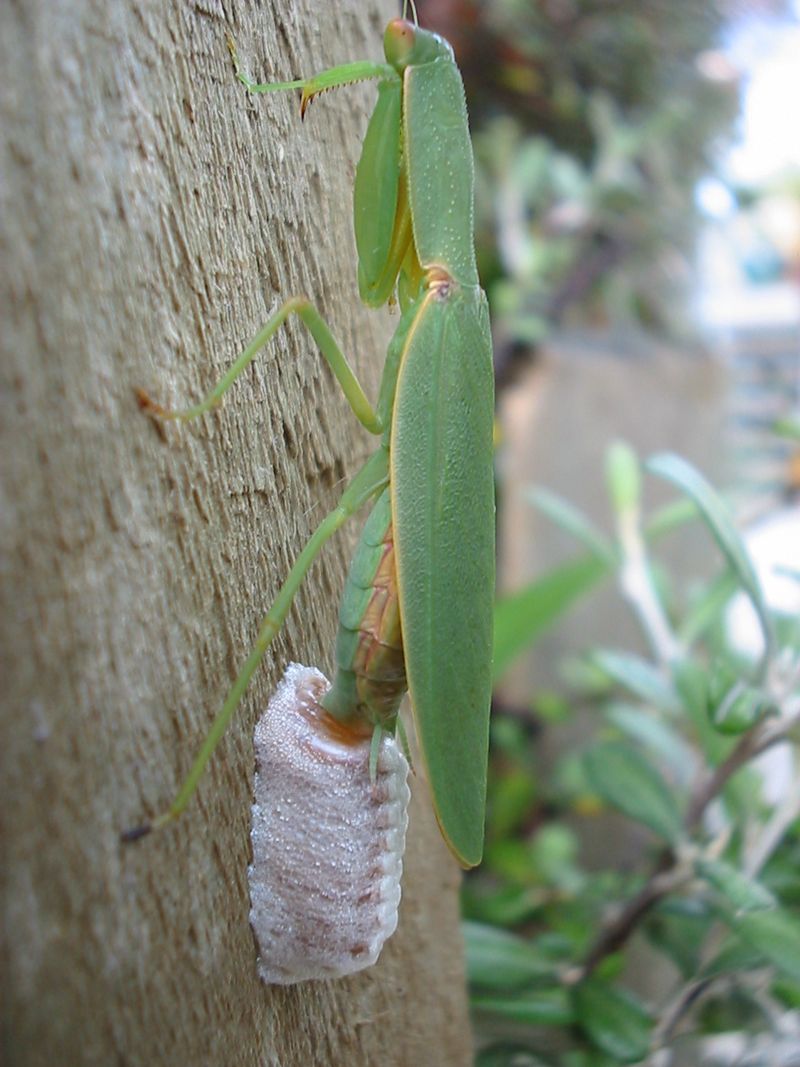
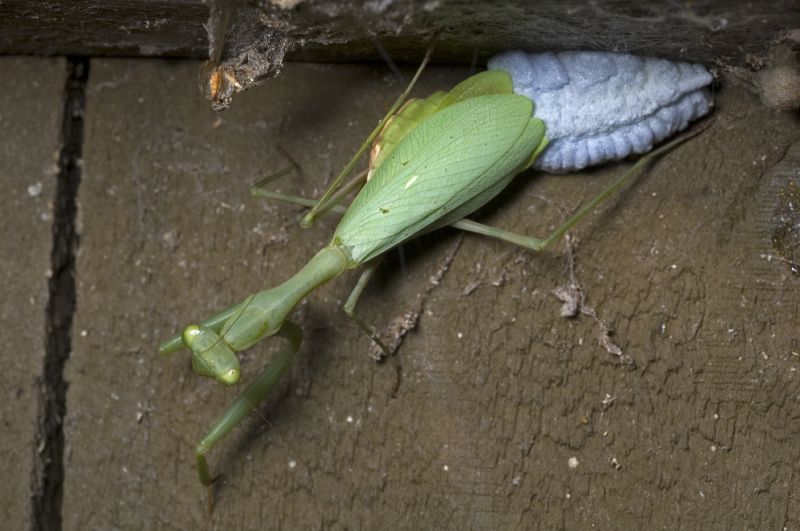
The female mantis makes it from a frothy liquid she whips up with her abdomen. Air bubbles get mixed in, and within an hour the foam stiffens into a tough, papery shell.
Inside that shell sit dozens of tiny chambers, each one holding a single egg. Depending on the species, a case can hold anywhere from a few dozen to several hundred future mantises.
Homeowners across New Jersey often spot them in September and assume a bug built a nest on the forsythia. The confusion makes sense, since the texture really does look like a paper wasp project gone wrong.
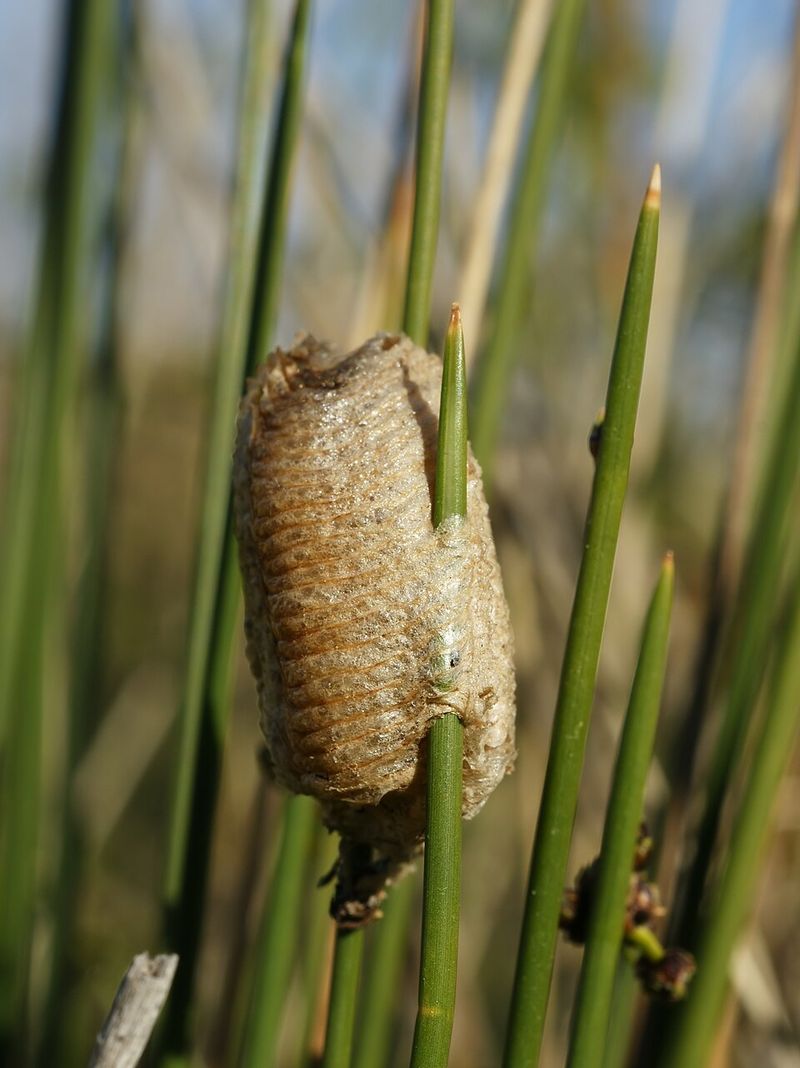
Size and shape offer good clues. Native Carolina mantis cases are slim and streaky, while the common Chinese mantis leaves behind a rounded case about the size of a walnut.
Color runs from pale straw to light caramel, and older cases fade toward gray after a winter of rain and snow. Run a fingernail across one and you will feel ridges, almost like tiny corduroy.
Once you learn the look, you start noticing them on rose canes, butterfly bush stems, and ornamental grasses. Suburban yards from Bergen County down to Cape May seem to collect them.
Knowing what you are looking at changes the whole story. That lump is not garbage, it is a nursery waiting for spring.
Why September Turns Into Egg Case Season
Timing explains a lot about why these cases suddenly seem everywhere. Mantises hatch in late spring, spend the summer growing, and reach full size right around late August.
By September the females are heavy with eggs and looking for a good spot to leave them. That is when they climb onto stems, fence rails, and porch railings to get to work.
The process takes a couple of hours, and the female usually picks a sheltered branch a foot or two off the ground. She wants the case above snow line but out of the wind.
Your New Jersey Garden Changes Every Week. Your Plan Should Too.
Gardening in New Jersey changes quickly throughout the season. Every Friday you’ll receive a simple weekly plan showing exactly what to plant, prune, fertilize, harvest, and protect so you never miss the right timing.
Cooler nights push the whole schedule along. Once temperatures start dipping into the forties, adult mantises slow down and their season winds toward its natural close.
Meanwhile, the leaves on shrubs begin thinning out. A case that hid behind summer foliage suddenly stands out like a tan ornament on a bare twig.
That double effect, more egg laying plus fewer leaves, is likely why many gardeners notice more cases appearing as the season progresses. The cases were often there for weeks before anyone noticed.
Fun bit of history: the Chinese mantis arrived in the United States near Philadelphia in 1896, reportedly hitching a ride on nursery stock. It spread through the mid-Atlantic fast, which is part of why our region has so many.
So if you are doing fall cleanup and keep finding lumps, you are right on schedule. September simply hands them to you.
Where To Search Around Your Yard

Searching for oothecae turns yard work into a rewarding activity, and kids often enjoy it. Start with woody shrubs that have pencil-thin branches, since mantises favor stems they can wrap around.
Butterfly bush, forsythia, hydrangea, spirea, and rose canes are reliable spots. Ornamental grasses like switchgrass and miscanthus hide plenty of them down among the blades.
Do not stop at plants. Chain-link fences, deck railings, brick ledges, the underside of patio furniture, and even the frame of a trampoline all get used.
Meadow edges and weedy strips along parking lots are good spots to check. Anywhere goldenrod and tall grass grow thick, mantises have been hunting all summer.
Look at eye level and below, roughly six inches to four feet up. Kneel down and scan branches from underneath, because many cases sit on the shaded side of a stem.
Morning light helps. Low sun angles make the ridged surface throw a small shadow, and your eye catches the shape faster.
Once you find one, mark the branch with a loose loop of yarn. Come spring you will know exactly where to watch, and you will avoid pruning that stem by accident.
Neighborhood walks work too. Trail edges at places like the Great Swamp or a local rail trail often have cases on shrubby borders, though leave wild ones where they sit.
Half the fun is realizing how many were hiding in plain sight. Your yard has been busier than you thought.
The Garden Helper Hiding Inside
Here is the payoff for leaving those lumps alone. Each case can release dozens of tiny hunters that go straight to work in your garden beds.
Newly hatched mantis nymphs look like miniature versions of the adults, barely a quarter inch long. They immediately start chasing aphids, leafhoppers, gnats, and small caterpillars.
As they grow through the summer, their menu grows too. Grown mantises take on grasshoppers, beetles, stink bugs, moths, and the occasional spotted lanternfly.
Mantises have been observed preying on spotted lanternflies, a behavior many gardeners welcome given the pest’s impact. They are opportunists, so whatever wanders close is fair game.
Fairness requires one honest note. Mantises are not picky, and they will also grab bees, butterflies, and other beneficial insects that cross their path.
That mixed diet means they are not a full pest control plan on their own. Think of them as one useful piece of a healthy yard rather than a magic fix.
The best approach is welcoming variety. Ladybugs, lacewings, ground beetles, spiders, and birds all pitch in, and mantises fit right into that crew.
Skipping broad-spectrum sprays helps the whole team stick around. Insecticides that wipe out pests tend to hit helpers just as hard.
Leave the case, cut back on sprays, plant some native flowers, and your garden starts running itself a little better each season.
Fall Cleanup Without Disturbing The Nursery
Autumn pruning is where good intentions accidentally undo a whole season of mantis work. Before you fire up the hedge trimmer, do a slow walk and scan the stems.
If you spot a case on a branch you truly need to cut, there is an easy fix. Snip the twig a few inches on either side of the case and keep it intact.
Then wire or tie that twig onto another shrub in a sheltered part of the yard. Keep it at least a foot off the ground and out of direct wind.
Avoid bringing cases indoors. Warm house temperatures can trick the eggs into hatching in January, and hundreds of nymphs hatching indoors can be a hassle to manage.
Skip the unheated garage too, unless it stays close to outdoor temperature. The eggs need a long cold stretch to develop on schedule.
Bagging up leaves and stems deserves a second glance as well. Standing perennials and grasses often hold cases, so consider leaving some stalks up until spring.
Resist the urge to poke, peel, or open a case out of curiosity. The outer shell blocks moisture and cold, and damage can leave the eggs exposed.
Mark your finds with ribbon so spring pruning does not undo your care. A little planning in September helps protect more of the batch. Your reward arrives in May, when specks of green start scattering across the branches you saved.
What Happens When Spring Finally Arrives
Months of quiet waiting end in a burst. Somewhere between late April and early June, once warm days settle in, the case comes alive.
Nymphs squeeze out through seams along the ridged center strip, dangling on fine threads. Within minutes they stretch their legs and start climbing.
The whole show can take under an hour, and it is easily one of the coolest things you will watch in a backyard. If you marked the branch in fall, set a reminder to check it on warm mornings.
Reality does temper the numbers. Out of a hundred or more hatchlings, only a handful reach adult size, since birds, spiders, and even their own siblings thin the crowd fast.
That is normal for insects and part of why females lay so many eggs at once. Nature builds in a big cushion.
The survivors spread out across your garden and shed their skin several times as they grow. By August they are the palm-sized adults people notice on screen doors.
Then the cycle loops right back to September, when a new round of foamy cases appears on the shrubs.
Worth knowing: New Jersey also hosts the smaller native Carolina mantis, so not every case belongs to the big imported species. Slim, elongated cases usually point to the native.
Either way, spotting the hatch turns an odd tan lump into a story you will tell your neighbors.