The Real Reason A Goldfinch Might Visit Your New Jersey Yard This Summer
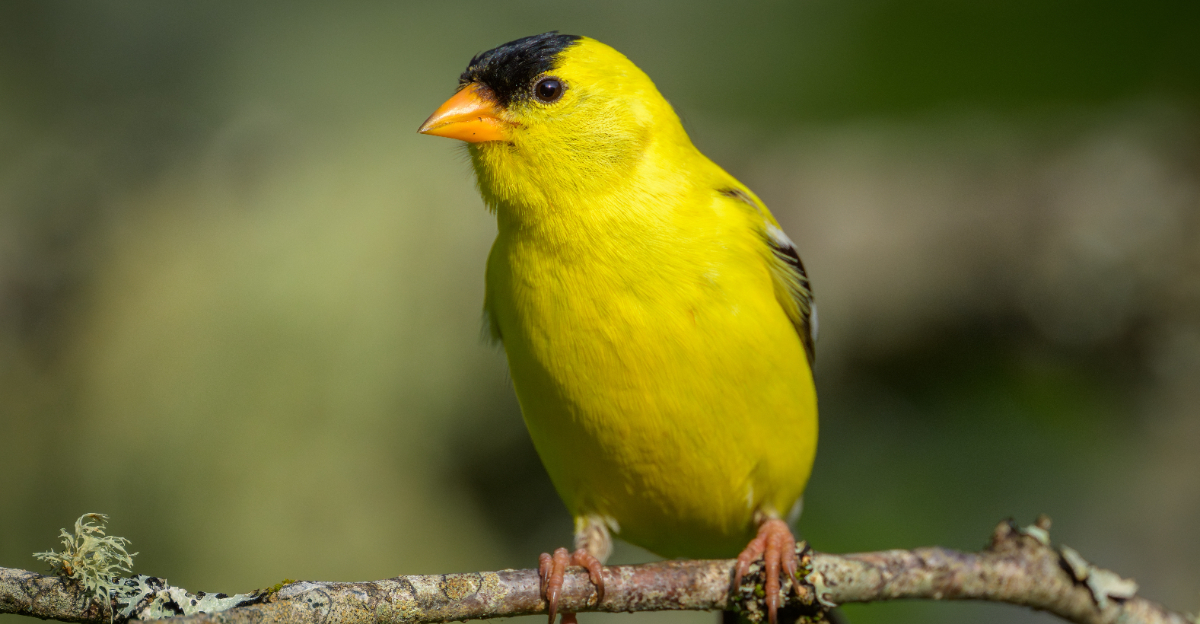
Every summer, New Jersey yards get a visitor that needs no invitation. The American goldfinch shows up bright, bold, and entirely on its own terms.
One day your garden is quiet. The next, there is a flash of yellow darting between stems like it owns the place. Most people assume they just got lucky. They did not.
Goldfinches are picky travelers with a very specific agenda, and they will move on quickly if your yard does not meet their standards.
The good news is that those standards are not hard to meet once you know what they are actually looking for. It is not just about feeders or birdbaths.
It goes deeper than that, into the plants you grow, the seeds you leave standing, and even how tidy you keep things. Your yard is either on their route or it is not. Here is what puts it on the map.
What Makes New Jersey Yards A Goldfinch Magnet
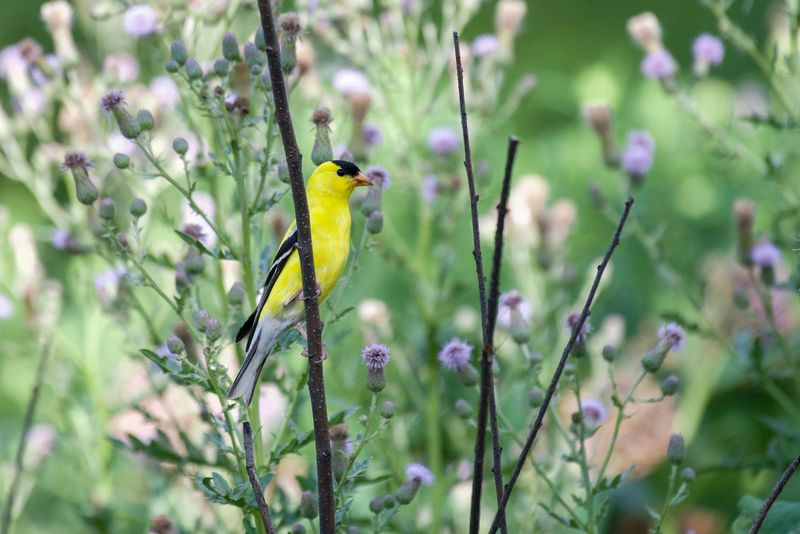
That flash of yellow in your garden is no accident. Goldfinches are drawn to New Jersey yards for reasons that go deeper than just passing through.
The Garden State sits right along the Atlantic Flyway. That makes it a prime stop for birds moving between feeding and nesting zones.
New Jersey’s mix of suburbs, open farmland, and coastal edges creates exactly the kind of varied landscape goldfinches thrive in. Not many states along the East Coast pack that kind of variety into such a small geographic footprint.
Goldfinches specifically love open spaces mixed with wild edges. Backyards near fields, meadows, or wooded borders are especially attractive to them.
Food is the biggest magnet of all. When native seed-producing plants are growing nearby, goldfinches will return to the same spots season after season.
Water also plays a huge role in their choices. A clean birdbath or small fountain can turn a plain yard into a goldfinch hotspot fast.
Shelter matters too. Dense shrubs and tall grasses give these birds a sense of safety while they feed.
The actual reason goldfinches keep visiting New Jersey yards each summer is simple. Your yard is already offering something they need, even if you have not noticed yet.
What Goldfinches Actually Eat And Why It Matters
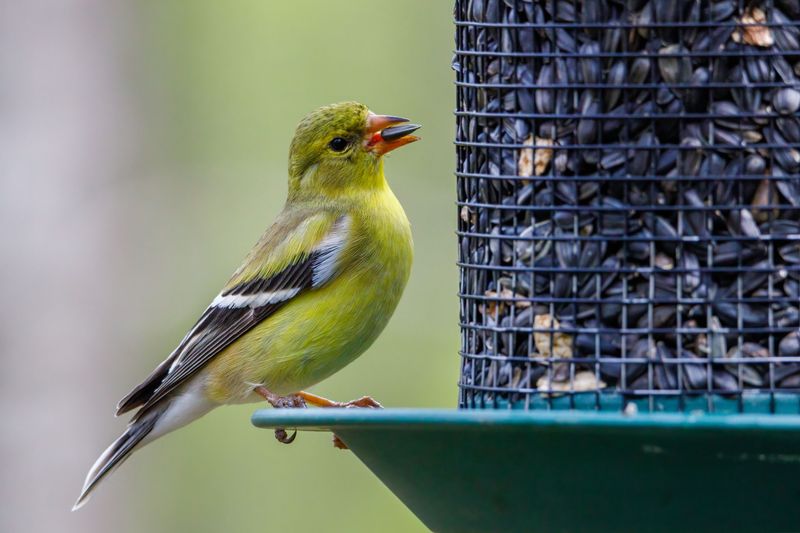
Goldfinches are picky eaters, and that is actually great news for you. Once you know what they want, attracting them becomes surprisingly easy.
These birds are strict seed eaters. They have little interest in worms or fruits that other birds seek out.
Nyjer seed, sometimes called thistle seed, is their absolute favorite. Filling a tube feeder with nyjer is the fastest way to get their attention.
Black oil sunflower seeds are a close second on their list. The thin shells are easy for their small beaks to crack open.
Goldfinches also have a strong preference for fresh seed. Damp or old nyjer loses its oil content quickly, and these birds will abandon a feeder that has not been topped up recently.
Your New Jersey Garden Changes Every Week. Your Plan Should Too.
Gardening in New Jersey changes quickly throughout the season. Every Friday you’ll receive a simple weekly plan showing exactly what to plant, prune, fertilize, harvest, and protect so you never miss the right timing.
Wild plants matter just as much as feeders. Coneflowers, goldenrod, and wild asters are basically a goldfinch buffet when they go to seed.
Timing is everything with their diet. Goldfinches breed later than most birds, often waiting until summer seeds are fully ripe before nesting.
That late breeding cycle explains a lot about their summer presence. They time their whole family life around peak seed availability, which is why your yard stays busy through August.
The Best Plants To Grow If You Want More Goldfinches
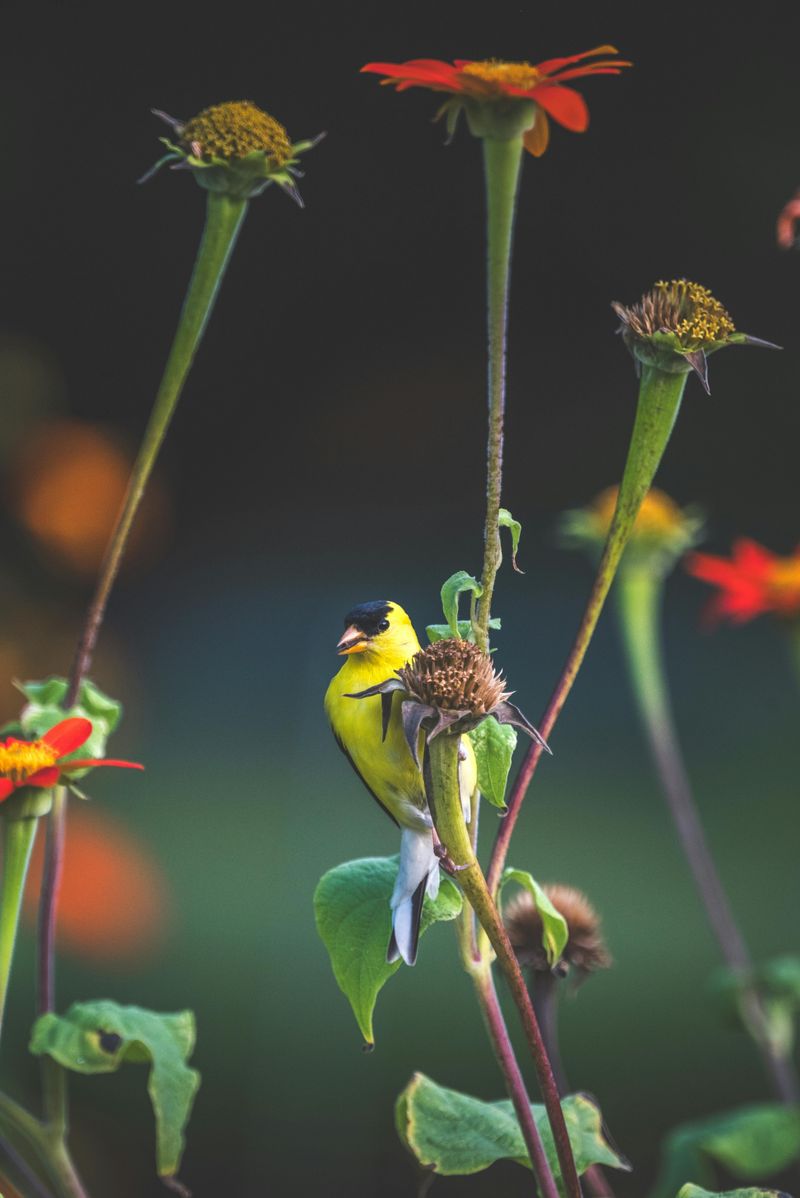
Your garden can become a goldfinch magnet with just a few smart plant choices. Native plants are the real secret weapon here.
Purple coneflower is one of the top picks. Goldfinches cling to the spiky seed heads and pick them clean by late summer.
Black-eyed Susans are another crowd pleaser. These cheerful flowers produce seeds that goldfinches find nearly impossible to resist.
Sunflowers are an obvious choice, but resist the urge to cut them back. Leaving the seed heads standing is what makes your yard worth visiting.
Wild bergamot is another native worth adding to the mix. It blooms through midsummer and produces small seeds that goldfinches will pick at well into the fall.
Goldenrod often gets a bad reputation as a weed. In reality, it is one of the most valuable plants you can grow for seed-eating birds.
Tall grasses like little bluestem add texture and food at the same time. Goldfinches will land right on the stems to reach the seeds.
Planting a mix of early and late bloomers extends the feeding season. When you layer your garden thoughtfully, goldfinches have a reason to stick around from June all the way through fall.
How To Set Up A Yard That Attracts Goldfinches
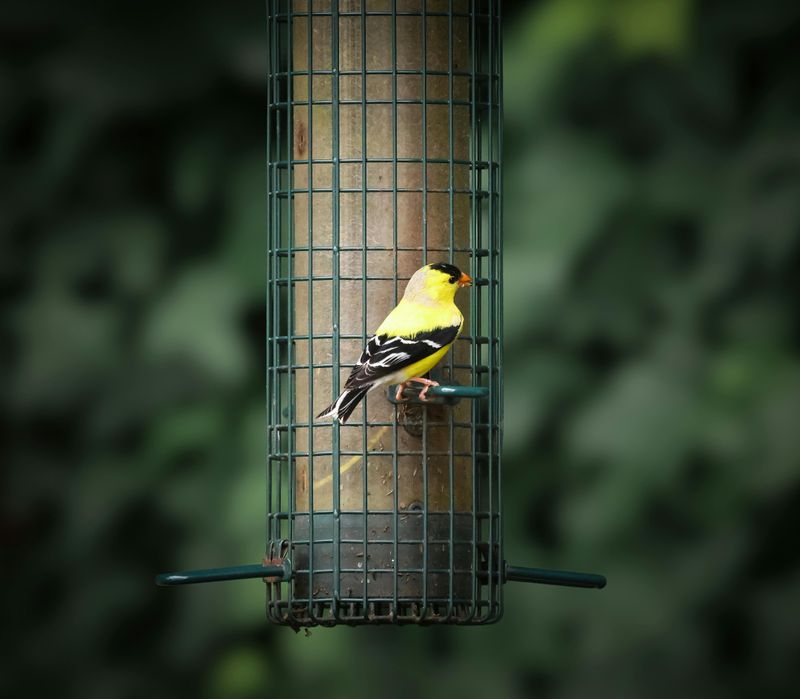
Setting up your yard for goldfinches does not require a total makeover. A few targeted changes can make a big difference fast.
Start with a tube feeder filled with nyjer seed. Hang it in a spot that is visible but somewhat sheltered from wind.
Goldfinches prefer feeding in groups. Buying a feeder with multiple ports lets a small flock eat together without fighting over space.
Add a shallow birdbath within view of the feeder. Moving water, like a small dripper attachment, makes the bath even more attractive to passing birds.
Keep your feeder out year round if you can. Goldfinches are actually year-round New Jersey residents, and a consistent food source builds the kind of habit that brings them back to the same yard every season.
Avoid trimming your garden too aggressively in late summer. Those seed heads you might call messy are exactly what goldfinches are searching for.
Reduce pesticide use as much as possible. Chemicals can reduce the insect population that many backyard birds depend on.
Placement of feeders matters more than most people think. Hanging them near dense shrubs gives goldfinches a quick escape route, which makes them feel safe enough to stay longer.
What Goldfinch Behavior Can Tell You About Your Garden
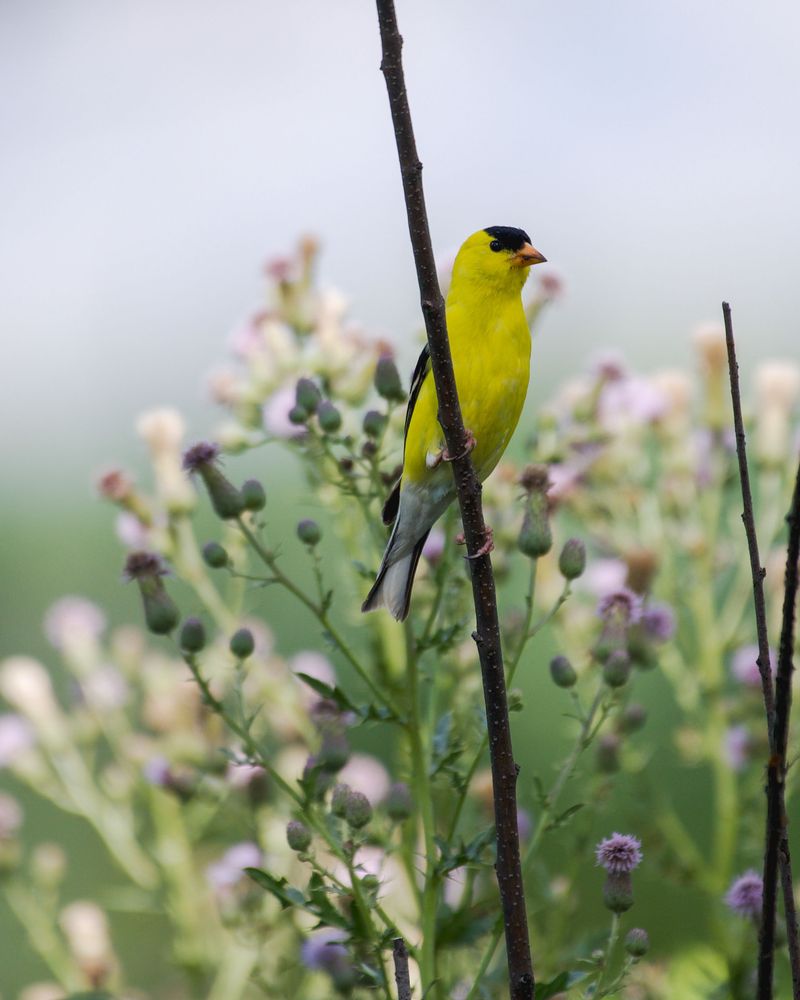
Watching goldfinches is not just enjoyable, it is actually informative. Their behavior gives you real clues about your garden’s health.
When goldfinches linger for long stretches, it means your yard has what they need. Short, restless visits can sometimes mean the area does not feel safe enough for them to settle.
If they keep returning to the same plant, that plant is producing quality seeds. That is your signal to grow more of it next year.
Goldfinches are social birds by nature. A group feeding calmly together means your space feels safe and resource-rich to them.
Aggressive chasing between birds at the feeder can mean overcrowding. Adding a second feeder nearby usually solves the problem within a day or two.
Molting goldfinches in late summer look patchy and dull. Do not worry, that faded appearance is completely normal and not a sign of illness.
When goldfinches suddenly disappear from your yard, it usually means seeds have run out. Refilling the feeder quickly brings the flock back, proving just how tuned in these birds are to their food sources.
How To Spot A Goldfinch And Tell It Apart From Other Birds
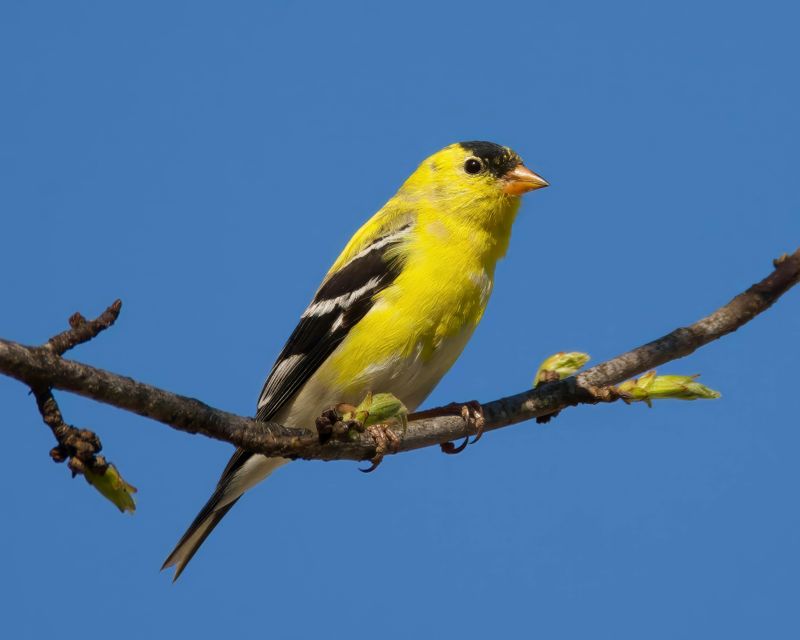
Spotting a goldfinch for the first time feels like finding a tiny piece of sunshine in your yard. Their coloring is hard to miss once you know what to look for.
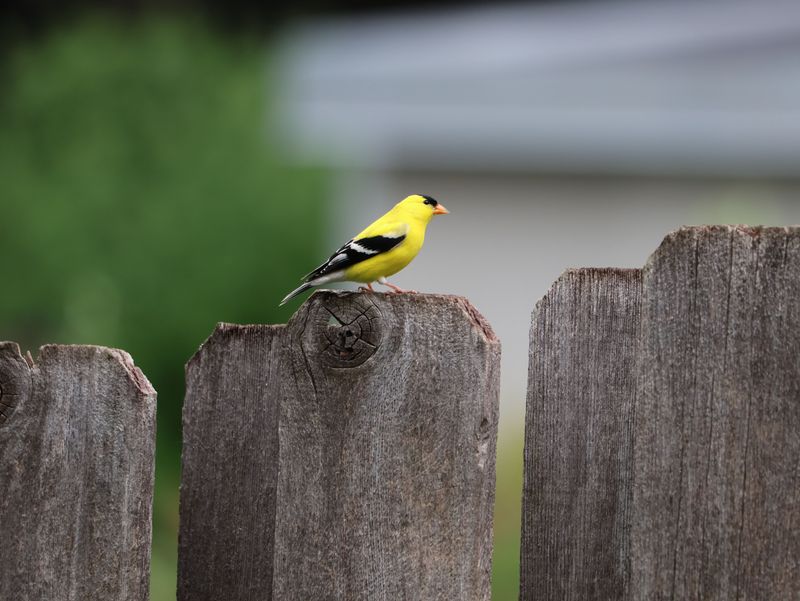
Male goldfinches in summer are bright lemon yellow with bold black wings. The black cap on their forehead is the clearest sign you are looking at a male goldfinch during peak season.
Females are much more subtle. They wear a soft olive yellow with dark wings and no black cap at all.
People often confuse female goldfinches with warblers or other small yellow birds. The key difference is the goldfinch’s stubby, cone-shaped beak built for cracking seeds.
In flight, goldfinches move in a bouncy, wave-like pattern. That undulating style is one of the easiest ways to identify them even from a distance.
Their call is a cheerful, looping sound often described as sounding like “po-ta-to-chip.” Once you hear it, you will recognize it every single time.
Knowing how to spot a goldfinch makes the actual reason goldfinches keep visiting New Jersey yards each summer even more rewarding to watch unfold.
Simple Habits That Keep Goldfinches Coming Back Every Year
Consistency is the real secret to a goldfinch-friendly yard. These birds remember reliable food sources and return to them season after season.
Keep your feeders clean and filled, especially from June through September. Empty or dirty feeders send goldfinches searching for better options fast.
Let some of your garden go wild at the edges. A small patch of native wildflowers left to seed can rival even a well-stocked feeder when it comes to keeping goldfinches around.
Skip the fall cleanup on seed-producing plants. Standing stems and dried flower heads are winter pantries that birds count on well past summer.
Fresh water is non-negotiable for keeping a loyal flock. Change your birdbath water every couple of days to prevent algae and keep things inviting.
Plant something new each spring that produces seeds by late summer. Rotating your plant choices keeps the food supply interesting and diverse for returning visitors.
The actual reason goldfinches keep visiting New Jersey yards each summer comes down to trust. When your yard proves itself reliable year after year, these bright little birds will keep showing up like clockwork.