The Late Summer Mistake That Weakens Pennsylvania Hydrangeas Before Winter
It happens in driveways and garden sheds all across Pennsylvania in August.
A gardener notices the hydrangeas looking a little tired, grabs the bag of fertilizer from the shelf, and gives the bed one more generous feeding before the season winds down.
The intention is kind here. The result, unfortunately, can be a shrub that limps into spring with brown stems, bare spots, and far fewer flowers than last year delivered.
Late-season fertilizing tells a hydrangea to grow when it should be settling in for the cold instead.
Mant gardeners never connect a disappointing spring bloom back to that one well-meaning feeding done months earlier in late summer.
Penn State Extension has long warned that feeding woody shrubs too close to fall pushes soft new shoots that never get a chance to toughen up before frost arrives.
Below is a clear look at why late feeding backfires, what happens inside the stems, and how to adjust your routine so your hydrangeas head into winter tough instead of tender.
Late Fertilizing Pushes Risky Tender Growth
Nitrogen is basically a green light for a plant. Feed a hydrangea in August or September, and the shrub reads that signal as permission to build new shoots, new leaves, and new stem tissue right away.
Penn State Extension points to this exact mechanism when warning gardeners about late-season shrub fertilization. The plant is not confused by the calendar. It simply responds to the nutrients it is handed.
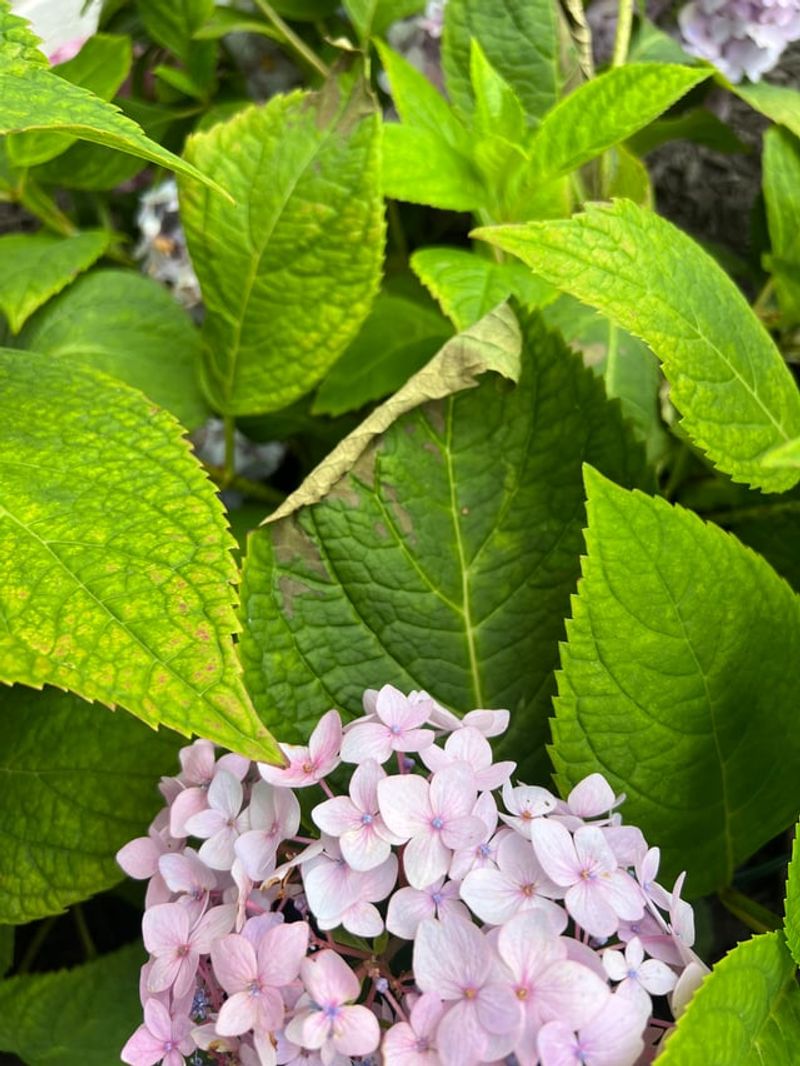
Soft growth looks encouraging at first glance. Bright green tips appear on stems that had gone quiet, and the shrub seems to be rallying after a hot summer.
Trouble is, those shoots are all water and thin cell walls. They carry very little stored sugar and almost no protective structure compared with the older wood below them.
Timing matters more than product choice here. A slow-release granular, a liquid feed, or a scoop of high-nitrogen lawn fertilizer that drifts into the bed can all trigger the same unwanted push.
Compost is gentler but not automatically harmless in quantity, since it releases nitrogen as soil microbes break it down through warm early fall weeks.
Keep in mind that hydrangeas are not heavy feeders to begin with. One spring application is usually plenty for most home landscapes across the state.
The fix is refreshingly simple here. Put the bag away once summer starts winding down and let the shrub follow its own schedule instead of yours.
New Growth Has No Time To Harden Off
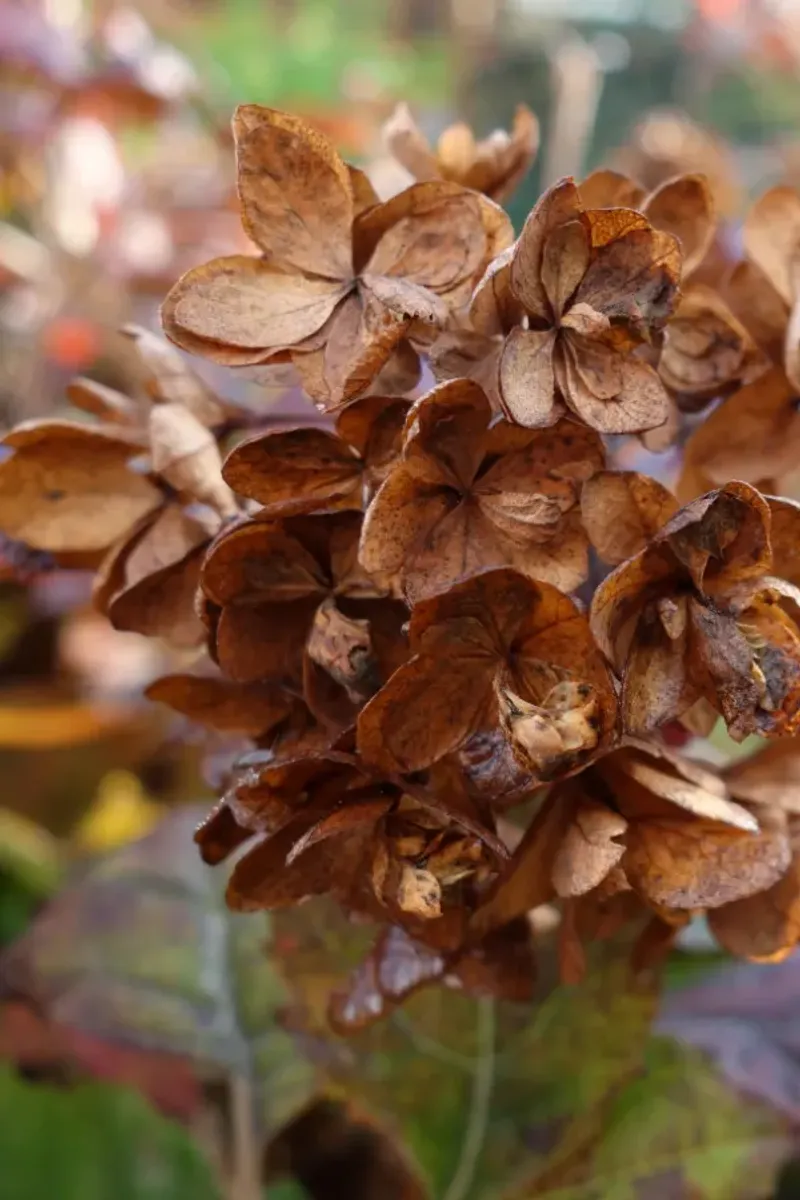
Woody plants do not flip a switch and become winter-ready overnight. Hardening off is a slow, weeks-long process that starts as days shorten and nights cool down.
During that stretch, a hydrangea moves sugars and starches into its stems and roots. Cell walls thicken. Water content inside the tissue drops, which lowers the chance of ice crystals forming.
Shortening daylight is the main trigger here, and cooling temperatures reinforce it further. A shrub left alone in August reads those cues correctly and begins shutting down growth on its own.
Your Pennsylvania Garden Changes Every Week. Your Plan Should Too.
Gardening in Pennsylvania changes quickly throughout the season. Every Friday you’ll receive a simple weekly plan showing exactly what to plant, prune, fertilize, harvest, and protect so you never miss the right timing.
Extra nitrogen interrupts that quiet work entirely. Instead of packing away reserves, the plant spends energy building fresh shoots that will never mature in time.
Picture a student who starts a long project the night before it is due. The effort is real, but the clock simply runs out on them.
Shoots that emerge in September rarely get the six to eight weeks they would need to firm up properly. In northern Pennsylvania counties, they may get half that.
Hardened wood also protects the flower buds tucked along the stems. Bigleaf hydrangeas set next year’s buds during late summer, so anything that disrupts stem maturity puts those buds at risk too.
Letting the plant slow down naturally is the most useful thing a gardener can do in September. Sometimes good care looks like sitting on your hands.
Frost Damages What Should Have Stayed Dormant
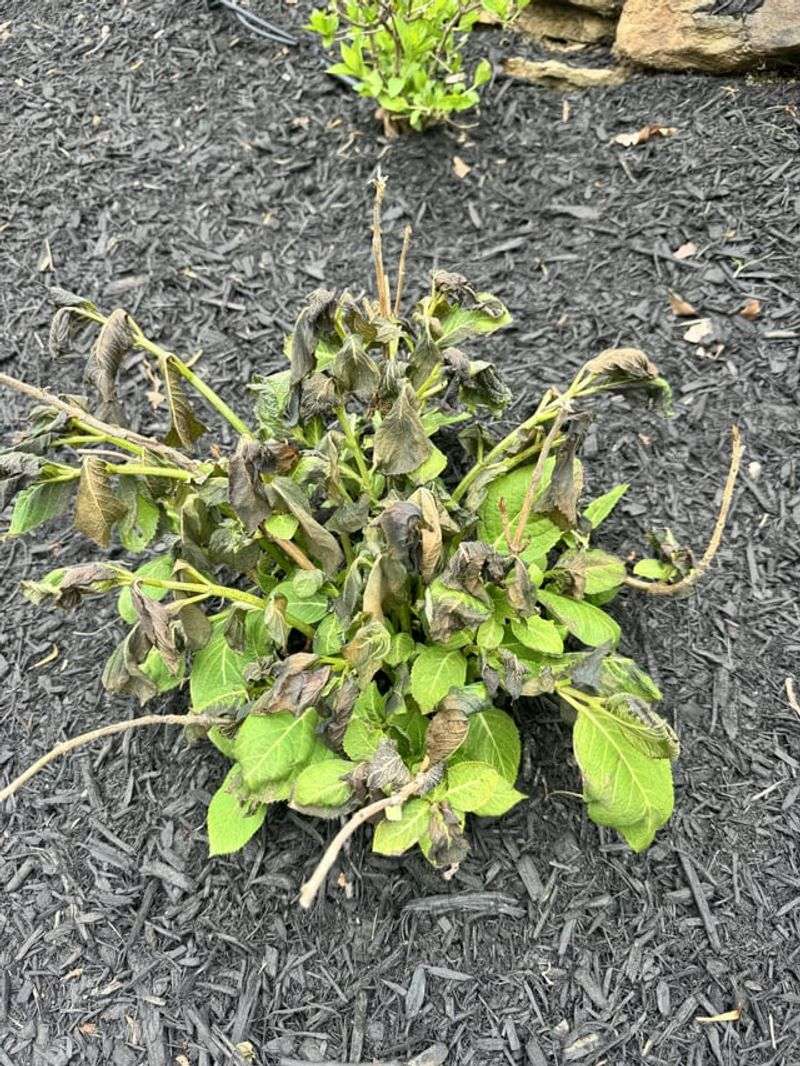
A single clear, still October night is all it takes. Temperatures slide to 30 degrees, and by morning the newest hydrangea tips look scorched, limp, and darkened all over.
Inside those soft shoots, water freezes and expands. Cell walls tear apart. Once that happens, the tissue cannot recover, and the shoot collapses within a day or two.
Older, hardened wood on the same shrub often shrugs off that same night without a mark. The difference is entirely about preparation, not luck at all.
Damage rarely stops at the tip either. Injured tissue can create an entry point for fungal problems, and moisture moving in and out of wounded stems stresses the wood below.
Frost arrival across Pennsylvania varies dramatically by region. Mountain valleys in the north and west often see their first freeze in late September, while parts of the southeast may hold out into late October.
Elevation matters as much as latitude here too. A garden in Somerset County can freeze weeks ahead of one at similar latitude near the Delaware River.
Cold air also settles into low spots, so a hydrangea planted at the bottom of a sloped yard faces frost earlier than one on a rise nearby.
Gardeners who fed late in August often discover the evidence in a single morning. Tender growth and Pennsylvania frost make a poor pairing every single time.
Skipping Fall Feeding Is The Safer Choice
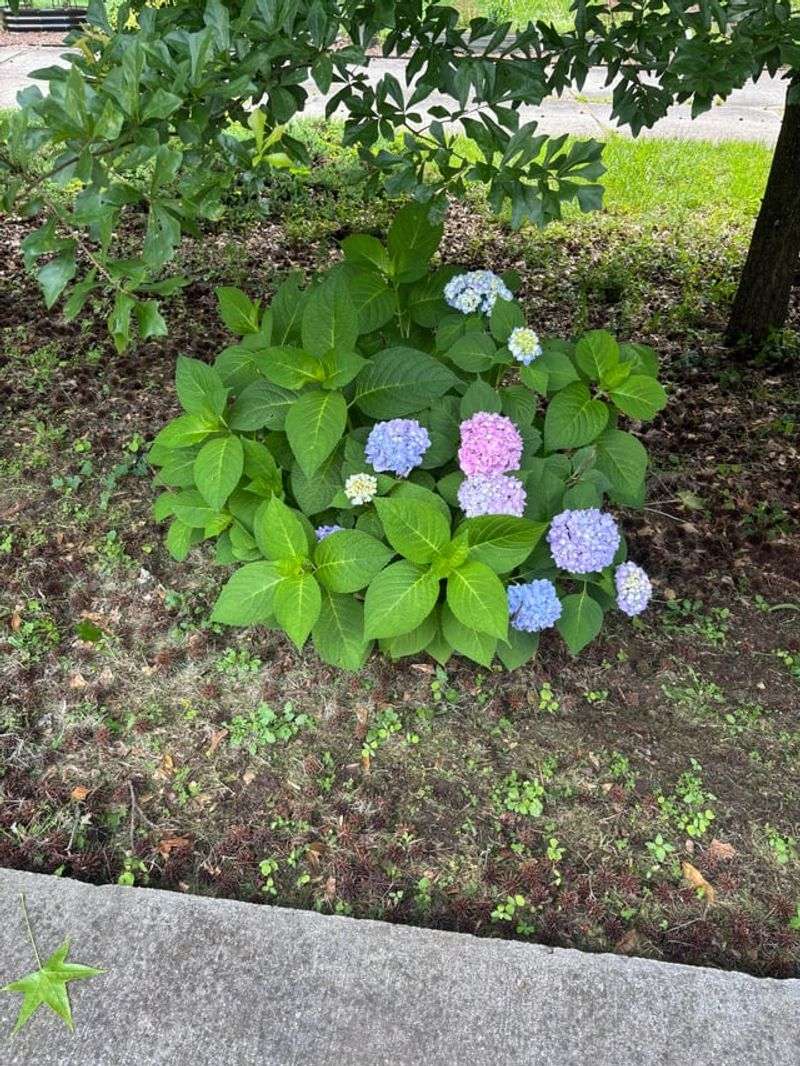
Ask an experienced Pennsylvania grower when they stop feeding shrubs, and most will say midsummer at the latest. Caution costs nothing here at all.
A practical default is to finish fertilizing hydrangeas by roughly early to mid-July in colder parts of the state, and no later than early August in the milder southeast.
Penn State Extension advises timing fertilizer so it does not stimulate growth that cannot harden before frost, which means the cutoff shifts earlier the colder your area runs.
Work backward from your own average first frost date rather than copying a date from a national gardening article. Elevation, county, and even your specific yard change the answer.
Gardeners in Erie, Potter, or Cambria counties should treat July as the closing bell. Folks in Bucks or Chester counties have a bit more room, though pushing into September is still unwise.
Watch the plant, not just the calendar, for your own cues. Once bloom color fades and leaves take on a duller tone, the shrub is telling you it has moved on.
Skipping fall feeding entirely will not starve anything. Hydrangeas draw on soil reserves and stored energy through winter just fine on their own.
Save the nutrients for spring, when new growth has an entire warm season ahead of it. Your shrub will use them far more efficiently then.
Watering Still Matters More Than Feeding
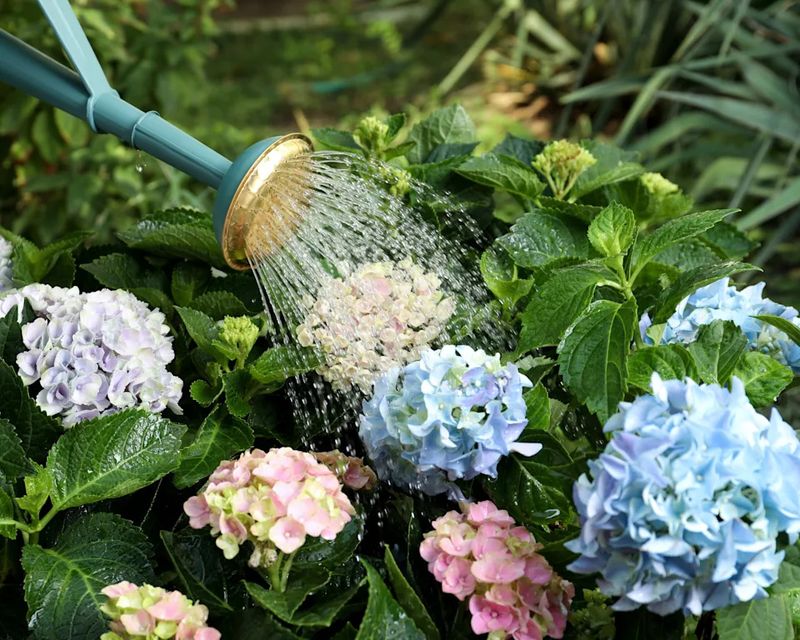
Put down the fertilizer, but do not put away the hose. Water and nitrogen do very different jobs, and only one of them causes trouble in autumn.
Deep watering through September and October helps hydrangeas enter winter fully hydrated. Well-watered roots and stems handle freezing and thawing far better than dry ones.
Pennsylvania falls can be surprisingly dry sometimes. A stretch of warm, rain-free weeks in September leaves shallow-rooted shrubs stressed right when they are trying to store reserves.
Big leaves lose moisture fast, and hydrangeas have plenty of them. Wilting in autumn is a genuine warning sign, not just a midday sulk to ignore.
Aim for a slow, thorough soak rather than a quick daily sprinkle. A soaker hose running for thirty to forty minutes once a week usually beats frequent light watering.
Keep watering until the ground begins to freeze solid. That final deep drink before hard cold sets in is one of the most helpful things you can offer.
Mulch supports the effort too. Two to three inches of shredded bark or leaf mulch holds soil moisture and steadies root temperature through freeze-thaw swings.
Leave a small gap between mulch and the stems so bark stays dry and rodents find less cover nearby. Hydration, not nutrition, is the autumn priority.
Established Plants Need Less Than Gardeners Assume
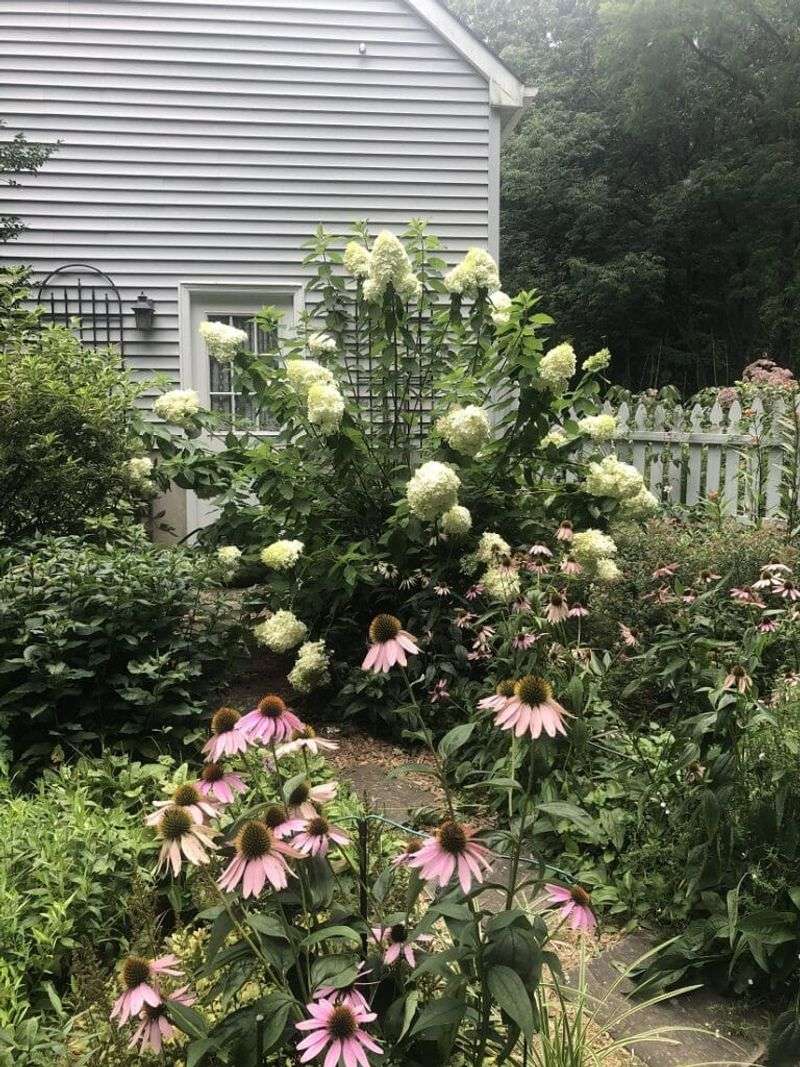
Fifteen years in the same spot changes a hydrangea completely. Its roots have spread well beyond the original planting hole, reaching nutrients a young shrub could never touch.
Mature plants pull from decomposing mulch, fallen leaves, earthworm activity, and whatever drifts over from nearby lawn feeding. Many established hydrangeas in Pennsylvania landscapes have not been fertilized in years and bloom beautifully anyway.
Overfeeding creates its own set of problems too. Too much nitrogen produces lush leaves and stingy flowers, which frustrates gardeners who then feed even more in response.
Floppy stems are another symptom worth watching for. Soft, fast growth cannot support heavy mophead blooms, so they bow to the ground after every rain.
A soil test is the honest answer to whether feeding is needed at all. Penn State Extension offers inexpensive testing kits through county offices, and results arrive with specific recommendations.
Guessing at nutrients is like adding salt without tasting the soup first. The test removes the guesswork for a few dollars.
Newly planted hydrangeas are the real exception here. During their first two or three seasons, a modest spring feeding helps them build root systems.
Once a shrub is settled and blooming, an annual spring top-dressing of compost usually covers everything it needs.
Timing Mistakes Show Up The Following Spring
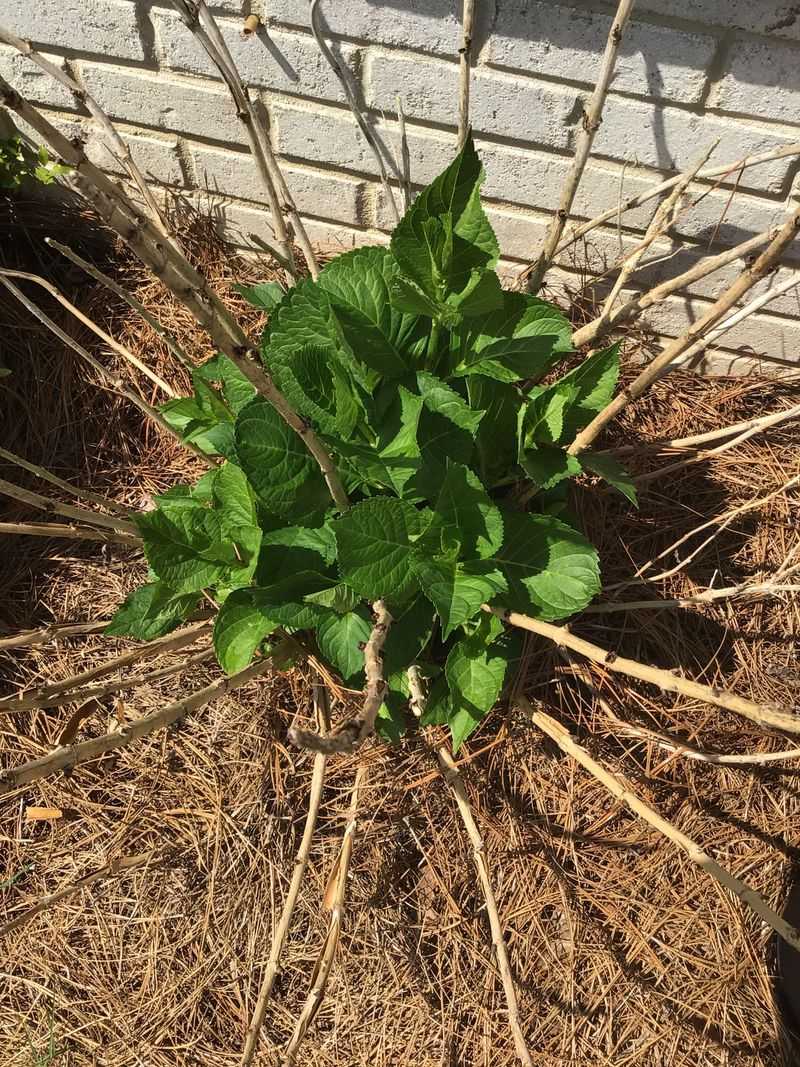
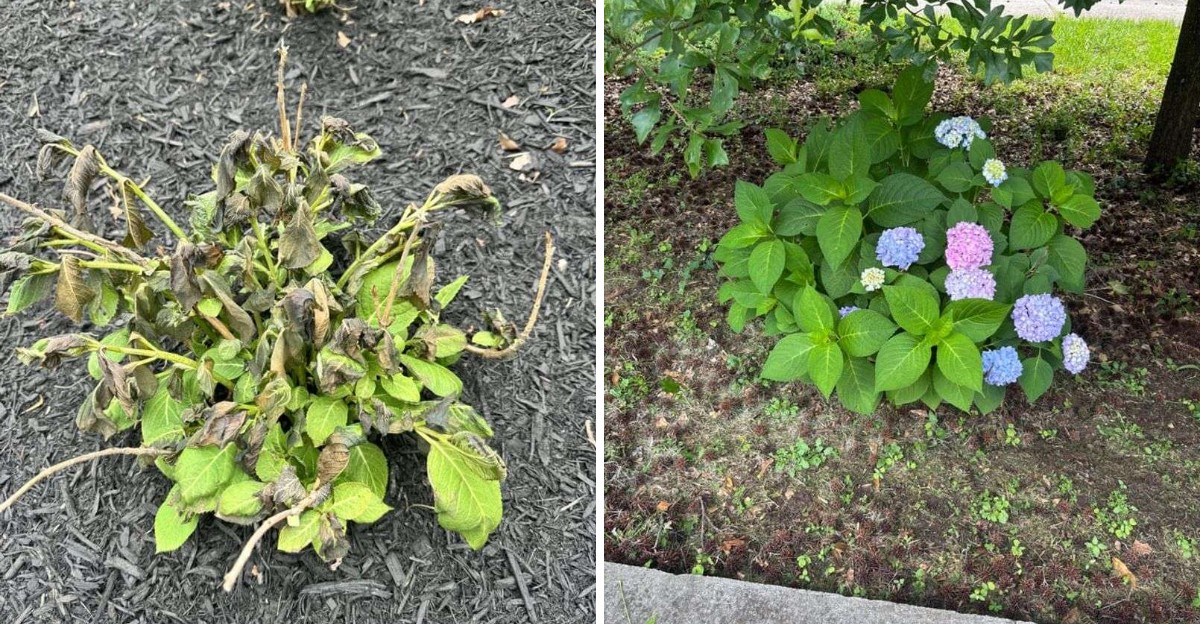
May is when the bill comes due. Neighbors’ hydrangeas leaf out fully while yours pushes growth only from the lower third of the plant, leaving the rest bare.
Bare, brittle stem tips are the classic signature of winter injury that began with late feeding months earlier. Scratch the bark with a fingernail, and you find tan or brown instead of green.
Flower loss hurts the most out of everything. Bigleaf and oakleaf hydrangeas form buds on last year’s wood, so damaged upper stems mean a summer of leaves and almost no blooms.
Panicle and smooth hydrangeas bloom on new wood and often recover better, though weakened plants still flower later and less generously than usual.
Recovery is possible though. Prune out clearly damaged wood once buds swell and you can see exactly what survived, then water well and be patient.
Resist the urge to fix the problem with a heavy spring feeding. A light, balanced application in April or May is plenty to get things back on track.
Keep a simple garden note with the date of your last fertilizer application each year. Comparing that entry with the following spring’s performance teaches more than any article can.
One skipped August feeding can spare you an entire bloomless summer. In hydrangea care, restraint in late season pays the biggest dividends of all.