Why Wet Leaves Left On Pennsylvania Lawns Are Quietly Destroying New Grass
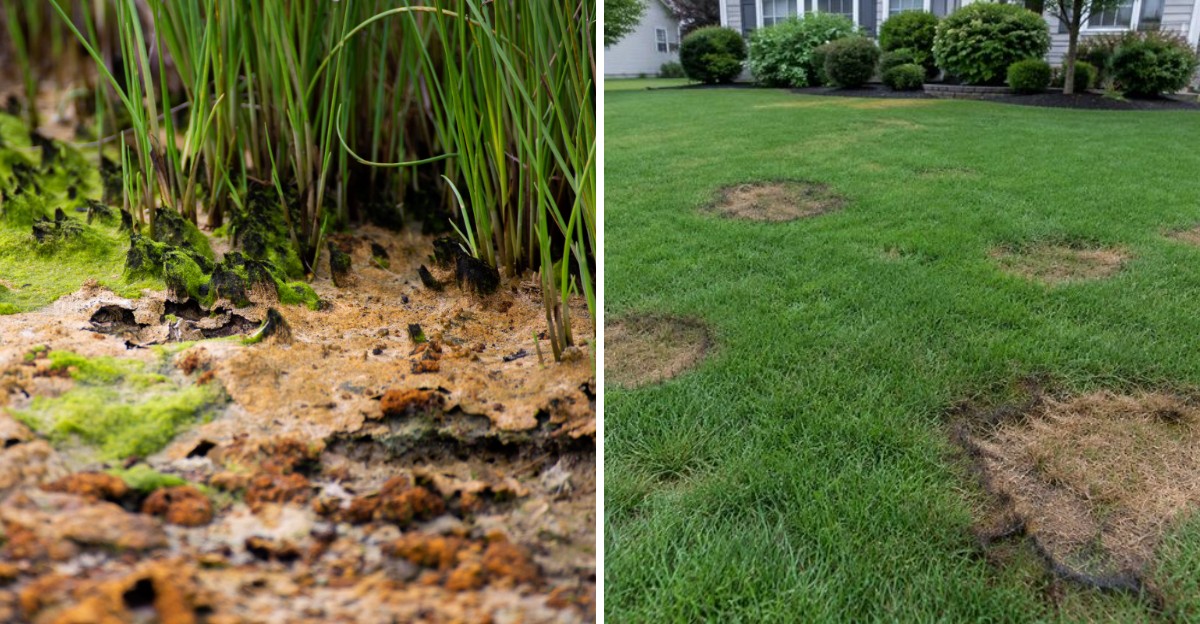
Why do your fresh seedlings fade after a rainy week in Pennsylvania? Wet leaves mat together and form a dense, slippery lid over tender grass.
Sunlight cannot reach the seedlings, and moisture stays trapped against the soil. Mold loves damp, dark pockets. Tall fescue and Kentucky bluegrass, the staples in your lawn, need light to establish roots.
You can spot problems early by lifting a leaf corner and checking the soil. Pale, limp blades can signal the damp has taken hold. Rake gently with a flexible leaf rake as soon as the surface dries.
Rigid metal tines pull seedlings from loose soil, so you should choose plastic. Shred leaves with a mower on established turf and you feed your Pennsylvania lawn instead of blocking it.
Fine fragments sift between blades and decompose into organic matter. Thicker turf can greet you by spring.
1. Blocking Sunlight From Tender Seedlings
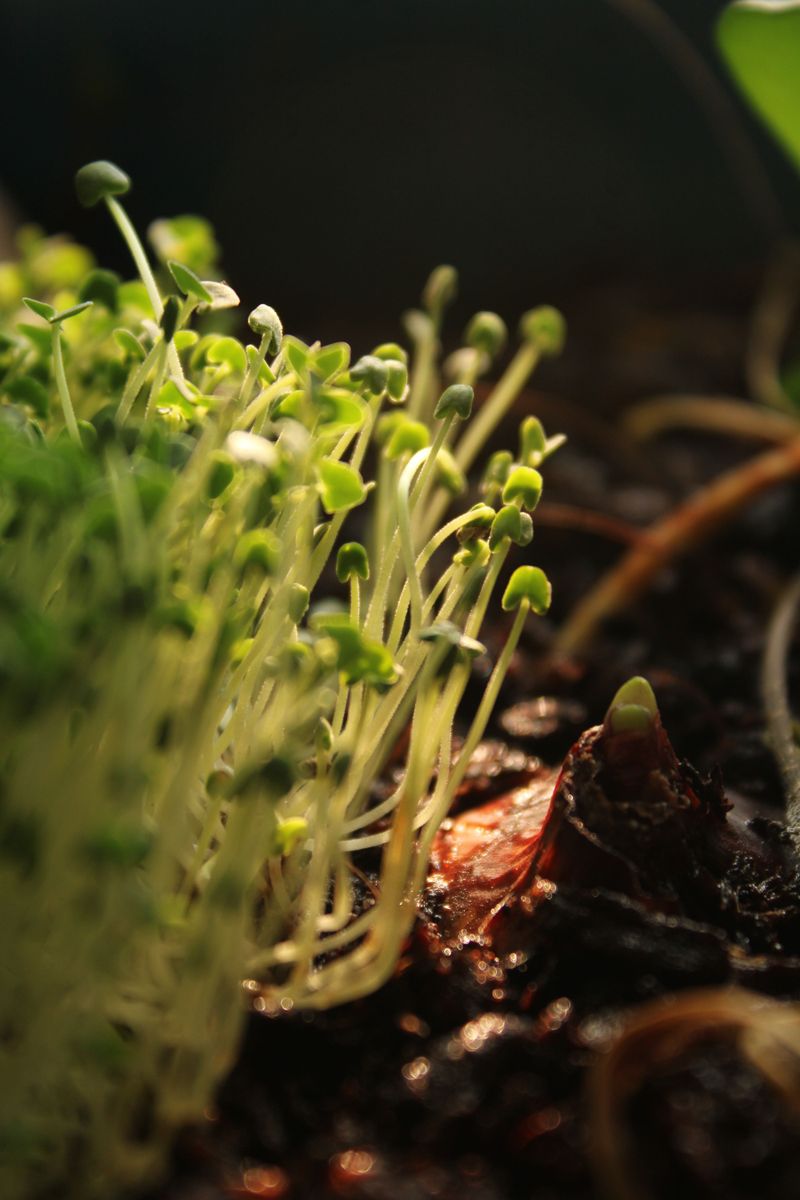
Picture yourself trying to eat lunch with a paper bag over your head. New grass under a wet leaf feels about the same way.
Young seedlings need sunlight to make food through a process called photosynthesis. Their tiny blades are like solar panels, and they are hungry ones too.
Dry leaves often blow around and let light slip through the gaps. Wet leaves stick flat, overlapping like shingles on a roof.
In Pennsylvania, October days are already shrinking, so every hour of sun matters. A seedling covered for even a week can turn pale yellow and weak.
Those weak plants struggle to build strong roots before the ground freezes. Without good roots, winter frost can heave them right out of the soil.
Shaded spots near oak and maple trees need extra attention, since these trees drop leaves for weeks. Check those areas first after every windy rainstorm.
So what can you do about it? Rake or blow leaves off newly seeded areas once or twice a week during peak leaf drop.
A leaf blower on a low setting works well because it does not tear up tender sprouts. A light plastic rake is another gentle option for small spots.
Try to clear leaves on a dry afternoon when they lift more easily. Your baby grass will thank you with a greener, thicker look come spring.
Think of it like clearing snow off a car windshield. You would not drive blind, and your seedlings should not grow blind either.
2. Trapping Moisture That Breeds Snow Mold
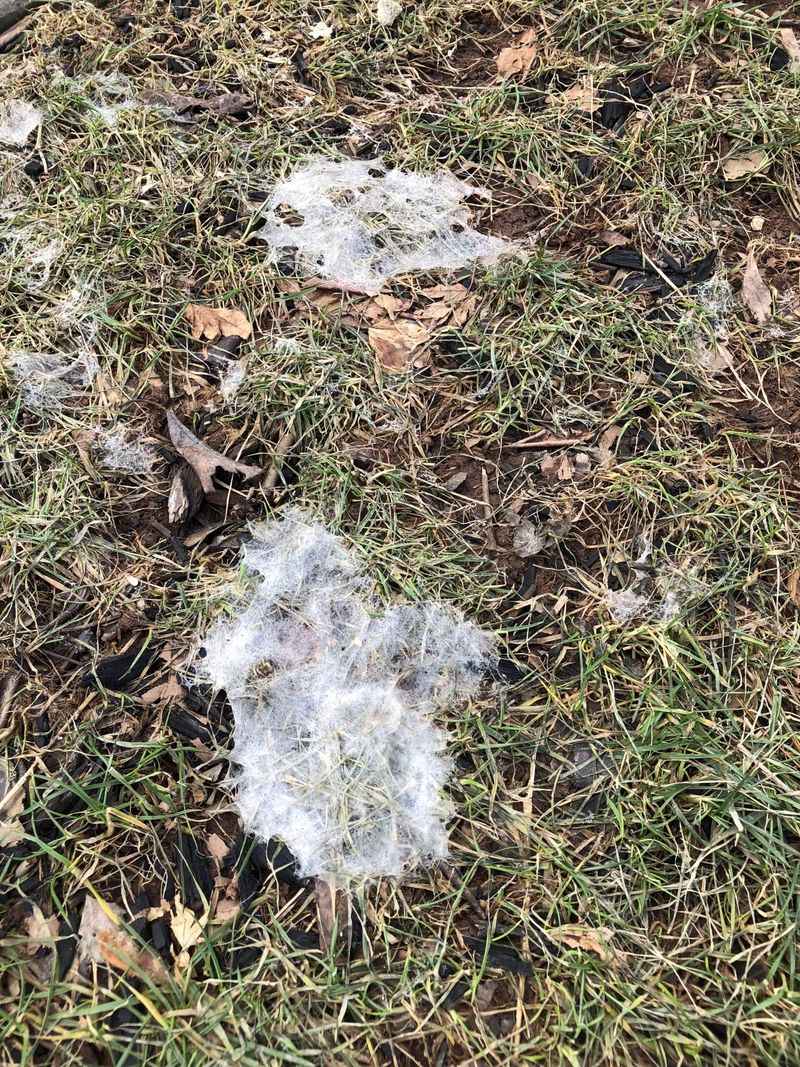
Many Pennsylvania homeowners have run into trouble that starts with a soggy pile of maple leaves. Those piles can lead to fuzzy pink or gray patches in March.
Those patches are called snow mold, a fungus that loves cold, damp, dark places. Wet leaves create ideal conditions for it through the winter.
Mold spores live in most lawns, quietly waiting for the right conditions. A wet leaf layer traps moisture against the grass and keeps air from drying it out.
Once snow piles on top, the fungus gets additional insulation. By spring thaw, you might find circles of matted, crusty grass stuck together.
Your Pennsylvania Garden Changes Every Week. Your Plan Should Too.
Gardening in Pennsylvania changes quickly throughout the season. Every Friday you’ll receive a simple weekly plan showing exactly what to plant, prune, fertilize, harvest, and protect so you never miss the right timing.
Older lawns can sometimes bounce back from a mild case. New grass has thin blades and shallow roots, so it has far less strength to recover.
Pink snow mold is the tougher type, and it can damage the crown of the plant. Once the crown is damaged, that seedling is unlikely to recover.
Prevention is easier than repair, and it is typically low-cost. Keep leaves cleared from new areas right up until the first lasting snowfall.
Give the lawn one final mow a little shorter than usual, around two and a half inches. Shorter grass dries faster and gives mold fewer places to hide.
Avoid heavy nitrogen applications late in fall, since soft, lush growth can invite fungus. Use a starter fertilizer at seeding, and a balanced, slow-release product on established turf in early fall.
Spring cleanup matters too, so rake matted spots gently once the snow melts. Fluffing them up lets air and sunlight finish the job.
3. Limiting Oxygen To Roots
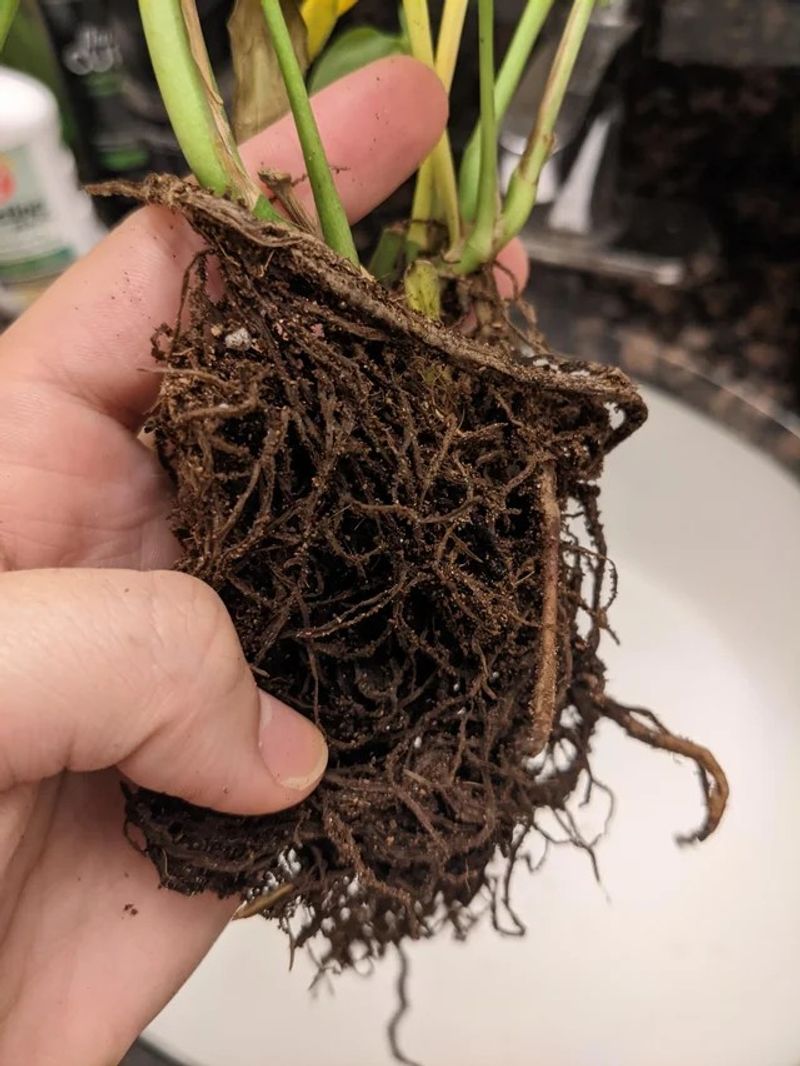
Roots breathe, even though they do not have lungs or noses. They pull oxygen from tiny air pockets hidden between bits of soil.
Healthy soil works a bit like a sponge, holding both water and air. When a soggy leaf layer sits on top, that balance can get thrown off.
A thick leaf layer can slow evaporation after rain. In poorly drained soil, the ground stays wet longer, and the air pockets stay filled with water.
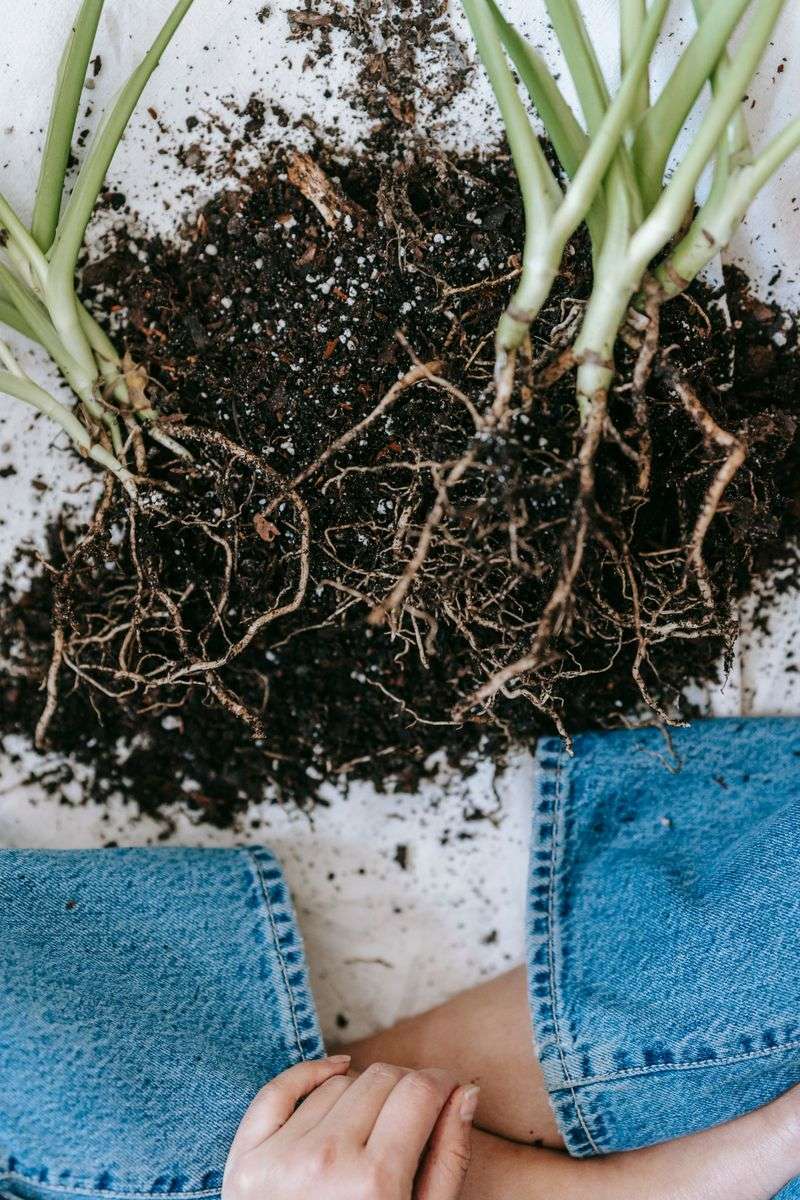
Young roots in waterlogged soil can start to struggle within days. They may turn brown, mushy, and smell a little sour when you dig them up.
Soils across Pennsylvania vary, and clay-rich soils are common in some areas. Clay drains slowly, so this problem can show up faster there.
A simple check can offer a clue. Push a screwdriver into the soil, and if it comes out muddy and smelly, the soil may be holding too much water.
Start by clearing away the leaf mat so the surface can dry. Sunlight and a gentle breeze will help pull moisture out of the top layer.
Core aeration in early fall also helps air reach deeper roots. Just avoid aerating right on top of fresh seed, since it can disturb sprouts.
Next season, consider topdressing with a thin layer of compost to loosen heavy ground. Over time, compost improves drainage and gives roots room to stretch.
Breathing room might sound like a small thing for a blade of grass. For a seedling, though, it makes the difference between thriving and fading.
4. Encouraging Leaf Spot And Other Fungal Problems
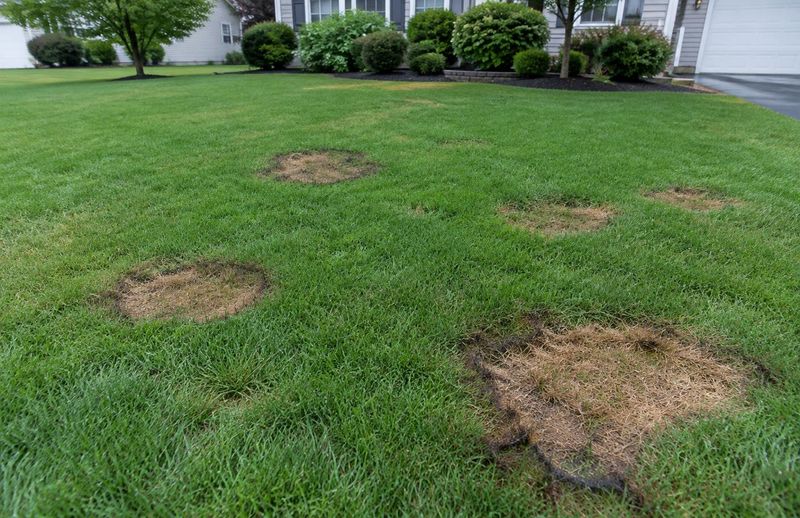
Leaf spot, brown patch, and pythium blight are common lawn diseases. Moist conditions and plant debris help them spread.
Fungi need three things to grow: moisture, mild temperatures, and something to feed on. A pile of rotting leaves can supply all three.
October in Pennsylvania often brings warm afternoons followed by foggy, dewy mornings. Those swings keep the ground damp, which favors fungal growth.
Brown patch and pythium blight are mainly hot-weather diseases, so leaf spot and seedling damping-off are the bigger fall concerns.
Some disease organisms survive in leaf debris. Tender seedlings sitting right underneath have limited resistance.
Watch for warning signs like small tan spots or greasy-looking blades in the morning. Cottony white threads point to pythium, which is mostly a hot-weather problem.
In hot, wet summer weather, pythium can spread quickly and damage patches within a day or two. In fall, watch low spots where water collects, since seedlings there are most exposed.
The best defense is good airflow and dry blades. Clear leaves often, and water early in the morning rather than in the evening.
Evening watering lets moisture sit on grass all night, which favors fungal growth. Morning watering gives the sun a chance to dry everything off.
Clean your mower blades after cutting an affected area. Spores can hitch a ride and spread to healthy parts of the yard.
If disease shows up anyway, get an accurate diagnosis first, since fungicides are often unnecessary on home lawns. Penn State Extension offers lawn diagnosis resources for homeowners.
A little detective work now saves a lot of reseeding later. Your eyes are the best tool you own for catching trouble early.
5. Creating Cozy Homes For Lawn Pests
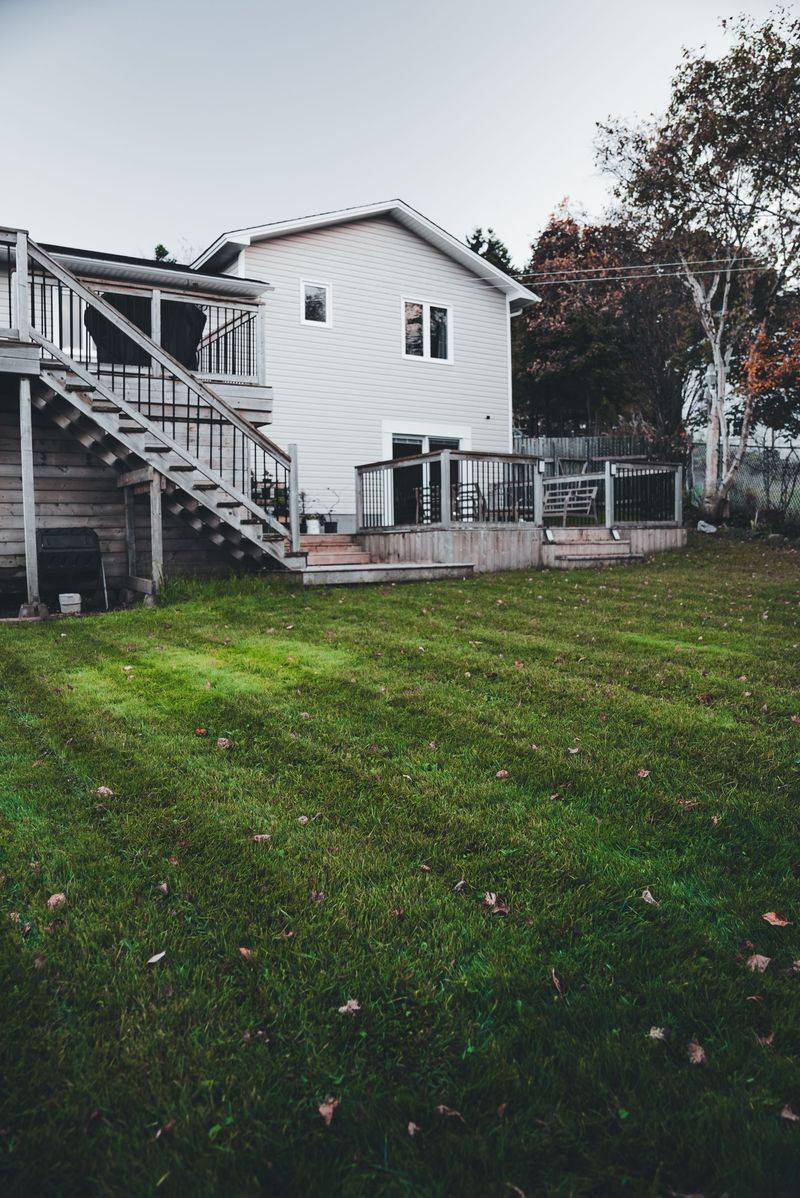
Slugs favor soggy leaf piles. Cool, dark, and damp is exactly the shelter they look for. At night, slugs crawl out and chew holes in tender new grass blades. Seedlings are soft and juicy, which makes them a favorite snack.
Slugs are not the only pests, though. Cutworms, crane fly larvae, and voles all appreciate a thick, wet leaf cover.
Cutworms hide during the day and snip young plants right at the soil line. You might notice blades lying flat, as if someone took tiny scissors to them.
Voles are small, mouse-like animals that tunnel through the leaf layer all winter. In spring, they leave winding trails of chewed grass across the lawn.
Pennsylvania winters with deep snow make vole damage even worse. Snow plus leaves gives them a safe roof away from hawks and foxes.
Removing that cover is a simple way to reduce pest shelter. Without it, they become easy targets for birds and other natural predators.
Try walking your yard with a flashlight on a damp evening. Shiny slime trails and slugs on blades tell you exactly where trouble lives.
Shallow dishes of beer sunk into the soil can trap some slugs without harsh chemicals. Iron phosphate bait is another option that is safer around pets.
Keep mulched beds a few feet back from newly seeded edges. That small gap makes it harder for pests to wander over for dinner.
A tidy lawn is not just about looks. It removes shelter for many hungry pests before winter arrives.
6. Chilling Soil Before Roots Get Settled
Here is something many homeowners overlook in fall. A thick leaf layer can keep the soil cooler during sunny October afternoons by blocking sunlight.
Bare soil soaks up warmth from the sun, much like a dark sidewalk on a summer day. Wet leaves block much of that heat before it reaches the ground.
Cool-season grasses like tall fescue and Kentucky bluegrass grow roots best when soil sits between 50 and 65 degrees. Even a few degrees cooler slows them down.
Fall seeding works because warm soil and cool air give roots a head start. Covering that soil with soggy leaves reduces the warming benefit.
In northern Pennsylvania, the window closes quickly once November arrives. Seedlings need about six to eight weeks of growth before hard frost to survive winter.
Roots that stay short and shallow cannot hold on when soil freezes and thaws. That repeated freezing pushes young plants upward, a problem called frost heave.
Exposed roots then dry out in cold, windy weather. By spring, you might find bare patches where your seed once sprouted.
Clearing leaves lets every bit of autumn sunshine warm the ground. A cheap soil thermometer from a hardware store helps you track conditions.
Stick it about four inches deep in the morning for the most accurate reading. If temperatures stay above 50 degrees, your roots are still busy growing.
Think of sunshine as free fuel for your lawn this month. Do not let a pile of soggy leaves block the delivery truck.
7. Matting Down Into Dense, Wet Layers
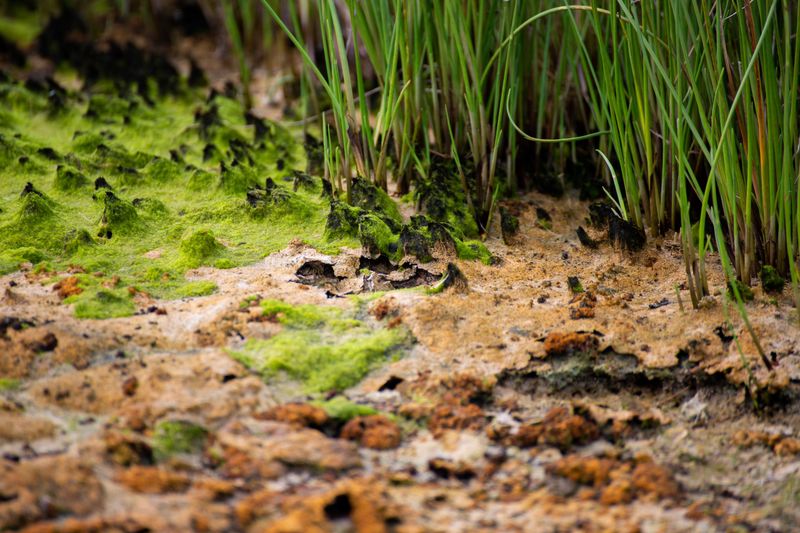
Anyone who has lifted a soaked oak leaf pile knows it feels like peeling wet cardboard. That heavy, wet mat forms faster than many people expect.
Rain presses leaves flat, and then they start sticking to each other like glue. After a couple of weeks, the layer can be tough to rake apart.
Oak leaves are among the slowest to break down because they are thick and waxy. Pennsylvania has plenty of oaks, so many yards face this mess.
A matted layer acts like a lid that seals in moisture and blocks light. New grass underneath gets squashed flat and cannot stand back up.
Removing a thick mat can also pull up tender seedlings stuck to the leaves. That is why waiting too long creates a difficult situation.
The trick is to stay ahead of the pile. Clearing small amounts often is easier than managing one large, wet pile in November.
A mulching mower is a handy tool for lighter leaf cover on established turf. Avoid mowing over fresh seedlings until they are well rooted, since the mower can pull them up.
Only mulch when the leaves are mostly dry, though, since wet ones clump and clog the deck. If you can still see grass after mowing, you are in good shape.
Heavier piles should be raked onto a tarp and dragged away. Many Pennsylvania towns offer curbside leaf pickup in October and November.
Check your township website for pickup dates and rules. Some areas want leaves bagged, while others let you pile them near the curb.
8. Protecting Your Fall Seeding Investment
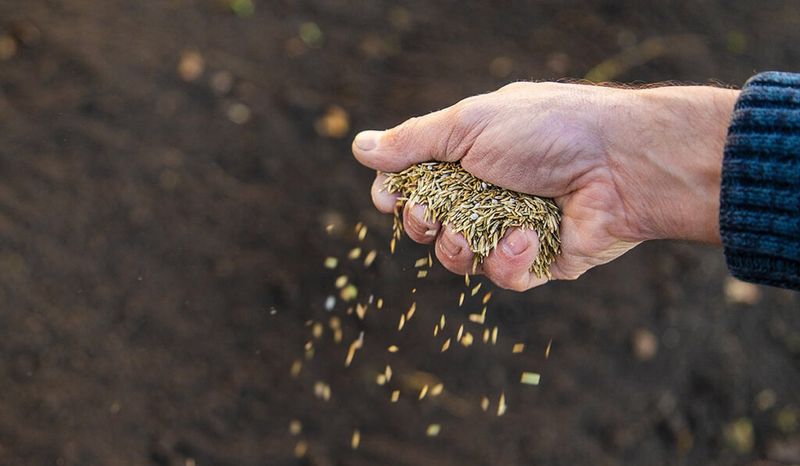
Grass seed is not cheap, and a good bag of tall fescue can cost fifty dollars or more. Add starter fertilizer, straw, and water, and the bill climbs fast.
Now imagine losing much of that effort to a few weeks of soggy leaves. It happens to many Pennsylvania homeowners in wet autumns.
September is the sweet spot for seeding in the state, and many people time it perfectly. Then October leaf drop arrives and can set back a month of careful work.
Reseeding in spring is possible, but it comes with extra challenges. Crabgrass and summer heat make spring seedlings much harder to establish.
Fall-planted grass usually grows deeper roots and handles summer stress much better. Protecting it now means fewer problems next July.
So build a simple leaf plan before the trees let go. Mark your calendar for quick cleanups twice a week during peak drop.
Keep a rake, a tarp, and some yard bags near the back door. When tools are easy to grab, ten-minute cleanups feel much less like chores.
Get the family involved, too, because kids often love jumping into leaf piles. Just make sure those piles sit on the driveway or old lawn, not new seed.
Shredded leaves make excellent compost or mulch for garden beds. That way, little goes to waste, and your flowers get a free boost.
A little effort this month protects much of what you spent in September. Come spring, a thicker lawn can be your reward. Neighbors may even ask for your secret. You can smile and say it all started with a rake.