Why This Week Is A Turning Point For Louisiana’s Crawfish Farmers
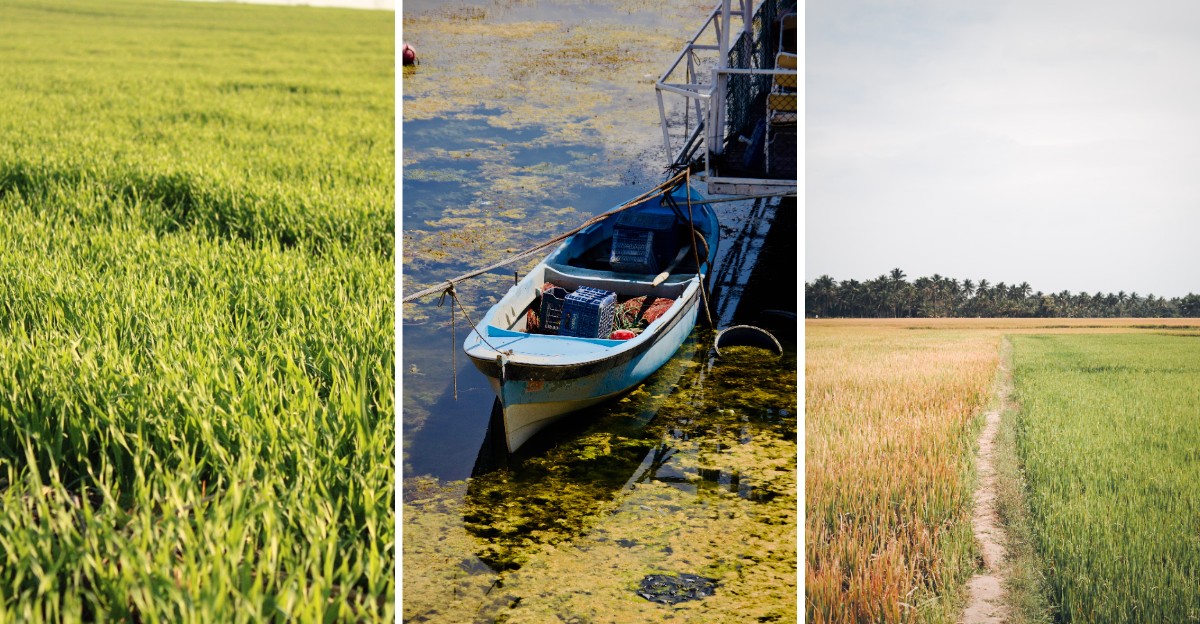
Water temperature just became the only number that matters to you. Louisiana ponds are shifting from dry soil to standing water. Farmers watch flood timing while you watch the sky.
Pumps groan awake after a summer of parched silence. Dry ground actually helps young crawfish through tough months. Growers know rushing this stage costs a full season.
Patience separates a thin spring from a heavy harvest. Temperature swings this week decide how fast crawfish emerge. You feel the tension building across Louisiana right now.
Each gauge gets checked before sunrise, flow adjusted slightly. Small mistakes here cost sacks later, not just days. Nobody controls the weather, but you control your timing.
Underground movement this week signals what emerges later. Sunlight hits water differently now, waking crawfish from rest.
Depth control now shapes molting cycles across ponds. What happens in these ponds decides whether your boil overflows or falls short.
1. Flood-Up Season Arrives Right On Schedule
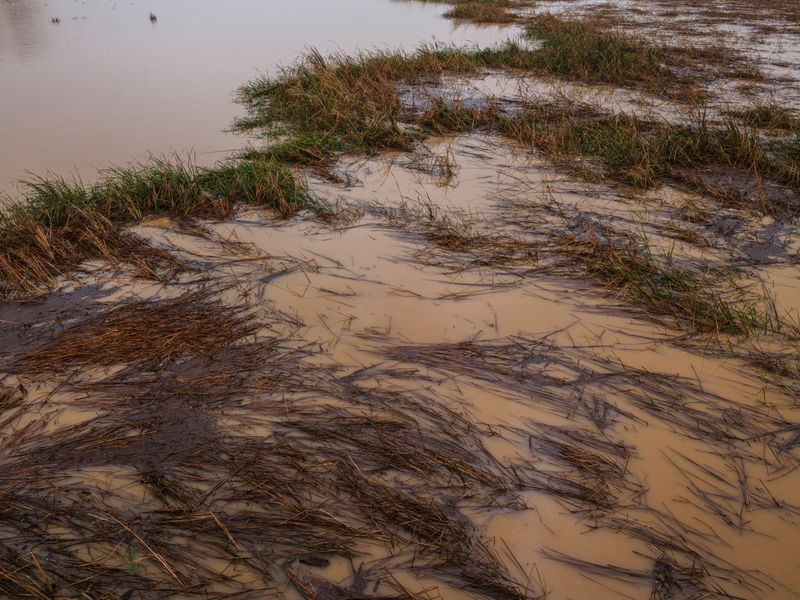
Ask any south Louisiana farmer what makes late September special, and the answer usually involves a pump and a lot of water. Flood-up is the moment fields go from dry, cracked ground to shallow ponds alive with movement.
Timing matters more than folks outside the industry realize. Flooding too early can heat the water and drain oxygen fast, while waiting too long shortens the growing window.
Many producers target water temperatures that drift into the low-to-mid 80s or cooler before they start, a threshold commonly cited in extension guidance.
Once water covers the field, crawfish that spent summer tucked inside burrows begin moving out with their young. Within a couple of weeks, small crawfish start showing up in test traps.
Farmers watch oxygen levels closely during those first days. Vegetation breaking down underwater can pull oxygen low quickly, so many pump at night or fill in stages.
A practical tip passed around coffee shops in Crowley and Breaux Bridge is simple. Flood slowly, check the far corners, and keep a portable meter handy.
Getting this week right shapes everything that follows, from December harvests to March boil prices. A smooth flood-up gives the season its best possible head start.
Neighbors often stagger their pumping so the shared water supply holds steady. Cooperation keeps wells and canals from being stretched thin during the busiest stretch.
Records help too, since notes from last fall reveal which fields filled slowly. Those scribbled pages are worth more than any long-range forecast.
2. Cool Fronts Rewrite The Pond Overnight
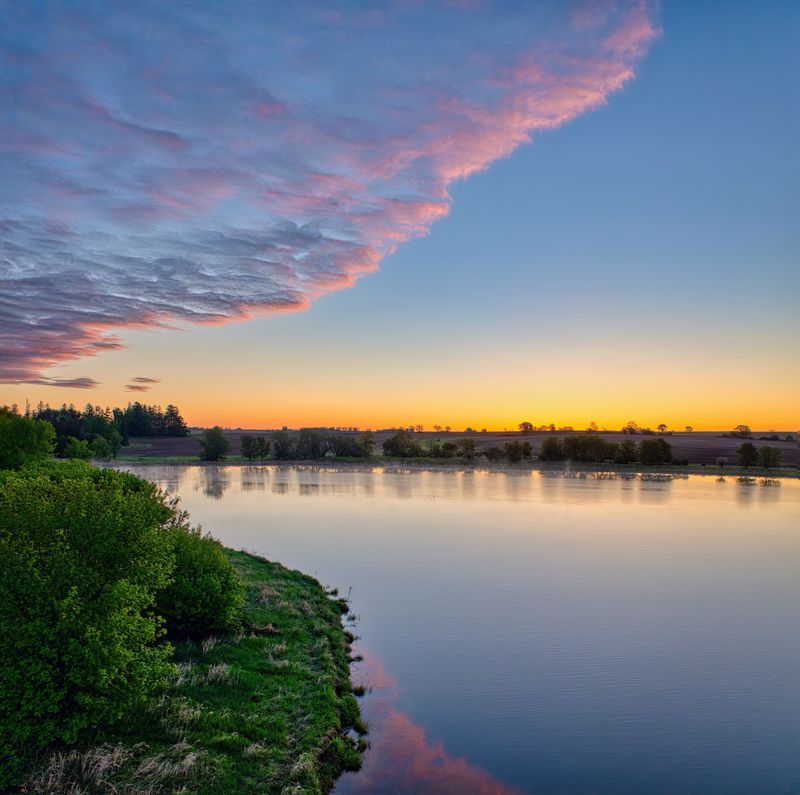
The first real cool front of the year does something notable to a shallow pond. Water that sat near 90 degrees can drop into the low 80s over a cold night, depending on depth and wind.
Crawfish respond to that shift almost immediately. Cooler water holds more oxygen, and oxygen is the currency that decides how active they become.
Females sealed inside burrows since June read the temperature change as a green light. They push out with tiny young clinging beneath their tails, ready for open water.
Your Louisiana Garden Changes Every Week. Your Plan Should Too.
Gardening in Louisiana changes quickly throughout the season. Every Friday you’ll receive a simple weekly plan showing exactly what to plant, prune, fertilize, harvest, and protect so you never miss the right timing.
Farmers keep a close eye on the forecast during the final week of September. A front arriving Thursday can turn a calm Monday decision into a scramble.
Sharp operators prepare pumps ahead of the front rather than chasing it afterward. Fuel, filters, and float switches get checked while the weather is still quiet.
Water temperature readings should come from the pond, not from a phone app. A cheap thermometer on a string tells the true story at crawfish level.
Morning readings and late afternoon readings can differ by several degrees. Averaging them gives a clearer picture than one quick glance at noon.
September fronts in Louisiana tend to be modest, arriving with a dry breeze instead of dramatic rain. Even so, that small dip is often enough to start the biological clock ticking.
Old-timers describe the change as the pond waking up. Once it does, the countdown toward the first traps of the season truly begins.
Keeping a simple notebook of front dates pays off over the years. Patterns show up that no forecast will hand you for free.
3. Rice Fields Trade One Crop For Another
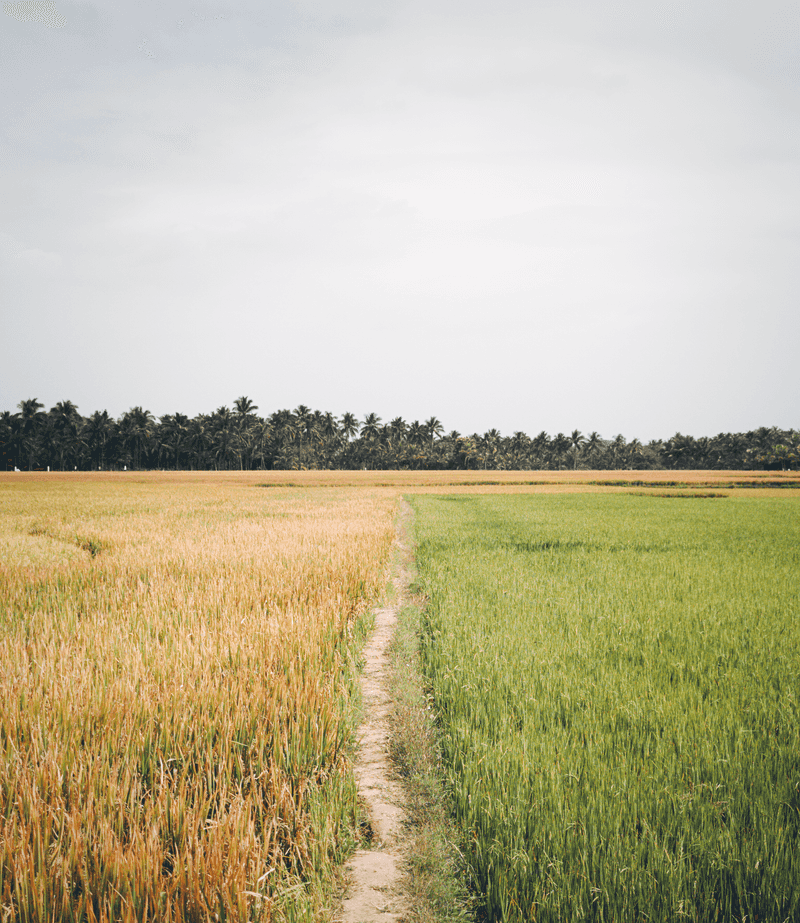
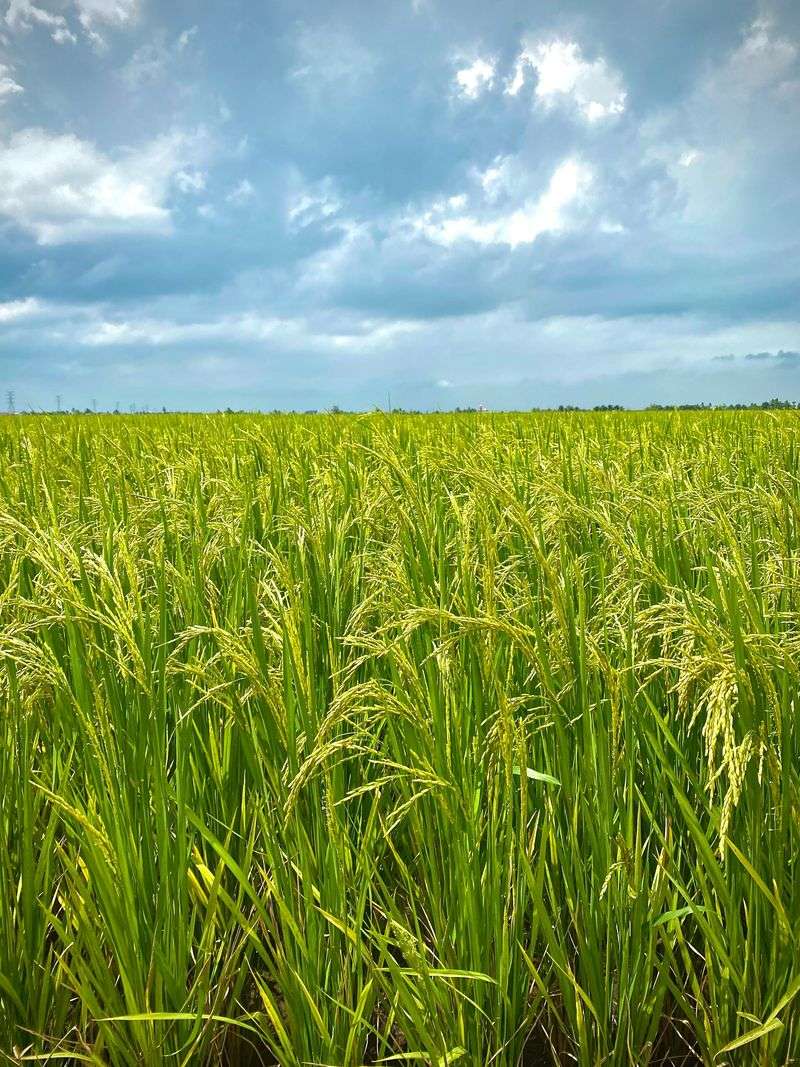
A large share of Louisiana crawfish, commonly cited as roughly half of the state’s production, come out of fields that grew rice a few months earlier. Combines finish their work, and the same ground quietly switches jobs.
That rotation ranks among the cleverest arrangements in American farming. Leftover rice stubble regrows, feeding the tiny organisms that crawfish depend on once water returns.
September is when the handoff happens. Growers who cut rice in August now watch the ratoon crop climb back toward knee height.
Stubble height matters more than people assume. Too little growth leaves thin cover, while an overgrown stand can soften fast and pull oxygen from the water.
Many producers aim for a moderate stand, green and standing, before the pumps start. Mowing strips or leaving alleys open helps water move evenly through the field.
Fertilizer decisions in September also carry weight. A light application can push regrowth without creating a jungle that becomes hard to manage later.
Levees get attention during this stretch as well. Crawfish travel along them, and a weak spot can drain a pond faster than anyone expects.
Farmers often walk the entire perimeter with a shovel in hand before flooding. It is routine work that protects entire fields.
The double-duty land use explains why crawfish supply and rice acreage sometimes move together. When rice acres shrink, crawfish acres frequently follow the same path.
Anyone curious about how a pond of crawfish begins should look at a rice field in September. The answer is standing right there in the stubble.
4. Water Supply Questions Get Answered Fast
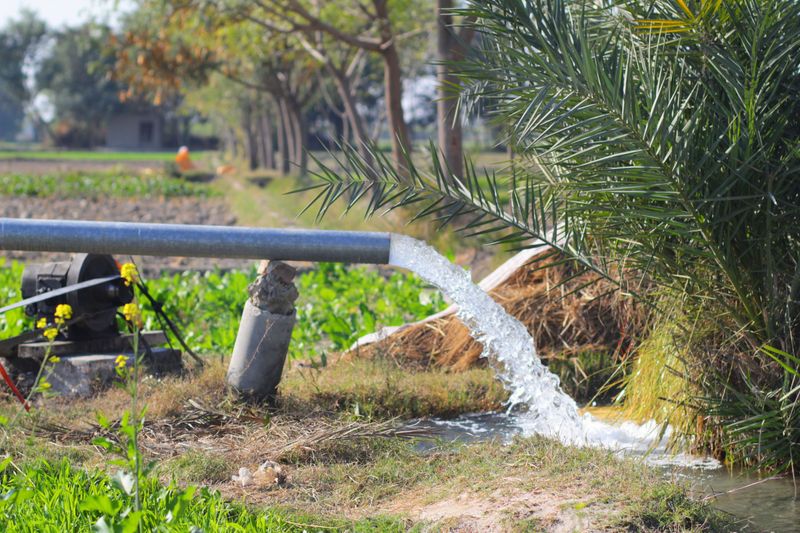
Filling a crawfish pond takes a significant amount of water, often several inches spread across many acres. That demand arrives at the exact moment wells and canals sit at their lowest.
Late summer in Louisiana has a habit of turning dry. Bayous drop, aquifer levels sag, and pumps that ran easily in spring start working harder.
Coastal parishes face an extra wrinkle. When river flow falls, salty water can creep upstream into canals that farmers rely on.
Crawfish tolerate a little salinity, though young ones struggle when levels climb. Testing before pumping is a small step with large consequences.
Inexpensive handheld meters give a reading in seconds. Many producers test at the intake, then again mid-pond after a day of filling.
Sharing a water source with neighbors calls for coordination. Staggered schedules keep pressure steady and reduce the chance of pulling a well too low.
Some farms have added holding reservoirs or recirculation systems in recent years. Reusing water lowers fuel bills and eases pressure on shared supplies.
Fuel cost is its own story, since diesel pumps may run for days during flood-up. Tracking gallons burned per acre helps with planning the following year.
Groups like the LSU AgCenter publish seasonal guidance that many growers check before starting. Local knowledge paired with published data beats guesswork.
This week, those water questions stop being theoretical. Pumps either deliver or they do not, and the answer shapes the whole season.
Keeping a spare impeller and belt on hand turns a two-day setback into a two-hour one. Small parts, big difference.
5. Forage Choices Feed Next Spring’s Harvest
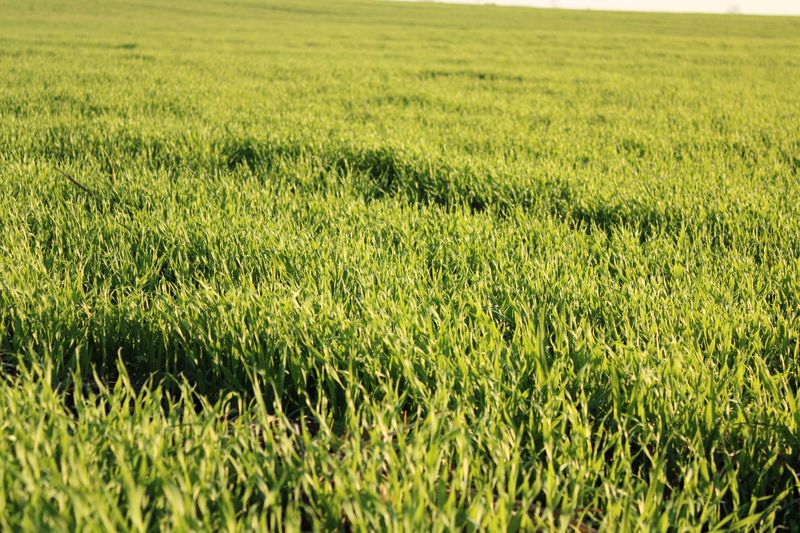
Here is a fact that surprises newcomers. Crawfish are not really eating the plants in the pond, they are grazing on the tiny organisms that grow on softening vegetation.
That makes forage the foundation of the entire operation. Rice stubble, volunteer grasses, and planted sorghum-sudangrass all serve as the base layer.
Fields without a rice crop need something planted in late summer. Many farmers drill forage in August so it stands tall by the end of September.
Balance is the tricky part. Thin vegetation means less food, while a thick mat can smother oxygen once it breaks down underwater.
Walking the field and studying coverage beats judging from a truck window. Patchy areas can be noted now and adjusted next season.
Water depth interacts with forage as well. Flooding a heavy stand too deeply can speed breakdown and stress the pond during warm spells.
Some growers stage the flood, adding a few inches at a time over several days. The slower approach gives vegetation time to settle.
Rain in September changes the plan quickly. A soaking week can save fuel, while a dry stretch pushes everything back onto pumps.
Farmers also watch for weeds that crawfish find less useful. Alligatorweed and heavy grasses can crowd out better forage and tangle traps later.
The payoff shows up in March, when sacks either feel heavy or disappointing. Decisions made in a dusty field this week are quietly writing that outcome.
Photographs of each field, taken now, become a handy reference by winter. Memory fades, pictures do not.
6. Burrow Checks Reveal The Hidden Headcount
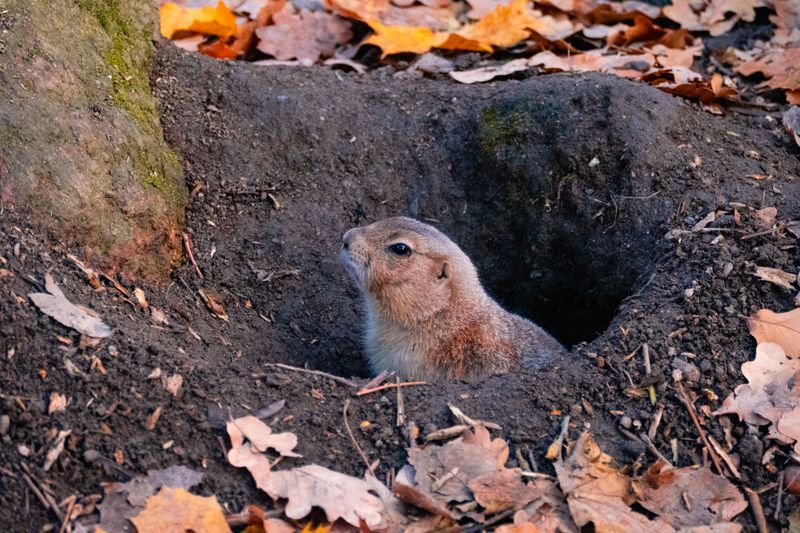
Long before any trap goes in the water, farmers go hunting for mud chimneys. Those small towers mark burrows where females have been waiting out the summer.
Digging a few open is part science, part tradition. A shovel, a bucket, and ten minutes can reveal whether a field holds a strong brood.
What growers hope to find is a female carrying young beneath her tail. Several of those in a short survey suggests a promising start.
Dry summers make burrows a gamble, since deep mud holds moisture better than cracked clay. Fields with a high water table generally fare better.
Checking several spots across the field gives a fairer picture than one lucky hole. Low areas, levee edges, and high ground each tell a different story.
Findings guide the next decision, which is whether to restock. Adding brood stock costs money, so nobody wants to do it without reason.
Restocking rates for fields that need help vary by pond condition, but many producers reference extension guidance suggesting a range in the tens of pounds per acre, confirmed with a local agent before buying. Timing works best before water covers the ground.
Buying stock from a nearby farm reduces travel stress and keeps quality high. Handling them gently during transport matters just as much.
Some producers keep a simple tally sheet for each field, year after year. Patterns emerge that make future choices far easier.
Reading burrows is not glamorous, and it rarely makes the news. Still, it ranks among the more useful hours a grower spends in September.
7. Pumps, Traps And Boats Get Their Tune-Up
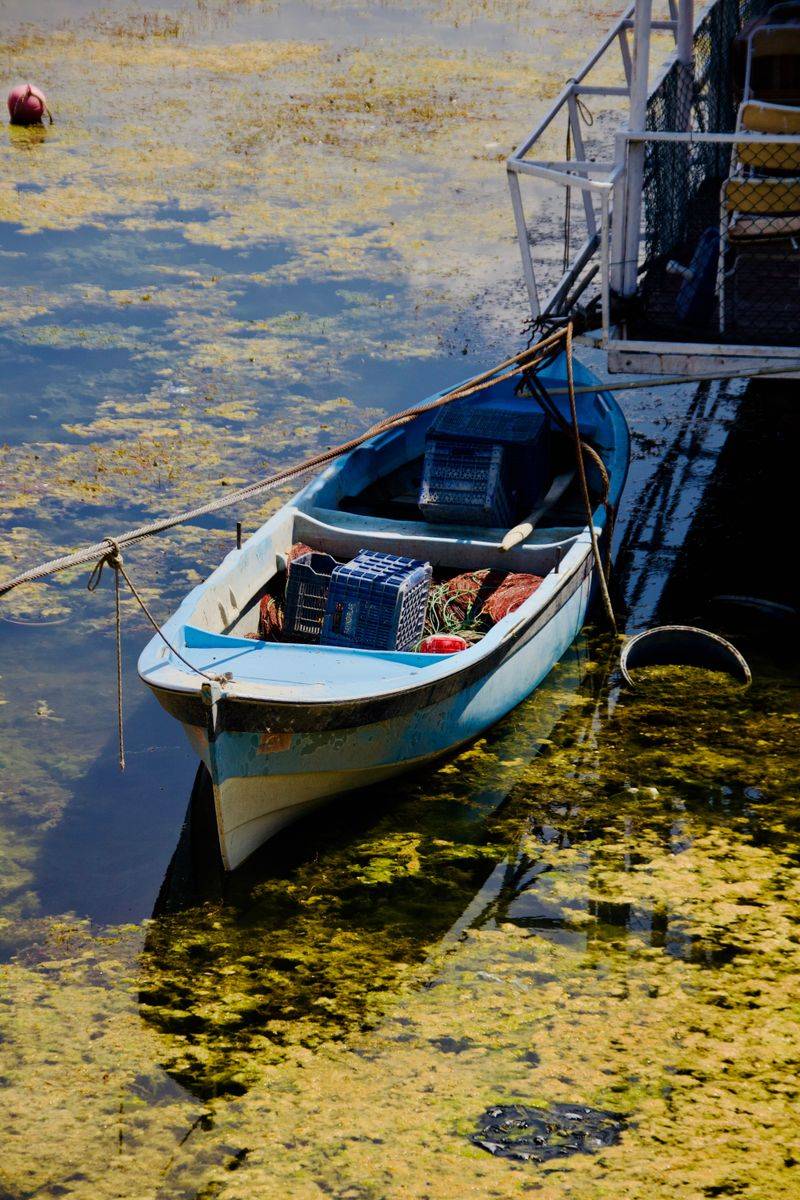
Ask a crawfish farmer about September, and somewhere in the answer there will be a wrench. Equipment that sat idle since May suddenly has to perform.
Pumps top the list, since flood-up depends on them entirely. Belts, seals, impellers, and intake screens all deserve a close look before the first gallon moves.
Boats come next. Hydraulic wheels, bilge pumps, and steering cables tend to stiffen after a summer parked under a shed.
Traps need sorting as well. Bent funnels, torn mesh, and rusted wire can be repaired now instead of during a cold December morning.
Many farms run a simple system of stacking good traps separately from ones needing work. It saves hours once harvesting begins.
Bait is another September conversation. Pond-run bait and manufactured bait both get ordered early, since supplies tighten when the season opens.
Prices for wire, fuel, and bait have climbed in recent years. Ordering ahead often locks in better terms than waiting until November.
Labor planning belongs on the list too. Finding reliable help for early mornings takes lead time, especially in busy farming parishes.
Safety gear deserves a mention, since cold water and long hours arrive together. Life vests, lights, and a charged radio are cheap insurance.
A tidy shed in September becomes a calm operation in January. Farmers who use this week for repairs tend to spend less time stranded later.
Writing a checklist and taping it to the shed wall sounds old-fashioned. It also works better than trusting memory at four in the morning.
8. Early Price Talk Sets The Season’s Mood
Conversation in feed stores this month drifts toward one question. What will crawfish bring when the first sacks reach the market?
Early season prices tend to run high when supply is thin, a pattern that typically shows up in the earliest weeks after harvest begins, though exact timing shifts from year to year.
Growers who flood on time have a better shot at that early window. A two-week delay in September can push the first harvest well past the holidays.
Demand also shifts with the calendar. Restaurants, festivals, and family boils build steadily toward the spring peak around Lent.
Processors and wholesalers begin lining up commitments this time of year. Farmers who communicate early tend to secure steadier buyers.
Direct sales have grown in popularity, from roadside coolers to social media orders. Building that customer list now beats scrambling in February.
Input costs sit on the other side of the ledger. Fuel, bait, wire, and labor all shape what a decent price actually means.
Weather in other states matters too, since imports and neighboring production affect what buyers offer. Louisiana still leads, though it does not operate alone.
Keeping simple records of pounds, prices, and dates helps growers spot trends. Two or three seasons of notes guide better decisions than any rumor.
Optimism tends to run high in September, a common feeling in this business. Hope gets planted right alongside the forage.
By the time the first traps come up, the outcome traces back to choices made right about now. That is why this stretch carries real weight for the months ahead.