The Fine Webbing On Indiana Garden Plants Is Not From A Spider
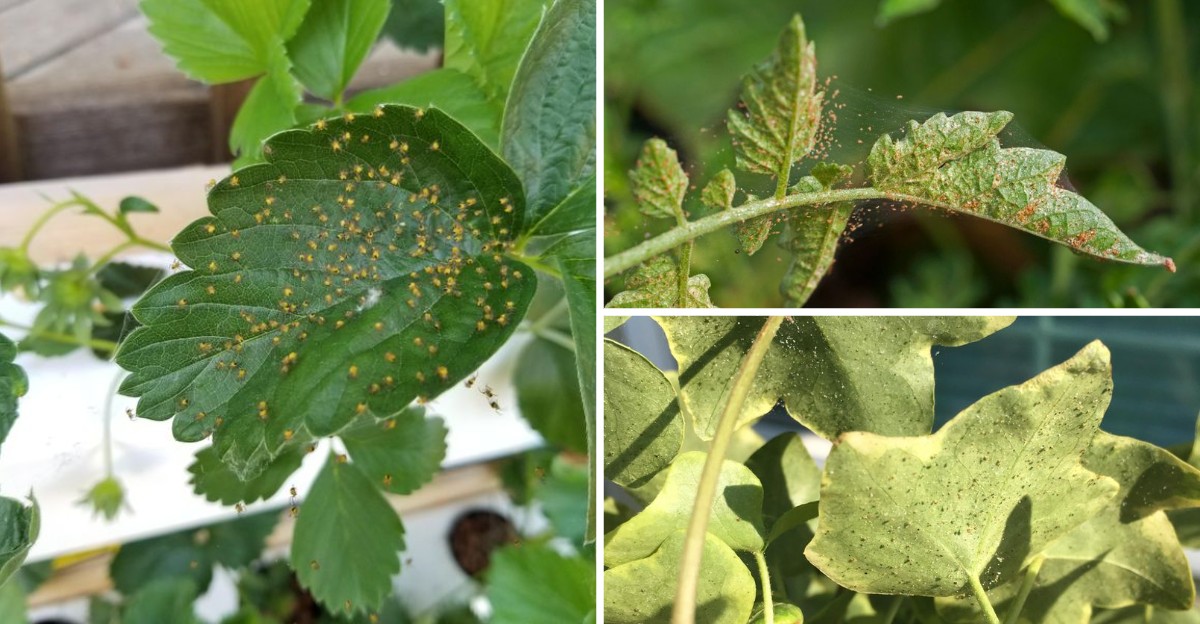
Morning walks through an Indiana garden in September now come with a strange new decoration hung overnight. Fine threads catch the low morning light between the leaves, delicate as work from a tiny loom.
Your first thought probably involves eight legs and some patient hunter tucked into a nearby shady corner. Look closer, though, and you find no neat spiral, no center, and no watchful tenant anywhere.
The leaves underneath tell a very different story, freckled pale and quietly losing their deep green. Something has been sipping there for weeks now, while you admired the bright blooms out front.
Whatever spun that silk is small enough to ride a breeze and outnumber you by thousands. The local spiders, it turns out, had nothing to do with it.
The Two Spotted Spider Mite Behind That Silk
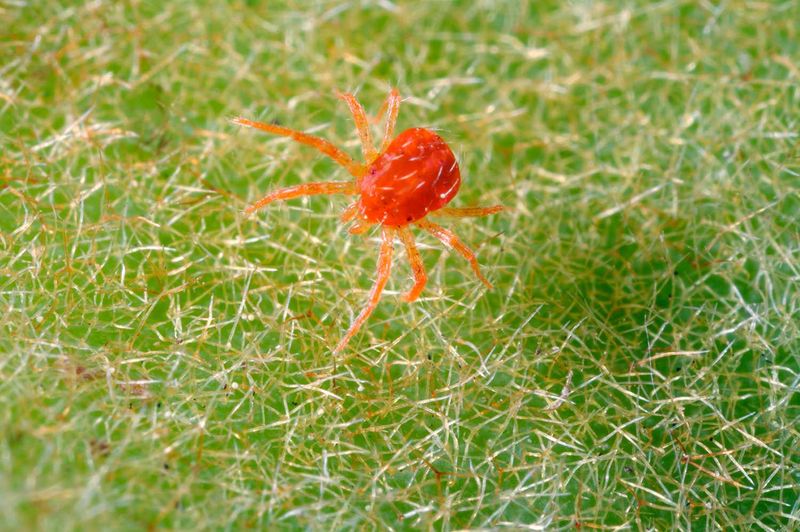
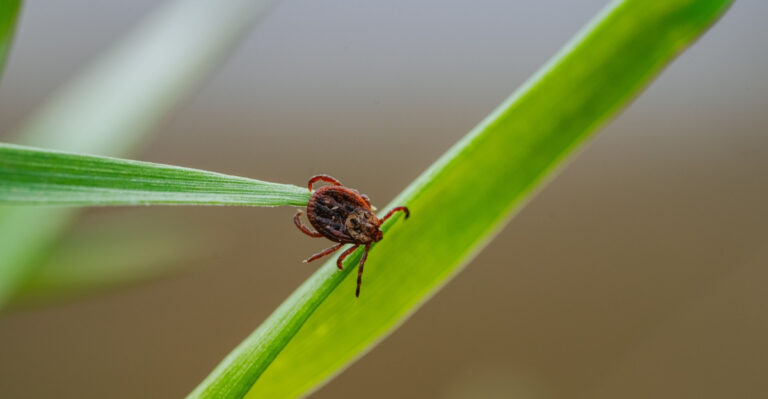
Hold a hand lens over a stippled leaf and the mystery clears up fast. Those specks crawling along the underside are two spotted spider mites, not baby spiders.
Mites belong to the arachnid family, so eight legs and no antennae come standard. They measure about one fiftieth of an inch, roughly the size of ground pepper.
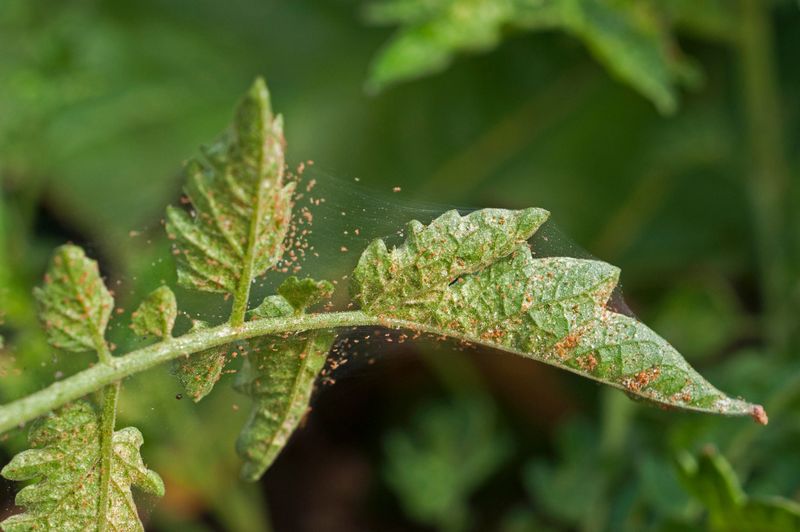
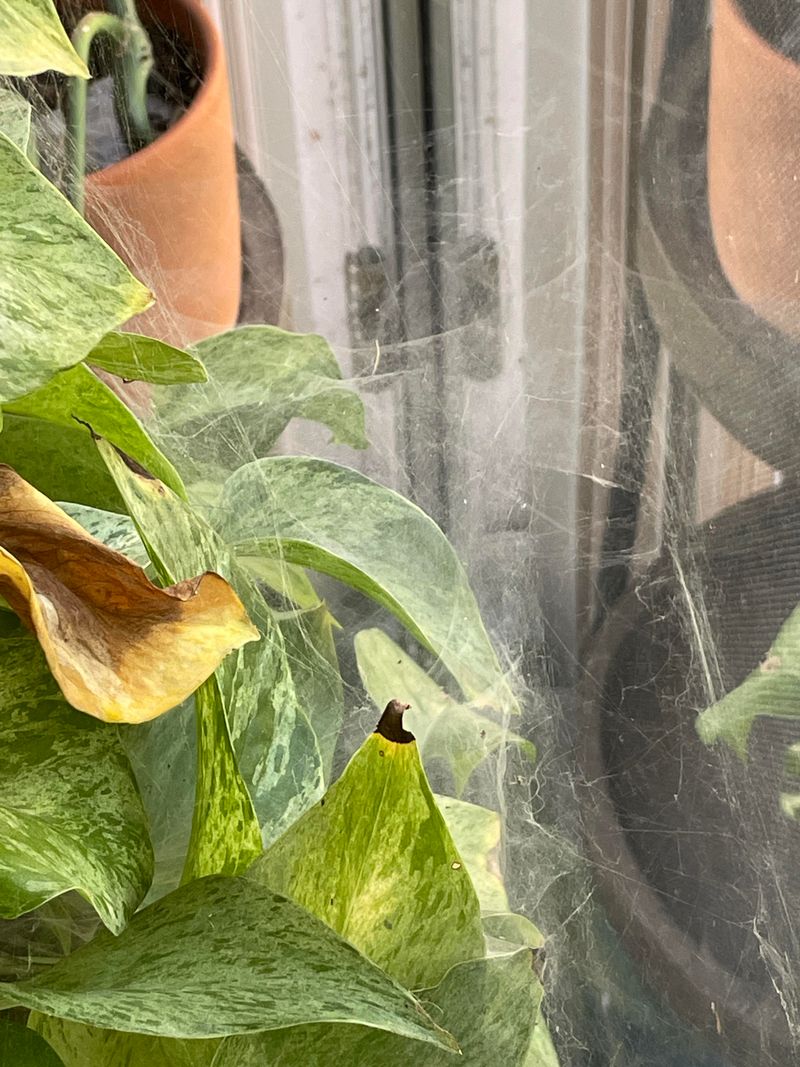
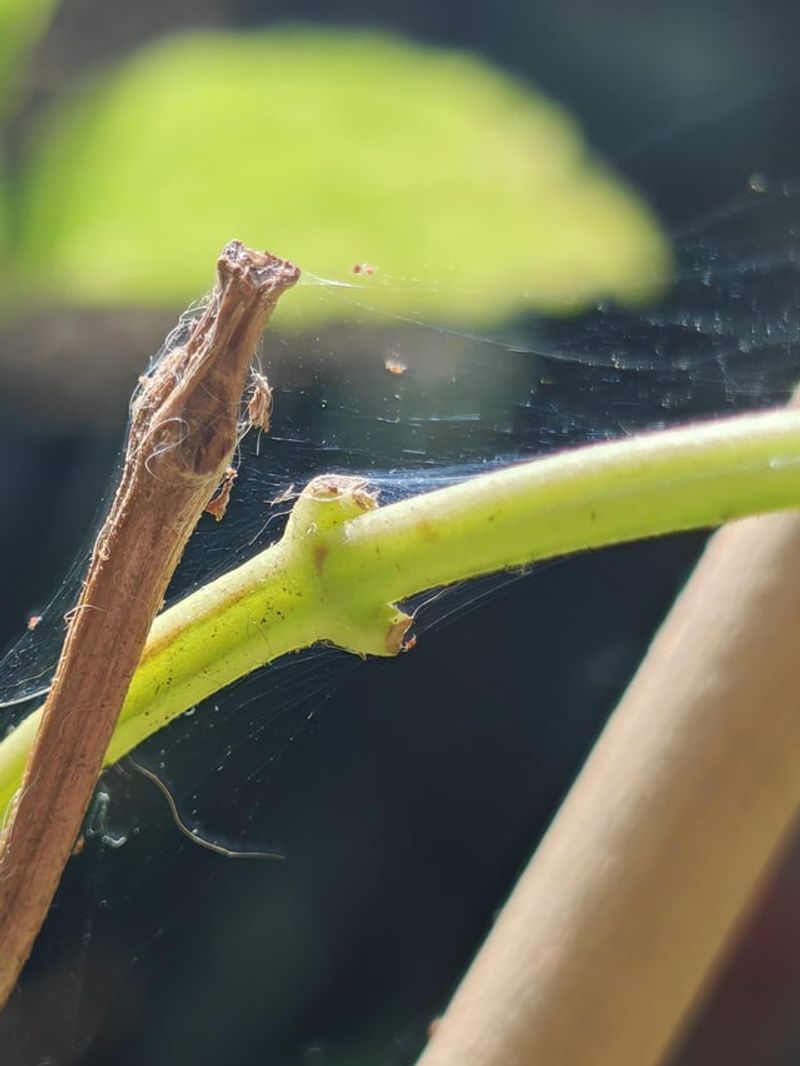
Their webbing looks nothing like a garden spider’s tidy wheel with spokes and a center. Instead you get loose, fuzzy strands strung between leaf veins and stems.
Adults range from pale green to straw yellow, with two dark patches on the back. Indiana gardeners often spot them first on beans, tomatoes, roses, and dwarf Alberta spruce.
Hot, dry spots amplify the problem, so plants near driveways and brick walls suffer first. Container plants on sunny decks also rank high on the mite menu.
Each female can lay dozens of eggs, and a generation wraps up in about a week. Warm weather speeds that clock, which explains how a few mites become hundreds.
They feed by piercing leaf cells and draining the green pigment inside. That damage shows as pale freckles, then a dull bronze cast across the whole leaf.
A white sheet of paper held under a shaken leaf settles the question. Moving dots that smear green when wiped confirm mites rather than harmless dust.
Actual spiders in your garden are allies, hunting aphids and caterpillars all season. The mites making this silk are the ones worth your attention.
Stipple Marks And Bronze Leaves Up Close
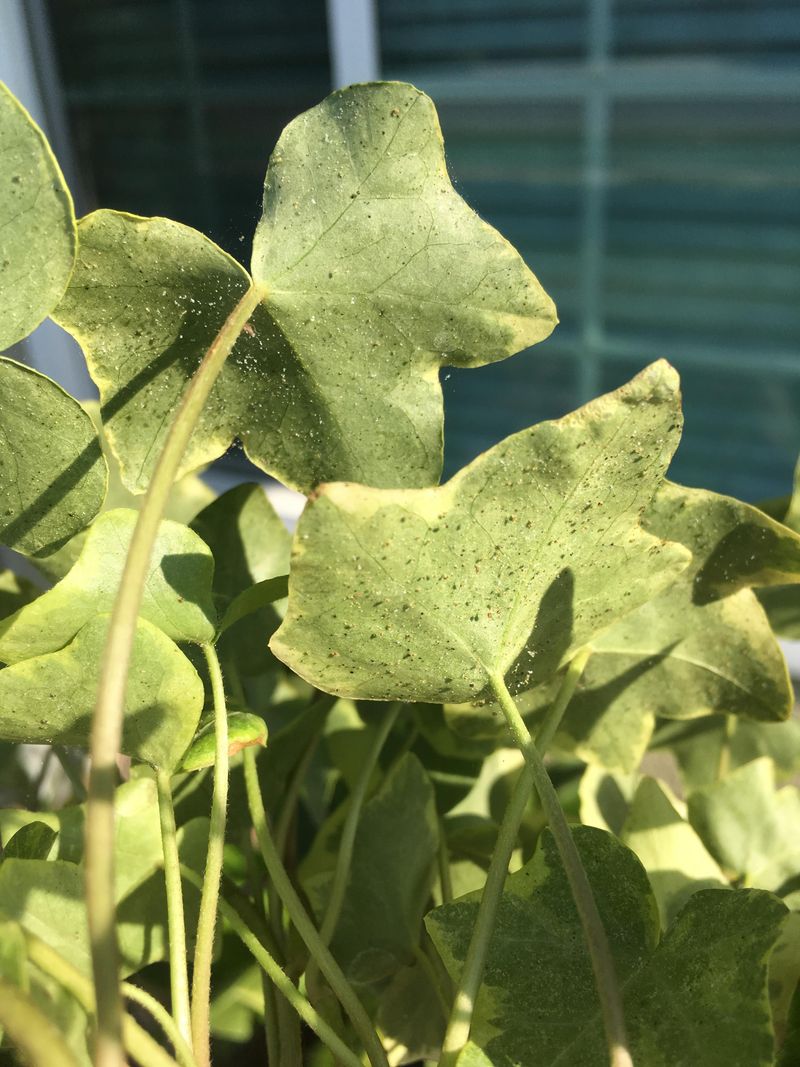
Gardeners usually notice the leaves long before the bugs, and that makes sense. Damage is visible from six feet away, while the culprits stay tucked underneath.
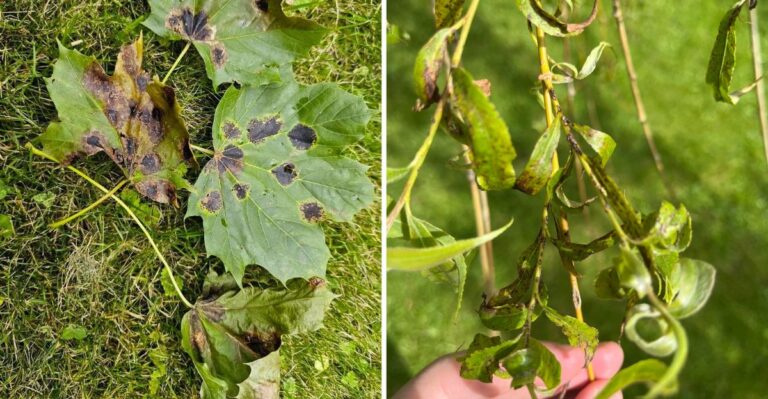
Early feeding leaves tiny pale dots called stippling, like someone tapped the leaf with a pin. Hold it toward the sun and the pattern looks like fine freckles.
As feeding continues, those dots merge into gray, bronze, or rusty patches. Tomato foliage often turns dull khaki, while spruce needles fade to a sickly olive.
Leaf edges may curl, and the whole plant can look thirsty even after a deep watering. Growth slows, blossoms drop, and fruit stays undersized.
Silk appears next, usually along the midrib and where leaves join stems. Dust and shed skins cling to the strands, giving them a grubby, cobwebby look.
Your Illinois Garden Changes Every Week. Your Plan Should Too.
Gardening in Illinois changes quickly throughout the season. Every Friday you’ll receive a simple weekly plan showing exactly what to plant, prune, fertilize, harvest, and protect so you never miss the right timing.
Beans, melons, roses, and marigolds show symptoms quickly in Indiana beds. Arborvitae and spruce hide trouble longer, since needles change color slowly.
Webbing plus stippling together rules out most fungal leaf spots and simple sun scorch. Fungal problems usually make defined lesions with rings or yellow halos.
Compare a suffering plant with a healthy neighbor for the clearest read. Side by side, the missing deep green becomes obvious.
Check undersides of five leaves from different heights before you reach for anything. Mites cluster low and inside first, then work toward the top.
Catching stippling early means fewer sprays and a quicker comeback. Waiting until foliage looks scorched turns recovery into a much longer project.
September Heat, Dust, And The Population Surge
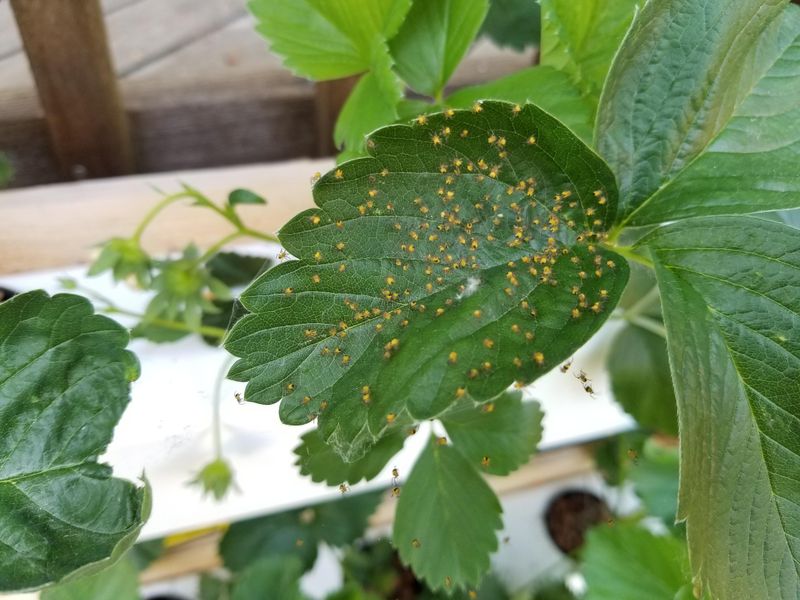
By September, Indiana gardens have banked weeks of heat, and mite numbers reflect it. Populations peak right as gardeners start losing interest in daily chores.
Mites do their best work between 80 and 95 degrees with low humidity. Under those conditions, egg to adult can take only five days.
Dry stretches remove the rainfall that normally rinses young colonies off leaf undersides. Fewer storms simply mean more mites staying exactly where they hatched.
Dust from gravel drives, mowing, and tilled beds settles on foliage and invites colonies. Roadside plantings tend to show damage before sheltered ones.
Helpful predators thin out late in the season, especially after mid summer insecticide use. Predatory mites and lady beetle larvae cannot match this breeding speed.
Drought stressed plants become more appealing, because stressed leaves concentrate usable nutrients. Skipping water through one dry week can trigger a full outbreak.
Watch the hottest corners of the yard during the first weeks of the month. South facing beds along fences and siding heat up and dry out fastest.
Cooler nights and steadier autumn rain eventually slow the whole cycle. Females then turn orange red and tuck into bark, mulch, and garden debris.
Houseplant and greenhouse mites ignore the calendar and stay active indoors all winter. Plants carried inside this month often bring passengers along.
September effort pays off twice, since fewer overwintering females mean a calmer spring. A half hour of careful scouting now saves plenty of June frustration.
Common Mistakes With Broad Spectrum Sprays
Reaching for the strongest bug spray on the shelf feels satisfying and backfires often. Many broad spectrum insecticides remove predators while barely touching the mites.
Carbaryl and some pyrethroids have a documented habit of causing mite flare ups. Populations rebound within days, larger than before, with no natural enemies left.
Spraying only the tops of leaves wastes product and time. Mites live underneath, so anything that misses that surface misses the colony.
Treating once and walking away is another frequent misstep. Eggs hatch in a few days, which means follow up applications matter more than power.
Heavy nitrogen fertilizer encourages soft, lush growth that mites find easy to pierce. Late season feeding can make a mite problem noticeably worse.
Oils and soaps applied at midday in 90 degree heat can scorch foliage. Damage from careless timing gets blamed on the mites instead.
Guessing also causes trouble, because dust, drought, and mite injury look similar. A quick paper tap test prevents a pointless spray.
Ignoring a stressed plant’s thirst undercuts every other effort you make. Consistent deep watering supports recovery far better than a third round of chemicals.
Neighborhood context matters too, since weedy fence lines restock gardens with mites. Cleaning those edges reduces repeat visits.
Tossing badly infested annuals onto the compost pile spreads the problem sideways. Bag those plants instead, especially in September.
Skipping the label is the costliest habit of all. Rates, intervals, and plant lists exist because someone tested them carefully.
Water Pressure, Soap, And Oil For Real Control
Plain water does surprising work here, which suits cautious gardeners just fine. A firm spray to leaf undersides knocks mites and webbing off fast.
Use a hose nozzle with decent pressure, working from the bottom of the plant upward. Repeat every three days for two weeks to catch newly hatched mites.
Insecticidal soap steps in when rinsing is not enough on its own. Soap works on contact, so full coverage of undersides decides the outcome.
Horticultural oil smothers eggs and adults alike, which soap struggles to do. Neem oil adds a second mode of action and slows feeding.
Apply either one in early morning or evening when temperatures sit below 85 degrees. Cooler air and damp soil protect leaves from burning.
Test a small section first, especially on spruce, arborvitae, and fuzzy leaved plants. Wait two days and check for discoloration before treating everything.
Products labeled as miticides exist for stubborn cases on ornamentals and evergreens. Rotate active ingredients, since mites build resistance with impressive speed.
Prune and bag the worst leaves before spraying to remove thousands of eggs at once. Fewer mites on the plant means less product needed later.
Water the plant deeply the day before any treatment, not after. Hydrated leaves handle oil and soap much more gracefully.
Predatory mites sold for release can finish the job in greenhouses and on prized shrubs. Skip harsh sprays afterward so those helpers stick around.
Patience matters, because damaged leaves stay bronze even after mites are gone. New growth is the real sign of success.
Garden Habits That Keep Mites Away Next Season
Prevention here is mostly about water, cleanliness, and a bit of nosiness. Mites struggle in gardens that stay hydrated, rinsed, and regularly inspected.
Deep weekly watering beats daily sprinkles for keeping plants out of drought stress. Mulch holds that moisture and cuts dust splashing onto lower leaves.
Rinsing foliage during hot, dry weeks acts like a storm the sky forgot. Ten seconds per plant, aimed underneath, changes the odds considerably.
Clear weedy fence lines and alleyways, since bindweed and clover host mites happily. Those edges act as launch pads for the next wave.
Fall cleanup removes the leaf litter and spent stems where females spend winter. Bag heavily infested material rather than composting it.
Go easy on nitrogen late in the season and choose slow release options. Steady, moderate growth resists feeding better than soft, forced shoots.
Inspect new nursery plants before they join the garden or a windowsill. A hand lens and two minutes beat a season of chasing problems.
Leave room for beneficial insects by limiting broad sprays and planting flowering herbs. Dill, alyssum, and yarrow support the predators that patrol for you.
Rotate hot spot plantings, moving mite magnets like beans away from reflective walls. A shadier, breezier corner lowers the pressure immediately.
Keep a simple garden notebook noting where trouble appeared each August. Patterns show up quickly and guide next year’s planting choices.
Gardens tended this way still see mites, just fewer and later. Silk on your beans becomes a footnote instead of a September headline.