Pennsylvania Garden Tasks That Cannot Be Moved To October
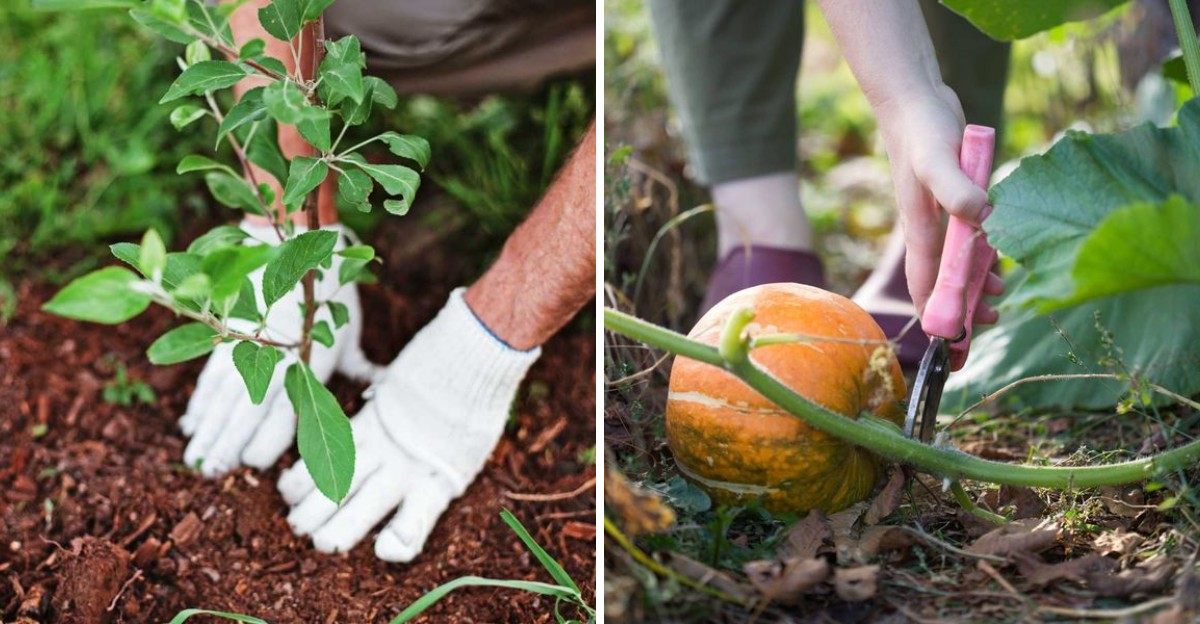
Most Pennsylvania garden tasks have some flexibility. You can push them back a week, fit them in when the schedule allows, and the garden forgives you without much consequence. But certain tasks have a hard deadline, and that deadline is the end of September.
Move these to October and you’ve either missed the window entirely or created a problem that is considerably harder to fix once the season has shifted.
September is not just another month to get through. It’s one of the most time sensitive months in the Pennsylvania gardening calendar, and the tasks that belong to it are specific, consequential, and genuinely worth prioritizing before the calendar page turns.
Here’s what cannot wait until October and exactly why the timing of each one matters.
1. Planting Spring-Flowering Bulbs
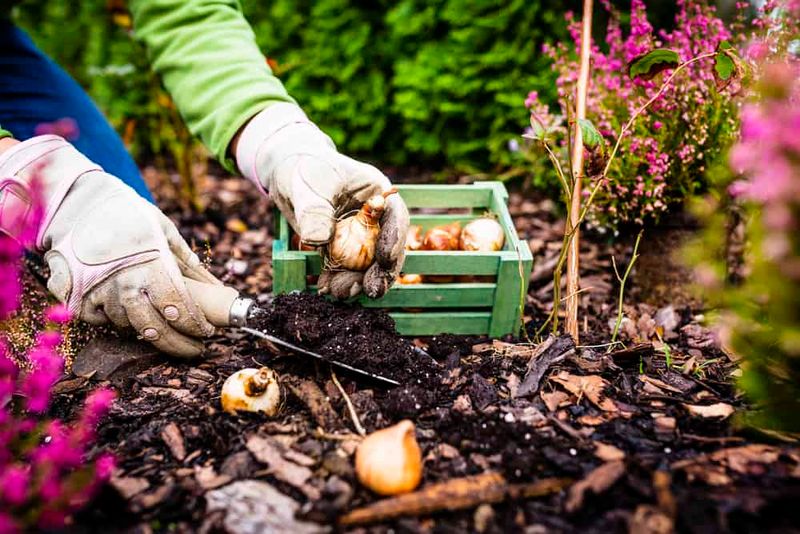
Tulips, daffodils, and crocuses steal the show every spring, but their magic starts in early fall. These bulbs need warm soil to grow roots before winter sets in.
In Pennsylvania, September gives you that perfect window. The ground still holds warmth from summer, which helps roots settle in fast. If you wait until October, the soil cools too much, and the bulbs may not root well.
Dig holes about two to three times as deep as each bulb is tall. Point the flat side down and the pointed tip up. Space them a few inches apart so they have room to spread.
Add a little bone meal or bulb food to the bottom of each hole. This gives the roots a gentle boost as they grow underground through the chilly months.
Water them well right after planting. Moisture helps the roots reach out and grab hold of the surrounding soil. A layer of mulch on top keeps the ground evenly warm and locks in that moisture.
Squirrels love to dig up fresh bulbs, so cover the area with chicken wire if pesky critters visit your yard. A few small barriers can save your entire display.
Pick a sunny spot with good drainage, since bulbs hate sitting in soggy soil. Well-drained beds keep them healthy and strong.
Do this job now, and you will thank yourself in April when bright colors pop up across your garden. Fall bulb planting is one of those tasks where early effort turns into pure joy months later.
2. Overseeding And Repairing The Lawn
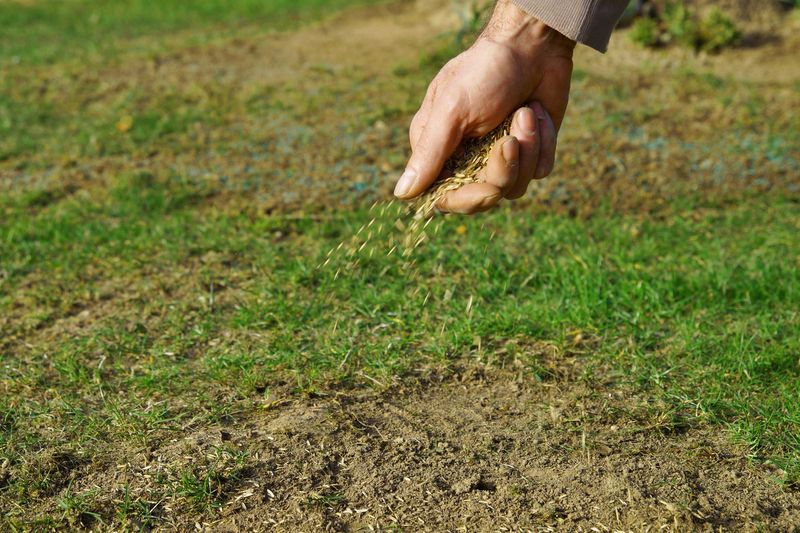
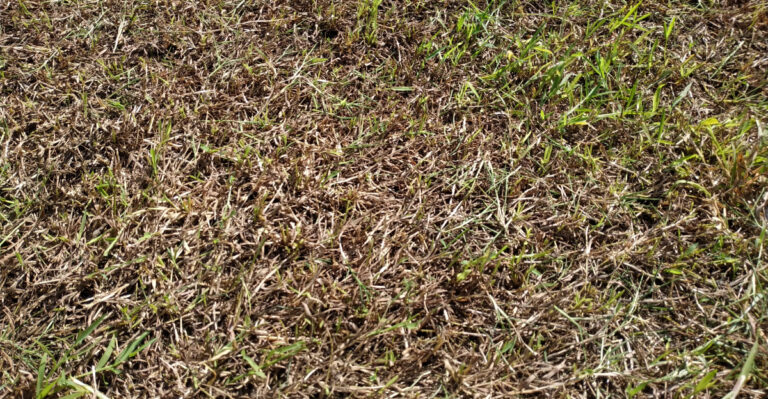
A lush green lawn does not happen by accident, and September is prime time to fix bare or thin spots. Cool-season grasses common in Pennsylvania grow best when nights turn crisp but days stay mild.
Warm soil helps new seeds sprout quickly, while cooler air keeps them from drying out. Wait until October, and the drop in temperature slows growth to a crawl.
Start by raking away dry patches and loosening the top layer of soil. Fresh seed needs good contact with the ground to take root properly.
Spread a quality grass seed blend made for your region. A spreader helps you cover large areas evenly, but hand-seeding works fine for small spots.
Your Pennsylvania Garden Changes Every Week. Your Plan Should Too.
Gardening in Pennsylvania changes quickly throughout the season. Every Friday you’ll receive a simple weekly plan showing exactly what to plant, prune, fertilize, harvest, and protect so you never miss the right timing.
Sprinkle a thin layer of compost or starter fertilizer over the seed. This feeds the young grass and helps it grow thick and strong.
Keep the area moist with light, frequent watering. New seedlings need steady moisture, so water gently once or twice a day until they establish.
Try to stay off the fresh grass while it settles in. Foot traffic can crush tender blades before they toughen up.
Mow the rest of your lawn a little higher during this time. Taller grass shades the soil and helps young seedlings survive.
Getting this done in September means your lawn has weeks of warm days to fill in before winter.
By the time frost arrives, those bare patches will blend into a healthy, even carpet of green that looks fantastic next spring.
3. Dividing Overgrown Perennials
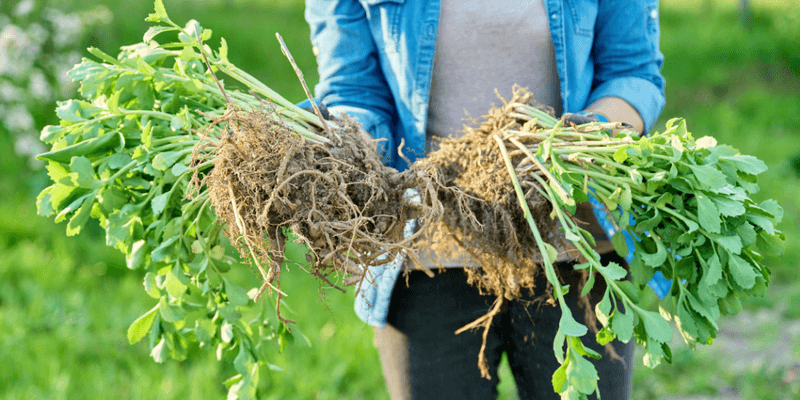
Perennials like hostas, daylilies, and irises grow bigger every year, and crowded clumps stop blooming as well. Splitting them now gives each piece room to thrive.
Early fall is ideal because the plants have time to root before the ground freezes. The warm soil of September welcomes fresh transplants, while October chills slow everything down.
Water the plant a day before you dig it up. Moist soil makes the job easier and keeps roots from tearing.
Use a sharp spade to lift the whole clump from the ground. Try to keep as many roots as possible attached to each section.
Gently pull or cut the clump into smaller chunks. Each piece should have healthy roots and a few leafy shoots.
Replant the divisions at the same depth they grew before. Firm the soil around them and water thoroughly to settle everything in.
Spread mulch around the new plantings to hold moisture and steady the soil temperature. This helps roots grow during the cool weeks ahead.
Share the extra divisions with friends or fill empty spots in your yard. One overgrown plant can become many, saving you money on new ones.
Some perennials, like peonies, prefer this early fall timing more than any other season. Getting the schedule right makes a huge difference in how they perform.
Handle this task in September, and your perennials will bounce back stronger with more blooms next year. Crowded plants often reward you with bigger, brighter flowers once they finally get the elbow room they craved.
4. Planting Cool-Season Vegetables
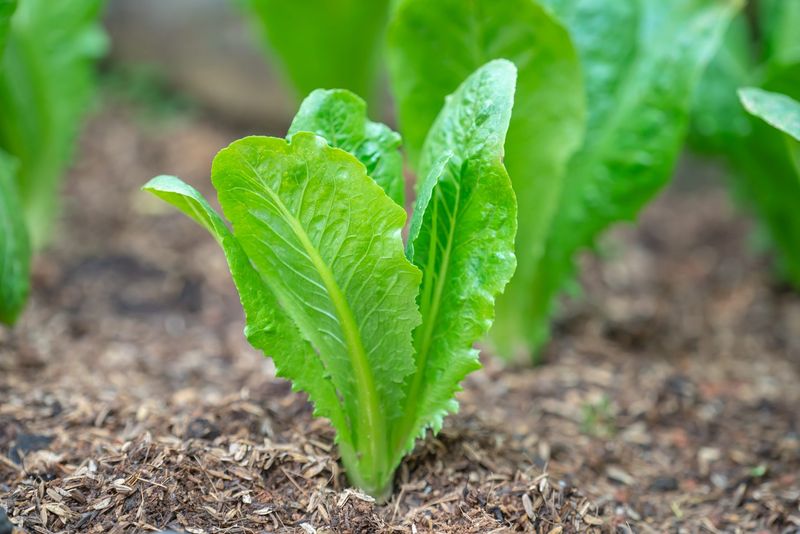
Crunchy lettuce, sweet spinach, and hearty kale love the cooler weather of fall. Getting them in the ground now means fresh harvests before hard frost hits.
These crops need enough warm days to sprout and grow leaves. September planting gives them that time, but waiting until October leaves them too little runway.
Clear out spent summer plants to make room in your beds. Loosen the soil and mix in some compost for a nutrient boost.
Sow seeds for quick growers like radishes, lettuce, and arugula. You can also set out transplants of broccoli, cabbage, and kale for faster results.
Water the seeds gently and keep the soil moist as they germinate. Consistent moisture helps young sprouts push through the surface.
Many of these veggies actually taste better after a light frost. The cold turns their starches into sugars, giving leaves a sweeter flavor.
Thin out crowded seedlings so each plant has space to grow full and healthy. Crowded rows compete for light and nutrients.
Keep an eye out for hungry pests like cabbage worms. A floating row cover protects tender leaves while letting sunlight through.
As nights grow chilly, a simple row cover can stretch your harvest even longer. It traps warmth and shields plants from early cold snaps.
Plant these cool-season favorites in September, and you will enjoy fresh salads and greens well into fall. There is something special about picking homegrown vegetables while your neighbors have already packed away their gardens for the year.
5. Planting New Trees And Shrubs
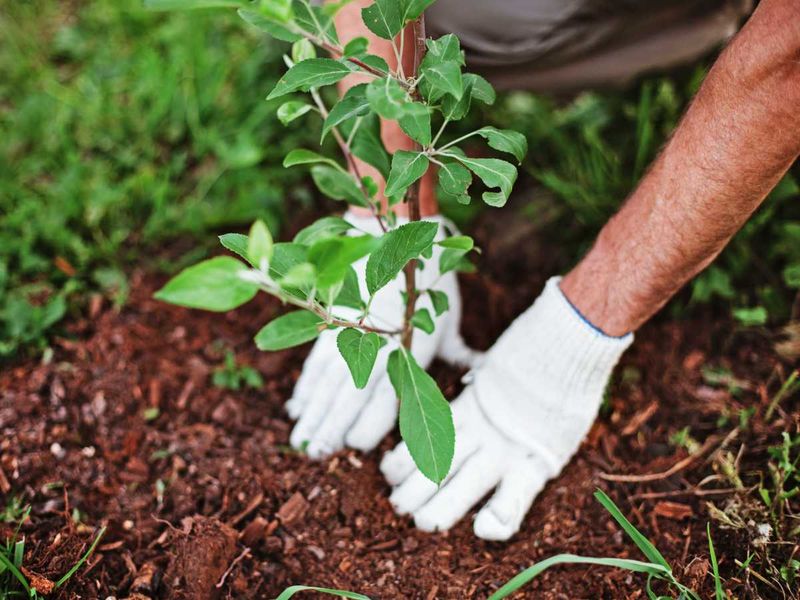
Fall is a fantastic time to add trees and shrubs to your landscape, and the timing really matters. Roots need warm soil to spread out before the ground hardens.
September offers cooler air and warm earth, a combination young plants love. October’s colder soil makes it harder for roots to grow deep enough for winter.
Dig a hole twice as wide as the root ball but just as deep. Wide holes give roots plenty of loose soil to grow into.
Set the plant so the top of the root ball sits level with the ground. Planting too deep can smother the roots.
Backfill with the same soil you dug out, breaking up any big clumps. Firm it gently to remove air pockets around the roots.
Water deeply right after planting and keep the soil moist for several weeks. New trees and shrubs need steady moisture to settle in.
Spread a few inches of mulch around the base, but keep it away from the trunk. Mulch holds water and protects roots from temperature swings.
Skip heavy fertilizer for now, since new plants focus on root growth in fall. Too much feeding pushes leafy growth at the wrong time.
Cooler weather means less stress on the plant, so it can spend energy building a strong foundation. That head start pays off big next spring.
Get your trees and shrubs planted in September, and they will wake up next year ready to grow. Fall planting truly gives young greenery the best possible start in Pennsylvania soil.
6. Harvesting And Curing Winter Squash
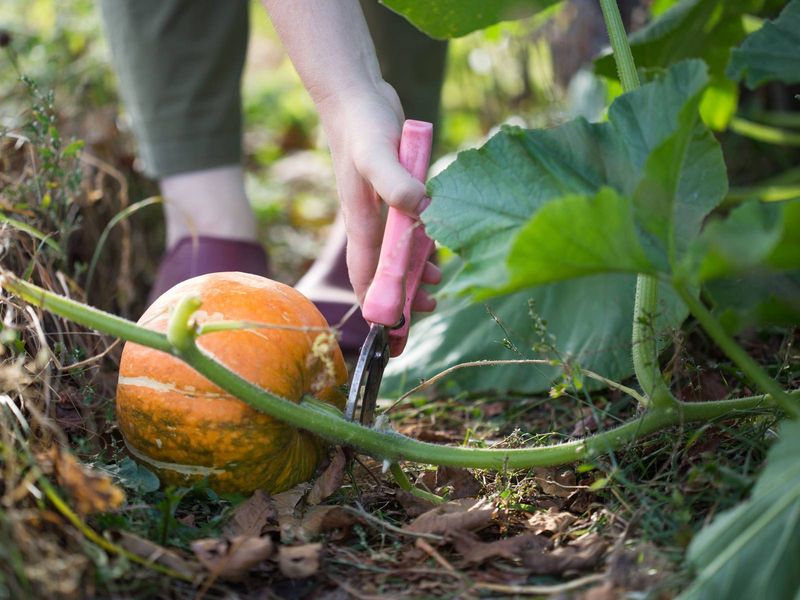
Butternut, acorn, and pumpkin lovers know the reward of a good squash harvest. Picking them at the right moment keeps them tasty for months.
Winter squash needs to ripen fully on the vine before you bring it in. Waiting too long into October risks frost damage that ruins the fruit.
Check for ripeness by looking at the skin color and hardness. A ripe squash has a tough rind that resists a fingernail poke.
Cut each squash from the vine with a few inches of stem attached. That little stem handle helps the fruit store longer without rot.
Handle them gently, since bruises and cuts lead to spoiling. Treat each one like you would a carton of eggs.
Let the harvested squash cure in a warm, dry spot for a week or two. Curing toughens the skin and improves the flavor inside.
A sunny porch or windowsill works well for this step. The warmth helps seal any tiny nicks on the surface.
Once cured, move them to a cool, dry place like a basement or pantry. Good storage keeps them firm and sweet through winter.
Skip washing them before storage, since moisture invites mold. Just brush off any loose dirt with a dry cloth.
Timing this harvest in September protects your crop from surprise cold nights. There is real satisfaction in cooking a squash you grew yourself long after the garden goes quiet, and proper curing makes all the difference in how long that harvest lasts.
7. Cleaning Up Diseased Plant Debris
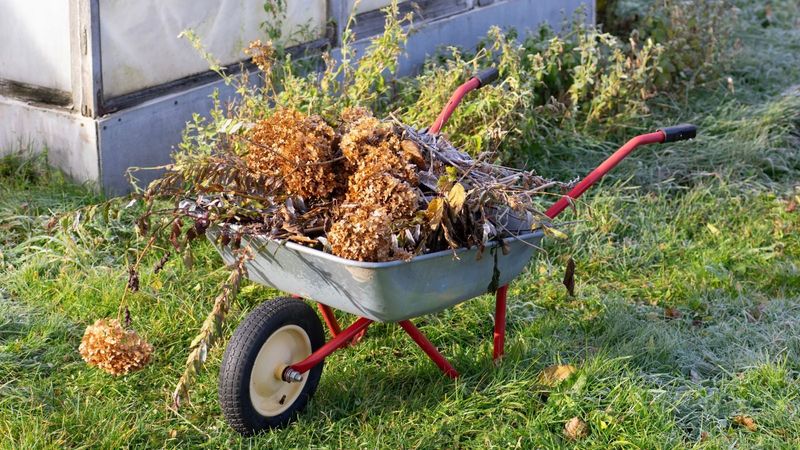
Old, spotted leaves and mushy stems might look harmless, but they can hide trouble. Fungus and pests often overwinter in leftover garden debris.
Clearing this mess in September stops problems from spreading next year. Waiting too long lets spores settle deeper into the soil.
Start by pulling out any plants that finished producing or look unhealthy. Toss the sick ones in the trash rather than the compost pile.
Rake up fallen leaves and fruit from around your beds. Rotting material on the ground invites insects and mold to move in.
Pay special attention to tomato and squash plants, which often carry leaf spots. Removing their debris protects next year’s crop.
Wipe down your tools with a little rubbing alcohol after cleanup. Clean tools stop you from carrying disease from one bed to another.
Turn over the empty soil once it is clear of debris. Exposing it to sun and air helps break the cycle of hidden pests.
Healthy plant scraps can go in the compost bin, but sick ones should not. Only clean material makes safe compost for future gardens.
Consider adding a fresh layer of mulch or a cover crop afterward. Both protect bare soil and feed it over the winter months.
Doing this tidy-up in early fall gives your garden a clean slate. The warm September days make the work more pleasant than shivering through it later.
A little cleanup now means fewer headaches next spring. Your plants will start the new season healthier, and you will spend less time fighting stubborn garden problems down the road.