Stop Piling Mulch Like This Around Your Pennsylvania Trees Immediately
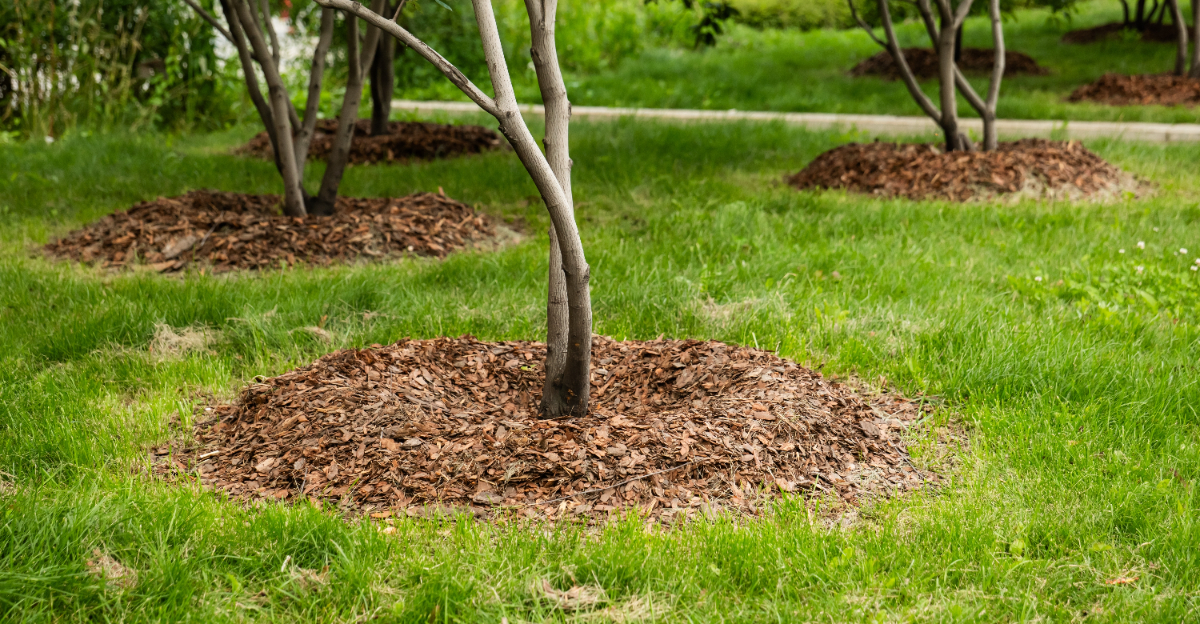
That tidy mulch ring circling your tree trunk? It might be the reason your tree is struggling instead of thriving.
Mulching mistakes rank among the most common and overlooked problems in Pennsylvania yards. Once you spot the warning signs, correcting course takes far less effort than most people expect.
Spring brings out the shovels, and well-meaning homeowners pile mulch higher against their trees every year. Garden centers reinforce the habit by displaying mulch the same way, so the mistake blends right in.
Your tree deserves better than slow decline dressed up as good landscaping.
The Mulch Volcano Problem Explained
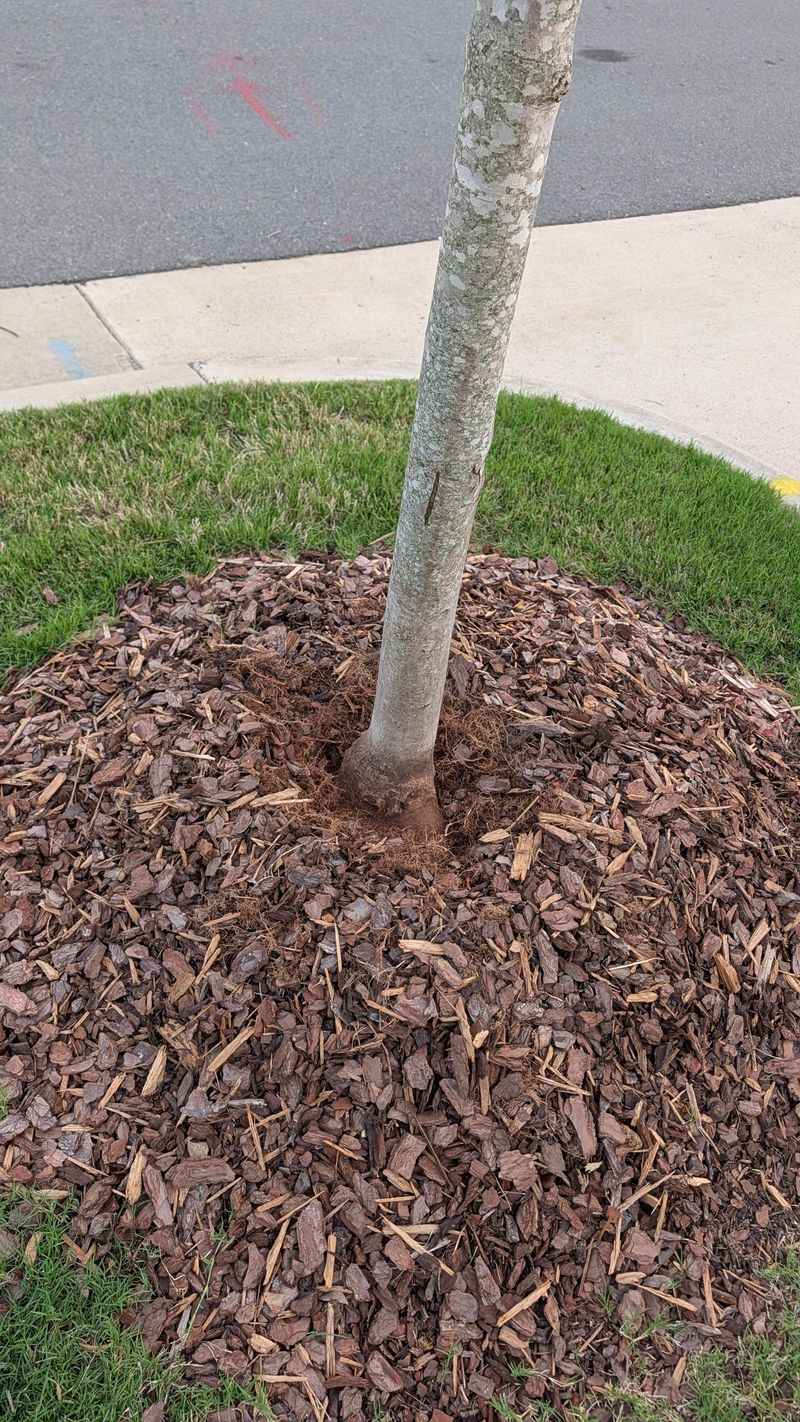
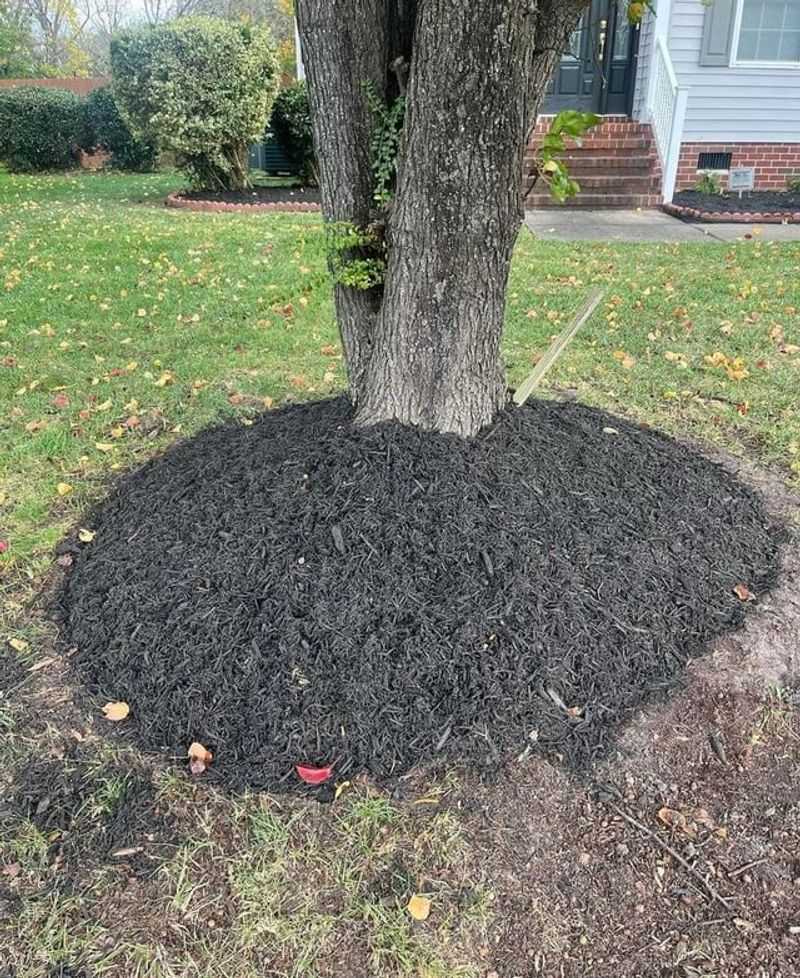
That cone-shaped mound around your tree trunk has a name: the mulch volcano. It looks intentional, even decorative, but it can cause serious long-term harm to a tree.
Mulch piled against bark traps moisture in a spot that should stay dry. That constant dampness softens the bark and creates a perfect home for fungus and rot.
Roots need oxygen to survive. When mulch is stacked six or more inches high, it blocks airflow and starves the root zone of oxygen.
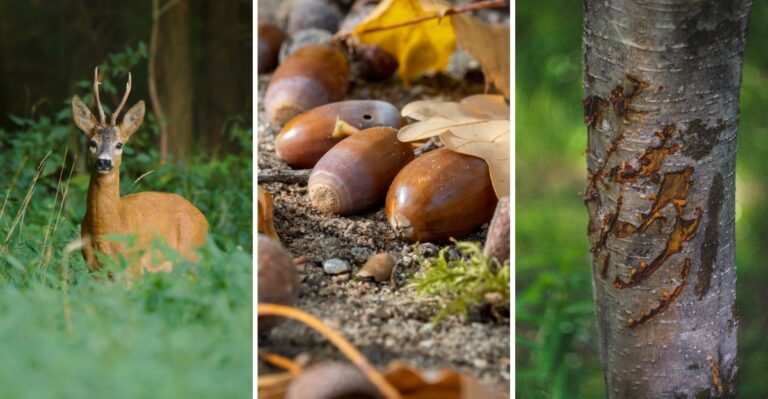
Rodents love a good mulch volcano too. Mice and voles burrow into the pile and gnaw on the bark underneath, all winter long without you noticing.
The damage from stop piling mulch habits does not show up overnight. Trees can struggle for a long stretch of time before the symptoms become obvious enough to alarm anyone.
Many homeowners blame drought, disease, or bad soil when their tree declines. The real culprit is often sitting right at the base, disguised as good landscaping.
Nurseries and landscapers sometimes create these mounds out of habit. Seeing it done professionally makes people assume it is correct, so the cycle continues season after season.
Young, newly planted trees face the highest risk from this habit. Their bark is thinner and their root systems are still small, so damage sets in faster than it would on a mature tree.
Understanding the problem is the first step toward fixing it. Once you see a mulch volcano for what it truly is, you will start noticing tree rings everywhere you go.
Signs Your Tree Is Already Suffering
Your tree gives off clear signals. The problem is that most people do not know how to read them until the damage is already serious.
Yellowing leaves in summer are a red flag. When roots cannot breathe, the tree struggles to pull up nutrients, and that stress shows up in the canopy first.
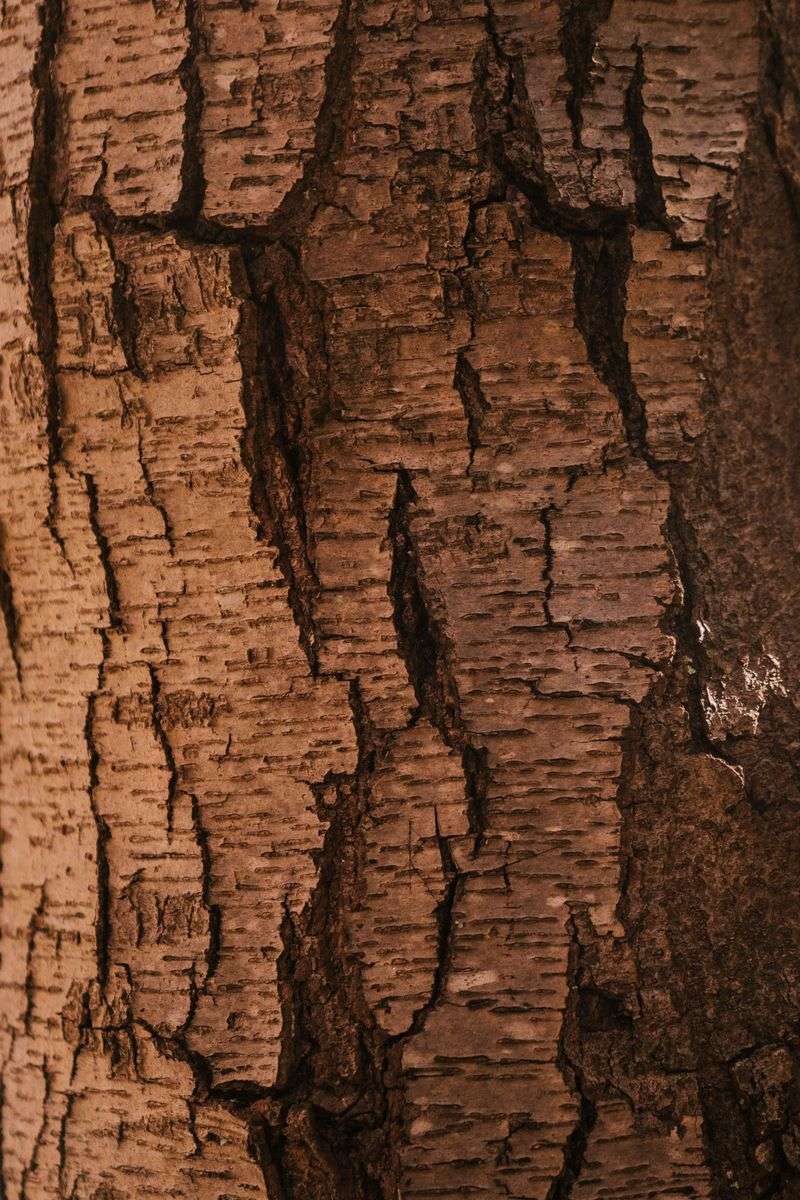
Bark that looks soft, spongy, or discolored near the base is another warning sign. Healthy bark should feel firm and look consistent in color and texture.
Sparse leafing in spring is something many homeowners chalk up to a late frost. But if your tree puts out fewer leaves than usual, root stress from bad mulching could be the cause.
Fungal growth at the base of the trunk is a serious alarm. Mushrooms or shelf fungi near ground level often signal decay that has already begun inside the wood.
Your Pennsylvania Garden Changes Every Week. Your Plan Should Too.
Gardening in Pennsylvania changes quickly throughout the season. Every Friday you’ll receive a simple weekly plan showing exactly what to plant, prune, fertilize, harvest, and protect so you never miss the right timing.
Cracks or splits in the lower trunk can develop when bark has been kept wet for too long. These openings let in insects and disease that compound the damage quickly.
Decayed branches in the upper canopy appear when the tree redirects energy away from growth. That is the tree trying to survive, not thrive.
If you notice two or more of these signs together, act fast. Removing excess mulch right away gives your tree a real chance to bounce back strong.
The Right Depth And Distance For Mulch
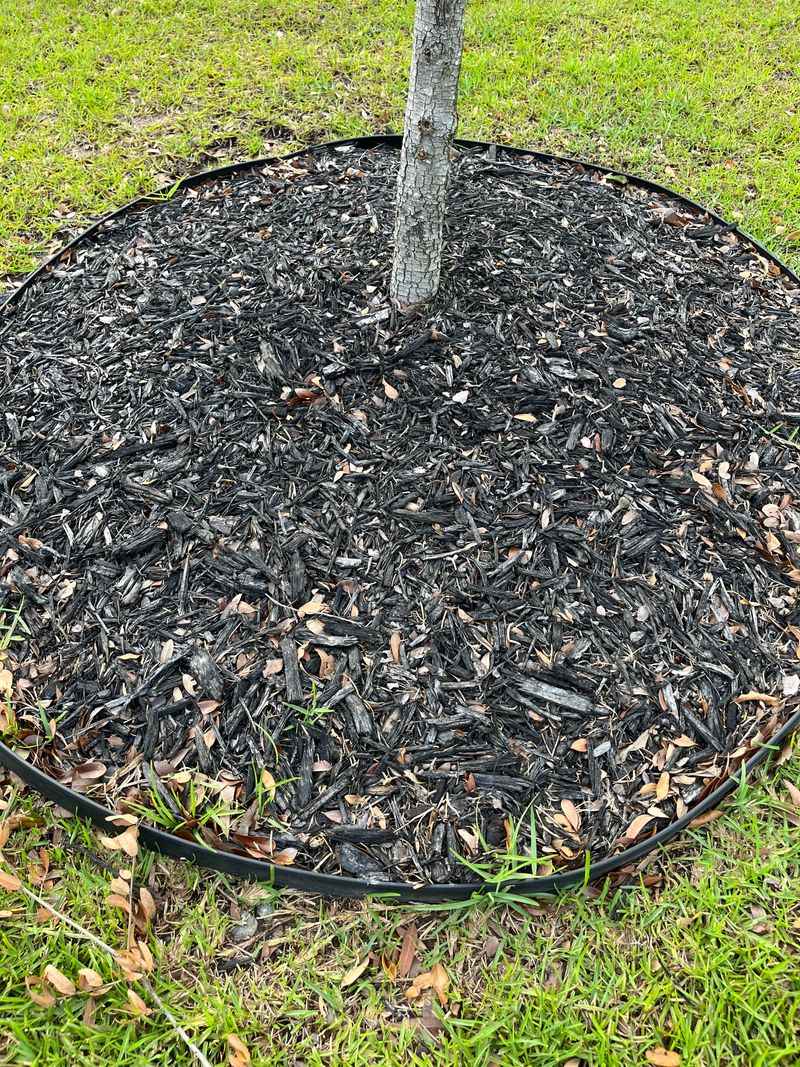
Forget the volcano. The goal is a flat, even ring that looks more like a donut than a mountain. That shape changes everything for your tree.
Keep mulch two to four inches deep across the entire ring. Any deeper and you start blocking the oxygen exchange that roots depend on every single day.
The most important rule is the gap at the center. Leave two to three inches of clear space between the mulch and the actual trunk of the tree.
That gap lets the bark dry out between rain events. Dry bark is healthy bark, and healthy bark keeps out the pests and pathogens that cause long-term harm.
Spread the mulch ring outward, not upward. A wide, shallow ring covering the drip line area does far more good than a tall pile crammed against the base.
For most Pennsylvania trees, extending mulch two to three feet out from the trunk gives roots a comfortable, protected zone to expand into over time.
Avoid hard plastic edging that traps moisture inside the ring. Permeable borders or no border at all allows water to move naturally through the soil beneath.
Getting the depth and distance right ranks among the most effective fixes you can make today. Stop piling mulch high, spread it wide instead, and your tree can respond with strong, steady growth.
Best Mulch Types For Pennsylvania Trees
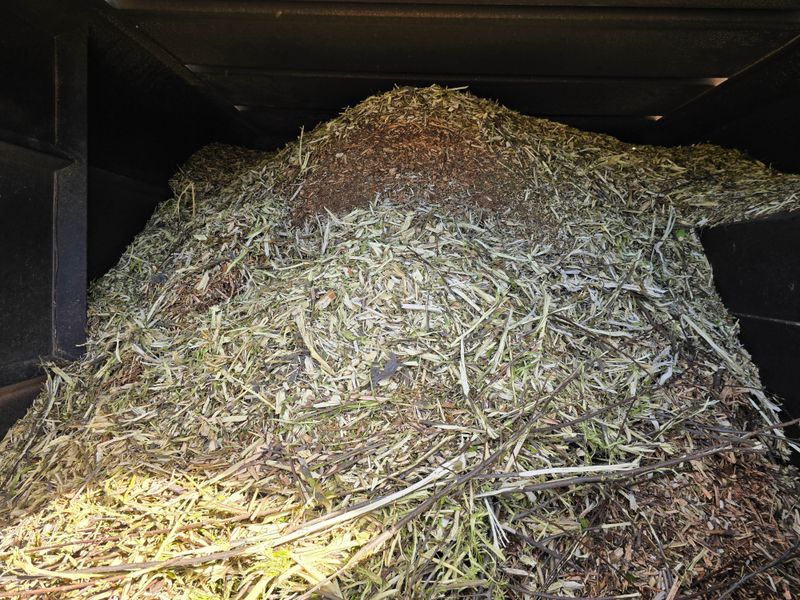
Not all mulch is created equal. Choosing the right type for your specific trees and soil makes a measurable difference in how well they perform season to season.
Shredded hardwood bark is one of the most popular choices in the Mid-Atlantic region. It breaks down slowly, feeds the soil with organic matter, and holds moisture without getting waterlogged.
Wood chips from an arborist are a practical, often free option. They include bark, wood, and sometimes leaves, which creates a diverse mix that mimics the natural forest floor.
Pine needles work well around acid-loving shrubs like rhododendrons and azaleas. They allow excellent airflow and break down gradually into the soil.
Avoid dyed mulch made from recycled wood products. The dyes themselves may be harmless, but the base material often comes from pallets or construction waste with unknown chemical histories.
Rubber mulch is another product best left off your list. It does not break down, offers zero nutritional benefit to soil, and can actually heat up and stress roots during hot Pennsylvania summers.
Fresh wood chips straight from a chipper can temporarily tie up nitrogen in the soil as they decompose. Age them for a few weeks before applying, or mix with compost to offset this effect.
The best mulch feeds your soil as it breaks down. Choose organic, natural options and your trees will grow stronger roots with every passing season.
Fixing An Existing Mulch Volcano
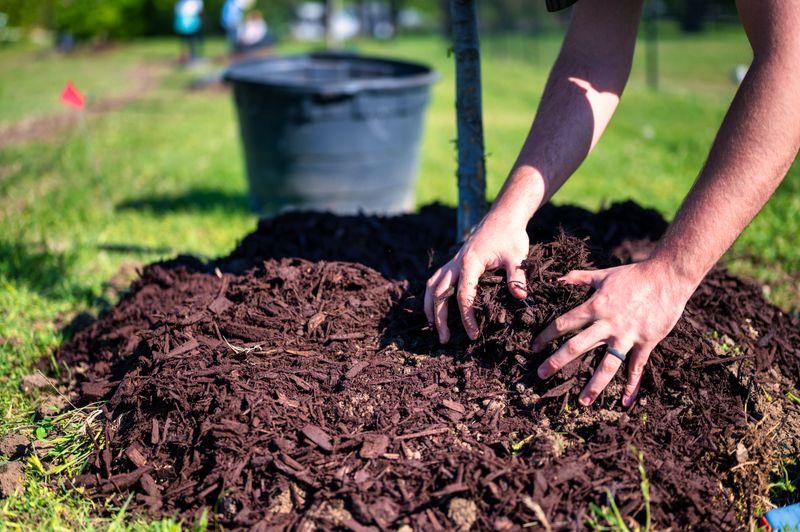
Fixing a mulch volcano is not complicated. You do not need special tools or a professional crew to undo years of well-intentioned damage.
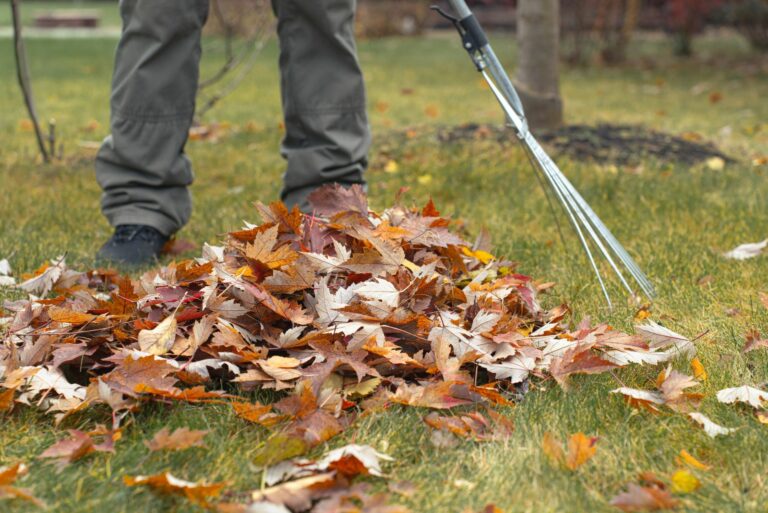
Start by pulling the mulch away from the trunk with your hands or a garden rake. Work gently so you do not scrape or wound the bark in the process.
Expose the root flare, which is the spot where the trunk naturally widens and meets the soil. If you cannot see that flare, the mulch is too deep.
Once the flare is visible, check the bark for soft spots, discoloration, or any signs of rot or pest activity. Early-stage damage can often recover once conditions improve.
Reduce the overall depth of the remaining mulch to two to four inches. Spread the excess outward to widen the ring rather than tossing it all away.
If you find girdling roots, which are roots that have started circling the trunk, flag them for an arborist. These roots can restrict water flow and need professional evaluation.
Do not add fresh mulch on top of the old pile to fix the problem. Remove what is excess first, then assess whether any new material is even needed this season.
Fixing the issue now gives your tree a genuine second chance. Trees are resilient, and many bounce back with surprising speed once the root zone can breathe again.
Seasonal Mulching Tips For Pennsylvania Climate
Pennsylvania weather swings hard between seasons. Your mulching schedule should shift with those changes to give trees the right protection at the right time.
Spring is the best time to refresh mulch after winter. Pull back what remains, check the root zone for damage, then add a fresh layer to the recommended two to four inch depth.
Do not mulch too early in spring. Applying before the ground fully thaws can trap cold temperatures around roots and slow the natural warming process trees depend on to wake up.
Summer heat makes moisture retention critical, especially during dry spells. A proper mulch ring keeps soil cooler and reduces how often you need to water established trees.
Come fall, resist the urge to pile on extra mulch for winter insulation. A light top-up is fine, but heaping on more is exactly the stop piling mulch mistake that causes harm.
In winter, mulch does help moderate soil temperature swings. But it should already be at the right depth before the first freeze, not added last minute when temps drop fast.
Avoid mulching right before a heavy rain event in any season. Saturated mulch on top of wet soil creates anaerobic conditions that harm beneficial soil organisms quickly.
Matching your mulch routine to the seasons is not complicated once you get the rhythm down. Consistent, thoughtful care through the year keeps Pennsylvania trees thriving for the long haul.