The Pennsylvania Native That Looks Right At Home In A Naturalistic Garden
Not every plant in a naturalistic garden needs to announce itself.
Some of the most valuable ones are the quiet ones, the plants that fill space beautifully, tie everything else together, and create the kind of effortless, layered look that takes years to achieve when you’re working against the landscape rather than with it.
There is a native Pennsylvania plant that does this better than almost anything else available for naturalistic garden design.
It doesn’t demand attention. It earns it gradually, through the way it moves in a breeze, the texture it brings to shaded and semi-shaded areas, and the understated seasonal interest it maintains from spring through fall.
And because it’s native, it supports local wildlife in ways that no ornamental alternative can replicate. Most naturalistic gardeners who discover it plant it everywhere.
Plant Pennsylvania Sedge For A Naturalistic Look
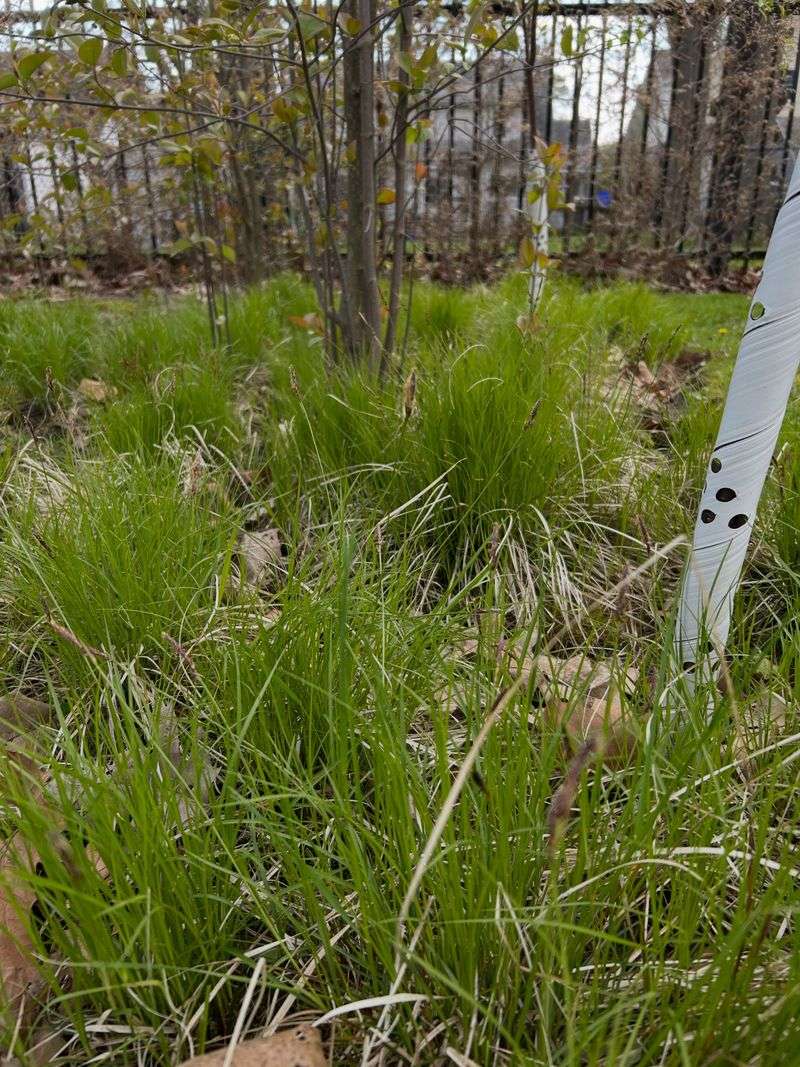
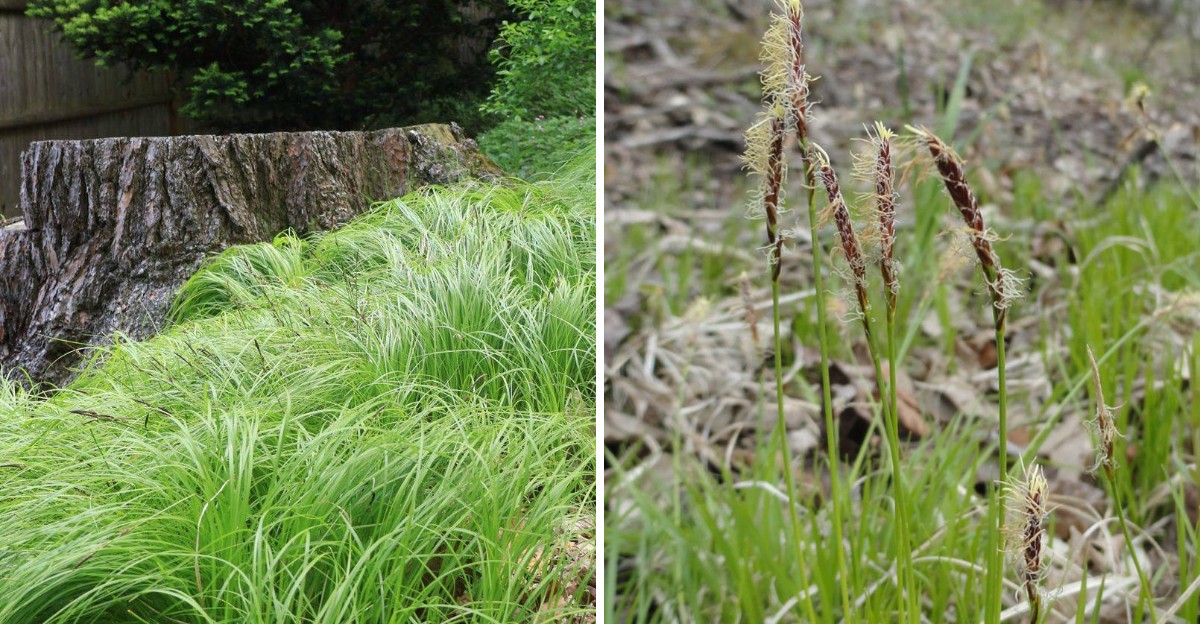
Picture a soft green blanket that spreads gently across the shady parts of your yard. That is what Pennsylvania sedge, known by botanists as Carex pensylvanica, brings to a garden.
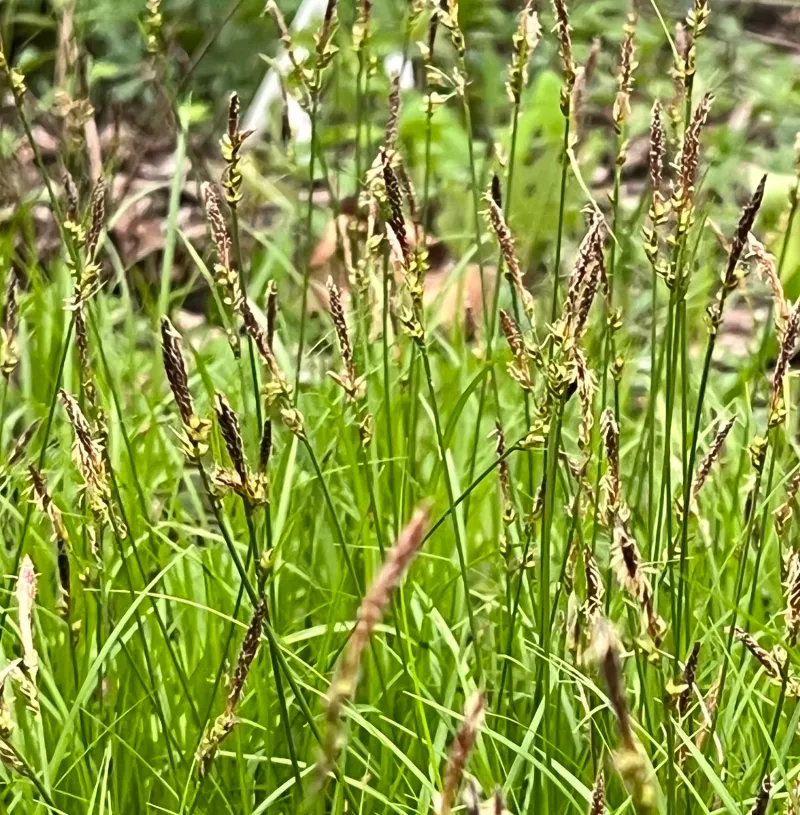
It stays low to the ground, usually growing only about six to eight inches tall. The thin, arching blades give it a soft, grassy appearance that never looks stiff or formal.
What makes this plant special is how naturally it spreads. It sends out underground stems called rhizomes, which slowly create a loose, flowing carpet instead of tidy clumps.
This growth style is exactly why it fits so well in a naturalistic garden. Rather than lining up in neat rows, it fills space in a relaxed way that mimics the forest floor.
Native to Pennsylvania and much of eastern North America, this sedge already belongs in local landscapes. Birds, insects, and small creatures recognize it as part of their home.
You can use it to soften the edges of pathways or to cover ground where grass refuses to grow. It works beautifully around the base of trees where shade is heavy.
Because it is a true native, it has learned to handle the local weather over thousands of years. That means fewer surprises and fewer headaches for you.
Planting it is simple. Space small plugs about a foot apart, and over a season or two they will grow together into a smooth green sweep.
If you want a garden that feels calm, wild, and connected to nature, this humble sedge is a wonderful place to begin your planting adventure.
Why Pennsylvania Sedge Fits Woodland Gardens
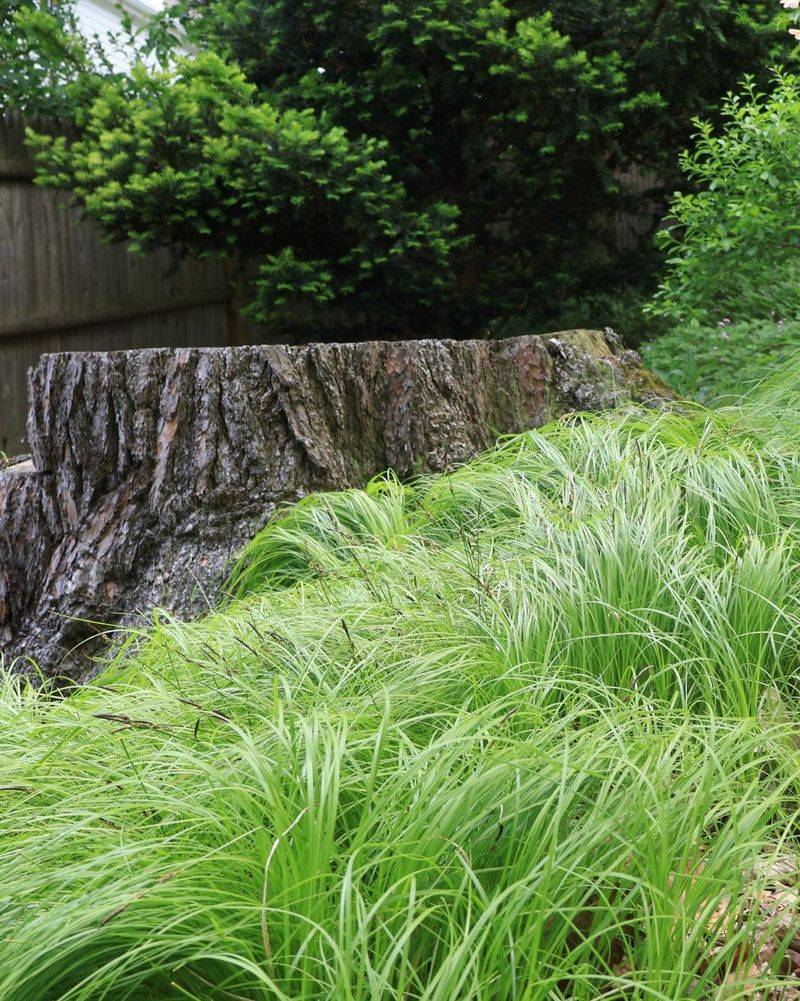
Walk through a real woodland and you will notice how everything grows in soft, layered patches. Pennsylvania sedge fits right into that scene like it was always meant to be there.
Its fine, hair-like blades create a gentle texture that contrasts nicely with bigger leaves. When it grows beneath trees and shrubs, it ties the whole picture together.
Many woodland perennials have bold shapes or large flowers. The delicate look of this sedge acts like a quiet background that lets those plants stand out.
Think of it as the green thread that stitches your shade garden into one flowing design. It softens hard edges and fills gaps that would otherwise look bare or messy.
Your Pennsylvania Garden Changes Every Week. Your Plan Should Too.
Gardening in Pennsylvania changes quickly throughout the season. Every Friday you’ll receive a simple weekly plan showing exactly what to plant, prune, fertilize, harvest, and protect so you never miss the right timing.
Under a canopy of oaks or maples, this sedge feels completely at home. It handles the shade, the fallen leaves, and the tree roots without complaint.
You can let autumn leaves stay right on top of it. In nature, that leaf layer feeds the soil and keeps the sedge cozy through winter.
Its arching shape also adds a sense of movement. Even a light breeze sends soft ripples across the blades, making the garden feel alive.
Because it spreads slowly and politely, it will not crowd out your ferns or wildflowers. Instead, it weaves between them in a friendly way.
This teamwork is what naturalistic gardening is all about. Plants share space and support each other, just like they do in a wild forest.
If your goal is a shady retreat that looks untouched and peaceful, Pennsylvania sedge gives you that woodland feeling with very little effort.
Give Pennsylvania Sedge The Right Conditions
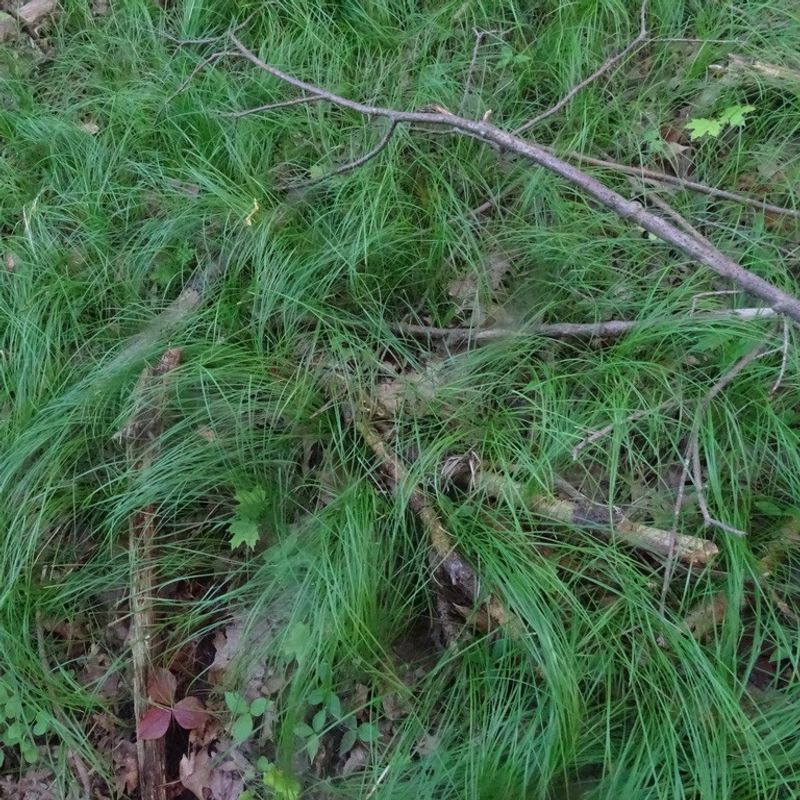
Every plant has its happy place, and for this sedge, that spot sits in the cool shade. It thrives best in part shade to full shade, away from harsh afternoon sun.
Think about the light near the edge of a forest. That gentle, filtered brightness is exactly what Pennsylvania sedge loves most.
Soil matters too. This plant prefers ground that drains well, so water does not sit and pool around its roots.
Sandy or loamy soils work nicely because they let extra moisture flow away. Heavy, soggy clay can make the sedge unhappy over time.
Here is some good news for busy gardeners. Once established, it handles dry shade better than most plants, which is a rare and useful trait.
When you first plant it, give it regular water for the first few weeks. This helps the roots settle in and grow strong.
After that, it needs far less watering. Nature usually provides enough rain to keep it looking fresh.
Woodland and forest-edge settings are ideal spots to try it. These areas often have that mix of shade and loose, leaf-rich soil it enjoys.
If your yard has a tricky shady corner where nothing seems to grow, this sedge might be your answer. It fills those tough spots with ease.
Avoid planting it in full, blazing sun with dry, sandy heat. That kind of stress can leave the blades looking pale and thin.
Match the plant to the place, and you will be rewarded. Give Pennsylvania sedge the shade and drainage it craves, and it will spread into a lush, effortless carpet.
Use It As A Lawn Alternative
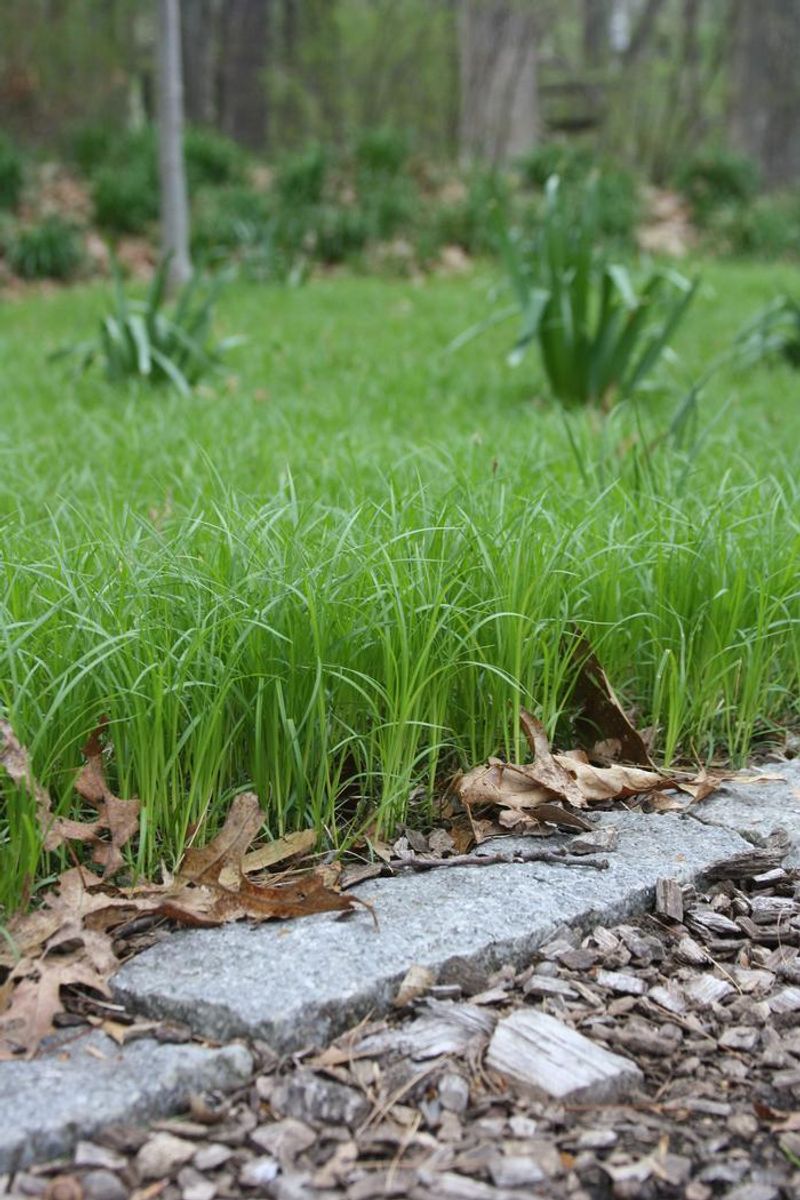
Tired of fighting to grow grass in the shade? Pennsylvania sedge offers a smart and beautiful way out of that struggle.
Traditional turf grass hates deep shade. It thins out, turns patchy, and often gives up in spots where trees block the sun.
This sedge, on the other hand, feels right at home in those same shady areas. It creates a soft green cover that looks a lot like a lawn.
You can mow it once or twice a year if you want a tidier, more uniform look. Set the blade high, around three to four inches.
Or you can leave it completely unmowed. Left alone, it develops a flowing, meadow-like texture that many gardeners adore.
Keep in mind that it is best for areas without heavy foot traffic. It cannot handle daily running, playing, and stomping the way tough turf can.
So think of it as a lawn for looking at, not for hosting soccer games. Quiet backyard corners and shady side yards are perfect.
One big benefit is how much time and effort it saves. No weekly mowing, no constant watering, and no bags of chemicals.
That means less work for you and a healthier space for bugs and birds. A sedge lawn welcomes pollinators and small wildlife.
It also uses far less water than a standard grass lawn. In dry summers, that can make a real difference for your water bill.
If you dream of a low-effort green space that feels natural and calm, swapping struggling turf for Pennsylvania sedge is a choice you will likely be glad you made.
Combine Sedge With Other Native Plants
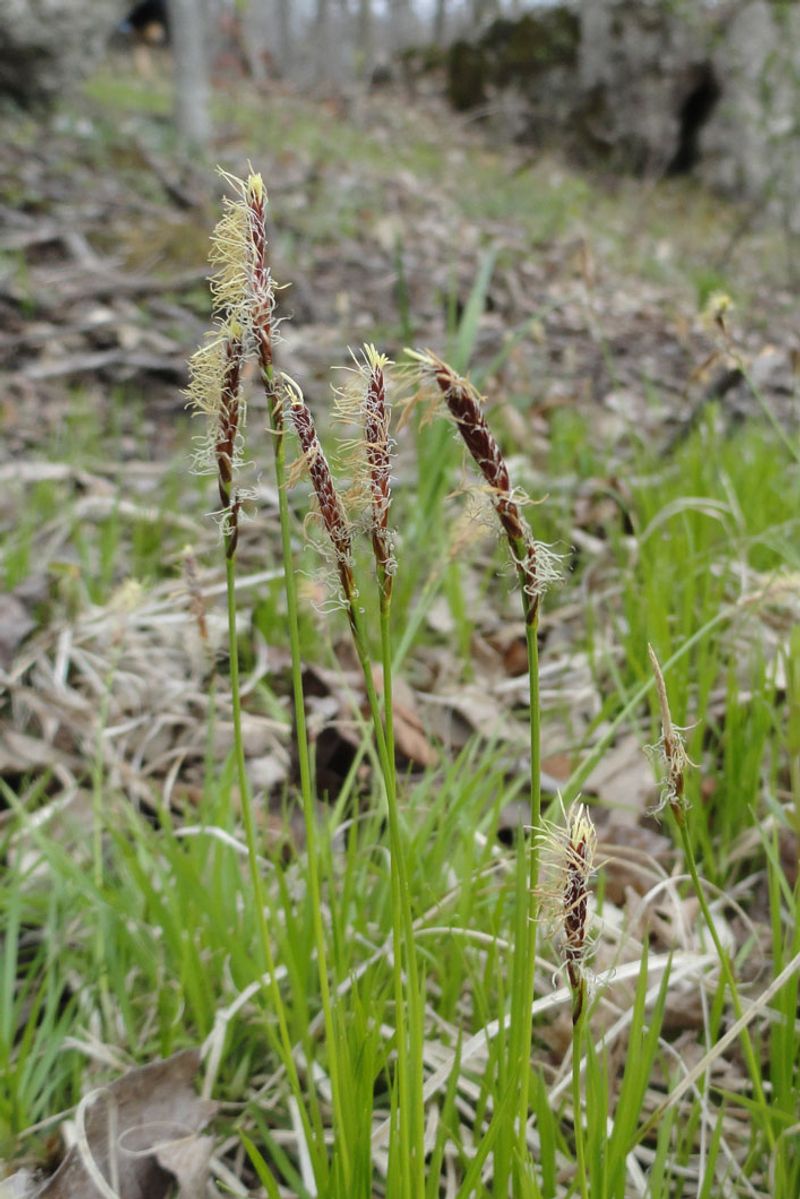
The real magic happens when you stop thinking about one plant and start thinking about a community. Pennsylvania sedge plays beautifully with other native plants.
Try weaving it between clumps of native ferns. The lacy fern fronds rise above the low sedge, creating layers that feel rich and full.
Spring wildflowers make wonderful partners too. Woodland phlox, wild geranium, and foamflower pop up through the sedge like colorful surprises.
Because the sedge stays low, it acts like a living carpet beneath taller blooms. This layered look is a hallmark of natural landscapes.
Add a few native shrubs, and you build even more structure. Something like a spicebush or a serviceberry gives height and shelter for birds.
Layering plants this way copies how a real forest is built. You get a ground layer, a middle layer, and a tall layer working together.
This variety also helps local wildlife. Different plants offer food, cover, and nesting spots for insects, birds, and small animals.
When you mix natives, you also cut down on maintenance. Plants that belong together tend to support each other and need less fussing.
Try grouping plants in loose, natural drifts instead of straight rows. This makes the whole garden feel like it grew there on its own.
The sedge fills the empty spaces between everything else. That means fewer weeds sneaking in and less bare soil showing.
Blend colors, heights, and textures, and let them mingle freely. With Pennsylvania sedge as your gentle green base, your native plant garden will feel like a true slice of the wild woods.
Keep The Sedge Looking Natural With Minimal Care
Here is the part every busy gardener loves to hear. Once Pennsylvania sedge settles in, it asks for barely any attention at all.
You will not need to drag out the mower every weekend. At most, one gentle trim in early spring keeps it fresh and neat.
Some people mow it just once a year, and others never mow it at all. Both choices work fine depending on the look you want.
Skip the fertilizer bags too. This native plant is used to lean, natural soil and does not need extra feeding to thrive.
In fact, too much fertilizer can cause floppy, weak growth. Keeping things simple actually helps the sedge look its best.
Watering follows the same easygoing rule. After the first season, rainfall usually covers most of its needs.
During a long dry spell, you might give it a drink now and then. Otherwise, it handles dry shade like a champ.
Leave fallen leaves right where they land in autumn. That natural mulch protects the roots and slowly feeds the soil.
Weeds tend to struggle once the sedge fills in thickly. The dense green cover blocks sunlight before weeds can take hold.
This low-effort personality is exactly why it fits a naturalistic garden so well. Nature does most of the work for you.
Every year, it quietly grows a little fuller and softer. Your reward is a calm, green space that practically takes care of itself.
If you want beauty without the constant chores, Pennsylvania sedge delivers. Plant it, watch it settle, and enjoy a garden that looks wild, healthy, and completely at ease.