The September Moves That Help New York Peonies Bloom Better Next Spring

September is when many New York gardeners make a mistake with their peonies without realizing it.
The flowers have been gone for months, the foliage looks worn, and the urge to cut everything back is strong. But beneath the soil, peonies are still working, storing energy and preparing for another growing season.
The right fall care is less about doing more and more about knowing what to leave alone. A few simple choices now can protect the plant, prevent common problems, and help your peonies enter winter in better shape.
Before you reach for the pruners or start moving plants around, these September tasks are the ones worth knowing.
1. Let Peony Foliage Keep Feeding The Roots Before Frost

Those tired-looking peony leaves are still on the clock. Even when they turn dull or speckled, they keep catching sunlight and sending sugars down into the roots.
Think of the foliage as a battery charger running all through late summer and early fall. Every sunny September day adds a little more stored energy to the crown below the soil.
Gardeners who shear peonies back in July or August often wonder why spring brings fewer flowers. Cutting early stops the charging process cold, and the plant heads into winter with a half-empty tank.
The leaves also protect the crown from baking sun and help shade out weeds around the base. Leaving them standing costs you nothing except a slightly untidy corner of the yard.
If the foliage looks spotty from mildew, resist the urge to strip it bare in September. Instead, thin a few of the worst leaves, improve air flow around the clump, and let the rest keep working.
Upstate gardens and Long Island beds both benefit from this patience, though frost arrives earlier in colder counties. Watch the weather rather than the calendar.
Once leaves yellow, brown, and flop after a hard frost, their job is finished. That is your signal, not the first cool morning in early September.
One small mindset shift helps here. Messy foliage in fall usually means fuller, taller, heavier flower stems the following May, and that trade is worth every scruffy week.
2. Give September Sunlight A Chance To Strengthen Peony Plants
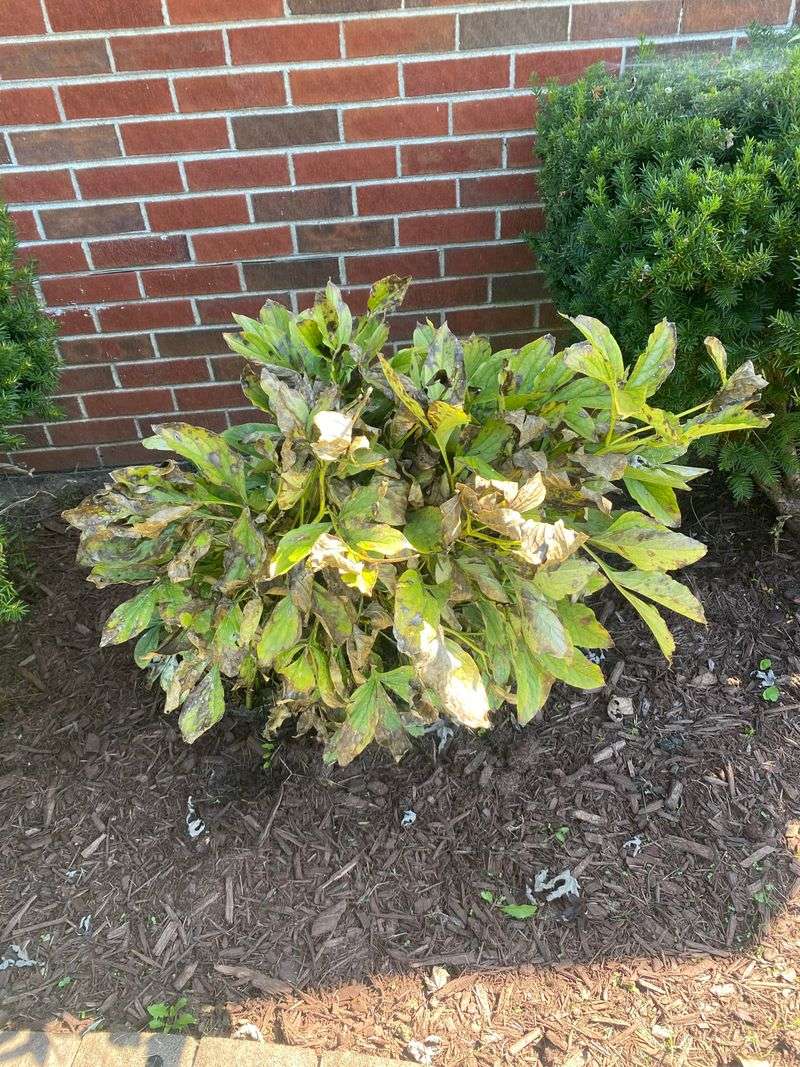
Sunlight is peony fuel, and September light still counts. Six to eight hours of direct sun keeps the roots packing away energy for spring stems and buds.
Trees grow, fences go up, and shrubs fill out over the years. A spot that was bright when you planted might now sit in afternoon shade by September, when the sun already rides lower in the sky.
Take a few minutes on a clear day and check the bed at 9 a.m., noon, and 3 p.m. Snap a photo each time so you can compare shade patterns honestly.
Plants stuck in dim corners tend to look floppy, with thin stems and very few flower buds come spring. Lush leaves and no blooms often trace back to too little light rather than poor soil.
Your New York Garden Changes Every Week. Your Plan Should Too.
Gardening in New York changes quickly throughout the season. Every Friday you’ll receive a simple weekly plan showing exactly what to plant, prune, fertilize, harvest, and protect so you never miss the right timing.
Trimming low branches from a nearby maple or pruning an overgrown hedge can restore hours of sun. That small pruning job pays off for years.
If the shade problem runs deeper, fall is your window to move the clump to a brighter spot before the ground stiffens. Peonies handle careful autumn moves better than spring ones.
Morning sun is especially useful because it dries dew from the leaves early and cuts down on fungal trouble. East-facing beds tend to perform beautifully in New York yards.
Clear away tall weeds or sprawling perennials crowding the clump, too. Giving leaves an open view of the sky is one of the easiest fall upgrades around.
3. Keep Crowded Peony Clumps From Competing For Resources
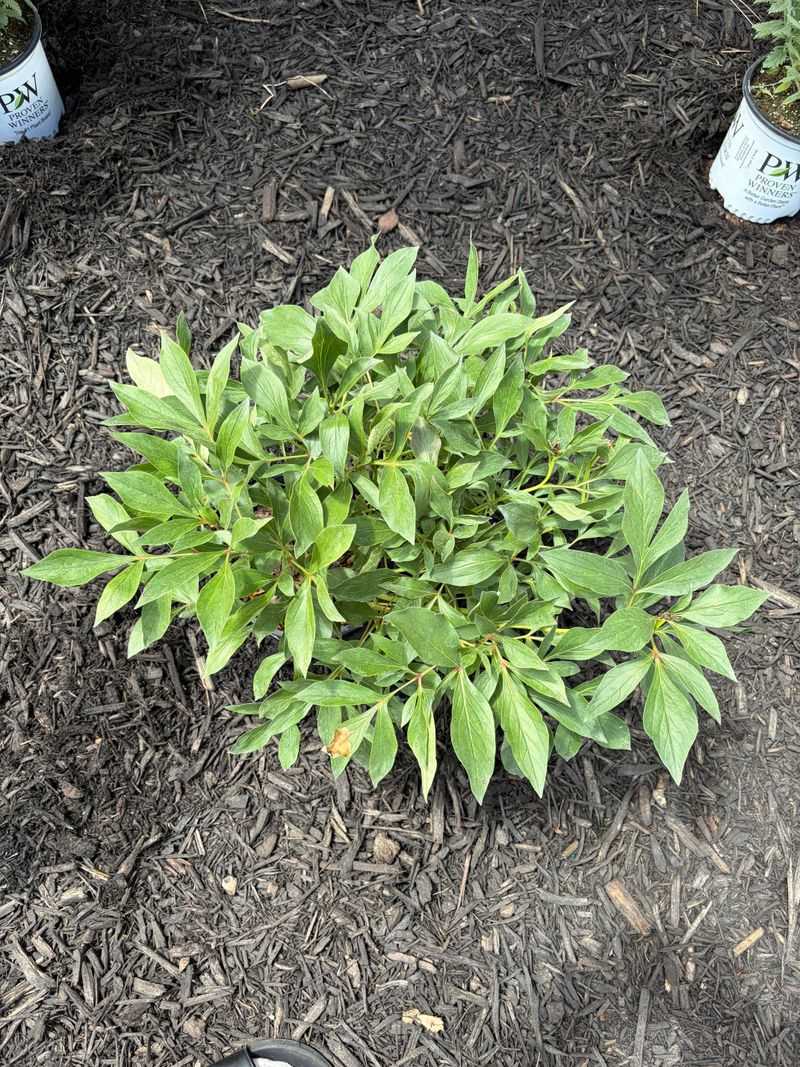
A peony clump can sit happily in one place for decades, then quietly get too big for its boots. Roots pile up, water and nutrients get stretched thin, and flower counts start sliding.
Signs show up gradually. Fewer buds, smaller flowers, and a hollow, bare center with growth pushed to the outside edges all point to crowding.
Fall is division season, and in New York that usually means late September through October after the foliage has declined. Cooler soil and steady moisture help fresh divisions settle in before hard freezes arrive.
Start by cutting the stems back to about six inches so you can see what you are doing. Then work a garden fork in a wide circle and lift the whole root mass gently.
Hose off enough soil to spot the pink or white eyes on the crown. Those little buds are next year’s stems, so handle them with care.
Use a clean, sharp knife to separate pieces, aiming for three to five eyes plus a solid chunk of healthy storage root on each division. Skinny scraps with one eye may take many seasons to flower.
Trim off any mushy or damaged root sections before replanting. Fresh, firm root tissue establishes fastest.
Space the new pieces about three feet apart so air moves freely between them. Crowding neighbors later is exactly what you are trying to avoid.
Share extras with friends or neighbors. Few gifts travel better in autumn than a labeled bag of peony divisions.
4. Check That Peony Eyes Are Sitting At The Right Depth
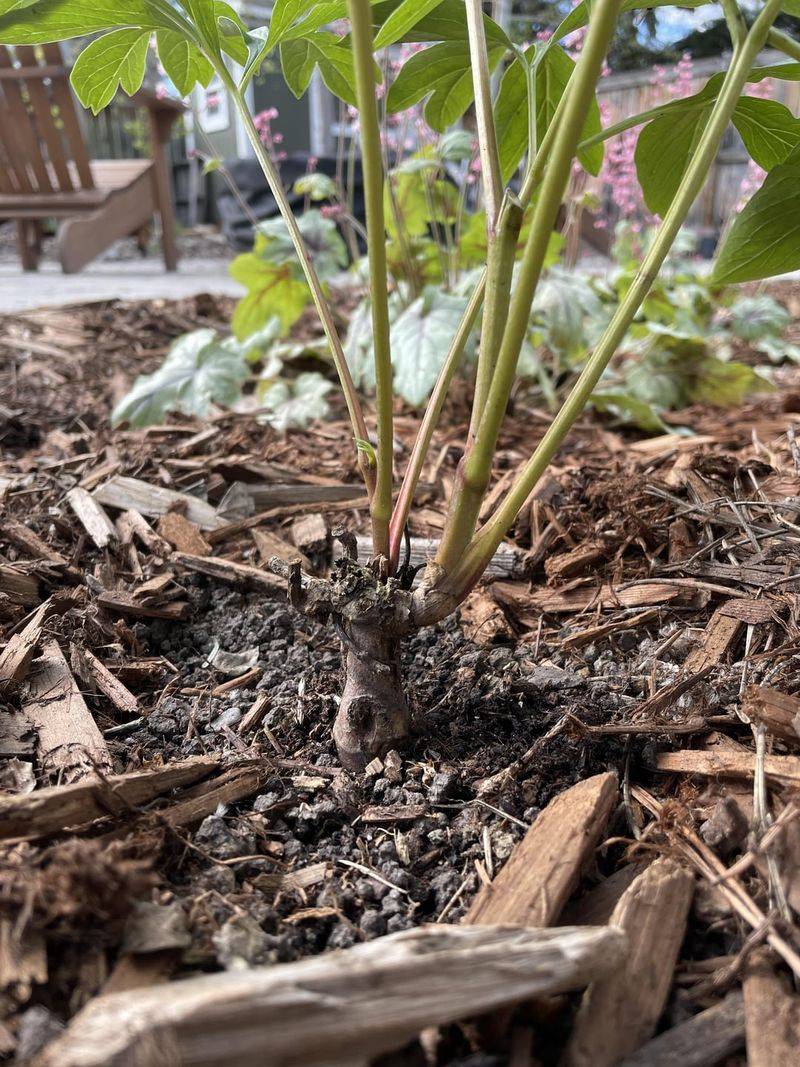
Here is the single most common reason a healthy-looking peony refuses to flower: it is buried too deep. Those pink eyes need to sit close to the surface.
Aim for eyes about one to two inches below the soil line across New York.
Peonies seem to need a chill signal at the crown to set buds properly. Bury them four or five inches down and they often respond with gorgeous leaves and almost no flowers.
Soil settling and mulch piling are sneaky culprits. Years of added compost and shredded bark can raise the grade without anyone noticing.
Take a trowel and gently scrape beside an established clump in September. If you have to dig down more than a couple of inches to find eyes, the crown has been swallowed.
Fixing it is straightforward. Lift the clump during fall division season and replant it higher, or carefully pull back excess soil and mulch from the crown area.
When setting a bare root, build a small mound of soil in the hole, drape the roots over it, and set the eyes upward at the right level. Backfill loosely and water to settle air pockets.
Use your hand as a rough gauge. The width of two stacked fingers is about right for planting depth, and that quick check saves seasons of waiting.
5. Give Newly Planted Peonies Time To Establish Before Winter
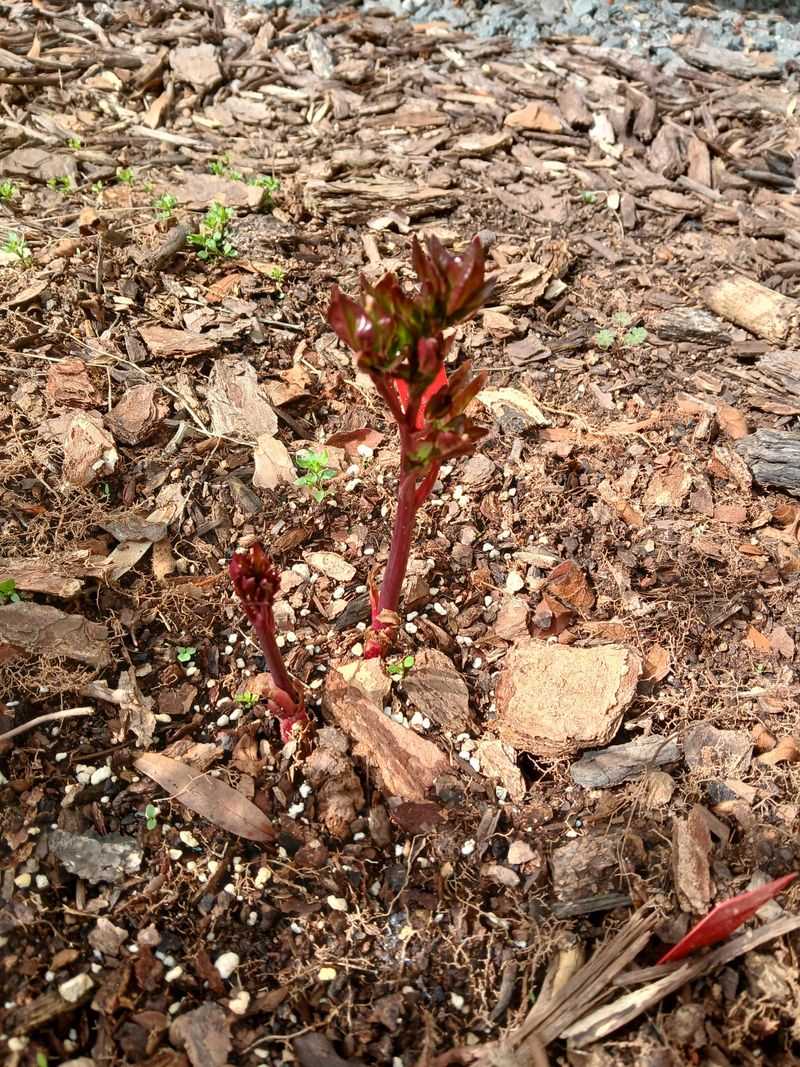
Bare root peonies arrive in fall for a reason. Cool soil and shortening days push the plant to grow roots instead of leaves.
Timing matters more than most people expect. Try to get roots in the ground roughly four to six weeks before a deep freeze settles into your part of the state.
For much of the Hudson Valley and western counties, that lands in September through mid October. Coastal and downstate gardens often stretch a few weeks later.
Prepare the hole wider than you think you need, about a foot and a half across, and loosen the bottom. Improve the planting area with compost if needed, but avoid creating a rich pocket of soil only inside the planting hole.
Water thoroughly after planting, then keep the soil lightly moist through fall if rain stays scarce. Roots keep growing until the ground gets truly cold.
Patience is part of the deal. First-year peonies usually focus on roots and a modest clump of leaves, with real flowers showing up the second or third spring.
A couple of inches of loose straw or shredded leaves over new plantings helps prevent frost heaving during freeze-and-thaw winter. Pull that cover off early in spring so the crown stays shallow.
Label everything before you forget what went where. Come April, a stake with a variety name feels like a note from your past self.
Reward comes slowly, then all at once. The clump you plant this month may outlive the fence around it.
6. Avoid Disturbing Peony Roots During Their Fall Preparation
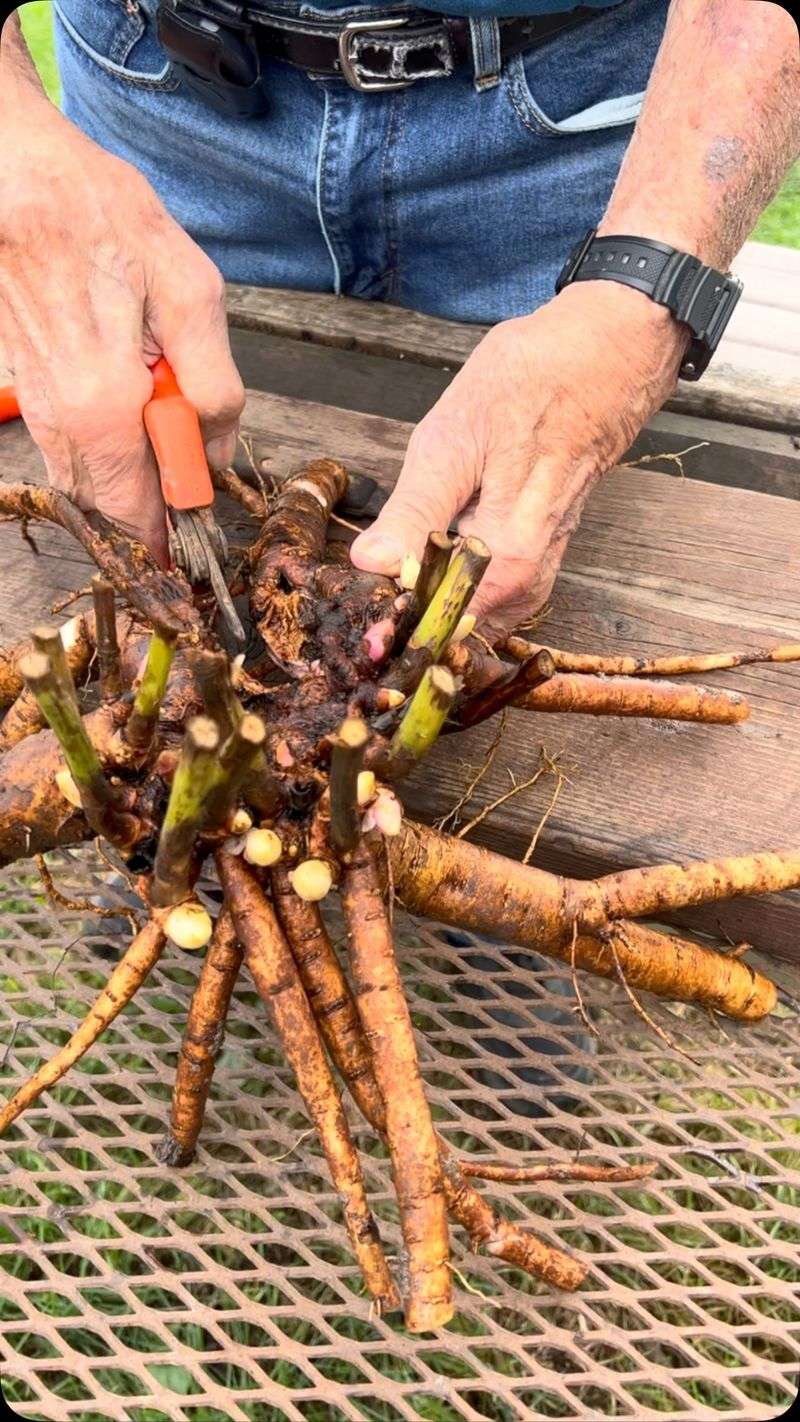
Peonies are homebodies. Once settled, a clump can bloom in the same spot for thirty, forty, even fifty years without being touched.
All that stability comes from a deep, thick root system that stores energy season after season. Poking around it in fall interrupts important work.
Save any lifting or moving for the proper division window, and do it in one clean operation rather than repeated digging. Random spade cuts while planting tulips nearby can set a peony back a full season.
Mark your clumps with a stake or a ring of stones before the foliage goes down. Plenty of gardeners have accidentally sliced a crown while adding bulbs in November.
Skip heavy cultivation around the base, too. Shallow hand weeding protects surface roots far better than a hoe.
Keep mulch a few inches away from the crown itself so the eyes stay near the surface where they belong. A ring, not a mound, is the right shape.
Hold off on high-nitrogen fertilizer this time of year, since soft new growth before frost helps nobody. A light topdressing of compost around the drip line is plenty.
If a plant truly needs relocating because of shade, crowding, or depth problems, fall remains your one good chance. Do it thoughtfully, then leave the new spot alone.
Restraint is an underrated garden skill. With peonies, the gardener who fusses least often ends up with the fullest armloads of flowers.
7. Watch For Flower Buds That Promise Next Spring’s Blooms
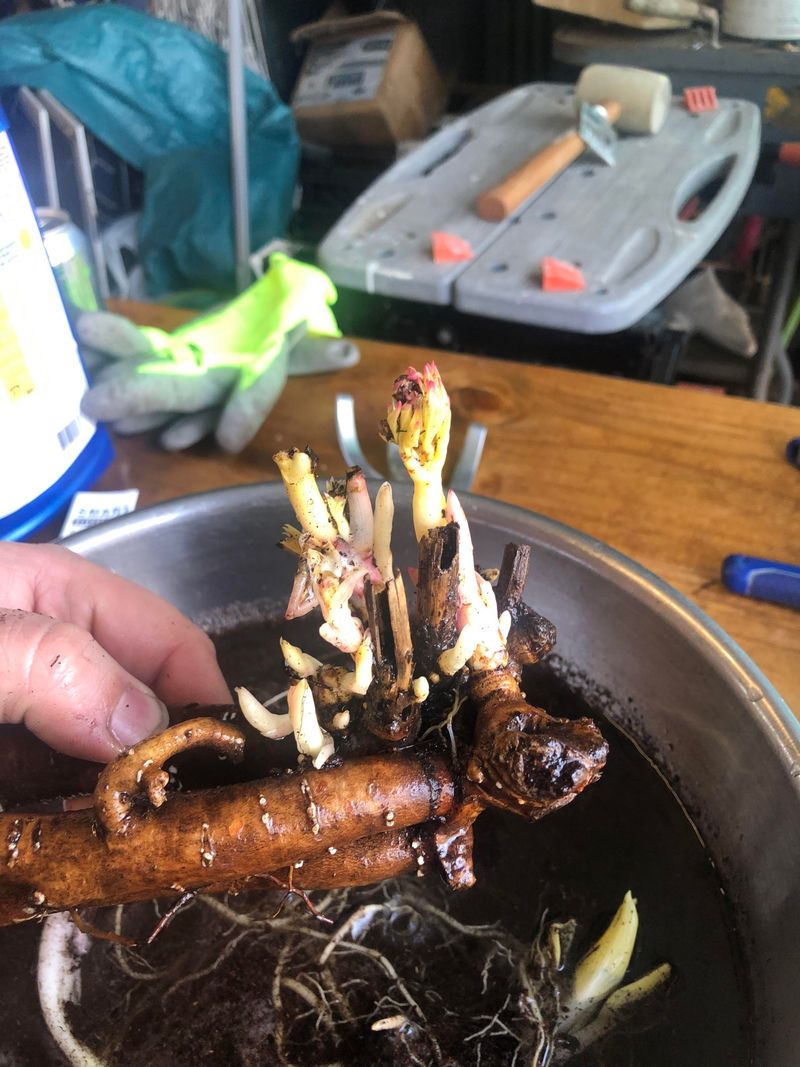
Something quietly exciting happens at soil level each fall. Small pink or reddish eyes are already visible on the crown in fall, each holding next spring’s stems and flowers
Gardeners call them eyes. Brushing back an inch of soil in late September usually reveals a cluster of them on an established clump.
Count is a fair predictor of spring. A generous ring of plump eyes suggests a strong show, while just two or three hints that the plant needs better light, more space, or a shallower crown.
Skip the temptation to keep uncovering them for a look. Cover the eyes back up gently once you have peeked.
No actual flower buds will appear above ground in September, so do not expect visible signs on the stems. All the promise is underground right now.
Everything else in this list feeds into these buds. Sun, room to grow, correct depth, and undisturbed roots all determine how many form before the soil cools down.
Keep the ground evenly moist through a dry fall, since drought stress at this stage trims bud counts. A deep soaking every week or two during rainless stretches does the trick.
Write down what you find in a notebook or phone note. Comparing eye counts from one autumn to the next tells you whether your care routine is working.
Consider it a preview. The May bouquet on your kitchen table is already being written in September.
8. Choose The Right Time To Cut Back Peony Foliage
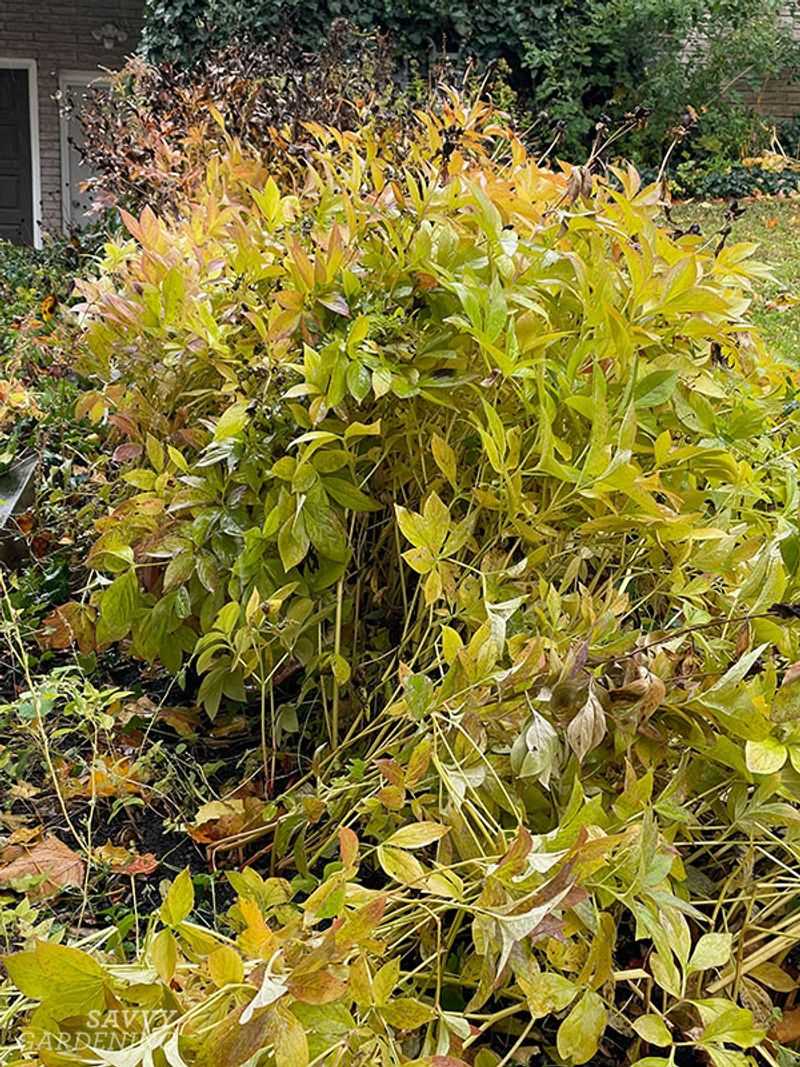
Timing the big cutback is where many gardeners go sideways. The right moment comes in late fall, after a hard frost has browned the leaves.
By then the plant has pulled its nutrients down into the roots for winter storage. Cutting before that transfer finishes shortchanges next year’s flowers.
Look for foliage that has yellowed, browned, or collapsed naturally. In most of New York that happens between late October and mid November, depending on how far north you garden.
Cut stems down to about an inch or two above the soil using clean, sharp pruners. Leaving tall stubs invites rot and makes spring cleanup messier.
Bag the trimmings and set them out with yard waste instead of adding them to the compost pile. Fungal troubles like powdery mildew and botrytis blight overwinter happily in old peony leaves.
Wipe your blades with rubbing alcohol between plants if disease showed up during summer. A thirty second habit stops a lot of spread.
Rake the area around the crown clean as well, since fallen leaf bits carry spores too. A tidy crown area means fewer problems in April.
Tree peonies are a different story and keep their woody stems, so do not cut them back to the ground. Remove only nonviable, damaged, or crossing branches, while herbaceous and Itoh peonies should be cut back after the foliage declines following frost.
Finish with a thin layer of compost around, not over, the crown. Then hang up your pruners, pour something warm, and let winter do the rest.