These Are The Pennsylvania Native Perennials That Bloom When Nothing Else Does In The July Heat
July in Pennsylvania is when a lot of perennial gardens go quiet. The spring bloomers are long finished, the early summer performers are winding down, and the heat puts enough stress on most plants that new flowers become harder to find.
It is the gap in the garden calendar that catches a lot of gardeners off guard, especially after the abundance of May and June. Pennsylvania native perennials have an answer for this, and it is a surprisingly good one.
Several of them are specifically timed to bloom right through the hottest stretch of summer, filling that July gap with color at exactly the point when the garden needs it most. These plants are not just tolerating the heat.
They are performing in it, producing blooms that pollinators rely on heavily during a period when flowering plants become genuinely scarce. If July has always been the dull month in your garden, these natives are the most straightforward fix available.
1. Bee Balm
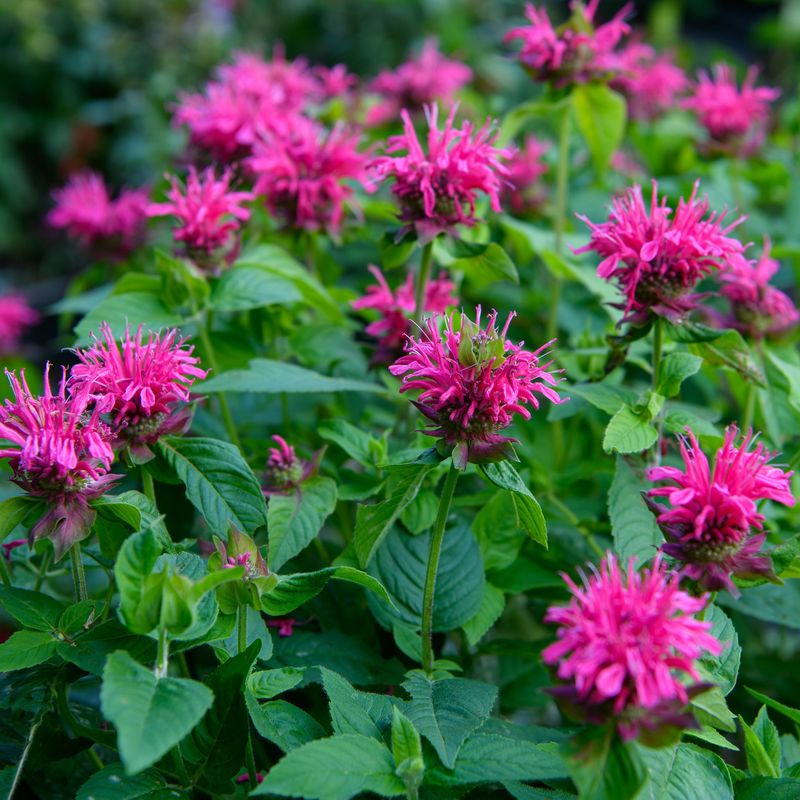
Few plants in the summer garden throw a party quite like bee balm. Known by its scientific name Monarda didyma, this Pennsylvania native explodes into shaggy, firework-like blooms in shades of red, pink, and purple right when July heat is at its worst.
Pollinators absolutely go wild for it. Bee balm grows best in full sun to partial shade and prefers moist, well-drained soil. It spreads steadily each year, forming large clumps that fill empty spaces beautifully.
You can divide the clumps every few years to keep plants healthy and to share extras with neighbors or other garden beds.
One cool thing about bee balm is that it belongs to the mint family, so the leaves smell amazing when you brush against them. Historically, Native Americans used the leaves to make a soothing tea.
Hummingbirds are especially drawn to the red varieties, making your garden feel like a nature sanctuary.
To prevent powdery mildew, which bee balm can be prone to, give plants plenty of space for airflow. Water at the base rather than overhead.
With just a little attention, bee balm rewards you with weeks of stunning blooms and a constant parade of buzzing, fluttering visitors that make July gardening genuinely exciting.
2. Purple Coneflower
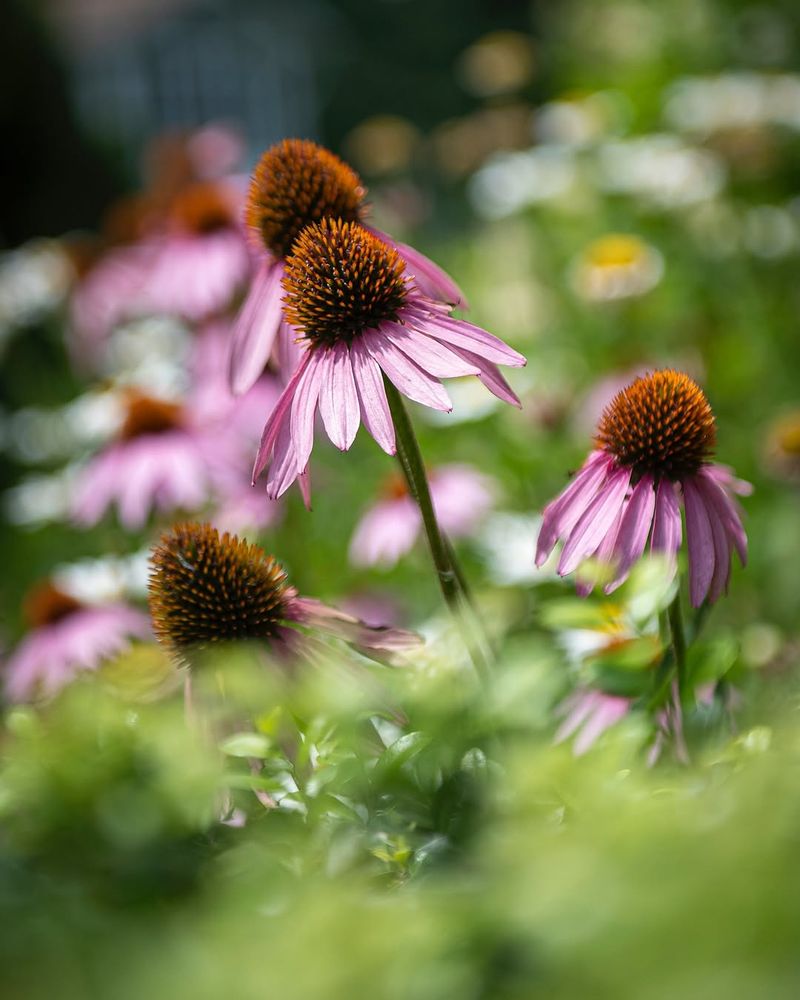
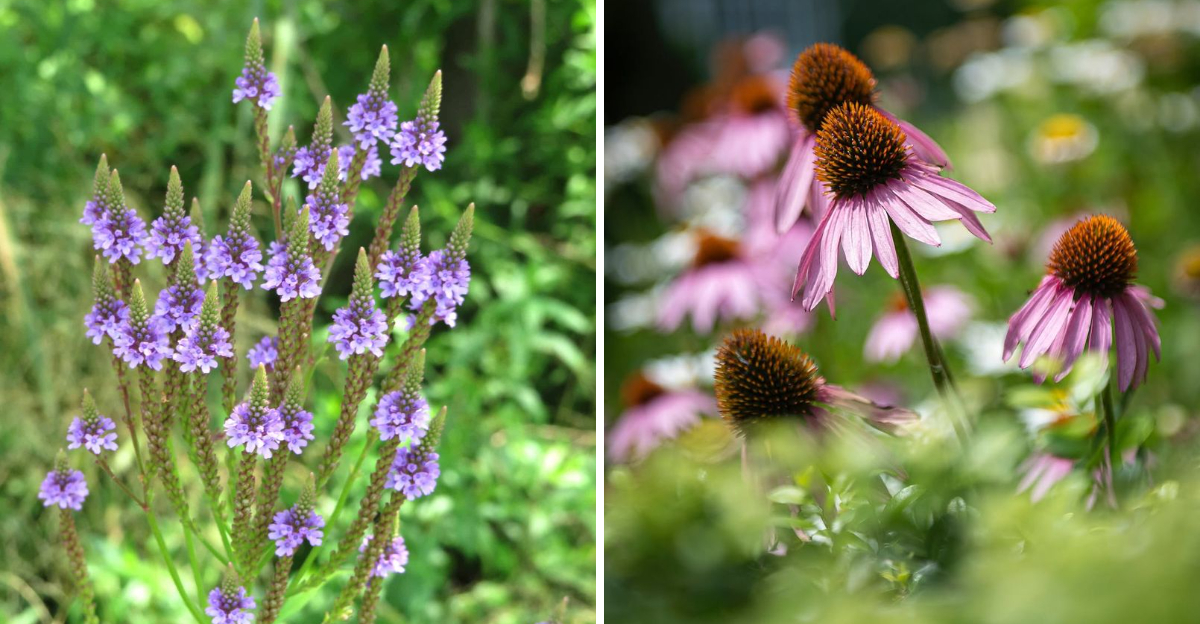
Purple coneflower, or Echinacea purpurea, is one of those plants that simply refuses to quit. Even when the July sun is relentless and rainfall is scarce, coneflowers keep pushing out their cheerful purple blooms like nothing is wrong.
Gardeners across Pennsylvania count on them every single summer. What makes coneflowers so reliable is their deep root system. Those long roots reach down into the soil to find moisture that shallower plants just cannot access.
Once established, coneflowers need almost no supplemental watering, making them a smart choice for busy gardeners or anyone trying to conserve water during dry spells.
Did you know that Echinacea has been used for centuries in herbal medicine? Native American tribes used the roots and leaves to treat everything from colds to wounds.
Today, echinacea supplements line pharmacy shelves nationwide, but in your garden, the plant does its best work simply by feeding goldfinches and monarchs through late summer.
Your Pennsylvania Garden Changes Every Week. Your Plan Should Too.
Gardening in Pennsylvania changes quickly throughout the season. Every Friday you’ll receive a simple weekly plan showing exactly what to plant, prune, fertilize, harvest, and protect so you never miss the right timing.
Plant coneflowers in a sunny spot with average to dry soil. They actually perform better in lean soil than in overly rich beds, where they can get floppy.
Leave the seed heads standing through fall and winter to feed birds and add visual interest. With very little fuss, purple coneflower earns its place as a summer garden superstar.
3. Black-Eyed Susan
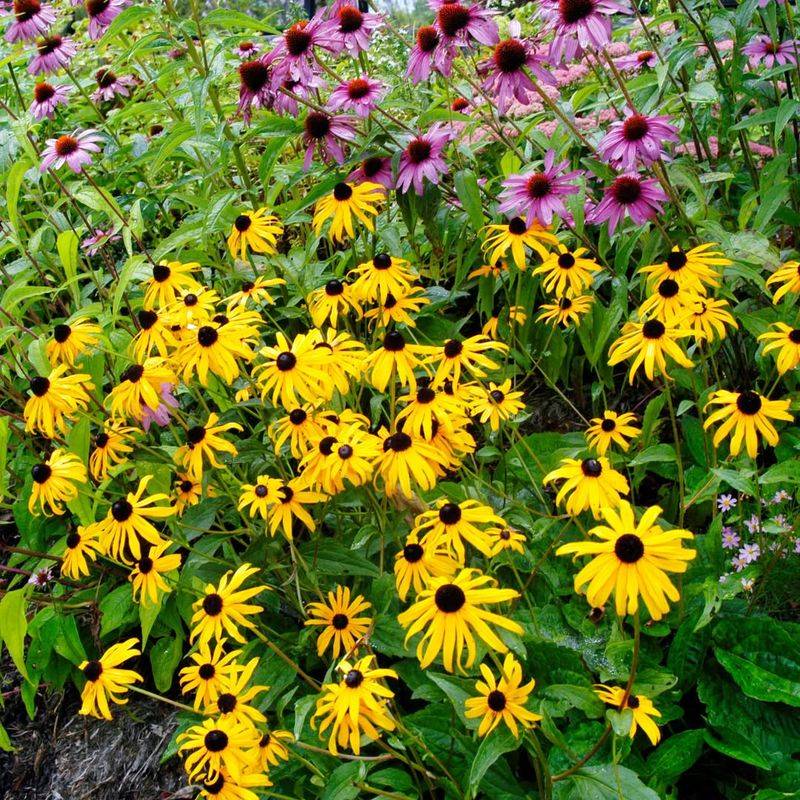
Sunshine in flower form, that is the best way to describe black-eyed Susan. Rudbeckia hirta brings those bold golden-yellow petals with their iconic dark centers to Pennsylvania gardens right through the hottest and driest weeks of July.
Spotting a patch of them in full bloom genuinely lifts your mood. Black-eyed Susans are incredibly adaptable. They grow in clay soil, sandy soil, and everything in between.
Full sun is their preference, but they manage just fine with a few hours of afternoon shade. Once you plant them, they often self-seed and return year after year, slowly naturalizing into bigger and bigger drifts.
These flowers work beautifully in meadow-style plantings, cottage gardens, and even roadside beds. They pair especially well with purple coneflowers, creating a classic native wildflower combination that pollinators adore.
Bees, butterflies, and beneficial insects flock to the open-faced blooms, making your garden a busy hub of activity all season long.
Deadheading spent flowers encourages more blooms and extends the flowering season well into August. However, leaving some seed heads intact in late summer feeds goldfinches and other seed-eating birds through fall.
Black-eyed Susans are also deer-resistant, which is a major bonus for Pennsylvania gardeners who deal with frequent deer browsing. They are tough, beautiful, and completely dependable every July.
4. Joe-Pye Weed
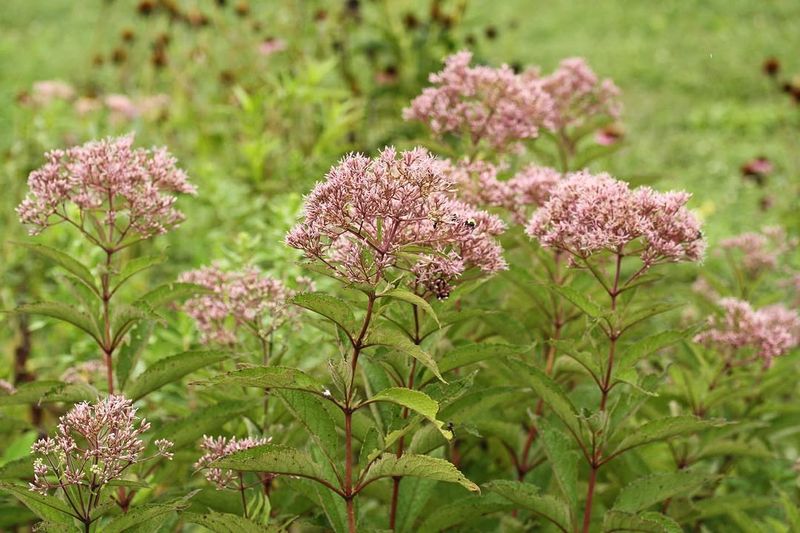
Joe-Pye weed commands attention the moment it blooms. Standing anywhere from four to seven feet tall, Eutrochium purpureum produces enormous domed clusters of dusty rose-pink flowers that practically glow in the July sun.
It is one of the most dramatic native plants you can grow in a Pennsylvania garden. The name has an interesting backstory. Some historians believe Joe Pye was a Native American healer who used the plant medicinally in colonial New England.
Whether or not the story is entirely accurate, the plant has been celebrated for centuries. Today, it is celebrated mainly for its incredible value to pollinators, especially monarch butterflies and swallowtails.
Give Joe-Pye weed plenty of room because it gets big. It thrives in full sun to light shade and prefers moist, fertile soil.
Rain gardens and low spots in the yard where water collects are ideal locations. Despite its impressive size, the stems are sturdy and rarely need staking, even after summer storms roll through.
Because of its height, Joe-Pye weed works best at the back of a border or as a standalone focal point in a naturalistic planting. It blooms from July through September, providing a long season of color and wildlife support.
Cut the whole plant back to about a foot in early spring to keep it tidy and encourage fresh, vigorous growth every season.
5. Blue Vervain
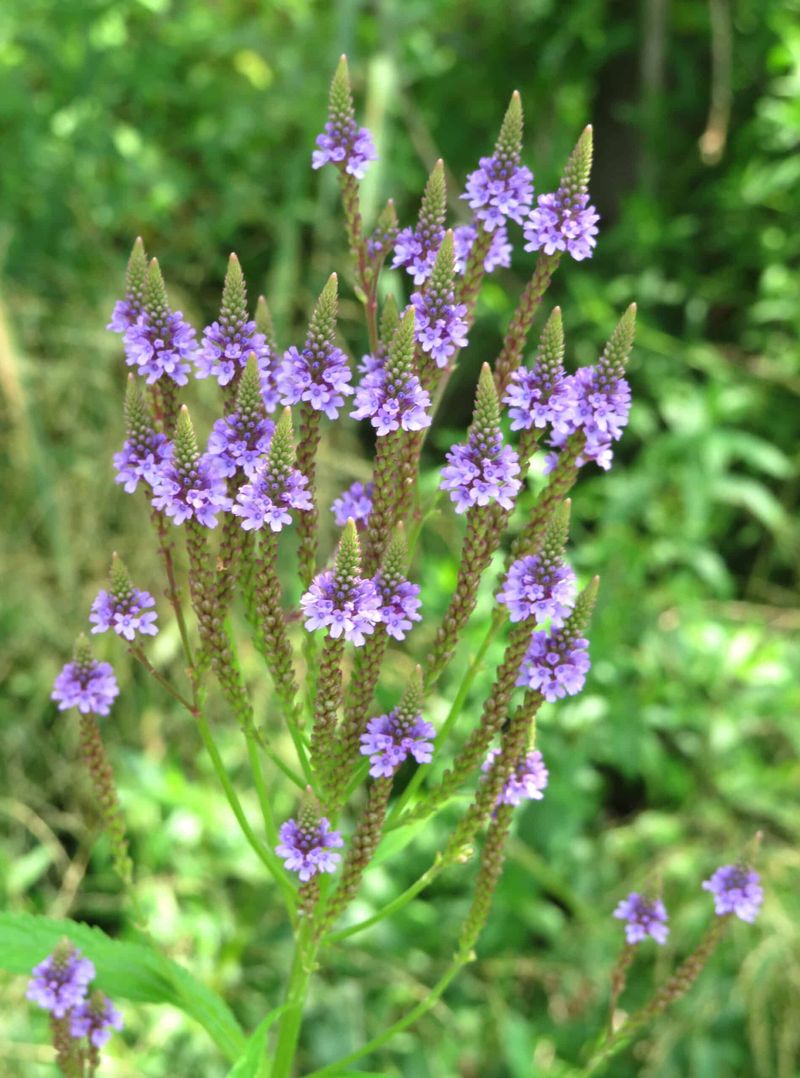
Blue vervain does not get nearly enough credit. Verbena hastata sends up elegant, candelabra-like spikes of tiny violet-blue flowers in midsummer, creating a soft, airy effect that looks stunning in naturalistic plantings.
Up close, the blooms open in a distinctive ring that travels up the spike over several weeks. Native to Pennsylvania’s wet meadows and stream banks, blue vervain loves moisture.
It thrives along pond edges, in rain gardens, and in any low-lying spot that stays consistently damp.
If your yard has a soggy area that other plants struggle in, blue vervain will absolutely flourish there without any complaints.
The plant grows three to five feet tall and has a pleasantly upright, architectural quality. Finches and sparrows love the seeds, so leaving the stalks standing through winter provides valuable food for birds during cold months.
The seeds are tiny but plentiful, and birds can spend a surprising amount of time working through a single plant.
Blue vervain is also highly attractive to native bees, particularly sweat bees and small bumble bees that are perfectly sized to access the small flowers. It combines beautifully with Joe-Pye weed, swamp milkweed, and cardinal flower in a rain garden design.
Starting from seed takes patience, but nursery transplants establish quickly and reward you with blooms the very first summer you plant them.
6. Butterfly Weed
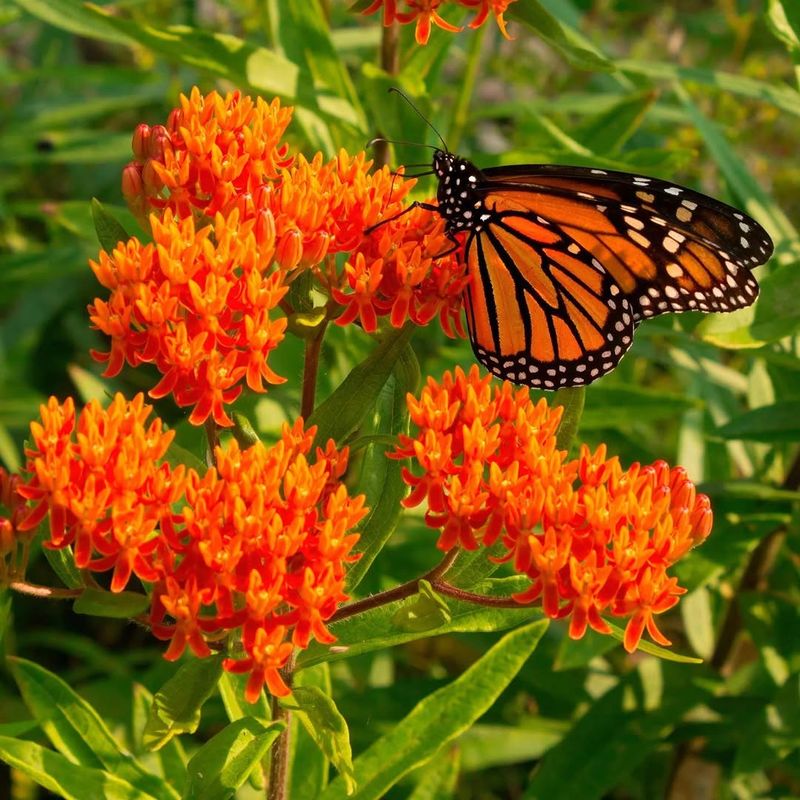
Bright, bold, and built for heat, butterfly weed is one of the most eye-catching native plants in Pennsylvania. Asclepias tuberosa produces clusters of vivid orange flowers that practically stop people in their tracks.
It blooms right through the hottest and driest stretches of July without skipping a beat. Unlike most milkweeds, butterfly weed prefers dry, well-drained soil and full sun.
It actually struggles in wet or clay-heavy ground, so raised beds, slopes, and sandy soils suit it perfectly.
Once established, it develops a deep taproot that stores water and nutrients, allowing it to thrive during droughts when other plants wilt.
Monarch butterflies rely on milkweed species like butterfly weed to lay their eggs. The leaves feed monarch caterpillars exclusively, making this plant a critical part of the monarch migration story.
Planting butterfly weed in your yard means you are actively helping a species that has seen serious population declines in recent decades.
One quirky thing about butterfly weed is that it emerges very late in spring, so mark its location carefully to avoid accidentally disturbing it. It is slow to establish but extremely long-lived once settled.
Do not transplant it once it is in the ground because the taproot resents disturbance. Give it a permanent sunny spot, stay patient, and it will reward you with stunning blooms for many years to come.
7. Wild Bergamot
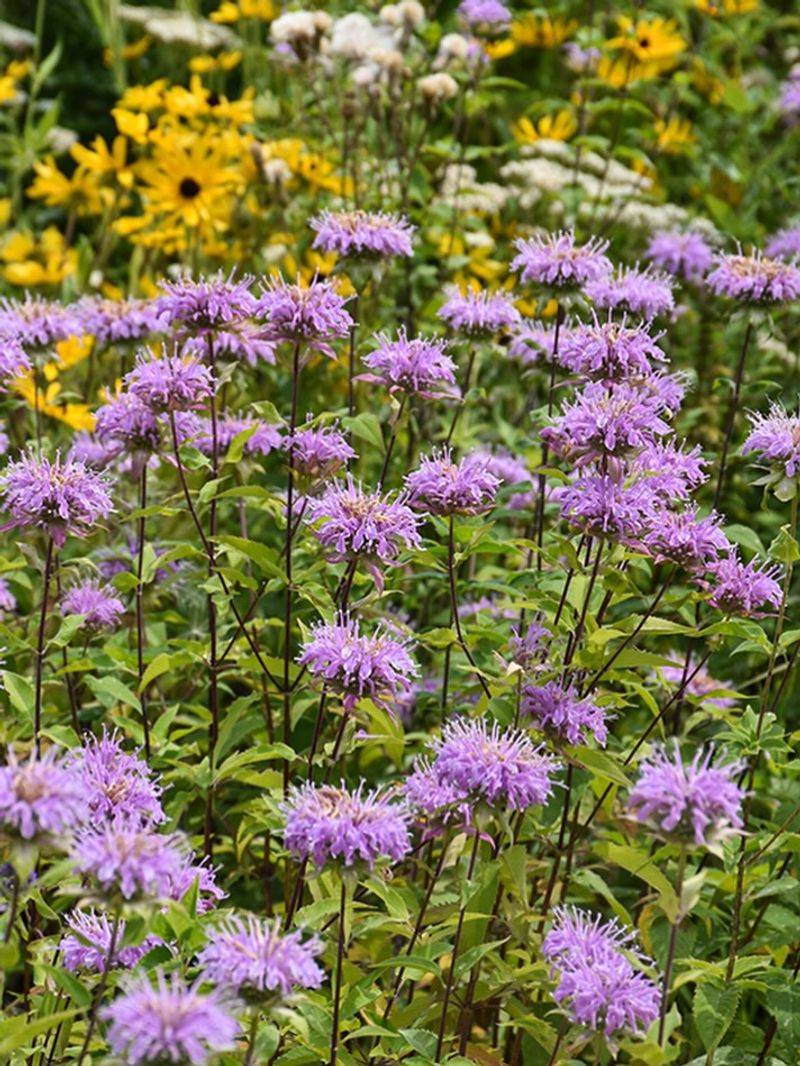
Wild bergamot has a relaxed, meadow-charm that makes it instantly lovable. Monarda fistulosa, the lavender-flowered cousin of red bee balm, blooms prolifically through July and into August, holding its own even during extended heat waves and dry spells.
It is a plant that looks effortless because, honestly, it kind of is. Growing wild bergamot is straightforward. It prefers full sun and well-drained soil, tolerating dry conditions far better than its red-flowered relative.
In fact, it is one of the more drought-tolerant native perennials available to Pennsylvania gardeners. Once established, it spreads slowly into tidy, manageable clumps that fill garden beds with soft purple color.
Pollinators absolutely swarm wild bergamot. Native bumblebees, sweat bees, and long-tongued bees are particularly fond of the tubular flowers.
Hummingbirds visit regularly, and various butterfly species use it as a nectar source throughout the summer. Few plants of this size support as wide a variety of beneficial insects as wild bergamot does.
The foliage has a pleasant oregano-like scent, which makes sense because bergamot and oregano are related. Deer tend to avoid it, which is a welcome bonus in suburban and rural Pennsylvania gardens.
Plant it alongside black-eyed Susans and coneflowers for a classic native wildflower trio that looks gorgeous, supports wildlife generously, and practically takes care of itself from one July to the next.
8. Coreopsis
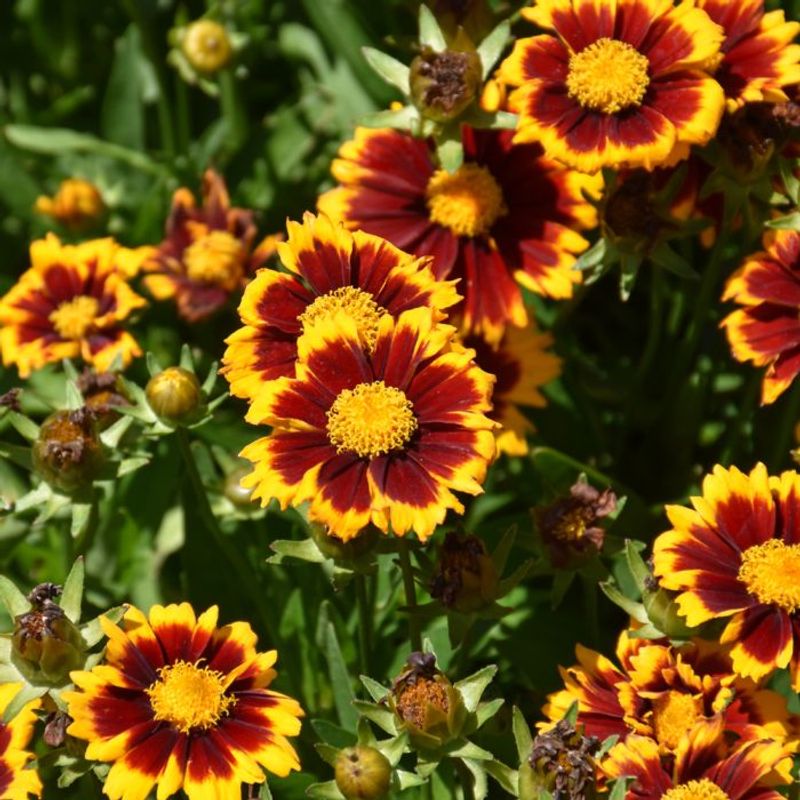
If reliability had a flower, it would be coreopsis. Often called tickseed, Coreopsis species produce cheerful, daisy-like yellow flowers in such abundance that the plants can look like they are covered in tiny suns.
Through the heat of July and well beyond, coreopsis just keeps blooming without much help from you.
Pennsylvania native species like Coreopsis lanceolata and Coreopsis tripteris handle summer heat surprisingly well. They prefer full sun and well-drained soil, and they are notably drought-tolerant once established.
Overly rich or wet soil actually causes problems, so lean toward average garden soil and avoid overwatering once plants are settled in.
Regular deadheading encourages continuous flowering from early summer through fall. Snipping off spent blooms takes only minutes and dramatically increases the number of flowers the plant produces.
If you get too busy to deadhead, coreopsis will still bloom reasonably well, just with slightly fewer flowers than a regularly maintained plant would produce.
Coreopsis works beautifully as a border edging plant, in containers, and in mass plantings along sunny slopes or pathways. The bright yellow flowers pair well with purple or blue-flowered plants like wild bergamot and blue vervain, creating vivid color contrast.
Goldfinches are drawn to the seed heads in late summer, so leaving a few plants untrimmed at the end of the season gives birds a natural food source they will appreciate well into fall.